
When we imagine dinosaurs, many of us envision massive creatures towering over landscapes, dwarfing everything in their path. Popular culture has often depicted these prehistoric giants as tall enough to peek into second-story windows or even tower above entire buildings. But how accurate are these portrayals? Would dinosaurs truly have been taller than a two-story house, or has our collective imagination exaggerated their size? Let’s explore the fascinating world of dinosaur dimensions and compare them to modern structures to separate fact from fiction.
Defining Our Measurements: How Tall Is a Two-Story House?

Before comparing dinosaurs to houses, we need to establish a clear reference point. A typical two-story residential house stands approximately 20 to 25 feet (6 to 7.6 meters) tall from ground level to the top of the roof. This measurement can vary based on architectural style, ceiling heights, and regional building practices. Colonial-style homes might reach around 20 feet, while Victorian houses with steeper roofs could approach 30 feet in height. For our comparison, we’ll use the average height of 25 feet as our benchmark when determining whether dinosaurs could truly tower over a two-story dwelling.
The Tallest Dinosaurs: Sauropod Giants
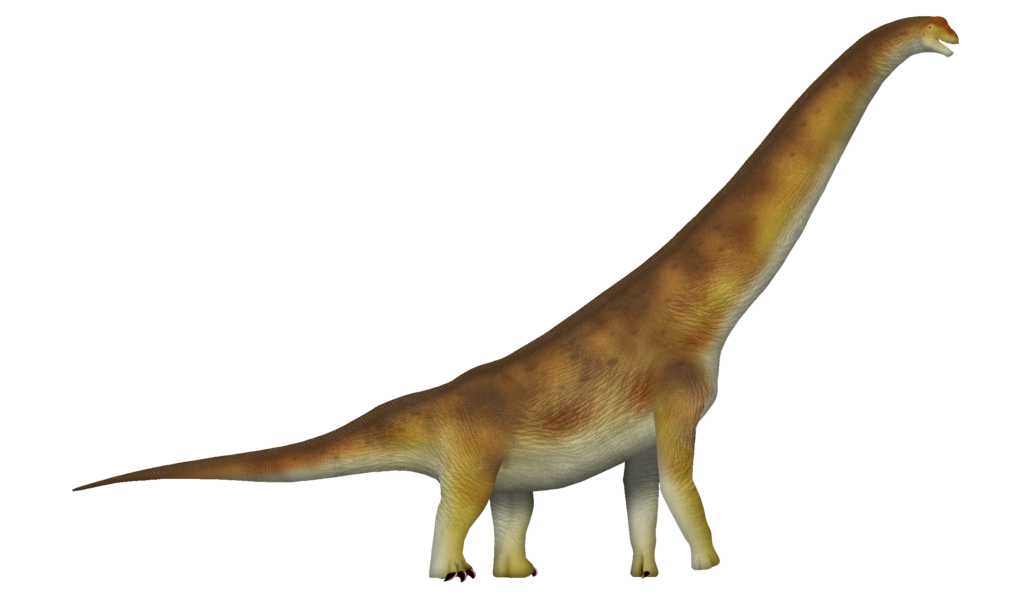
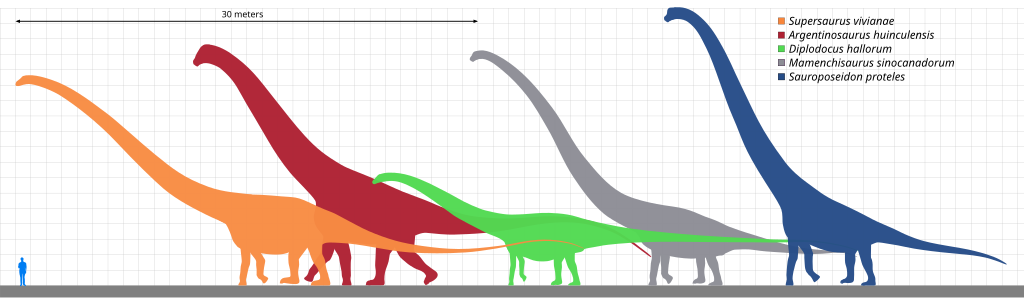
When discussing dinosaur height, sauropods immediately come to mind as the undisputed titans of the prehistoric world. These long-necked, herbivorous dinosaurs include some of the largest land animals ever to walk the Earth. Brachiosaurus, with its distinctive upward-sloping neck, could reach heights of 40-50 feet (12-15 meters) when standing in a natural posture. Sauroposeidon, discovered in Oklahoma, may have stretched even taller, with height estimates reaching up to 55-60 feet (17-18 meters). These measurements comfortably exceed our two-story house benchmark, confirming that yes—some dinosaurs would indeed have towered over typical residential structures, sometimes by more than twice their height.
Argentinosaurus: The Heavyweight Champion
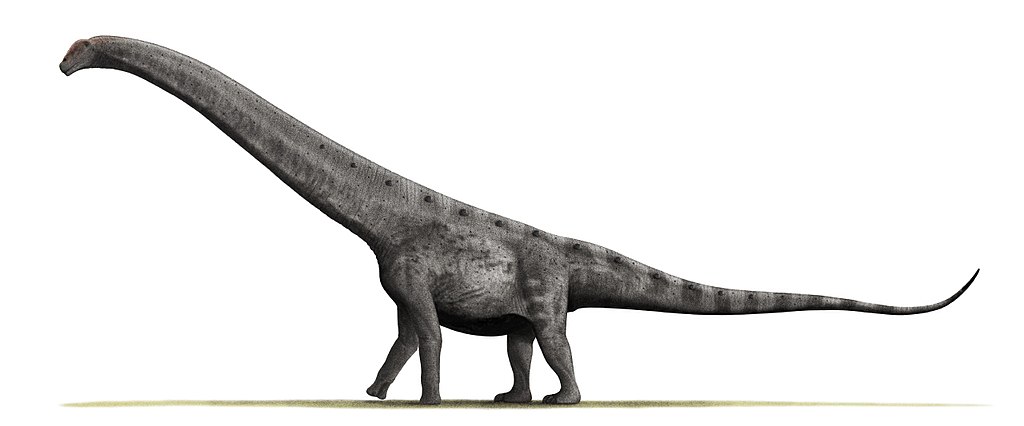
Argentinosaurus huinculensis deserves special mention in any discussion of dinosaur size. Discovered in Argentina (hence its name), this colossal sauropod lived during the Late Cretaceous period approximately 95-93 million years ago. Based on incomplete fossil remains, scientists estimate Argentinosaurus reached heights of up to 70 feet (21 meters) when stretching its neck upward. This would make it nearly three times taller than our standard two-story house. Not only was it tall, but Argentinosaurus was also extraordinarily heavy, with weight estimates ranging from 70 to 80 tons—comparable to a modern freight locomotive. Its vertebrae alone measured over four feet in height, providing a sense of this creature’s truly staggering proportions.
Theropods: The Towering Predators
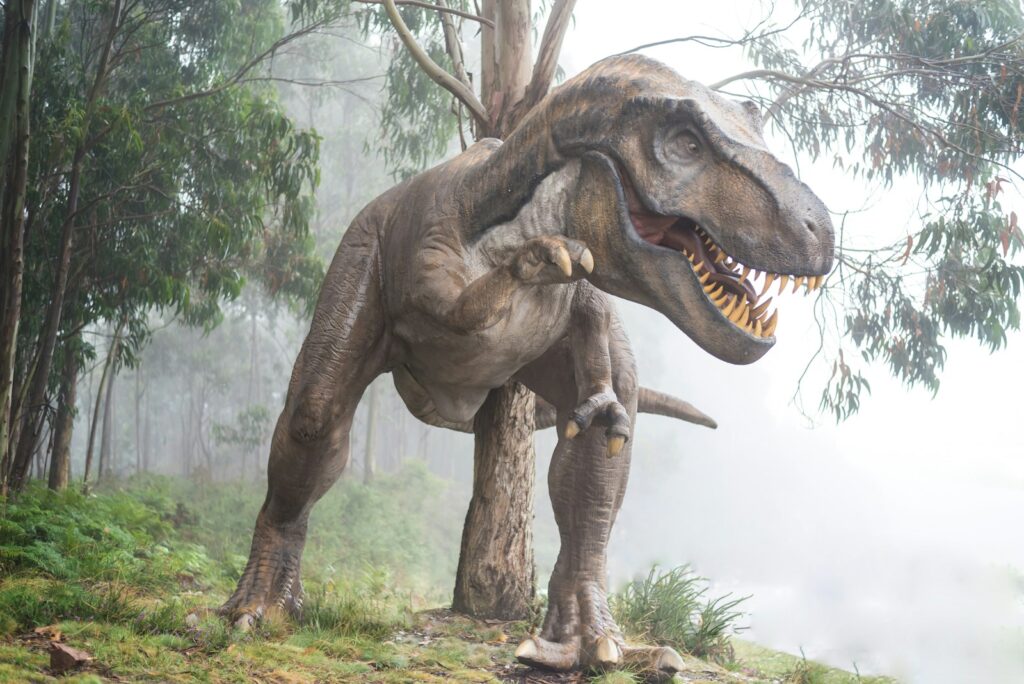
While sauropods claim the height records, certain theropod dinosaurs—the primarily carnivorous bipedal dinosaurs—also reached impressive heights. Tyrannosaurus rex, perhaps the most famous dinosaur of all, stood approximately 12-20 feet (3.6-6 meters) tall at the hip, with its head potentially reaching up to 20 feet (6 meters) off the ground. While this means T. rex would likely reach the second-floor windows of a house, it generally wouldn’t surpass the roof of a two-story structure. Other large theropods like Spinosaurus, with its distinctive sail, might have reached heights approaching 23 feet (7 meters) at the top of its neural spines, making it a close contender for peering over rooftops. These predators were certainly imposing, but they generally fell short of the two-story benchmark when compared to their sauropod counterparts.
Size Variations Across Dinosaur Families
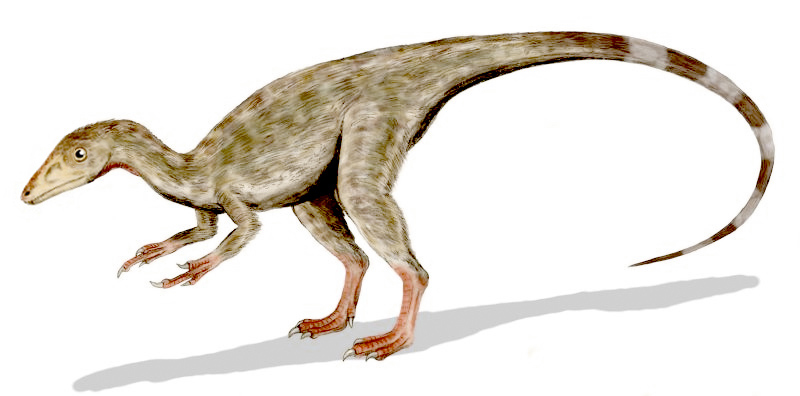
It’s important to recognize that dinosaurs exhibited tremendous diversity in size across different families and species. Not all dinosaurs were giants—many were surprisingly small by comparison. Compsognathus, for instance, was roughly the size of a modern chicken, standing just 1-2 feet (30-60 cm) tall. Velociraptors, despite their fearsome portrayal in films, stood only about 1.6 feet (50 cm) tall at the hip—nowhere near house height. The ornithopod family included members ranging from human-sized Dryosaurus to the duck-billed Shantungosaurus, which could reach heights of around 23 feet (7 meters). This variety reminds us that dinosaurs occupied numerous ecological niches, with body sizes adapted to their specific environmental roles and survival strategies.
Measuring Methods: Height vs. Length
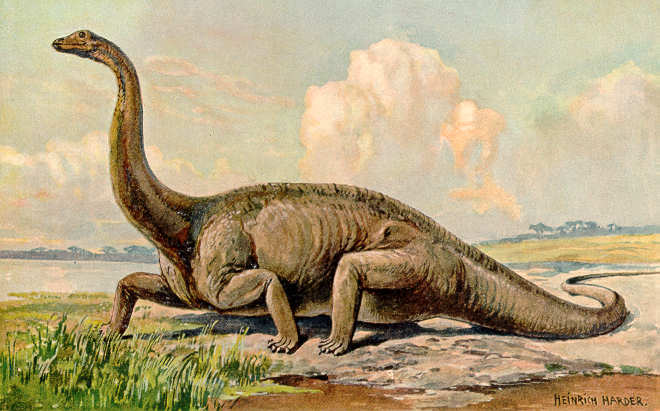
When discussing dinosaur size, the distinction between height and length becomes crucial for accurate comparisons. Many dinosaurs that weren’t particularly tall still achieved impressive lengths. Diplodocus, for example, reached lengths of up to 108 feet (33 meters) but had a relatively horizontal neck posture that limited its overall height. Similarly, Supersaurus might have stretched 105-110 feet (32-34 meters) from nose to tail, yet its height would have been considerably less impressive than that of Brachiosaurus, whose neck pointed more vertically. This distinction explains why some dinosaurs that wouldn’t have topped a two-story house in height could still have extended far beyond its length, making them massive creatures by any standard of measurement.
The Science Behind Size Estimation
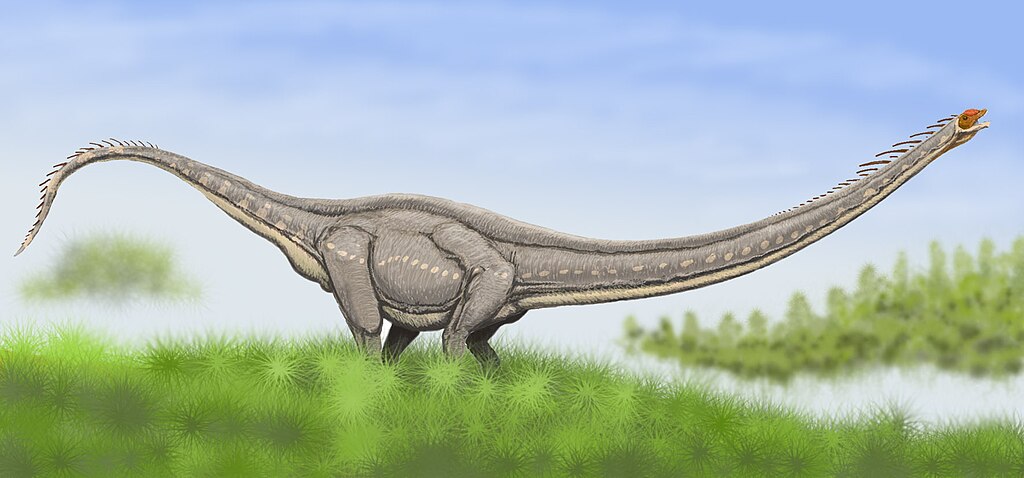
Determining the precise dimensions of extinct animals presents significant scientific challenges. Paleontologists rely on a combination of fossil evidence, comparative anatomy, and biomechanical modeling to estimate dinosaur heights. Complete skeletons are exceedingly rare, forcing researchers to make educated extrapolations based on partial remains. The soft tissues that once surrounded bones—muscles, cartilage, and skin—have long since decomposed, adding another layer of uncertainty. Scientists must also consider how dinosaurs actually held their bodies; the traditional image of sauropods with swan-like vertical necks has been questioned by some research suggesting more horizontal postures for feeding efficiency. These factors contribute to the ranges and revisions we often see in dinosaur size estimates, reminding us that our understanding continues to evolve with new discoveries and analytical techniques.
Environmental Factors Influencing Dinosaur Size
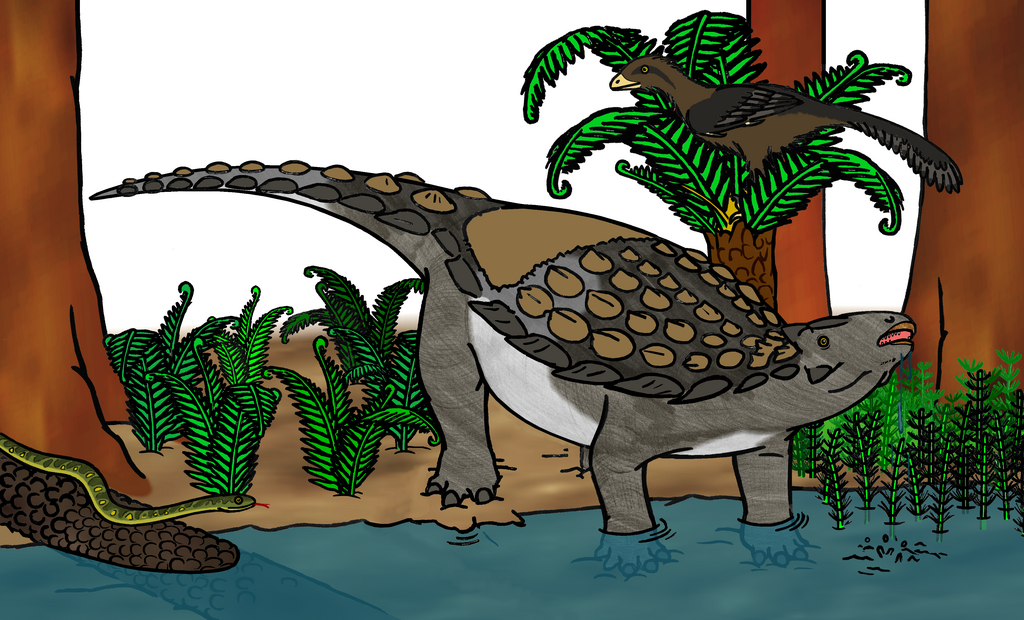
The remarkable sizes achieved by certain dinosaur species weren’t random evolutionary outcomes but adaptations influenced by specific environmental conditions. During the Mesozoic Era (252-66 million years ago), Earth experienced higher oxygen levels, different atmospheric composition, and generally warmer temperatures than today. These conditions supported lush vegetation that provided abundant food sources for large herbivores. The absence of flowering plants meant gymnosperms like conifers and cycads dominated, many growing to great heights themselves. This combination of factors created an evolutionary playing field that favored gigantism, particularly among sauropods. Their enormous size served as a defense mechanism against predators, allowed them to reach high vegetation, and provided metabolic efficiency through their massive digestive systems—all contributing to heights that would indeed surpass modern residential structures.
Modern Analogues: The Tallest Living Animals

To better appreciate dinosaur heights, comparing them to today’s tallest animals provides helpful context. The modern giraffe, Earth’s tallest living land animal, reaches maximum heights of about 19 feet (5.8 meters)—impressive, but still shorter than our two-story house benchmark. Even the extinct Paraceratherium, the largest land mammal known to science, likely stood around 16-18 feet (4.8-5.5 meters) tall at the shoulder. The blue whale, while not comparable in height due to its aquatic lifestyle, reaches lengths of up to 100 feet (30 meters), approaching some sauropod measurements. This comparison highlights just how extraordinary sauropod dinosaurs were—the tallest reached heights nearly three times that of any land animal alive today, making their ability to exceed two-story house heights all the more remarkable.
Popular Culture vs. Scientific Reality
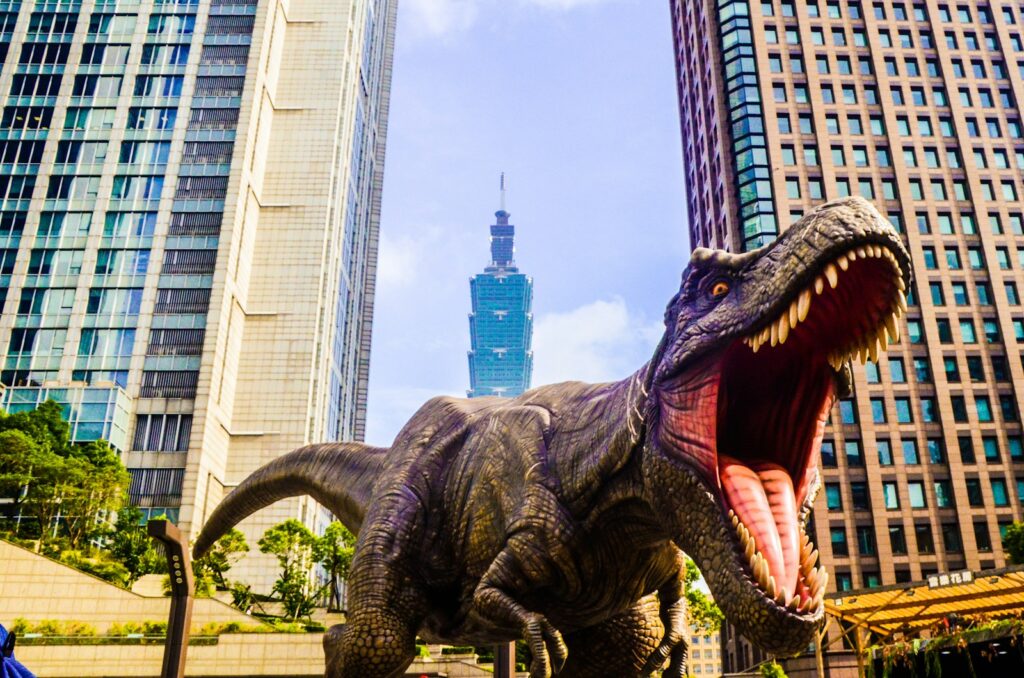
Media portrayals of dinosaurs have significantly influenced public perception of their size, sometimes accurately and sometimes not. Films like “Jurassic Park” and “The Lost World” depicted dinosaurs that could indeed peer into second-story windows or tower above buildings, but they also occasionally exaggerated dimensions for dramatic effect. The Brachiosaurus scenes in “Jurassic Park,” while impressive, actually portrayed the dinosaur at a relatively accurate scale. However, other media representations have been less faithful to scientific consensus. Educational resources, museum exhibits, and documentaries generally strive for greater accuracy, though they must continually update their portrayals as new research emerges. This disconnect between popular imagery and scientific evidence has led to some misconceptions about dinosaur size, though the largest sauropods would genuinely have dwarfed two-story structures.
Recent Discoveries Changing Our Understanding
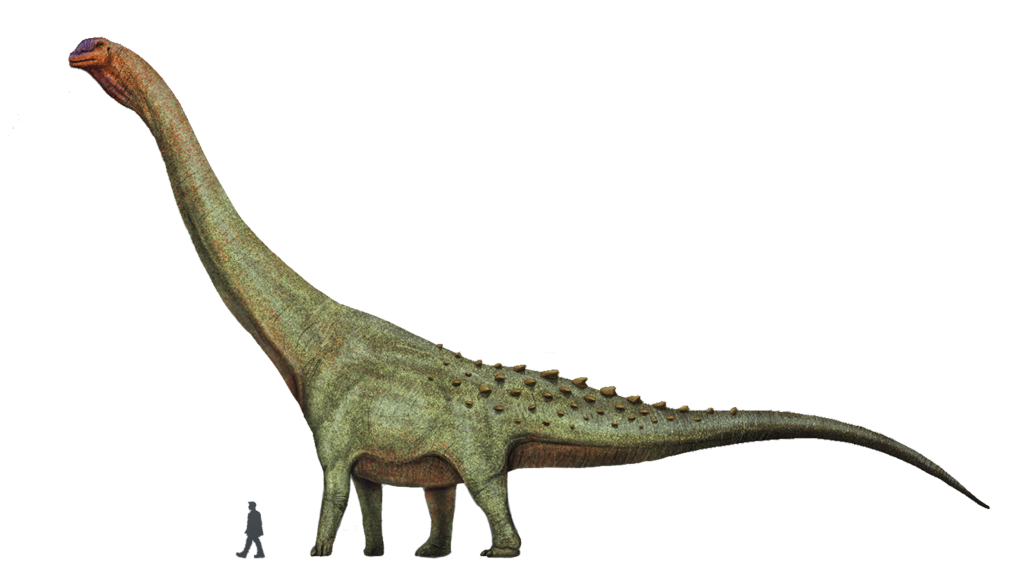
The field of paleontology continues to evolve with new fossil discoveries regularly refining our understanding of dinosaur dimensions. The 2017 description of Patagotitan mayorum from Argentina suggested a dinosaur reaching approximately 65 feet (20 meters) in height, potentially rivaling or exceeding previous record holders. In contrast, a 2022 reassessment of Spinosaurus aegyptiacus proposed a more aquatic lifestyle and different posture than previously thought, potentially reducing its effective height. Technological advancements in scanning, modeling, and biomechanical analysis continue to provide more precise estimates of how dinosaurs carried themselves and their true proportions. These ongoing discoveries remind us that our knowledge of dinosaur heights remains dynamic, with each new finding potentially redefining which species could truly look down on a two-story house.
Physics and Biology: The Limits of Size
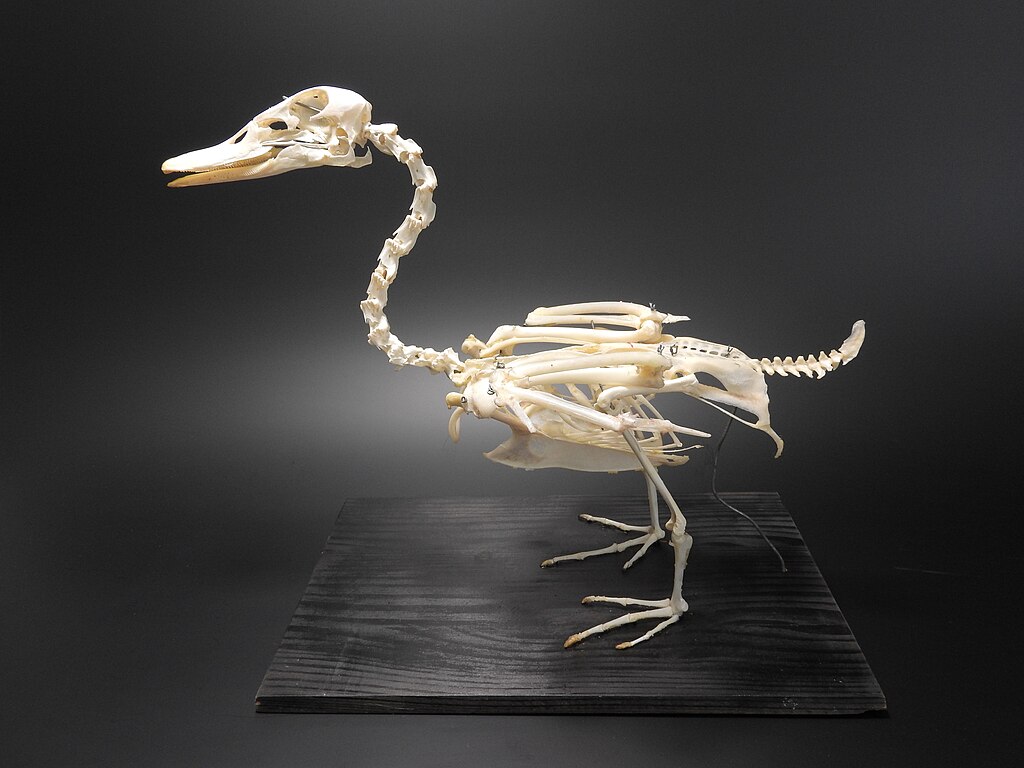
The extreme heights reached by sauropods approached the theoretical limits of what biology and physics would allow for land animals. As creatures grow larger, the square-cube law comes into effect—while surface area increases by the square of linear dimensions, volume and mass increase by the cube. This relationship creates significant challenges for supporting massive weight, requiring proportionally thicker bones and limbs. Sauropods evolved several adaptations to address these constraints, including hollow bones (similar to birds), air sacs throughout their bodies to reduce weight, and columnar limbs positioned directly under their bodies for maximum support. Their long necks, which enabled them to reach heights surpassing our two-story house benchmark, consisted of lightweight vertebrae with substantial air spaces. These evolutionary solutions to the problems posed by extreme size represent remarkable biological engineering that allowed dinosaurs to achieve heights no land animal has matched since.
Conclusion: Yes, But With Nuance
The evidence clearly indicates that some dinosaurs—particularly the larger sauropods—would indeed have been taller than a typical two-story house, sometimes dramatically so. Brachiosaurus, Sauroposeidon, Argentinosaurus, and their relatives could have extended their necks well above the 25-foot mark we established as our benchmark. However, it’s equally important to recognize that many dinosaur species, including the fearsome Tyrannosaurus rex and certainly smaller theropods, ornithopods, and ceratopsians, would not have reached such heights. The dinosaur kingdom encompassed an extraordinary diversity of sizes adapted to various ecological niches and survival strategies. This nuanced understanding of dinosaur dimensions helps us appreciate these magnificent creatures not just as giants of prehistoric imagination, but as real biological entities that once dominated Earth’s landscapes—some tall enough to cast their shadows over our modern dwellings, others more modest in stature but no less fascinating for their adaptations and evolutionary success.