
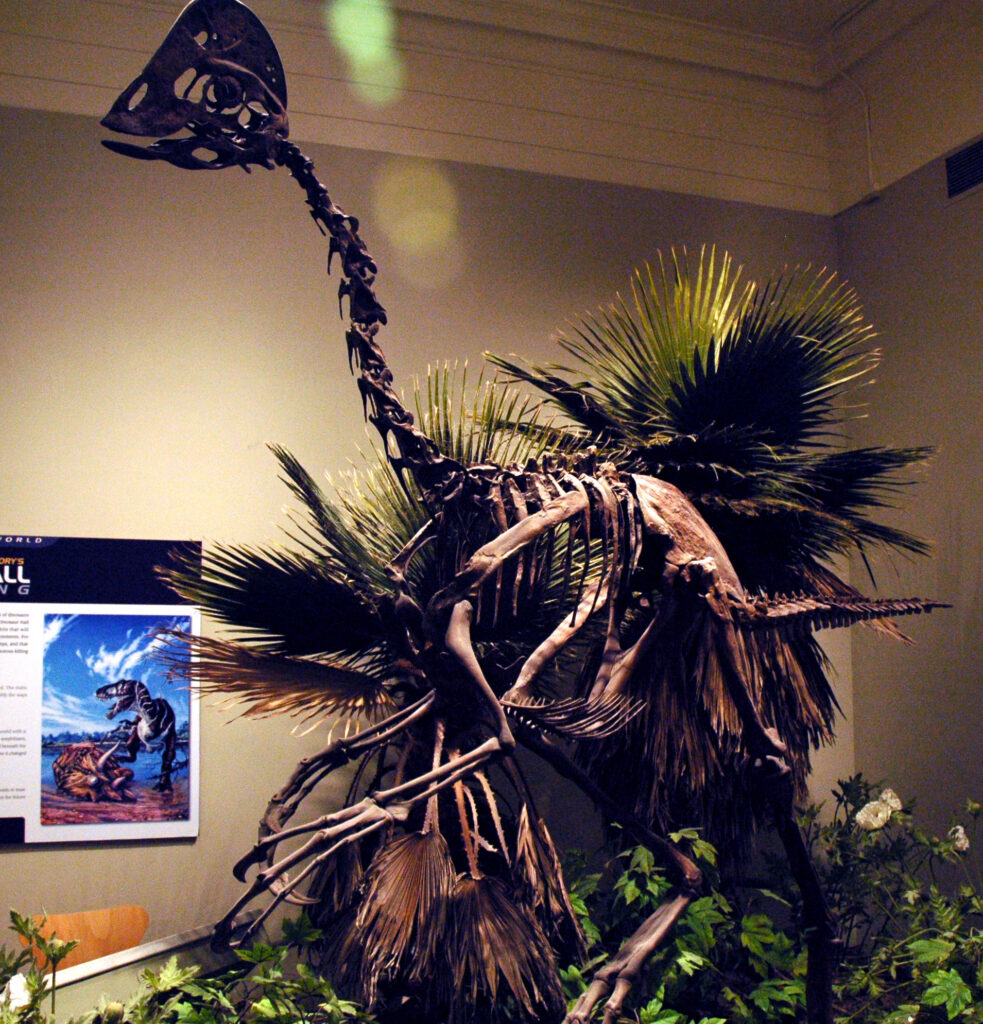
Approximately 66 million years ago, during the Late Cretaceous period, a peculiar dinosaur roamed the prehistoric landscapes of what would eventually become South Dakota. Named Anzu wyliei but colloquially known as the “Chicken from Hell,” this feathered dinosaur has fascinated paleontologists since its official scientific description in 2014. The creature’s nickname stems from its appearance, resembling an oversized, flightless bird with features that might seem demonic to a modern eye, and the Hell Creek Formation where its fossils were discovered. This remarkable prehistoric animal provides crucial insights into dinosaur evolution and the diverse ecosystem that existed just before the catastrophic extinction event that would wipe out non-avian dinosaurs forever.
Discovery and Naming of Anzu wyliei
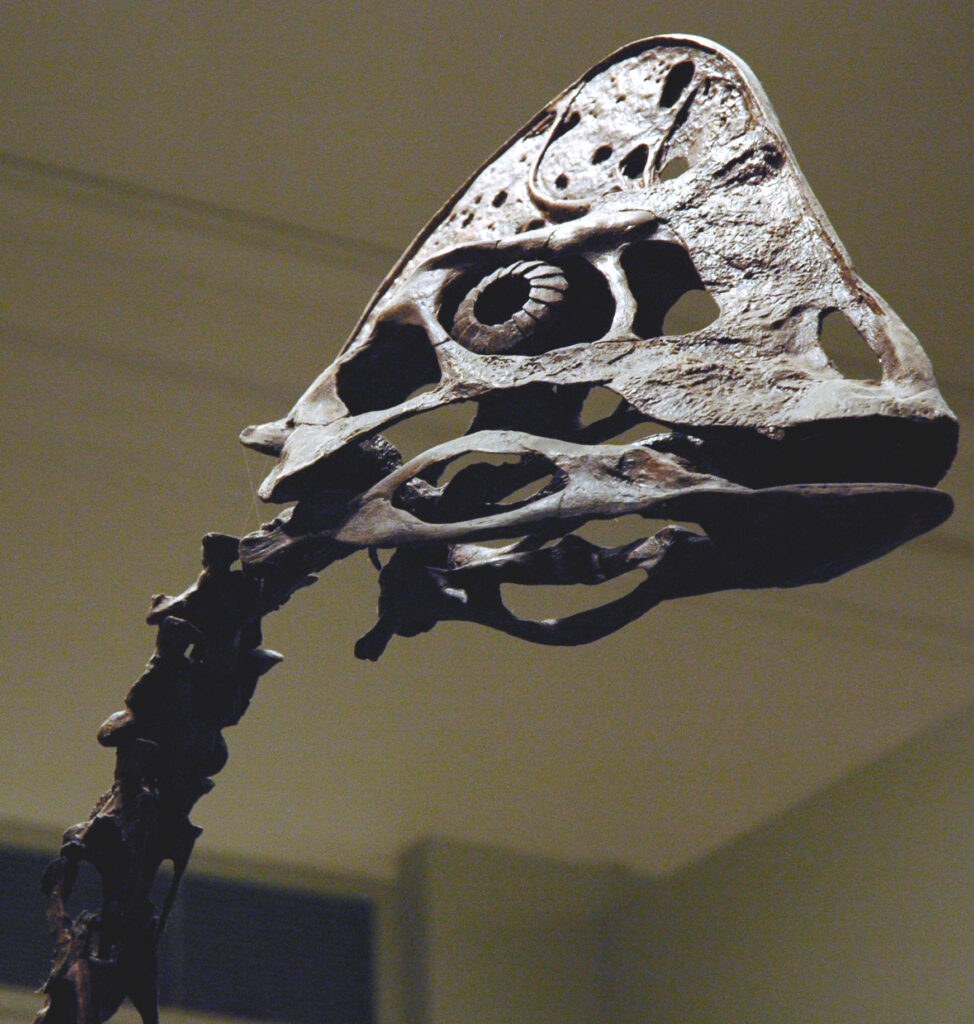
The scientific community formally welcomed Anzu wyliei in 2014 when a team of paleontologists, led by Matthew Lamanna from the Carnegie Museum of Natural History, published their findings. The discovery was particularly significant because it was based on three partial skeletons found in the Hell Creek Formation of South Dakota and Montana, making it one of the most complete oviraptorosaur specimens ever found in North America. The genus name “Anzu” refers to a feathered demon from Mesopotamian mythology, while the species name “wyliei” honors Wylie J. Tuttle, the grandson of a Carnegie Museum benefactor. This naming convention reflects both the creature’s unusual appearance and acknowledges the crucial role of museum patronage in paleontological research.
Physical Characteristics and Size
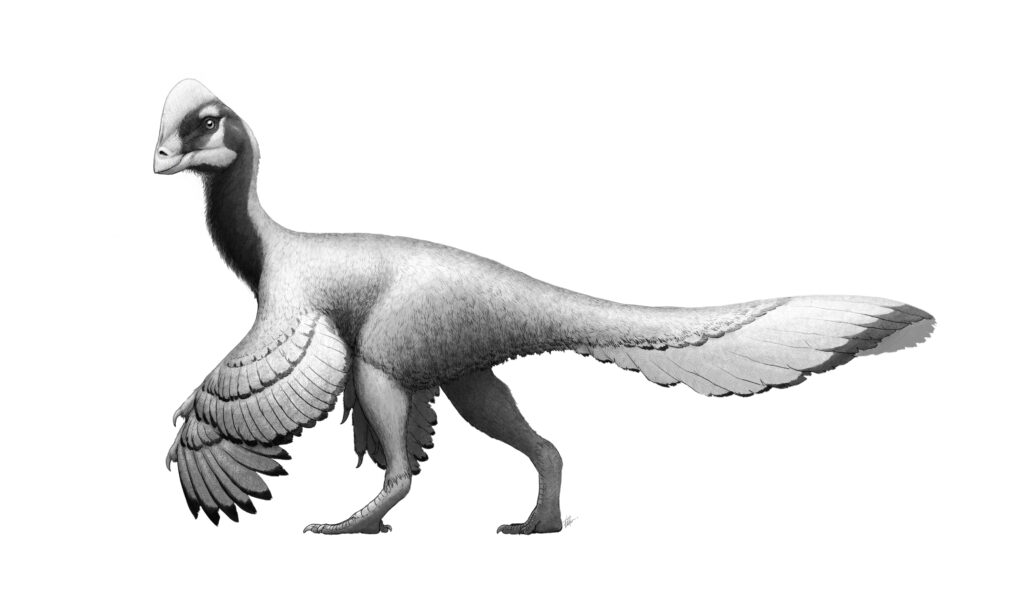
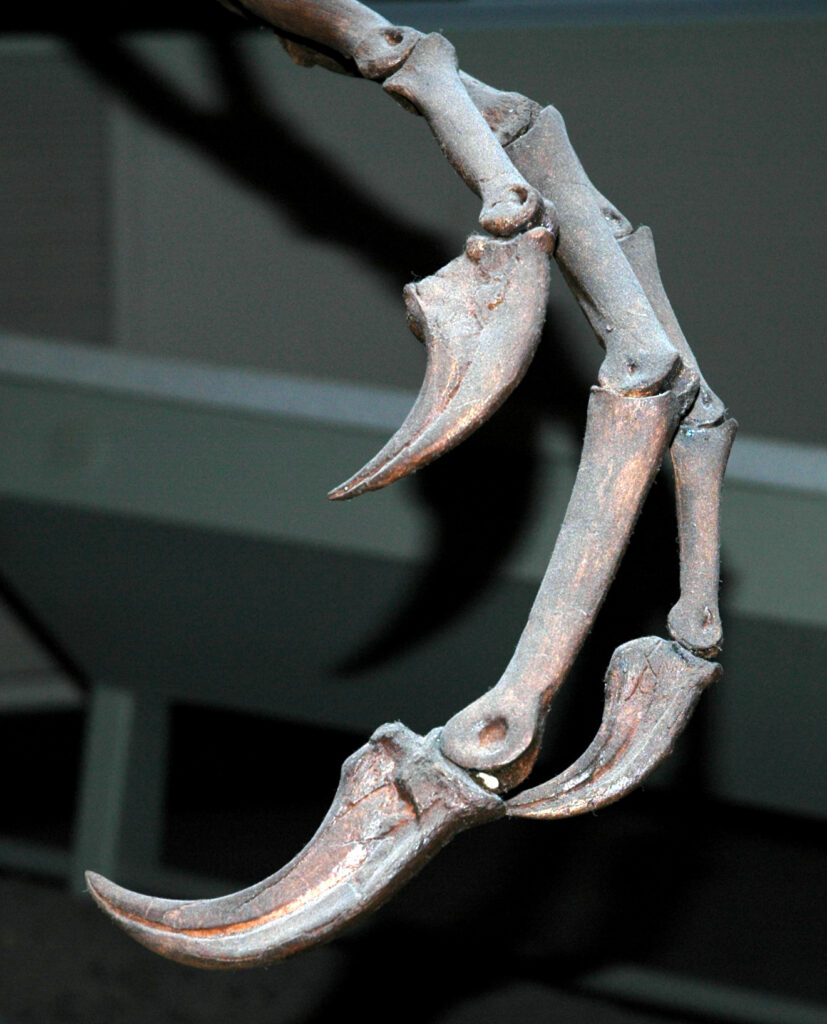
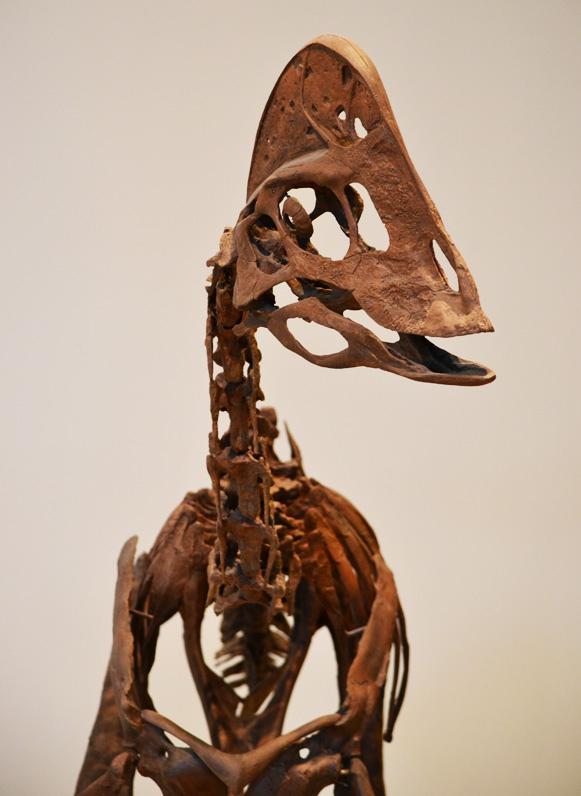
Anzu wyliei was a formidable creature, measuring approximately 11 feet (3.5 meters) in length and standing about 5 feet (1.5 meters) tall at the hip, with an estimated weight of 500 pounds (227 kilograms). This makes it one of the largest known oviraptorosaurs. Its most distinctive features included a tall crest on its skull, similar to that of a cassowary, a toothless beak, and three-fingered hands with sharp claws. The dinosaur was covered in feathers, with particularly long plumes on its arms and tail, though it was flightless. Its long, slender legs suggest it was a swift runner, capable of rapid movement across the ancient floodplains it called home.
Classification Within the Dinosaur Family Tree

Anzu wyliei belongs to the Caenagnathidae family within the larger group of Oviraptorosauria, a branch of theropod dinosaurs closely related to birds. Oviraptorosaurs are characterized by their bird-like features, including beaks, feathers, and in many cases, elaborate crests. The discovery of Anzu was particularly important for understanding caenagnathid evolution in North America, as most other well-preserved oviraptorosaur fossils had previously come from Asia. Its classification helps bridge evolutionary gaps in our understanding of how these dinosaurs spread and diversified across continents. Anzu represents one of the latest-surviving and largest members of this fascinating dinosaur lineage before the end-Cretaceous extinction.
The Hell Creek Formation: Anzu’s Ancient Habitat
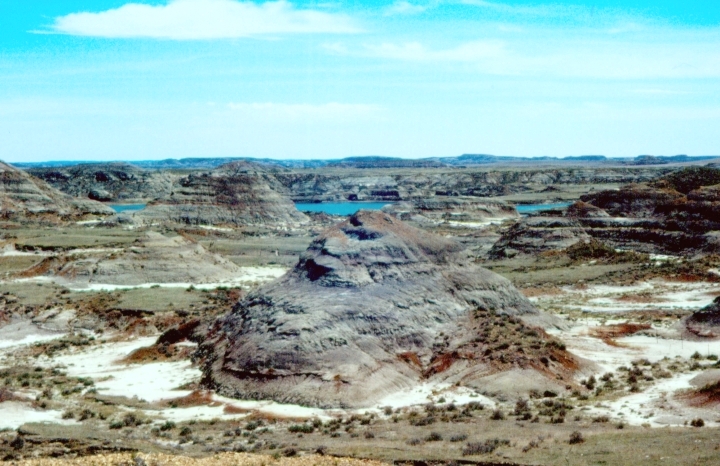
The Hell Creek Formation, spanning parts of Montana, North Dakota, South Dakota, and Wyoming, preserves a snapshot of life during the very end of the Cretaceous period, just before the mass extinction event. When Anzu wyliei roamed this region, the landscape was drastically different from today’s Great Plains. The environment consisted of subtropical floodplains with meandering rivers, swamps, and forests thriving under a warm climate. This lush habitat supported a diverse ecosystem including famous dinosaurs like Tyrannosaurus rex and Triceratops, alongside smaller animals, plants, and early mammals. The formation’s unique preservation conditions have made it one of the world’s most important windows into the final days of the dinosaur era.
Diet and Feeding Habits
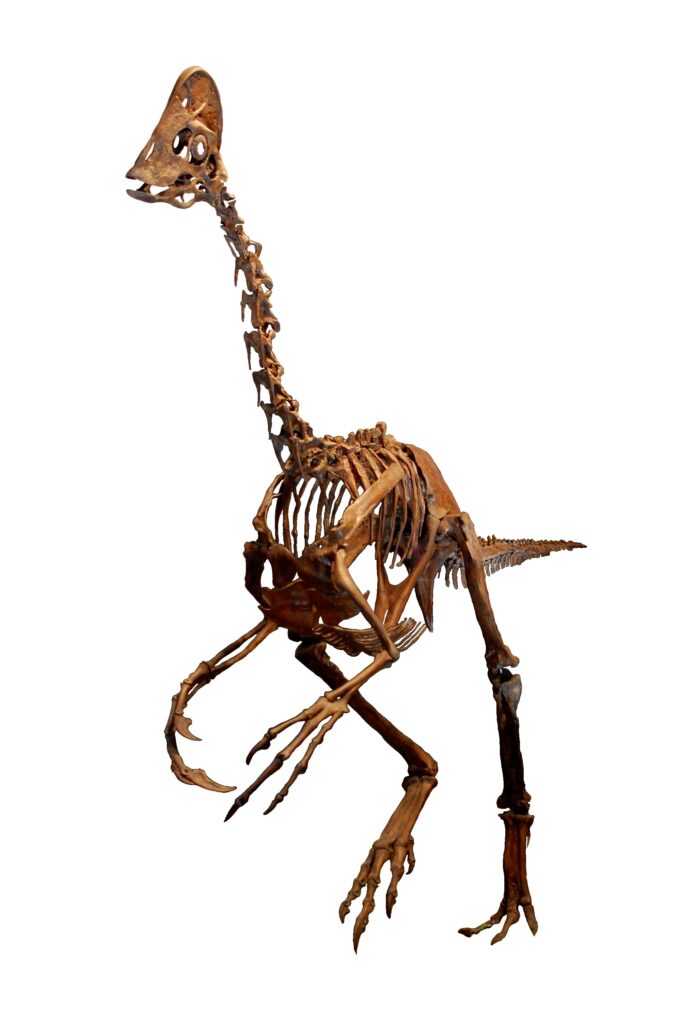
Paleontologists believe Anzu wyliei was an omnivorous creature with a varied diet. Its toothless beak suggests it couldn’t tear through tough meat like predatory dinosaurs, but was instead adapted for a more flexible feeding strategy. It likely consumed small vertebrates, eggs, insects, plants, fruits, and possibly even shellfish from the ancient wetlands it inhabited. The structure of its jaw and the presence of a specialized beak indicate it could crush hard objects, possibly including nuts or the shells of small prey. This dietary flexibility may have been an evolutionary advantage, allowing Anzu to adapt to seasonal changes in food availability within its ecosystem.
Reproductive Behavior and Nesting
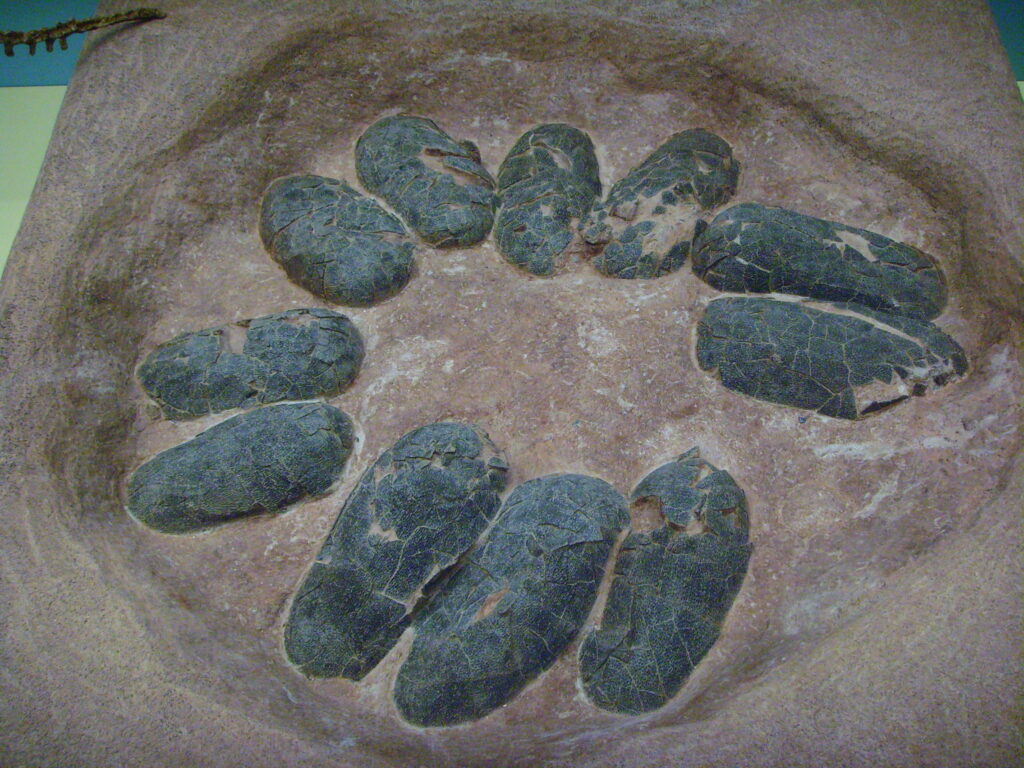
While direct evidence of Anzu wyliei nests hasn’t been discovered, scientists can make educated inferences based on its close relatives. Like other oviraptorosaurs, Anzu likely built ground nests where females laid clutches of eggs. Male Anzus may have been involved in egg incubation, sitting on nests similar to modern birds. This parental behavior represents an important evolutionary link between dinosaurs and their avian descendants. The name of the broader group, Oviraptorosauria (meaning “egg thief lizards”), stems from an early misinterpretation when the first specimens were found near nests, leading paleontologists to initially believe they were stealing eggs rather than tending to their offspring.
Feathers and Appearance Reconstruction
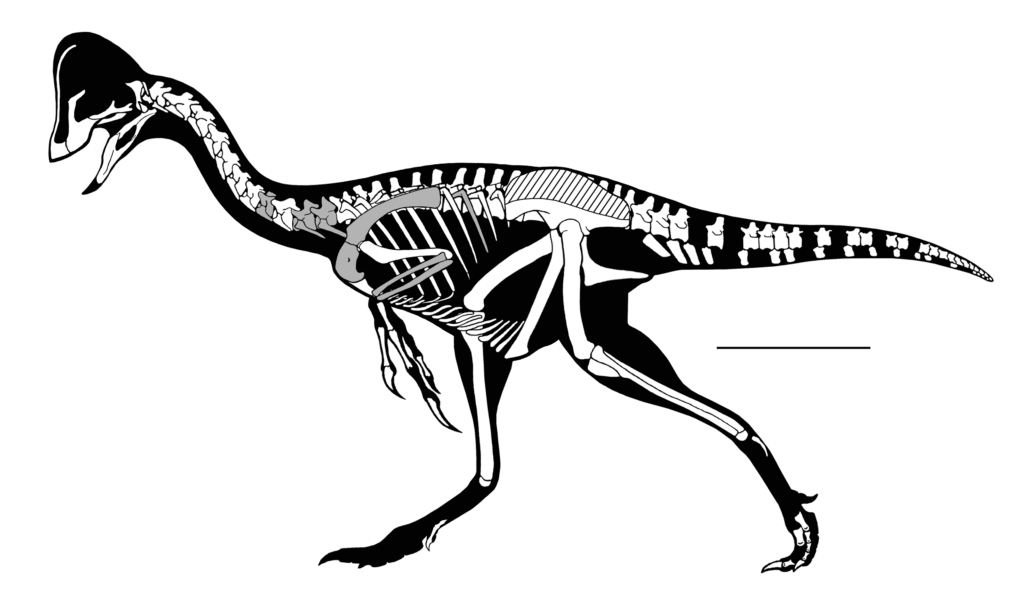
Though no direct feather impressions were preserved with the Anzu wyliei fossils, scientists confidently reconstruct it as a feathered dinosaur based on evidence from related species. Its coat likely featured a combination of downy insulating feathers covering much of its body and longer display feathers on its arms and tail. The creature probably sported vibrant colors or patterns, particularly on its distinctive head crest, which would have served for species recognition and mating displays. Paleontologists suggest it may have resembled a nightmarish version of a modern flightless bird, with more predatory features and a striking silhouette. Scientific illustrations typically depict Anzu with plumage in shades of black, red, and blue, though the actual coloration remains speculative.
Predators and Survival Challenges
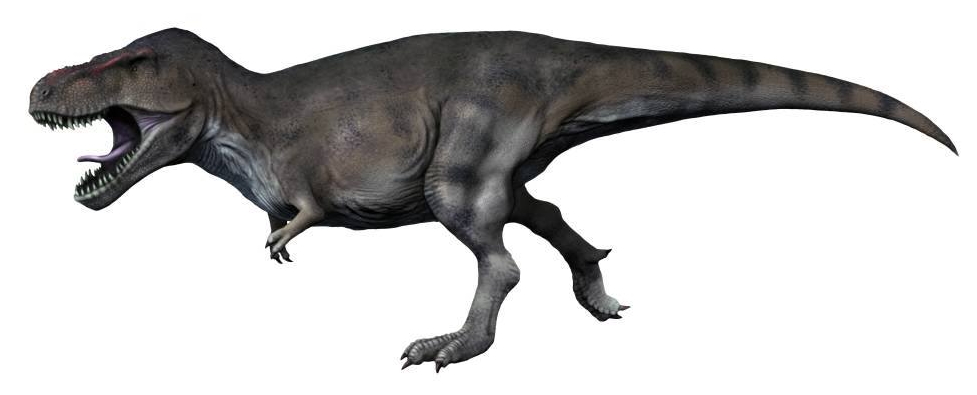
Despite its imposing size, Anzu wyliei was not at the top of the Late Cretaceous food chain and faced significant survival pressures. The Hell Creek ecosystem was home to apex predators, including the infamous Tyrannosaurus rex and smaller but formidable dinosaur species (raptors). Evidence from one Anzu specimen shows healed injuries, including a broken rib, suggesting this individual survived at least one violent encounter. Its adaptations for speed, keen senses, and possibly group living would have helped it evade predation. Additionally, competition for resources with other omnivorous creatures, seasonal changes in food availability, and environmental stressors like floods or droughts were constant challenges that shaped Anzu’s evolution and behavior.
Social Behavior and Intelligence
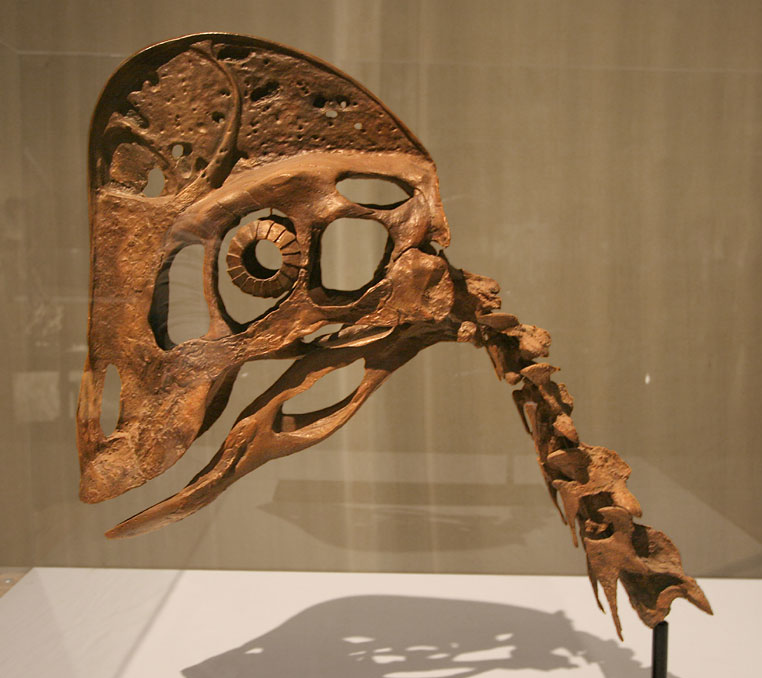
The brain case of Anzu wyliei suggests it possessed intelligence comparable to modern primitive birds, with enhanced sensory processing, particularly vision and coordination. Paleontologists hypothesize that these dinosaurs may have exhibited complex social behaviors, potentially living in small groups or flocks that provided protection and increased foraging efficiency. The elaborate head crest and feather displays point to sophisticated communication and possible dominance hierarchies within Anzu societies. Their relatively large brain-to-body ratio compared to other dinosaurs of similar size indicates they may have been capable of problem-solving and adaptable behaviors. This social complexity represents another evolutionary link between non-avian dinosaurs and the birds that would ultimately survive the end-Cretaceous extinction.
Scientific Significance of the Discovery
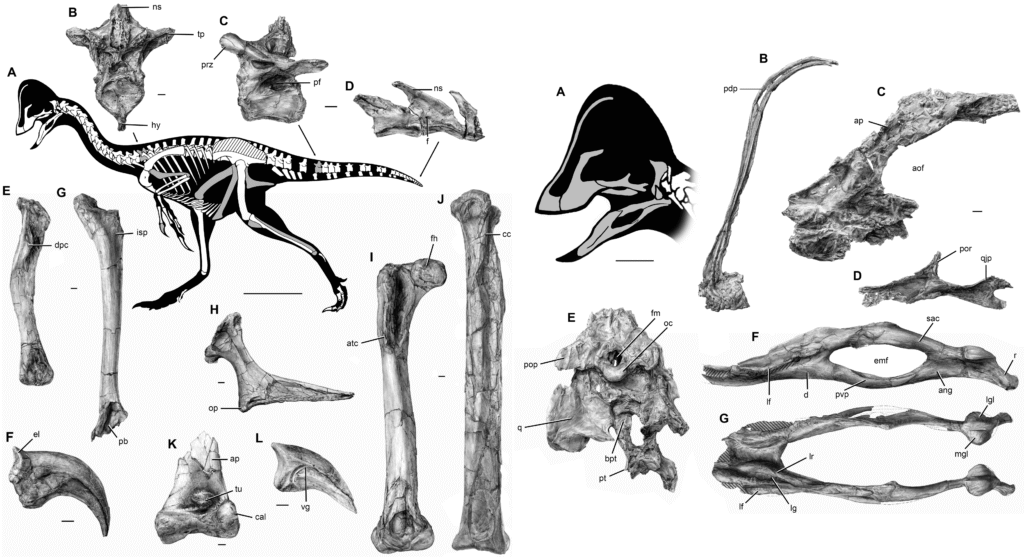
The discovery of Anzu wyliei in 2014 filled a crucial gap in North American dinosaur records and dramatically improved our understanding of oviraptorosaur diversity. Before this find, caenagnathids were known primarily from fragmentary remains in North America, while complete specimens came mostly from Asian deposits. The three partial skeletons provided enough material for paleontologists to create a comprehensive anatomical profile of this dinosaur lineage. Additionally, as a creature that lived during the very last stage of the Cretaceous period, Anzu offers valuable insights into dinosaur evolution just before the mass extinction event. Its discovery demonstrates that dinosaurs were still diversifying and thriving right up to the catastrophic end of their era.
Extinction Context: The End of the Dinosaur Era
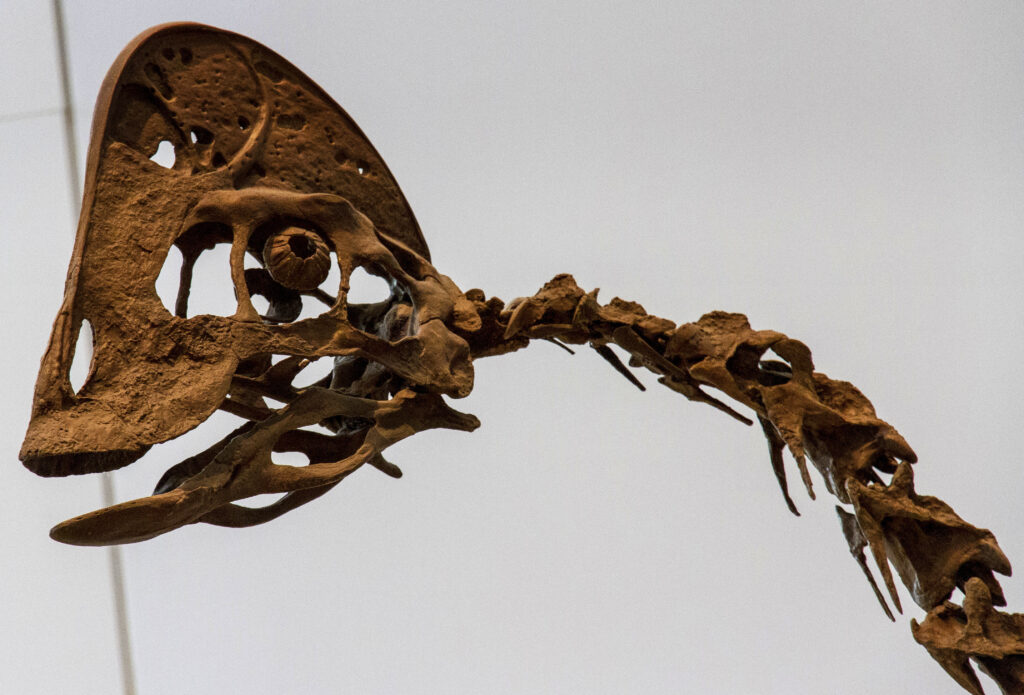
Anzu wyliei lived during the Maastrichtian age of the Late Cretaceous period, approximately 66-68 million years ago, placing it among the last non-avian dinosaurs to walk the Earth. The creature vanished along with approximately 75% of all species during the Cretaceous-Paleogene extinction event, likely triggered by a massive asteroid impact at Chicxulub, Mexico. This catastrophic event dramatically altered Earth’s climate and ecosystems through the impact of winter, acid rain, and disrupted food chains. The extinction of Anzu and its contemporaries marked the end of the 165-million-year reign of non-avian dinosaurs and opened ecological niches that would eventually be filled by mammals. Understanding creatures like Anzu helps scientists piece together the complex picture of life just before this pivotal moment in Earth’s history.
Cultural Impact and Public Fascination
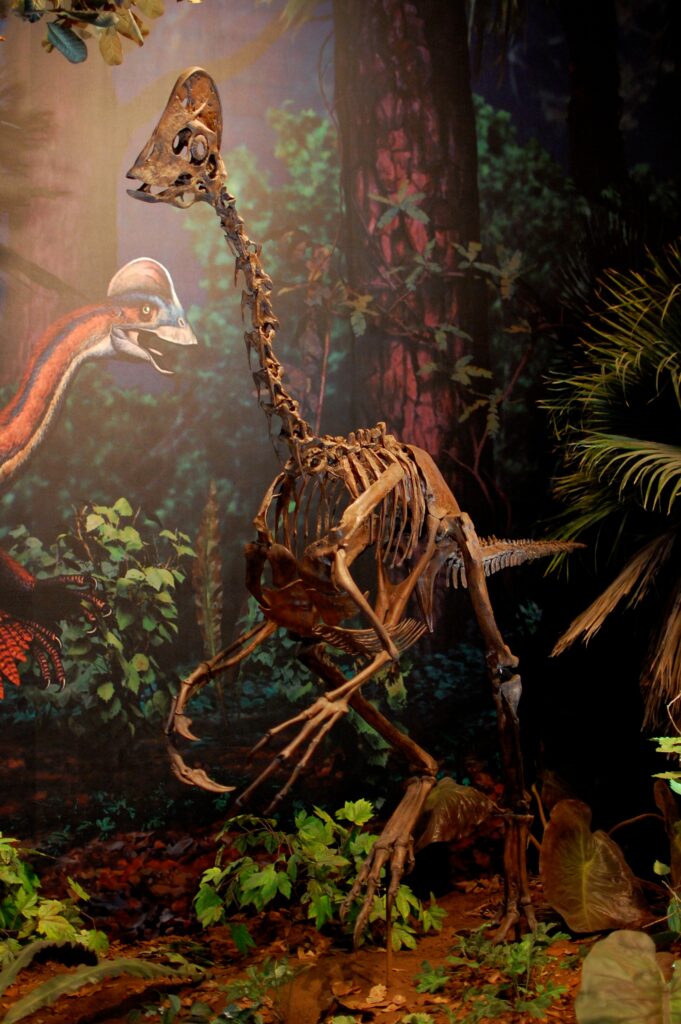
Since its dramatic introduction to the public in 2014, Anzu wyliei has captured popular imagination with its evocative “Chicken from Hell” nickname and distinctive appearance. The dinosaur has been featured in museum exhibitions, documentaries, and popular science publications, becoming an ambassador for paleontological research. Life-sized models and artistic reconstructions of Anzu have become highlights in natural history museums, particularly at the Carnegie Museum of Natural History, where much of the research was conducted. The creature’s unusual combination of bird-like and reptilian features makes it particularly effective for educating the public about dinosaur-bird evolutionary connections. Its discovery story also highlights the ongoing nature of paleontological work, demonstrating that significant dinosaur findings continue to emerge from North American formations that have been studied for over a century.
Ongoing Research and Future Discoveries
Paleontologists continue to study the existing Anzu wyliei specimens using advanced technologies like CT scanning to reveal internal structures and microscopic examination of bone tissues to determine growth patterns and life history. Field researchers actively search the Hell Creek Formation for additional specimens that might provide further insights into this species’ anatomy, behavior, and evolutionary relationships. Questions remain about its exact ecological niche, reproductive strategies, and the full extent of its geographic range. Future discoveries may yield specimens with preserved stomach contents, providing direct evidence of diet, or fossils of juvenile Anzus that would illuminate growth and development. As research methods advance, even existing specimens may reveal new secrets about this fascinating “Chicken from Hell” that once stalked ancient South Dakota.
Conclusion
The story of Anzu wyliei exemplifies how paleontology continually reshapes our understanding of prehistoric life. From fragmentary fossils emerged a vivid picture of a feathered, crested omnivore that navigated the complex ecosystem of Late Cretaceous North America. Though separated from us by 66 million years, this remarkable creature helps us appreciate the rich biological heritage that led to our modern world. As science progresses, Anzu stands as a reminder that beneath the ground we walk upon lie countless untold stories of Earth’s ancient past, waiting to be discovered and brought to light through dedicated scientific inquiry.