The complex world of dinosaur behavior remains one of paleontology’s most intriguing frontiers. While we’ve made remarkable strides in understanding dinosaur anatomy, diet, and habitat, their social behaviors—particularly mating rituals—remain largely speculative. The question of whether dinosaurs engaged in elaborate courtship displays similar to modern birds’ mating dances presents a fascinating intersection of scientific evidence and evolutionary theory. Though dinosaurs left behind bones rather than behavioral records, scientists have pieced together compelling clues suggesting that some dinosaur species may indeed have performed courtship displays that could be described as “dancing.” This article explores the evidence, theories, and scientific perspectives on dinosaur courtship behaviors and what they might tell us about these magnificent prehistoric creatures.
The Bird-Dinosaur Connection
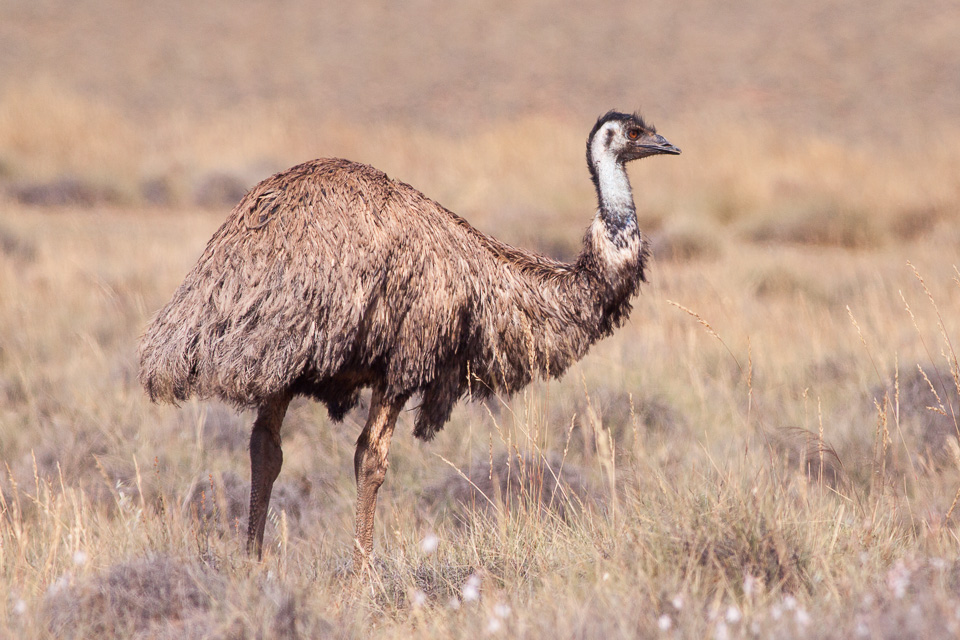
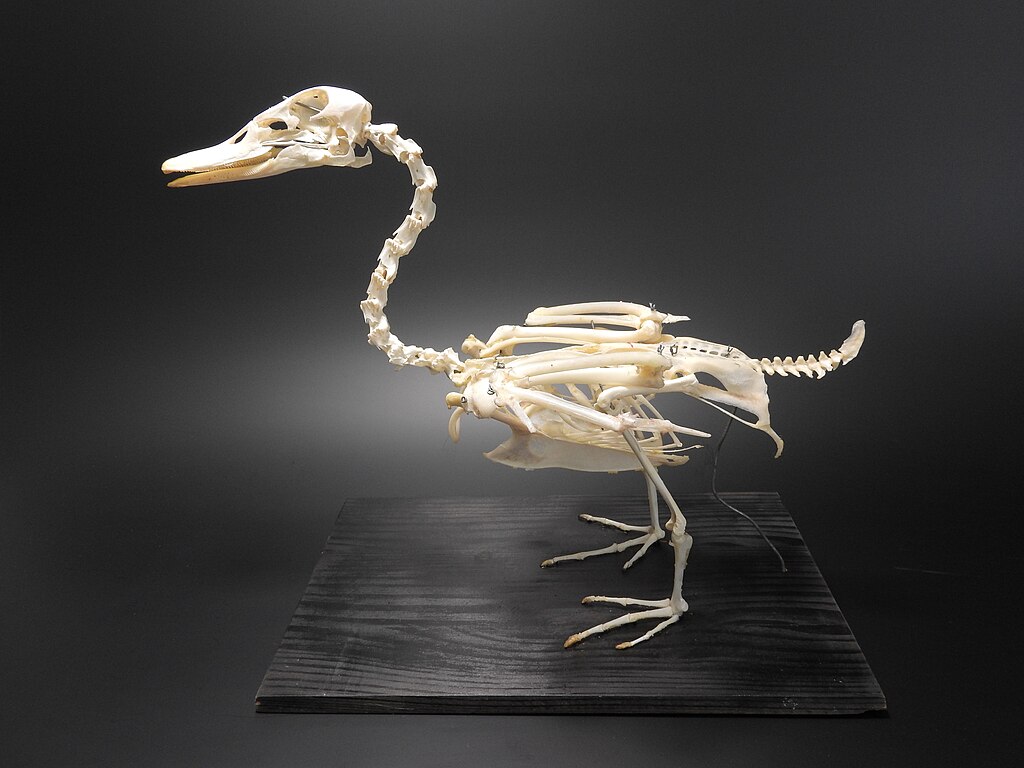
Modern birds are the direct descendants of theropod dinosaurs, making them living dinosaurs in a very real sense. This evolutionary relationship provides our strongest framework for understanding possible dinosaur behaviors, including mating displays. Birds are renowned for their elaborate courtship rituals, from the intricate dances of cranes to the spectacular displays of birds of paradise and peacocks. These behaviors didn’t emerge from nowhere—they evolved over millions of years and likely have roots in their dinosaur ancestors. The phylogenetic continuity between certain dinosaur groups and modern birds suggests that if today’s birds dance to attract mates, there’s reason to believe their dinosaur ancestors might have engaged in similar behaviors. This connection forms the foundation of our understanding of potential dinosaur courtship displays.
Anatomical Evidence for Display Structures
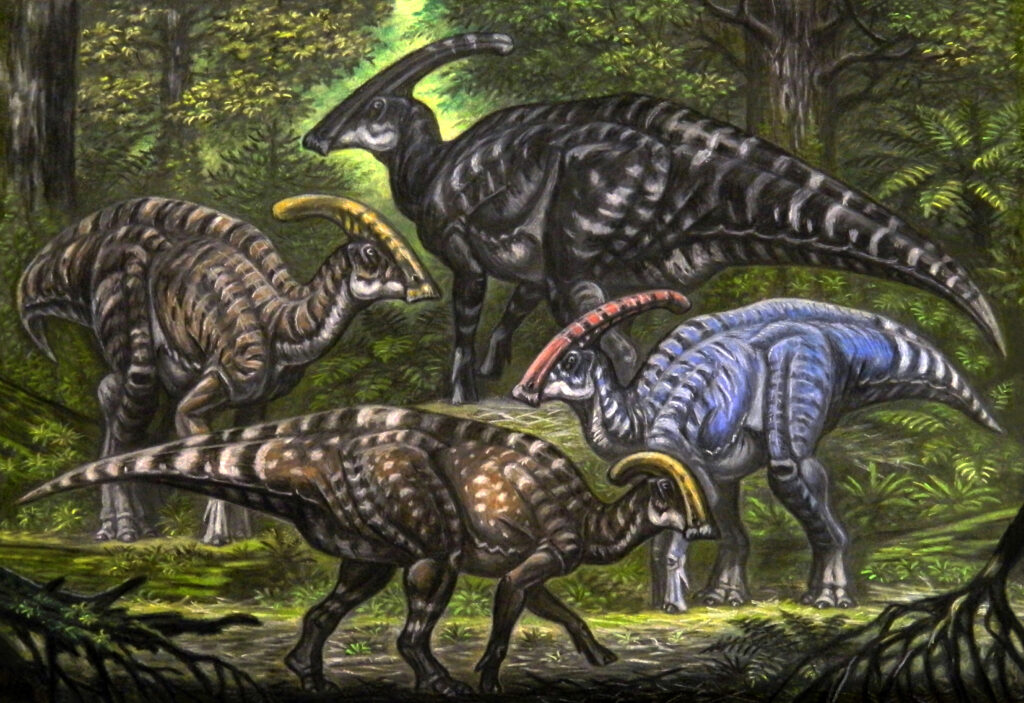
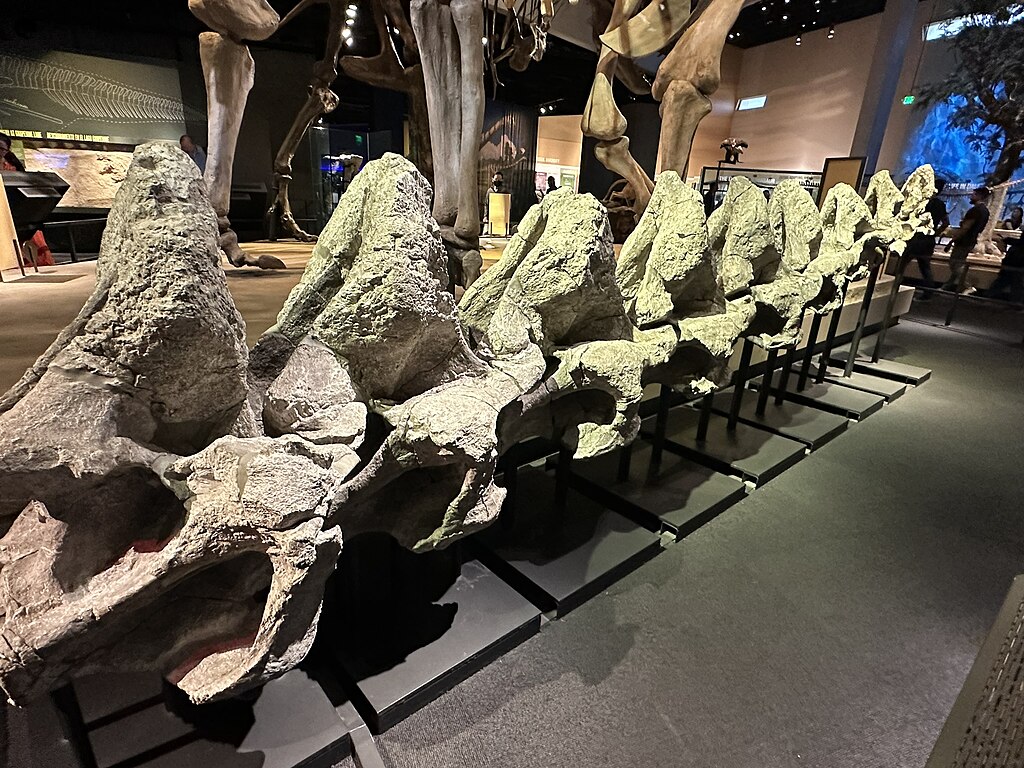
Many dinosaur species possessed anatomical features that appear to serve no clear survival function but make perfect sense as display structures for attracting mates. The elaborate crests of hadrosaurs, the expansive frills of ceratopsians like Triceratops, and the striking plates of stegosaurs may have functioned partly as visual displays to impress potential mates. Particularly compelling are the discoveries of dinosaurs with feathered structures that weren’t used for flight, such as the four-winged Microraptor or the elaborate tail feathers of Caudipteryx. These features mirror the ornamental plumage seen in modern birds used specifically for courtship displays. The presence of these anatomical structures strongly suggests that visual displays played an important role in dinosaur mating strategies, potentially including movement-based displays we might recognize as “dancing.”
Fossilized Evidence of Display Grounds
Some fascinating fossil discoveries have revealed what appear to be dinosaur “dance floors” or display arenas. In western Colorado and eastern Utah, paleontologists have found unusual scrape patterns in the Morrison Formation that date back to the Late Jurassic period. These scrapes, measuring up to 2 meters in length, resemble the display arenas created by modern ground-nesting birds during courtship rituals. Male birds create these scrapes to demonstrate their strength and fitness to potential female partners. The patterns discovered in these Jurassic-era rocks suggest that some theropod dinosaurs engaged in similar territorial scraping behaviors as part of their mating displays. Such physical evidence provides some of our most concrete clues that dinosaurs engaged in complex courtship behaviors that may have included dance-like movements.
The Role of Sexual Selection
Sexual selection, the evolutionary process that favors traits that increase mating success rather than survival, likely played a crucial role in dinosaur evolution. This form of natural selection explains the development of seemingly impractical features in many animals, from the peacock’s tail to the antlers of deer. In dinosaurs, sexual selection may explain the evolution of elaborate crests, frills, spikes, and potentially courtship behaviors including ritualized movements. The more elaborate and energy-intensive a display, the more effectively it demonstrates the genetic fitness of the performer. Dancing requires coordination, strength, and energy—all qualities that would signal genetic fitness to potential mates. From an evolutionary perspective, if movement-based displays provided advantages in securing mates, such behaviors would likely have evolved and persisted across various dinosaur lineages.
Case Study: Theropod Courtship Behaviors
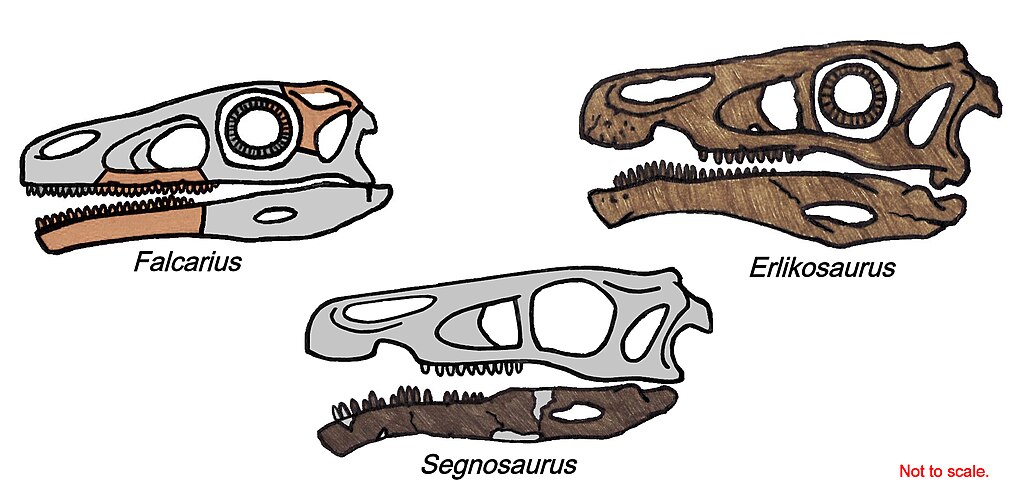
Theropod dinosaurs, the group most closely related to modern birds, provide our best window into potential dinosaur dancing behaviors. Studies of oviraptorid dinosaurs have revealed specimens preserved in bird-like brooding postures atop nests, suggesting parental care behaviors similar to modern birds. These behavioral similarities strengthen the case for other shared behaviors, including courtship displays. Some oviraptorids possessed elaborate head crests and likely colorful feathers that would have made impressive visual displays when combined with movement. The arm structures of many theropods, while not suitable for flight, would have been highly visible during display movements. Paleontologists speculate that theropods may have engaged in ritualized movements involving wing-spreading, head-bobbing, and rhythmic stepping similar to the courtship dances observed in modern ground birds like grouse and wild turkeys.
The Biomechanics of Dinosaur Movement
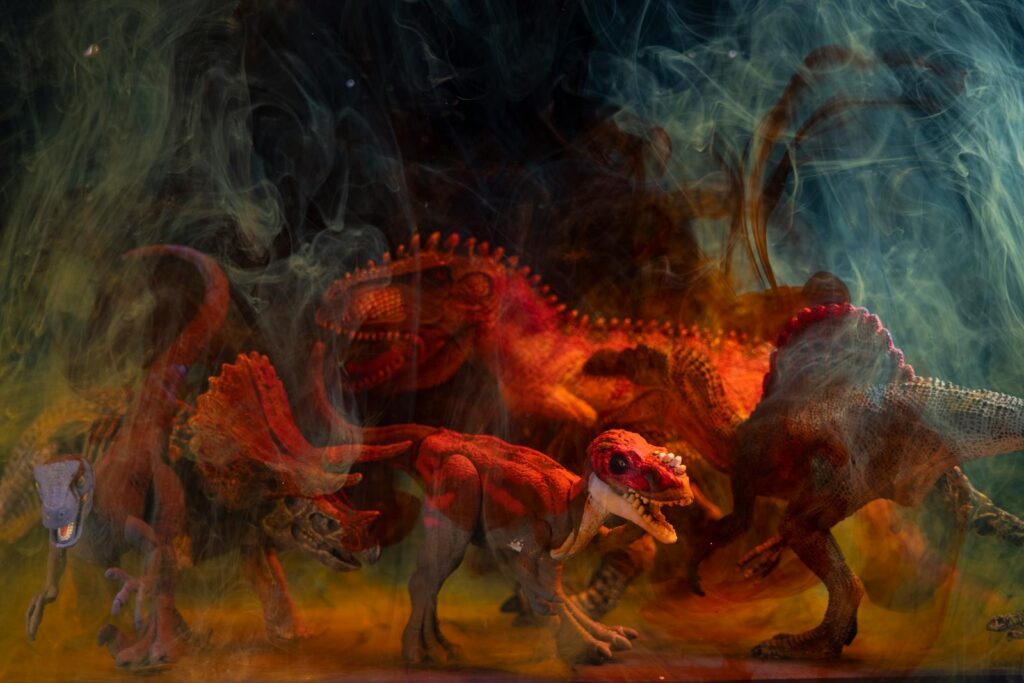
Understanding how dinosaurs moved is crucial to evaluating whether they could have performed dance-like behaviors. Recent biomechanical studies have revolutionized our understanding of dinosaur locomotion, revealing that many species were more agile and dynamic than previously thought. Computer modeling of dinosaur musculoskeletal systems suggests that many theropods possessed the physical capability for elaborate movements beyond basic walking and running. Studies of joint flexibility in well-preserved specimens indicate ranges of motion that would have allowed for head-bobbing, lateral displays, and even limited vertical movements in some species. Particularly revealing are studies of maniraptoran dinosaurs (the group most closely related to birds), which show shoulder girdle adaptations that would have permitted wing-spreading displays similar to those seen in modern birds. These biomechanical capabilities provide the physical foundation necessary for dinosaurs to have engaged in dance-like courtship behaviors.
Vocal Accompaniments to Dinosaur Displays

Dance-like movements in dinosaurs likely didn’t occur in silence. Many dinosaur species possessed anatomical features suggesting they were capable of producing sounds that might have accompanied their visual displays. Lambeosaurine hadrosaurs, famous for their elaborate hollow crests, likely used these structures as resonating chambers to produce distinctive calls. CT scans of these crests reveal complex internal passages that would have modified sounds produced by the dinosaur. Parasaurolophus, with its long backward-curving crest, could have produced deep, resonant calls similar to a trombone. These vocalizations would have complemented visual displays, creating multi-sensory courtship performances. Modern birds frequently combine movement with sound in their courtship rituals, and the evidence suggests dinosaurs may have done the same, coordinating their dance-like movements with species-specific calls to create memorable performances for potential mates.
Comparative Analysis with Modern Reptiles
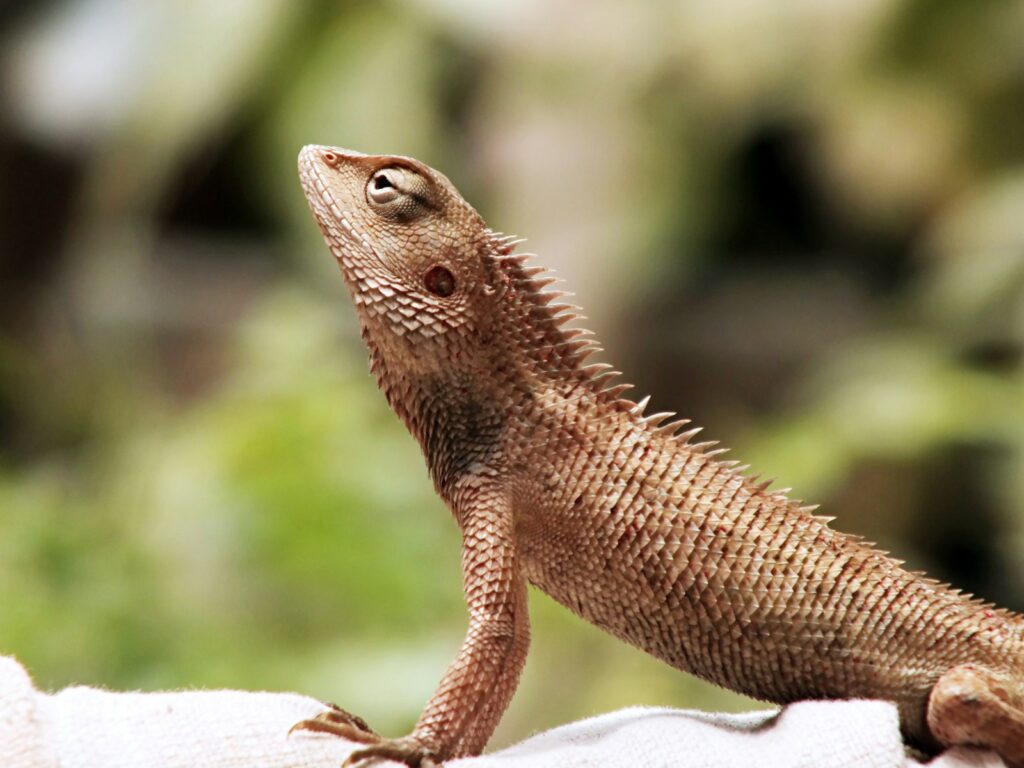
While birds provide our primary behavioral model for dinosaurs, modern reptiles also offer valuable insights into possible dinosaur courtship behaviors. Many extant reptiles engage in elaborate courtship displays that include specific movement patterns. Male alligators perform impressive water dances, slapping their heads against the water surface and creating infrasound vibrations to attract females. Certain lizard species, particularly iguanas and anoles, perform distinctive head-bobbing and push-up displays to court potential mates. These behaviors in modern reptiles suggest that ritualized movement displays were likely present in the common ancestors of birds and reptiles, making it reasonable to infer similar behaviors in dinosaurs. The presence of courtship “dances” across both modern reptilian and avian lineages strengthens the case that dinosaurs, positioned evolutionarily between these groups, likely engaged in similar behaviors.
Group Displays and Lekking Behavior
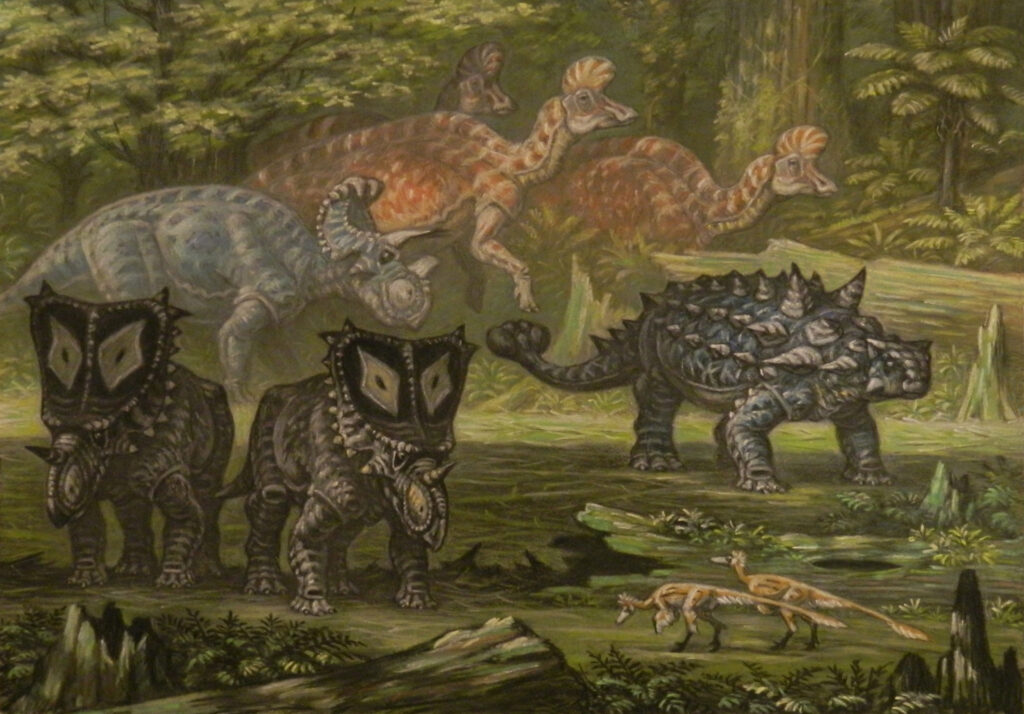
Some of the most spectacular courtship displays in modern birds occur in group settings called leks, where multiple males gather to perform competitive displays for watching females. Evidence suggests certain dinosaur species may have engaged in similar communal courtship behaviors. The discovery of multiple similar-aged specimens of certain dinosaur species preserved together has led some paleontologists to suggest these may represent lekking grounds where dinosaurs gathered for competitive displays. The Morrison Formation scrape marks mentioned earlier often appear in clusters, suggesting multiple individuals creating display areas in close proximity. This pattern mirrors the behavior of modern birds like sage grouse or birds of paradise, where males establish adjacent territories for competitive displays. If dinosaurs did indeed engage in lekking behaviors, it would have created extraordinary spectacles of multiple individuals performing synchronized or competitive dance-like movements to attract mates.
The Role of Feathers in Dinosaur Displays
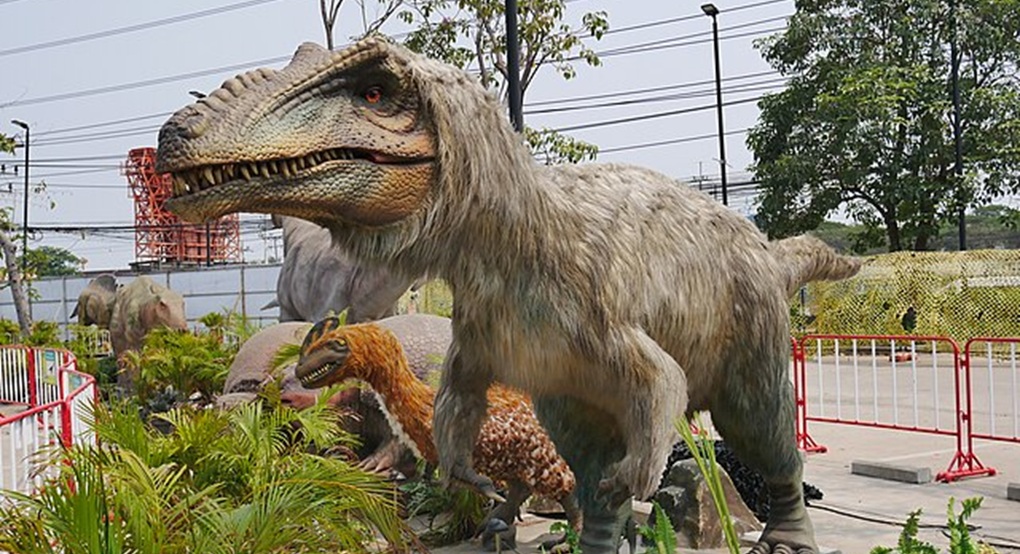
The discovery that many dinosaurs possessed feathers has profound implications for understanding their potential courtship displays. Feathers in non-avian dinosaurs weren’t primarily for flight but likely served display and insulation functions. The structure and arrangement of feathers in dinosaurs like Microraptor, Anchiornis, and Caudipteryx suggest they were optimized for visual display rather than aerodynamic efficiency. Modern birds use feathers extensively in courtship displays, fanning them out, raising them in specific patterns, or using them to enhance the visual impact of movements. Fossil evidence indicates some dinosaur feathers contained melanosomes (pigment-containing structures), suggesting they were colorful rather than drab. Colorful, elaborate feathers would have dramatically enhanced the visual impact of any movement-based displays, making dinosaur “dances” more effective at attracting mates and potentially driving the evolution of increasingly complex display behaviors.
Challenges in Interpreting Prehistoric Behavior
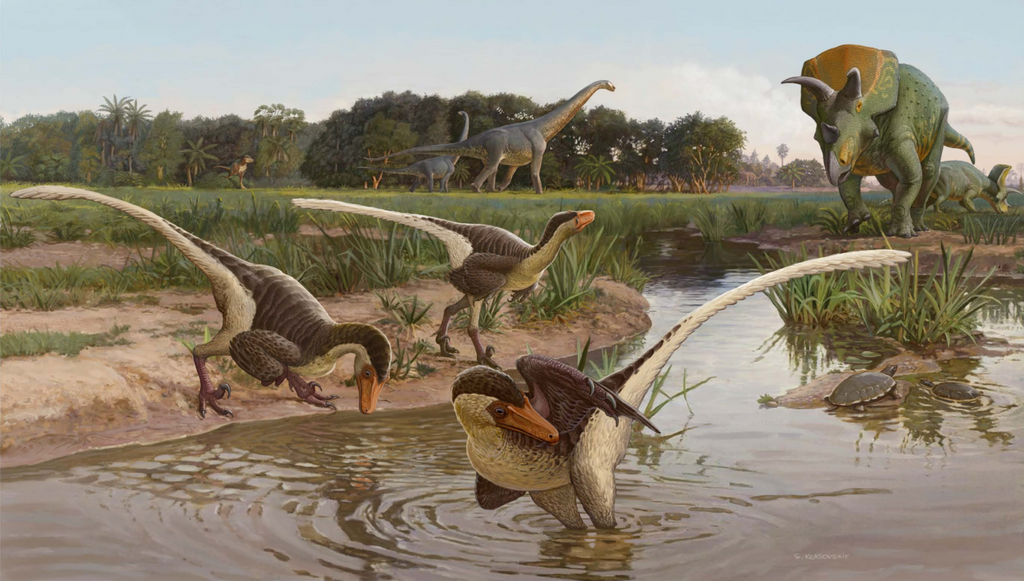
Despite compelling evidence suggesting dinosaurs may have danced to attract mates, significant challenges remain in reconstructing prehistoric animal behaviors. Behavior rarely fossilizes directly, forcing paleontologists to rely on indirect evidence and comparative studies. The interpretation of anatomical features as display structures rather than adaptations for other functions remains contentious in some cases. Additionally, the diversity of dinosaurs spanned over 165 million years and included thousands of species with vastly different body plans and ecological niches. Courtship behaviors likely varied dramatically across different dinosaur groups, with some species potentially engaging in elaborate dances while others relied on different strategies entirely. Modern analogues provide useful frameworks, but we must be cautious about projecting too much from extant animals onto extinct species. These interpretative challenges remind us that while evidence strongly suggests some dinosaurs performed dance-like courtship rituals, the specific nature of these displays remains speculative.
Cultural Representations of Dancing Dinosaurs
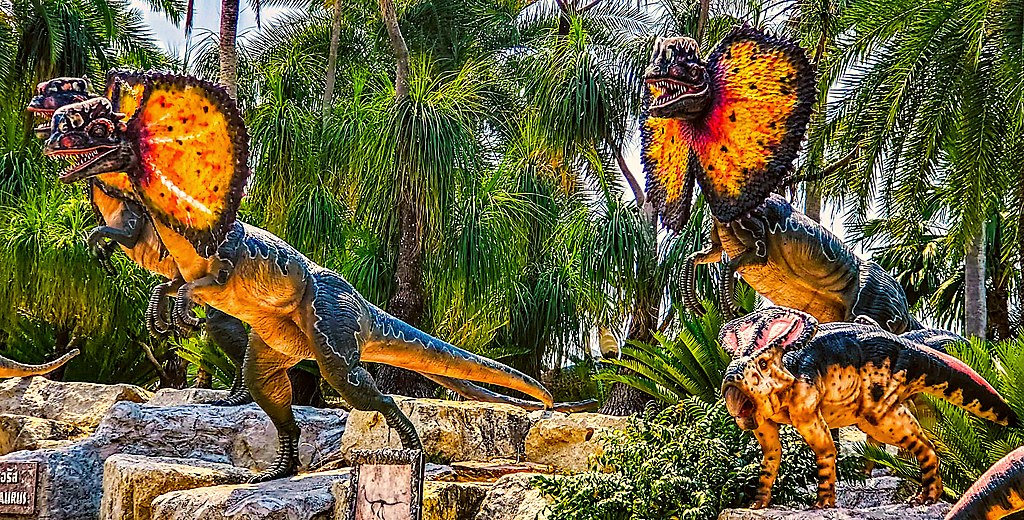
The concept of dancing dinosaurs has captured public imagination well beyond scientific circles, appearing in various forms of popular media and art. From Disney’s “Fantasia” with its ballet-performing Hyacinth Hippos (inspired by sauropods) to the courtship displays depicted in BBC’s “Walking with Dinosaurs,” choreographed dinosaur movements have become a cultural shorthand for imagining these creatures as living animals rather than static fossils. These representations, while often scientifically speculative, serve an important function in humanizing dinosaurs and helping the public engage with paleontological concepts. Interestingly, as scientific evidence increasingly supports the possibility of dance-like behaviors in dinosaurs, the gap between scientific understanding and popular depictions has narrowed. What once might have been dismissed as pure fantasy increasingly aligns with legitimate scientific hypotheses about dinosaur behavior, demonstrating how scientific understanding and cultural imagination can evolve in parallel and sometimes converge on similar conclusions about the prehistoric world.
Future Research Directions

The study of dinosaur courtship behaviors, including potential dancing, continues to evolve with new discoveries and methodologies. Several promising research directions may provide additional insights in coming years. Advanced biomechanical modeling using increasingly sophisticated computer simulations can better determine the movement capabilities of different dinosaur species. Comparative studies of courtship behaviors across the full phylogenetic spectrum of modern birds may reveal patterns that could be extrapolated backward to their dinosaur ancestors. Trace fossil research focusing specifically on identifying potential display grounds may uncover more examples similar to the Morrison Formation scrape marks. New fossil discoveries with exceptional preservation of soft tissues or feather arrangements could provide further evidence of display structures. Additionally, the emerging field of molecular paleontology, while still in its infancy, may eventually provide insights into the genetic basis for behavioral traits that could inform our understanding of dinosaur behaviors. These research avenues collectively promise to continually refine our understanding of dinosaur courtship behaviors and the potential role of dance-like movements in their mating strategies.
Conclusion
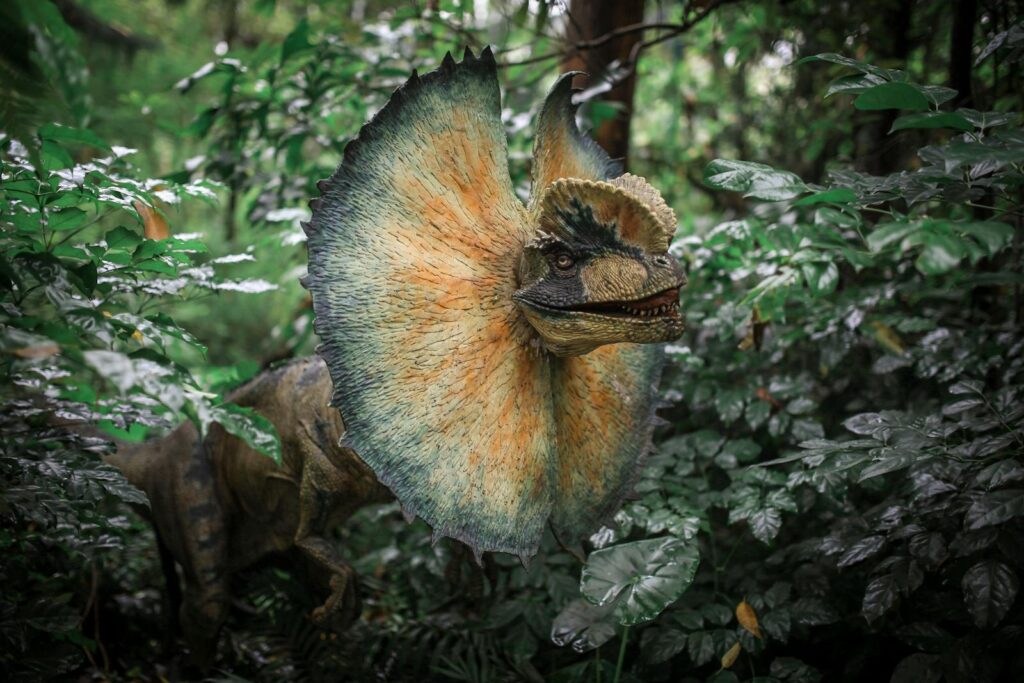
While we may never have definitive proof that dinosaurs danced to attract mates in the way modern birds do, the accumulating evidence makes it increasingly plausible that many dinosaur species engaged in complex, ritualized movement displays as part of their courtship repertoire. The combination of anatomical display structures, biomechanical capabilities, fossil evidence of display grounds, and the evolutionary connection to modern birds creates a compelling case for dance-like behaviors in at least some dinosaur lineages. Rather than dismissing the idea of dancing dinosaurs as mere fantasy, modern paleontology embraces the complexity and richness of dinosaur behavior, including social and reproductive strategies that likely included movement-based displays. As our understanding continues to evolve, the prehistoric world becomes increasingly dynamic and vibrant—one where the thunderous footsteps of dinosaurs may indeed have sometimes fallen in rhythmic patterns that, by any reasonable definition, could be called dancing.