When paleontologists unearthed unusual dinosaur fossils in eastern Utah’s Early Cretaceous deposits, they didn’t immediately realize they had discovered a completely new species. The subsequent analysis revealed a sauropod with remarkably powerful hips and thigh muscles, leading to its evocative name Brontomerus mcintoshi, meaning “thunder thighs.” This fascinating herbivore, which roamed what is now Utah approximately 110 million years ago, has provided scientists with new insights into dinosaur locomotion, defense mechanisms, and the incredible diversity of these ancient creatures. The discovery not only expanded our understanding of North American dinosaur species but also challenged some existing assumptions about sauropod capabilities and behaviors.
Discovery and Naming of Brontomerus
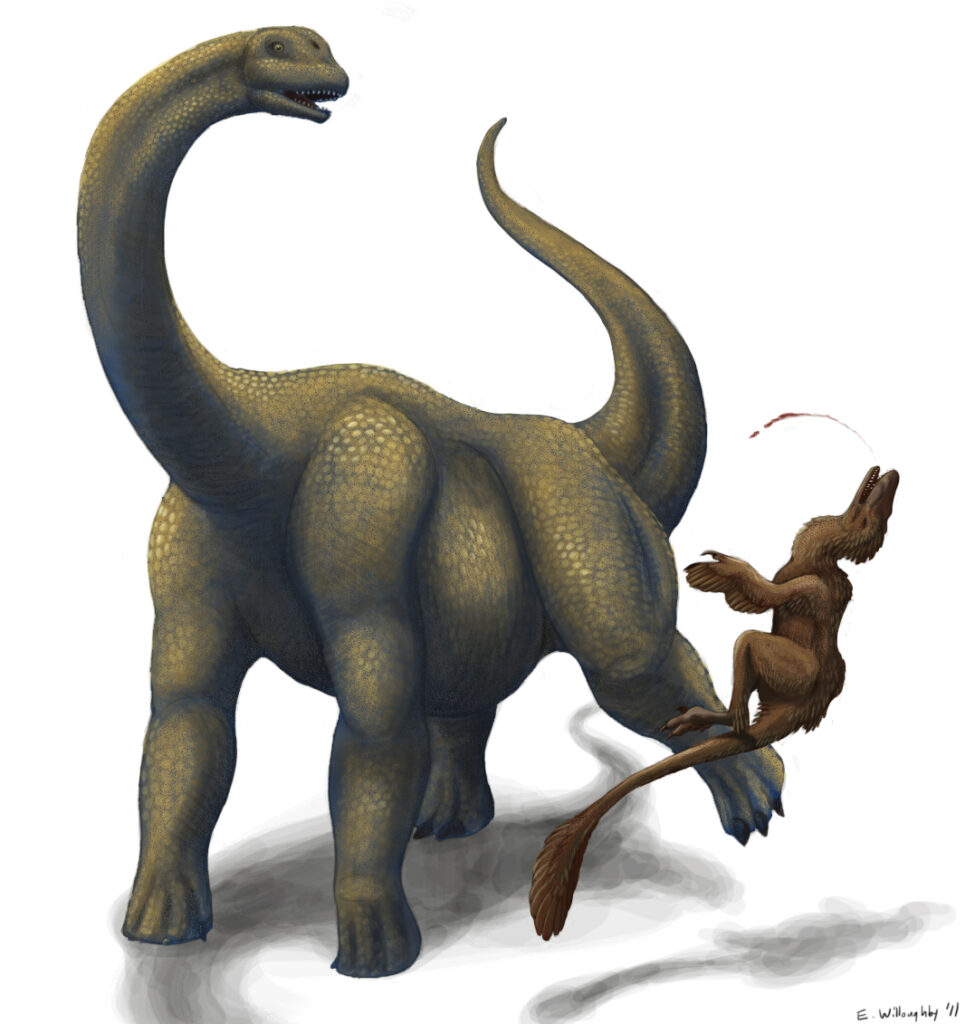
The story of Brontomerus begins with a fortuitous discovery at the Jensen-Jensen Quarry in eastern Utah, where fossils were initially collected in the 1990s. The specimens remained largely unstudied in London’s Natural History Museum until researchers Mike Taylor, Mathew Wedel, and Richard Cifelli began analyzing them in the late 2000s. After careful examination, they realized they had found something unique—a previously unknown genus of sauropod dinosaur. In 2011, they officially named the dinosaur Brontomerus mcintoshi, combining the Greek words “bronto” (thunder) and “meros” (thigh), while the species name honors Jack McIntosh, a renowned physicist and sauropod dinosaur expert. The name was inspired by the dinosaur’s most distinctive feature: its massive hip and thigh muscles, evidenced by an unusually large muscle attachment site on its hip bone (ilium).
The Significance of Utah’s Dinosaur Deposits
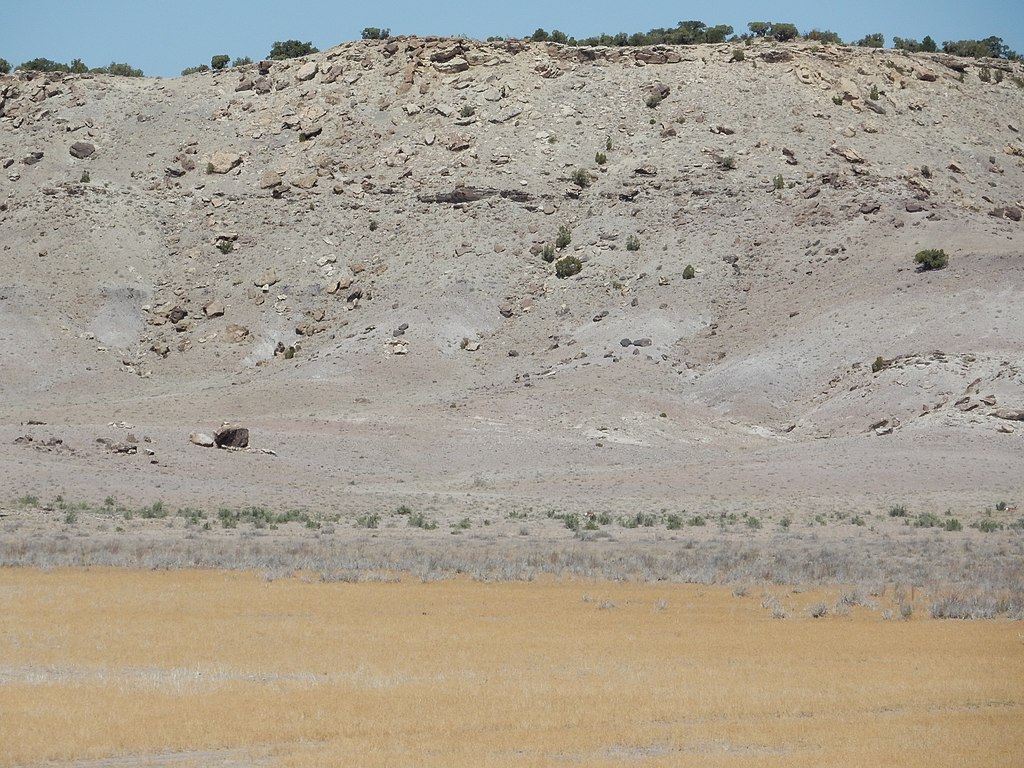
Utah stands as one of the world’s most significant regions for dinosaur discoveries, with the Cedar Mountain Formation, where Brontomerus was found, being particularly rich in Early Cretaceous specimens. This geological formation has yielded numerous important dinosaur fossils, representing a crucial period in dinosaur evolution approximately 110-120 million years ago. The area presents a unique window into dinosaur diversity during a period when North America was experiencing significant environmental and faunal changes. Utah’s dinosaur treasures include not just sauropods like Brontomerus but also numerous ornithischians, theropods, and other prehistoric creatures that together help paint a comprehensive picture of this ancient ecosystem. The state’s exceptional preservation conditions have made it possible for paleontologists to study these creatures in remarkable detail, with discoveries continuing to emerge from Utah’s fossil-rich badlands each year.
Physical Characteristics of Brontomerus
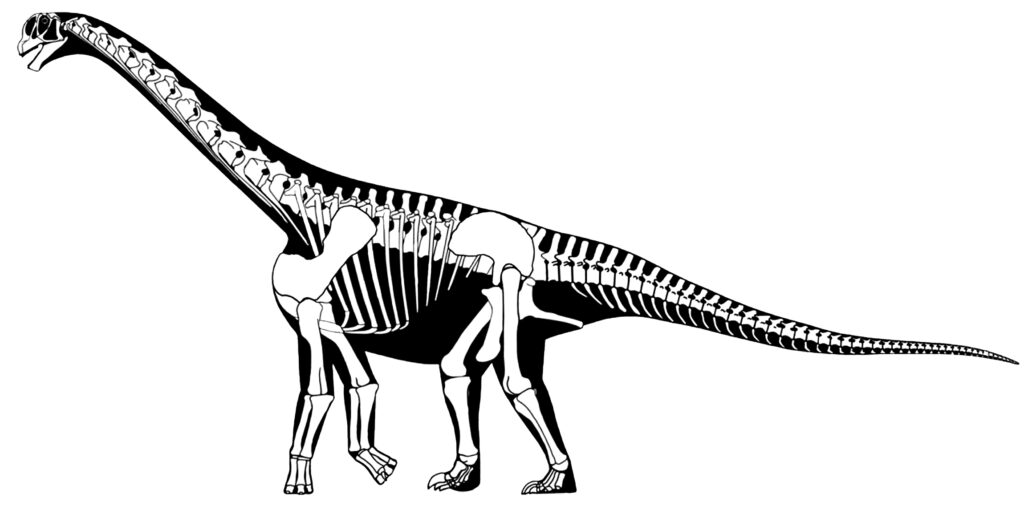
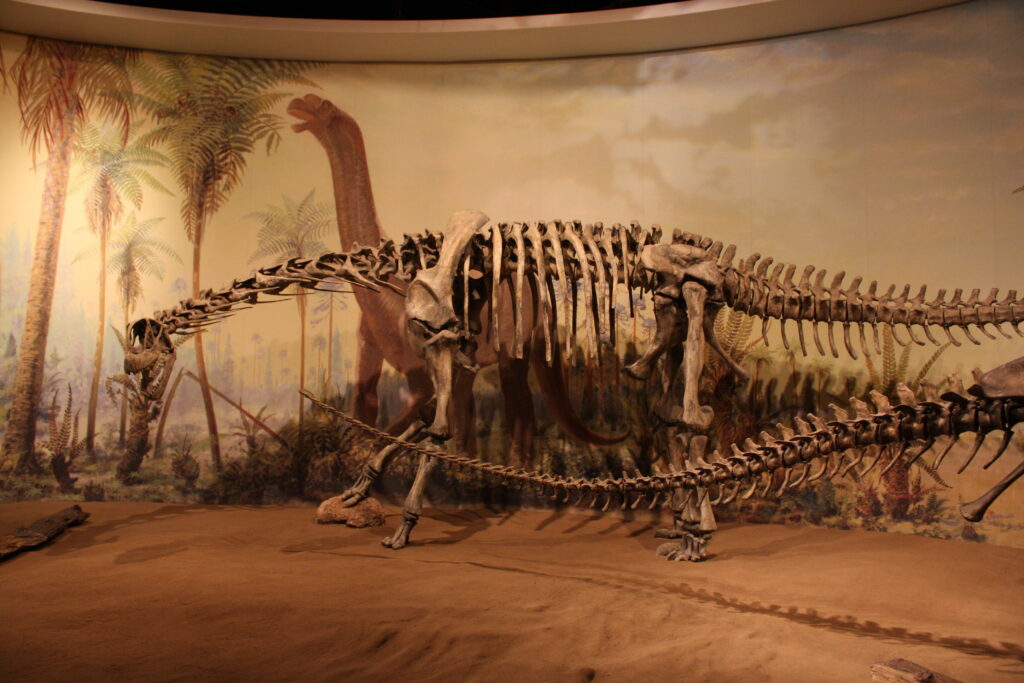
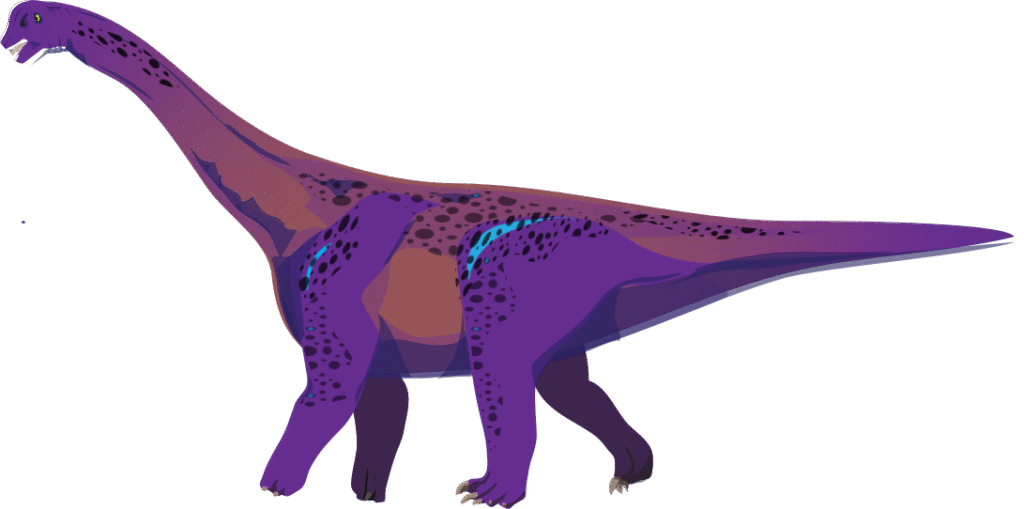
Brontomerus was a medium-sized sauropod by dinosaur standards, though exact measurements are difficult to establish from the partial skeleton that was recovered. Scientists estimate the adult specimen discovered was approximately 14 meters (46 feet) in length, while a juvenile specimen found alongside it would have been about 4.5 meters (15 feet) long. Like other sauropods, Brontomerus likely had a long neck, a relatively small head, four pillar-like legs, and a lengthy tail. However, what truly set this dinosaur apart was its extraordinary hip structure, featuring an unusually large projection on the ilium (hip bone) that would have anchored massive thigh muscles. This anatomical feature suggests Brontomerus possessed remarkable leg strength compared to other sauropods of similar size. The dinosaur’s shoulder blade was also distinctive, showing another large muscle attachment area that implies powerful forelimbs as well.
The “Thunder Thighs” Adaptation
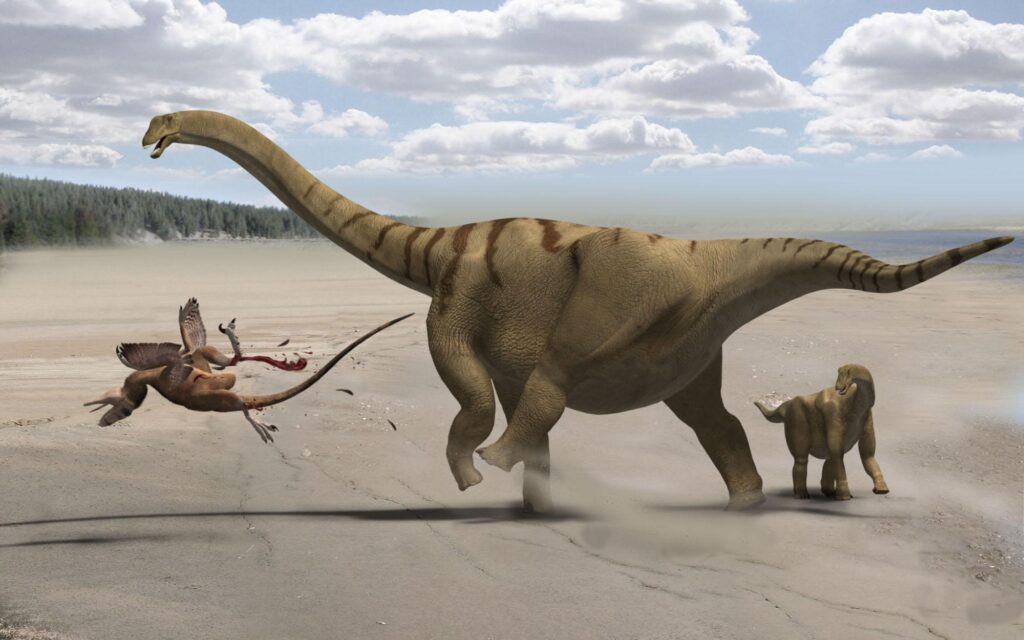
The most remarkable feature of Brontomerus was undoubtedly its powerful hind limbs, earning it the “thunder thighs” nickname that has captured public imagination. The ilium of Brontomerus featured an exceptionally large front blade, approximately 55% longer than would be expected in typical sauropods of similar size. This enlarged area would have served as an attachment point for massive thigh muscles, giving the dinosaur unprecedented leg strength among known sauropods. Paleontologists believe this adaptation may have served multiple evolutionary purposes, potentially allowing Brontomerus to deliver powerful kicks to predators, navigate rugged terrain, or perhaps even achieve greater speed than other sauropods. This specialized anatomy challenges the traditional view of sauropods as slow, plodding creatures, suggesting some species evolved for more dynamic movement capabilities. The distinctive “thunder thighs” represent a remarkable example of specialized evolution in dinosaurs, demonstrating how different lineages developed unique adaptations to their ecological niches.
Locomotion and Movement Capabilities
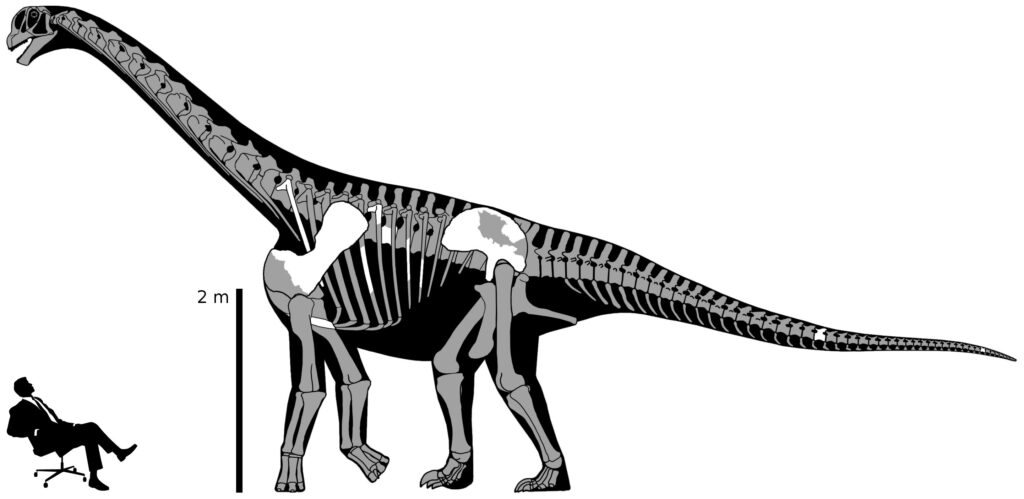
The extraordinary thigh muscles of Brontomerus have led scientists to develop fascinating theories about how this dinosaur moved and interacted with its environment. Unlike the stereotypical plodding gait associated with many sauropods, Brontomerus may have been capable of more explosive movement, possibly including behaviors like rapid acceleration or powerful kicking. The enlarged muscle attachments suggest it could generate significant force with its legs, potentially allowing it to navigate more challenging terrain than other sauropods. Some paleontologists have proposed that Brontomerus might have been adapted for life in more hilly or uneven landscapes, using its powerful legs to climb slopes that would have challenged other large dinosaurs. This hypothesis is supported by the geology of the region where the fossils were found, which indicates a varied topography during the Early Cretaceous period. If correct, this would represent an interesting ecological specialization among sauropods, with Brontomerus exploiting environmental niches unavailable to its less athletically gifted relatives.
Defensive Capabilities and Predator Interactions
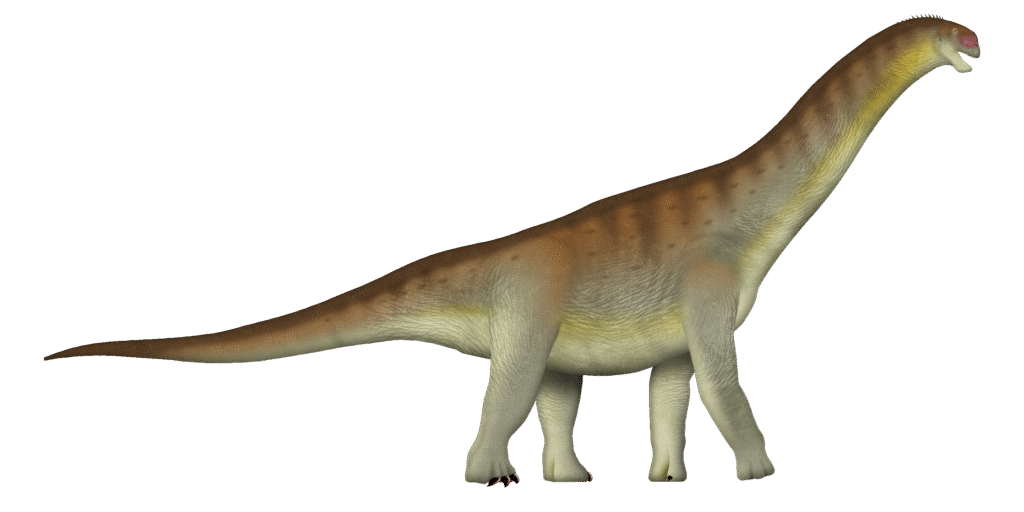
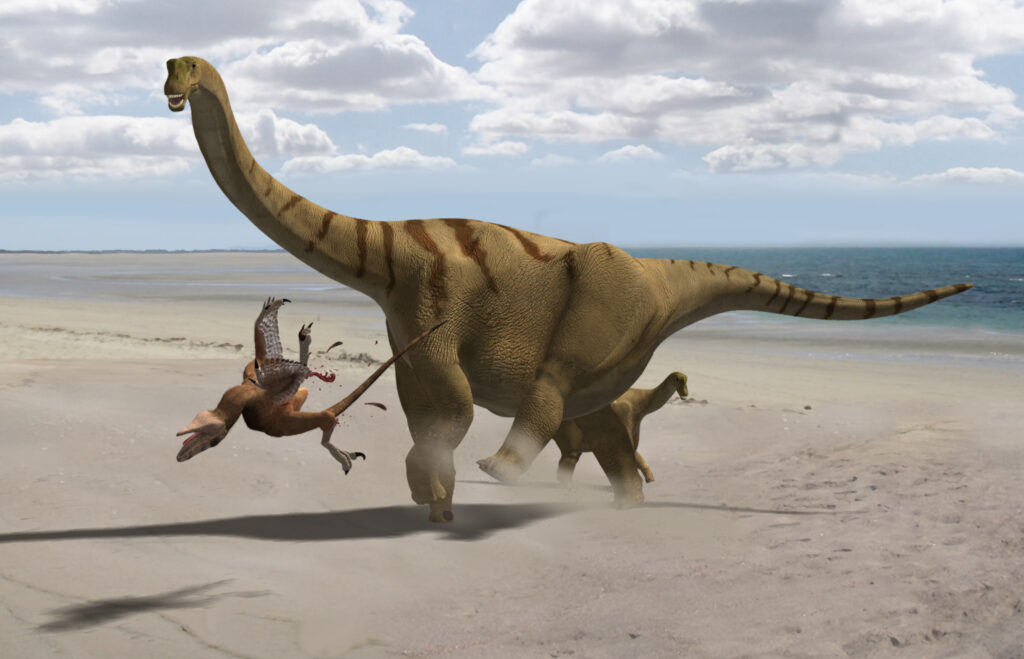
The powerful thigh muscles of Brontomerus likely served as more than just locomotion aids—they may have been crucial defensive weapons against the formidable predators of the Early Cretaceous. Paleontologist Mike Taylor, one of the dinosaur’s describers, has suggested that Brontomerus could have delivered devastating kicks to ward off attackers, similar to how modern ostriches can use their powerful legs as defensive weapons. This adaptation would have been particularly valuable for protecting vulnerable juveniles from predators like the large theropods known to have inhabited the same environment. The presence of both adult and juvenile specimens at the discovery site suggests family groups, adding credence to the theory that adults may have used their powerful legs to defend their young. This behavioral hypothesis represents an intriguing alternative to the passive defensive strategies (like herd formation or sheer size) often attributed to sauropods, suggesting that at least some species may have evolved more active defensive capabilities.
Diet and Feeding Habits
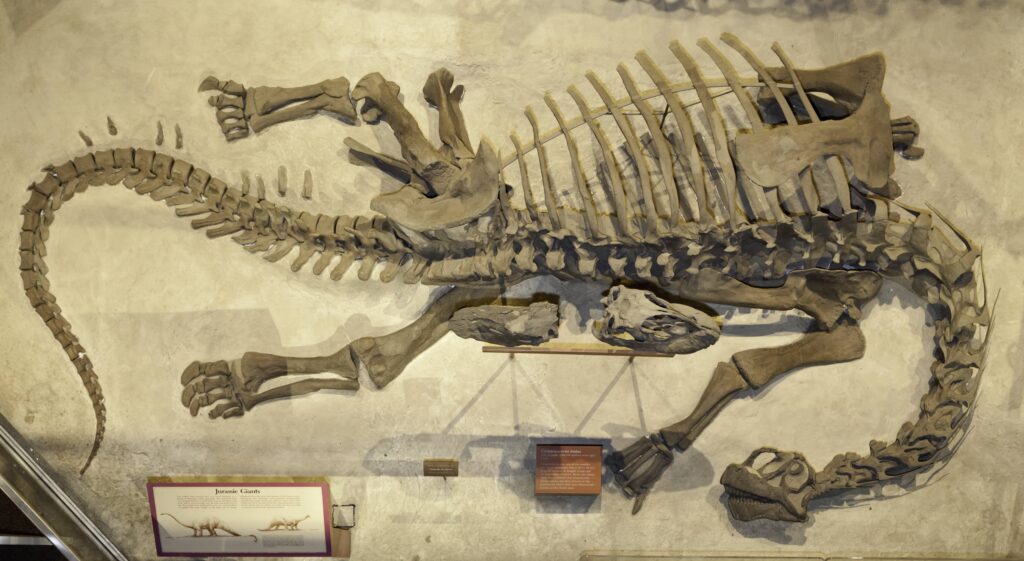
As a sauropod dinosaur, Brontomerus was undoubtedly herbivorous, though the absence of preserved skull material leaves some specific dietary details open to interpretation. Like its sauropod relatives, it likely possessed a small head at the end of a long neck, enabling it to reach vegetation at various heights. The Early Cretaceous landscape of Utah featured diverse plant life, including conifers, cycads, ferns, and early flowering plants, providing ample food sources for large herbivores. Based on knowledge of related sauropods, Brontomerus probably engaged in bulk feeding, swallowing plant material whole without chewing, relying instead on gastroliths (stomach stones) and a complex digestive system to process tough plant matter. Its powerful legs might have given Brontomerus an advantage in reaching food sources in varied terrain or perhaps even in pushing over smaller trees to access their foliage. This dietary flexibility may have allowed it to exploit food resources unavailable to other large herbivores, potentially reducing competition and allowing for successful coexistence with other plant-eating dinosaurs in its ecosystem.
The Fossil Evidence: What Was Found
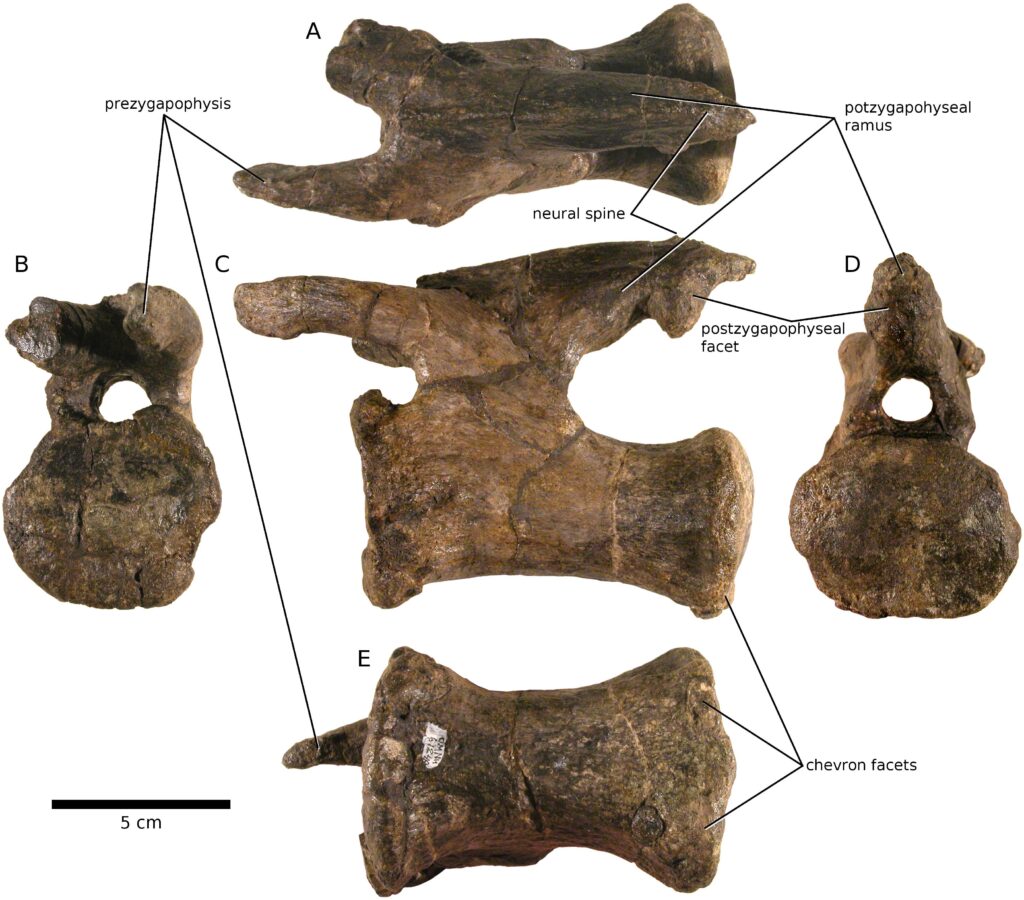
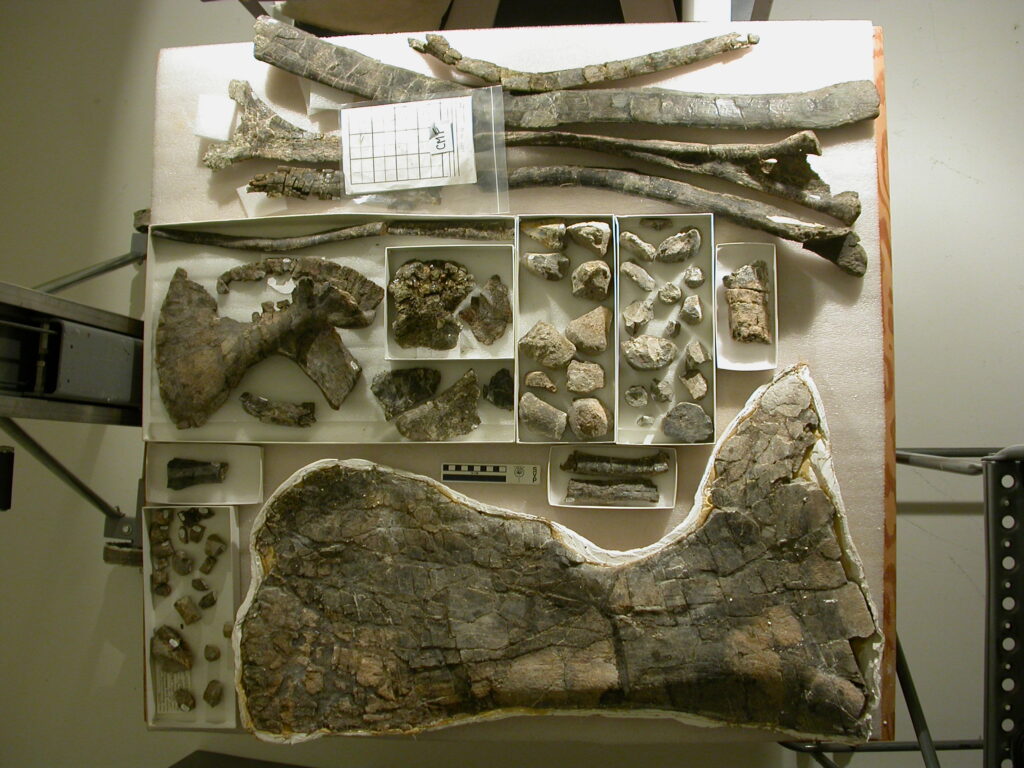
The Brontomerus fossils discovered in Utah represent a relatively limited but scientifically significant collection of skeletal elements. The holotype specimen consists of several vertebrae, ribs, and most importantly, a nearly complete left ilium (hip bone) that displays the distinctive enlarged muscle attachment area. Additionally, paleontologists recovered a juvenile specimen from the same location, including shoulder elements, vertebrae, and rib fragments. While this partial skeleton lacks a skull, limb bones, and a complete vertebral series, the preserved elements provided enough distinctive anatomical information for scientists to identify it as a new genus. The preservation quality of the fossils is quite good, allowing researchers to analyze fine details of bone structure and muscle attachment sites. Although more complete specimens would certainly enhance our understanding of this dinosaur, the available fossil material was sufficient to establish its unique anatomical features and evolutionary significance. The presence of both adult and juvenile specimens at the same site also provides valuable contextual information about potential social behaviors and family structures.
Brontomerus in the Context of Sauropod Evolution
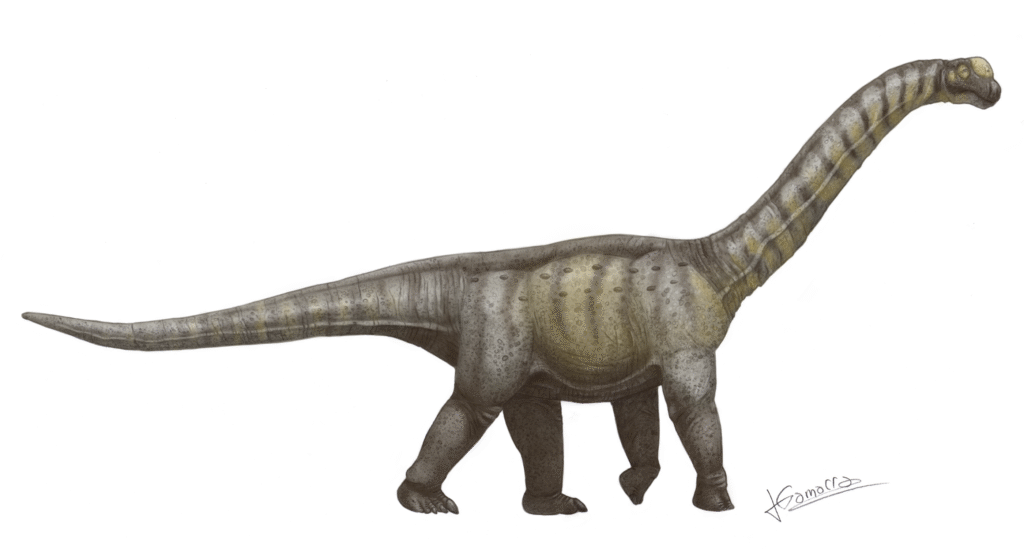
Brontomerus represents an important addition to our understanding of sauropod diversity and evolution during the Early Cretaceous period. Phylogenetic analysis places it within the Camarasauromorpha group, though its exact relationship to other sauropods remains somewhat uncertain due to the incomplete nature of the fossil material. The dinosaur lived during a transitional period in Earth’s history when the dominant sauropod groups were shifting from the Jurassic-era titans like Brachiosaurus and Diplodocus to the titanosaurs that would dominate the Late Cretaceous. The specialized adaptations of Brontomerus, particularly its powerful hind limbs, demonstrate how sauropods continued to diversify and exploit different ecological niches even as their overall diversity was beginning to decline globally. This challenges older notions that sauropod evolution was relatively static or in simple decline after the Jurassic period. Instead, Brontomerus shows that sauropods were still developing significant anatomical innovations and specializations well into the Cretaceous, exploring new evolutionary pathways and adapting to changing environmental conditions.
The Early Cretaceous Ecosystem of Utah
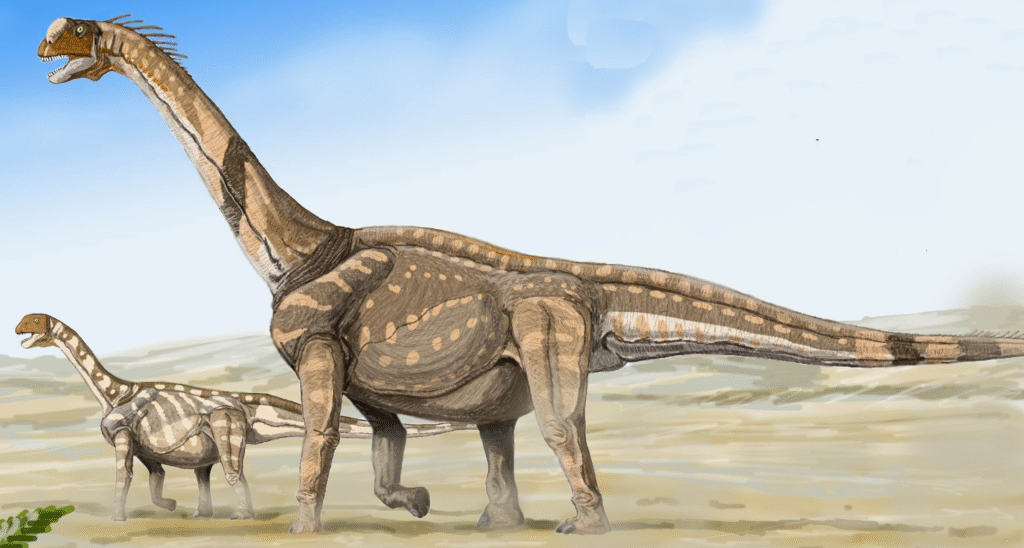
When Brontomerus roamed Utah approximately 110 million years ago, the landscape was dramatically different from today’s arid desert environment. The region experienced a more humid climate with rivers, floodplains, and lush vegetation creating a mosaic of habitats. This Early Cretaceous ecosystem supported a diverse array of dinosaurs beyond just Brontomerus, including other herbivores like the iguanodontian Eolambia and the armored nodosaur Gastonia. Predatory dinosaurs such as the large allosauroid Acrocanthosaurus and smaller dromaeosaurids would have posed threats to Brontomerus, particularly to juveniles. The plant life was dominated by conifers, cycads, ferns, and ginkgoes, though this period also saw the early diversification of flowering plants that would later transform terrestrial ecosystems. Seasonal fluctuations in rainfall likely influenced plant growth and dinosaur behavior, possibly prompting migrations to follow food resources. Recent geological and paleobotanical studies suggest the environment was experiencing climate shifts during this time, with increasing seasonality and changing plant communities that would have presented both challenges and opportunities for large herbivores like Brontomerus.
Controversies and Scientific Debates
As with many dinosaur discoveries based on partial remains, the interpretation of Brontomerus has not been without scientific controversy. Some paleontologists have questioned whether the distinctive hip structure truly represents a unique adaptation or if it might be the result of individual variation or even pathology. Others have debated the functional interpretation of the enlarged muscle attachments, suggesting alternative explanations beyond the “powerful kicker” hypothesis proposed by the scientists. The taxonomic placement of Brontomerus within sauropod phylogeny has also been debated, with some researchers suggesting it may be too fragmentary to confidently assign to a specific group beyond Camarasauromorpha. Another point of contention involves the estimated size and proportions of the complete animal, which must be extrapolated from limited material. These ongoing scientific discussions highlight the dynamic nature of paleontological research, where discoveries and analytical techniques continually refine our understanding of ancient life. Despite these debates, most experts agree that Brontomerus represents a distinctive sauropod with unusual anatomical features worthy of continued study and discussion.
Public Impact and Cultural Significance
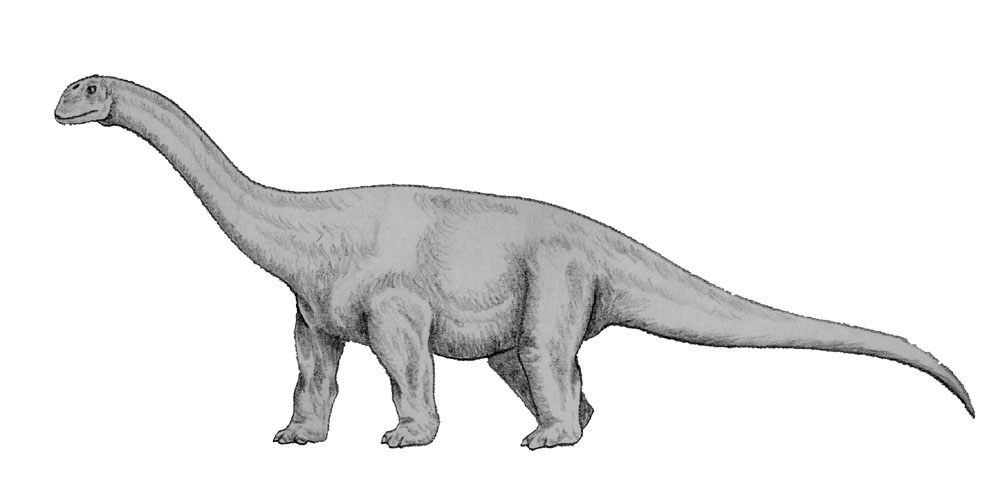
Since its formal description in 2011, Brontomerus has captured public imagination in ways that extend beyond its scientific significance. The evocative “thunder thighs” nickname has made this dinosaur particularly memorable, featuring in numerous science news articles, dinosaur books, and educational programs. Museum exhibits showcasing Brontomerus reconstructions have helped visitors visualize this unusual sauropod and understand how paleontologists interpret fossil evidence. The dinosaur has also been incorporated into Utah’s promotion of its rich paleontological heritage, joining other famous Utah dinosaurs like Utahraptor and Allosaurus in highlighting the state’s importance to our understanding of prehistoric life. For younger dinosaur enthusiasts, Brontomerus has provided an engaging example of how dinosaurs evolved specialized adaptations, moving beyond the familiar favorites to showcase the remarkable diversity of these ancient creatures. The discovery has also emphasized the importance of reexamining museum collections, as these fossils sat relatively unstudied for years before their significance was recognized, reminding us that important scientific breakthroughs sometimes lie hidden in existing collections rather than in new excavations.
Future Research Directions
The study of Brontomerus remains an active area of paleontological research with several promising directions for future investigation. Perhaps most important would be the discovery of additional specimens, particularly more complete skeletons that could confirm the anatomical peculiarities observed in the original fossils and provide new information about parts of the skeleton that remain unknown. Biomechanical studies using computer modeling could help evaluate the functional capabilities of Brontomerus’ powerful thigh muscles, testing hypotheses about its locomotion, kicking ability, and overall movement patterns. Comparative studies with other sauropods from the Early Cretaceous period might reveal broader evolutionary trends and ecological specializations within this diverse group of dinosaurs. Researchers are also interested in the paleoecological context of Brontomerus, seeking to understand how its unusual adaptations related to specific environmental conditions in Early Cretaceous Utah. Additionally, new dating techniques might help refine the age of the Brontomerus fossils, placing them more precisely within the chronology of dinosaur evolution. These ongoing and future research efforts promise to continue enhancing our understanding of this fascinating “thunder-thighed” dinosaur and its place in prehistoric ecosystems.
Conclusion
The discovery of Brontomerus has significantly enriched our understanding of sauropod diversity and evolution during the Early Cretaceous period. With its remarkable “thunder thighs” adaptation, this dinosaur challenges traditional views of sauropods as lumbering giants, suggesting instead a more dynamic creature capable of powerful leg movements and potentially specialized ecological behaviors. Though known from incomplete remains, the distinctive anatomy of Brontomerus provides compelling evidence for specialized evolution among sauropods, demonstrating how these magnificent creatures continued to develop innovative adaptations well into the Cretaceous period. As paleontologists continue investigating this unusual dinosaur and the ancient Utah ecosystem it inhabited, Brontomerus stands as a fascinating example of the incredible diversity of dinosaur life and the ongoing discoveries that continue to reshape our vision of Earth’s prehistoric past.