When we imagine fierce dinosaur battles, the showdown between Tyrannosaurus rex and Triceratops often comes to mind. These prehistoric titans roamed the Earth during the Late Cretaceous period, approximately 68 to 66 million years ago. While fossil evidence confirms that T. rex did indeed prey upon Triceratops, a fascinating question emerges: could the king of dinosaurs devour an entire Triceratops in one meal? This article explores this intriguing question through the lens of paleontology, comparative anatomy, and modern predator-prey relationships.
The Size Disparity Between Predator and Prey
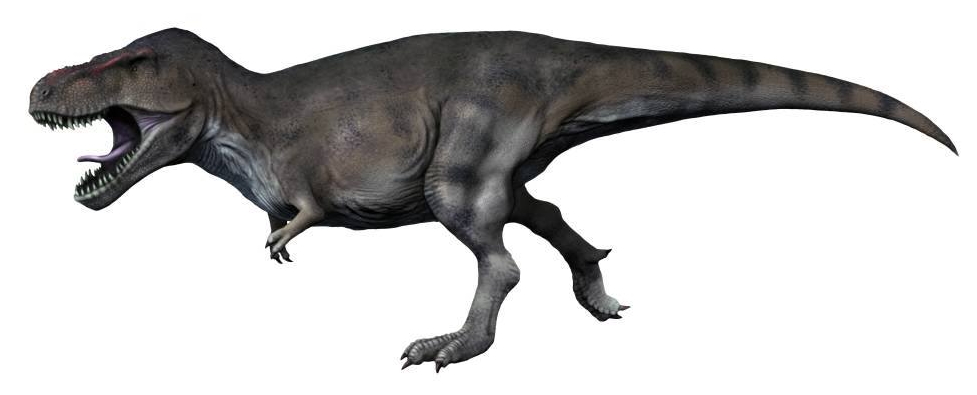
Tyrannosaurus rex was one of the largest terrestrial carnivores to ever exist, measuring up to 40 feet in length and weighing between 8 to 14 tons when fully grown. Triceratops, its contemporary and potential prey, was no small creature either, reaching lengths of 30 feet and weighing between 6 to 12 tons. This creates an interesting dynamic where predator and prey were relatively comparable in size. Unlike modern predators that typically target animals significantly smaller than themselves, T. rex faced prey that could match its mass. This size relationship suggests that consuming an entire Triceratops in one sitting would have been physically challenging for even the most ravenous T. rex, as the prey animal represented a substantial percentage of the predator’s own body weight.
T. Rex’s Legendary Bite Force
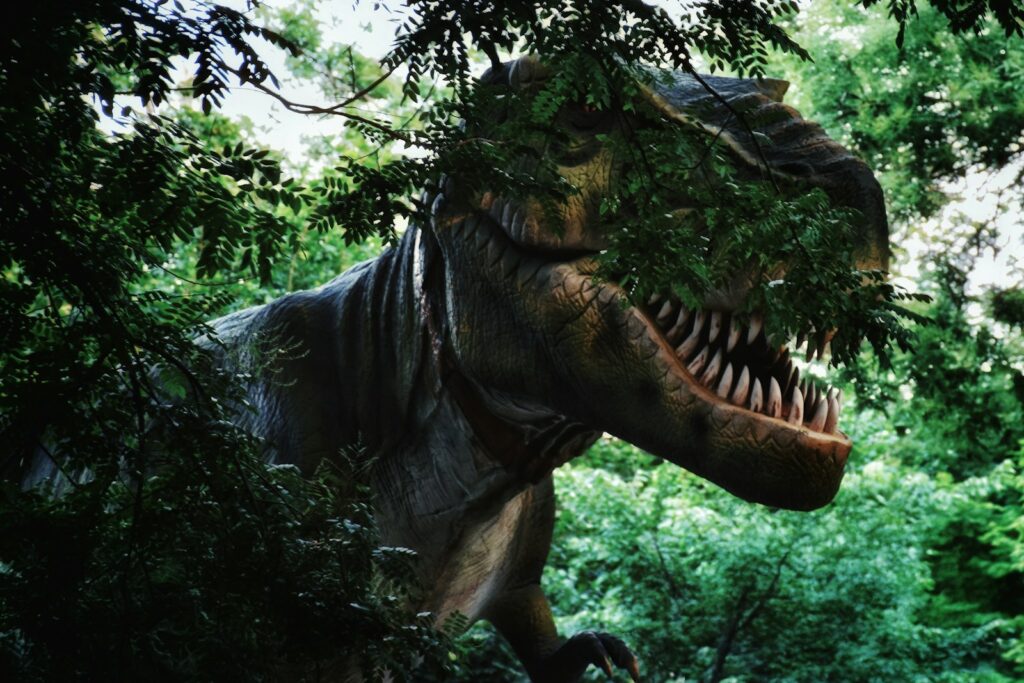
The Tyrannosaurus rex possessed one of the most powerful bites in the animal kingdom, estimated at approximately 8,000 pounds of force. This astounding bite strength, coupled with serrated teeth designed for crushing bones and tearing flesh, made it capable of removing massive chunks of meat with each bite. Recent studies have suggested that T. rex could remove up to 500 pounds of meat in a single bite, making it an incredibly efficient feeder. This feeding capability would have allowed the dinosaur to consume significant portions of a Triceratops carcass relatively quickly. However, even with this remarkable bite force, processing an entire multi-ton Triceratops would have required numerous bites and considerable time, challenging the concept of a “single sitting” in the traditional sense.
Stomach Capacity and Digestive Limitations

While T. rex had an impressively large body cavity, paleontologists estimate its stomach capacity at approximately 10-15% of its body weight. For a 14-ton T. rex, this would mean a maximum capacity of around 1.4 to 2.1 tons of food. Given that an adult Triceratops could weigh between 6 to 12 tons, simple mathematics reveals that consuming an entire specimen would be physically impossible in one meal. The dinosaur’s digestive system, while efficient, had practical limitations. Research on modern predators suggests that large carnivores typically consume 5-25% of their body weight in a single feeding, with the higher percentages being rare extremes. Applying these ratios to T. rex suggests it would more realistically consume 0.4 to 3.5 tons of meat in one sitting—a substantial portion of a Triceratops, but certainly not the entire animal.
Evidence from Fossil Discoveries
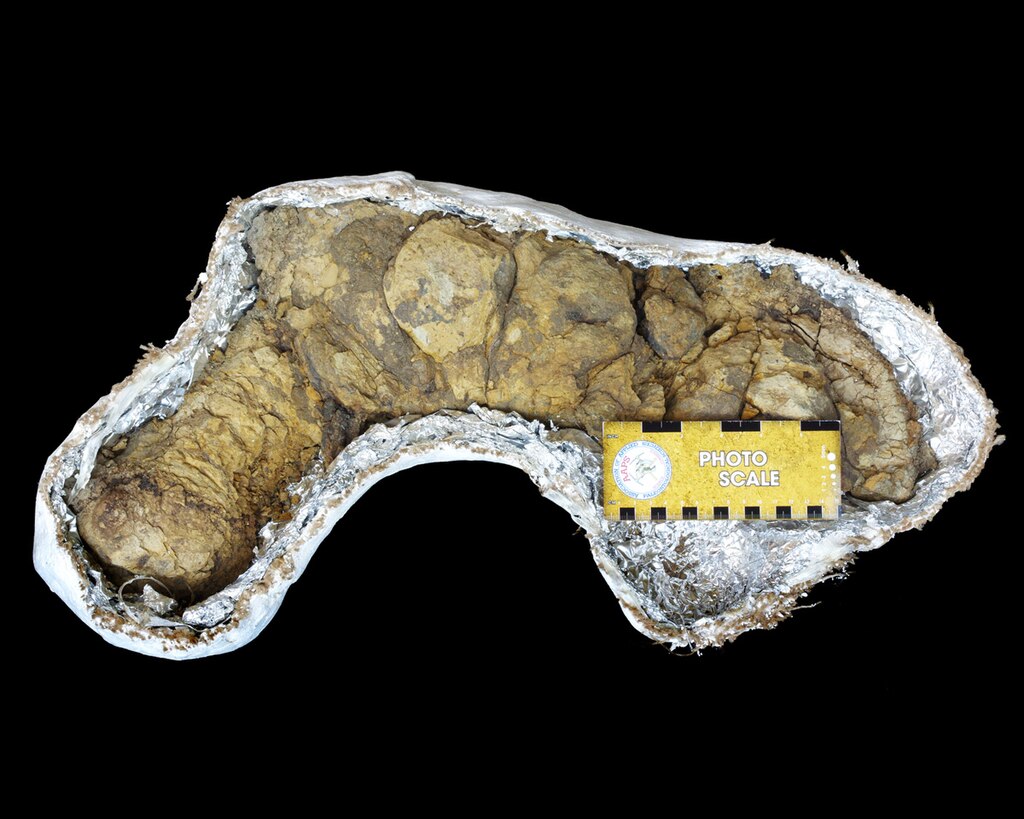
Fossilized evidence provides compelling insights into T. rex feeding habits. Coprolites (fossilized feces) attributed to Tyrannosaurus suggest that these predators were capable of processing large amounts of bone along with flesh, making them efficient consumers. Additionally, Triceratops fossils bearing distinctive T. rex tooth marks show signs of feeding that occurred in stages, not as a single event. Particularly revealing are partially consumed Triceratops specimens showing evidence of healing on bite marks, indicating the prey survived initial attacks. This fossil record suggests a complex predator-prey relationship where T. rex might have wounded Triceratops and returned to feed multiple times, or perhaps engaged in opportunistic scavenging of already deceased individuals, rather than consuming them in a single predatory event.
The Metabolic Demands of a Super Predator
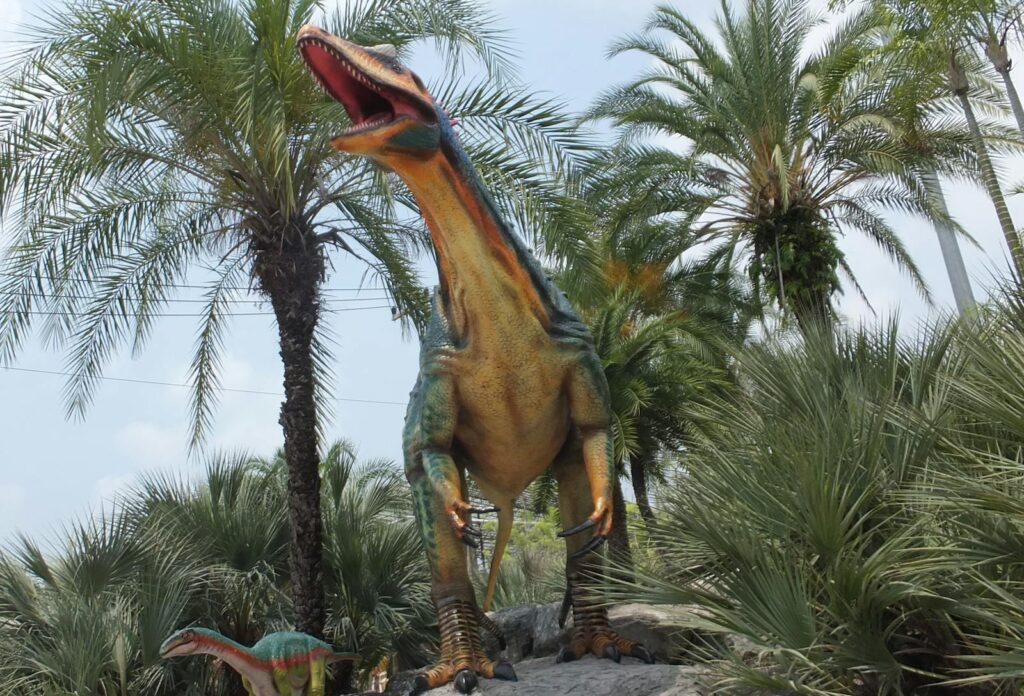
Understanding T. rex’s metabolic rate is crucial to estimating its feeding requirements. Recent research indicates that Tyrannosaurus likely had a metabolism somewhere between that of modern reptiles and birds—its closest living relatives. This “mesothermic” metabolism would have required significant caloric intake but not as extreme as a purely endothermic (warm-blooded) animal of comparable size. Paleontologists estimate that an adult T. rex might have needed to consume roughly 400-600 pounds of meat daily to maintain its energy requirements. This substantial but not excessive metabolic demand suggests that T. rex was adapted for intermittent large meals followed by periods of digestion, rather than constant feeding. This feeding pattern aligns with the behavior of consuming portions of large prey like Triceratops over multiple feedings.
Comparison to Modern Predator Feeding Habits
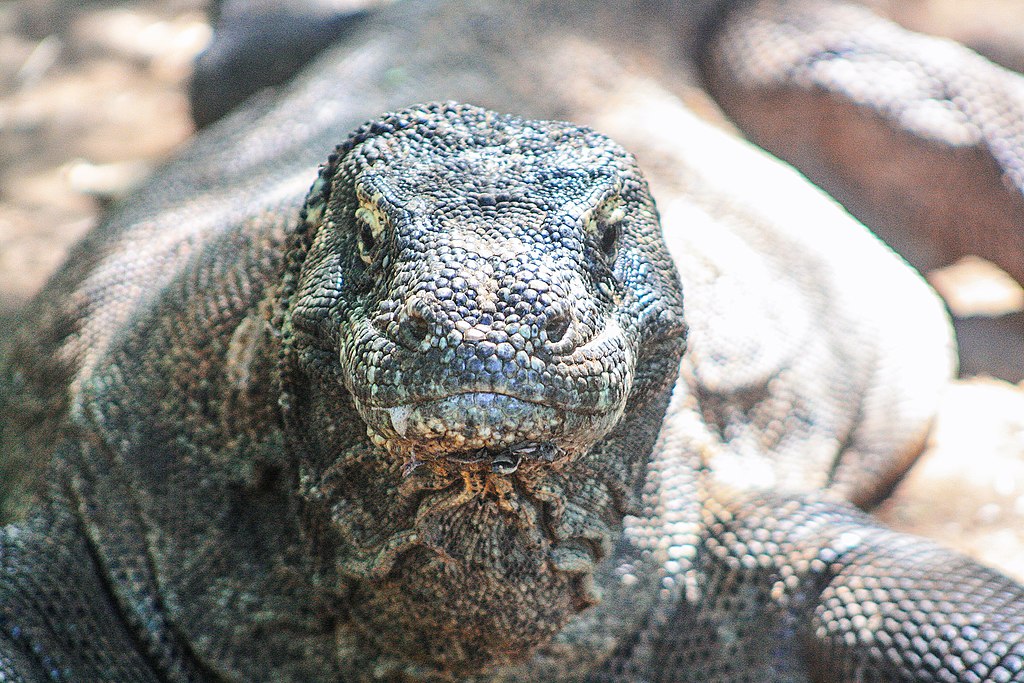
Modern analogies can help illuminate prehistoric feeding behaviors. Large crocodilians, distant relatives of dinosaurs, can consume up to 23% of their body weight in a single meal and then go weeks without eating as they slowly digest. Similarly, large sharks can consume about 10% of their body weight and then fast for days or weeks. Even the most voracious modern predators don’t consume prey larger than themselves in a single feeding. For example, Komodo dragons may kill prey larger than themselves but feed on the carcass over several days, returning repeatedly. These modern examples suggest that T. rex would likely have employed a similar strategy with Triceratops—consuming a significant portion in an initial feeding, then returning to the carcass for subsequent meals as digestion progressed.
The Challenge of the Triceratops Defense System
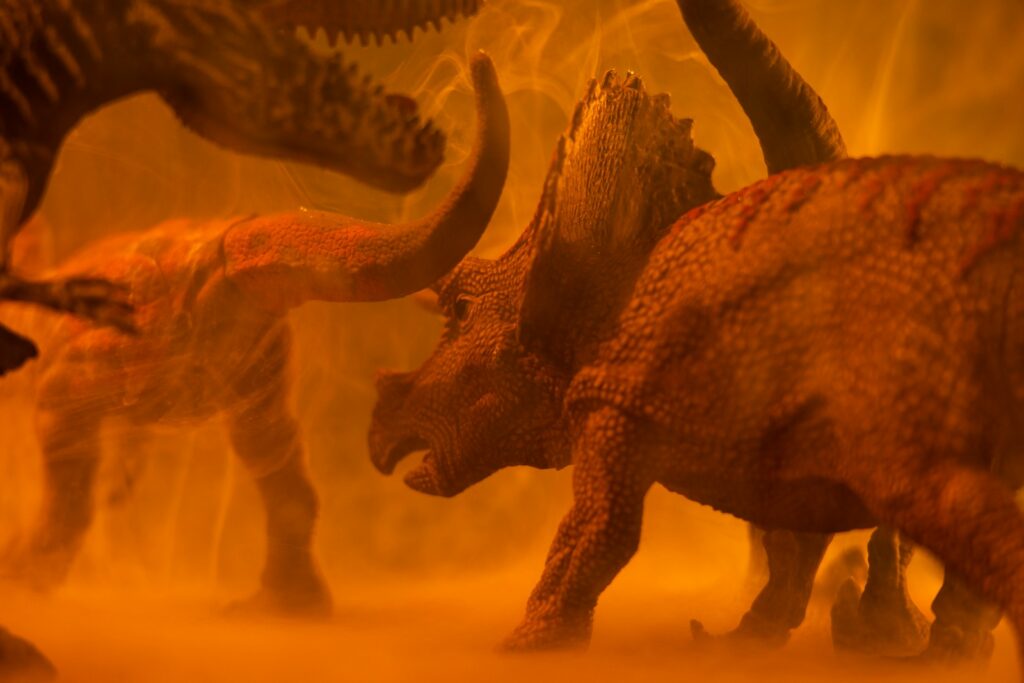
Triceratops was not merely passive prey; it possessed one of the most formidable defense systems among dinosaurs. Its characteristic three horns—two long brow horns and one nasal horn—combined with a massive bony frill that protected its neck, made it a dangerous adversary even for T. rex. Fossil evidence suggests these defenses were effective; some T. rex specimens show injuries consistent with Triceratops horn wounds. The challenge of subduing such well-defended prey would have expended significant energy, potentially affecting how much a T. rex could consume afterward. The substantial effort required to overcome Triceratops defenses, combined with the risk of injury, suggests that T. rex would maximize its energy return by consuming only the most nutritious portions first, rather than attempting to eat the entire animal.
The Role of Pack Feeding Behavior
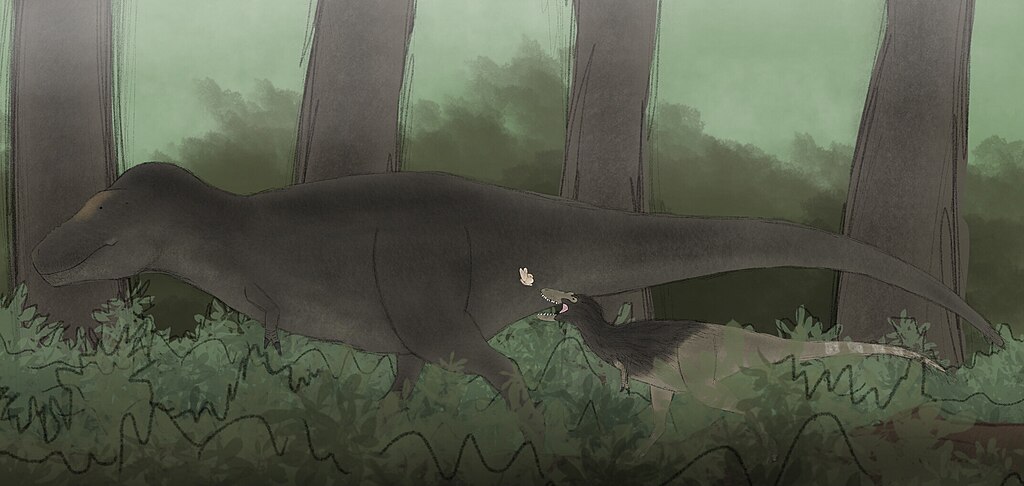
While traditionally depicted as a solitary hunter, some evidence suggests T. rex may have occasionally engaged in group feeding or even cooperative hunting. Multiple T. rex tooth marks on single prey specimens have led some paleontologists to propose that these predators sometimes fed together on large carcasses. If T. rex did engage in any form of social feeding, it would dramatically affect how quickly a Triceratops could be consumed. A group of adult Tyrannosaurus could theoretically dismantle and consume a large portion of a Triceratops in a relatively short period, though still likely not the entire animal in what we would consider a single sitting. This potential social dimension adds another layer of complexity to understanding prehistoric feeding ecology.
Inedible Portions and Feeding Efficiency
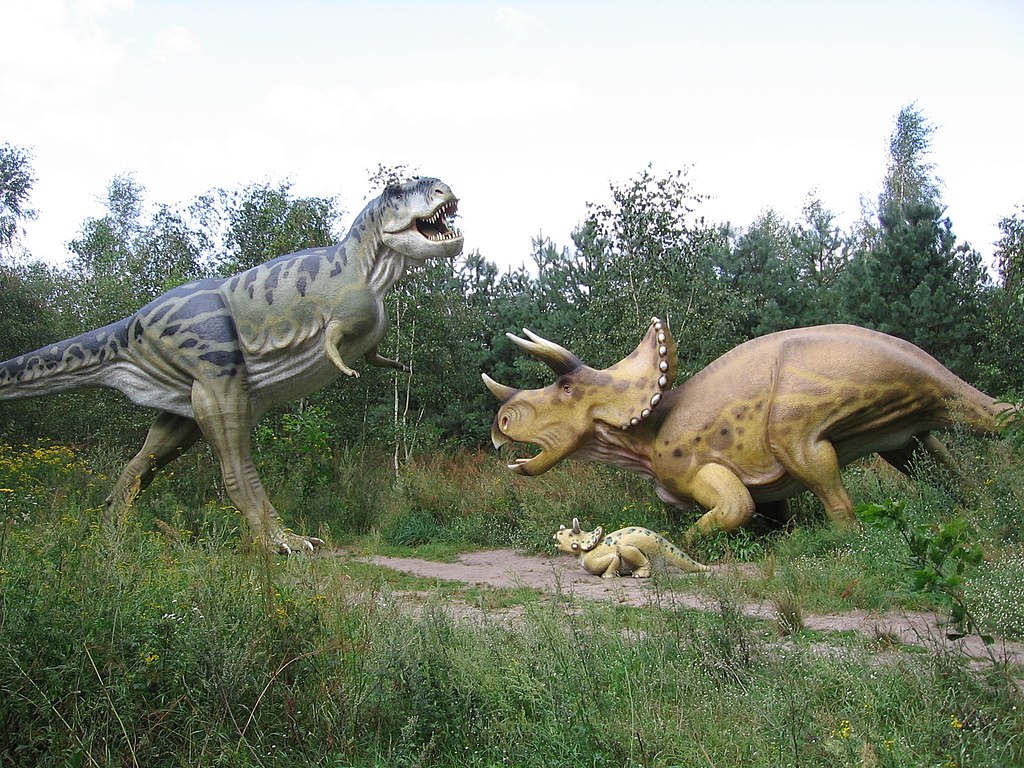
Not all parts of a Triceratops would have been equally appetizing or even edible to a T. rex. The massive frill, composed primarily of bone and keratinous covering, would have offered little nutritional value for the effort required to consume it. Similarly, the thick hide, horns, beak, and lower legs would have contained minimal accessible meat. Modern predators typically focus on nutrient-rich organs and large muscle groups while leaving less rewarding parts behind. Applying this feeding strategy to T. rex suggests it would have prioritized the massive thigh muscles, shoulder regions, organ cavity, and neck of a Triceratops. These preferred portions alone could represent several tons of consumable meat, still exceeding what a T. rex could eat in one feeding but representing a more focused approach to efficient predation.
The Time Factor in Dinosaur Feeding
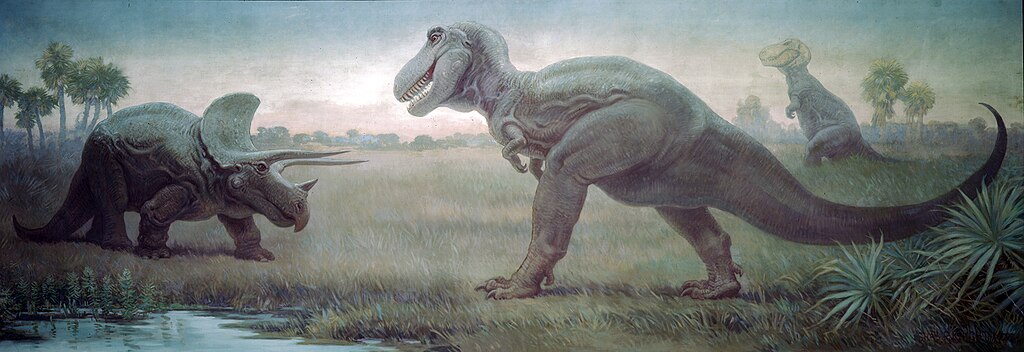
The concept of “one sitting” becomes somewhat ambiguous when applied to dinosaur feeding behavior. Modern reptiles can spend hours or even days at a single feeding session, periodically resting to process particularly large swallows. T. rex likely fed in a similarly extended manner, especially when facing the enormous task of consuming large portions of a Triceratops. The physical act of dismembering such large prey would have been time-consuming, even with T. rex’s powerful bite. Factoring in periods of rest, processing of tough tissues, and the sheer volume of meat available, a single feeding session might have stretched across many hours or an entire day. This extended timeframe challenges our conventional understanding of what constitutes “one sitting” in the context of prehistoric predators.
Competition and Scavenging Pressure
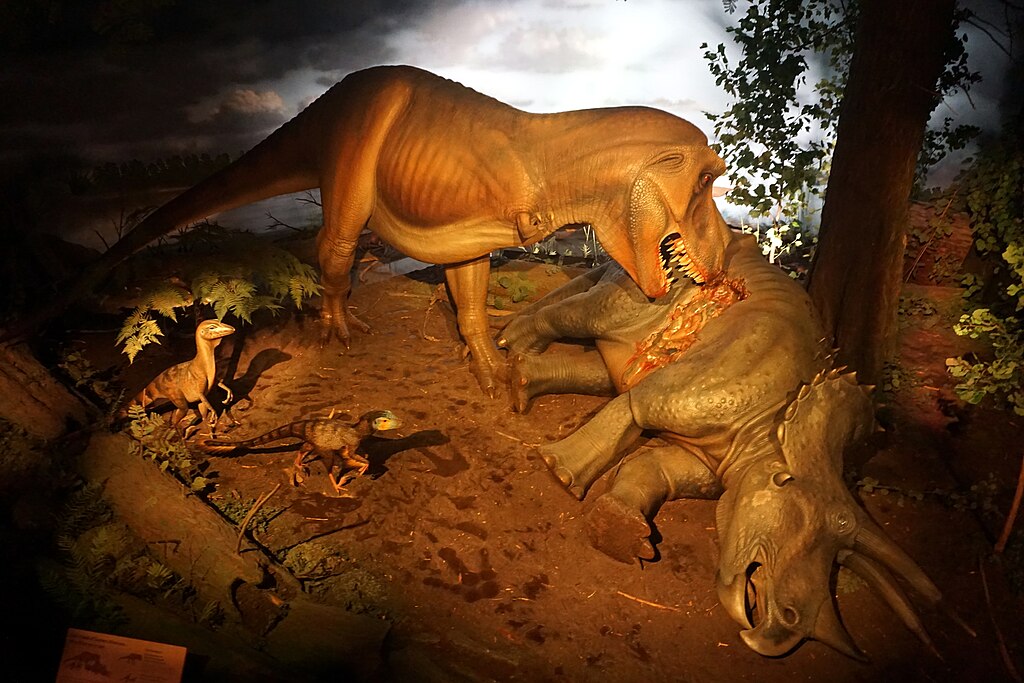
The Late Cretaceous ecosystem was filled with other carnivores and scavengers that would have been attracted to a Triceratops carcass. While T. rex likely dominated access to such a valuable food resource, it would have faced pressure to consume as much as possible before smaller, more numerous competitors arrived. This ecological pressure might have encouraged T. rex to gorge beyond its typical capacity when presented with particularly large kills. Similar behavior is observed in modern African lions, which can consume up to 15% of their body weight when competition is high—well above their regular feeding amount. However, even with this competitive pressure, biological constraints on stomach capacity would have prevented consumption of an entire Triceratops, though T. rex might have consumed and cached more than it could immediately digest.
What Fossil Evidence Tells Us About T. Rex Feeding Strategies
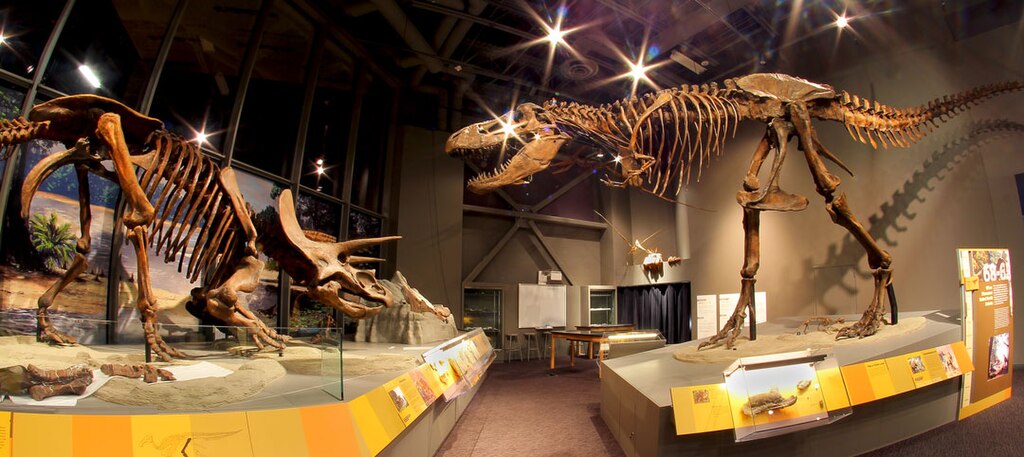
The fossil record provides several examples that illuminate T. rex feeding behavior. One notable discovery includes a Triceratops pelvis bearing T. rex tooth marks showing evidence of the bone being repetitively bitten and fractured to access nutrient-rich marrow. Another significant specimen shows a Triceratops with healed T. rex bite marks, indicating the prey survived an initial attack. Additionally, distinctive bite patterns on various Triceratops fossils suggest T. rex employed different feeding techniques on different body regions—precision bites in some areas and bone-crushing force in others. These findings collectively suggest a sophisticated feeding strategy where T. rex would selectively consume different portions of its prey based on nutritional value and accessibility, rather than indiscriminately attempting to consume the entire animal at once.
Conclusion: A Meal Fit for a King—But Not All at Once
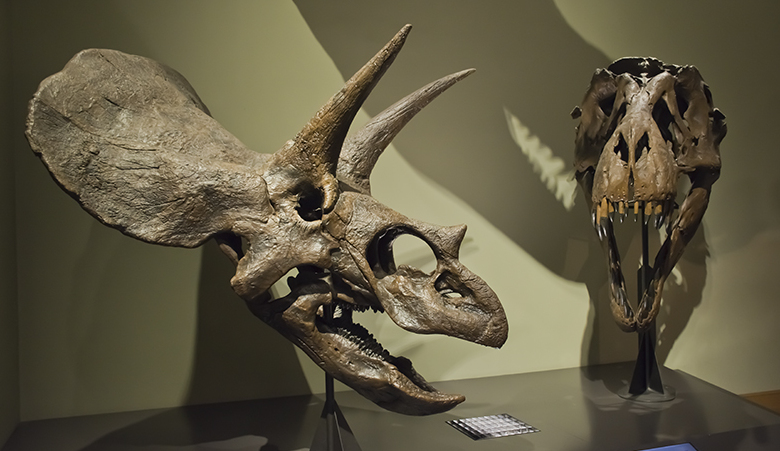
Based on the combined evidence from anatomy, physiology, ecology, and the fossil record, it appears highly unlikely that a Tyrannosaurus rex could consume an entire adult Triceratops in a single sitting. While T. rex was undoubtedly capable of killing Triceratops and consuming large portions of its prey, biological constraints on stomach capacity, digestive limitations, and the sheer size disparity between predator and prey would have necessitated multiple feeding sessions. The most likely scenario involves T. rex consuming the most nutritious portions of a Triceratops first—perhaps 1-2 tons of meat—before leaving the carcass to digest and returning later for additional meals, possibly competing with other scavengers or even other T. rex individuals for the remaining portions. This feeding strategy would align with both the physical capabilities of T. rex and the ecological context in which these magnificent prehistoric animals existed.