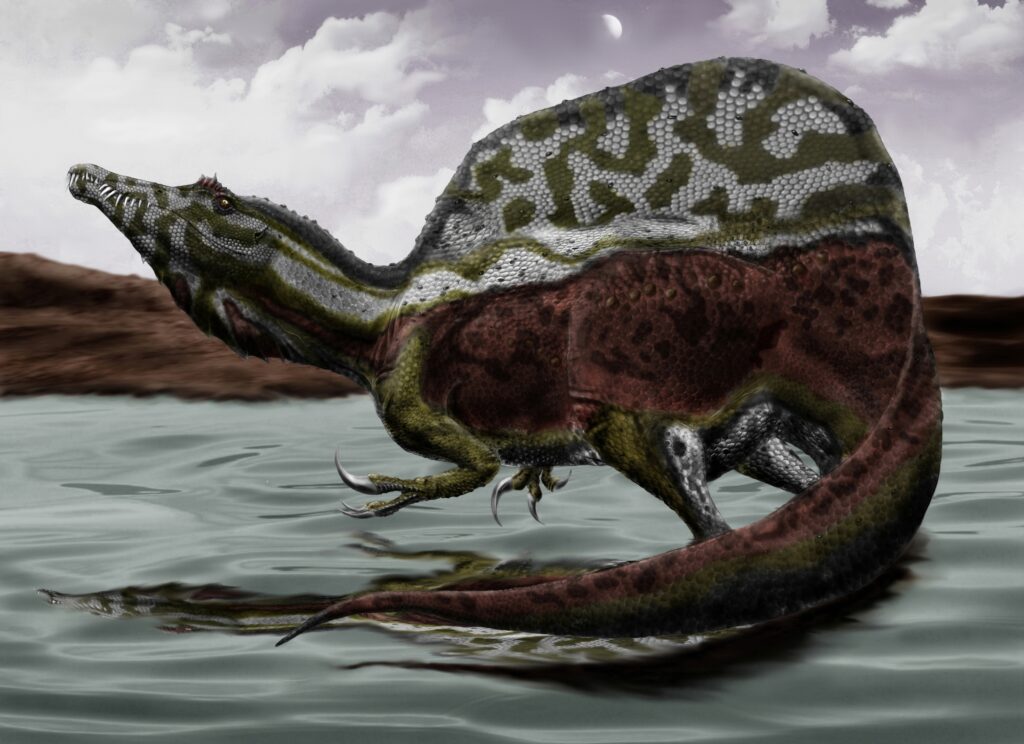
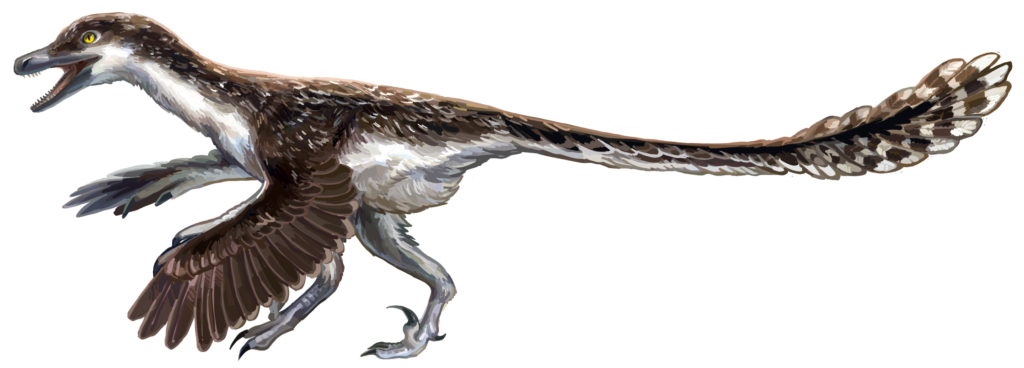
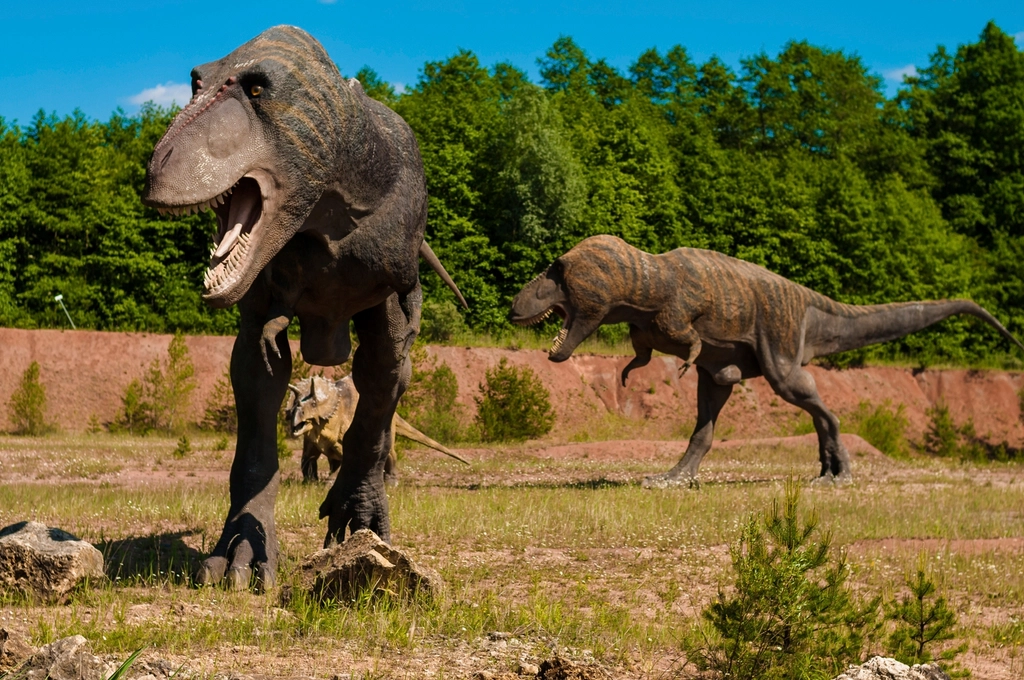
From the moment paleontologists unearthed the first dinosaur fossils, these magnificent prehistoric creatures have captured our collective imagination. Dinosaurs bridge the gap between scientific reality and fantastical possibility, making them perfect subjects for fiction across various genres. Whether stomping through adventure novels, philosophical science fiction, or whimsical children’s tales, literary dinosaurs continue to fascinate readers of all ages. This article explores essential dinosaur fiction across different genres and eras, highlighting works that blend paleontological accuracy with creative storytelling to satisfy both dinosaur enthusiasts and fantasy lovers alike.
The Birth of Dinosaur Fiction: Early Literary Representations

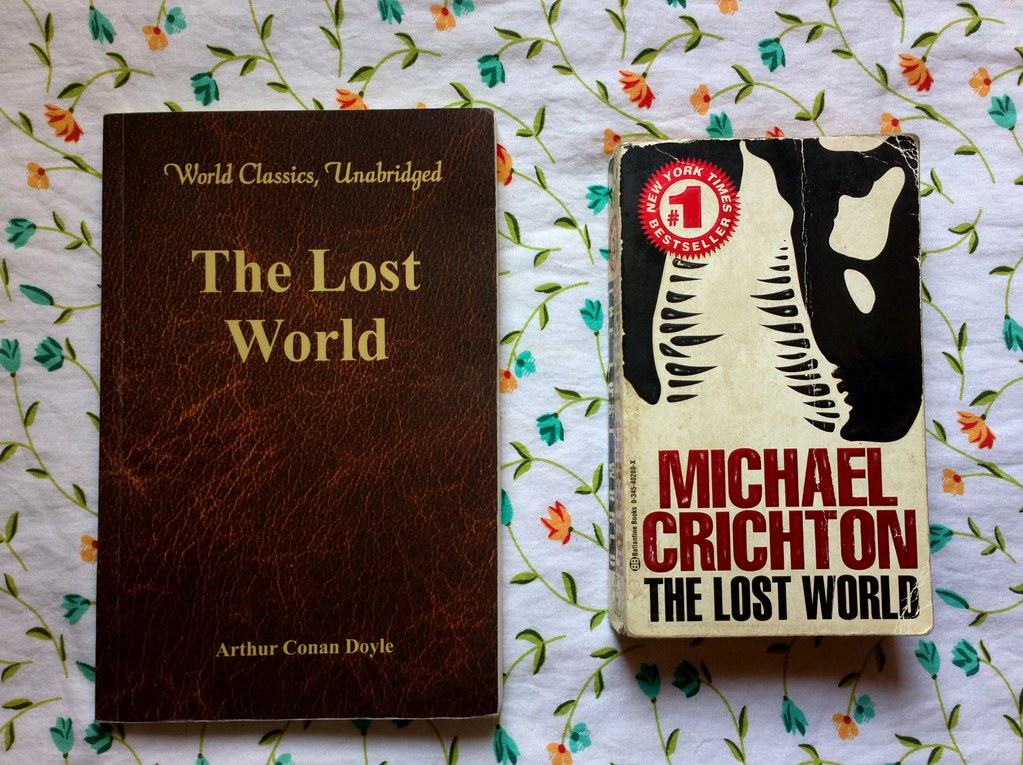
Long before “Jurassic Park” revolutionized dinosaur fiction, Victorian authors were already imagining encounters with these prehistoric beasts. Arthur Conan Doyle’s 1912 novel “The Lost World” stands as the pioneering work of dinosaur fiction, introducing readers to Professor Challenger’s expedition to a South American plateau where dinosaurs still roamed. Doyle’s work emerged just decades after paleontologists began seriously studying dinosaur fossils, reflecting the public’s growing fascination with these creatures. The novel established many tropes that would become standard in the genre, including the isolated prehistoric ecosystem and the tension between scientific exploration and dangerous adventure. Despite its scientific inaccuracies by today’s standards, “The Lost World” remains remarkably influential, inspiring countless “lost world” narratives and establishing dinosaurs as viable fictional characters capable of driving compelling narratives.
Michael Crichton’s “Jurassic Park”: The Defining Modern Dinosaur Novel

No discussion of dinosaur fiction would be complete without acknowledging Michael Crichton’s revolutionary 1990 novel “Jurassic Park.” While the subsequent film adaptation may have overshadowed it, the original novel stands as a masterpiece of science fiction that blends cutting-edge paleontology with thrilling narrative. Crichton’s genius lay in his ability to make complex scientific concepts accessible while crafting a cautionary tale about genetic engineering and human hubris. The novel delves deeper than the film into philosophical questions about scientific responsibility, featuring extended discussions between characters about chaos theory and evolutionary biology. Crichton’s dinosaurs, particularly the velociraptors, are portrayed with remarkable intelligence and predatory cunning that transformed how readers imagined these animals. Beyond its entertainment value, “Jurassic Park” sparked widespread public interest in paleontology and dinosaur science that continues to this day, making it perhaps the most culturally significant dinosaur novel ever written.
Robert Sawyer’s “Quintaglio Ascension Trilogy”: Dinosaurs as Sentient Beings
Robert J. Sawyer’s “Quintaglio Ascension Trilogy” represents one of the most ambitious and philosophical approaches to dinosaur fiction. Beginning with “Far-Seer” (1992), Sawyer creates an alternate world where intelligent, civilized descendants of Tyrannosaurus rex develop their own society, complete with religion, science, and politics. Set on a moon orbiting a gas giant, the trilogy follows Afsan, a scientist whose astronomical discoveries threaten the religious foundations of Quintaglio society. Sawyer uses this dinosaurian civilization to explore themes of scientific discovery, religious orthodoxy, and cultural evolution that parallel human history, particularly the Copernican revolution. The trilogy stands out for its meticulous world-building, creating a plausible society based on dinosaur physiology and behavior rather than simply placing dinosaur characters in human situations. Through the Quintaglios, Sawyer invites readers to view human history and society through an alien yet relatable perspective, elevating dinosaur fiction beyond mere adventure stories to thought-provoking speculative fiction.
Dinosaurs in Children’s Literature: Education Meets Imagination

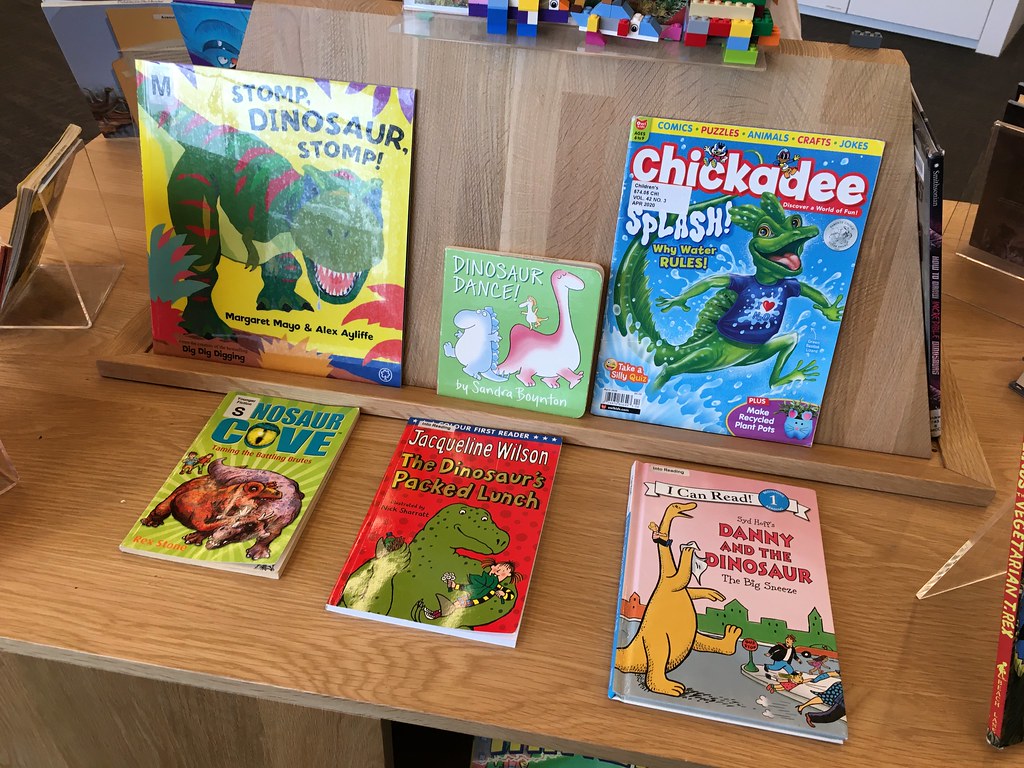
Dinosaurs have long held a special place in children’s literature, combining educational value with boundless imagination. Works like Jane Yolen’s “How Do Dinosaurs…” series use dinosaurs to teach young readers about social behavior and daily routines, while Mary Pope Osborne’s “Magic Tree House” installments featuring dinosaurs blend historical learning with adventure. The enduring appeal of dinosaurs in children’s books stems from their perfect balance of scientific reality and fantastical wonder—dinosaurs were genuinely real creatures, yet seem as magical as dragons to young minds. Mark Alan Stamaty’s “Who Needs Donuts?” and Bernard Most’s “If the Dinosaurs Came Back” demonstrate how dinosaurs can be used metaphorically in children’s literature to explore concepts of scale, time, and human relationship with the natural world. These works also serve as many children’s first introduction to paleontology and evolutionary concepts, planting seeds for scientific curiosity while entertaining with colorful illustrations and engaging narratives.
Alternative History: Dinosaurs That Never Went Extinct
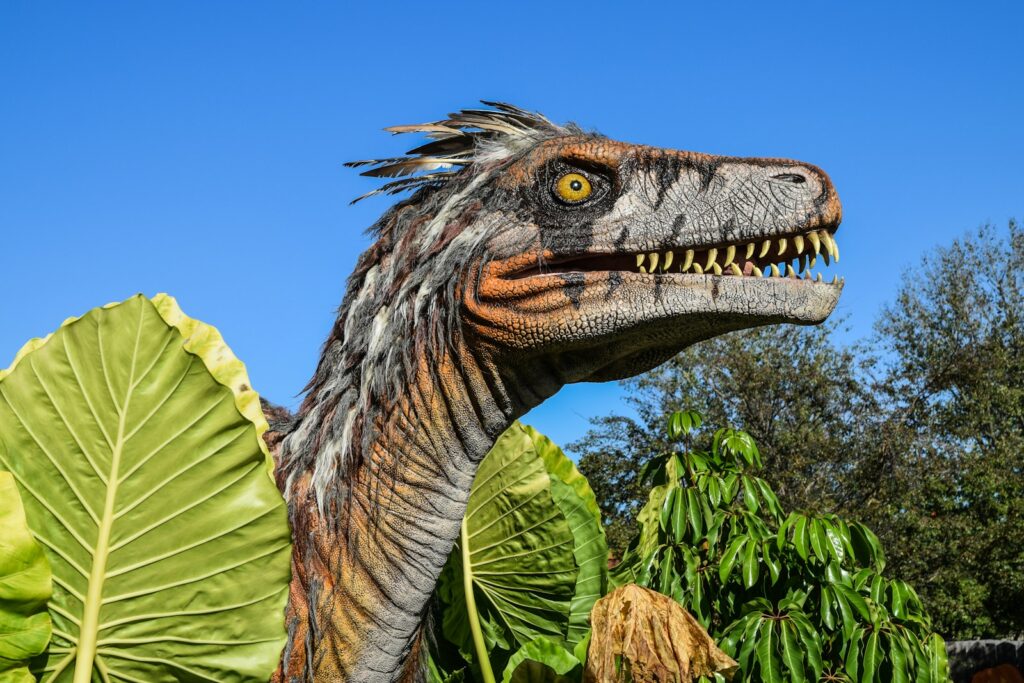
One of the most fascinating subgenres of dinosaur fiction explores alternative evolutionary timelines where dinosaurs never went extinct. Harry Harrison’s “West of Eden” trilogy presents a meticulously developed alternative Earth where the asteroid impact never happened, allowing dinosaurs to evolve into an intelligent, technologically advanced species that eventually comes into conflict with emerging humans. Victor Milán’s “The Dinosaur Lords” series offers a different approach, creating a secondary world where humans and dinosaurs coexist in a medieval society, with dinosaurs serving as war mounts in a setting reminiscent of “Game of Thrones” with prehistoric beasts. These alternative histories challenge readers to consider how profoundly different our world might be if dinosaurs had continued their evolutionary journey alongside mammals. Such narratives often raise philosophical questions about humanity’s place in nature and whether our dominance as a species was inevitable or merely the result of astronomical chance. By reimagining Earth’s evolutionary trajectory, these works invite readers to reconsider assumptions about intelligence, civilization, and the contingent nature of evolutionary history.
James Gurney’s “Dinotopia”: Dinosaurs in Utopian Fiction

James Gurney’s illustrated novels beginning with “Dinotopia: A Land Apart from Time” (1992) represent one of the most visually stunning and imaginative dinosaur fiction series ever created. Presented as the journal of shipwrecked explorer Arthur Denison, the books chronicle the discovery of an isolated island where dinosaurs and humans have developed a peaceful, symbiotic civilization. Gurney’s meticulously detailed paintings bring this world to life with scientific accuracy blended with architectural and cultural imagination. Unlike many dinosaur narratives that position the creatures as threats or obstacles, Dinotopia presents dinosaurs as partners in building a harmonious society, with different species fulfilling various social roles based on their natural abilities. The series explores themes of environmental stewardship, cross-species communication, and technological development in harmony with nature rather than at its expense. Gurney’s work stands as a rare example of utopian dinosaur fiction, offering a hopeful vision of human-dinosaur coexistence that contrasts sharply with the disaster narratives that dominate the genre.
Dinosaurs in Science Fiction: Space-Faring Saurians
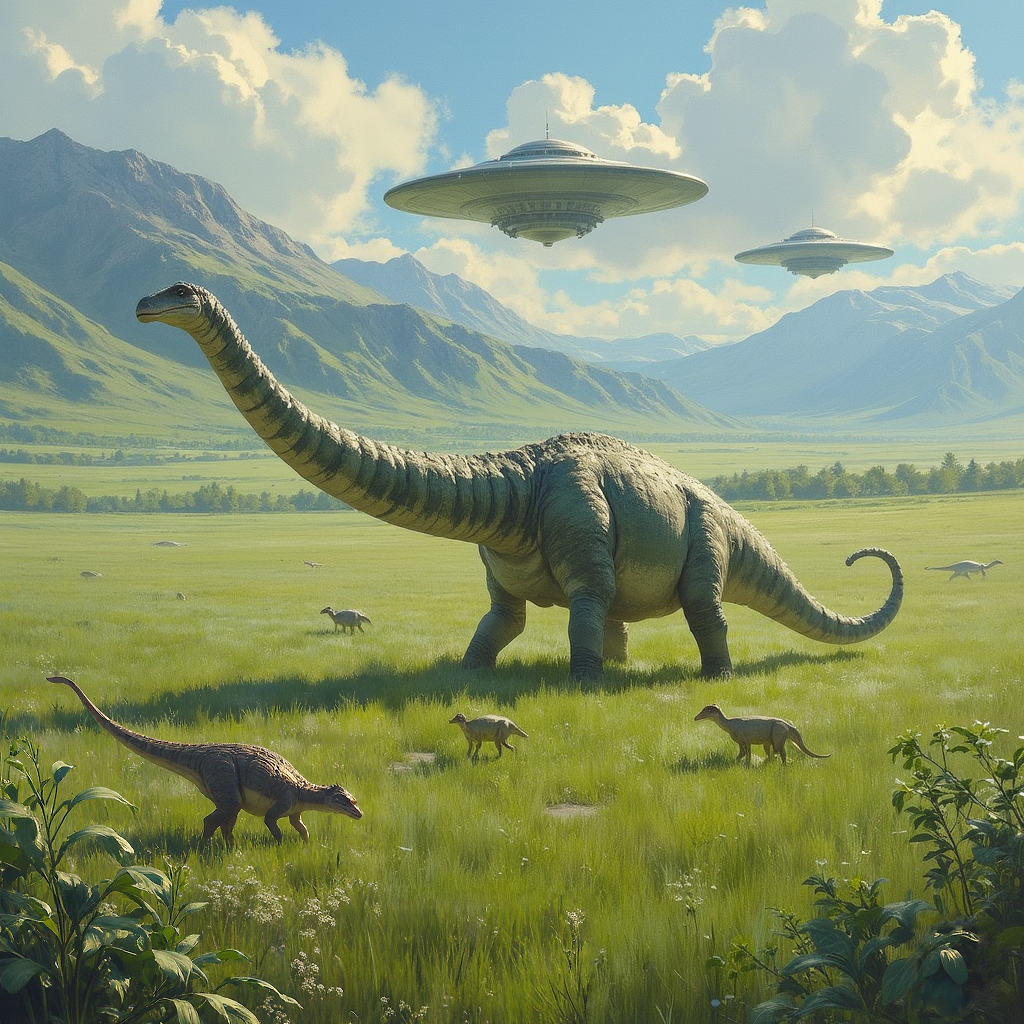
Science fiction authors have frequently speculated about dinosaurs evolving beyond Earth or developing advanced technology. Harry Harrison’s “Dinosaur Planet” and Anne McCaffrey’s “Dinosaur Planet Survivors” explore the concept of genetically engineered dinosaurs used as labor on distant planets, examining themes of exploitation and rebellion. Eric Garcia’s “Anonymous Rex” series takes a wildly different approach, imagining that dinosaurs never went extinct but instead evolved into human size and now live among us in disguise, creating a unique blend of detective noir and dinosaur fiction. These science fiction approaches allow authors to explore dinosaurs not just as prehistoric creatures but as potential beings with their own agency and civilizations. Whether as alien species encountered during space exploration or as time-traveling visitors from Earth’s past, dinosaurs in science fiction often serve as mirrors for examining humanity’s own place in the cosmos. The inherent “alienness” of dinosaurs, despite their terrestrial origins, makes them effective vehicles for exploring themes of difference, communication barriers, and the possibility of understanding truly foreign intelligences.
Dinosaur Horror Fiction: Prehistoric Terrors Unleashed
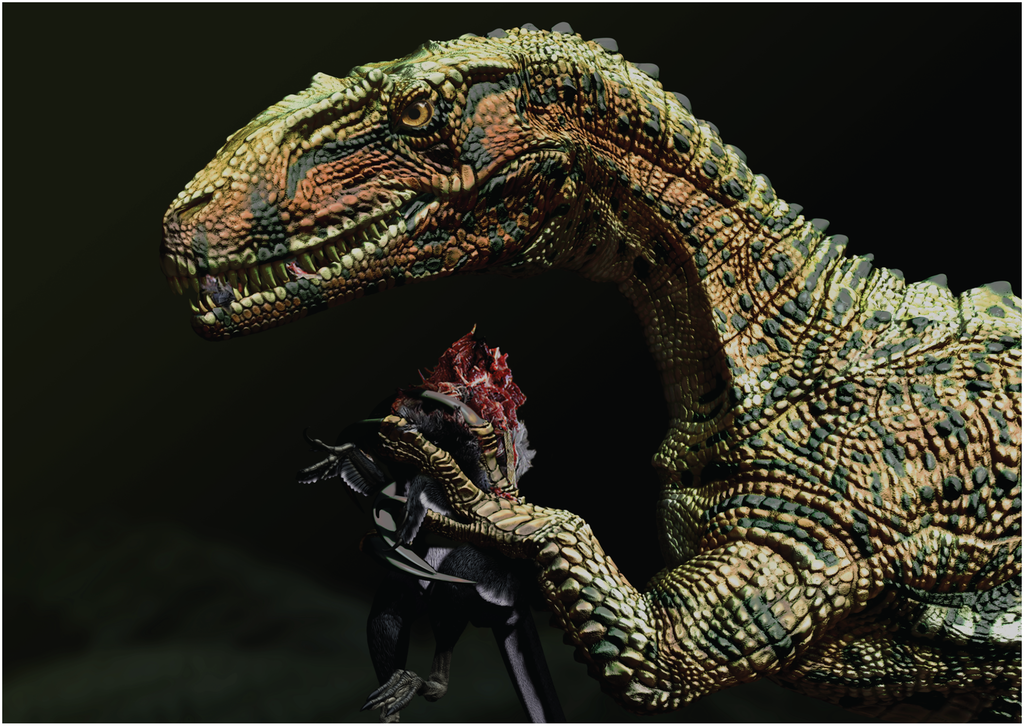
The horror genre has enthusiastically embraced dinosaurs as perfect monsters, combining primordial terror with scientific plausibility. Max Hawthorne’s “Kronos Rising” series features megalodons and pliosaurs terrorizing modern oceans, while Steve Alten’s “The MEG” popularized the prehistoric shark as a modern threat. These works play on primal fears of being preyed upon by creatures designed by evolution as perfect predators. The effectiveness of dinosaurs in horror fiction stems from their real-world existence—unlike purely supernatural monsters, dinosaurs actually walked the Earth and dominated it for millions of years. Contemporary dinosaur horror often incorporates elements of cryptozoology and conspiracy theories, suggesting that certain species may have survived in remote regions or deep oceans. The subgenre typically emphasizes the raw power disparity between humans and dinosaurs, highlighting how our technological advantages might prove insufficient against creatures evolved specifically for hunting and killing. This creates a unique tension where humanity’s dominance over nature is suddenly and catastrophically reversed, forcing characters to confront their vulnerability in a world where they are no longer the apex predators.
Dinosaur Fiction for Young Adults: Coming of Age with Prehistoric Beasts

Young adult literature features numerous works where dinosaurs serve as backdrops for coming-of-age narratives and explorations of identity. Kenneth Oppel’s “Every Hidden Thing” combines dinosaur fossil hunting with a Romeo and Juliet-inspired romance between the children of rival paleontologists in the American Badlands. Todd Johnson’s “The Sweet Dead Life” uses prehistoric creatures as metaphors for the awkwardness and transformation of adolescence. These narratives often parallel the dramatic physical and emotional changes of adolescence with the extreme biological transformations evident in the fossil record. Young adult dinosaur fiction frequently focuses on the scientific process of paleontology itself, featuring protagonists who discover their own strength and identity through scientific discovery and academic pursuit. The blend of adventure, science, and personal growth makes dinosaur fiction particularly effective for engaging teenage readers in both scientific concepts and emotional development. By placing young protagonists in situations where they must apply scientific knowledge to survive prehistoric encounters, these works validate intellectual curiosity and problem-solving as heroic qualities equal to physical bravery.
Dinosaur Fiction and Environmental Themes
Many contemporary dinosaur novels leverage these extinct creatures to explore environmental themes and humanity’s relationship with the natural world. Stephen Baxter’s “Evolution” uses dinosaurs as part of a sweeping narrative of Earth’s biological history, emphasizing the temporary nature of any species’ dominance. James David’s “Thunder” series examines the ecological consequences of reintroducing dinosaurs to modern ecosystems, highlighting issues of invasive species and biodiversity. These works often draw explicit parallels between the extinction of dinosaurs and current environmental crises, using prehistoric extinction as a cautionary tale about climate change and human impact on the environment. The very fact that dinosaurs—once the planet’s dominant vertebrates—could be virtually wiped out serves as a powerful reminder of life’s fragility despite apparent dominance. Some authors use dinosaur fiction to explore deeper philosophical questions about humanity’s responsibility toward other species and whether our technological development has outpaced our ecological wisdom. By reminding readers that Earth existed for millions of years without humans but with thriving dinosaur ecosystems, these narratives challenge anthropocentric views of nature and environmental stewardship.
Dinosaur Fiction and Gender: Challenging Traditional Narratives

Modern dinosaur fiction increasingly explores gender themes, challenging the historically male-dominated narratives of both dinosaur paleontology and adventure fiction. Novels like Shelley Emling’s “The Fossil Hunter” fictionalize the contributions of women like Mary Anning to early paleontology, while contemporary works feature female protagonists as paleontologists, adventurers, and dinosaur experts. This shift reflects both changing gender roles in science and broader literary trends toward diverse representation. Interestingly, some authors have used the fact that dinosaur biology itself challenges gender assumptions—with females of many species being larger or more aggressive than males—to explore themes of gender fluidity and the social construction of gender roles. The dinosaur fiction genre has also seen growing LGBTQ+ representation, with works featuring queer characters in paleontological settings or dinosaur adventures. By combining scientific settings with diverse human experiences, these works help expand the traditional boundaries of who gets to be the hero in dinosaur narratives, moving beyond the stereotype of the rugged male explorer or scientist facing prehistoric dangers.
Comic and Satirical Approaches to Dinosaur Fiction
Not all dinosaur fiction takes its subject matter seriously, with numerous works using these prehistoric creatures for comedy, satire, and social commentary. Ryan North’s “Dinosaur Comics” web series uses a static set of dinosaur images with changing dialogue to explore philosophical concepts and absurdist humor. Gary Larson’s “The Far Side” frequently featured dinosaurs in scenarios that humorously challenged popular conceptions of prehistoric life. These comedic approaches often play with anachronism, juxtaposing dinosaurs with modern human concerns or technology for humorous effect. The inherent absurdity of imagining human interaction with creatures separated from us by 65 million years creates fertile ground for satire about human pretensions and social conventions. Some satirical dinosaur fiction uses the creatures to comment on contemporary political or social issues—dinosaurs might represent outdated thinking, institutional inertia, or unsustainable consumption in these metaphorical works. The contrast between the dinosaurs’ physical power and their eventual extinction also provides rich material for exploring themes of hubris and the temporary nature of dominance, whether applied to individuals, corporations, or entire civilizations.
Future Trends in Dinosaur Fiction: New Discoveries Inspire New Stories
As paleontological science continues to evolve, so too does dinosaur fiction, incorporating new discoveries about dinosaur behavior, appearance, and biology. Recent scientific findings confirming that many dinosaurs had feathers have already begun appearing in fiction, challenging traditional scaly depictions. The growing evidence for dinosaur intelligence, particularly among dromaeosaurs like Velociraptor, has inspired more nuanced fictional portrayals of dinosaur cognition and social behavior. These scientific advances create opportunities for authors to craft increasingly sophisticated dinosaur characters and societies. Emerging technology themes are also shaping the genre, with new works exploring concepts like de-extinction through genetic engineering, virtual reality experiences of prehistoric environments, and artificial intelligence reconstructions of dinosaur behavior patterns. As global awareness of extinction and biodiversity loss grows, dinosaur fiction increasingly serves as a vehicle for exploring humanity’s relationship with nature and our potential to cause or prevent mass extinctions. The enduring popularity of dinosaurs in fiction speaks to their unique position at the intersection of scientific fact and imaginative possibility, ensuring that as long as we continue discovering more about these magnificent prehistoric creatures, authors will continue finding new ways to bring them to life on the page.
Conclusion
Dinosaur fiction offers readers a unique blend of scientific wonder and imaginative storytelling, allowing us to explore everything from straightforward adventure narratives to complex philosophical questions about evolution, intelligence, and humanity’s place in nature’s timeline. The best dinosaur fiction educates as it entertains, inspiring readers to learn more about paleontology while providing thrilling encounters with creatures from Earth’s distant past. Whether you’re drawn to scientifically accurate representations of dinosaurs or prefer more fantastical interpretations, the diverse world of dinosaur literature has something to offer every reader fascinated by these magnificent extinct beings. As paleontological science continues advancing and our understanding of dinosaurs evolves, so too will the stories we tell about them, ensuring that literary dinosaurs remain as vibrant and captivating as their prehistoric counterparts.