In the vast landscape of prehistoric creatures, Incisivosaurus stands out as one of the most peculiar dinosaurs ever discovered. Dating back approximately 125 million years to the Early Cretaceous period, this small theropod dinosaur has captured paleontologists’ attention with its unusual dentition that resembles modern rodents more than typical carnivorous dinosaurs. Discovered in the Yixian Formation of China in 2002, Incisivosaurus provides fascinating insights into dinosaur evolution and dietary adaptations. Its name, meaning “incisor lizard,” reflects its most distinctive feature – large, prominent front teeth that suggest a specialized diet different from its meat-eating relatives. Let’s explore this remarkable creature that challenges our understanding of dinosaur feeding habits and evolutionary pathways.
Discovery and Classification
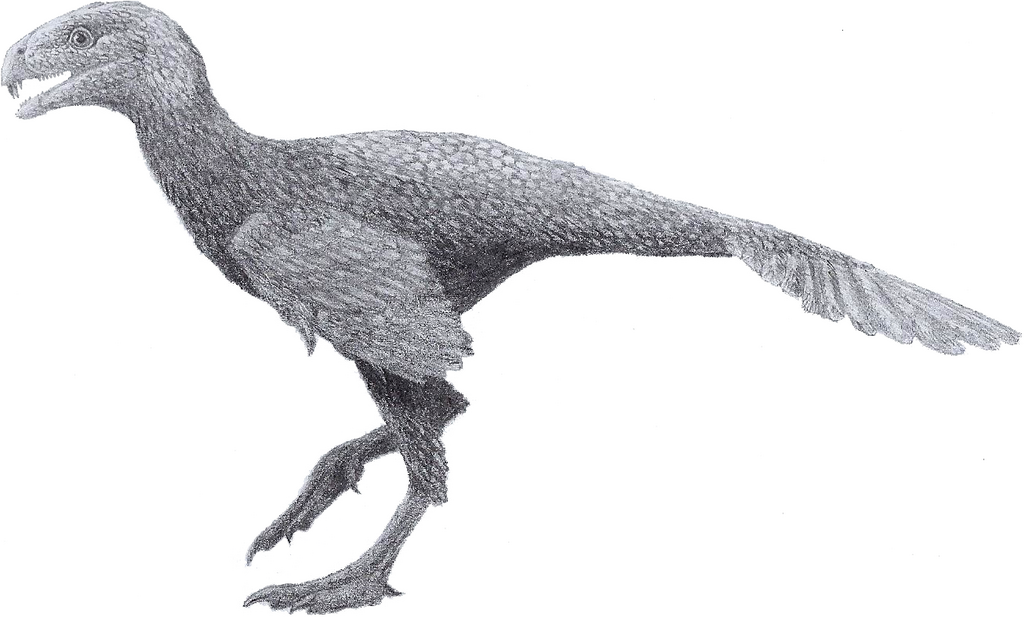
Incisivosaurus was first described in 2002 by Chinese paleontologists who discovered its remains in the fossil-rich Yixian Formation in Liaoning Province, northeastern China. The holotype specimen consists of a well-preserved skull and partial skeleton, providing scientists with substantial material for analysis. Taxonomically, Incisivosaurus belongs to the Oviraptorosauria, a group of feathered, bird-like theropod dinosaurs closely related to birds. More specifically, it is considered one of the most basal (primitive) members of this group, offering important clues about how oviraptorosaurs evolved from more typical theropods. This evolutionary position makes Incisivosaurus particularly valuable to scientists trying to understand the transition from carnivorous dinosaurs to the more specialized and diverse feeding strategies seen in later oviraptorosaurs.
The Distinctive Buck Teeth
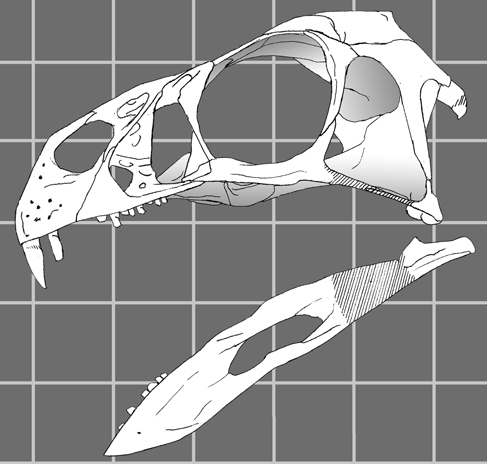
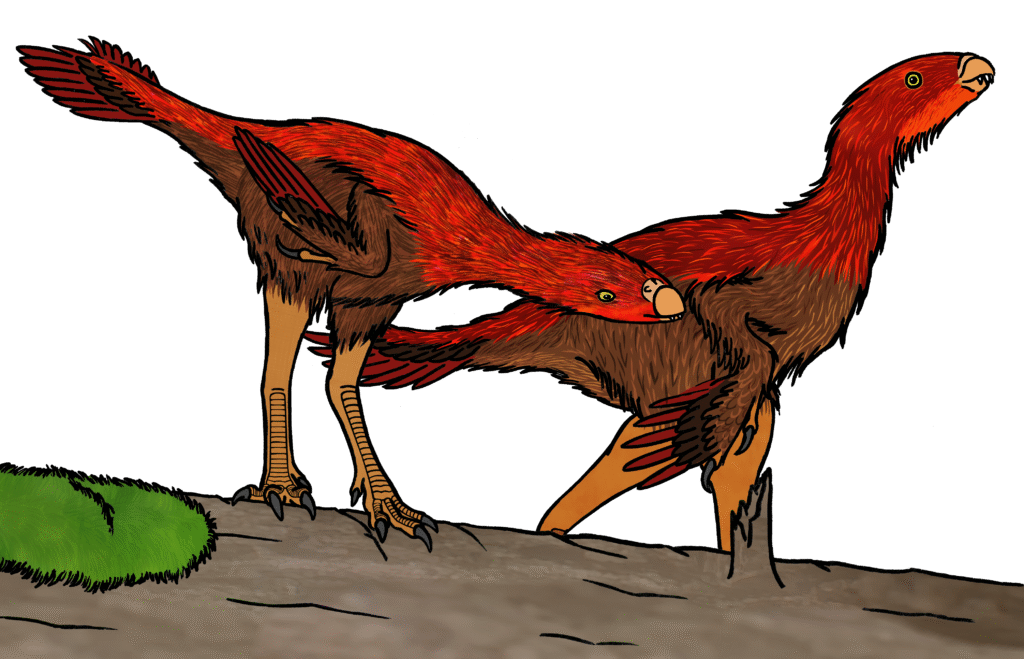
The most striking feature of Incisivosaurus is undoubtedly its dentition, particularly the two enlarged front teeth in its upper jaw that resemble the incisors of modern rodents like rabbits or beavers. These specialized teeth protrude slightly forward and downward, creating a bucktoothed appearance that is highly unusual among theropod dinosaurs, which typically possess sharp, serrated teeth adapted for slicing meat. Behind these distinctive front teeth, Incisivosaurus had smaller, leaf-shaped cheek teeth more suited for processing plant material than tearing flesh. This heterodont dentition (having different types of teeth) represents a significant departure from the typical theropod dental pattern and strongly suggests dietary adaptations different from its carnivorous relatives. The unique dental structure provided Incisivosaurus with specialized cutting and grinding capabilities that would have been advantageous for a diet including tough plant materials.
Size and Physical Characteristics
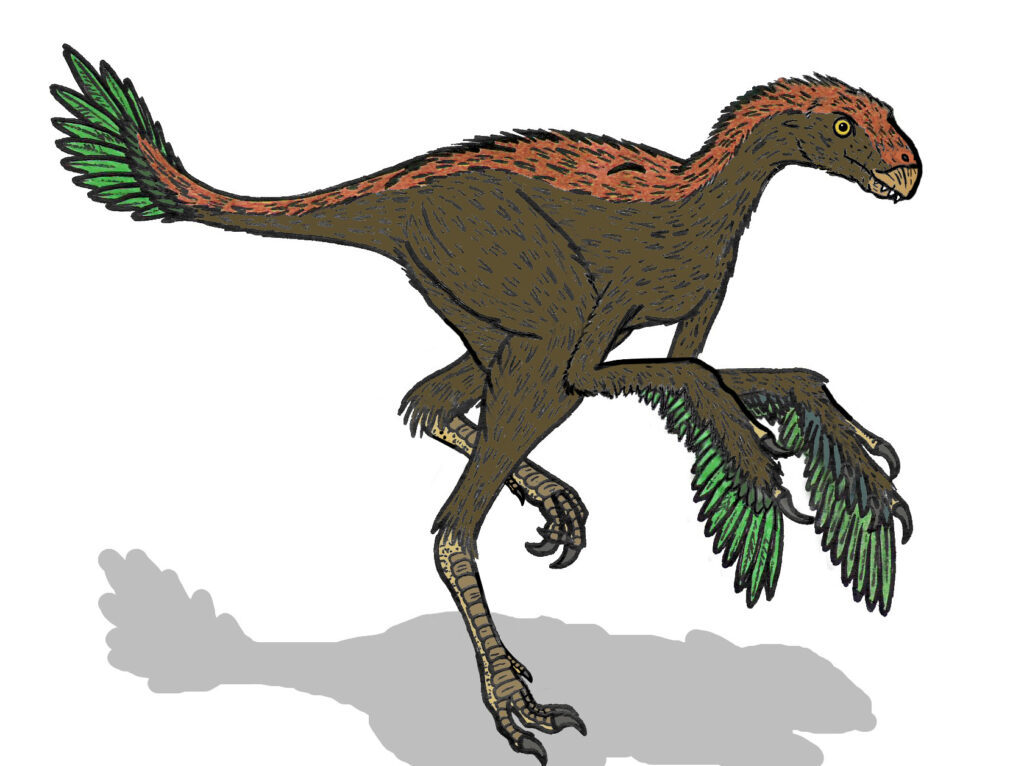
Incisivosaurus was relatively small compared to many of its dinosaur contemporaries, estimated to be approximately 1-1.5 meters (3-5 feet) in length and weighing perhaps 5-10 kilograms (11-22 pounds). This modest size, comparable to a modern turkey, suggests it occupied a specific ecological niche different from larger predators or herbivores. Beyond its distinctive dentition, Incisivosaurus possessed a short, high skull with large eye sockets, indicating good vision, possibly useful for detecting predators or locating specific food items. Like other oviraptorosaurs, it likely had a lightly built skeleton with hollow bones, contributing to its agility and speed. Though direct evidence of feathers hasn’t been preserved with Incisivosaurus specimens, its close relationship to definitively feathered oviraptorosaurs strongly suggests it also possessed some form of feathery covering, possibly for insulation, display, or both.
Dietary Adaptations
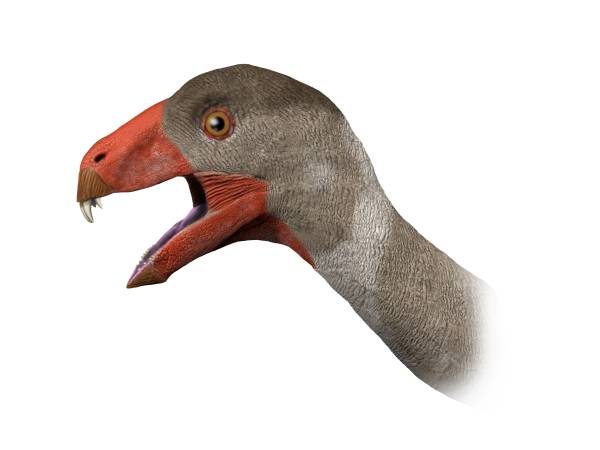
The unusual dentition of Incisivosaurus has prompted extensive debate among paleontologists regarding its dietary preferences. The large, chisel-like front teeth would have been effective tools for nipping or cutting plant material, while the leaf-shaped cheek teeth could have processed tougher vegetation through grinding actions. This dental arrangement is strikingly similar to modern herbivores that specialize in particular types of plant food. Some scientists hypothesize that Incisivosaurus may have been specialized for eating seeds, nuts, fruits, or other tough plant materials abundant in its forest habitat. Microscopic wear patterns on the teeth support this herbivorous or omnivorous diet hypothesis, showing signs consistent with plant processing rather than meat consumption. The jaws and associated musculature were likely adapted for the specific crushing and grinding motions required for plant-based foods, representing an early experiment in herbivory among theropod dinosaurs.
The Insectivore Hypothesis
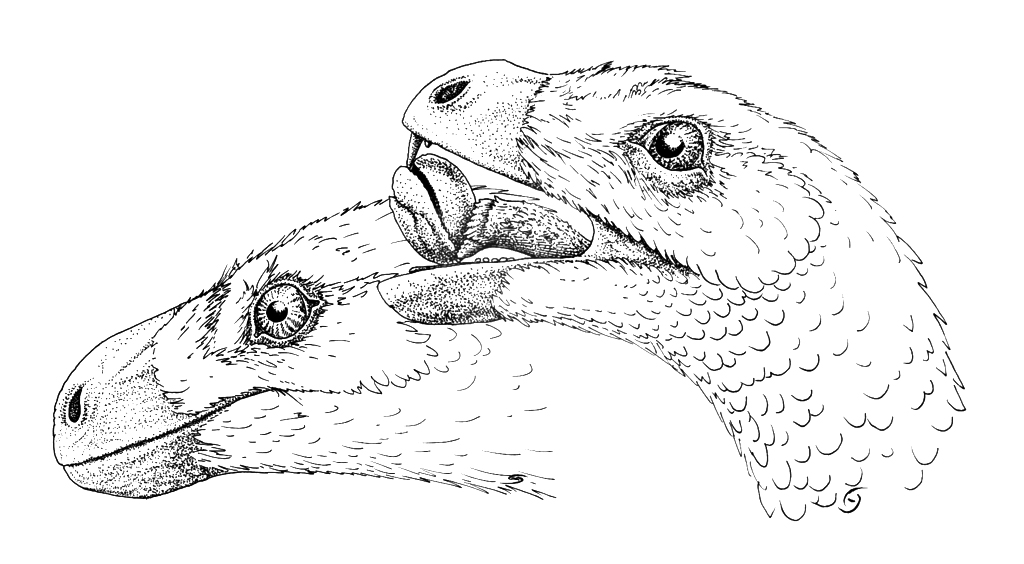
While plant material was likely a significant component of Incisivosaurus’s diet, some paleontologists propose that it may have also consumed insects and other small invertebrates. The specialized front teeth would have been useful for gripping and extracting insects from bark, rotting wood, or soil, similar to how some modern insectivorous mammals use their prominent incisors. This dietary flexibility would have been advantageous in a seasonal environment where plant availability might fluctuate throughout the year. The small body size of Incisivosaurus is also consistent with an insectivorous lifestyle, as many small-bodied modern vertebrates include insects in their diet. If this hypothesis is correct, Incisivosaurus may represent an early experiment in omnivory within theropod dinosaurs, combining plant matter with protein-rich insects in a diverse feeding strategy rarely seen among its contemporaries.
Evolutionary Significance

Incisivosaurus occupies a pivotal position in dinosaur evolution as one of the earliest known oviraptorosaurs, providing crucial insights into how this distinctive group evolved from more conventional theropod ancestors. Its mixed set of primitive and derived features creates an important evolutionary snapshot of a lineage in transition. The shift toward herbivory or omnivory represented by Incisivosaurus was a significant evolutionary innovation that would later characterize many oviraptorosaurs, demonstrating how dinosaurs could adapt to exploit new ecological niches. This dietary flexibility may have contributed to the success and diversification of oviraptorosaurs throughout the Cretaceous period. From an evolutionary perspective, Incisivosaurus exemplifies how natural selection can produce specialized adaptations even within groups typically associated with different ecological roles, highlighting the remarkable plasticity of dinosaur evolution.
Habitat and Ecosystem

The Yixian Formation, where Incisivosaurus was discovered, represents an Early Cretaceous ecosystem that was dominated by coniferous forests, ginkgoes, cycads, and ferns growing around lakes and streams. This lush environment would have provided abundant plant food resources for a herbivorous or omnivorous dinosaur. The climate during this period was temperate with distinct seasons, including cold winters that would have challenged resident animals’ survival strategies. Incisivosaurus shared this ancient forest ecosystem with a diverse array of other creatures, including primitive birds, other small theropods, early mammals, lizards, and numerous invertebrates. The rich plant life and varied animal community suggest a complex ecosystem with multiple trophic levels and specialized ecological niches. Within this environment, Incisivosaurus likely occupied a specialized feeding niche, perhaps focusing on particular types of plants or plant parts that its unique dentition was especially suited to process.
Relation to Other Oviraptorosaurs

Incisivosaurus stands as one of the most basal members of the Oviraptorosauria, a diverse group of feathered theropods that became increasingly specialized throughout the Cretaceous period. Later oviraptorosaurs, such as Oviraptor and Citipati, evolved even more specialized features, including toothless beaks similar to modern birds, elaborate head crests, and highly modified skulls. These advanced oviraptorosaurs appear to have been primarily herbivorous or omnivorous, suggesting that the dietary adaptations first seen in Incisivosaurus became more pronounced throughout the group’s evolution. The transitional nature of Incisivosaurus helps paleontologists understand how the distinctive features of later oviraptorosaurs evolved from more typical theropod characteristics. This evolutionary sequence from toothed to toothless forms within Oviraptorosauria parallels similar transitions seen in other dinosaur lineages that evolved beaks, including birds and ceratopsians, demonstrating convergent evolution toward similar feeding adaptations.
Fossil Preservation
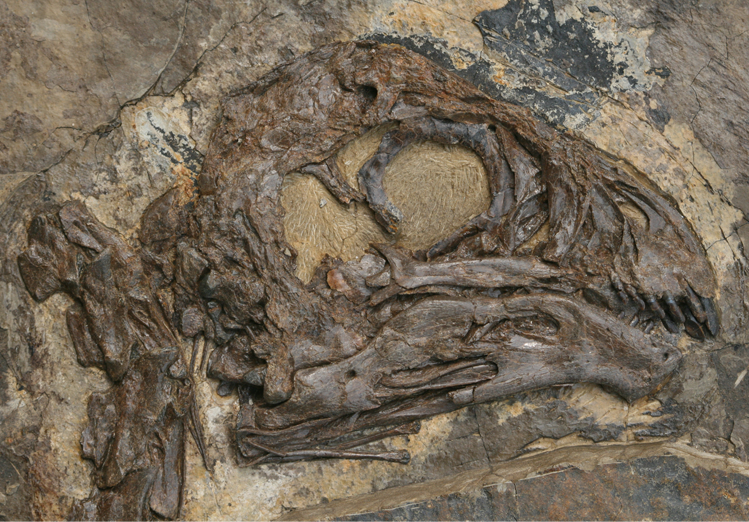
The exceptional preservation of Incisivosaurus fossils from the Yixian Formation results from the unique depositional conditions that characterized this fossil site. Volcanic ash rapidly buried organisms, creating what paleontologists call a Lagerstätte – a sedimentary deposit with extraordinary preservation of fossils, often including soft tissues and other delicate structures. This exceptional preservation allows scientists to study fine details of Incisivosaurus anatomy that would otherwise be lost in more typical fossilization processes. The skull of Incisivosaurus is particularly well-preserved, enabling detailed studies of its brain cavity, sensory capabilities, and the precise arrangement of its distinctive teeth. Such high-quality preservation is crucial for understanding unusual dinosaurs like Incisivosaurus that display unexpected combinations of features not seen in more common dinosaur types. The Yixian Formation continues to yield new fossil discoveries, suggesting that further specimens of Incisivosaurus or related species may eventually come to light, potentially enhancing our understanding of this unusual dinosaur.
The Feathered Dinosaur Revolution
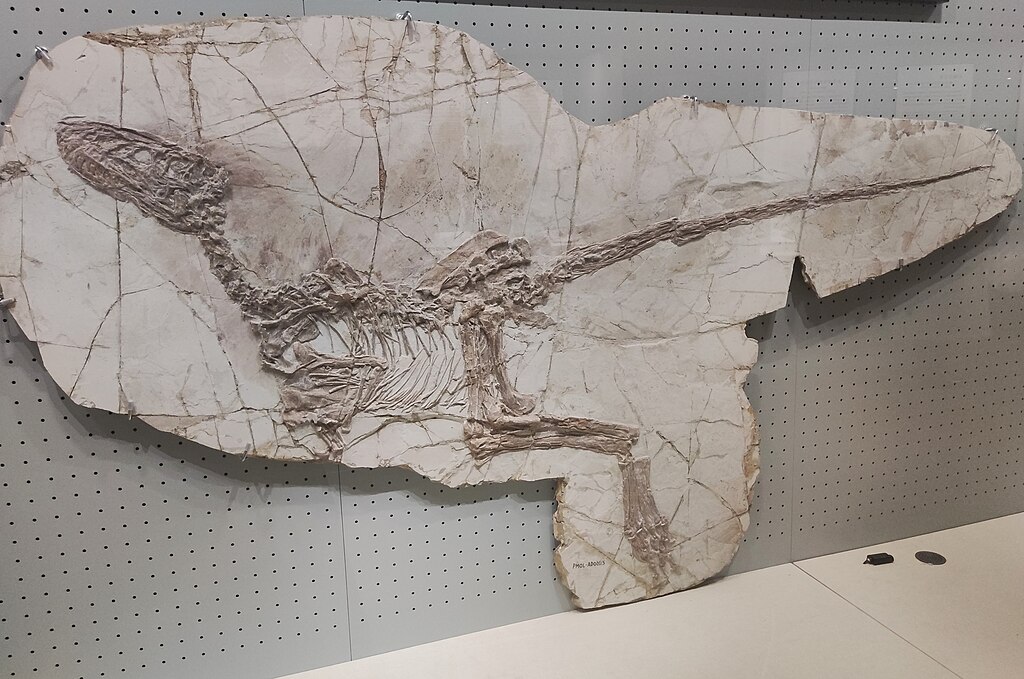
Incisivosaurus is part of the remarkable assemblage of feathered dinosaurs discovered in China that revolutionized our understanding of dinosaur appearance and biology. While no feathers have been directly preserved with Incisivosaurus specimens, its close relatives within Oviraptorosauria show extensive feathery coverings, strongly suggesting Incisivosaurus was similarly adorned. These discoveries have transformed scientific and public perception of dinosaurs from scaly reptiles to more bird-like creatures with complex integumentary structures. The presence of feathers in theropod dinosaurs like Incisivosaurus established the evolutionary continuity between dinosaurs and modern birds more firmly than ever before. If Incisivosaurus did possess feathers as expected, they would likely have served primarily for insulation rather than flight, potentially with additional roles in display, camouflage, or species recognition. This integration into the feathered dinosaur paradigm places Incisivosaurus at the center of one of paleontology’s most significant conceptual revolutions of the past few decades.
Research Challenges and Controversies

Despite the well-preserved fossils, interpreting the lifestyle and adaptations of Incisivosaurus presents several scientific challenges. The unusual dentition has no perfect modern analog, making direct functional comparisons difficult and leaving room for multiple interpretations of its feeding ecology. Some paleontologists have questioned whether the rodent-like front teeth might have served additional functions beyond feeding, potentially playing roles in display, species recognition, or sexual selection. Another ongoing debate concerns whether Incisivosaurus represents the ancestral condition for all oviraptorosaurs or is itself a specialized offshoot with unique adaptations. The limited number of specimens currently available constrains scientists’ ability to assess individual variation, growth patterns, and sexual dimorphism in this species. These uncertainties highlight how even well-preserved fossils can present interpretative challenges, especially when dealing with animals that have no close modern analogs and display unexpected combinations of features.
Paleobiological Insights
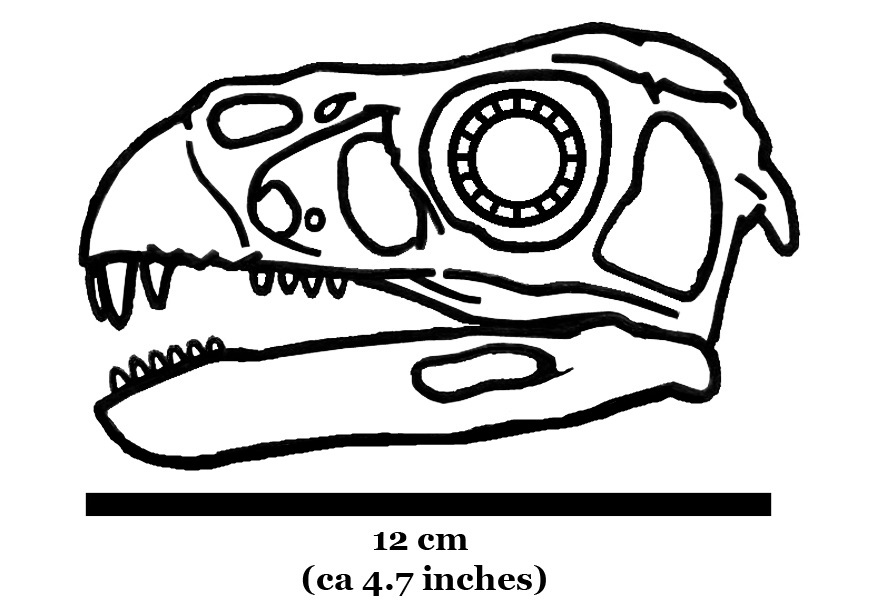
Beyond its unusual teeth, studies of Incisivosaurus have yielded insights into various aspects of its biology and behavior. Analysis of its brain endocast (the internal cavity of the skull that housed the brain) suggests relatively large optic lobes, indicating good vision that would have been useful for a small dinosaur navigating a forest environment and selecting specific food items. The dinosaur’s semicircular canals, responsible for balance and spatial orientation, appear similar to those of agile, ground-dwelling birds, suggesting comparable movement capabilities. Based on related oviraptorosaurs, Incisivosaurus likely built nests and exhibited parental care behaviors similar to modern birds, though direct evidence from Incisivosaurus itself remains to be discovered. Its likely omnivorous diet suggests it may have had a relatively large digestive tract to process plant material efficiently, though soft tissue preservation of internal organs is exceptionally rare in the fossil record. These paleobiological interpretations, while necessarily speculative in some aspects, help create a more complete picture of Incisivosaurus as a living animal rather than merely a collection of fossilized bones.
Cultural and Educational Significance
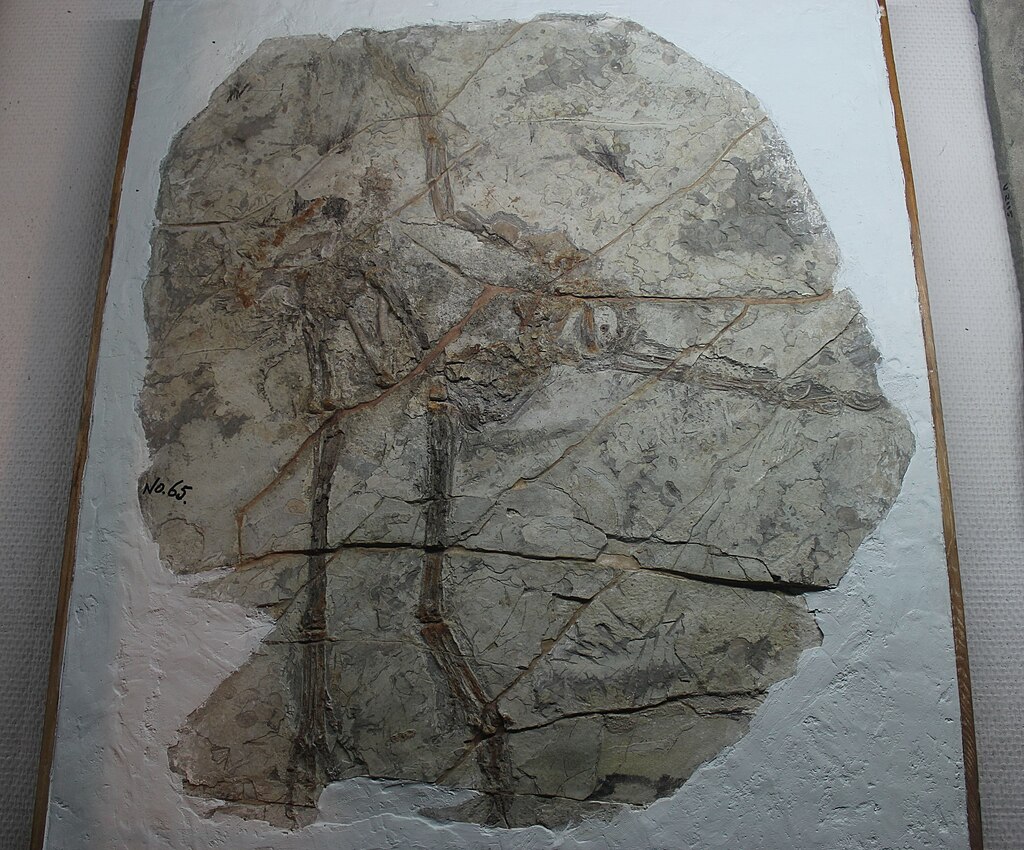
Incisivosaurus has captured the public imagination due to its unusual appearance and has become an important educational example of dinosaur diversity beyond the stereotypical large predators and herbivores. Museum exhibits featuring Incisivosaurus reconstructions help convey the message that dinosaurs occupied diverse ecological niches and displayed unexpected adaptations throughout their evolutionary history. The dinosaur’s buck-toothed appearance makes it particularly appealing in educational contexts targeting younger audiences, serving as an engaging introduction to concepts of adaptation and dinosaur diversity. Popular science publications frequently feature Incisivosaurus as an example of how discoveries continue to expand and revise our understanding of prehistoric life. As one of the more distinctive small dinosaurs, Incisivosaurus demonstrates that not all dinosaurs conformed to the popular image of giant, fearsome reptiles, helping to communicate the true breadth of dinosaur adaptations and lifestyles that existed during the Mesozoic Era.
Conclusion
Incisivosaurus represents one of paleontology’s most fascinating evolutionary experiments – a theropod dinosaur that departed from the carnivorous lifestyle of its ancestors to explore new dietary possibilities. Its distinctive buck teeth and specialized jaw adaptations highlight the remarkable flexibility of dinosaur evolution and the diverse ecological niches these animals could occupy. As an early member of the oviraptorosaur lineage, Incisivosaurus provides a crucial evolutionary link between typical theropods and the more specialized, bird-like forms that would evolve later. Though small in stature, this unusual dinosaur has made an outsized contribution to our understanding of dinosaur diversity, adaptation, and evolutionary pathways. With each discovery and analysis, we continue to refine our picture of this buck-toothed plant-eater (and maybe bug-eater) that challenged conventional expectations about dinosaur diets and lifestyles.