Across some of the world’s most arid landscapes, from the Sahara Desert to the American Southwest, scientists have made a seemingly paradoxical discovery: abundant fish fossils embedded in desert rockbeds. These ancient aquatic remains tell a fascinating story of dramatic environmental change, where regions now defined by their extreme dryness once teemed with underwater life. The presence of these fossils raises an intriguing question that captivates both scientists and casual observers alike: what happened to the water? This geological mystery unveils a narrative of our planet’s dynamic history, revealing how landscapes transform over vast timeframes and how life adapts—or doesn’t—to these profound changes.
The Paradox of Fish in the Desert
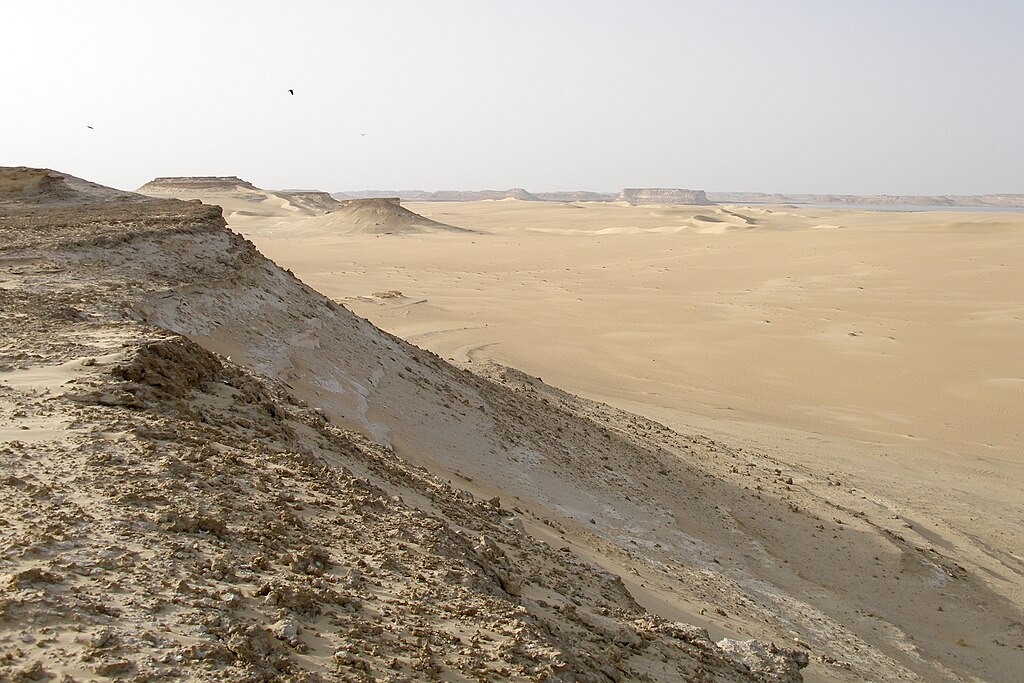
The discovery of fish fossils in current desert environments creates a striking cognitive dissonance. In places like Egypt’s Western Desert, paleontologists have unearthed remarkably preserved fish species dating back millions of years, complete with intact skeletal structures and sometimes even scale impressions. These fossils often appear in sedimentary layers that show clear signs of having formed in aquatic environments, including fine-grained limestone or shale deposits. The presence of these aquatic remains in regions that now receive less than four inches of rainfall annually presents one of geology’s most visible testimonies to environmental change. This paradox serves as a powerful reminder that our planet’s current geography represents just one frame in an ongoing sequence of dramatic transformations.
Ancient Inland Seas: The Geological Context
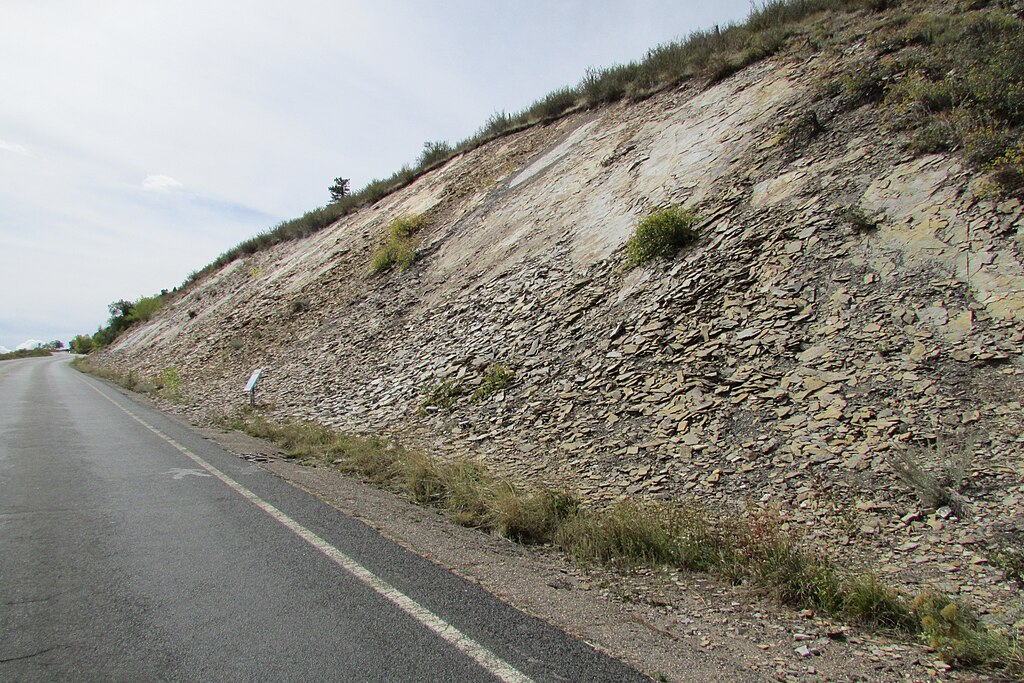
Many desert fish fossils originate from what geologists call “epicontinental seas”—shallow marine environments that once covered vast portions of today’s continents. During the Cretaceous period (145-66 million years ago), higher global sea levels meant that much of North America’s interior was submerged beneath the Western Interior Seaway, which connected the Arctic Ocean to the Gulf of Mexico. Similar marine incursions occurred across what is now the Sahara and Arabian deserts. These inland seas provided ideal conditions for diverse marine ecosystems to flourish, including countless fish species whose remains would eventually become fossilized. The sedimentary rocks containing these fossils were formed from the gradual accumulation of sand, silt, and organic matter on these ancient sea floors, preserving a remarkable record of life from environments that have long since disappeared.
Tectonic Forces: Uplifting Ancient Seabeds
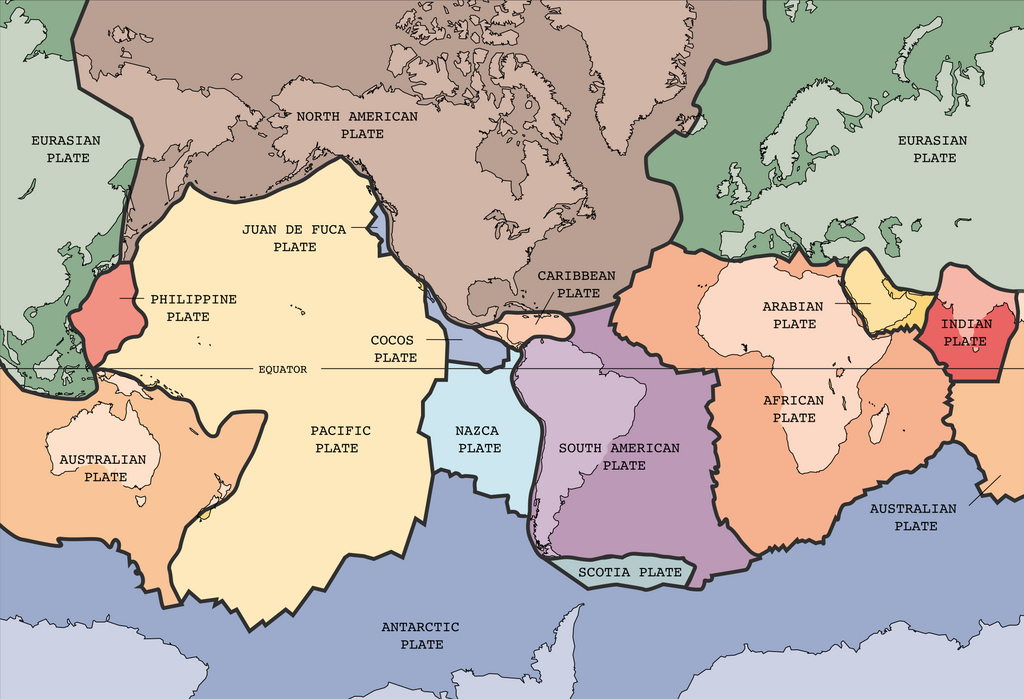
Plate tectonics plays a fundamental role in explaining how ancient seafloors came to be exposed in today’s deserts. The collision of tectonic plates creates enormous forces that can uplift formerly submerged areas, pushing ancient seabeds thousands of feet above current sea level. The Himalayan mountain range provides a dramatic example of this process—these mountains contain marine fossils at elevations exceeding 20,000 feet, having once been the floor of the Tethys Sea before the Indian subcontinent collided with Asia. In North America, the uplift of the Colorado Plateau elevated ancient marine environments, exposing fossil-rich layers in what is now the American Southwest. These tectonic processes explain not just the vertical movement of formerly submerged areas, but also set the stage for the subsequent climatic changes that would transform these regions into deserts.
Climate Change Through Deep Time
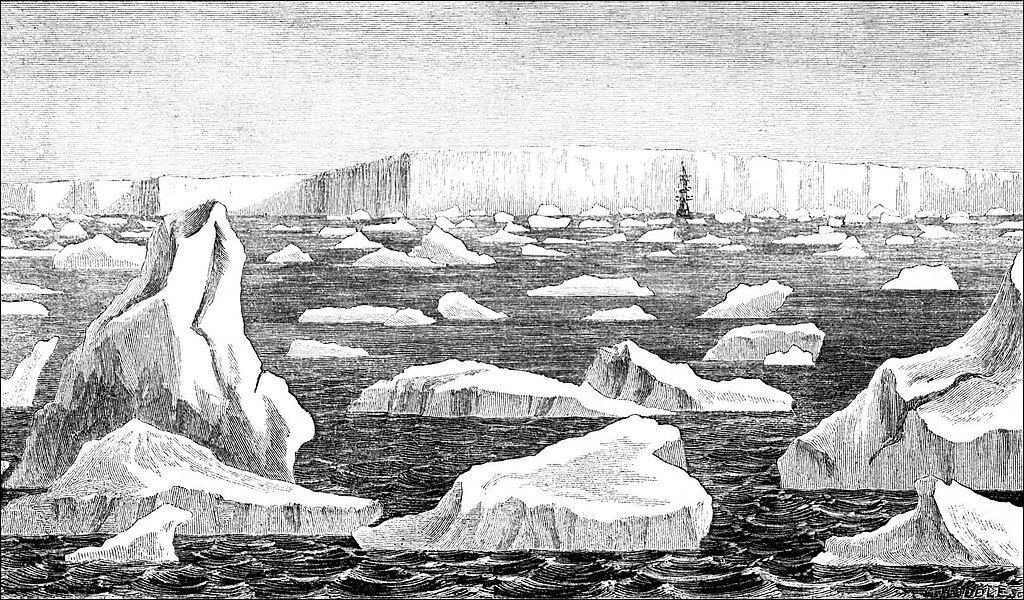
The transformation of ancient seas into modern deserts reflects profound climate changes occurring over millions of years. Global climate has oscillated between greenhouse and icehouse conditions throughout Earth’s history, driven by factors including continental positions, oceanic circulation patterns, and variations in atmospheric composition. Many of today’s deserts formed as continents drifted into positions that created rain shadows or disrupted previously moisture-bearing wind patterns. The formation of the Antarctic ice sheet approximately 34 million years ago marked a significant cooling event that lowered global sea levels, further exposing former marine environments. These long-term climate shifts created the conditions for increased aridity in regions that once lay beneath shallow seas. The fossil fish found in these areas thus serve as silent witnesses to these massive environmental transformations.
Ancient Lakes and Vanished Rivers
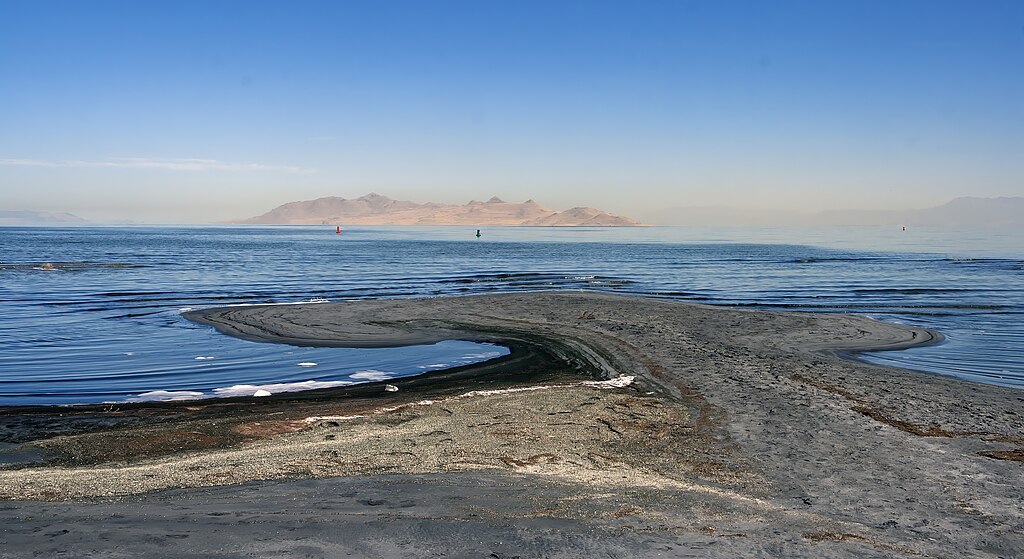
Not all desert fish fossils originated in marine environments—many represent freshwater ecosystems that have since disappeared. During pluvial periods (times of increased rainfall) throughout the Pleistocene epoch, many of today’s deserts contained extensive lake systems that supported diverse fish populations. The Great Basin region of North America, including Nevada’s current desert, once contained enormous freshwater lakes including Lake Bonneville, which covered roughly 20,000 square miles before gradually shrinking to become today’s Great Salt Lake. Similarly, the Sahara experienced multiple “green phases” with extensive river networks and lake systems as recently as 6,000 years ago. Climate shifts eventually caused these water bodies to dry up, leaving behind fossils that document these lost aquatic ecosystems. These relatively recent changes demonstrate how quickly environmental conditions can transform on geological timescales.
The Green Sahara: A Desert’s Aquatic Past
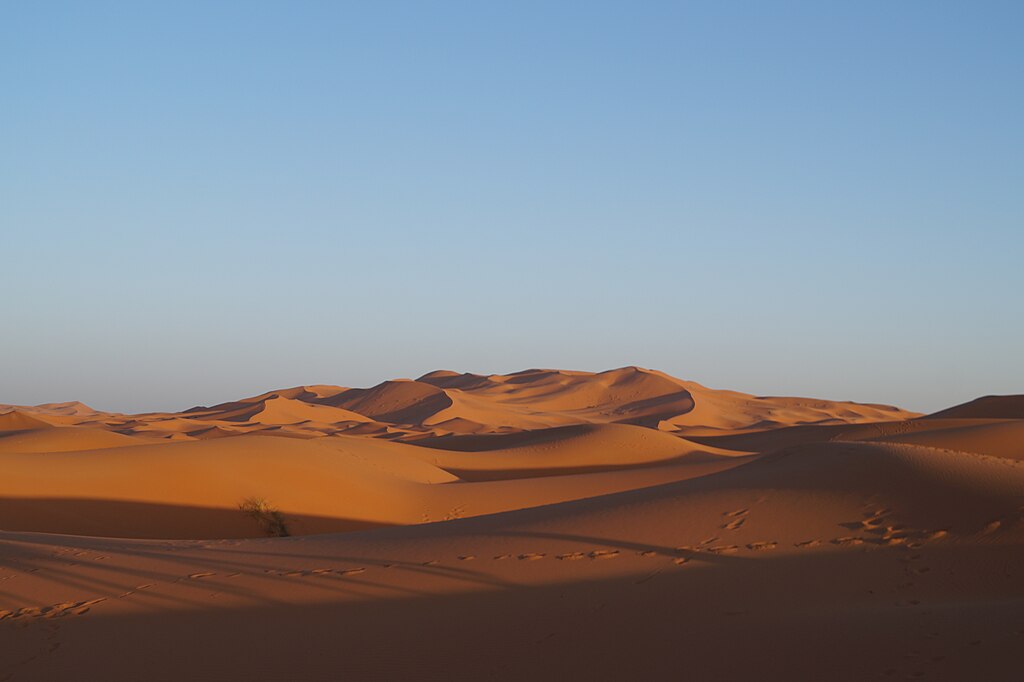
The Sahara Desert presents one of Earth’s most dramatic examples of environmental transformation. Geological and archaeological evidence confirms that between approximately 11,000 and 5,000 years ago, much of the Sahara experienced a humid period with abundant rainfall, extensive grasslands, and numerous lakes and rivers. This “African Humid Period” created conditions that supported not only fish populations but also crocodiles, hippos, and human settlements across what is now one of Earth’s most forbidding deserts. Rock art from this period depicts fishing scenes and aquatic animals, corroborating the fossil evidence. The transformation from this relatively lush environment to today’s hyperarid desert occurred with surprising rapidity, possibly within just a few centuries in some regions. This rapid shift demonstrates the sometimes precarious balance of Earth’s climate systems and the potential for relatively sudden environmental transformations.
The Fish Fossil Record: What Species Reveal

The specific fish species preserved in desert fossil beds provide crucial clues about ancient environments. Marine deposits typically contain species adapted to particular ocean conditions—reef-dwelling fish indicate warm, shallow waters, while certain shark species suggest deeper offshore environments. The discovery of lungfish fossils in desert regions points to environments that experienced seasonal dry periods, as these specialized fish evolved air-breathing capabilities to survive when water became scarce. Fossil assemblages containing both saltwater and freshwater species often indicate estuarine environments where rivers met ancient seas. The size and diversity of fish in these fossil assemblages can also reveal information about the productivity and stability of these vanished ecosystems. By examining these paleontological details, scientists can reconstruct not just the presence of water, but specific characteristics of these ancient aquatic environments.
Fossil Preservation: How Fish Records Survive

The preservation of fish fossils requires specific conditions that protect remains from decomposition and destruction. The most spectacular fish fossils form through a process called “conservation-lagerstätten,” where rapid burial in oxygen-poor sediments prevents scavengers and bacteria from breaking down organic materials. The Green River Formation in Wyoming, Utah, and Colorado exemplifies this process, preserving fish with extraordinary detail including scales, fins, and even stomach contents intact. Desert environments actually offer excellent conditions for fossil preservation once formed, as the dry conditions limit chemical weathering that might otherwise destroy fossils in more humid regions. The lack of vegetation in deserts also means erosion frequently exposes fossil-bearing layers, making discoveries more likely. These preservation factors explain why desert regions often yield spectacular fossil finds despite their seemingly inhospitable modern conditions.
Famous Desert Fish Fossil Localities
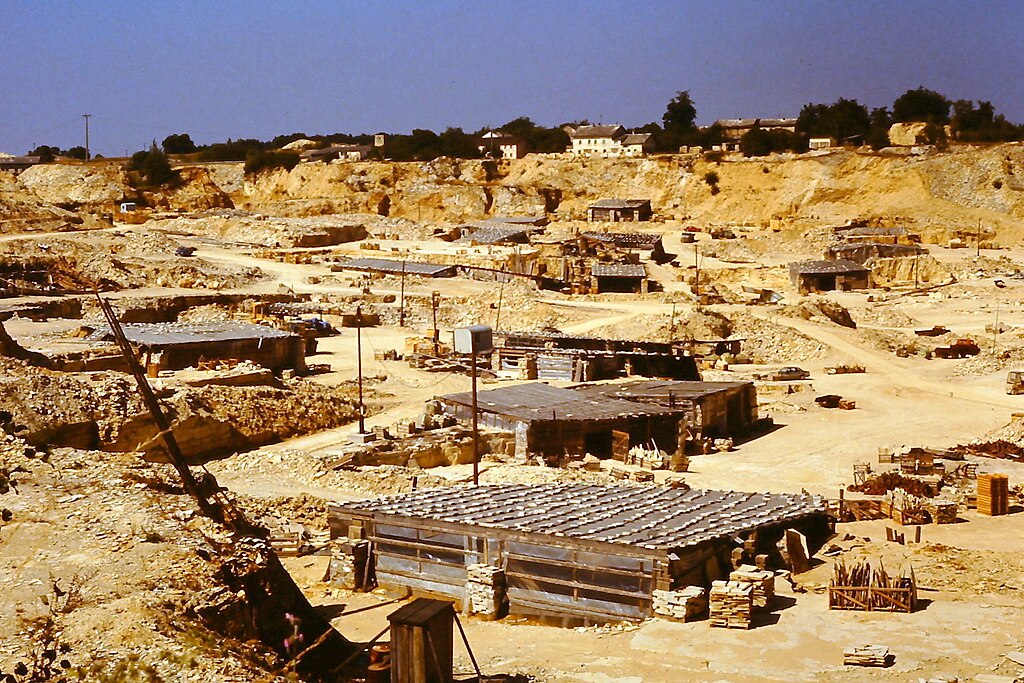
Several desert regions have become internationally renowned for their exceptional fish fossil discoveries. The Jurassic-aged Solnhofen Limestone in what is now the relatively dry region of Bavaria, Germany, has yielded exquisitely preserved fish alongside famous specimens like Archaeopteryx. In Morocco’s portion of the Sahara Desert, the Kem Kem Beds have produced remarkable fossils of ancient freshwater fish including massive coelacanths and lungfish that lived alongside dinosaurs approximately 95 million years ago. The Eocene Green River Formation in the American West contains millions of pristine fish fossils, including entire shoals seemingly frozen in time. Lebanon’s arid regions yield Late Cretaceous marine fish specimens so perfectly preserved that they’ve become prized by collectors worldwide. Each of these localities represents a different type of ancient aquatic environment, from shallow marine lagoons to freshwater lakes, all now found in regions where surface water is scarce or absent.
Hydrogeological Cycles: Where Did the Water Go?

The water that once covered today’s desert regions hasn’t disappeared from Earth; rather, it has been redistributed through the planet’s hydrogeological cycles. When marine environments retreated due to geological uplift or sea level changes, that water simply returned to the global ocean basins. For ancient lakes and rivers, the water eventually evaporated or drained away as climate conditions changed, entering the atmosphere and ultimately precipitating elsewhere. Some water became trapped in underground aquifers, where it remains today as fossil water—non-renewable groundwater that infiltrated during wetter periods thousands or millions of years ago. The Nubian Sandstone Aquifer System beneath the Sahara represents one of the world’s largest fossil water reserves, containing water that fell as rain during the region’s humid period. While the surface water disappeared, much of it continues to participate in Earth’s water cycle, just in different locations and forms.
Modern Analogues: Watching Water Disappear Today
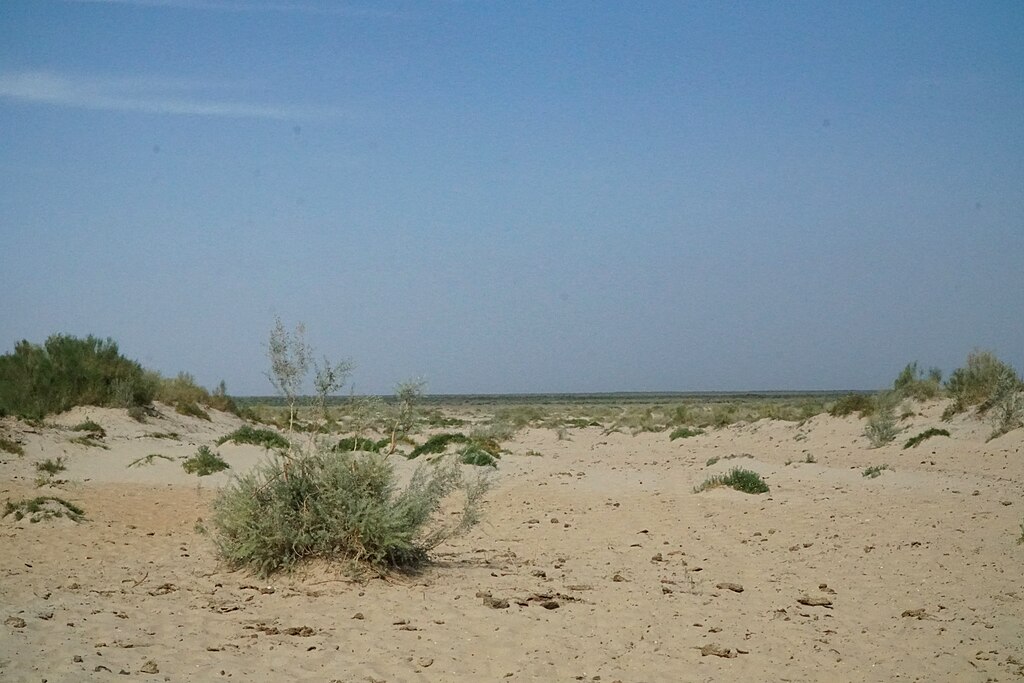
Contemporary environmental changes provide smaller-scale examples of processes that created desert fish fossil beds. The dramatic shrinking of the Aral Sea since the 1960s has transformed what was once the world’s fourth-largest lake into a largely desiccated basin, with abandoned fishing boats now stranded on dry land. As this modern sea has retreated, it has left behind millions of dead fish whose remains are being buried in sediments that may eventually form fossils. Lake Chad in Africa has diminished by over 90% since the 1960s due to climate change and water diversion for agriculture, creating similar conditions. California’s Salton Sea is following a comparable trajectory, with increasing salinity causing fish die-offs that demonstrate how quickly aquatic ecosystems can collapse when conditions change. These modern examples provide sobering insights into the processes that, over longer timeframes, created the ancient fossil beds now found in desert regions.
Implications for Understanding Climate Change
Desert fish fossils offer valuable perspectives on Earth’s climate history and potential future changes. These paleontological records demonstrate that seemingly permanent features of our planet’s geography can transform dramatically given sufficient time and changing conditions. By studying the rate and extent of past environmental transitions, scientists gain insights into how modern ecosystems might respond to ongoing climate change. The relatively rapid transformation of the green Sahara into a desert serves as a particularly relevant case study, suggesting that critical environmental thresholds can trigger abrupt ecosystem collapses rather than gradual transitions. Fossil evidence also reveals that some regions have undergone multiple cycles between wet and dry conditions, suggesting complex climate feedback mechanisms. As contemporary climate change accelerates, these ancient examples provide both warning signals about potential ecosystem transformations and valuable data for modeling future scenarios.
The Future: Could Deserts Become Seas Again?

The cyclical nature of Earth’s environmental history raises questions about whether today’s deserts might someday return to their wetter states. Climate modeling suggests that some desert regions could experience increased precipitation under certain global warming scenarios, potentially “greening” portions of the Sahara and other arid lands. Conversely, many currently productive regions face desertification risks as climate patterns shift. Tectonic forces continue to reshape Earth’s surface, potentially creating new inland seas or draining existing water bodies over millions of years. Sea level rise from melting ice sheets could inundate coastal desert regions, creating new marine environments in places currently above sea level. While humans now exert unprecedented influence over Earth’s systems through greenhouse gas emissions, water management, and other activities, the planet’s geological and climatic processes continue operating on timescales far exceeding human civilization. The fish fossils in desert rocks remind us that our planet’s current geography represents just one temporary configuration in an ongoing series of transformations.
The seemingly incongruous presence of fish fossils in some of Earth’s driest environments offers a profound lesson in planetary change. These ancient remains document environments radically different from those existing today, reminding us that our planet’s surface continues to evolve through complex interactions of geological, climatic, and biological processes. By studying these fossilized remnants of vanished seas and lakes, scientists piece together Earth’s dynamic environmental history, revealing how dramatically conditions can transform over time. For regions now defined by extreme aridity, these aquatic fossils tell a story of profound change—of ancient seas giving way to parched landscapes, of lakes evaporating into desert basins, and of rivers disappearing into sand. They stand as compelling evidence that our planet’s current geography, however permanent it might seem on a human timescale, represents merely one frame in Earth’s ongoing environmental narrative.