
Beneath the concrete, steel, and asphalt of America’s bustling urban centers lies a hidden world of geological and paleontological treasures. While we typically associate fossil discoveries with remote badlands or dedicated excavation sites, the reality is that many U.S. cities were built atop land rich with prehistoric remains. The sedimentary layers beneath our urban landscapes potentially contain countless undiscovered fossils, preserved remnants of ancient ecosystems that thrived long before human civilization. This fascinating intersection of paleontology and urban development raises intriguing questions about what might remain hidden beneath our feet as we go about our daily lives in America’s metropolitan areas.
The Geological Foundations of American Cities

Many major U.S. cities were strategically established near water sources, often situated on sedimentary basins ideal for fossil formation and preservation. These geological settings—river valleys, coastal plains, and former seabeds—are precisely the environments where ancient organisms lived, died, and became fossilized over millions of years. Cities like Denver sit on the edge of what was once a prehistoric seaway, while New York City’s bedrock dates back to the Paleozoic era. Los Angeles sprawls across the Los Angeles Basin, a depression filled with marine sediments dating back 23 million years. These sedimentary foundations create perfect conditions for fossil preservation, as layer upon layer of sediment accumulated over time, potentially entombing countless prehistoric creatures beneath what would eventually become urban centers.
Accidental Discoveries During Urban Construction

Throughout American history, construction projects have repeatedly unearthed unexpected fossil finds, confirming the presence of paleontological treasures beneath urban areas. During the excavation for the World Trade Center in 1970, workers discovered the remains of an 18th-century ship buried in Manhattan’s landfill. More dramatically, in 2014, workers building the Wilshire/La Brea station for Los Angeles’ Purple Line Extension uncovered a treasure trove of Ice Age fossils, including mammoth tusks, bison bones, and the near-complete skeleton of a young Columbian mammoth. Similar discoveries have occurred in Denver, where construction of the Denver International Airport revealed numerous dinosaur fossils, and in Washington D.C., where prehistoric whale fossils have been found during building excavations. These accidental discoveries represent only a fraction of what likely remains hidden beneath city streets.
The La Brea Tar Pits: Urban Paleontology’s Crown Jewel
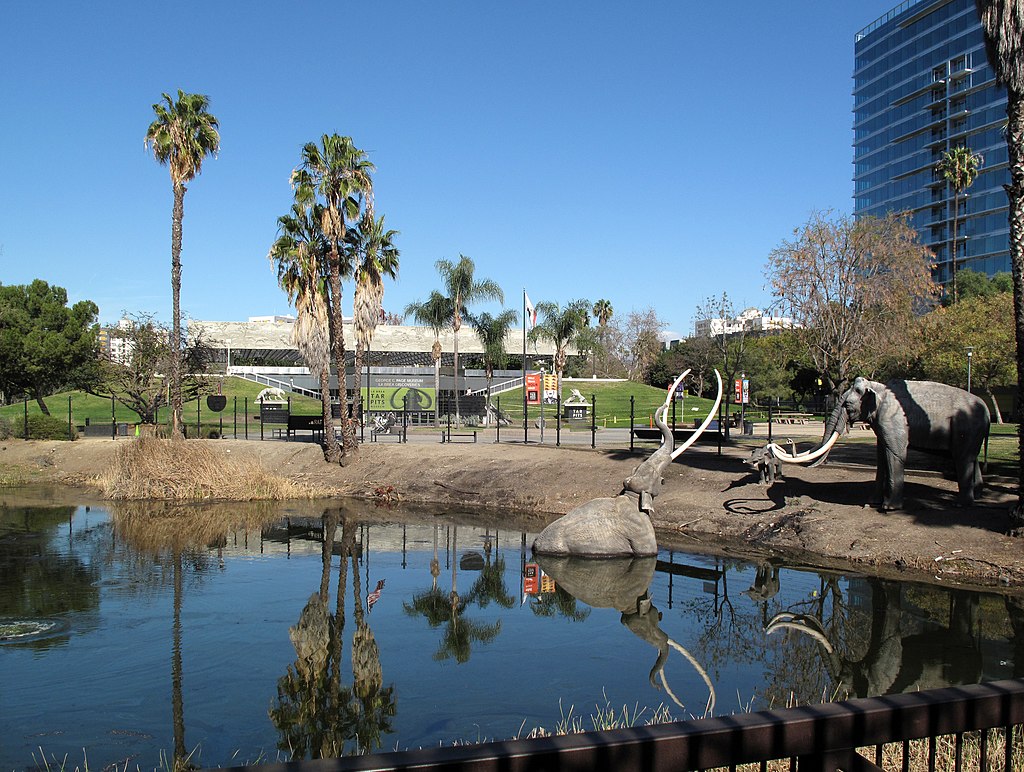
Perhaps no site better exemplifies the concept of urban paleontology than the La Brea Tar Pits, located in the heart of Los Angeles. This world-renowned fossil locality sits in the middle of one of America’s largest cities, continuously yielding new specimens since systematic excavations began in the early 20th century. The natural asphalt seeps at La Brea have preserved an extraordinary record of Pleistocene life, with over one million fossils recovered to date representing more than 600 species. What makes La Brea particularly significant is that excavations continue today, with new discoveries still being made despite its urban setting. The site serves as compelling evidence that even extensively developed urban areas may still harbor significant undiscovered paleontological resources just below the surface, waiting to be revealed.
How Urban Development Impacts Fossil Preservation

The process of building cities has had complex effects on the fossil record beneath them. In some cases, urban development has inadvertently protected fossils by sealing them beneath buildings and infrastructure, preventing erosion that might have eventually exposed and destroyed them. Conversely, construction activities like foundation excavation, subway tunneling, and utility installation have disrupted and sometimes destroyed fossil-bearing strata before they could be properly studied. Deep foundations for skyscrapers in cities like Chicago and New York have penetrated multiple geological layers, potentially destroying fossils in the process. Additionally, early urban development occurred before modern archaeological and paleontological protection laws were enacted, meaning many construction projects proceeded without any scientific oversight or documentation of potential fossil discoveries.
Paleontological Resource Protection Laws

Today, the potential for discovering fossils during urban construction is recognized through various legal frameworks designed to protect these scientific resources. The Paleontological Resources Preservation Act, passed in 2009, provides comprehensive protection for fossils on federal lands, though its application in urban settings is limited. Many states and municipalities have enacted their own regulations requiring paleontological monitoring during major construction projects. California’s environmental quality regulations, for instance, mandate assessment of potential impacts to paleontological resources for large development projects. In cities like San Diego and Denver, construction in fossil-rich areas often requires having paleontologists on-site during excavation work. Despite these protections, enforcement varies widely, and private property development frequently proceeds without adequate paleontological oversight, potentially leading to the destruction of undiscovered fossils.
Metropolitan Museum Repositories
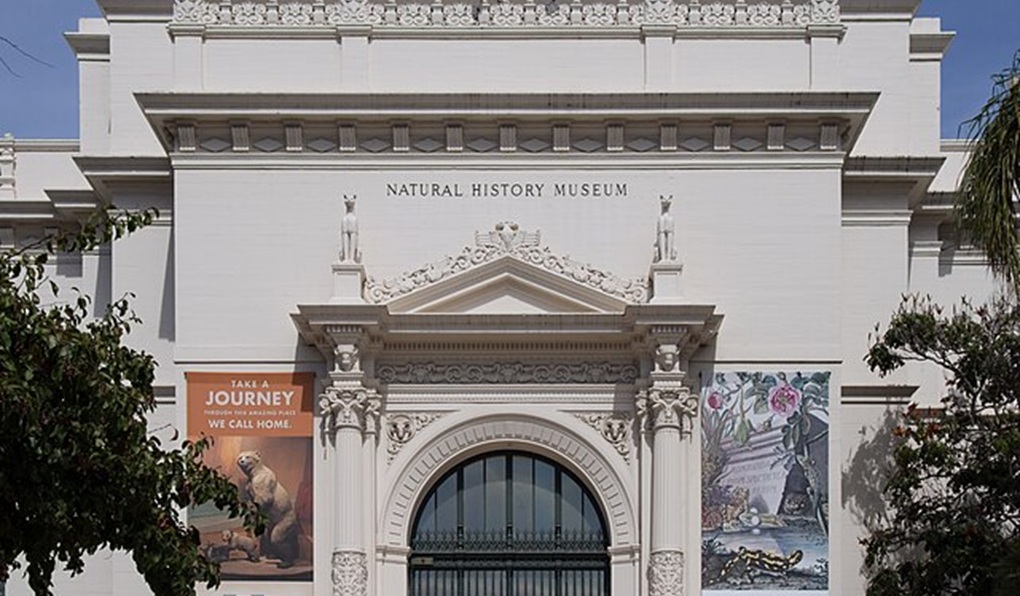
Urban natural history museums across America house remarkable fossil collections that originated from what are now densely populated city areas, providing tangible evidence of the paleontological wealth beneath our cities. The American Museum of Natural History in New York displays fossils recovered from within the five boroughs, including mastodons uncovered during construction in Brooklyn and Manhattan. Denver’s Museum of Nature and Science showcases dinosaur remains found within the metropolitan area, including specimens discovered during excavation for the city’s light rail system. The Field Museum in Chicago preserves fossils of marine organisms found during the deep excavations for the city’s skyscrapers and subway system. These museum collections represent only what has been discovered, cataloged, and preserved—likely a small fraction of what remains hidden beneath these cities’ surfaces.
Promising Urban Areas for Future Discoveries
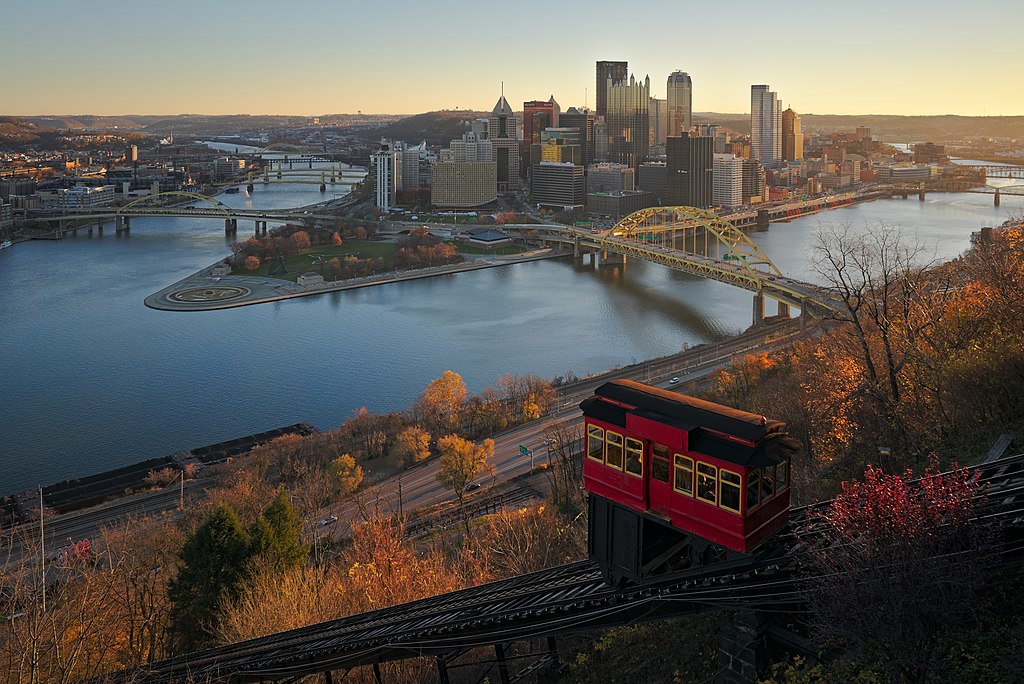
Paleontologists have identified several American urban areas particularly likely to yield significant fossil discoveries in the future. Pittsburgh sits atop layers rich in Carboniferous period fossils, including ancient plants and early tetrapods from approximately 300 million years ago. Houston’s expansive urban area covers sediments containing Cenozoic marine mammals and invertebrates, with potential for new discoveries during deep construction projects. Seattle’s urban core overlies glacial deposits that occasionally yield Pleistocene megafauna remains, including mammoths and giant ground sloths. San Diego’s coastal development continues to reveal marine fossils, particularly whales and sharks from the Pliocene epoch. These cities combine fossil-rich geological foundations with ongoing urban renewal and infrastructure projects that could expose previously unknown specimens.
The Challenge of Urban Excavation

Recovering fossils from beneath cities presents unique challenges compared to traditional paleontological fieldwork. Urban excavation must contend with limited access to fossil-bearing strata, as buildings and infrastructure restrict where and how scientists can search. Time constraints pose a significant obstacle, as construction schedules rarely accommodate the meticulous pace required for proper fossil extraction and documentation. Contamination from modern materials, including construction debris, industrial chemicals, and urban pollutants, can complicate the preservation and analysis of recovered specimens. Safety concerns in unstable urban excavations may limit paleontologists’ ability to thoroughly investigate promising fossil deposits. Despite these challenges, urban paleontology has developed specialized techniques for rapid assessment and recovery of fossils during brief windows of opportunity created by construction activities.
Citizen Science and Urban Fossil Hunting

An increasing number of citizen scientists contribute to our understanding of urban paleontology by reporting and sometimes collecting fossils exposed during construction or erosion in urban areas. Amateur fossil enthusiasts have made significant discoveries in cities like Dallas, where Cretaceous marine fossils occasionally weather out of exposures in public parks and construction sites. Community science programs, such as the Urban Paleontologist Project in Philadelphia, train volunteers to recognize and document potential fossil finds in urban settings. Digital platforms and social media groups dedicated to urban fossil hunting help connect amateur collectors with professional paleontologists, ensuring important finds are properly reported and preserved. These citizen science initiatives greatly expand the observational network monitoring potential fossil exposures across vast urban areas that professional paleontologists alone could never adequately cover.
Modern Technologies Revealing Urban Fossils
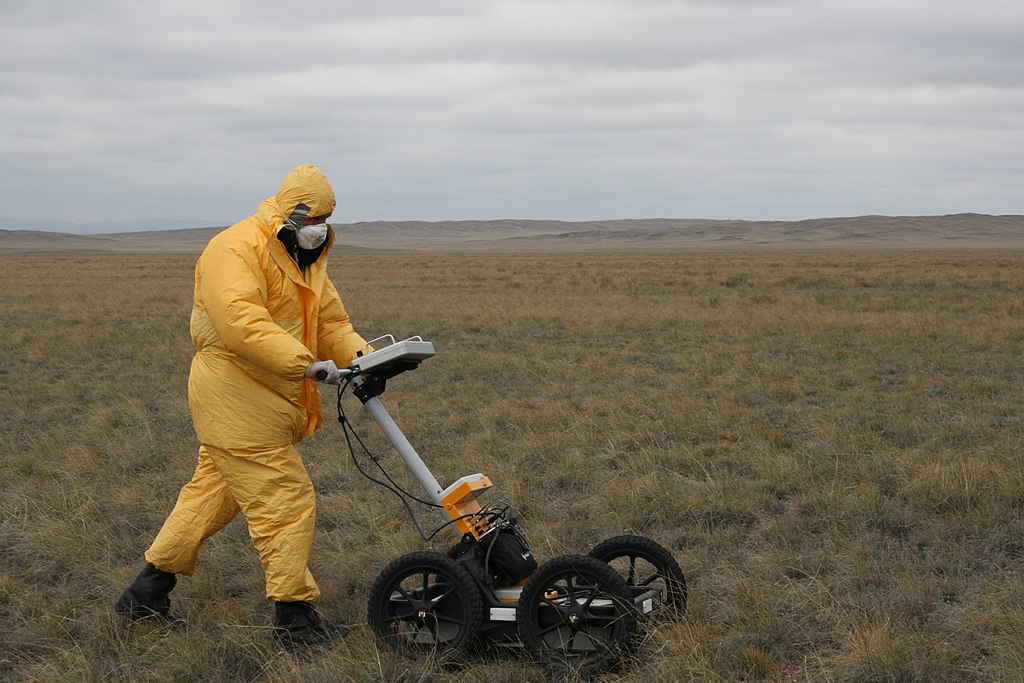
Advances in technology have revolutionized our ability to detect and study fossils beneath cities without extensive excavation. Ground-penetrating radar can now identify subsurface anomalies that might represent large fossil deposits, allowing scientists to pinpoint promising locations before any digging begins. Micro-computed tomography scanning enables researchers to examine fossil specimens embedded in building materials or construction debris without destructive sampling. Environmental DNA analysis of soil samples from urban construction sites can detect genetic material from ancient organisms, potentially revealing the presence of fossils not yet physically uncovered. Digital mapping technologies integrate historical records of fossil discoveries with current urban development plans, helping predict where future construction might intersect with fossil-bearing strata. These non-invasive and minimally destructive technologies are particularly valuable in urban settings, where traditional excavation approaches may be impractical.
The Value of Urban Paleontology

Fossils discovered beneath cities hold special scientific value beyond their inherent paleontological significance. Urban fossil discoveries provide crucial data points for understanding regional paleoenvironments, filling gaps in our knowledge of ancient ecosystems that existed where cities now stand. Specimens recovered from urban contexts often come from geological formations that are otherwise inaccessible, providing unique insights into particular time periods or environments. The precise geographic context of urban fossils helps scientists reconstruct ancient landscapes with greater accuracy, understanding how environments have changed over millions of years in specific locations. Additionally, urban paleontological discoveries create powerful educational opportunities, connecting city residents directly with the prehistoric past of the land beneath their homes, schools, and workplaces, fostering a deeper sense of geological heritage and environmental stewardship.
Future Prospects for Urban Fossil Discovery

The coming decades promise to be productive for urban paleontology as America’s aging infrastructure undergoes renewal and replacement. Major infrastructure initiatives, including subway expansions in Los Angeles and New York, offer unprecedented access to deep geological strata beneath these cities. Climate adaptation projects, such as sea wall construction in coastal cities like Miami and Boston, will excavate previously undisturbed sediments potentially rich in fossils. Urban renewal projects in older industrial areas often require deep excavation that penetrates fossil-bearing layers untouched during original development. The growing adoption of paleontological resource management protocols in urban planning increases the likelihood that fossils encountered during these projects will be properly identified and preserved. As cities continue to evolve and develop, each new construction project represents both a potential threat to undiscovered fossils and an opportunity to expand our knowledge of the prehistoric world that preceded our urban landscapes.
Conclusion

The evidence strongly suggests that significant paleontological treasures remain undiscovered beneath America’s urban centers. From accidental discoveries during construction to systematic excavations at sites like the La Brea Tar Pits, we have repeatedly confirmed that city development has not erased the fossil record—in many cases, it has merely sealed it away temporarily. As urban renewal continues and technologies for non-destructive detection improve, we can expect more prehistoric creatures to emerge from beneath our sidewalks and skyscrapers. These urban fossils offer unique scientific insights while creating powerful connections between city dwellers and the ancient worlds that once existed where they now live. The next time you walk down a city street, remember that just below your feet may lie undiscovered remnants of life from tens or even hundreds of millions of years ago, waiting for chance or careful investigation to bring them back into the light.