

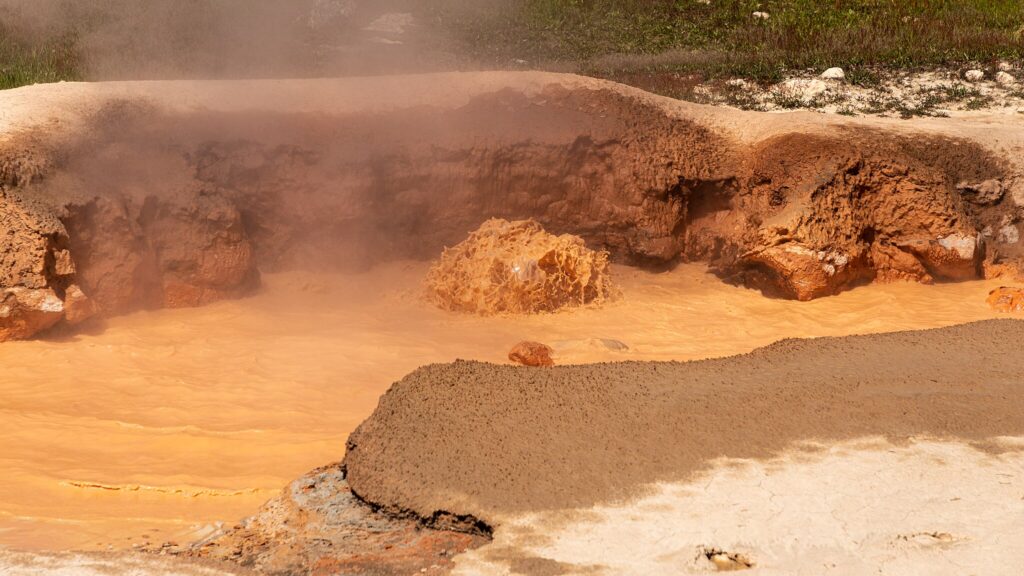
The Yellowstone supervolcano stands as one of Earth’s most formidable geological features, with a history of cataclysmic eruptions stretching back millions of years. While today it draws tourists to its geysers and hot springs, its ancient incarnations unleashed forces that potentially reshaped not just landscapes but entire ecosystems. During the age of dinosaurs, massive volcanic events from the Yellowstone hotspot may have influenced evolutionary trajectories through climate alterations, habitat destruction, and the creation of new ecological niches. This intriguing intersection of volcanism and paleontology raises profound questions about how geological forces might have steered the course of dinosaur evolution across millions of years.
The Yellowstone Hotspot Through Deep Time
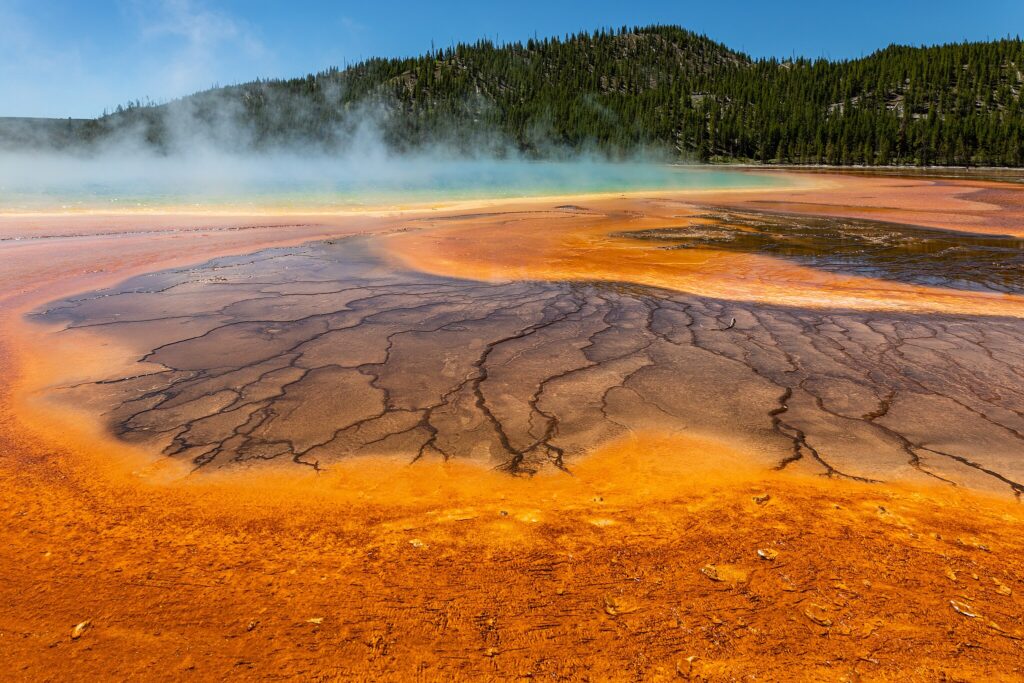
The Yellowstone hotspot represents a persistent plume of magma rising from deep within Earth’s mantle, creating a series of volcanic centers as the North American plate moved across it. Unlike the relatively young current Yellowstone caldera, which formed approximately 640,000 years ago, this geological feature has been active for at least 16.5 million years, with its earlier manifestations located in present-day Nevada, Oregon, and Idaho. During the Mesozoic Era, when dinosaurs dominated terrestrial ecosystems, this same hotspot likely existed, though its exact location and activity patterns remain subjects of ongoing research. Geological evidence suggests that the hotspot’s activity during the Cretaceous period could have generated massive eruptions comparable to or exceeding those of more recent geological history. These ancient eruptions would have released enormous volumes of ash, gases, and aerosols into the atmosphere, potentially triggering climate effects across large portions of the planet.
Dinosaur Ecosystems of the Western Interior
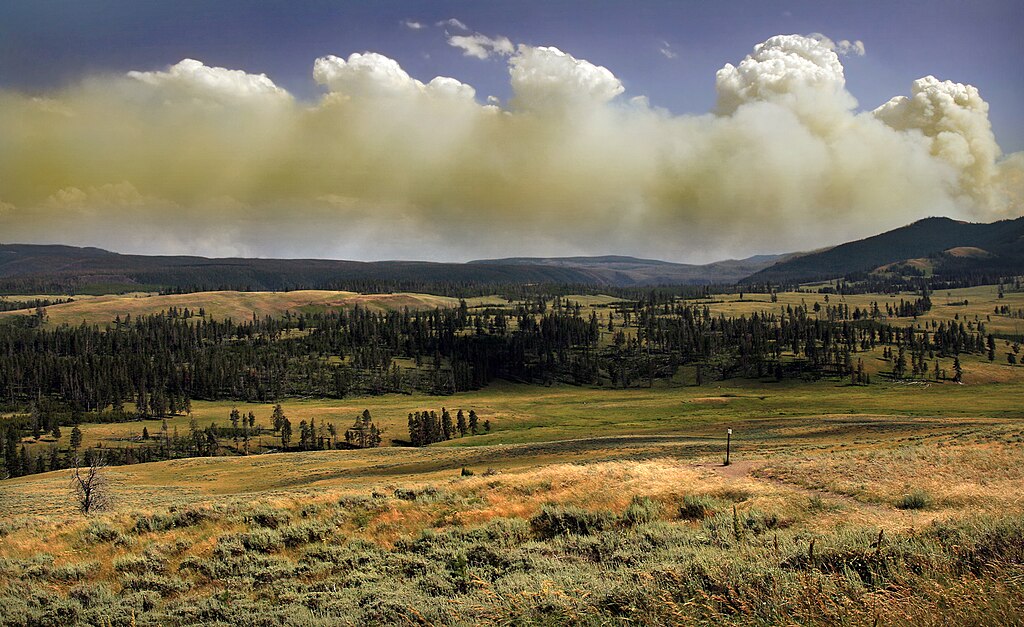
During the Late Jurassic and Cretaceous periods, the Western Interior of North America hosted diverse dinosaur ecosystems that left behind rich fossil records in formations like the Morrison, Hell Creek, and Judith River. These environments supported iconic dinosaurs, including Tyrannosaurus rex, Triceratops, and various sauropods, within complex food webs that evolved over millions of years. The region existed as a dynamic landscape influenced by the Western Interior Seaway—a massive inland sea that divided North America—and by tectonic forces creating the early Rocky Mountains. Volcanic activity associated with the Yellowstone hotspot would have introduced another powerful variable into these ecosystems, potentially triggering both immediate catastrophic changes and longer-term evolutionary pressures. Fossil evidence from these formations sometimes includes volcanic ash layers that provide direct evidence of eruptions coinciding with dinosaur habitation, creating natural experiments in evolutionary response to volcanic disturbance.
Mechanisms of Volcanic Impact on Evolution
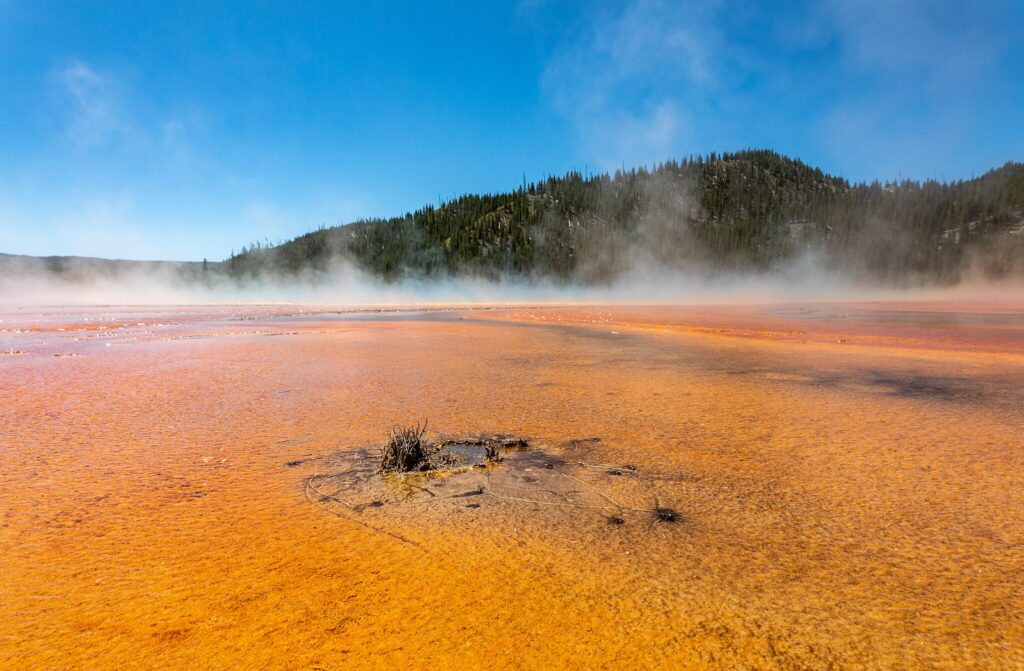
Supervolcanic eruptions could influence evolution through multiple mechanisms, creating both immediate selection pressures and longer-term evolutionary opportunities. The immediate aftermath of major eruptions typically includes mass mortality from pyroclastic flows, ash falls, and toxic gases in proximity to the eruption site, potentially eliminating entire local populations. Beyond the eruption zone, atmospheric loading of sulfur aerosols and ash can trigger volcanic winters lasting years to decades, reducing solar radiation, cooling global temperatures, and disrupting photosynthesis at the base of food webs. These climatic perturbations would favor dinosaur species with adaptations for colder temperatures, lower food availability, or greater dietary flexibility. Perhaps most significantly for evolution, eruptions create population bottlenecks and fragment habitats, potentially accelerating speciation through genetic drift and adaptation to newly isolated environments. The recovery phase following eruptions also creates opportunities for surviving species to radiate into vacant ecological niches.
Volcanic Winters and Dinosaur Physiology
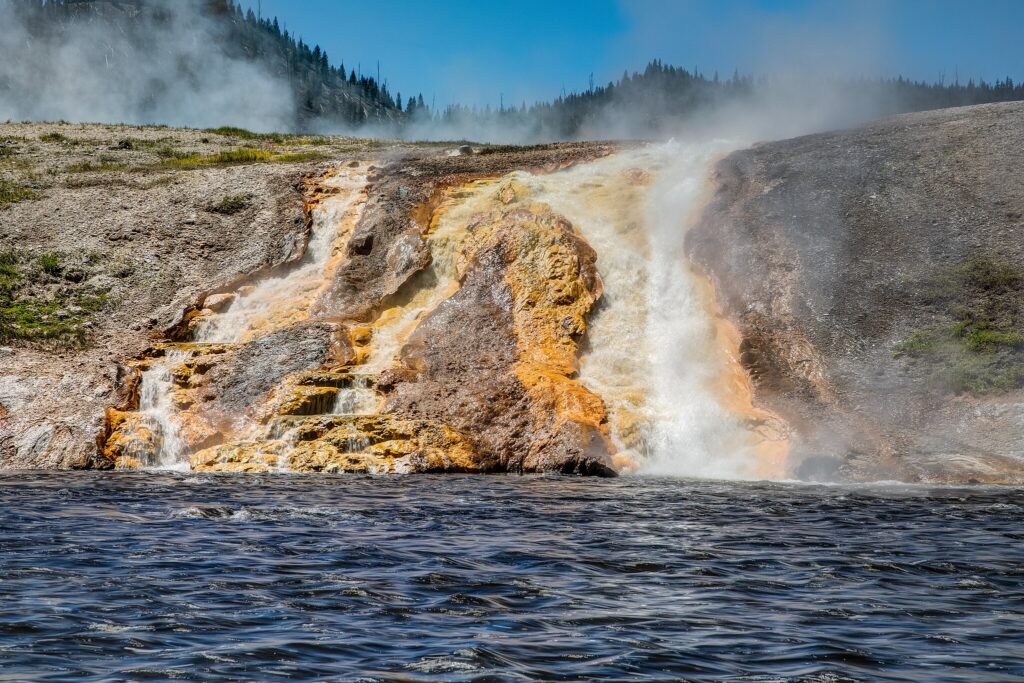
The question of dinosaur physiology—whether they were ectothermic like most modern reptiles or endothermic like birds—remains central to understanding how they might have weathered volcanic winters. Evidence increasingly suggests that many dinosaur lineages possessed elevated metabolic rates and some degree of thermoregulatory capability, potentially including feather-like insulation in some groups. These adaptations would have proven critical during volcanic winters, when global temperatures could drop by several degrees Celsius for extended periods. Smaller, well-insulated theropod dinosaurs with higher metabolic rates might have fared better than giant sauropods with their challenging thermoregulatory requirements and enormous caloric needs. The selective pressures of recurring volcanic winters could have favored the evolution of more sophisticated thermoregulatory adaptations, potentially contributing to the eventual evolution of true endothermy in the lineage leading to birds. Paleontological evidence suggests that dinosaur communities following major volcanic episodes sometimes show shifts in community structure that may reflect these physiological constraints.
Volcanic Ash and Respiratory Adaptations
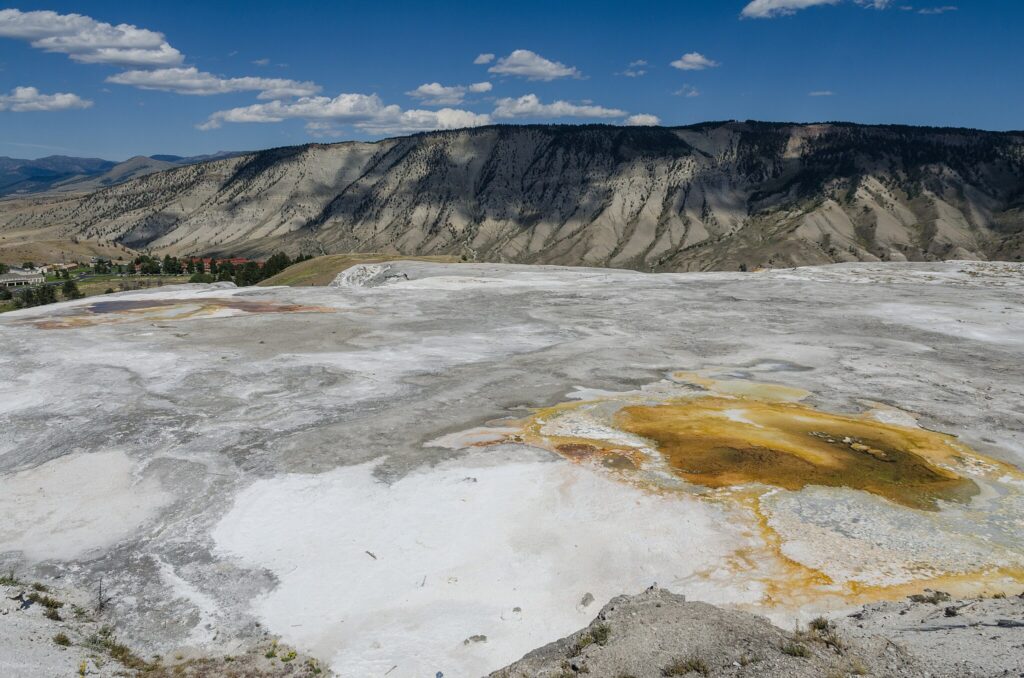
Volcanic eruptions produce massive quantities of fine ash that can remain suspended in the atmosphere for months or years, creating respiratory challenges for animals. This environmental pressure could have selected for dinosaurs with more efficient respiratory systems. Interestingly, dinosaurs possessed a unique respiratory system that incorporated air sacs and unidirectional airflow through their lungs—features still found in their living descendants, birds. This advanced respiratory system, more efficient than the bidirectional breathing of mammals, may have provided advantages during periods of decreased air quality following volcanic eruptions. Dinosaur lineages that evolved more complex air sac systems or more effective filtering mechanisms in their respiratory tracts might have experienced higher survival rates during ash-heavy periods. The timing of air sac evolution in theropod dinosaurs roughly coincides with periods of increased volcanic activity, though establishing direct causation remains speculative. Nevertheless, the volcanic environment of the Mesozoic might have contributed to the selection pressures that refined this distinctive respiratory adaptation.
Habitat Fragmentation and Speciation Events
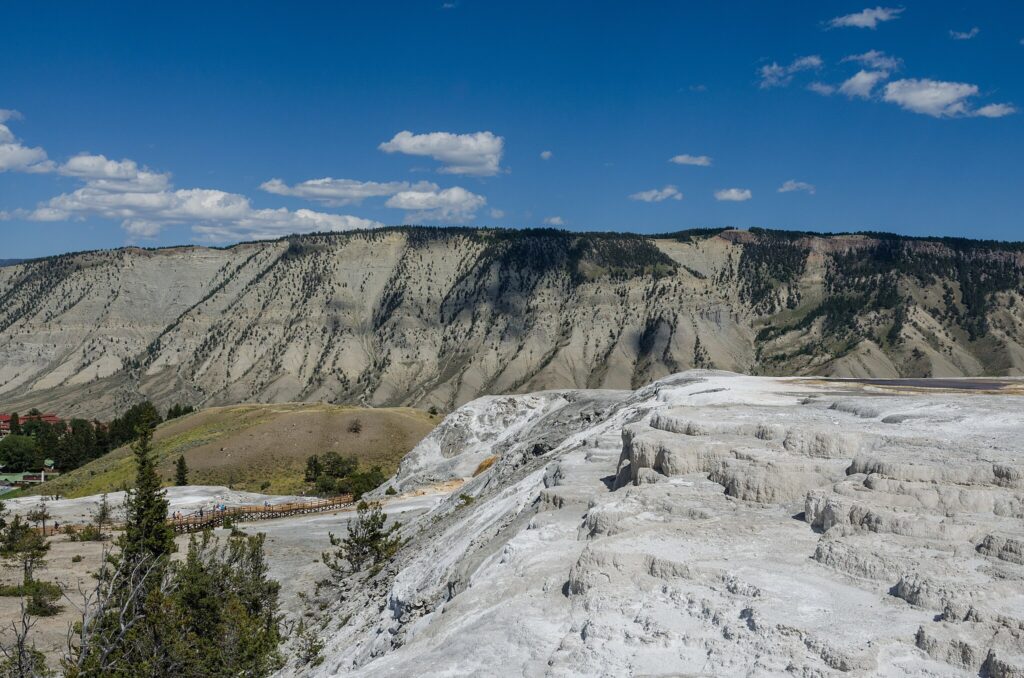
Large-scale volcanic events could fragment continuous habitats through direct destruction, ash deposition, lava flows, and subsequent climate changes, potentially accelerating dinosaur speciation. When populations become isolated from one another, they begin to evolve independently—a process that can lead to the formation of new species over time. The geological record suggests that the ancient Yellowstone hotspot created precisely such conditions in western North America, with eruptions capable of devastating thousands of square miles. Paleontological evidence from several dinosaur groups shows patterns of regional endemism (species found only in particular areas) that could reflect such isolation events. For example, certain hadrosaur and ceratopsian dinosaurs show distinctive regional variations that might have resulted from populations adapting to isolated environments following volcanic disturbances. This pattern of isolation-driven speciation could have contributed to the remarkable diversity of dinosaur species that evolved throughout the Mesozoic era, particularly in western North America, where volcanic activity was prevalent.
Volcanic Fertilization and Ecosystem Recovery
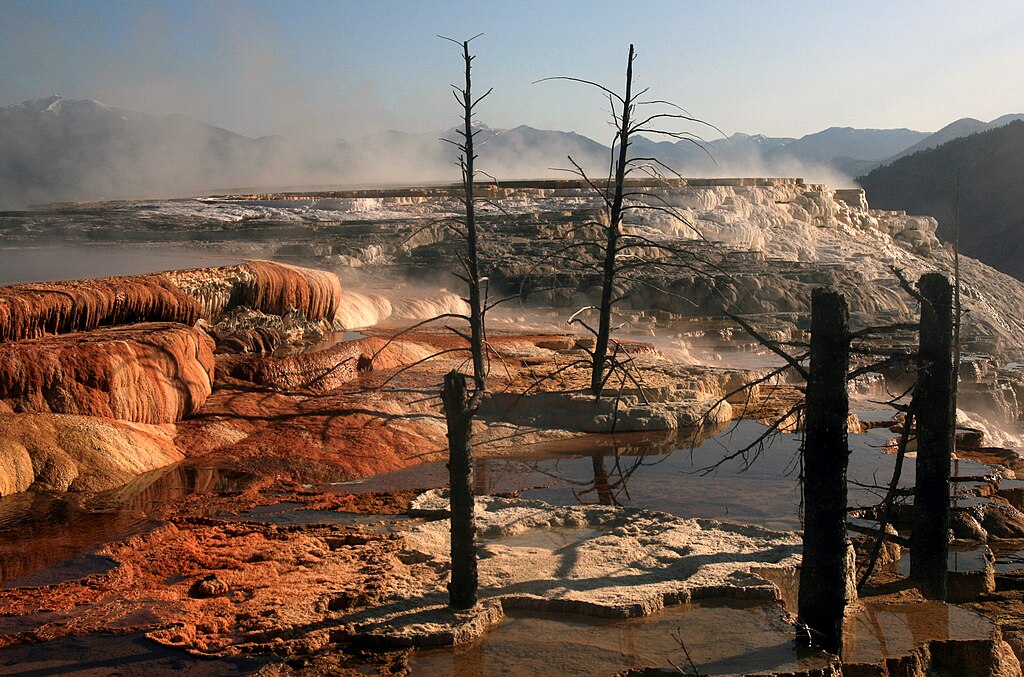
While volcanic eruptions initially devastate landscapes, they also fertilize them in the longer term as ash weathers into nutrient-rich soil. This process of ecological succession following eruptions could have created evolutionary opportunities for dinosaurs with adaptations suited to exploiting newly productive habitats. Volcanic soils are typically rich in potassium, phosphorus, and various micronutrients that can dramatically boost plant productivity in the decades and centuries following eruptions. Such resource pulses could have supported the evolution of specialized herbivore feeding strategies or novel plant-dinosaur relationships. Fossil evidence from post-eruption strata sometimes shows distinctive plant communities dominated by fast-growing pioneer species, followed by more diverse assemblages as succession progressed. The dinosaurs inhabiting these recovering ecosystems would have experienced different selective pressures than those in stable environments, potentially driving adaptations in feeding apparatus, digestive strategies, or migration patterns. This dynamic of destruction followed by enrichment creates an evolutionary pump that could have accelerated dinosaur adaptation and specialization.
The Yellowstone Hotspot and the Western Interior Seaway

During much of the Cretaceous period, North America was divided by the Western Interior Seaway, a vast inland sea that created distinct eastern and western biogeographic provinces for dinosaur evolution. The Yellowstone hotspot’s activity coincided with this marine incursion, potentially creating complex interactions between volcanic and marine influences on dinosaur ecosystems. Volcanic eruptions could have affected marine productivity through ash deposition and chemical changes, altering coastal and riparian habitats that many dinosaur species depended upon. The combination of the physical barrier created by the seaway and the periodic disruptions from volcanic activity may have accelerated divergent evolution between dinosaur populations on either side of this marine corridor. Fossil evidence shows distinct dinosaur assemblages in the western and eastern regions during this period, with differences that might reflect both the seaway’s barrier effect and differing exposures to volcanic disturbance. The interplay between these geological forces likely created a complex mosaic of environmental conditions that dinosaurs had to navigate and adapt to over millions of years.
Extinction and Survival Through Volcanic Episodes
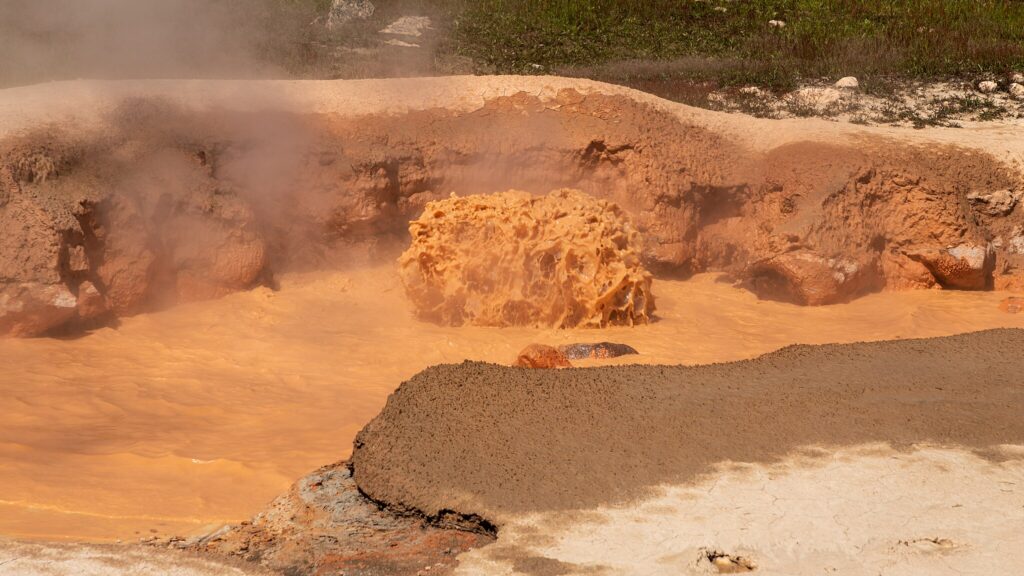
The fossil record reveals evidence of extinction events that coincide with major volcanic episodes throughout dinosaur evolution, suggesting that not all lineages successfully adapted to these disturbances. These volcanic-triggered extinctions would have created evolutionary opportunities for surviving lineages, potentially redirecting evolutionary trajectories. Some dinosaur groups show patterns of diversity loss followed by rapid diversification that align temporally with known volcanic episodes, suggesting evolutionary recoveries from these disturbances. For example, certain lineages of hadrosaurs (duck-billed dinosaurs) and ceratopsians (horned dinosaurs) underwent rapid diversification during the Late Cretaceous, following periods of apparent diversity decline that coincide with major volcanic episodes. These patterns suggest that volcanic activity may have acted as an evolutionary filter, eliminating less adaptable lineages while creating opportunities for survivors to evolve into vacant ecological niches. The relative resilience of different dinosaur clades to volcanic disturbance may help explain the changing composition of dinosaur communities throughout the Mesozoic era.
Timing of Eruptions and Evolutionary Radiation Events
When examining the geological and paleontological records together, intriguing correlations emerge between major volcanic episodes and subsequent dinosaur evolutionary radiations. Several significant diversification events in dinosaur evolution appear to follow periods of intense volcanic activity by approximately 1-3 million years, a timeframe consistent with evolutionary responses to major environmental perturbations. For instance, the diversification of certain ornithischian dinosaur groups during the Middle and Late Jurassic follows periods of heightened volcanic activity in western North America that may be associated with early manifestations of the Yellowstone hotspot. Similarly, the Cretaceous saw remarkable diversification of hadrosaurs, ceratopsians, and tyrannosaurids following intervals of intensified volcanism. While correlation does not prove causation, these patterns are consistent with the concept that volcanic disturbances may have reset ecological communities, created new selective pressures, and opened evolutionary opportunities that dinosaurs exploited. The precise dating of both eruptions and fossil assemblages continues to improve, allowing researchers to test these potential connections with increasing confidence.
Challenges in Establishing Direct Connections
Despite intriguing correlations, establishing direct causal links between specific Yellowstone hotspot eruptions and dinosaur evolutionary events presents significant scientific challenges. The geological record becomes increasingly fragmented with age, making precise dating and correlation difficult for Mesozoic events. Paleontologists must contend with preservation biases that create an incomplete fossil record, potentially obscuring important transitional forms or regional variations that might demonstrate evolutionary responses to volcanic disturbances. Distinguishing the effects of volcanism from other concurrent environmental changes—such as sea level fluctuations, continental drift, or extraterrestrial impacts—requires multiple lines of evidence and careful statistical analysis. Additionally, evolutionary processes typically unfold over thousands to millions of years, making it difficult to attribute specific adaptations directly to volcanic influences rather than to the numerous other selective pressures operating simultaneously. These challenges have led researchers to adopt interdisciplinary approaches, combining paleontology, geology, geochemistry, and climate modeling to build d more comprehensive understanding of volcano-evolution interactions.
Modern Analogs: Volcanic Impacts on Evolution Today
Modern studies of how volcanic eruptions affect biological communities provide valuable insights into potential evolutionary impacts on dinosaur ecosystems. Research following the 1980 Mount St. Helens eruption and other recent volcanic events has documented how different organisms vary in their survival rates and recovery patterns, depending on their adaptations and ecological roles. These studies reveal that volcanic disturbances can accelerate evolution through strong selection pressures, with some species showing measurable adaptive changes within just decades of eruptions. For instance, plants in volcanically active regions often evolve mechanisms to survive ash fall, rapidly recolonize disturbed areas, or exploit nutrient pulses. Similarly, animals in volcanic zones demonstrate adaptations ranging from behavioral avoidance strategies to respiratory modifications that enhance survival. While modern eruptions are minuscule compared to ancient supervolcanic events, they provide observable examples of the evolutionary principles that would have operated on dinosaur populations, just at a much larger scale and over longer timeframes. These natural experiments help scientists develop testable hypotheses about how dinosaurs might have responded to volcanic influences.
Future Research Directions
The question of whether Yellowstone’s ancient supervolcano influenced dinosaur evolution remains tantalizingly open, with several promising research directions that could yield clearer answers. Advanced geochemical techniques now allow scientists to fingerprint specific volcanic eruptions in the fossil record, potentially enabling more precise correlations between eruption timing and evolutionary events. High-resolution dating methods continue to improve, reducing uncertainty in the timing of both eruptions and the appearance of new dinosaur adaptations. Computer modeling of ancient atmospheres and climates increasingly incorporates volcanic influences, providing clearer pictures of the conditions dinosaurs would have experienced following major eruptions. Comparative studies of dinosaur fossils found within ash beds versus those from non-volcanic contexts might reveal different patterns of preservation or evidence of selection events. The emerging field of paleogenomics, while still limited for dinosaurs, offers future potential to detect genetic signatures of population bottlenecks or rapid adaptation that might correlate with volcanic episodes. As these methods advance, our understanding of the complex dance between Yellowstone’s ancient fires and dinosaur evolution will likely grow increasingly sophisticated.
Conclusion
The ancient manifestations of the Yellowstone supervolcano likely played a significant, if complete, role in shaping dinosaur evolution throughout the Mesozoic Era. Through mechanisms ranging from catastrophic destruction to the creation of new ecological opportunities, volcanic forces would have exerted selective pressures that influenced which dinosaur lineages survived and thrived. While establishing direct causal relationships remains challenging due to the vast timescales involved and preservation limitations, the correlation between volcanic episodes and evolutionary transitions suggests more than mere coincidence. As research methodologies continue to advance, our understanding of this fascinating intersection between geology and paleontology will undoubtedly deepen, potentially revealing that some of the most iconic features of dinosaur evolution—from their unique respiratory systems to their remarkable diversity—may have been partially shaped by the same volcanic forces that continue to rumble beneath Yellowstone today.