
Deep in the Hell Creek Formation of Montana, North Dakota, and Wyoming, paleontologists unearthed fossils of what appeared to be a unique dinosaur with a distinctively spiked skull. Named Stygimoloch spinifer, which roughly translates to “spiny devil from the river Styx,” this creature captured imaginations with its bizarre appearance and seemingly aggressive head ornamentation. However, in recent years, this dinosaur has become the center of scientific controversy. What was once celebrated as a distinct species might actually represent something else entirely – the teenage growth stage of another well-known dinosaur. This paleontological mystery challenges our understanding of dinosaur development and how we classify ancient creatures, making Stygimoloch one of the most intriguing cases in modern paleontology.
The Discovery and Naming of Stygimoloch
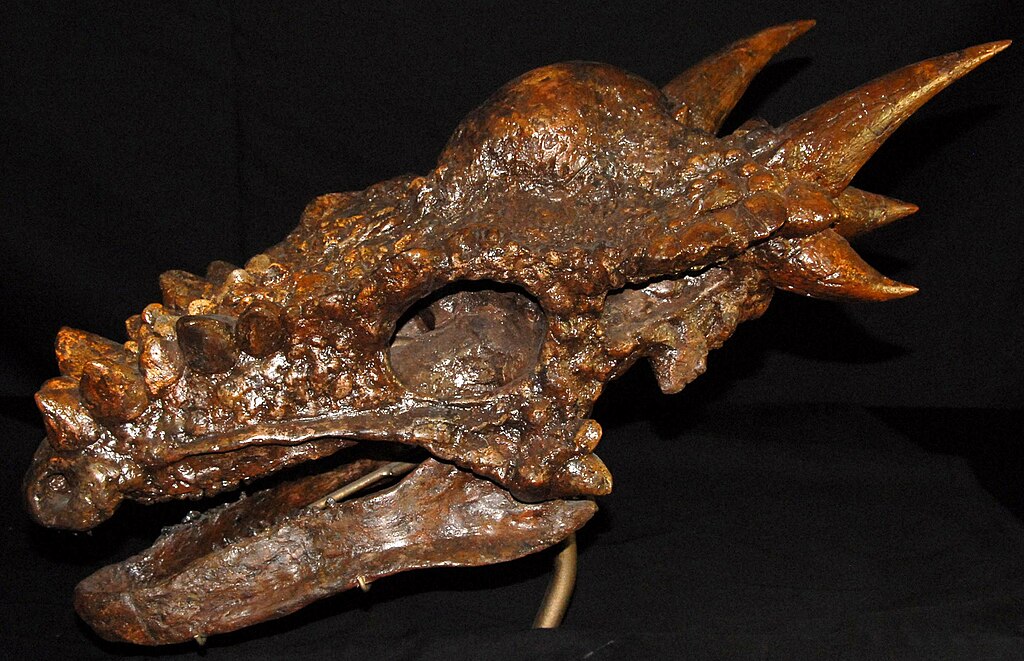
Stygimoloch spinifer was first described scientifically in 1983 by paleontologists Peter Galton and Hans-Dieter Sues based on a partial skull found in the Hell Creek Formation of Montana. The name carries dramatic significance, with “Stygimoloch” combining references to the River Styx from Greek mythology – the boundary between Earth and the Underworld – and “moloch,” referring to a thorny lizard. The species name “spinifer” means “spine-bearing,” highlighting its most distinctive feature. These fossils were dated to the late Maastrichtian age of the Late Cretaceous period, roughly 66-68 million years ago, placing this dinosaur among the last non-avian dinosaurs to walk the Earth before the mass extinction event. The dramatic name matched the dramatic appearance of the creature, with its skull adorned with pointed knobs and elongated spikes that seemed designed for some form of combat or display.
Physical Characteristics of the “Spiny Devil”
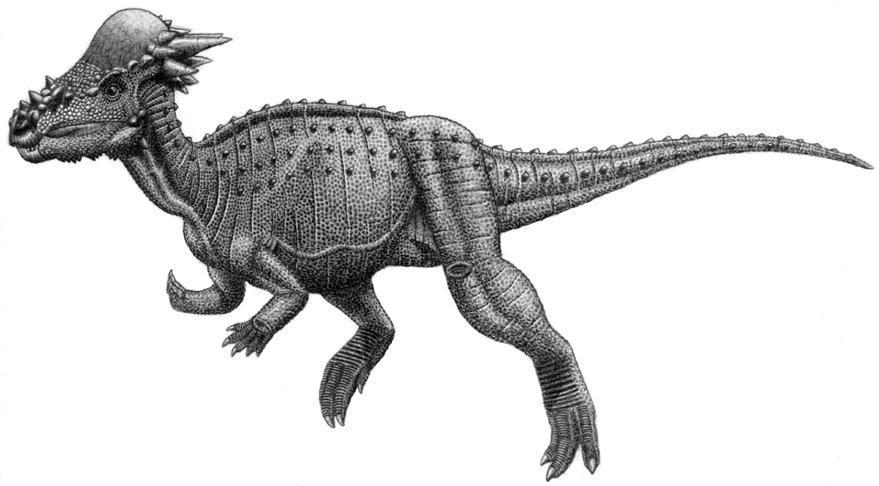
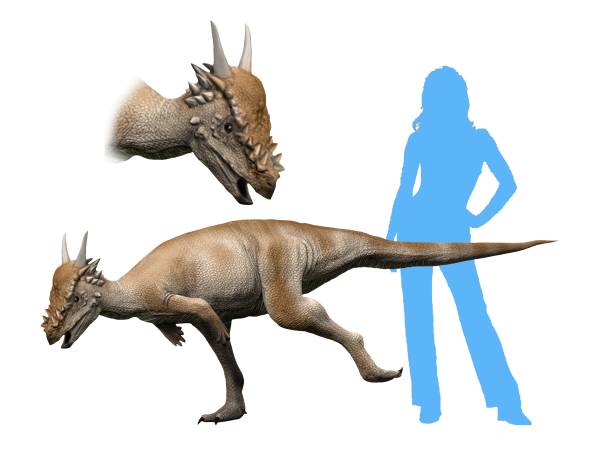
Based on the limited fossil evidence, Stygimoloch was estimated to be a bipedal herbivore measuring approximately 3 meters (10 feet) in length. Its most striking feature was undoubtedly its unusual skull ornamentation, consisting of a dome-like structure on top of the skull surrounded by numerous spikes and knobs. The longest of these spikes could reach up to 4 inches (10 cm) in length, projecting backward from the rear of the skull in a dramatic fashion. The body proportions suggested a relatively fast runner, with strong hind limbs and a stiff tail that would have helped with balance during movement. While complete skeletons remain elusive, comparisons with related pachycephalosaurs indicate Stygimoloch likely had short forelimbs, a barrel-shaped body, and powerful legs. The distinctive skull ornamentation remained the primary focus of scientific interest, as it appeared more extreme than in related species and suggested specialized behaviors or ecological roles.
The Pachycephalosaur Family: Dome-Headed Dinosaurs
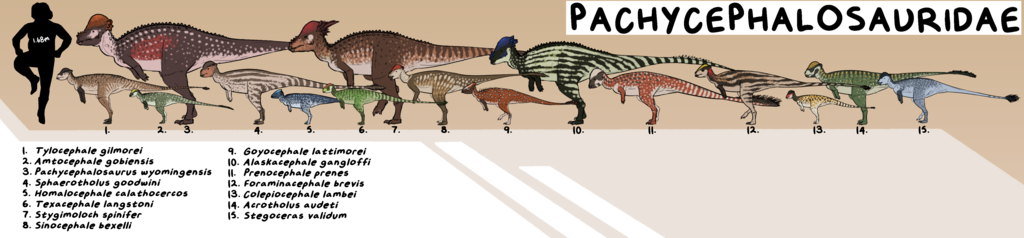
Stygimoloch belongs to the Pachycephalosauridae family, a group of ornithischian dinosaurs known for their thickened, dome-shaped skulls. These peculiar dinosaurs flourished during the Late Cretaceous period across what is now North America and Asia. Members of this family share several key features, including their distinctive skull domes made of solid bone that could be up to 10 inches thick in some species. Beyond Stygimoloch, the family includes well-known members like Pachycephalosaurus, which had the most extreme dome development, and Dracorex, which lacked a dome but displayed elaborate spikes and knobs. Paleontologists have long debated the function of these specialized skulls, with theories ranging from head-butting contests similar to modern rams to species recognition and display purposes. This unusual family of dinosaurs has fascinated scientists due to their specialized anatomy and the questions it raises about dinosaur behavior and evolution.
The Controversial Identity Crisis
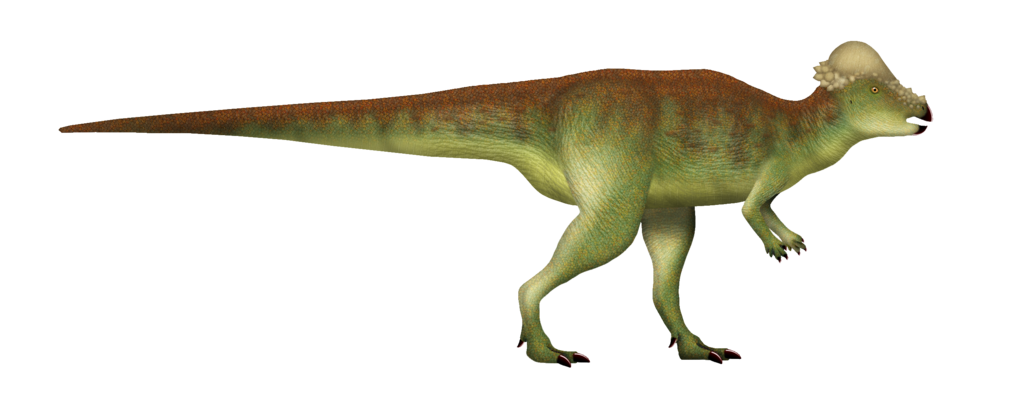
In 2009, a scientific bombshell was dropped when paleontologists Jack Horner and Mark Goodwin published research suggesting that Stygimoloch was not a distinct species at all. After analyzing multiple specimens and growth patterns, they proposed that Stygimoloch specimens actually represented juvenile or subadult forms of the larger Pachycephalosaurus. Their study examined skull morphology across different growth stages and found that as these dinosaurs matured, their skull ornamentation changed dramatically – spikes receded while the central dome expanded. This hypothesis challenged decades of taxonomic classification and suggested that what had been classified as three separate genera – Dracorex (the most juvenile form), Stygimoloch (the adolescent), and Pachycephalosaurus (the adult) – were actually different growth stages of a single species. The controversy highlighted how limited fossil material and incomplete understanding of dinosaur ontogeny (growth and development) could lead to significant misclassifications, potentially inflating dinosaur diversity in the fossil record.
The Science of Ontogeny: How Dinosaurs Grew Up

Understanding how dinosaurs changed through their life cycle is crucial to properly identifying different species. Modern paleontologists now recognize that dinosaurs, like many living animals, underwent dramatic physical transformations as they aged. Bone histology (the study of bone microstructure) allows scientists to determine the relative age of specimens by examining growth rings and bone tissue types. In the case of pachycephalosaurs, younger individuals appear to have had flatter skulls with more pronounced spikes and ornaments, while these features were modified or reduced as the central dome expanded in adulthood. This pattern of dramatic morphological change is not unique to pachycephalosaurs – similar transformations have been documented in horned dinosaurs like Triceratops, where juvenile specimens were once mistakenly classified as different species. The Stygimoloch controversy underscores the importance of collecting growth series fossils – multiple specimens of the same species at different life stages – to accurately understand dinosaur taxonomy and development.
Evidence Supporting the Growth Stage Hypothesis
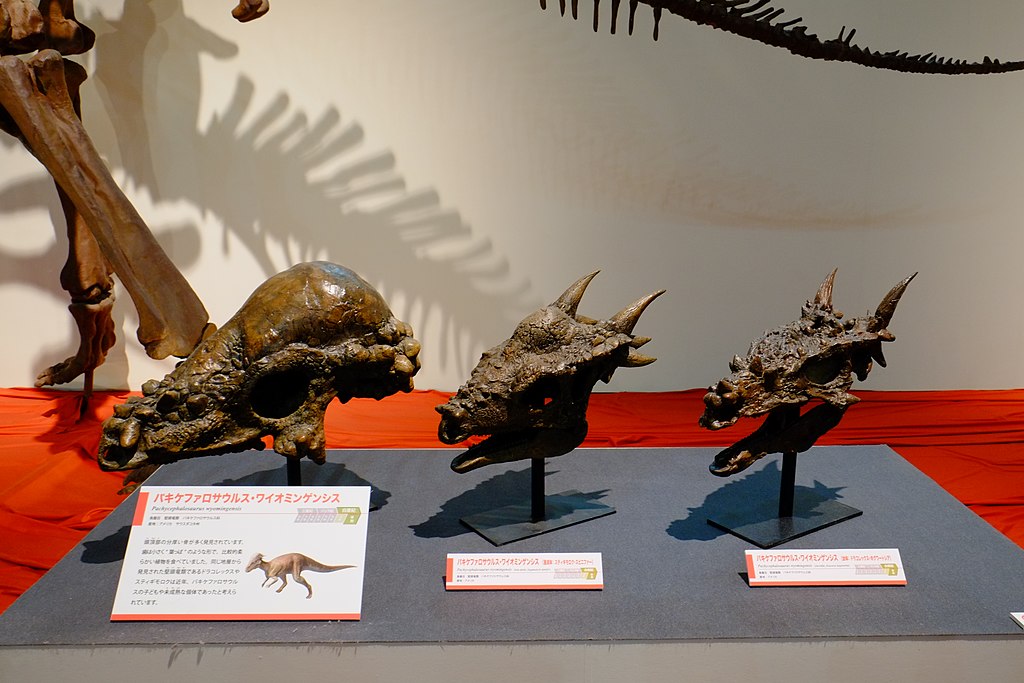
Several lines of evidence support the theory that Stygimoloch represents a growth stage rather than a distinct species. First, histological studies of skull material show bone characteristics consistent with still-growing individuals rather than mature adults. The bone texture and internal structure indicate active growth and remodeling, particularly in the dome region. Second, there’s a notable size gradient and morphological continuum between specimens classified as Dracorex, Stygimoloch, and Pachycephalosaurus, with no clear boundaries between supposed “species.” Third, paleontologists have documented comparable dramatic changes during growth in other dinosaur groups, establishing precedent for such extreme ontogenetic transformations. Fourth, the fossil record shows that all three “species” lived in the same geological formation at the same time, which is consistent with them representing a single population rather than three distinct contemporaneous species. Finally, computer tomography (CT) scans of multiple specimens show progressive dome thickening and spike reduction patterns that form a logical developmental sequence.
Counter-Arguments: The Case for Stygimoloch as a Distinct Species
Not all paleontologists accept the growth stage hypothesis, and some maintain that Stygimoloch deserves recognition as a separate species. Critics of the single-species model point to several counterarguments. Some note that the sample size of specimens remains relatively small, making definitive conclusions premature without more fossil evidence. Others argue that the spike pattern on Stygimoloch is too distinct and specialized to simply disappear during growth, suggesting these features might indicate genuine species differences rather than age variation. There are also questions about whether all the proposed transitional specimens truly represent the same lineage, as preservation conditions and fossil preparation can sometimes create misleading appearances. Some researchers suggest that while ontogenetic changes certainly occurred, the differences might still reflect separate evolutionary lineages that underwent parallel developmental patterns. Until more complete growth series are discovered, these skeptics maintain that taxonomic caution is warranted before eliminating Stygimoloch as a valid dinosaur species.
The Role of Sexual Dimorphism in the Debate

Another layer of complexity in the Stygimoloch controversy involves the possibility of sexual dimorphism – physical differences between males and females of the same species. Some paleontologists have proposed that the variation observed between Stygimoloch and Pachycephalosaurus specimens might partially reflect sex-based differences rather than solely age-related changes. In many modern animals with elaborate display structures, males typically develop more pronounced features used in competition for mates or territory defense. If pachycephalosaurs followed similar patterns, the elaborate spikes of Stygimoloch-type specimens might represent one sex (possibly males) at a particular growth stage. This hypothesis complicates the picture further, suggesting that correct identification requires accounting for both age and sex. Testing this hypothesis remains challenging due to the difficulty of determining sex from fossil material, though subtle anatomical differences or statistical analyses of population variations might eventually provide clues. Understanding the potential interplay between ontogeny and sexual dimorphism remains an active area of paleontological research.
Life and Behavior of Pachycephalosaurs
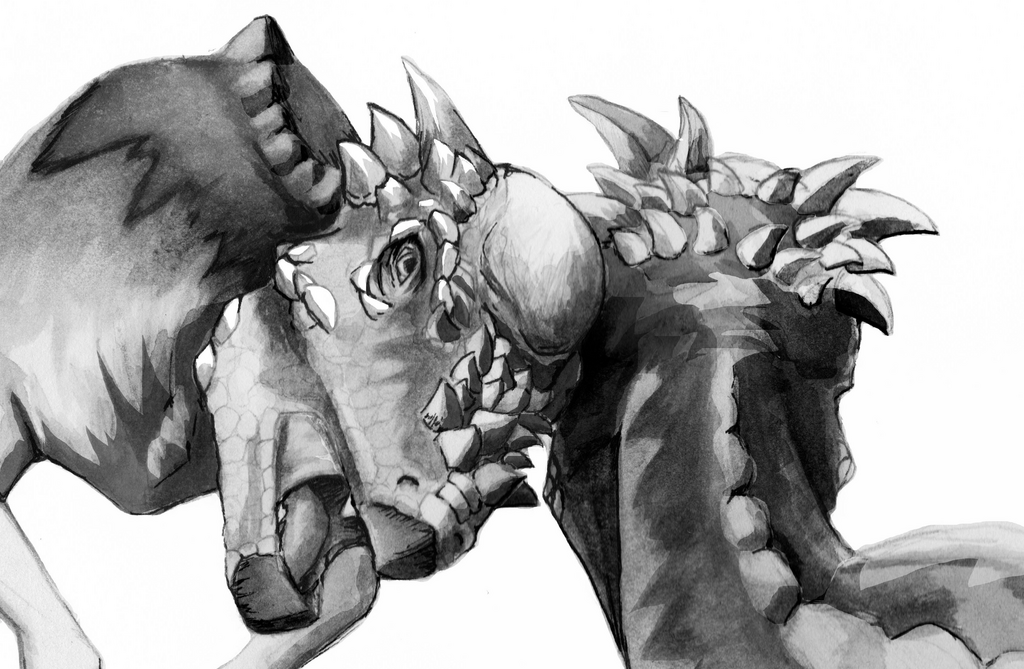
Regardless of whether Stygimoloch was a distinct species or a growth stage, understanding the lifestyle of pachycephalosaurs provides context for these unusual skull adaptations. These dinosaurs likely inhabited forested environments, using their speed and agility to navigate through woodland settings while foraging for plants, fruits, seeds, and possibly insects. Their specialized skulls have traditionally been interpreted as weapons for head-butting competitions, similar to modern bighorn sheep or musk oxen. However, biomechanical studies have raised doubts about this interpretation, as the dome structure might not have effectively absorbed the impact forces of direct head-to-head collisions. Alternative theories suggest the domes and spikes were primarily for display, species recognition, or flank-butting where individuals rammed their heads against each other’s sides. The distinctive skull of Stygimoloch-phase individuals, with their prominent spikes, might have played a particular role in establishing dominance hierarchies among adolescents or deterring predators during a vulnerable growth period.
The Hell Creek Ecosystem: Stygimoloch’s Ancient World
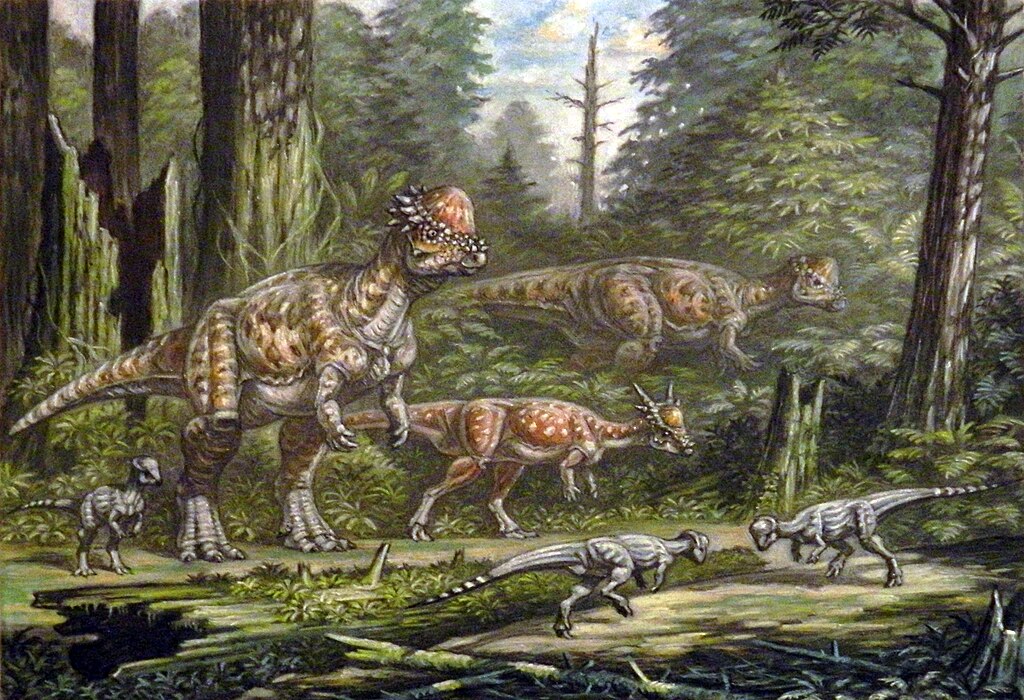
The Hell Creek Formation provides a snapshot of a rich ecosystem that existed during the final days of the dinosaur era. This prehistoric environment consisted of subtropical forests, floodplains, and river systems that supported a diverse community of animals and plants. Stygimoloch (or juvenile Pachycephalosaurus) shared this landscape with iconic dinosaurs including Tyrannosaurus rex, Triceratops, Edmontosaurus, and numerous smaller species. The formation preserves evidence of flowering plants, conifers, ferns, and ginkgoes that would have provided food for herbivorous dinosaurs. Freshwater habitats supported turtles, crocodilians, fish, and amphibians, while the skies were inhabited by pterosaurs and early birds. This rich biodiversity makes the Hell Creek Formation particularly valuable for understanding dinosaur ecology just before the Cretaceous-Paleogene extinction event. The presence of pachycephalosaurs in this environment suggests they had successfully adapted to this complex ecosystem, occupying a specific ecological niche until their extinction approximately 66 million years ago.
Implications for Dinosaur Diversity
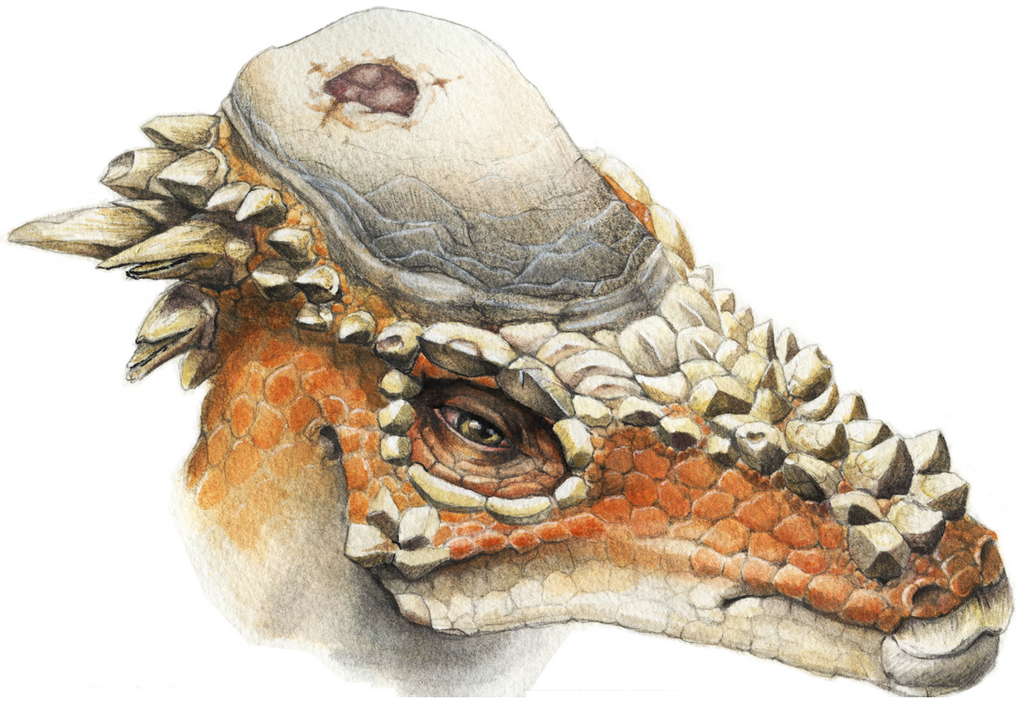
The Stygimoloch controversy has broader implications for how scientists estimate dinosaur diversity in the fossil record. If three previously recognized genera (Dracorex, Stygimoloch, and Pachycephalosaurus) actually represent growth stages of a single species, this suggests paleontologists may have inadvertently inflated dinosaur diversity by misinterpreting age-related variations as species differences. This phenomenon, known as taxonomic oversplitting, might be more widespread than previously thought, particularly in dinosaur groups with elaborate ornaments that could change dramatically with age. Similar revisions have occurred with other dinosaur groups, including the horned ceratopsians and duck-billed hadrosaurs, where juvenile specimens were once classified as separate species. This reassessment encourages greater caution in naming new species based on limited material and highlights the need for more complete growth series in museum collections. Understanding genuine dinosaur diversity is crucial for accurately reconstructing ancient ecosystems and evolutionary patterns, making the resolution of cases like Stygimoloch significant beyond just taxonomic bookkeeping.
Stygimoloch in Popular Culture

Despite the scientific controversy surrounding its identity, Stygimoloch has secured a place in popular culture thanks to its distinctive appearance and evocative name. The dinosaur made a memorable appearance in the film “Jurassic World: Fallen Kingdom” (2018), where it was portrayed charging through crowds and ramming into villainous characters with its spiky head. Various documentaries, including several BBC productions, have featured Stygimoloch as an example of pachycephalosaur diversity, though more recent programs sometimes acknowledge the taxonomic debate. The creature has appeared in numerous dinosaur books, toy lines, and trading card games, typically depicted with its characteristic spiked skull and aggressive posture. Video games like “Jurassic World Evolution” allow players to include Stygimoloch in their virtual dinosaur parks. Interestingly, popular media often lags behind scientific revisions, continuing to present Stygimoloch as a distinct species even as the scientific consensus shifts toward considering it a growth stage of Pachycephalosaurus, demonstrating the gap that can exist between current research and public understanding.
The Future of Stygimoloch Research
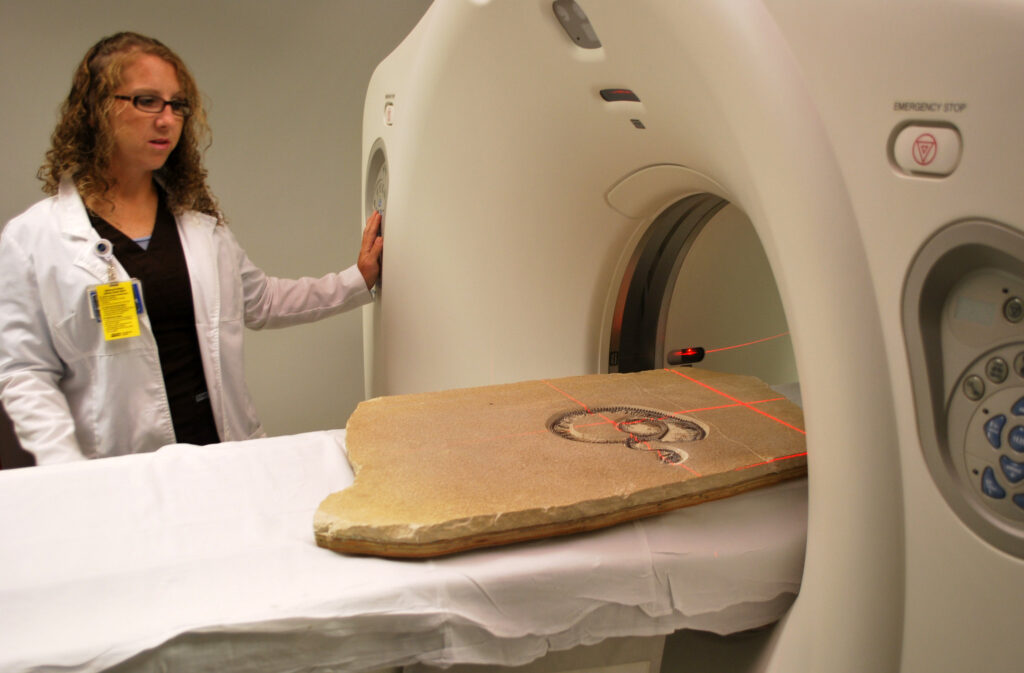
The debate over Stygimoloch’s true identity remains active in paleontological circles, with ongoing research attempting to resolve the controversy. Future discoveries of more complete specimens, particularly those preserving both skull and postcranial (body) elements, could provide crucial evidence to settle the question. Advanced imaging techniques like CT scanning continue to reveal internal bone structures that may clarify growth patterns and developmental trajectories within pachycephalosaurs. New methods in bone histology allow increasingly precise determination of relative ages, helping researchers arrange specimens in proper developmental sequences. Geometric morphometrics – the mathematical analysis of shape changes – offers another promising approach for quantifying the transitions between different growth stages. Additionally, comparing pachycephalosaur development with that of living relatives like birds and crocodilians may provide insights into how dramatically dinosaur anatomy could change throughout life. Until more definitive evidence emerges, Stygimoloch remains in a scientific limbo – either one of the last dinosaurs to evolve before the extinction event or simply a snapshot of youth in an already-known species.
Conclusion: What Stygimoloch Teaches Us About Paleontology
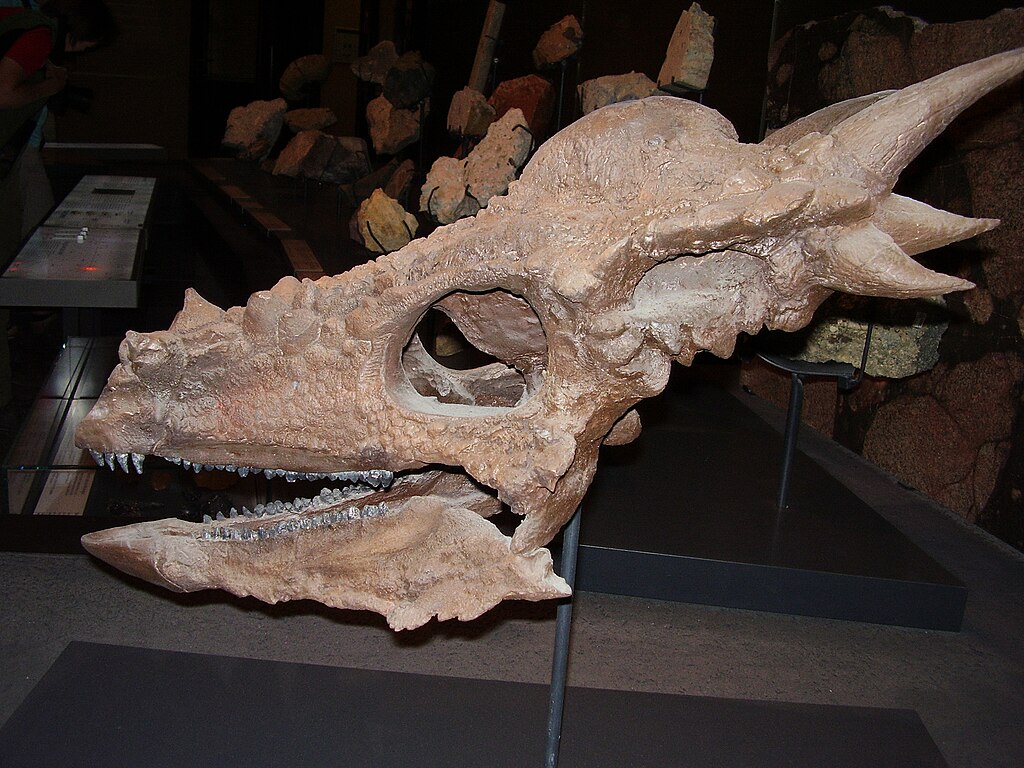
Whether Stygimoloch represents a valid species or a growth stage, its story illuminates the challenges and evolving nature of paleontological research. This case study demonstrates how science proceeds through careful examination of evidence, proposal of hypotheses, and ongoing refinement of understanding as new data emerges. The controversy reminds us that fossils represent once-living creatures that grew, developed, and changed throughout their lives – not static objects frozen in time. It highlights the difficulty of establishing species boundaries in the fossil record, where researchers must work with incomplete information and cannot observe breeding populations or behaviors directly. Perhaps most importantly, the Stygimoloch debate showcases how paleontology continues to evolve as a science, with new techniques and perspectives constantly reshaping our understanding of ancient life. In the end, whether this spiky-headed creature retains its identity as Stygimoloch or is fully integrated into Pachycephalosaurus, it remains a fascinating window into the final days of the dinosaur era and the ongoing process of scientific discovery.