
The rugged landscape of Texas conceals remarkable prehistoric treasures beneath its surface. While many associate dinosaur discoveries with Montana, Wyoming, or Utah, Texas has quietly emerged as a significant contributor to our understanding of prehistoric life. From massive sauropods that once thundered across ancient coastal plains to fierce predators that dominated Cretaceous ecosystems, Texas’s fossil record offers unique insights into dinosaur evolution, behavior, and the ancient environments of North America. The Lone Star State’s distinctive geology has preserved remains spanning millions of years, providing paleontologists with crucial pieces of the dinosaur puzzle that help complete our picture of life in the Mesozoic Era.
The Rich Paleontological History of Texas
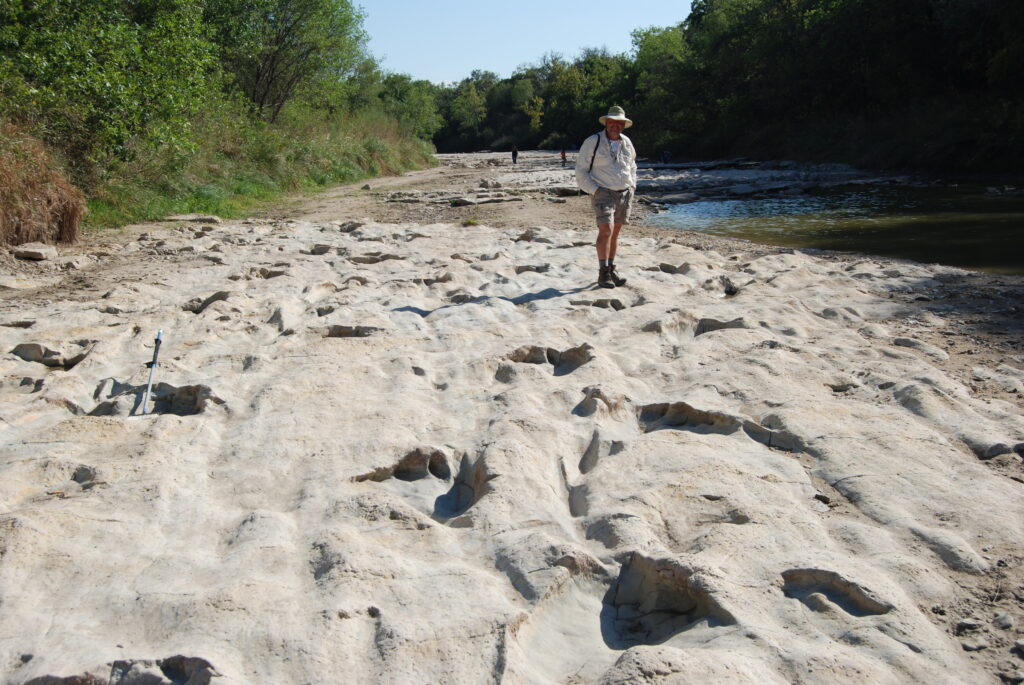
Texas’s dinosaur story begins in the 1930s when explorers discovered massive footprints in limestone beds along the Paluxy River near Glen Rose. These remarkable trace fossils, initially believed to show humans and dinosaurs walking together, actually documented the passage of large sauropods and theropods across ancient mudflats approximately 113 million years ago. Since these early discoveries, Texas has yielded thousands of important dinosaur specimens spanning the Late Triassic through Late Cretaceous periods, roughly 225 to 66 million years ago. The state’s diversity of geological formations, including the Dockum Group, Twin Mountains Formation, and Aguja Formation, has preserved dinosaur fossils in varying states, from isolated bones to partial skeletons. Texas paleontology took a significant leap forward in the 1980s and 1990s when more systematic exploration revealed the true extent of the state’s fossil wealth, establishing it as a crucial region for understanding North American dinosaur evolution.
Texas’s Unique Prehistoric Environments
What makes Texas dinosaur fossils particularly valuable is how they document dramatically shifting environments over time. During the Late Triassic (approximately 225-200 million years ago), much of Texas featured lush river valleys and floodplains inhabited by some of the earliest dinosaur relatives. By the Early Cretaceous period (145-100 million years ago), a vast shallow sea covered central Texas, creating extensive coastlines where dinosaurs left thousands of footprints in tidal mudflats that eventually became the limestone preserving their travels. The Late Cretaceous period (100-66 million years ago) saw western Texas transitioning between coastal swamps and inland forests as the Western Interior Seaway advanced and retreated, creating diverse habitats that supported different dinosaur communities. This environmental record allows paleontologists to track how dinosaur populations adapted to changing conditions over millions of years, providing insights impossible to obtain from more geologically stable regions. Texas essentially preserves a time-lapse of dinosaur evolution against shifting environmental backdrops.
Sauropods: The Texas Giants
Some of the most impressive dinosaur discoveries in Texas have been massive sauropods – the long-necked, plant-eating giants that represent the largest land animals ever to walk the Earth. Paluxysaurus jonesi, named after the Paluxy River region and once designated the official state dinosaur of Texas, reached lengths of 60-70 feet and left behind enormous footprints measuring nearly a meter across. The remarkable preservation of sauropod trackways at sites like Dinosaur Valley State Park has allowed scientists to calculate how these enormous creatures moved, suggesting they traveled in social groups and potentially engaged in coordinated herd behaviors. More recent excavations in the Early Cretaceous formations have uncovered remains of diverse sauropod species, indicating Texas supported multiple lineages of these giants simultaneously. These discoveries challenge previous assumptions about sauropod distribution in North America and suggest these massive herbivores were more adaptable to different environments than previously thought. The Texas sauropod record is particularly valuable because it documents these animals in coastal environments rarely preserved elsewhere.
Predators of Prehistoric Texas
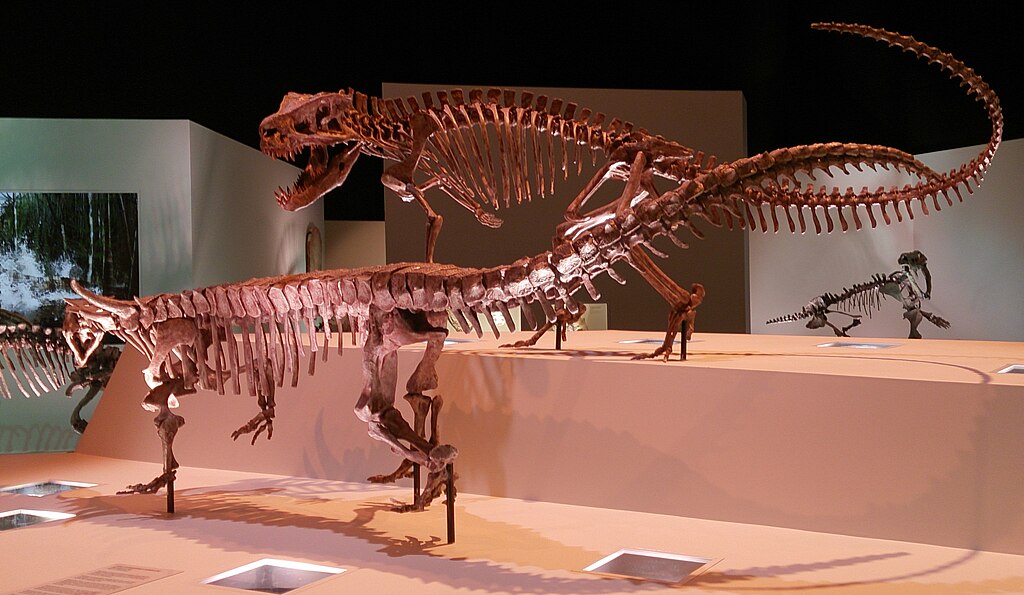
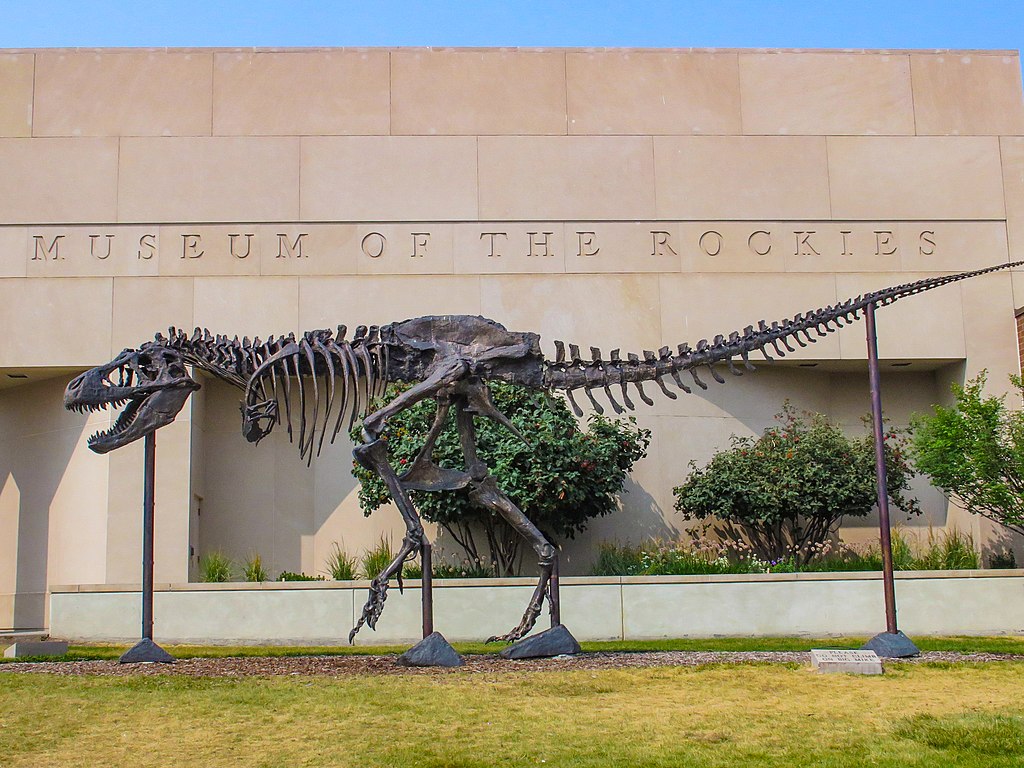
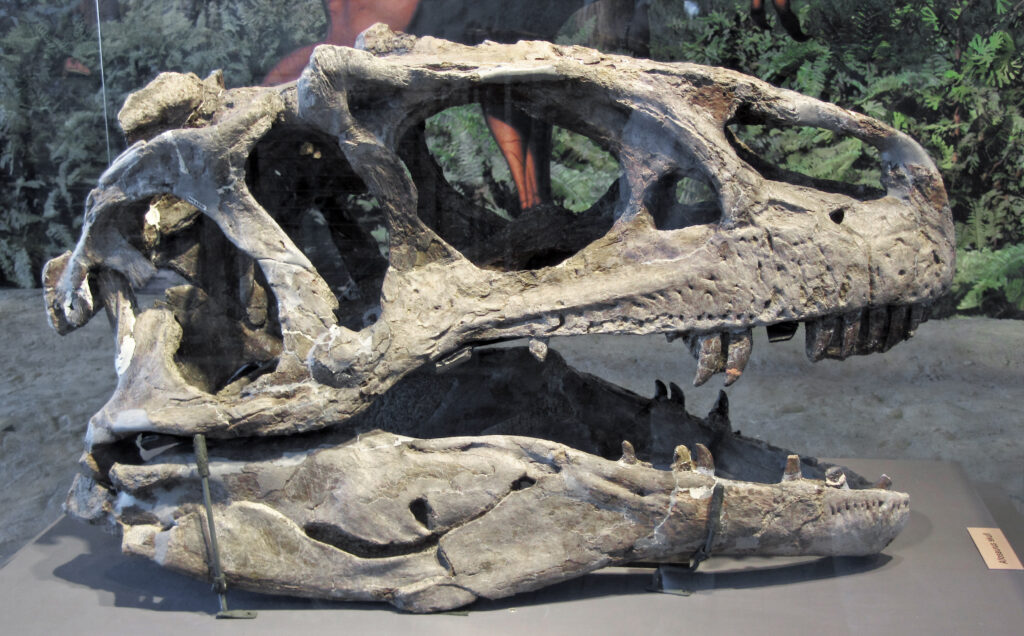
Texas’s ancient ecosystems supported an impressive array of predatory dinosaurs that hunted across its varied landscapes. The Late Triassic Dockum Group has yielded remains of Postosuchus, not a true dinosaur but a fearsome archosaur that served as the apex predator before dinosaurs fully dominated. By the Early Cretaceous, Texas was home to Acrocanthosaurus, a massive allosauroid theropod nearly as large as Tyrannosaurus rex, whose distinctive footprints are preserved alongside its sauropod prey at numerous trackway sites. The Late Cretaceous Aguja Formation in Big Bend has revealed diverse tyrannosaur species, including Daspletosaurus and relatives of Tyrannosaurus, that ruled the coastal floodplains approximately 75 million years ago. Smaller predators abounded as well, with fossils of dromaeosaurids (“raptors”) and various mid-sized theropods indicating complex predator-prey relationships. What makes Texas’s predator record particularly valuable is the evidence of these carnivores operating in different environmental contexts – from inland forests to coastal plains – allowing scientists to study how predatory adaptations varied across ecosystems.
The Remarkable Dinosaur Trackways

Texas boasts some of the world’s most extensive and well-preserved dinosaur trackways, offering insights into dinosaur behavior impossible to determine from skeletal remains alone. The limestone beds of the Glen Rose Formation along the Paluxy River preserve thousands of footprints made when dinosaurs walked across muddy coastal plains approximately 113 million years ago. These trace fossils document multiple dinosaur species traveling in the same areas, sometimes following identical paths, suggesting possible predator-prey interactions or migration routes. The trackways have allowed paleontologists to calculate dinosaur walking speeds, stride lengths, and even estimate body weights based on footprint depth and displacement patterns. Perhaps most significantly, some trackway sequences show evidence of social behavior, with multiple sauropods moving in the same direction with consistent spacing, providing strong evidence for herding behavior. The preservation quality is so exceptional that, in some cases, scientists can identify specific pathologies or injuries in the animals based on irregular footprint patterns, offering glimpses into the lives of individual dinosaurs that lived over 100 million years ago.
Big Bend: A Late Cretaceous Treasure Trove
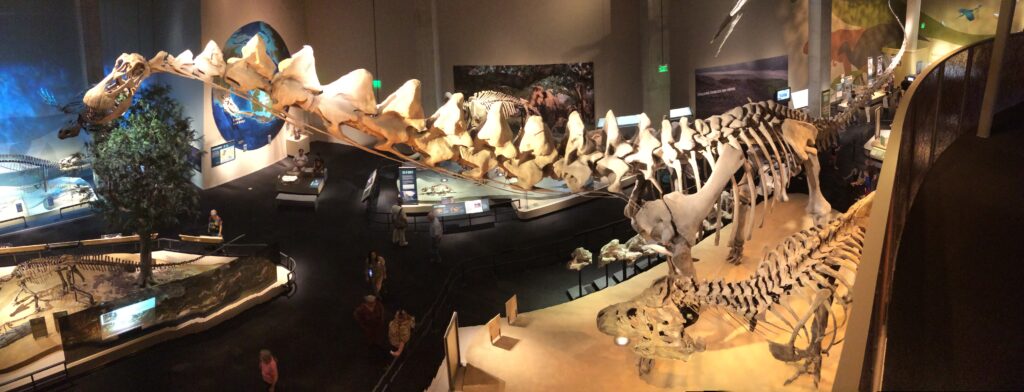
Big Bend National Park in western Texas represents one of the most important Late Cretaceous dinosaur sites in North America, preserving an ecosystem from approximately 85-66 million years ago. The park’s Aguja and Javelina Formations have yielded fossils from the final chapter of dinosaur evolution before the mass extinction event, including several species found nowhere else on Earth. Quetzalcoatlus, the largest known flying animal of all time with a wingspan approaching 40 feet, was discovered here in 1971, revolutionizing our understanding of pterosaur capabilities. The region has also produced Alamosaurus, one of the last giant sauropods in North America, which migrated northward from South America as dinosaur populations were already declining elsewhere. Big Bend’s fossil record is particularly valuable because it documents a unique ecosystem that existed at the boundary between two major ancient landmasses, capturing dinosaur evolution in a time and place underrepresented in the fossil record elsewhere. The continued exploration of this region offers crucial insights into dinosaur communities just before their extinction.
Texas’s Unique Dinosaur Species
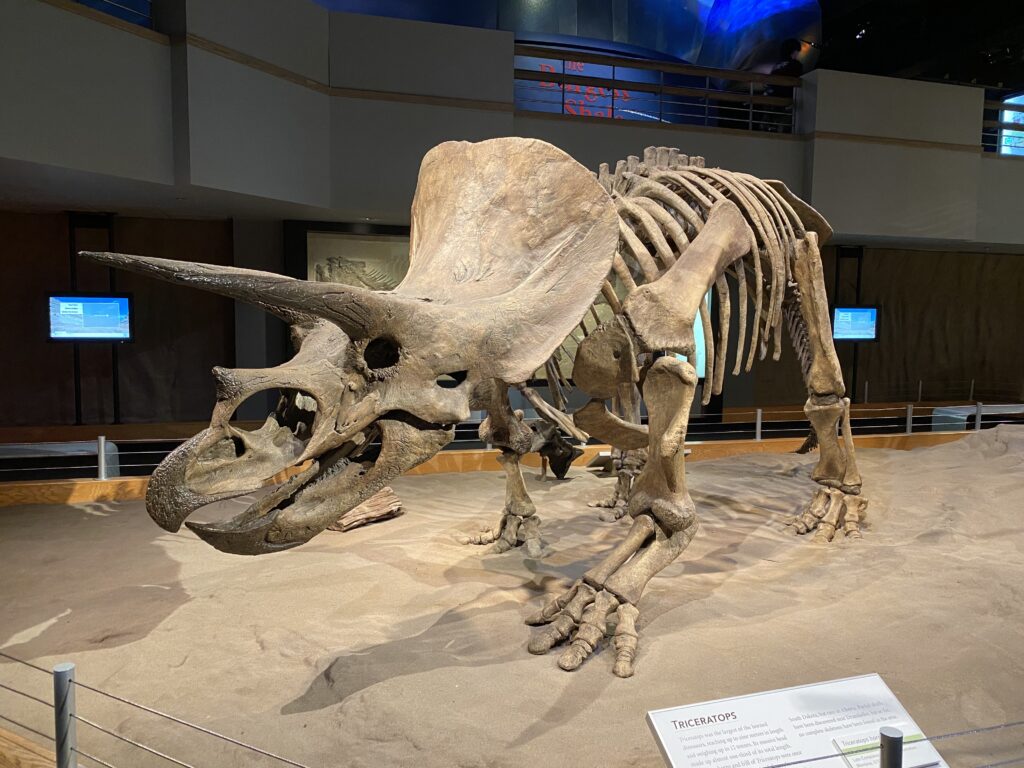
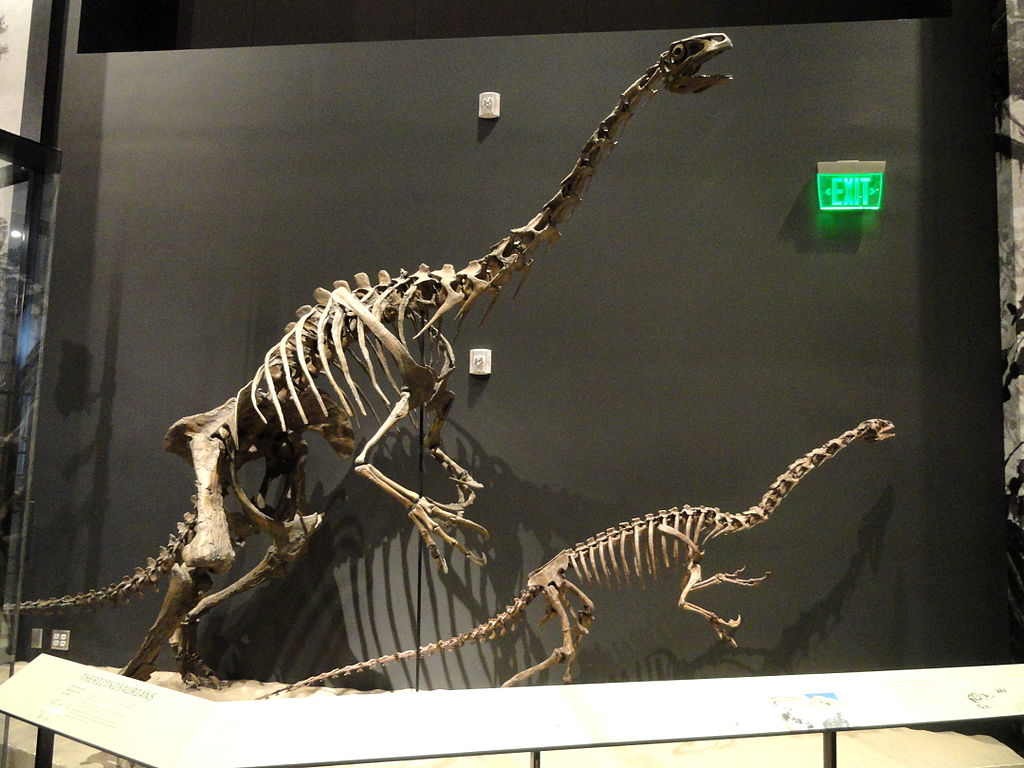
Texas has contributed several distinctive dinosaur species to the paleontological record that have expanded our understanding of dinosaur diversity. Technosaurus, discovered near Lubbock in Late Triassic deposits, represents one of North America’s earliest known ornithischian dinosaurs, helping document the early radiation of this major dinosaur group. Texasetes, an Early Cretaceous ankylosaur found near Fort Worth, shows unique armor adaptations that suggest specialized defense mechanisms against the large predators of its environment. Perhaps most distinctive is Agujaceratops, a horned dinosaur related to Triceratops but with a more elaborate frill and horn arrangement, which was discovered in the Big Bend region and helps document ceratopsian evolution. Many of these Texas dinosaurs show features that place them as “transitional forms” between better-known species, filling important gaps in dinosaur evolutionary history. The state continues to yield new species, with recent discoveries including previously unknown hadrosaurs (duck-billed dinosaurs) that are forcing reconsideration of dinosaur migration patterns between North and South America during the Late Cretaceous period.
Dinosaur Valley State Park: Preservation Success Story
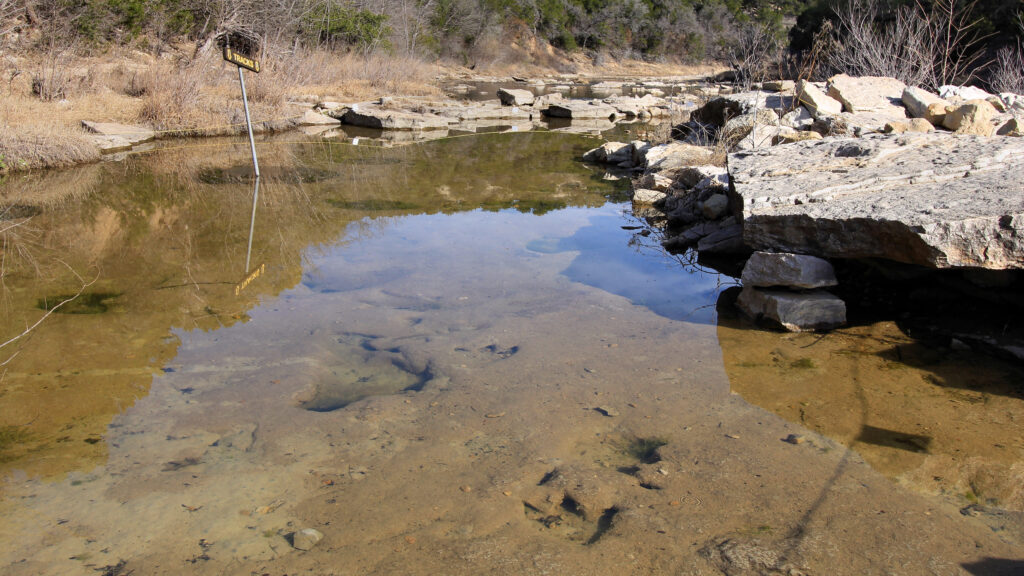
One of Texas’s most remarkable paleontological sites is Dinosaur Valley State Park near Glen Rose, which preserves hundreds of dinosaur footprints along the limestone bed of the Paluxy River. This 1,500-acre park became a protected site in 1972 and was designated a National Natural Landmark, safeguarding one of the most impressive dinosaur trackway sites in the world. The park’s preservation success story demonstrates the importance of protecting paleontological resources for both scientific research and public education. Trackways here include the famous “chase sequence,” which appears to show a large theropod (possibly Acrocanthosaurus) following a sauropod, though scientists debate whether this represents actual predatory behavior or simply animals using the same natural pathway at different times. Beyond its scientific importance, the park welcomes over 300,000 visitors annually, allowing the public to walk alongside dinosaur tracks and experience a direct connection to Texas’s prehistoric past. The site serves as both an active research location and an educational center, with ongoing discoveries still being made as river erosion occasionally reveals new trackways.
Technological Advances in Texas Paleontology

Modern technology has revolutionized how scientists study Texas’s dinosaur fossils, extracting unprecedented information from these ancient remains. Advanced CT scanning at facilities like the University of Texas High-Resolution X-ray Computed Tomography Facility has allowed researchers to examine the internal structures of dinosaur bones without damaging specimens, revealing details about growth patterns, brain cases, and vascular systems. Photogrammetry techniques have created detailed 3D models of dinosaur trackways, allowing precise analysis of footprint morphology and preservation of data as these fragile sites naturally erode. Geochemical analysis of fossil teeth and bones from Texas sites has provided insights into dinosaur diets, revealing what specific species ate and how food webs functioned in these ancient ecosystems. Perhaps most significantly, advanced dating techniques have refined the chronology of Texas formations, allowing more precise placement of dinosaur species in evolutionary time and enabling comparisons with contemporaneous faunas from other regions. These technological approaches have essentially allowed scientists to “see” Texas dinosaurs in ways impossible just a decade ago, extracting behavioral and ecological information from what were once simply interesting bones.
Amateur Discoveries and Citizen Science
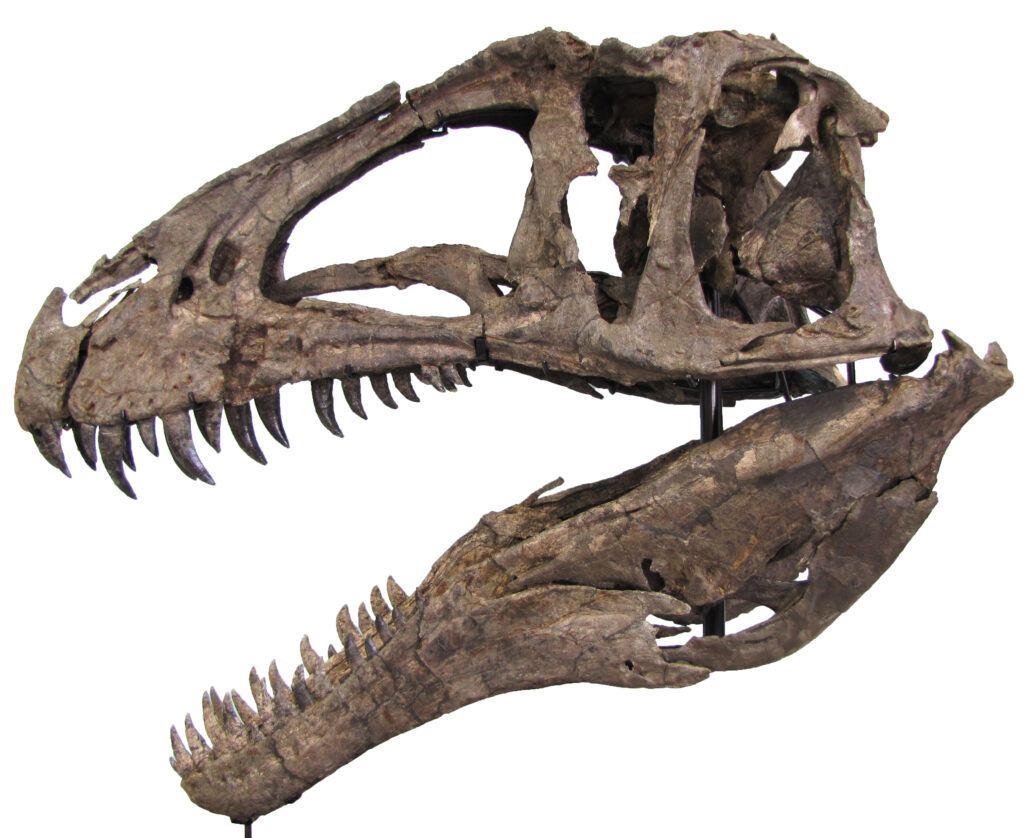
Many significant dinosaur discoveries in Texas have come not from professional paleontologists but from amateur fossil hunters, ranchers, and everyday citizens with sharp eyes. The initial discovery of dinosaur tracks along the Paluxy River in the early 20th century was made by residents who noticed strange depressions in the riverbed that they initially thought might be evidence of ancient Native American settlements. The massive skull of an Acrocanthosaurus, now a centerpiece at the Fort Worth Museum of Science and History, was discovered by amateur collectors Cephis Hall and Sid Love while exploring creek beds in McCurtain County. In recent years, formal citizen science programs have harnessed this public interest, with organizations like the Dallas Paleontological Society training volunteers who contribute thousands of hours to the excavation, preparation, and cataloging of specimens that would otherwise remain undiscovered. The Texas Through Time museum in Hillsboro exemplifies this partnership, displaying numerous significant specimens found by citizen scientists alongside those excavated by professionals. This collaborative approach has dramatically accelerated fossil discovery rates across the state and built strong public engagement with paleontological science.
Climate Insights from Texas Dinosaurs
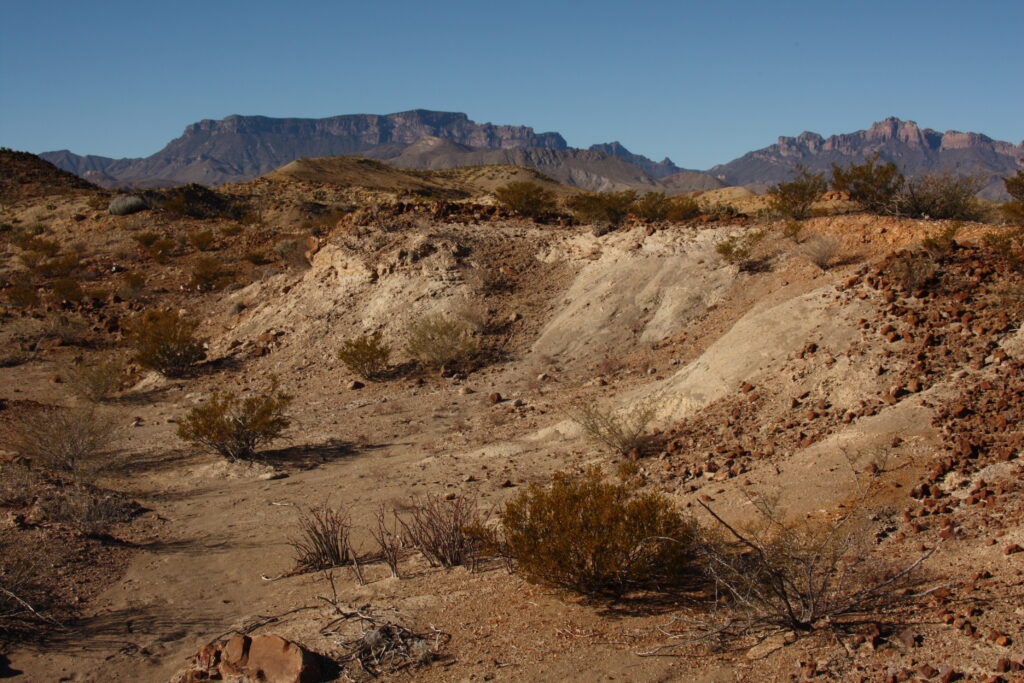
The dinosaur fossils of Texas are providing crucial insights into ancient climate patterns and how prehistoric life responded to environmental changes. Plant fossils associated with dinosaur remains in the Early Cretaceous formations indicate Texas experienced a warm, humid climate similar to today’s tropical regions, despite being at roughly the same latitude then as now. The Aguja Formation in Big Bend preserves evidence of a dramatic climate transition, with fossils showing the region shifted from a lush coastal environment to more seasonal conditions over several million years. By analyzing growth rings in fossilized wood found alongside dinosaur remains, scientists have determined that even during the “greenhouse Earth” conditions of the Cretaceous, Texas experienced distinct wet and dry seasons that influenced dinosaur behavior and distribution. Perhaps most valuably, Texas preserves multiple examples of how dinosaur communities responded to sea level changes, as the Western Interior Seaway advanced and retreated across the region multiple times, forcing adaptations in both plant and animal communities. These climate insights have become increasingly relevant as paleontologists use dinosaur data to understand how modern ecosystems might respond to current climate shifts.
Dinosaur Education and Tourism in Texas
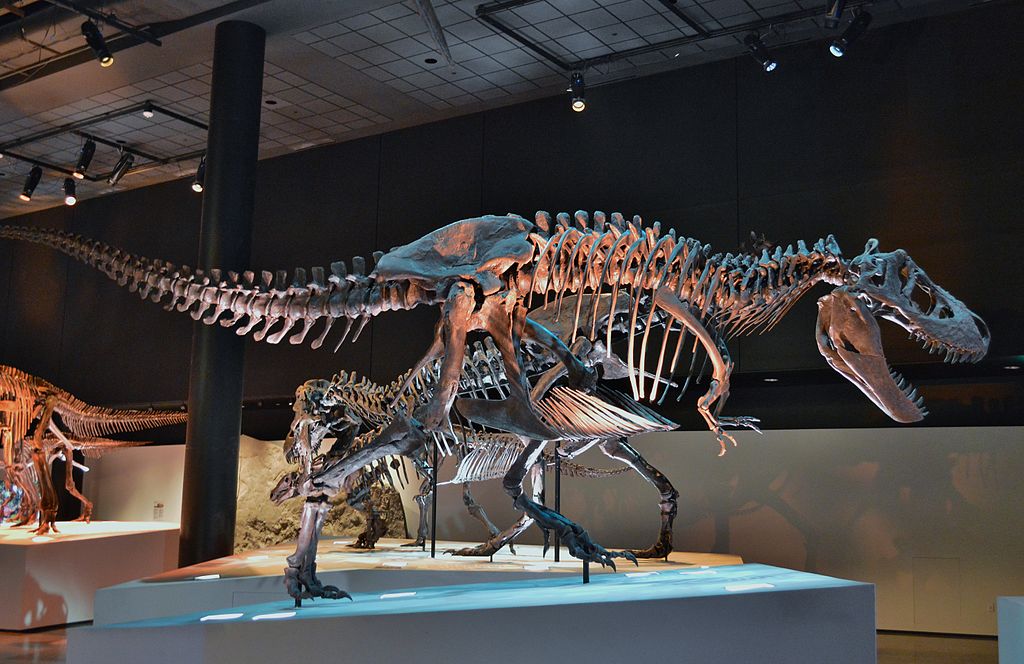
Texas has embraced its prehistoric heritage through museums and educational programs that make dinosaur science accessible to the public while driving significant tourism. The Perot Museum of Nature and Science in Dallas features an impressive dinosaur hall showcasing Texas specimens, including the massive Alamosaurus and numerous fossils from across the state that tell the story of the region’s prehistoric past. The Houston Museum of Natural Science maintains one of the most extensive collections of Texas dinosaur material, displayed in scientifically accurate reconstructions that have attracted millions of visitors. Beyond major museums, smaller institutions like the Whiteside Museum of Natural History in Seymour focus specifically on Texas’s Permian and Triassic fossils, providing detailed insights into the earliest dinosaur relatives. Educational programs have flourished as well, with field schools operated by Southern Methodist University and the University of Texas allowing students and interested amateurs to participate in actual dinosaur excavations under professional guidance. This educational infrastructure has transformed paleontology into a significant economic driver for some rural Texas communities, with towns like Glen Rose building substantial tourism industries around their prehistoric heritage.
Future Discoveries: What Remains to Be Found

Despite over a century of exploration, paleontologists estimate that only a fraction of Texas’s dinosaur fossils have been discovered, with vast potential for future finds that could reshape our understanding of prehistoric life. Large portions of western Texas remain paleontologically unexplored due to their remote nature and challenging terrain, particularly in areas where the appropriate geological formations are exposed but have received little scientific attention. Climate change and increased erosion are actively exposing new fossils in many regions, with recent discoveries including several previously unknown dinosaur species in the Big Bend area that emerged after heavy rainfall events. Technological developments like ground-penetrating radar and drone-based aerial surveys are allowing scientists to identify promising excavation sites in previously inaccessible areas, potentially leading to discoveries in formations that were thought to be thoroughly explored. Paleontologists are particularly excited about the potential of the Javelina Formation in Big Bend, which spans the very end of the Cretaceous period and may contain crucial evidence about dinosaur diversity immediately before the extinction event. As techniques improve for dating and analyzing specimens, even previously collected fossils housed in museum collections continue yielding new information about Texas’s prehistoric past.
Conclusion

The dinosaur fossils of Texas have significantly expanded our understanding of Mesozoic ecosystems, documenting a diverse array of prehistoric life that once thrived across changing landscapes. From the massive trackways that record behavior patterns to the unique species that evolved in response to shifting environments, Texas offers paleontological insights available nowhere else on Earth. As research continues and new specimens emerge from the Texas soil, our picture of these ancient creatures becomes increasingly complete. The buried dinosaurs of Texas represent not just fascinating creatures from a distant past, but scientific treasures that connect us to the dynamic history of our planet and the amazing diversity of life it has sustained through millions of years of evolution.