
The discovery of a complete dinosaur skeleton is an exceptionally rare event that captures our imagination and provides invaluable scientific insight. Yet for every dinosaur fossil displayed in museums worldwide, millions of dinosaur remains have disappeared without a trace. The process of fossilization requires a precise sequence of geological and environmental conditions—conditions that are far from guaranteed. Understanding why most dinosaur bones never become fossils helps us appreciate the remarkable nature of the specimens we do have and the fragmentary nature of the fossil record. Let’s explore the fascinating reasons why dinosaur remains so rarely survive the journey from death to discovery.
Immediate Scavenging and Predation
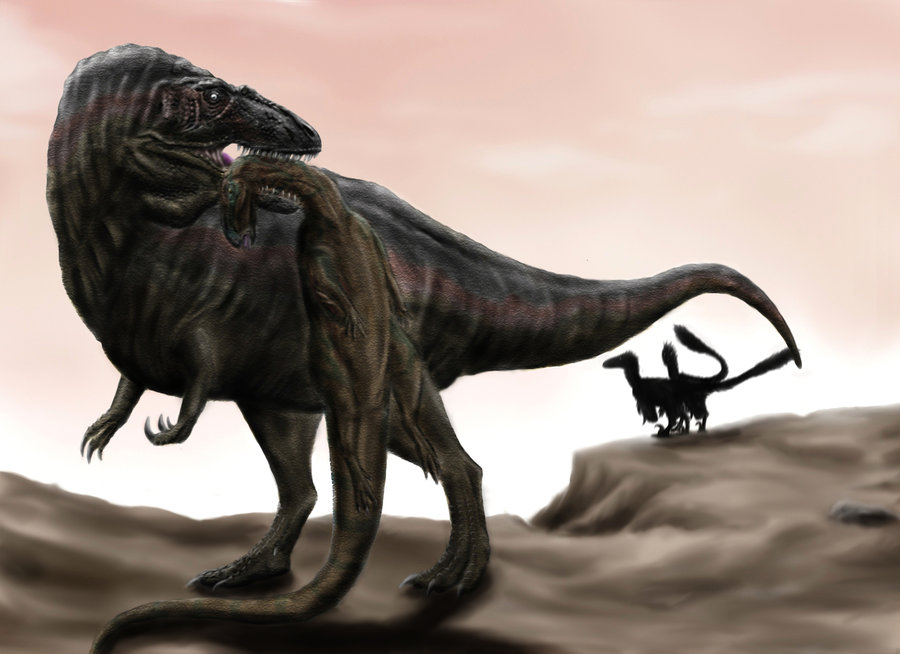
When a dinosaur died during the Mesozoic Era, its body typically became an immediate food source for the surrounding ecosystem. Large predators would consume substantial portions of the carcass, tearing apart the skeleton and scattering bones across wide areas. Smaller scavengers would strip remaining tissue, while insects and microorganisms would accelerate decomposition. This natural recycling process was highly efficient, with some studies suggesting that large dinosaur carcasses could be completely disarticulated and scattered within days or weeks. The teeth marks occasionally found on fossilized bones provide direct evidence of this scavenging behavior. For a skeleton to have any chance of fossilization, it needed to escape this initial phase of consumption and dispersal—a rare occurrence that typically required rapid burial or isolation from scavengers.
Exposure to the Elements

Dinosaur remains left exposed to the elements faced a barrage of destructive forces. Rain, wind, sun, and temperature fluctuations all contributed to the physical breakdown of bones. Weathering processes could crack, split, and fragment skeletal material, while freeze-thaw cycles expanded tiny fissures into larger breaks. Ultraviolet radiation from sunlight degraded the organic components that provided structural integrity to bones. Even without scavengers, bones exposed to these weathering processes might completely disintegrate within a decade. Paleontologists have documented modern elephant graveyards where large bones can disappear from the surface within 15-20 years due to these natural weathering processes. This rapid deterioration meant that dinosaur remains needed to be quickly buried to have any chance of long-term preservation.
Lack of Rapid Burial
The single most critical factor in fossilization is rapid burial, which protects remains from scavengers, weathering, and oxygen exposure. Without quick entombment in sediment, the likelihood of preservation drops dramatically. Most dinosaurs died in environments where rapid burial was unlikely—on open plains, in forests, or atop hills where sediment accumulation was minimal or erosion was active. The ideal conditions for preservation typically occurred in river floodplains, lake bottoms, or coastal areas where sediment could quickly cover remains during flooding events or storms. Paleontologists estimate that less than 1% of dinosaurs died in these ideal burial environments. Even among those fortunate enough to be buried quickly, many were later exposed by erosion before mineralization could occur, resulting in their ultimate destruction rather than preservation.
Bacterial Decomposition

Even when dinosaur remains escaped immediate scavenging and were partially buried, microscopic decomposers presented another significant obstacle to fossilization. Bacteria and fungi specialized in breaking down organic matter, including the collagen and other proteins that formed the structural framework of dinosaur bones. These microorganisms could completely destroy bones from the inside out, leaving no trace of the original organism. The action of these decomposers was particularly effective in warm, moist environments with abundant oxygen—precisely the conditions found in many Mesozoic ecosystems. For fossilization to occur, this microbial action needed to be inhibited, typically through burial in anaerobic (oxygen-poor) sediments or environments with mineral-rich groundwater that could replace organic materials before decomposition was complete. The rarity of these inhibiting conditions helps explain why so few dinosaur remains survived long enough to begin the mineralization process.
Chemical Dissolution
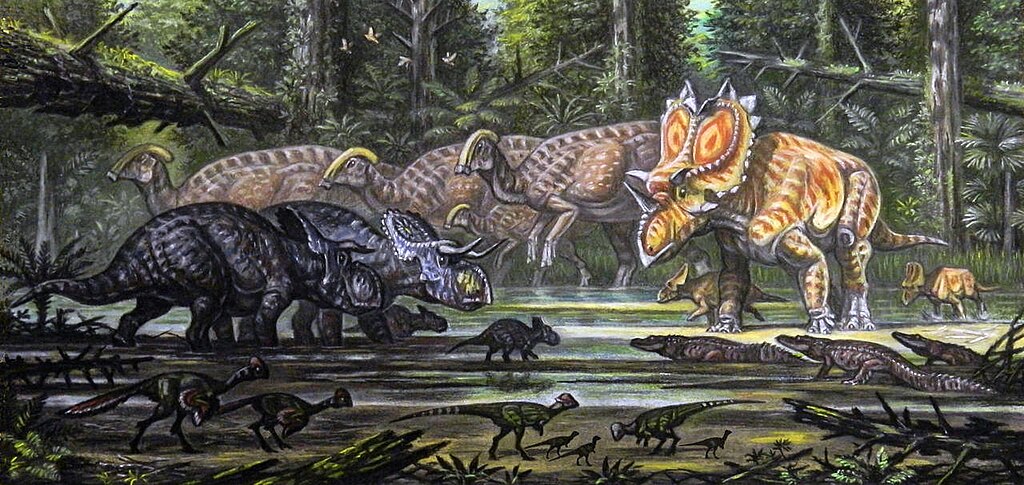
The chemical environment surrounding dinosaur remains played a crucial role in determining their preservation potential. Acidic soils and waters rapidly dissolved bone mineral, breaking down even the hardest skeletal elements. Many forest floors and swamp environments where dinosaurs lived had naturally acidic conditions due to decaying plant matter. Groundwater percolating through these sediments could gradually leach away the calcium phosphate that formed the structural basis of dinosaur bones. This chemical dissolution was particularly problematic in tropical and subtropical regions where high rainfall increased the acidity of soil water. Paleontologists have noted that fossil preservation is generally poorer in ancient environments that were acidic compared to more alkaline settings like marine environments or arid regions. For a dinosaur bone to resist chemical dissolution, it typically required burial in chemically neutral to slightly alkaline conditions—another selective filter that eliminated countless potential fossils.
Geological Upheaval and Metamorphism

Even when dinosaur remains successfully began the fossilization process, geological forces could still destroy them before they reached modern times. Tectonic activity has dramatically reshaped the Earth’s surface since the Mesozoic Era, subjecting many rock formations to intense pressure and heat. When sedimentary rocks containing fossils were caught in these geological processes, they underwent metamorphism—a transformation that recrystallized the rock and destroyed any fossils contained within. Mountain-building events like the formation of the Rockies, Alps, and Himalayas subjected vast areas of formerly fossil-bearing rocks to these destructive forces. Additionally, volcanic activity could completely obliterate fossil-bearing sediments through direct burial in lava or ash, or through the heating of surrounding rocks. Paleontologists estimate that millions of potential dinosaur fossils have been lost to these geological processes, particularly in tectonically active regions of the world.
Erosion and Weathering of Fossilized Remains
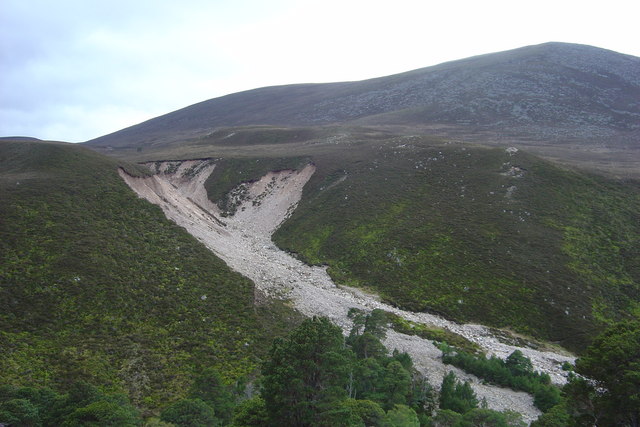
The journey from burial to potential discovery spans millions of years, during which even successfully fossilized dinosaur remains faced the ongoing threat of erosion. As geological processes uplifted ancient sedimentary layers, wind, water, and ice worked relentlessly to wear away these rocks and any fossils they contained. Rivers cut through fossil-bearing formations, gradually dismantling what might have been complete skeletons. Glaciers during the ice ages ground away massive volumes of rock, destroying countless fossils in their path. This erosion paradoxically creates both opportunity and loss—while it exposes some fossils for discovery, it simultaneously destroys many others before they can be found. Paleontologists recognize that for every fossil discovered eroding out of a hillside, many others have already been completely destroyed by the same erosional forces. The window for discovery is often remarkably brief—perhaps just a few years between a fossil’s exposure by erosion and its complete destruction by the elements.
Rarity of Ideal Preservational Environments
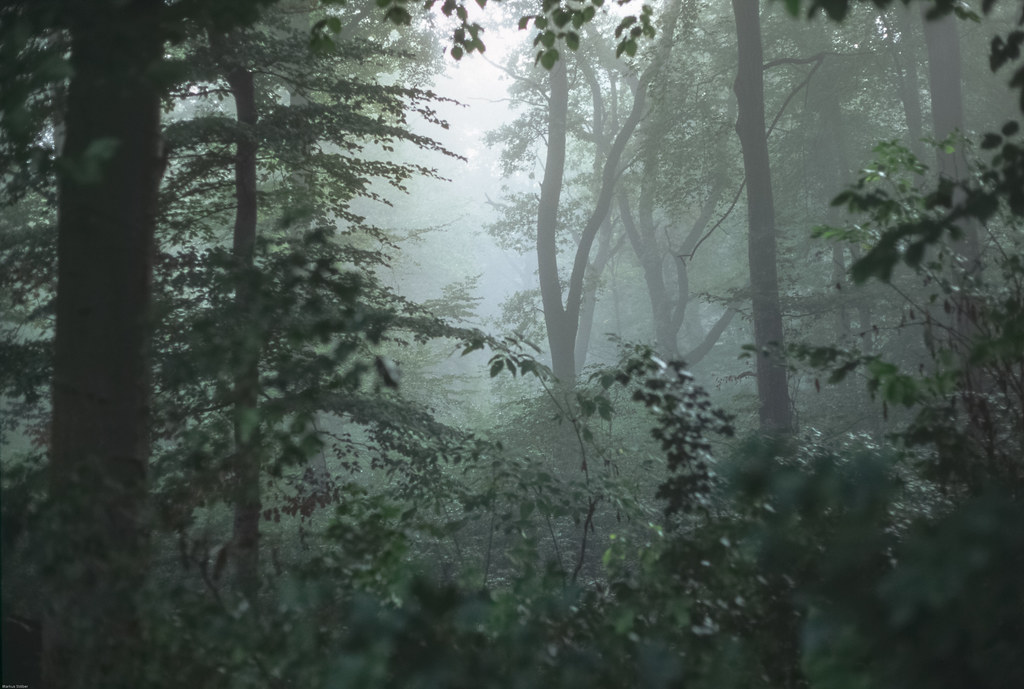
The environments most conducive to fossil preservation were relatively uncommon during the Mesozoic Era. The perfect conditions for fossilization typically included low-oxygen settings with fine-grained sediments and mineral-rich waters—environments like certain lake bottoms, river deltas, and marine basins. However, most dinosaurs lived and died in terrestrial settings where these conditions were rare. Upland environments, forests, and grasslands—habitats where many dinosaur species thrived—rarely provided the conditions necessary for long-term preservation. Even among dinosaurs that died in potentially favorable environments like floodplains, the precise sequence of events required for fossilization remained unlikely. The sediment had to be fine enough to prevent water circulation but substantial enough to prevent later disturbance. These Goldilocks conditions for preservation were the exception rather than the rule, creating a strong preservation bias in the fossil record toward certain environments and against others.
Biological Factors Affecting Preservation
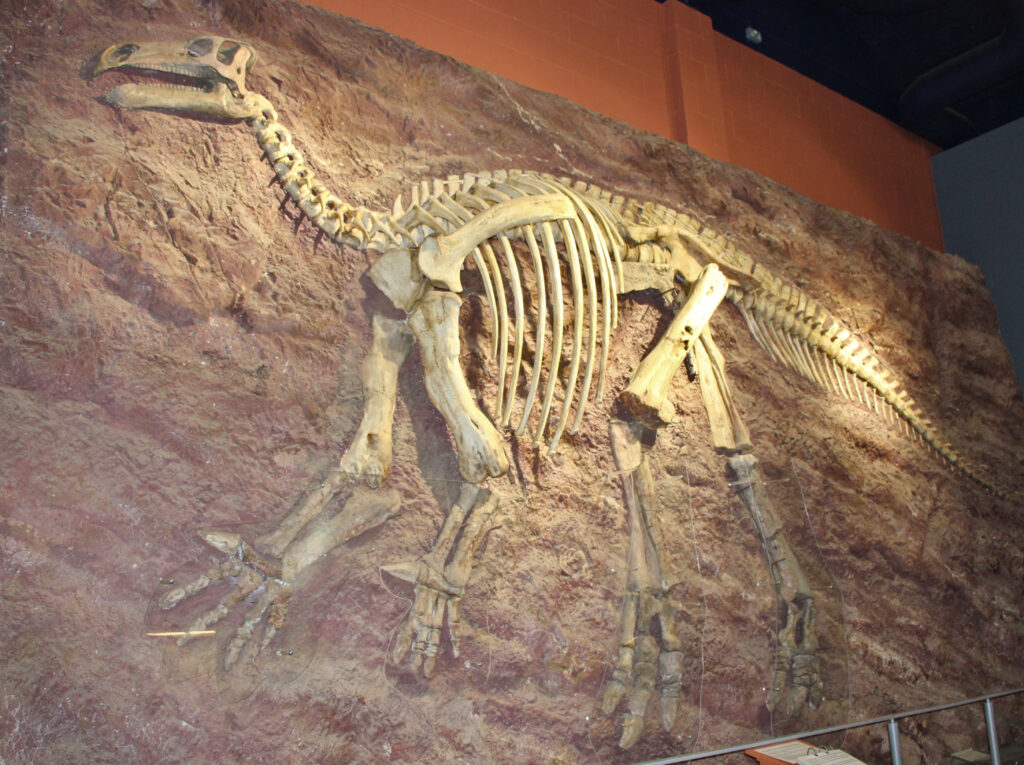
The biological characteristics of different dinosaur species significantly affected their fossilization potential. Larger, more robust bones generally had better preservation potential than smaller, more delicate skeletal elements. This created a strong bias in the fossil record toward larger dinosaur species and against smaller ones. Similarly, the density and structure of bones varied between species, with some having naturally more porous or fragile skeletons that degraded more quickly after death. Juvenile dinosaurs, with their incompletely ossified skeletons, were particularly unlikely to fossilize compared to adults of the same species. Even within a single skeleton, certain elements like skulls and teeth were more durable and likely to preserve than others such as ribs and tail vertebrae. These biological factors help explain why certain dinosaur species are significantly overrepresented in the fossil record while others—potentially just as abundant in life—remain exceedingly rare or unknown in museum collections.
Limited Accessible Outcrop
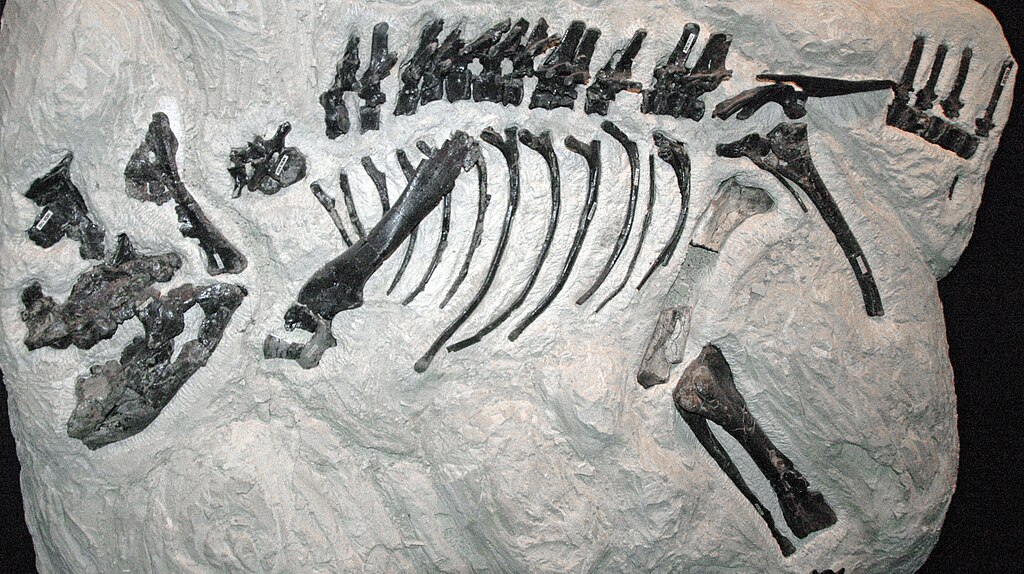
Even when dinosaur remains successfully fossilized and survived to the present day, they remain hidden unless exposed at the Earth’s surface. Paleontologists can only study fossils that outcrop in accessible locations—areas where erosion has exposed fossil-bearing rocks and where scientists can physically reach them. The vast majority of potential dinosaur fossils remain deeply buried under younger rock layers, beneath modern cities, or under thick vegetation, making them effectively undiscoverable with current technology. Even in regions known for dinosaur fossils, like the American West or the Gobi Desert, the exposed outcrop represents only a tiny fraction of the total rock volume from the Mesozoic Era. Geologists estimate that less than 1% of all potential fossil-bearing rocks from the age of dinosaurs are currently exposed at the Earth’s surface. This limited accessibility creates another significant filter that prevents most dinosaur fossils from ever being discovered, even if they successfully formed and survived to the present.
Human Factors in Fossil Recovery
The final barrier between fossilized dinosaur remains and scientific knowledge involves human factors in fossil discovery and recovery. Many regions rich in dinosaur fossils remain unexplored due to political instability, restricted access, or challenging terrain. Economic considerations also limit paleontological exploration, as fossil hunting expeditions require substantial funding and resources. Cultural and historical factors have concentrated paleontological research in certain regions—particularly North America, Europe, and parts of Asia—while leaving vast areas in Africa, South America, and elsewhere relatively undersurveyed. Additionally, many fossils that do erode to the surface go unrecognized by untrained observers or are damaged during collection by inexperienced fossil hunters. These human factors further reduce the already tiny percentage of dinosaur remains that complete the journey from death to scientific study. Paleontologists acknowledge that our current understanding of dinosaur diversity and evolution is based on an extraordinarily small and biased sample of what once existed.
The Exceptional Nature of the Fossil Record
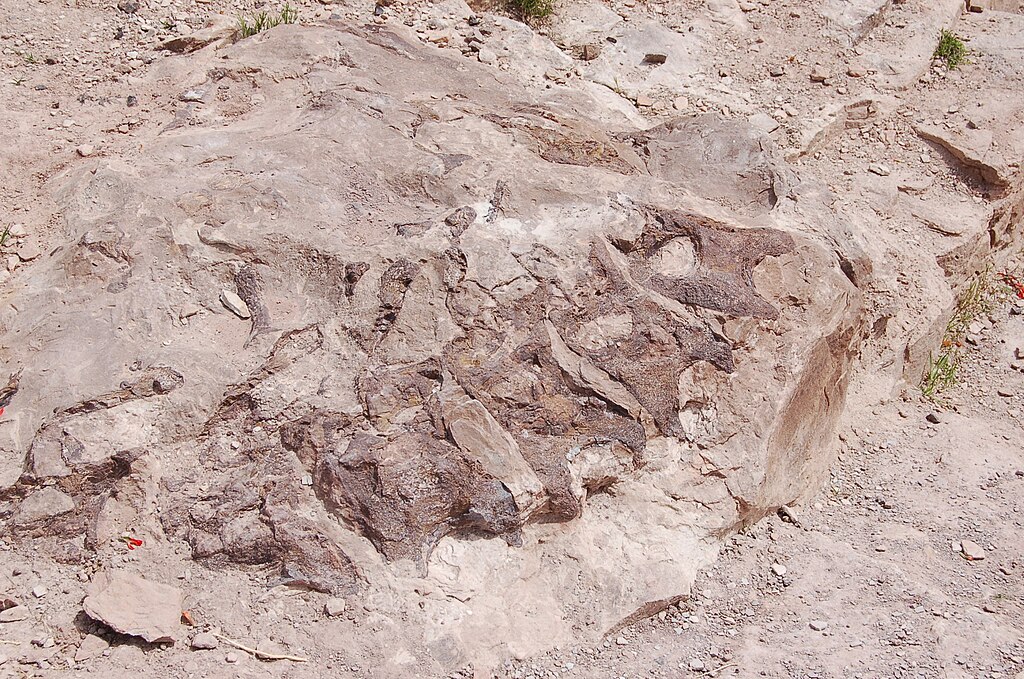
When we consider all these factors collectively, it becomes clear that the fossil record represents an extraordinarily selective window into the past. Each dinosaur fossil discovered and studied by paleontologists has beaten overwhelming odds—surviving a gauntlet of destructive forces over millions of years. For every complete dinosaur skeleton displayed in a museum, paleontologists estimate that tens of millions of individuals left no trace in the fossil record. This exceptional nature of fossilization helps explain why new dinosaur species continue to be discovered regularly despite over 150 years of intensive study. The fossil record’s incompleteness isn’t a failure but rather an inherent characteristic of the preservation process. By understanding the rarity of fossilization, we gain a deeper appreciation for the remarkable specimens that have survived and the ingenuity of scientists who reconstruct ancient ecosystems from these fragmentary clues.
The extraordinary journey from living dinosaur to museum specimen involves a remarkable sequence of unlikely events. The fossil record, despite its limitations, provides our only direct window into the age of dinosaurs—a testament to the rare occasions when conditions aligned perfectly to preserve these ancient creatures. Each dinosaur fossil represents not just an individual animal but a lottery winner in the game of geological chance. As paleontological methods continue to advance and previously unexplored regions yield new discoveries, we can expect our understanding of dinosaur diversity to expand. However, we must always remember that we’re working with a highly filtered sample of what once existed. The dinosaurs we know represent just the tip of a largely invisible iceberg—a small fraction of the magnificent diversity that once ruled our planet for over 160 million years.