
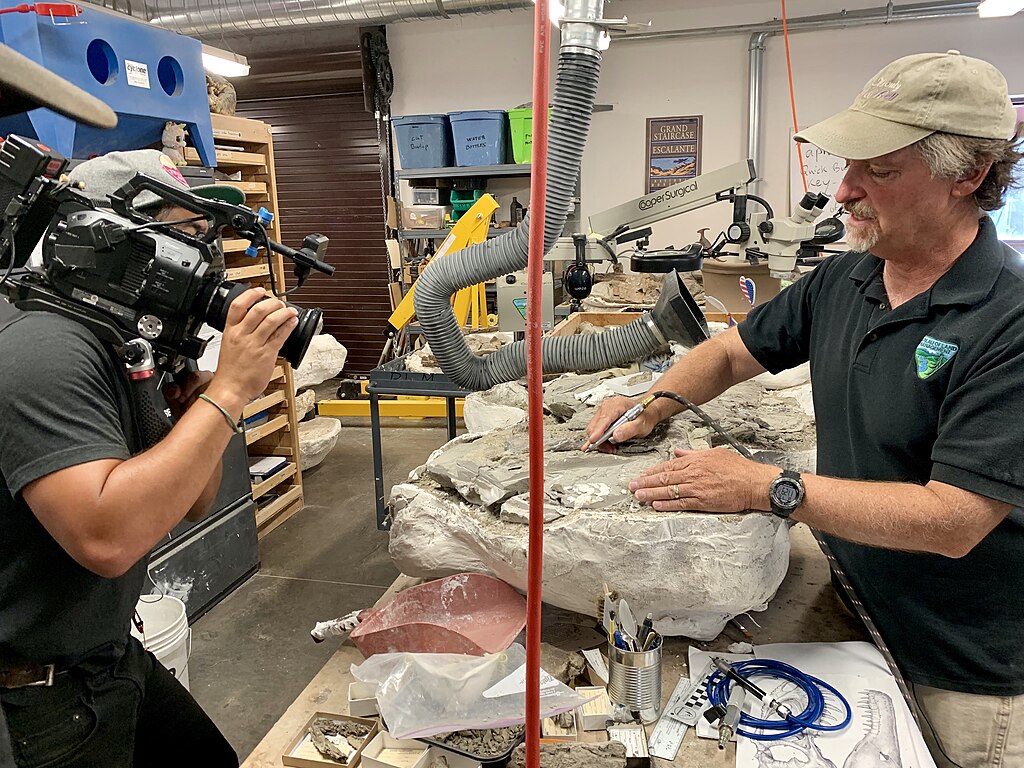
Picture this: you’re watching a movie and suddenly a ruggedly handsome scientist appears on screen, dusting off ancient bones with a tiny brush while delivering witty one-liners. That person is probably a paleontologist, and chances are they’re nothing like the real fossil hunters you’d meet in a museum or university lab. Hollywood has been fascinated with these prehistoric detectives for decades, transforming them from quiet researchers into action heroes, romantic leads, and everything in between.
The Birth of the Hollywood Paleontologist
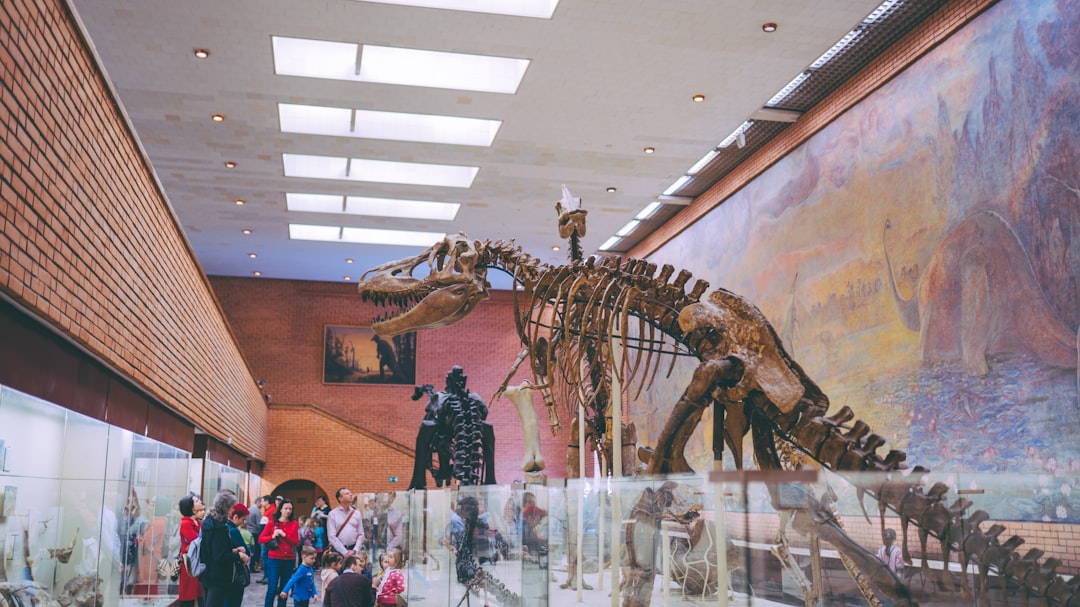
The fictional paleontologist didn’t just appear overnight in cinema and television. Early portrayals were heavily influenced by real-life fossil hunters like Roy Chapman Andrews, whose expeditions to Mongolia in the 1920s captured public imagination. These adventurous scientists became the template for Hollywood’s version of bone diggers. Movie studios loved the idea of combining science with adventure, creating characters who could swing from cliffs one moment and explain dinosaur anatomy the next. The appeal was obvious – paleontologists had legitimate reasons to travel to exotic locations and uncover mysterious secrets buried for millions of years. This combination of education and excitement proved irresistible to filmmakers looking for fresh storytelling angles.
Ross Geller: The Romantic Fossil Hunter
When “Friends” premiered in 1994, Ross Geller became perhaps the most famous fictional paleontologist in television history. David Schwimmer’s character broke the mold by showing that fossil experts could be sensitive, romantic, and hilariously neurotic. Ross worked at the Museum of Natural History in New York, dealt with relationship drama, and somehow made dinosaur facts seem charming rather than boring. His character proved that paleontologists didn’t need to be rugged adventurers to be interesting – they could be the guy next door who happened to know everything about prehistoric life. The show’s writers used Ross’s profession as a constant source of humor, from his excitement over newly discovered species to his passionate lectures that put everyone to sleep.
Alan Grant: The Dinosaur Whisperer
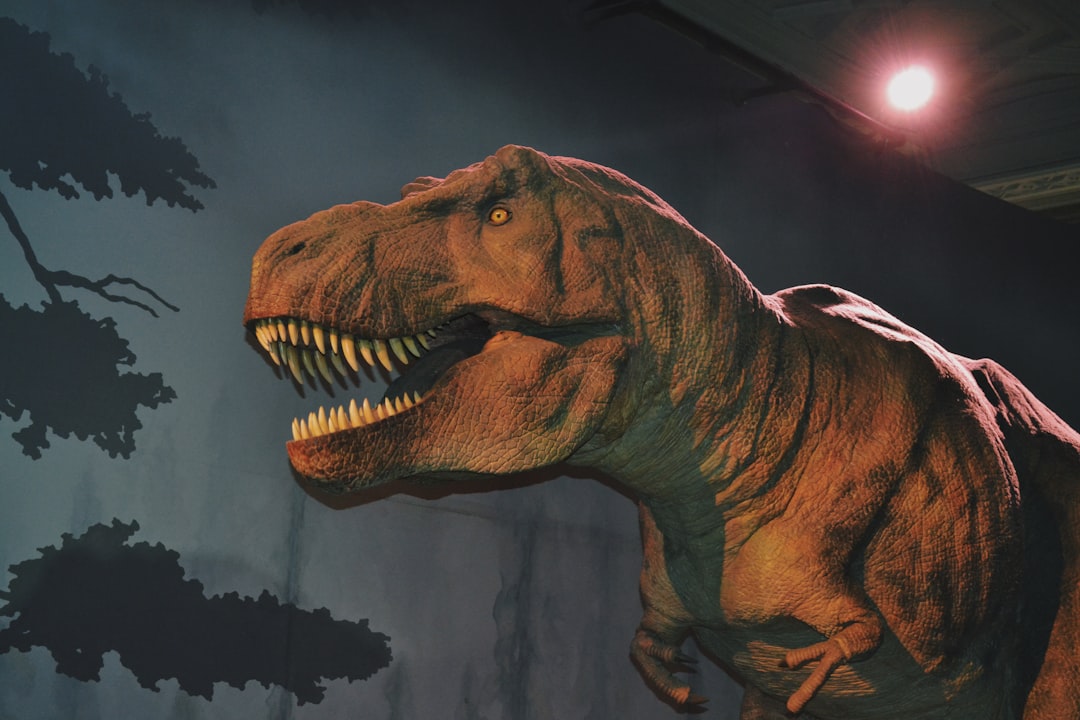
Dr. Alan Grant from “Jurassic Park” represents the ultimate paleontologist fantasy – a scientist who gets to see his subjects come to life. Sam Neill’s portrayal created the archetype of the practical, no-nonsense fossil expert who’s more comfortable with ancient bones than modern technology. Grant’s character development throughout the film series shows how fictional paleontologists can grow from purely scientific roles into reluctant heroes. His deep knowledge of dinosaur behavior becomes crucial for survival, making paleontology seem like the most practical science in the world. The character’s evolution from skeptical scientist to dinosaur expert highlights how Hollywood uses paleontologists as bridges between the ancient past and present-day adventures.
The Action Hero Transformation
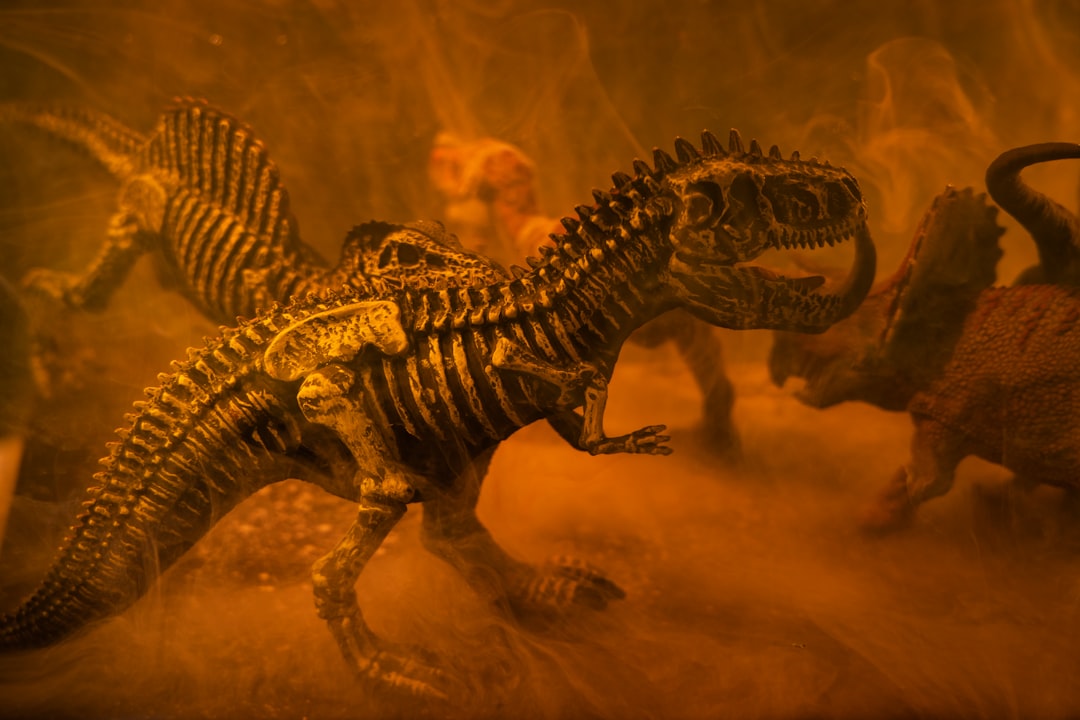
Hollywood discovered that paleontologists make excellent action heroes because their work naturally involves dangerous locations and mysterious discoveries. Films like “The Bone Collector” and various adventure movies transformed quiet researchers into gun-toting, motorcycle-riding thrill-seekers. These characters often possess an unusual combination of academic knowledge and physical prowess that would make Indiana Jones jealous. The transformation usually involves some sort of conspiracy or threat that requires both scientific expertise and action-hero skills to resolve. This evolution reflects Hollywood’s need to make every profession seem more exciting than it actually is, even one that involves carefully cataloguing ancient remains.
Female Fossil Fighters Breaking Stereotypes
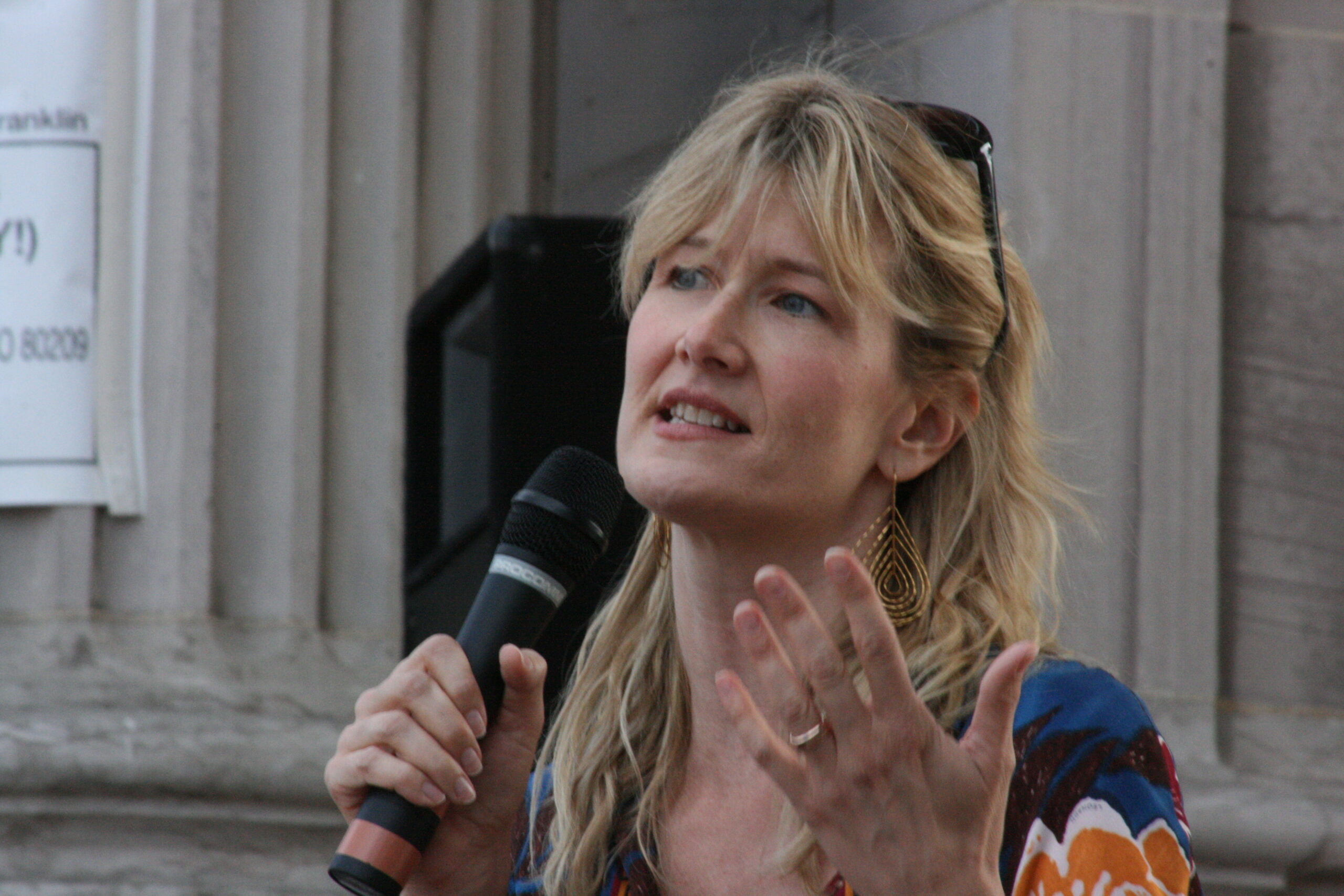
Female paleontologists in fiction have fought an uphill battle against stereotypes, but they’ve emerged as some of the most compelling characters in the genre. Dr. Ellie Sattler from “Jurassic Park” showed that women in paleontology could be just as adventurous and knowledgeable as their male counterparts. Characters like Dr. Sarah Harding in “The Lost World” took this further by combining maternal instincts with scientific expertise and survival skills. These portrayals help break down the old boys’ club image that paleontology sometimes carries in popular culture. Modern fictional female paleontologists are often portrayed as leaders who use their knowledge to save the day, rather than just supporting male characters.
Comedy Gold in the Fossil Field
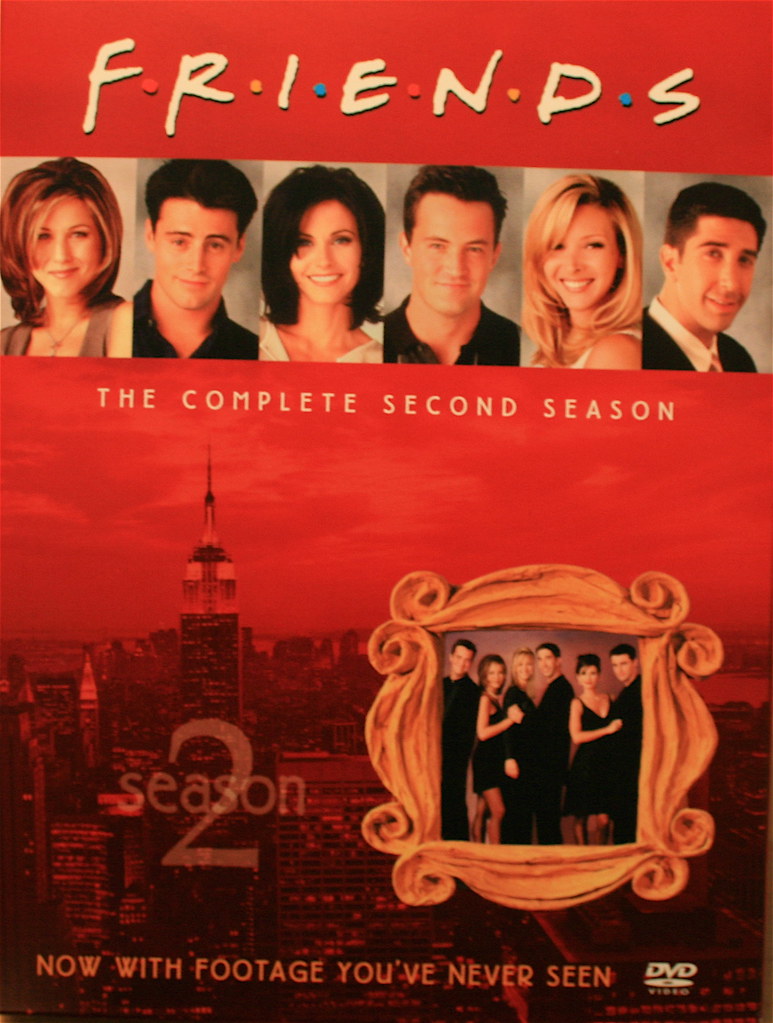
The humor potential in paleontology has been mined extensively by comedy writers who find endless entertainment in the contrast between ancient mysteries and modern problems. Characters like Ross Geller prove that paleontologists can be funny without being the butt of jokes about being boring or outdated. Comedy often comes from the passion these characters have for their work, which seems disproportionate to everyone else around them. The technical language of paleontology provides rich material for miscommunication and misunderstandings that drive comedic plots. Shows and movies use paleontologists’ dedication to their work as a source of both admiration and gentle mockery.
The Romance of Ancient Discoveries
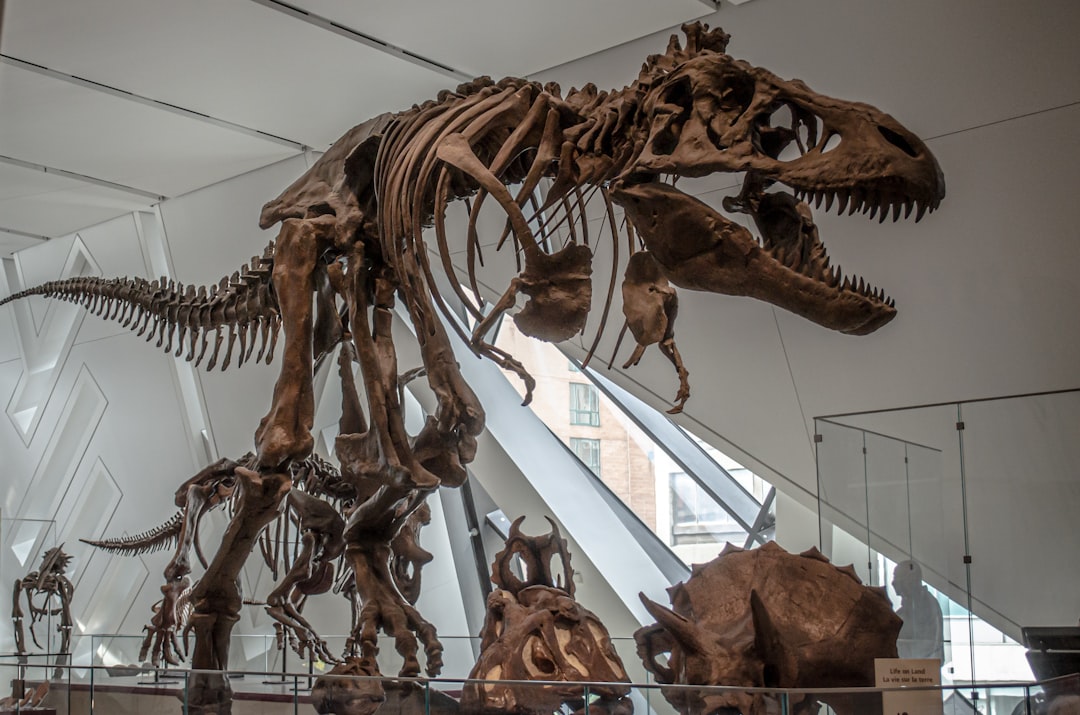
Something about digging up the past seems inherently romantic to Hollywood screenwriters, who regularly use paleontological settings for love stories. The idea of two scientists working together to uncover ancient secrets creates natural chemistry and shared passion. Movies often use fossil discoveries as metaphors for relationships – finding something beautiful that’s been buried for ages and bringing it back to life. The romantic paleontologist archetype suggests that people who love the past are especially good at building futures together. This romantic angle has made paleontology seem like one of the most relationship-friendly scientific fields in popular culture.
Villains with PhD Degrees
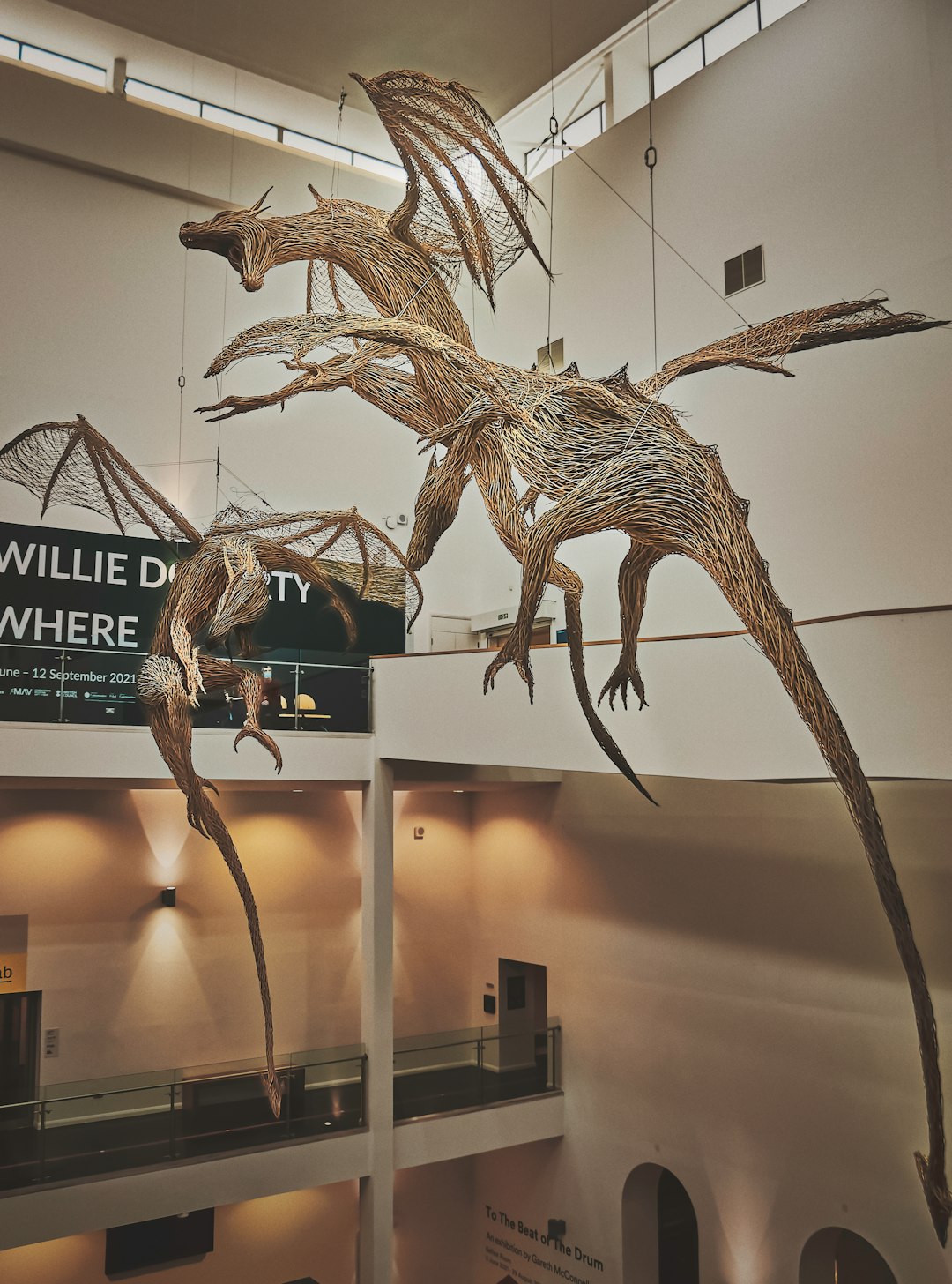
Not all fictional paleontologists are heroes – some have been crafted as sophisticated villains who use their knowledge for evil purposes. These antagonists often have legitimate scientific credentials but twisted motivations, like wanting to prove controversial theories or gain fame at any cost. The villainous paleontologist typically has access to resources and expertise that make them formidable opponents for the heroes. Their scientific background provides them with unique methods of causing trouble, from unleashing ancient creatures to hiding evidence of important discoveries. These characters show that knowledge without ethics can be dangerous, even in seemingly harmless fields like paleontology.
Time Travel and Temporal Adventures

Science fiction has embraced paleontologists as natural time travelers, since they already spend their careers studying the distant past. Characters like Dr. Grant from various time-travel movies use their knowledge of ancient ecosystems to navigate prehistoric worlds. These stories often put paleontologists in situations where their academic knowledge becomes practical survival skills. The time-travel paleontologist represents the ultimate wish fulfillment – actually experiencing the periods they’ve only studied through fossils. This subgenre allows writers to explore what would happen if modern scientists could interact directly with their research subjects.
Mystery Solvers and Detective Work
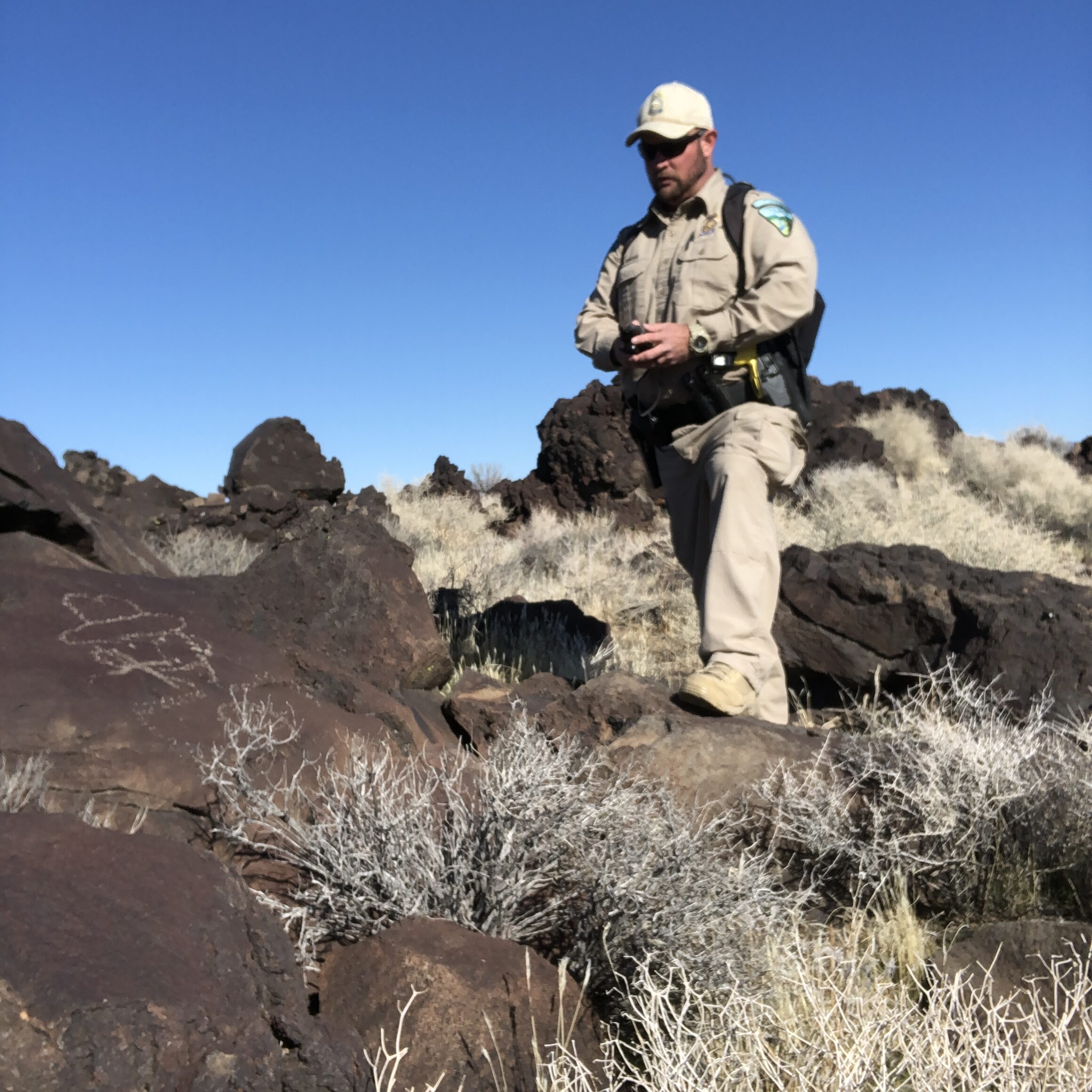
The skills required for paleontology – careful observation, logical deduction, and piecing together evidence from fragments – make fictional paleontologists natural detectives. Many stories cast them as modern-day Sherlock Holmes figures who solve mysteries by applying their scientific training to contemporary problems. These characters often find themselves investigating crimes that somehow connect to their paleontological expertise. The detective paleontologist archetype suggests that people who can solve million-year-old mysteries should be able to handle modern crimes. This crossover appeal has made paleontologists popular choices for mystery writers looking for unique protagonists.
The Mentor Figure in Adventure Stories
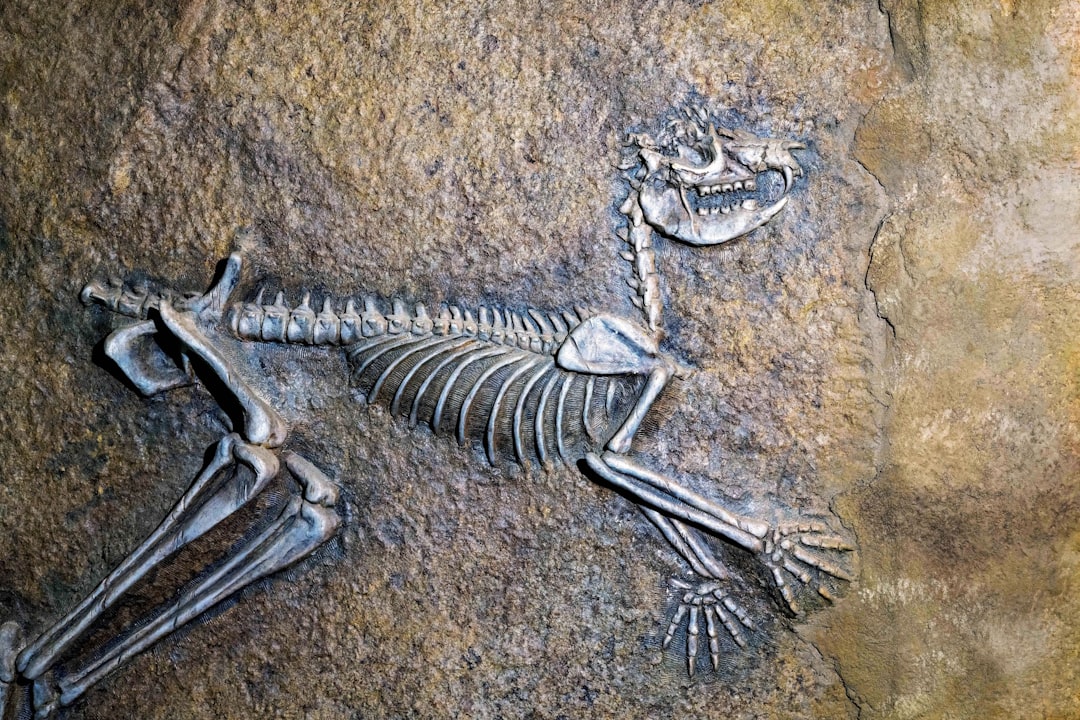
Older paleontologists in fiction often serve as wise mentors who guide younger characters through dangerous situations using their lifetime of experience. These characters typically have decades of fieldwork behind them and can read landscapes like books. The mentor paleontologist knows not just about fossils, but about survival, human nature, and the importance of respecting the past. They often serve as the voice of reason when other characters want to rush into dangerous situations. This archetype reflects the real-world respect that experienced paleontologists command in their field.
Children’s Heroes and Educational Icons

Fictional paleontologists have become powerful educational tools in children’s entertainment, making science accessible and exciting for young audiences. Characters in kids’ shows and movies often combine the wonder of dinosaur discovery with important lessons about curiosity, persistence, and scientific thinking. These portrayals tend to emphasize the collaborative nature of paleontology and the importance of sharing knowledge with others. Children’s paleontologist characters usually have boundless enthusiasm that’s infectious, making science seem like the most exciting career possible. The educational impact of these characters cannot be overstated – they’ve inspired countless children to develop interests in science and natural history.
The Obsessed Researcher Archetype

Some fictional paleontologists are portrayed as brilliant but obsessed individuals who lose sight of everything else in pursuit of their scientific goals. These characters often sacrifice personal relationships and normal life for their research, creating internal conflict and dramatic tension. The obsessed paleontologist archetype explores the thin line between dedication and unhealthy fixation. These portrayals suggest that the passion required for paleontological work can become all-consuming if not balanced with other life priorities. Stories featuring obsessed researchers often serve as cautionary tales about the dangers of losing perspective in pursuit of knowledge.
Modern Digital Age Paleontologists

Recent fictional portrayals have updated the paleontologist archetype for the digital age, showing characters who use advanced technology alongside traditional fieldwork methods. These modern paleontologists often combine social media savvy with scientific expertise, reaching broader audiences with their discoveries. Contemporary stories frequently show how paleontologists must navigate funding challenges, public skepticism, and the pressure to make their work relevant to modern audiences. The digital age paleontologist character reflects real-world changes in how science is communicated and funded. These updated portrayals acknowledge that modern paleontologists are as comfortable with computers and cameras as they are with shovels and brushes.
The Legacy of Fictional Fossil Hunters
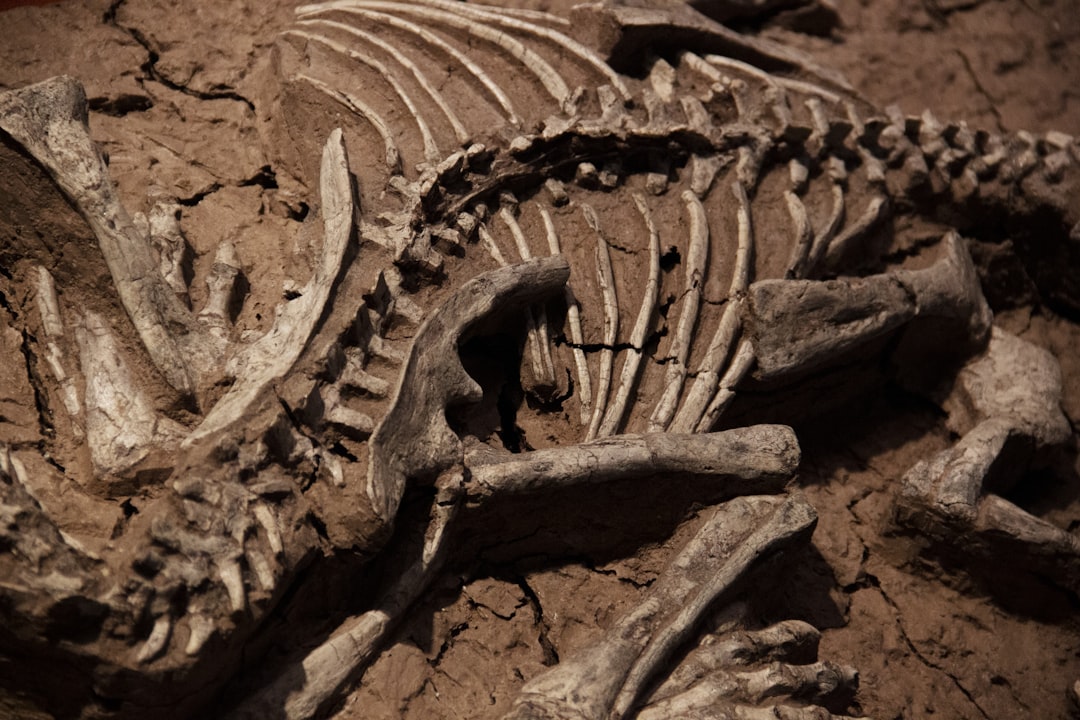
The impact of fictional paleontologists extends far beyond entertainment, influencing how the public perceives and values paleontological work. These characters have made paleontology seem accessible and exciting to people who might otherwise never think about ancient life. The various archetypes – from romantic leads to action heroes – have shown that paleontologists can be complex, interesting characters worthy of starring roles. Many real paleontologists report that fictional portrayals, despite their inaccuracies, have helped generate public interest and support for their field. The enduring popularity of these characters suggests that people are genuinely fascinated by the idea of uncovering the mysteries of the past and bringing ancient worlds back to life through science.
Conclusion
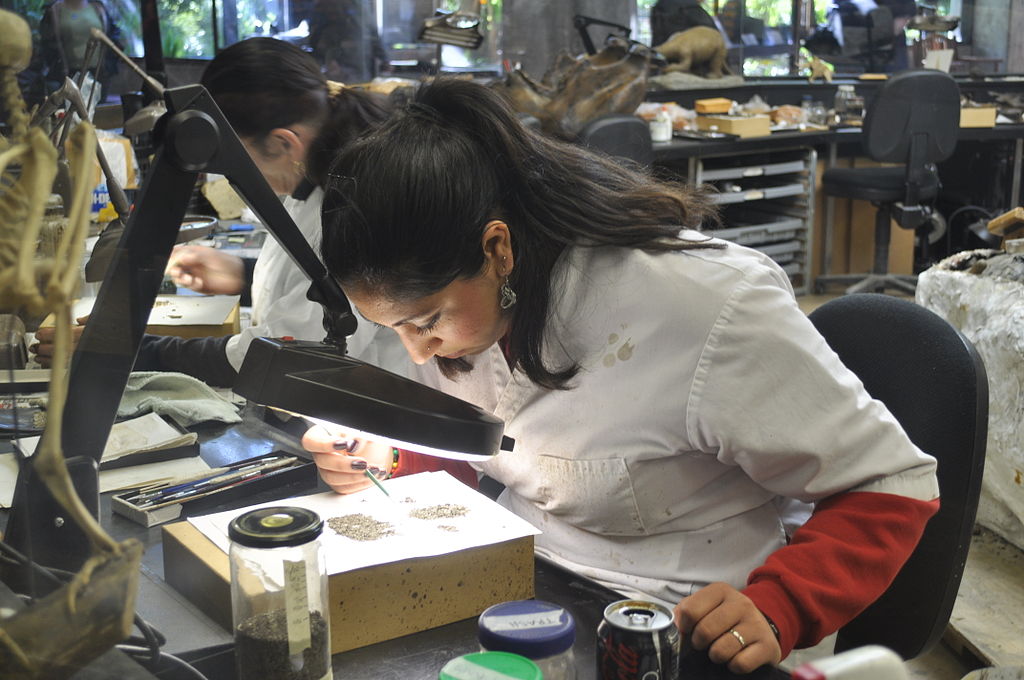
From laboratory benches to movie screens, fictional paleontologists have evolved into some of our most beloved scientific characters. They’ve proven that the study of ancient life can be thrilling, romantic, funny, and mysterious all at once. These portrayals may not always be scientifically accurate, but they’ve succeeded in making paleontology seem like one of the most exciting careers imaginable. Whether they’re dodging dinosaurs, solving mysteries, or finding love among the fossils, these characters continue to inspire new generations to look at the past with wonder and curiosity. What’s your favorite fictional fossil hunter, and what drew you to their story?