

Picture a creature that looks like someone crossed a giant turkey with Edward Scissorhands, then decided to give it the personality of a gentle giant. That’s essentially what paleontologists discovered when they unearthed the remains of Beipiaosaurus in northeastern China back in 1999. This remarkable dinosaur turned everything we thought we knew about prehistoric predators completely upside down. While most people imagine dinosaurs as scaly, reptilian monsters, Beipiaosaurus strutted around 125 million years ago covered in a coat of fluffy feathers that would make any modern bird jealous. But here’s where things get really wild – despite looking like an oversized feathered teddy bear, this creature sported claws that could easily rival any horror movie villain’s weapon of choice.
The Discovery That Shook Paleontology
When Chinese paleontologist Xu Xing first laid eyes on the Beipiaosaurus fossils in the Yixian Formation, he probably couldn’t believe what he was seeing. The specimen was so well-preserved that even the delicate feather impressions were clearly visible in the rock, creating what scientists call a “fossil rainbow” of prehistoric life. This wasn’t just another dinosaur discovery – it was a game-changer that would rewrite textbooks around the world. The fossil came from the famous Liaoning Province, a region that’s become known as the “Pompeii of paleontology” because of how perfectly volcanic ash preserved countless creatures from the Early Cretaceous period. What made this find even more extraordinary was that Beipiaosaurus became the largest feathered dinosaur known at that time, proving that feathers weren’t just for small, bird-like creatures.
Size Matters: A Giant Among Feathered Friends
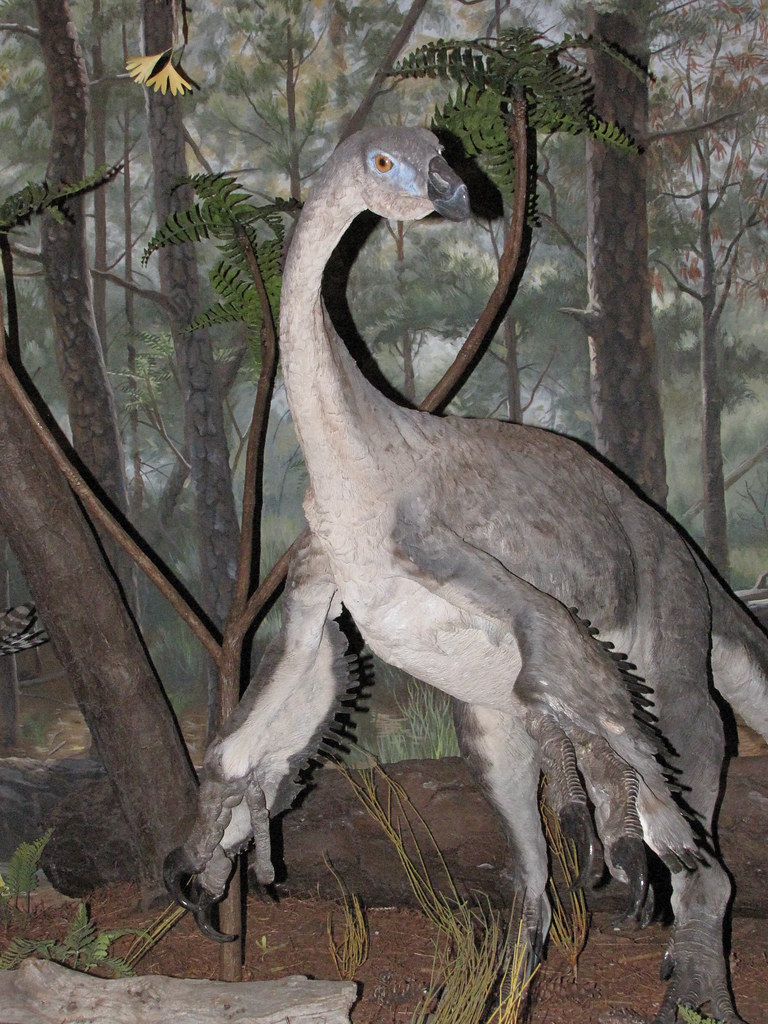
Standing about 7 feet tall and stretching nearly 8 feet from nose to tail, Beipiaosaurus was roughly the size of a large horse – imagine trying to saddle that for a ride! This massive creature weighed somewhere between 175 to 200 pounds, making it a true heavyweight in the feathered dinosaur division. To put this in perspective, most feathered dinosaurs discovered before Beipiaosaurus were about the size of chickens or turkeys, so finding one this large was like discovering that your pet canary had a cousin the size of an ostrich. The sheer bulk of this animal challenged everything scientists thought they knew about the relationship between body size and feather development. Its discovery proved that feathers evolved for purposes far beyond just flight, since there’s no way this hefty beast was getting off the ground anytime soon.
Feathers Like You’ve Never Seen Before
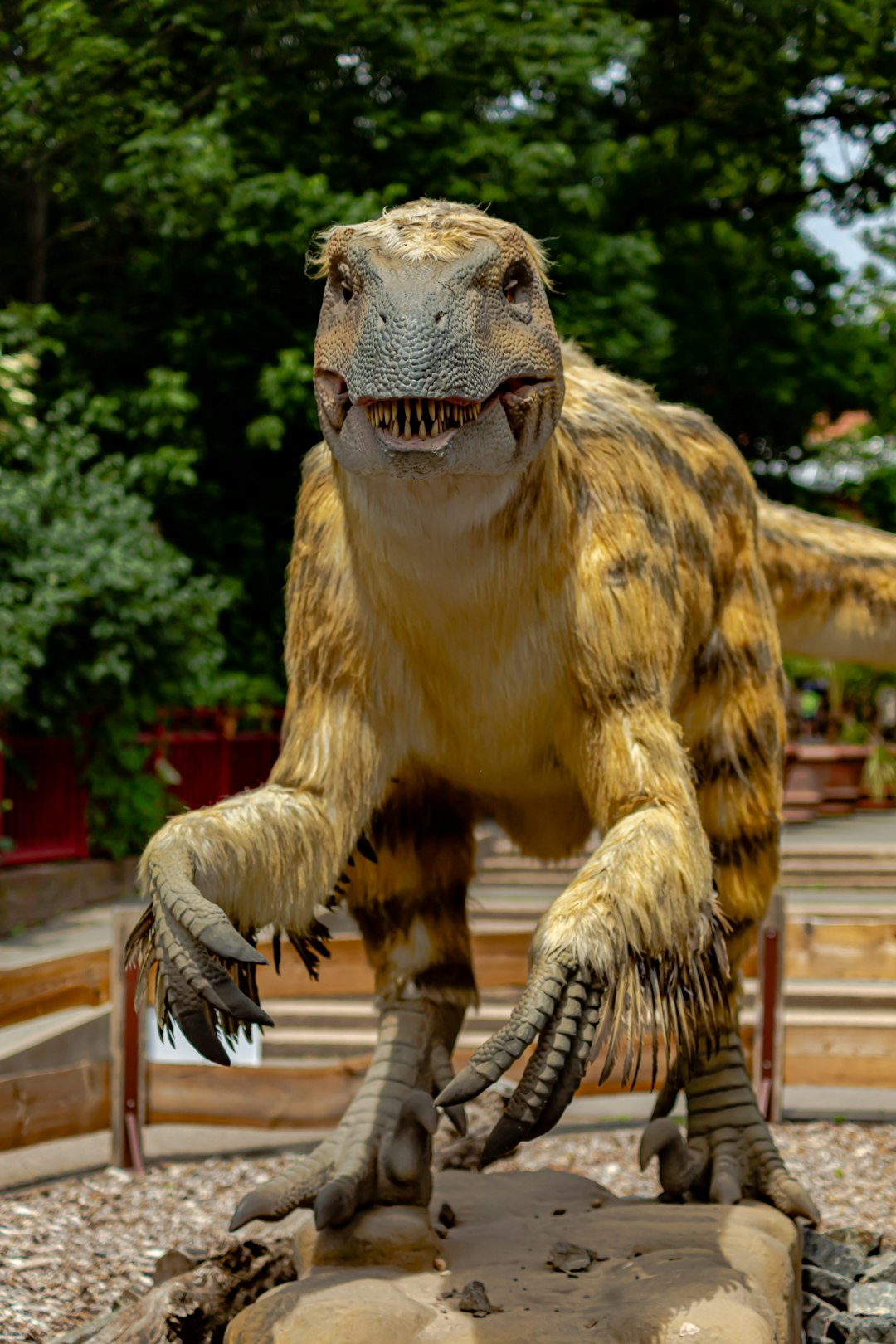
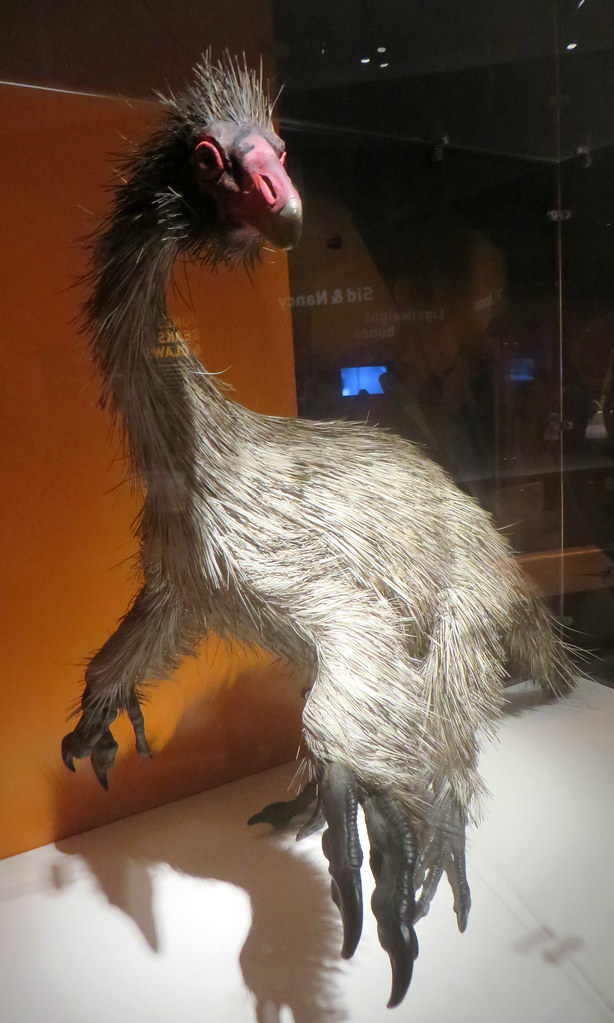
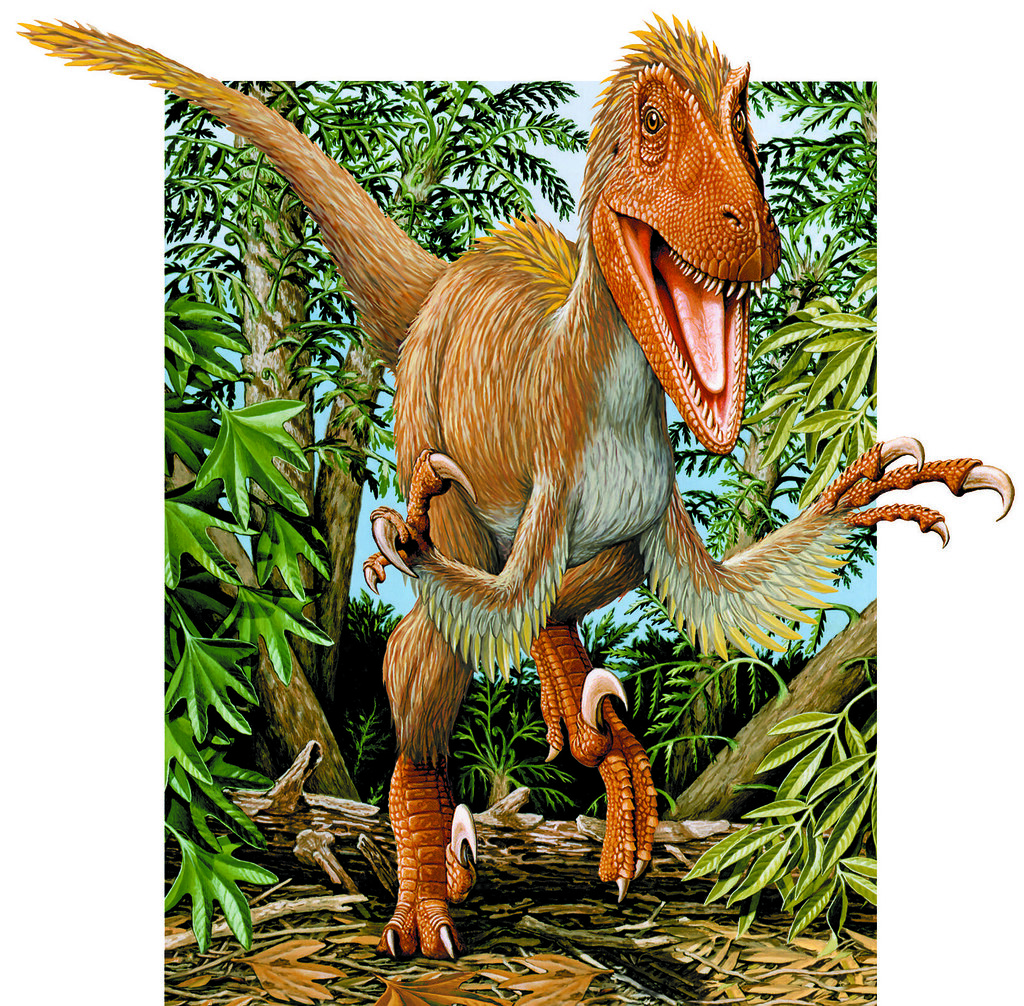
The feathers of Beipiaosaurus weren’t your typical bird plumage – they were more like prehistoric down comforters with attitude. These structures, called “protofeathers,” looked more like fluffy hair or fur than the sleek flight feathers we see on modern birds. Scientists have identified several different types of feathers on this creature, including simple filamentous structures and more complex branched versions that resembled tiny bottle brushes. The feathers covered most of the animal’s body, creating what must have been an impressive display of prehistoric fashion. Unlike modern bird feathers that are designed for aerodynamics, Beipiaosaurus feathers served as excellent insulation, helping regulate body temperature in the changing climates of the Cretaceous period. Some researchers even suggest these feathers might have been colorful, possibly used for attracting mates or intimidating rivals, though we can only speculate about their original hues.
Those Infamous Freddy Krueger Claws
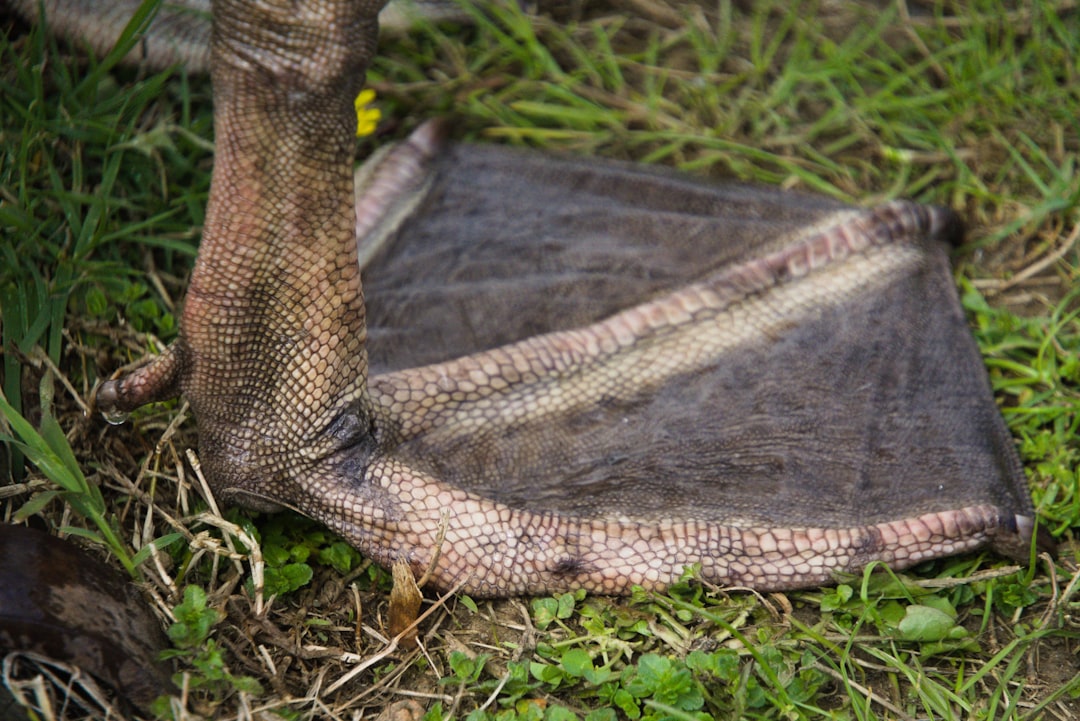
If Beipiaosaurus had been a character in a horror movie, its claws would definitely have stolen the show. Each hand was equipped with three massive, curved talons that measured up to 8 inches long – that’s longer than a typical kitchen knife! These razor-sharp weapons curved inward like giant fishhooks, perfectly designed for grabbing and holding onto whatever caught the dinosaur’s fancy. The claws were so prominent that they made up a significant portion of the animal’s arm length, giving it an almost comical appearance when you imagine this fluffy giant trying to navigate daily life. What’s particularly fascinating is how these claws contrast so dramatically with the creature’s otherwise gentle appearance – it’s like finding out your grandmother’s knitting needles could double as medieval weapons. The scientific name for these types of claws is “unguals,” and Beipiaosaurus had some of the most impressive unguals in the entire theropod family tree.
The Gentle Giant’s Diet Dilemma
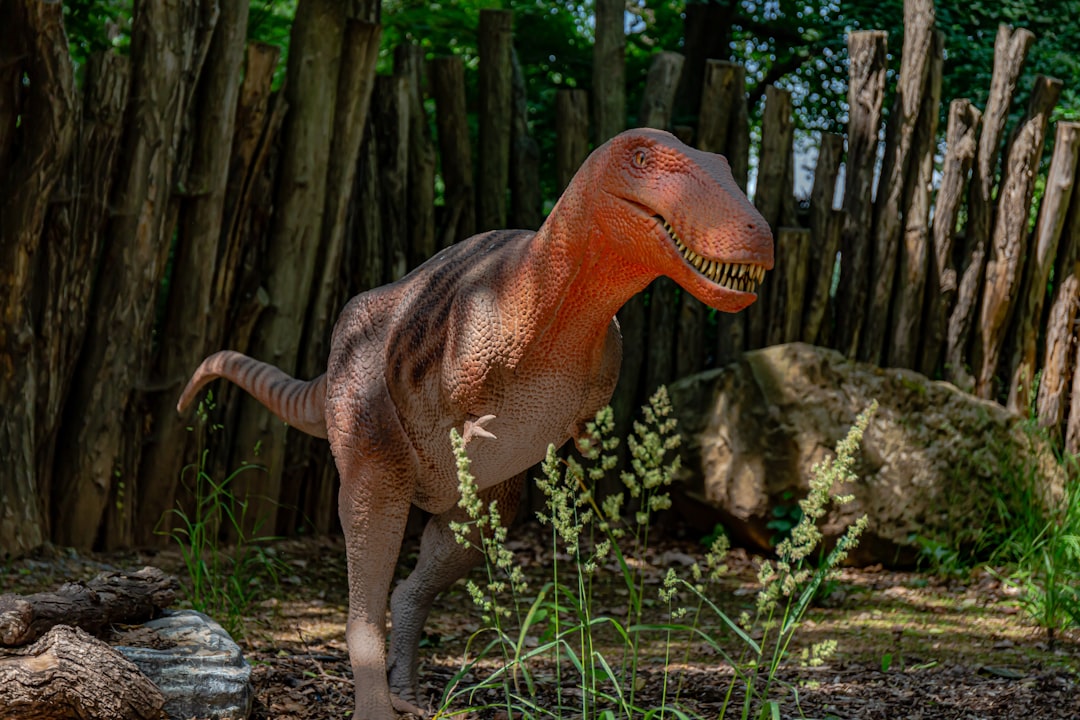
Here’s where Beipiaosaurus gets really interesting – despite having claws that could make Wolverine jealous, this dinosaur was most likely a vegetarian. Scientists have analyzed its teeth and jaw structure, concluding that it was perfectly adapted for processing plant material rather than tearing into flesh. Think of it like a prehistoric Swiss Army knife that came equipped with the wrong tools for the job it actually needed to do. The small, leaf-shaped teeth were ideal for snipping and grinding vegetation, while the powerful jaw muscles provided the necessary force to process tough plant fibers. This creates one of paleontology’s most amusing contradictions: a creature that looked like it could slice through a tree trunk but probably spent its days delicately nibbling on ferns and early flowering plants. The massive claws likely served multiple purposes, from stripping bark and leaves from trees to defending against predators who might have mistaken this gentle giant for an easy meal.
Family Tree: Where Beipiaosaurus Fits In
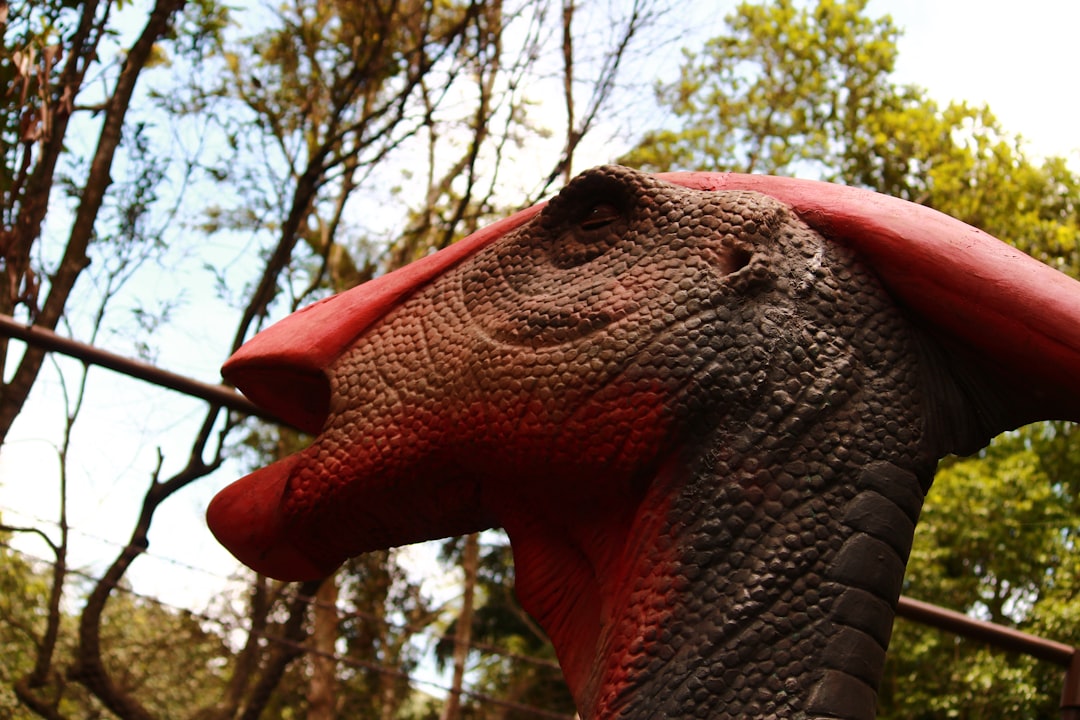
Beipiaosaurus belongs to a fascinating group of dinosaurs called therizinosaurids, which paleontologists affectionately refer to as the “scythe lizards” because of their enormous claws. These creatures represent one of evolution’s most interesting experiments – taking a lineage of meat-eating theropod dinosaurs and gradually converting them into plant-eaters over millions of years. It’s like watching a family of wolves slowly transform into sheep, except the sheep kept their fangs just in case. Beipiaosaurus sits near the base of this family tree, making it a crucial link in understanding how this remarkable transformation occurred. Other members of this group include giants like Therizinosaurus itself, which could grow up to 16 feet tall and had claws reaching nearly 4 feet in length. The evolutionary journey from small, agile predators to massive, clawed herbivores represents one of the most dramatic dietary shifts in dinosaur history, and Beipiaosaurus helps us understand exactly how this incredible change unfolded.
The Mystery of Feather Function
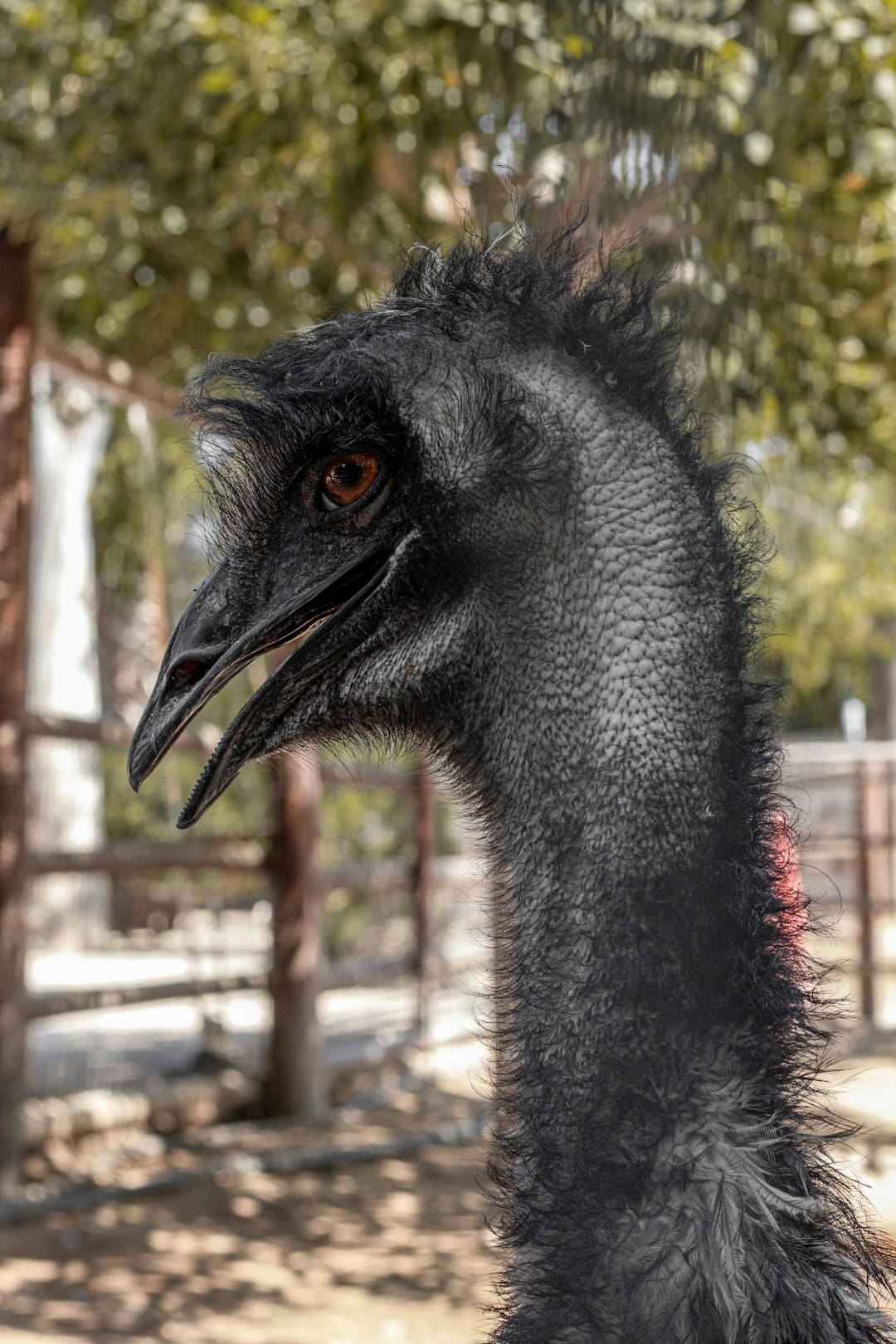
Scientists are still scratching their heads (carefully, to avoid the claws) trying to figure out exactly why Beipiaosaurus needed all those feathers. The most obvious answer is temperature regulation – those fluffy plumes would have worked like a built-in thermostat, keeping the animal warm during cool nights and potentially helping it stay cool during hot days. But there’s likely more to the story than just prehistoric climate control. Some researchers suggest the feathers might have been used for display purposes, similar to how peacocks show off their spectacular tail plumage to attract mates. Imagine a creature the size of a small car doing a elaborate courtship dance, feathers fluffed up like a massive prehistoric pom-pom – it would have been quite the spectacle! Another theory proposes that the feathers helped with camouflage, allowing this gentle giant to blend into the dappled shadows of Cretaceous forests. The truth is probably a combination of all these factors, showcasing the remarkable versatility of feathers as evolutionary tools.
Living in the Cretaceous Neighborhood
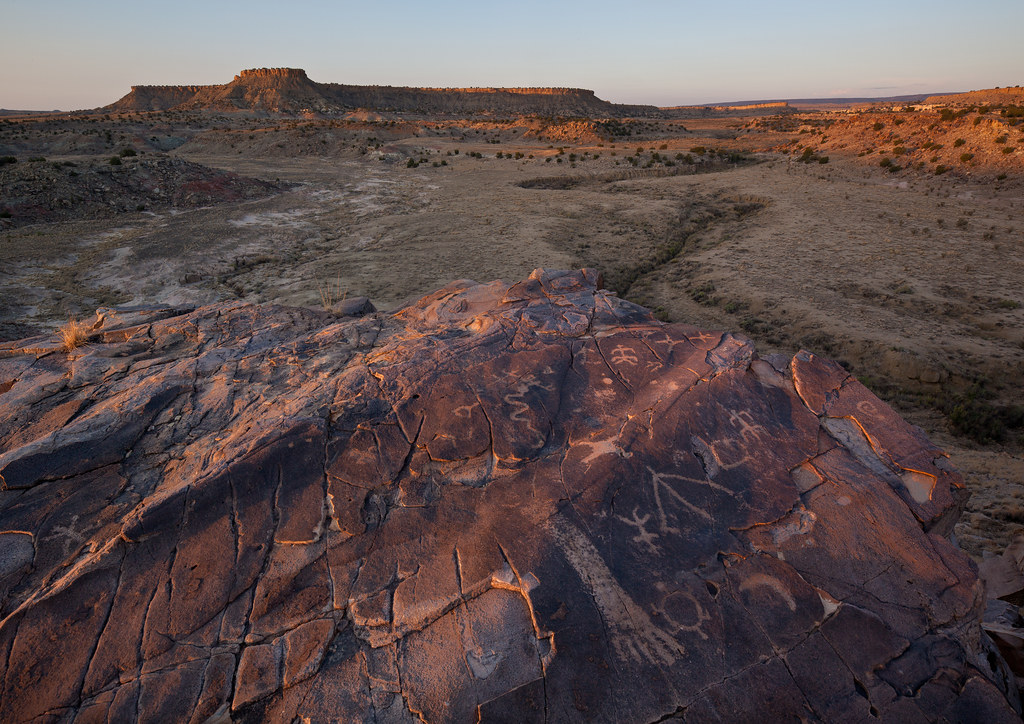
The world that Beipiaosaurus called home was dramatically different from anything we see today – imagine a planet where flowers were just starting to become fashionable and mammals were still figuring out how to be more than just tiny, furry afterthoughts. The Yixian Formation, where most Beipiaosaurus fossils have been found, was a lush, volcanic landscape filled with lakes, forests, and an incredible diversity of life. This ancient ecosystem was like a prehistoric version of Yellowstone National Park, complete with hot springs, volcanic activity, and periodic ash falls that helped preserve countless fossils in exquisite detail. Beipiaosaurus shared this environment with early birds like Confuciusornis, small feathered dinosaurs like Sinosauropteryx, and various prehistoric mammals that looked more like shrews than anything we’d recognize today. The climate was warm and humid, perfect for supporting the diverse plant communities that fed these gentle giants. Occasional volcanic eruptions would cover the landscape in fine ash, creating the perfect conditions for fossilization that allow us to study these creatures in such remarkable detail today.
Behavior Patterns of a Feathered Giant
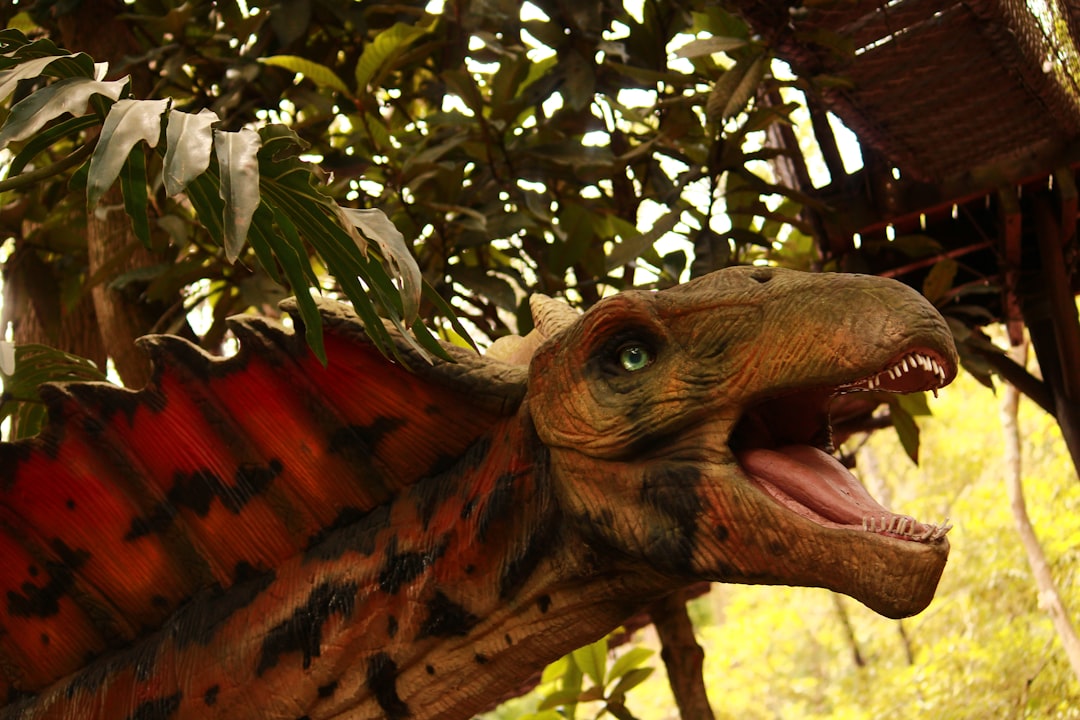
Reconstructing the daily life of an extinct animal is like trying to piece together a puzzle where most of the pieces are missing, but scientists have made some educated guesses about how Beipiaosaurus might have spent its time. Given its massive claws and herbivorous diet, it probably spent much of its day doing what paleontologists call “high browsing” – using those intimidating talons to pull down branches and strip leaves from trees that other dinosaurs couldn’t reach. Picture a prehistoric giraffe with attitude, reaching up to grab the choicest vegetation while smaller dinosaurs looked on enviously from below. The creature’s robust build suggests it wasn’t built for speed, so it likely relied on its impressive size and weaponry to deter predators rather than running away from danger. Social behavior remains a mystery, though some scientists speculate that these animals might have traveled in small family groups, possibly with parents teaching their young which plants were safe to eat and how to use those massive claws effectively. The feather displays might have been used for communication within these groups, creating a complex social structure that we’re only beginning to understand.
The Evolution of Claws: From Killing to Harvesting
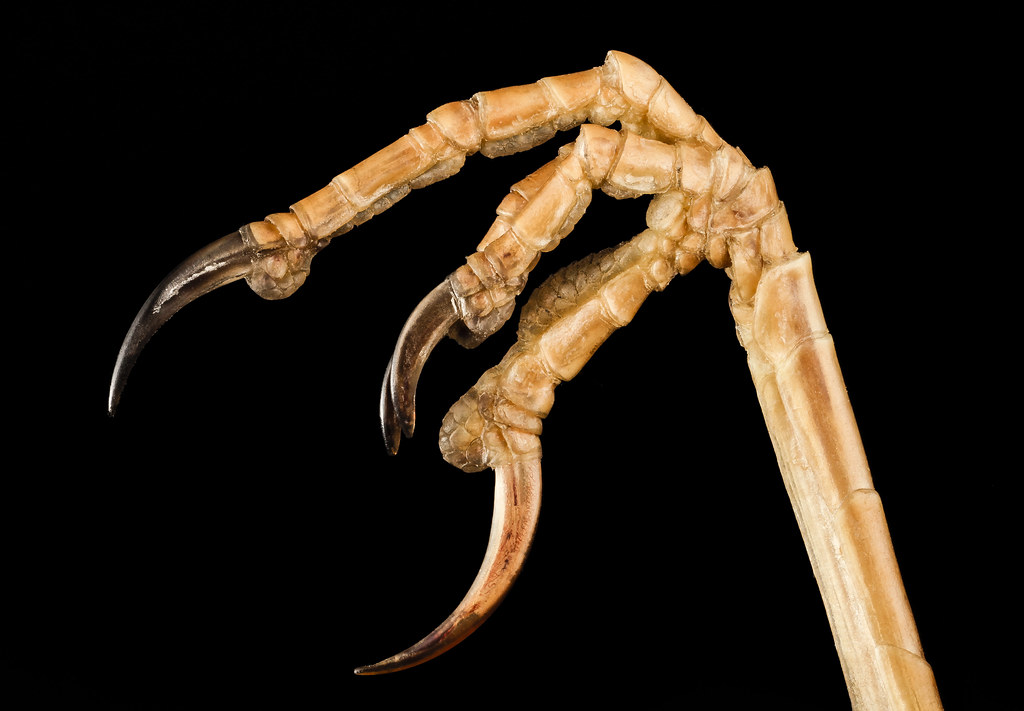
The story of how Beipiaosaurus developed its massive claws is actually a tale of evolutionary recycling – taking tools designed for one job and repurposing them for something completely different. Early theropod dinosaurs evolved sharp claws for catching and killing prey, much like modern birds of prey use their talons today. But as some theropod lineages gradually shifted toward plant-eating, those same claws found new employment in the vegetation management business. It’s similar to how humans might repurpose a sword into a very effective garden tool – the basic structure remains the same, but the application changes completely. The claws of Beipiaosaurus represent a perfect example of this evolutionary flexibility, growing larger and more curved to better grab and manipulate plant material. This transformation didn’t happen overnight – it took millions of years of gradual changes, with each generation developing slightly different claw shapes and sizes until eventually producing the magnificent specimens we see in Beipiaosaurus fossils. The process demonstrates how evolution can take existing features and modify them for entirely new purposes, creating solutions that might seem bizarre but work perfectly for their intended function.
Fossil Preservation: A Perfect Storm
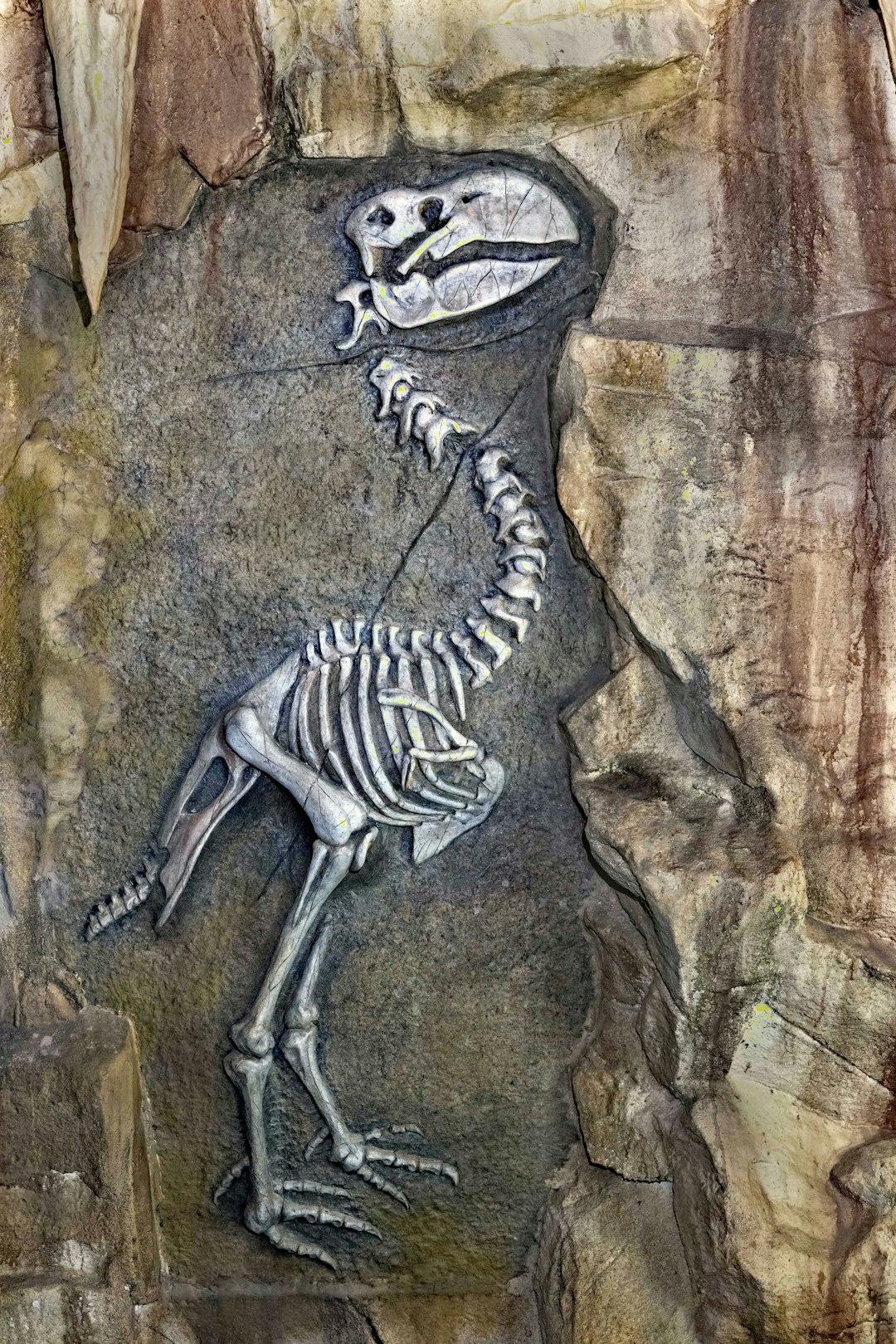
The exceptional preservation of Beipiaosaurus fossils is nothing short of miraculous – it’s like finding a prehistoric time capsule that someone forgot to open for 125 million years. The Yixian Formation’s unique geological conditions created the perfect recipe for fossil formation: fine volcanic ash that settled quickly over dead animals, lack of oxygen that prevented decay, and mineral-rich water that gradually replaced organic material with stone. This process, called permineralization, happened so quickly and thoroughly that even delicate structures like feathers were preserved in stunning detail. The result is fossils that look almost like photographs, capturing not just the bones but also soft tissues, feather impressions, and sometimes even the contents of the animal’s last meal. Without these extraordinary preservation conditions, we might never have known that Beipiaosaurus had feathers at all – it would have been just another “boring” plant-eating dinosaur with big claws. The Liaoning Province has become famous worldwide for these types of discoveries, earning it the nickname “China’s Jurassic Park” among paleontologists. Each new fossil from this region continues to revolutionize our understanding of dinosaur biology and evolution.
Modern Relatives and Connections
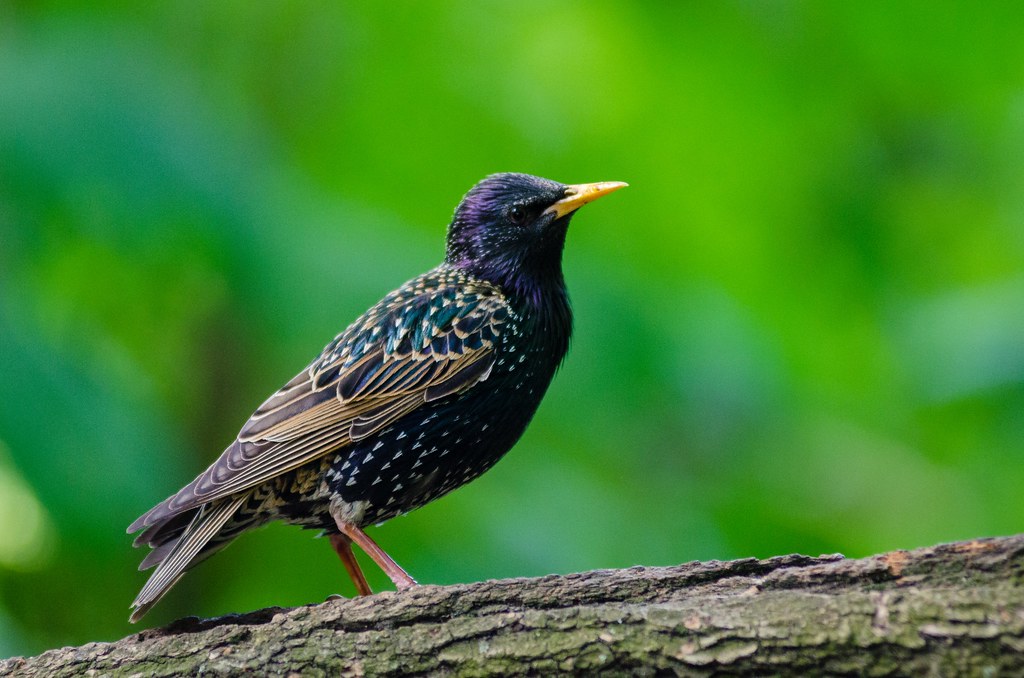
While Beipiaosaurus has been extinct for over 100 million years, its legacy lives on in every bird you see outside your window today. Modern birds are direct descendants of theropod dinosaurs, making your backyard robin a distant cousin of this feathered giant. The connection becomes even more apparent when you look at bird behavior – watch a chicken use its claws to scratch through leaves and dirt, and you’re seeing an echo of how Beipiaosaurus might have used its massive talons to process vegetation. Some modern birds, like cassowaries and emus, even retain intimidating claws that hint at their dinosaurian heritage, though thankfully none quite reach the Freddy Krueger proportions of their ancient relative. The study of Beipiaosaurus has helped scientists understand how feathers first evolved, providing crucial evidence that these structures initially developed for insulation and display rather than flight. This research has implications beyond just paleontology – it helps us understand how evolution can repurpose existing features for entirely new functions, a principle that appears throughout the natural world. Every time you see a bird fluff its feathers against the cold or spread its wings in a territorial display, you’re witnessing behaviors that might have been practiced by Beipiaosaurus over 100 million years ago.
Scientific Impact and Ongoing Research
The discovery of Beipiaosaurus didn’t just add another name to the dinosaur catalog – it fundamentally changed how scientists think about dinosaur biology, behavior, and evolution. Before this find, the idea of large, feathered dinosaurs was purely theoretical, but Beipiaosaurus provided concrete proof that feathers weren’t limited to small, bird-like creatures. This discovery opened up entirely new research directions, from studying prehistoric color patterns to understanding the thermal biology of ancient ecosystems. Current research involves using advanced imaging techniques to analyze the microscopic structure of fossilized feathers, potentially revealing information about their original colors and patterns. Scientists are also using computer modeling to understand how these massive claws functioned biomechanically, testing theories about feeding behavior and defensive capabilities. Some researchers are even studying the bone histology – essentially reading the “tree rings” in dinosaur bones to understand growth rates and metabolism. Each new technique reveals more details about how these remarkable creatures lived, died, and evolved, keeping Beipiaosaurus at the forefront of paleontological research more than two decades after its initial discovery.
Cultural Impact and Public Fascination
Since its discovery, Beipiaosaurus has captured the public imagination in ways that few fossil discoveries manage to achieve. The combination of “cute and cuddly” feathers with “absolutely terrifying” claws creates a cognitive dissonance that people find irresistibly fascinating – it’s like discovering that teddy bears were originally designed as medieval weapons. This unique appearance has made Beipiaosaurus a popular subject for museum exhibits, documentaries, and even children’s books about dinosaurs. The creature has helped change public perception of dinosaurs from cold-blooded, scaly monsters to warm-blooded, dynamic animals that were far more diverse and interesting than previously imagined. Social media has embraced the “feathered fluffball with Freddy Krueger claws” concept, spawning countless memes and artistic interpretations that range from scientifically accurate to hilariously absurd. Educational programs use Beipiaosaurus as a perfect example of how scientific discovery can overturn long-held assumptions, inspiring a new generation of young paleontologists. The dinosaur’s popularity has also highlighted the importance of international scientific cooperation, as most of our knowledge comes from Chinese fossils studied by researchers from around the world. This global collaboration demonstrates how scientific discoveries can transcend national boundaries and cultural differences.
The Legacy of a Gentle Giant
Beipiaosaurus stands as a testament to the incredible diversity and adaptability of life on Earth, proving that evolution doesn’t always follow the paths we might expect. This remarkable creature challenges our preconceptions about what dinosaurs looked like and how they behaved, reminding us that the prehistoric world was far stranger and more wonderful than we ever imagined. Its combination of fearsome weaponry and gentle lifestyle serves as a perfect metaphor for the complexity of evolution – sometimes the most intimidating appearances can hide the most peaceful intentions. The ongoing study of Beipiaosaurus continues to reveal new insights about dinosaur biology, from the origins of feathers to the mechanics of plant processing in large prehistoric animals. Perhaps most importantly, this feathered giant reminds us that science is an ongoing journey of discovery, where each new fossil has the potential to revolutionize our understanding of the ancient world. As we continue to uncover more specimens and develop new analytical techniques, Beipiaosaurus will undoubtedly continue to surprise us with new revelations about life in the Cretaceous period. What other secrets might be hiding in those carefully preserved feather impressions, waiting for the next generation of scientists to unlock them?