

The dusty museum halls that house our most treasured fossil specimens tell more than just stories of ancient life—they whisper tales of human ambition, national pride, and political maneuvering that have shaped how we understand our prehistoric past. When you gaze upon a towering Tyrannosaurus rex or marvel at early human remains, you’re not just witnessing scientific discovery; you’re seeing the end result of centuries of international rivalry, colonial exploitation, and ideological battles that have fundamentally altered how fossils are interpreted, displayed, and understood. The intersection of paleontology and politics has created a complex web where scientific truth often becomes entangled with national identity, cultural values, and geopolitical power struggles.
The Colonial Legacy of Fossil Hunting
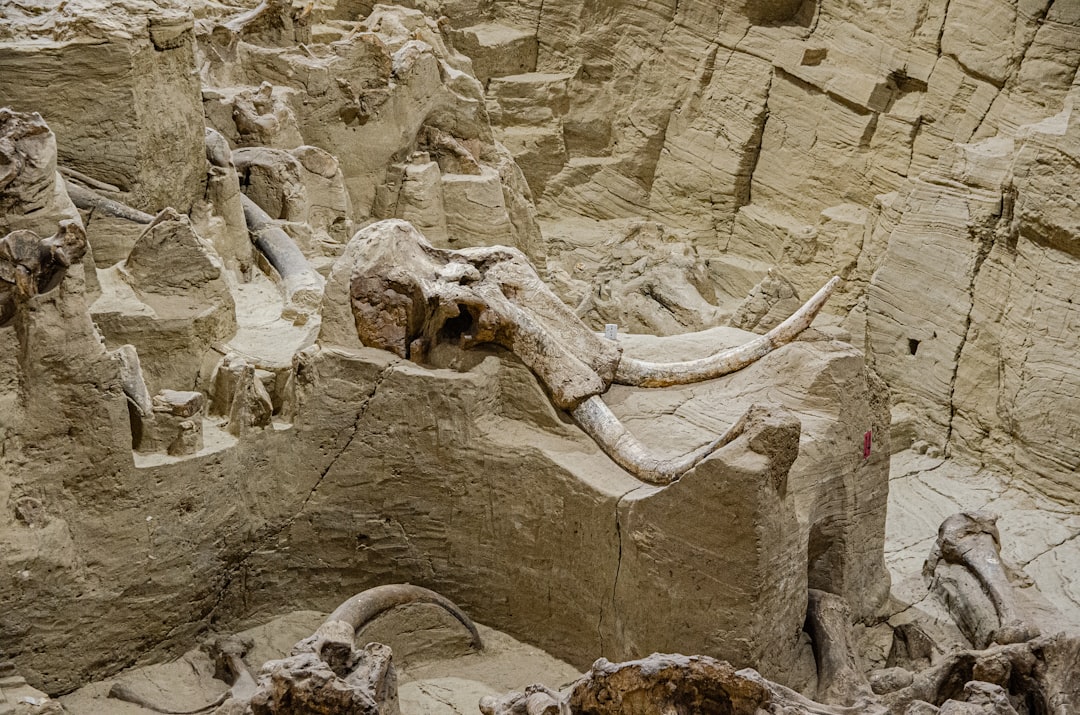
The golden age of paleontology coincided perfectly with the height of European colonialism, creating a devastating pattern where Western nations systematically extracted fossils from their colonies with little regard for local scientific communities or cultural heritage. British expeditions to India, German missions to East Africa, and French excavations in North Africa weren’t just scientific endeavors—they were acts of cultural imperialism that stripped entire nations of their paleontological treasures. These colonial fossil hunters operated under the assumption that Western institutions were the only legitimate custodians of scientific knowledge, completely disregarding indigenous understanding of ancient life. The British Museum’s fossil collections, for instance, contain thousands of specimens taken from former colonies, many of which remain inaccessible to researchers from the countries where they were originally found. This legacy continues to influence modern paleontology, where developing nations struggle to study their own fossil heritage due to centuries of systematic extraction.
National Museums as Monuments to Power

Every major nation’s natural history museum tells a carefully curated story that places their country at the center of evolutionary history, often bending scientific interpretation to serve national pride. The Smithsonian’s National Museum of Natural History in Washington D.C. doesn’t just display American fossils—it presents a narrative where American paleontology leads the world in understanding prehistoric life. Similarly, the Natural History Museum in London showcases British discoveries with a prominence that suggests the empire’s central role in unlocking Earth’s ancient secrets. These institutions deliberately emphasize fossils discovered by their nation’s scientists while downplaying contributions from other countries, creating a distorted view of paleontological history. The way exhibits are designed, labeled, and contextualized reflects national values and priorities rather than purely scientific considerations. When children visit these museums, they absorb subtle messages about their nation’s supposed superiority in scientific achievement, perpetuating cycles of nationalistic thinking that influence how future generations approach fossil interpretation.
The Bone Wars: American Nationalism in Action

The infamous “Bone Wars” of the late 19th century between American paleontologists Othniel Charles Marsh and Edward Drinker Cope perfectly exemplified how nationalism could corrupt scientific practice. These men weren’t just competing for fossil discoveries—they were fighting to establish American paleontology as equal to European science, using increasingly unethical methods including espionage, bribery, and deliberate destruction of fossil sites to prevent rivals from making discoveries. Their rivalry escalated into a destructive frenzy that prioritized American scientific prestige over careful excavation and proper documentation. Fossil sites were stripped bare with dynamite, priceless specimens were deliberately damaged to prevent competitors from studying them, and scientific integrity was sacrificed on the altar of national pride. The legacy of this period still influences American paleontology today, where institutions continue to emphasize their collections’ superiority and the pioneering spirit of American fossil hunters. This nationalistic fervor led to rushed publications, exaggerated claims, and a culture of secrecy that hindered genuine scientific progress for decades.
Ideological Filtering of Evolutionary Evidence

Political ideologies have consistently shaped which fossils receive attention and how their significance is interpreted, with researchers unconsciously or deliberately emphasizing discoveries that support their worldview. In the Soviet Union, paleontologists were pressured to find evidence supporting Marxist theories of progressive evolution, leading to interpretations of fossil evidence that aligned with communist ideology rather than objective scientific analysis. Similarly, in Nazi Germany, fossil discoveries were twisted to support theories of Aryan supremacy and racial hierarchy. Even in democratic societies, political beliefs influence fossil interpretation in subtle but significant ways. Conservative religious communities often downplay or reinterpret fossil evidence that challenges young-earth creationism, while progressive researchers may emphasize cooperative behaviors in ancient species to support modern social theories. The human tendency to see patterns that confirm existing beliefs means that political ideology acts as an invisible filter through which fossil evidence is processed and understood.
The Politics of Human Evolution

No area of paleontology has been more politically charged than the study of human evolution, where fossil discoveries become ammunition in debates about race, religion, and national superiority. The search for the “missing link” between apes and humans became a global competition where each nation hoped to find evidence that their region was the cradle of humanity. British researchers emphasized discoveries in British-controlled territories, French scientists promoted finds from French colonies, and German expeditions sought evidence in German-controlled regions. The interpretation of early human fossils has been consistently skewed by contemporary racial theories and nationalist pride. The Piltdown Man hoax succeeded partly because it placed human evolution’s crucial stage in England, satisfying British desires for paleontological importance. Similarly, interpretations of Neanderthal remains were influenced by stereotypes about different European populations, with German researchers initially portraying them as primitive brutes while French scientists emphasized their human-like qualities. Modern discoveries continue to be interpreted through nationalist lenses, with each new fossil find touted as evidence for a particular country’s central role in human evolution.
Cold War Competition in Paleontology
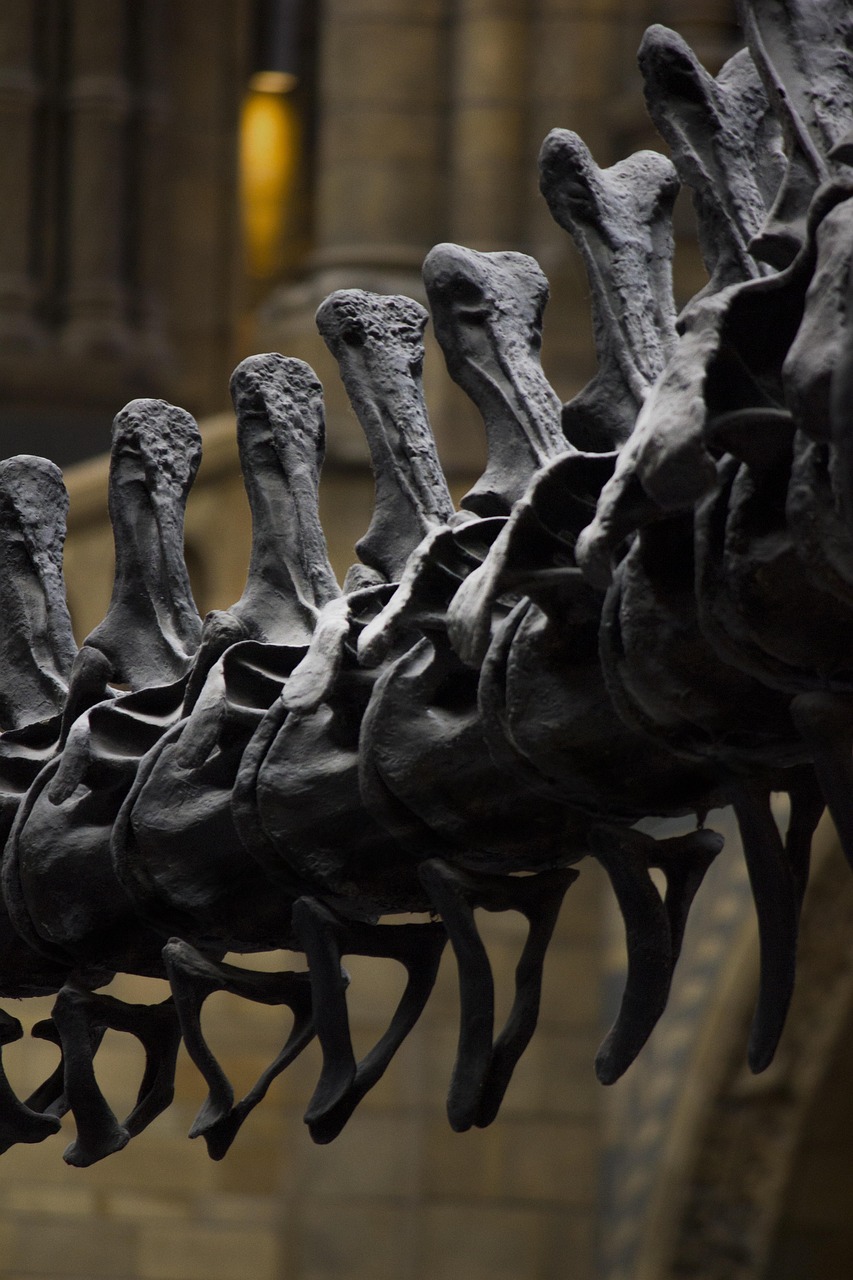
The Cold War transformed paleontology into another battlefield where superpowers competed for scientific supremacy, leading to massive investments in fossil research that were motivated more by political prestige than pure scientific curiosity. Soviet paleontological expeditions in Mongolia and Central Asia weren’t just about discovering dinosaurs—they were demonstrations of communist scientific prowess designed to impress the international community. The spectacular discoveries made by Soviet-Mongolian teams, including complete dinosaur nests and perfectly preserved specimens, became powerful propaganda tools showcasing socialist cooperation and scientific achievement. American response to Soviet paleontological success led to increased funding for domestic fossil research and international expeditions designed to compete with communist discoveries. The space race had its terrestrial equivalent in the race to uncover Earth’s most spectacular prehistoric creatures. Universities and museums received government funding explicitly tied to maintaining America’s competitive edge in paleontological research, ensuring that scientific priorities aligned with Cold War objectives. This competition actually advanced paleontological knowledge significantly, but it also meant that research directions were determined by political considerations rather than purely scientific merit.
Fossil Diplomacy and International Relations
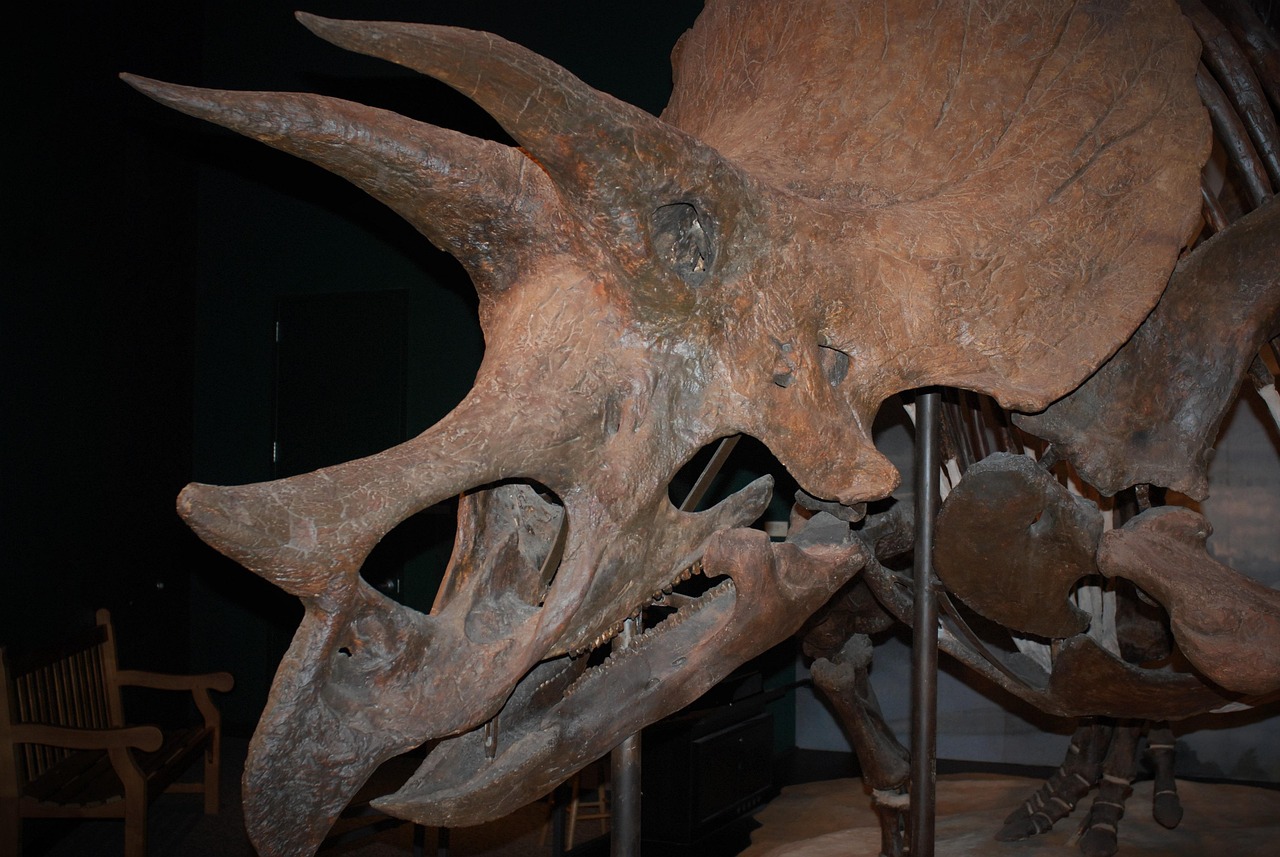
Fossil exchanges and joint paleontological expeditions have become tools of international diplomacy, with governments using prehistoric discoveries to build relationships, resolve conflicts, and demonstrate goodwill. China’s gifting of dinosaur fossils to foreign nations represents a modern form of “fossil diplomacy” that strengthens international ties while showcasing Chinese paleontological expertise. These exchanges aren’t random acts of scientific generosity—they’re carefully calculated diplomatic moves designed to advance national interests and build strategic partnerships. The politics of fossil repatriation have become increasingly complex as source countries demand the return of specimens taken during colonial periods or through questionable means. Legal battles over fossil ownership reflect broader tensions about cultural heritage, scientific access, and historical justice. Countries like Morocco and China have implemented strict export controls on fossils, recognizing their value as both scientific resources and symbols of national heritage.
Religious Nationalism and Fossil Denial

In many countries, religious nationalism has created powerful movements that reject fossil evidence contradicting traditional creation stories, leading to systematic suppression of paleontological research and education. These movements don’t simply disagree with evolutionary theory—they actively work to prevent fossil discoveries from reaching the public and influence government policies regarding paleontological research funding. Turkey’s restrictions on evolutionary education and certain American states’ requirements for “teaching the controversy” represent direct political interventions in fossil interpretation. The intersection of religious belief and nationalism creates particularly potent opposition to paleontology when fossil evidence challenges not just religious doctrine but national identity built around religious foundations. In some regions, paleontologists face harassment, funding restrictions, and even violence for promoting interpretations of fossil evidence that conflict with nationalist religious narratives. These conflicts highlight how fossil interpretation becomes entangled with fundamental questions about national values, cultural identity, and the role of science in society.
Media Manipulation of Fossil Discoveries

Governments and institutions routinely manipulate media coverage of fossil discoveries to serve political agendas, transforming scientific findings into nationalistic propaganda that distorts public understanding of paleontology. Press releases announcing new fossil discoveries are carefully crafted to emphasize national scientific achievement, often exaggerating the significance of finds or downplaying international collaboration. The language used to describe discoveries—whether they’re “game-changing,” “revolutionary,” or merely “interesting”—depends heavily on which nation’s scientists made the find and how it serves their country’s scientific reputation. Television documentaries and museum exhibitions about fossils consistently reflect nationalist biases, presenting discovery stories that emphasize the heroic efforts of particular nations’ scientists while minimizing contributions from other countries. The way fossil discoveries are portrayed in popular media shapes public perception and influences future funding decisions, creating a feedback loop where political considerations determine which aspects of paleontological research receive attention and resources.
Economic Nationalism in Fossil Trade

The international fossil trade has become increasingly regulated by nationalist policies designed to keep paleontological treasures within national borders, reflecting growing recognition of fossils as symbols of national heritage and economic assets. Countries like Argentina and Mongolia have implemented strict export controls that prevent foreign researchers from removing fossils, even for legitimate scientific study. These policies often prioritize national pride over scientific progress, limiting international collaboration and slowing research advances. The economics of fossil collecting create perverse incentives where poor countries rich in fossils face pressure to sell their paleontological heritage to wealthy foreign collectors and institutions. Black market fossil trading thrives in regions where legitimate scientific research is underfunded, leading to the loss of countless specimens to private collections where they contribute nothing to scientific knowledge. These economic realities mean that fossil interpretation is often determined by market forces rather than scientific merit. Wealthy nations’ museums compete aggressively for spectacular fossil specimens, sometimes using questionable acquisition methods that echo colonial-era exploitation.
Gender Politics in Paleontological History
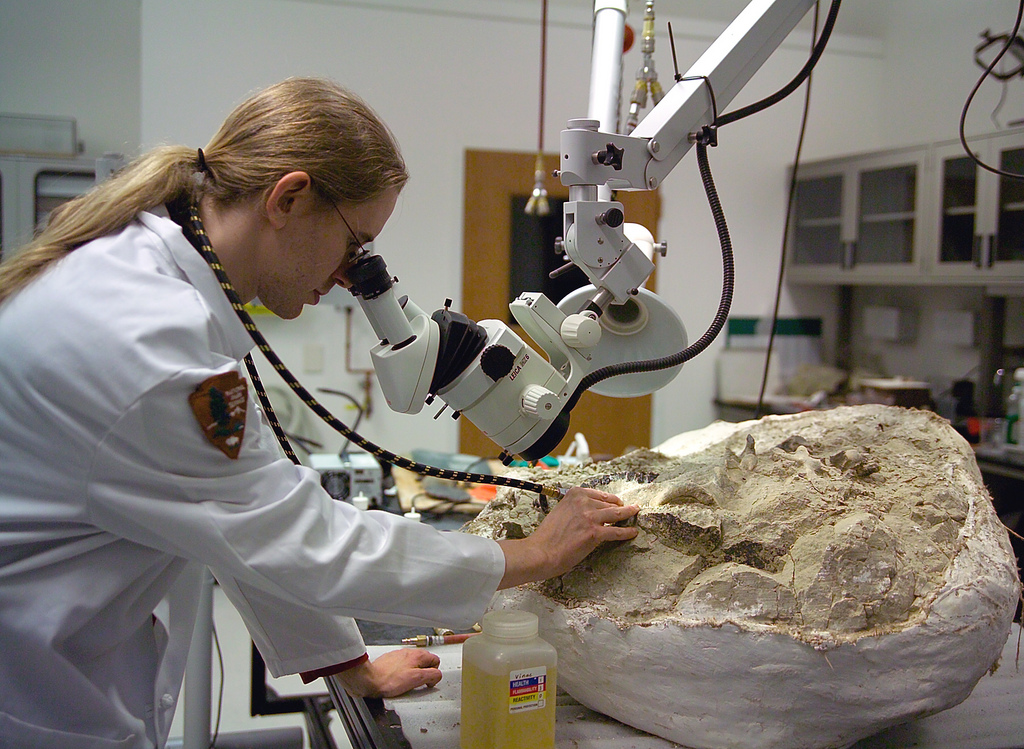
The systematic exclusion of women from paleontological research and the rewriting of their contributions reflects broader political attitudes about gender roles, creating massive gaps in how fossil discoveries are attributed and interpreted. Mary Anning’s groundbreaking fossil discoveries in early 19th century England were consistently credited to male geologists who purchased her finds, reflecting political systems that denied women recognition in scientific fields. This pattern continued for over a century, with women’s paleontological achievements either ignored entirely or minimized in historical accounts. Modern efforts to recover women’s contributions to paleontology reveal how political attitudes about gender have shaped the entire narrative of fossil discovery and interpretation. The stories we tell about paleontological history—emphasizing male adventurers and heroic expeditions—reflect political values about who deserves recognition and whose contributions matter. These narratives influence contemporary research by creating role models and expectations that continue to shape the field’s culture and priorities. The politics of gender representation in museums and educational materials about fossils continues to influence how young people perceive paleontology as a career option.
Indigenous Rights and Fossil Interpretation
The growing recognition of indigenous peoples’ rights to their ancestral lands has created complex legal and ethical challenges around fossil interpretation, as traditional knowledge systems clash with Western scientific approaches to understanding prehistoric life. Native American tribes’ claims to dinosaur fossils found on reservation lands represent more than property disputes—they’re assertions of cultural sovereignty and challenges to the assumption that Western science has exclusive authority to interpret prehistoric evidence. Indigenous creation stories and traditional ecological knowledge often provide different frameworks for understanding fossil evidence, leading to conflicts over how discoveries should be interpreted and displayed. The Lakota Nation’s spiritual connection to dinosaur fossils, for example, creates obligations and restrictions that Western paleontologists must navigate when working on tribal lands. These negotiations reveal how fossil interpretation is inevitably influenced by cultural values and political power structures. The forced integration of indigenous perspectives into paleontological research is gradually changing how fossils are interpreted, studied, and presented to the public, though progress remains slow and contentious.
Climate Politics and Paleontological Evidence

The politicization of climate change has created new pressures on paleontologists to emphasize or downplay fossil evidence related to past climate events, turning prehistoric climate data into ammunition for contemporary political battles. Fossil evidence of rapid climate changes in Earth’s history becomes controversial when it supports arguments for urgent action on global warming, leading to political pressure on researchers to moderate their interpretations or face funding cuts. Conservative politicians and fossil fuel companies have specifically targeted paleoclimatology research, recognizing its potential to undermine arguments against climate action. The interpretation of mass extinction events in the fossil record has become similarly politicized, with some researchers emphasizing natural causes to downplay human impact on current biodiversity loss. The way paleontologists present evidence about past environmental catastrophes reflects not just scientific understanding but also contemporary political pressures and career considerations. This politicization threatens the integrity of paleontological research by introducing non-scientific factors into supposedly objective analysis. Young researchers entering the field must navigate these political minefields, often adjusting their research focus and interpretation to avoid controversial topics that might damage their careers.
Future Challenges: Decolonizing Paleontology

The growing movement to decolonize paleontology represents a fundamental challenge to traditional power structures in fossil interpretation, demanding that Western institutions acknowledge their colonial legacy and share authority with researchers from formerly colonized nations. This movement goes beyond simply returning stolen fossils—it questions the entire framework through which paleontological knowledge is produced, validated, and disseminated. The assumption that Western scientific methods are universally superior is being challenged by researchers who advocate for incorporating diverse cultural perspectives and knowledge systems into fossil interpretation. The practical implications of decolonizing paleontology are enormous, potentially requiring the complete restructuring of international research collaborations, museum collections, and educational curricula. Resistance to these changes comes not just from institutional inertia but from deep-seated beliefs about scientific authority and cultural superiority that have shaped paleontology for centuries. The political nature of this struggle reveals how thoroughly politics have always been embedded in fossil interpretation, even when they remained hidden beneath claims of scientific objectivity. The success or failure of decolonization efforts will determine whether future fossil interpretation can escape the nationalist and political biases that have shaped it throughout history.
The Continuing Political Evolution of Fossil Science

The relationship between politics and fossil interpretation remains as complex and contentious today as it was during the colonial era, though it has evolved into new forms that reflect contemporary power structures and ideological conflicts. Digital technology and social media have democratized access to paleontological information while simultaneously making it easier to spread misinformation and politically motivated interpretations of fossil evidence. The COVID-19 pandemic demonstrated how quickly scientific research can become politicized, and paleontology faces similar challenges as climate change, evolution education, and cultural heritage rights become increasingly polarized political issues. Modern paleontologists must navigate an ever-more complex landscape where their research intersects with indigenous rights, international law, climate policy, education politics, and cultural identity movements. The interpretation of fossils will continue to be shaped by these political forces, but growing awareness of these influences offers hope for more transparent and equitable approaches to understanding our prehistoric past. The future of paleontology depends not just on new fossil discoveries but on our ability to recognize and address the political forces that have always shaped how we interpret the ancient world.
Conclusion

The next generation of paleontologists faces the challenge of advancing scientific knowledge while acknowledging the political dimensions of their work and working toward more inclusive and culturally sensitive approaches to fossil interpretation. How successfully they navigate these challenges will determine whether paleontology can finally separate scientific truth from political manipulation, or whether our understanding of prehistoric life will continue to be filtered through the lens of contemporary power struggles and national ambitions.