Imagine walking through the English countryside in 1824, stumbling upon a massive fossilized jawbone that would forever change our understanding of prehistoric life. This isn’t science fiction – it’s the remarkable true story of how humanity first encountered dinosaurs. But here’s where things get fascinating: the creature that started it all might not be what you think it is.
The Bone That Started Everything
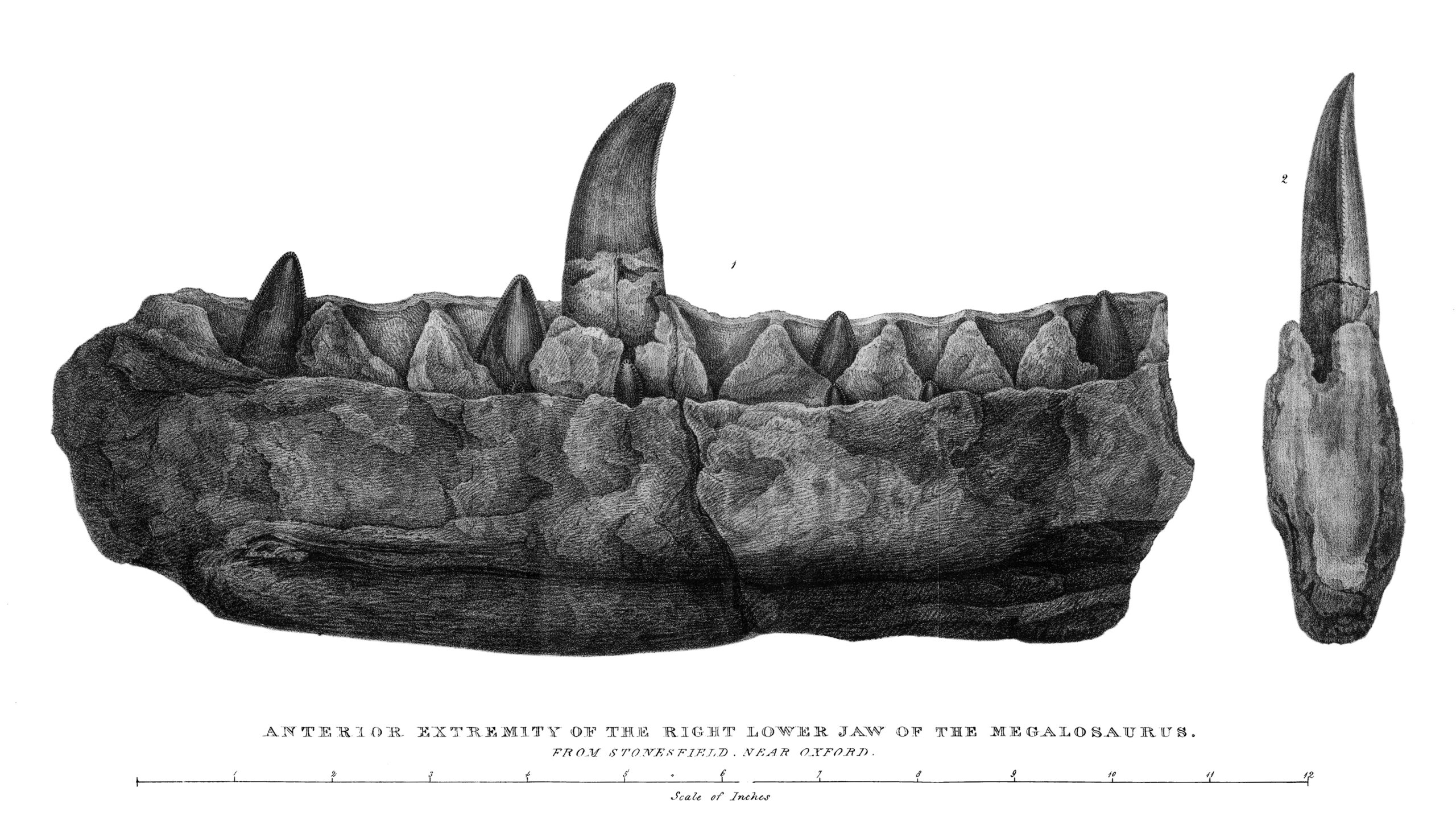
Picture William Buckland, a quirky Oxford professor with mud on his boots and wonder in his eyes, holding what appeared to be the jawbone of a giant lizard. The year was 1824, and this single fossil discovery would birth an entirely new field of science. Buckland named his find Megalosaurus, meaning “great lizard,” completely unaware that he was actually looking at something far more extraordinary.
The fossil itself was impressive – a partial lower jaw filled with curved, serrated teeth that screamed predator. What Buckland couldn’t have known was that he was holding the first officially described dinosaur in scientific history, though the word “dinosaur” wouldn’t be coined for another 18 years.
Before the Word Dinosaur Existed
The term “dinosaur” feels so natural to us now that it’s hard to imagine a world without it. Yet when Megalosaurus was discovered, scientists were working in complete darkness about what these creatures actually were. They lumped everything together under “antediluvian reptiles” – basically, really old lizards that lived before Noah’s flood.
Buckland and his contemporaries were trying to fit square pegs into round holes, interpreting these massive fossils through the lens of modern reptiles. Think about it like trying to describe a smartphone to someone from the 1800s – you’d probably call it a “talking telegraph box” because that’s the closest reference point available.
The Great Misunderstanding
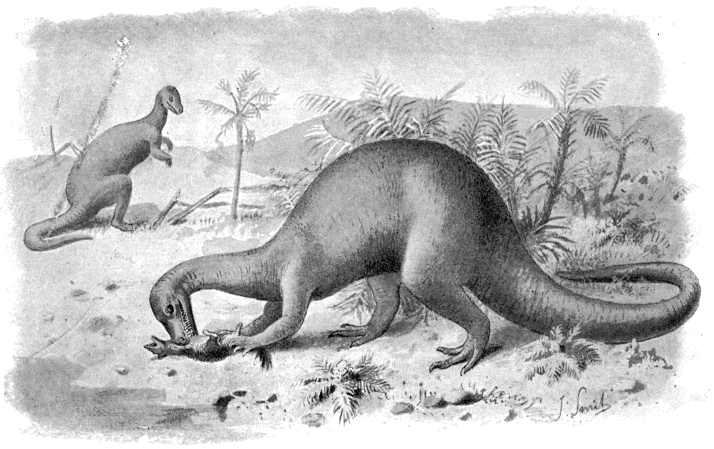
Here’s where the story gets almost comical. Early paleontologists imagined Megalosaurus as a massive, sluggish lizard that dragged its belly along the ground like a crocodile on steroids. Museum displays showed it sprawled out, looking more like a giant iguana than the dynamic predator it actually was.
This misconception persisted for decades, influencing how people visualized all prehistoric reptiles. It’s like looking at a Ferrari and describing it as a fancy horse-drawn carriage – technically you’re seeing some of the same basic components, but you’re missing the entire point.
Racing Against Time and Rivals
The discovery of Megalosaurus kicked off what can only be described as a prehistoric gold rush. Suddenly, everyone with a shovel and a dream was hunting for giant bones across Britain and beyond. The genteel world of 19th-century paleontology became surprisingly cutthroat, with researchers racing to name new species before their competitors.
This competitive atmosphere led to both incredible discoveries and some spectacular mistakes. Fossils were hastily described, sometimes from just a single tooth or bone fragment. The pressure to publish first meant that accuracy sometimes took a backseat to speed – a scientific lesson that resonates even today.
When Everything Changed with Richard Owen
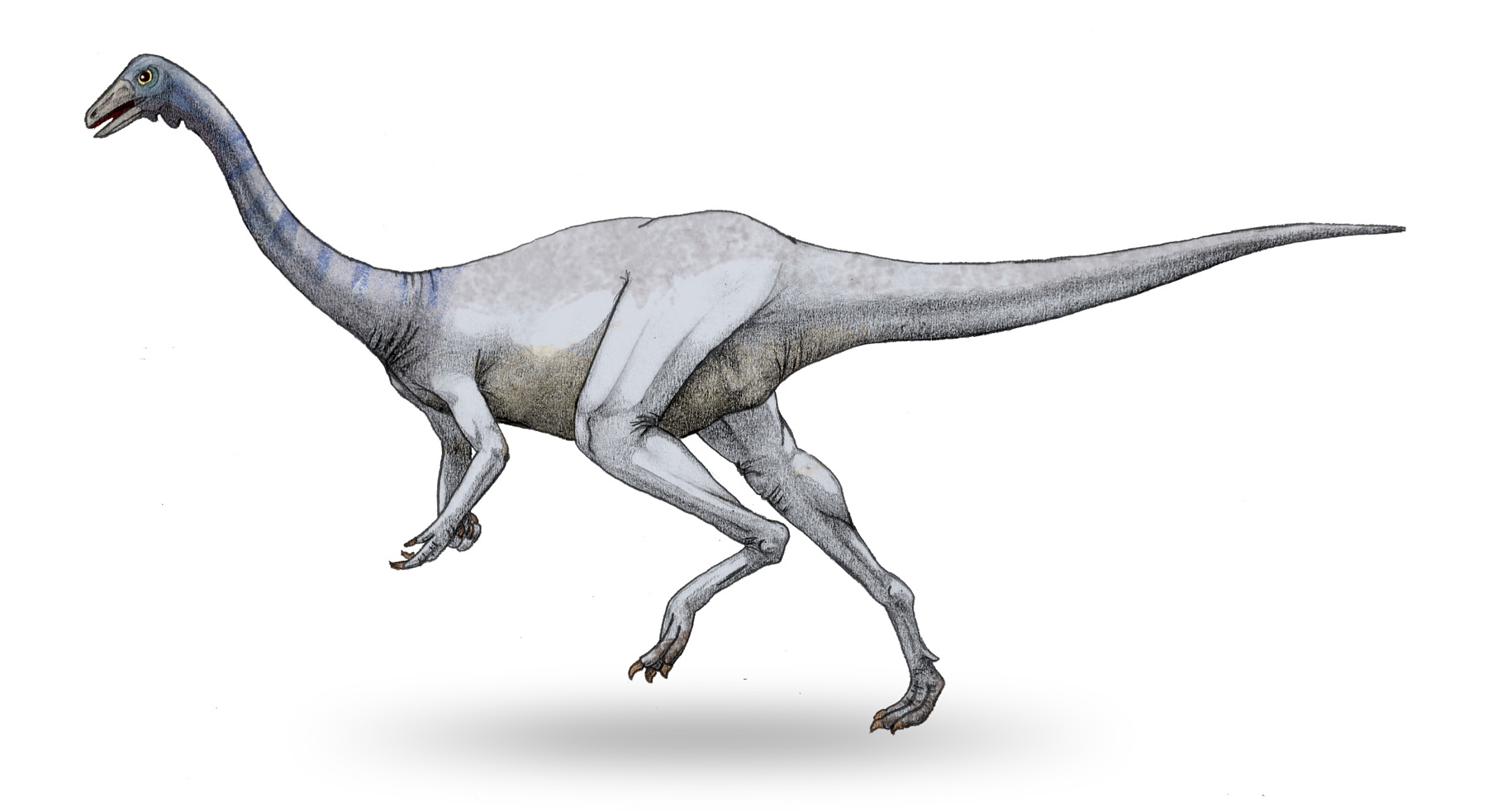
Enter Richard Owen in 1842, a brilliant anatomist who looked at the growing collection of “giant reptiles” and realized something profound. These weren’t just big lizards – they were something entirely different. Owen coined the term “Dinosauria,” meaning “terrible lizards,” though he knew they weren’t really lizards at all.
Owen’s insight was revolutionary. He recognized that Megalosaurus, along with Iguanodon and Hylaeosaurus, shared unique characteristics that set them apart from all living reptiles. Their limb bones were positioned differently, suggesting they stood upright rather than sprawling. This was like discovering that what you thought were oversized house cats were actually a completely different type of animal altogether.
The London Connection Nobody Talks About
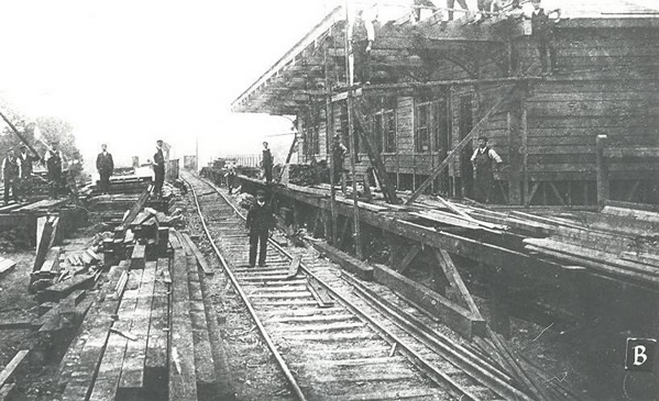
Here’s a fascinating detail that often gets overlooked: some of the first Megalosaurus fossils weren’t found in remote quarries, but practically in London’s backyard. Workers digging foundations and laying railway tracks kept uncovering these mysterious bones, though most were probably discarded as curiosities.
One particularly intriguing specimen was discovered during construction work in Oxfordshire, where laborers initially thought they’d found the remains of a giant human. The local clergy were called in to investigate what appeared to be evidence of biblical giants, only to find themselves face-to-face with something far more ancient and mysterious.
What Megalosaurus Actually Looked Like
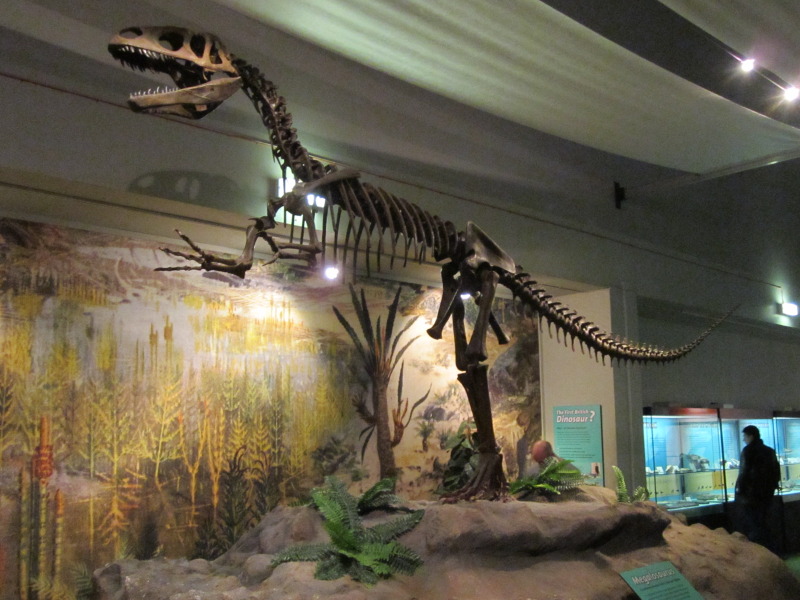
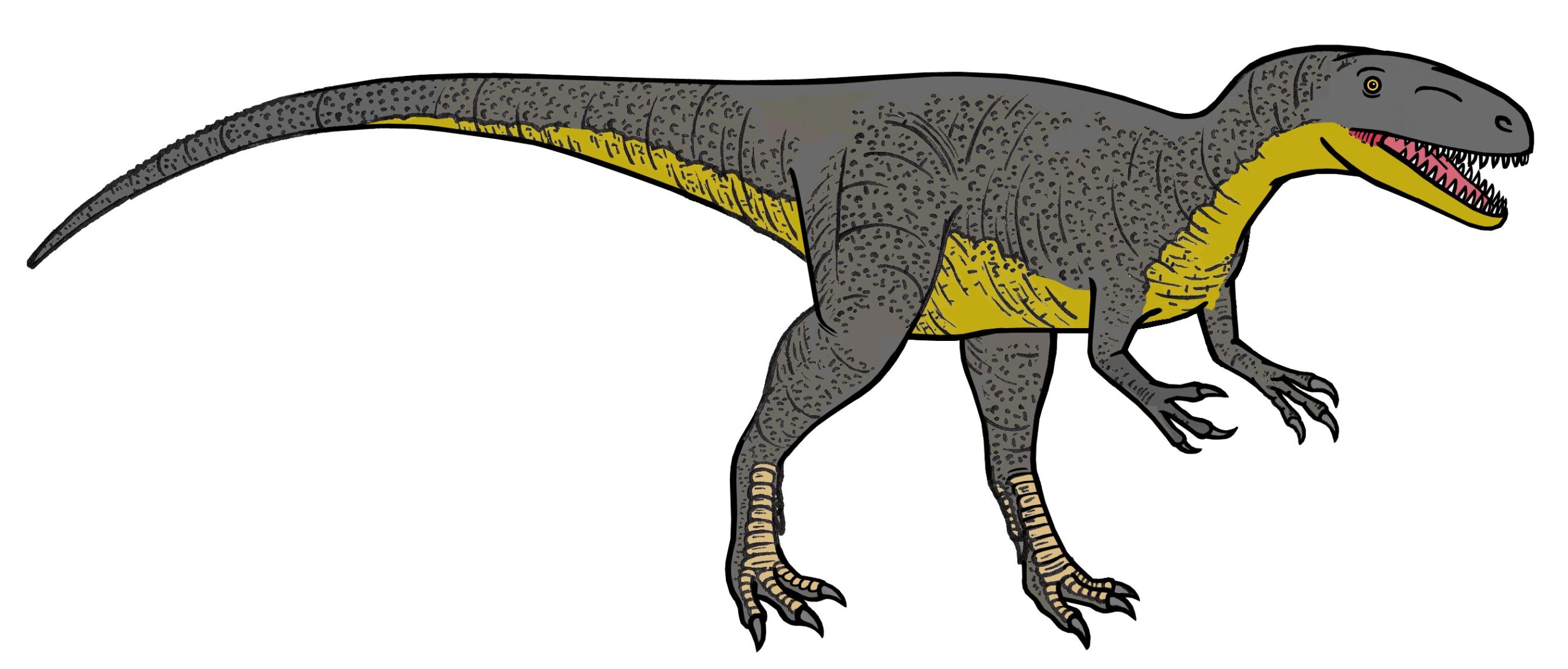
Modern science paints a dramatically different picture of Megalosaurus than those early reconstructions. Instead of a belly-dragging lizard, we now know it was a bipedal predator that stood tall and moved with surprising agility. Picture a massive, muscular carnivore about 30 feet long, with powerful hind legs and relatively small but strong arms.
Its skull was built for crushing, with teeth designed to slice through flesh and bone like prehistoric steak knives. The animal probably moved in a bird-like manner – which makes perfect sense when you consider that birds are actually dinosaurs that survived the mass extinction event 66 million years ago.
The American Challenge to British Supremacy
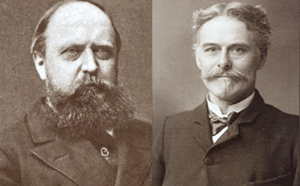
Just as Britain was basking in its dinosaur discovery glory, American paleontologists began unearthing their own spectacular finds. The famous Bone Wars of the late 1800s saw American researchers like Othniel Charles Marsh and Edward Drinker Cope racing across the Western United States, discovering dinosaurs that made Megalosaurus look like a house pet.
This transatlantic rivalry pushed paleontology forward at breakneck speed, but it also created confusion about which dinosaur truly deserved the title of “first discovered.” Technical priority belongs to Megalosaurus, but the question of what constitutes a “proper” scientific description remains debated.
The Missing Pieces Problem
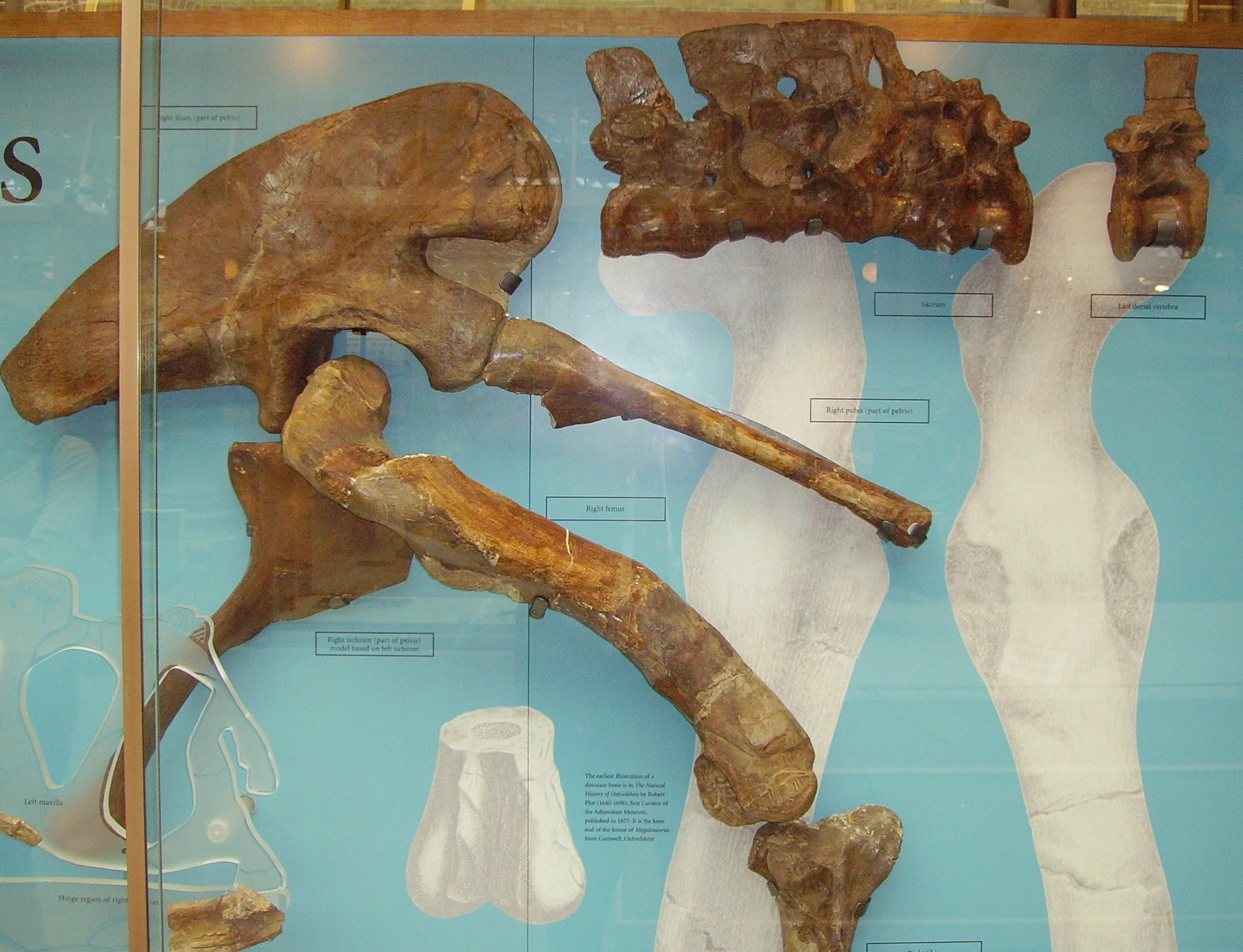
One of the most frustrating aspects of Megalosaurus research is how little we actually have of the original specimen. Unlike some dinosaurs known from nearly complete skeletons, Megalosaurus is represented primarily by teeth, jaw fragments, and scattered bones. It’s like trying to reconstruct a 1,000-piece puzzle when you only have 47 pieces to work with.
This scarcity has led to numerous scientific debates and revisions over the years. Various fossils have been attributed to Megalosaurus, then reassigned to other species as our understanding improved. Some specimens originally thought to be Megalosaurus have been reclassified so many times they practically have their own frequent flyer programs.
The Victorian Dinosaur Renaissance
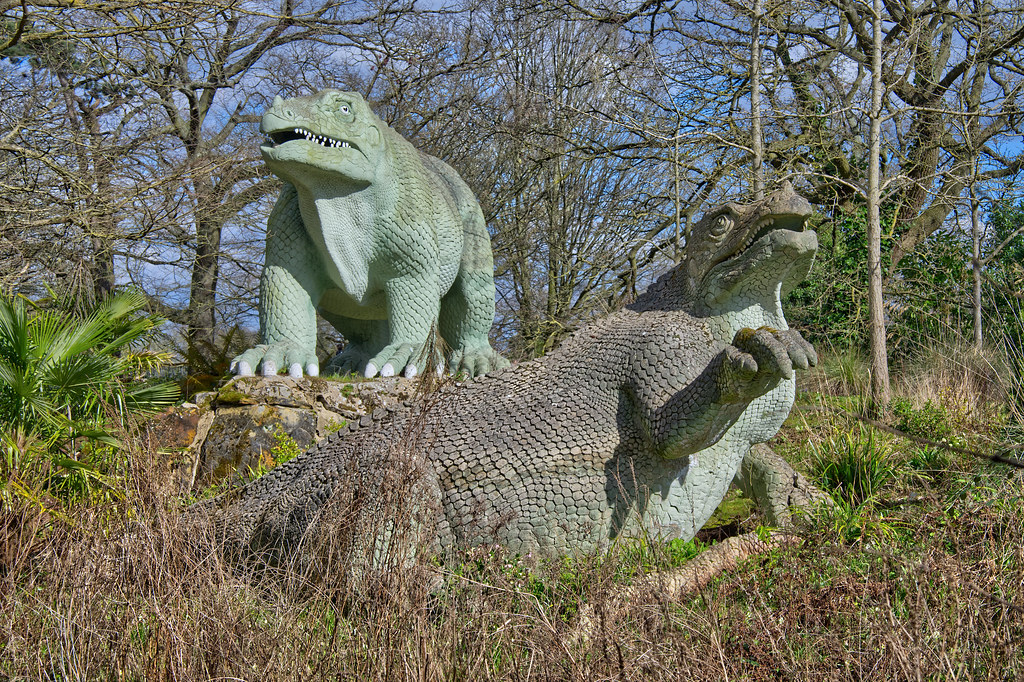
The discovery of Megalosaurus coincided perfectly with the Victorian era’s fascination with natural history and scientific progress. Dinosaurs became symbols of British scientific prowess, featured in everything from scholarly papers to popular novels. The famous Crystal Palace dinosaur sculptures, unveiled in 1854, brought these prehistoric creatures to the public imagination for the first time.
These early reconstructions were wildly inaccurate by today’s standards, but they captured something important – the sense of wonder and terror that dinosaurs inspire. The Victorian public was simultaneously thrilled and horrified by the idea that such monsters once ruled the Earth, reflecting deeper anxieties about humanity’s place in the natural world.
Modern Technology Rewrites the Story
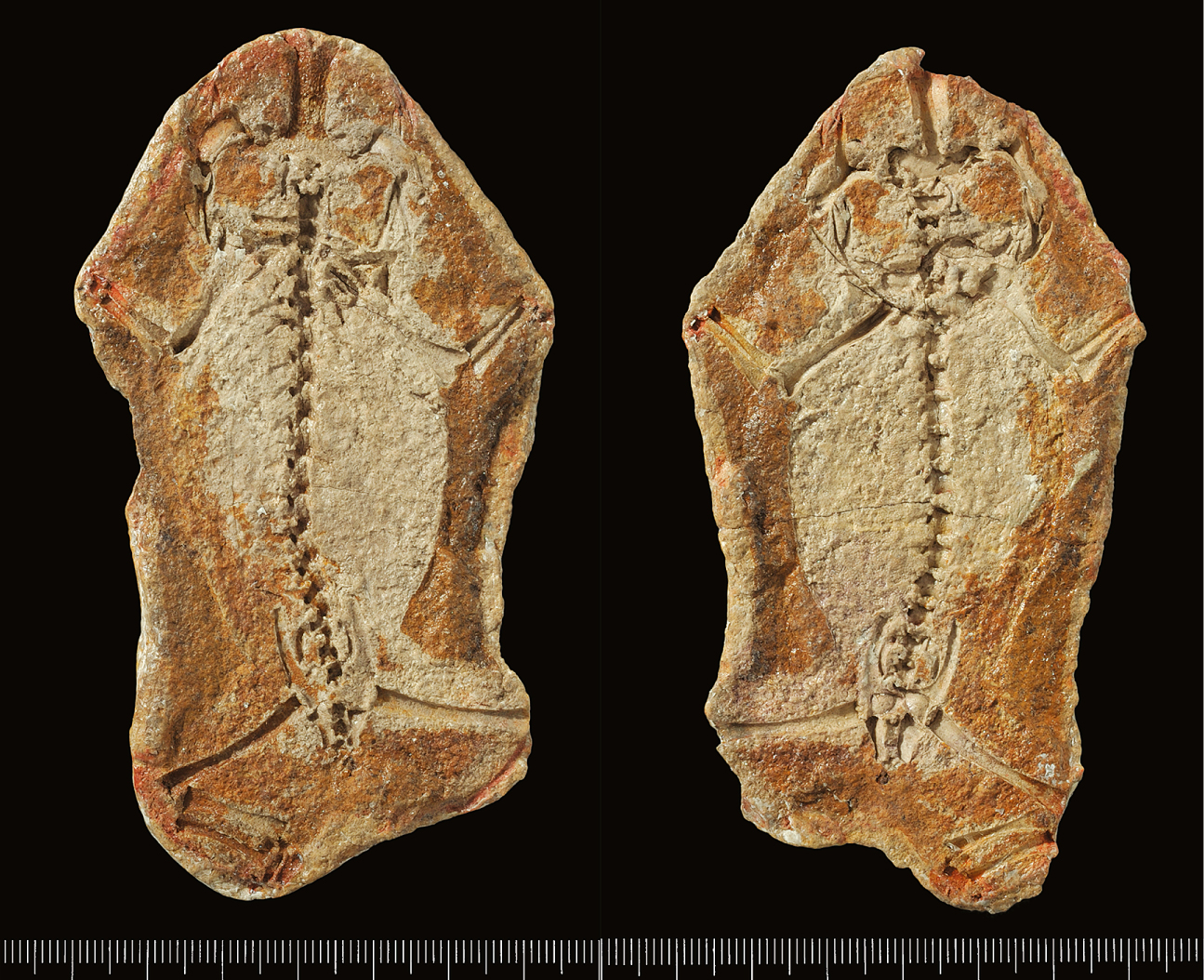
Today’s paleontologists have tools that Victorian scientists could never have imagined. CT scans, chemical analysis, and computer modeling allow us to examine fossils in extraordinary detail without damaging them. Recent studies of Megalosaurus specimens have revealed surprising details about how these animals lived, moved, and interacted with their environment.
For instance, analysis of Megalosaurus teeth suggests it may have been more of a scavenger than previously thought, supplementing active hunting with opportunistic feeding on carcasses. This doesn’t make it less impressive – just more complex and interesting than early researchers imagined.
The Ripple Effect of Discovery
The identification of Megalosaurus as the first named dinosaur created ripples that are still spreading today. It established the template for how new species are described and named in paleontology. More importantly, it opened humanity’s eyes to the vast scope of geological time and the incredible diversity of life that existed long before humans appeared on the scene.
This single discovery helped establish paleontology as a legitimate scientific discipline, separate from geology and zoology. It showed that the Earth had a deep history filled with creatures unlike anything alive today, fundamentally changing how we think about our planet and our place in its story.
The Question That Started It All
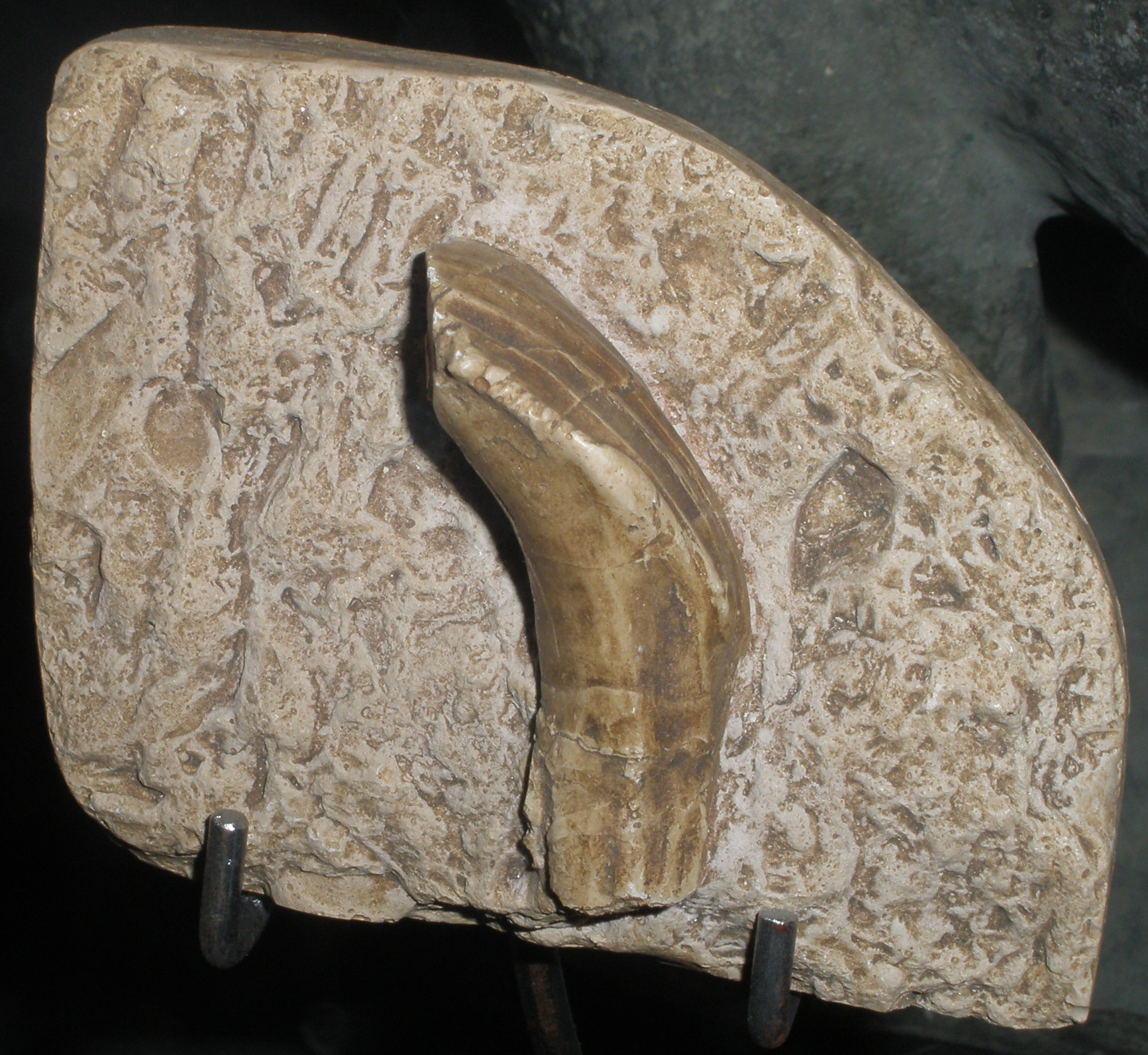
So, was Megalosaurus truly the first dinosaur? The answer depends on how you define “first.” It was certainly the first dinosaur to be formally described and named in scientific literature, giving it clear priority in the official record. However, other dinosaur fossils were likely discovered earlier but not properly recognized or described.
Some argue that Iguanodon teeth found by Mary Ann Mantell in 1822 represent an earlier discovery, though these weren’t formally described until later. Others point to various fossils found decades earlier but misidentified as belonging to other animals. The truth is that the “first” dinosaur discovery is as much about scientific recognition as it is about actual chronology.
Legacy of the Great Lizard
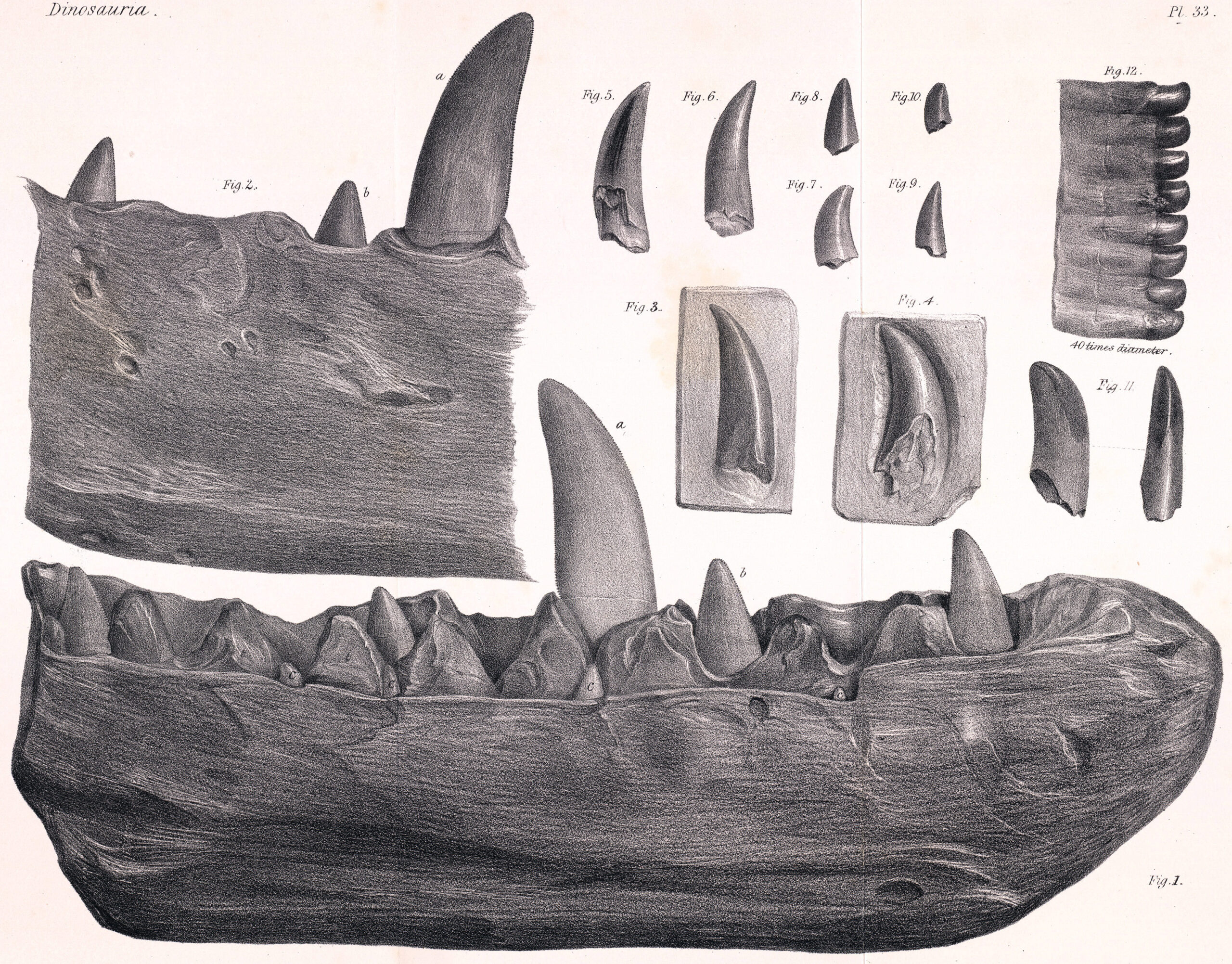
Nearly 200 years after its discovery, Megalosaurus continues to fascinate scientists and the public alike. It remains the type species for the Megalosauridae family and holds a permanent place in paleontological history. Modern research continues to refine our understanding of this ancient predator, using new techniques to extract information from old fossils.
The discovery also highlights how scientific understanding evolves over time. What began as a “great lizard” became the foundation for our understanding of an entire group of animals that dominated Earth for over 160 million years. It’s a reminder that in science, today’s certainty may be tomorrow’s stepping stone to greater understanding.
Every time a child sees their first dinosaur skeleton in a museum, they’re experiencing an echo of the wonder that William Buckland felt when he first held that ancient jawbone. Megalosaurus may have been just the beginning, but what a beginning it was – opening a window into a lost world that continues to captivate our imagination and challenge our understanding of life on Earth.
The story of Megalosaurus teaches us that sometimes the most important discoveries come not from finding something completely new, but from looking at something familiar with fresh eyes. In a world where giant reptiles were considered impossible, one Oxford professor dared to imagine something even more extraordinary – and in doing so, gave birth to our modern understanding of dinosaurs.
What other “impossible” discoveries might be waiting just beneath our feet, ready to rewrite the history books once again?