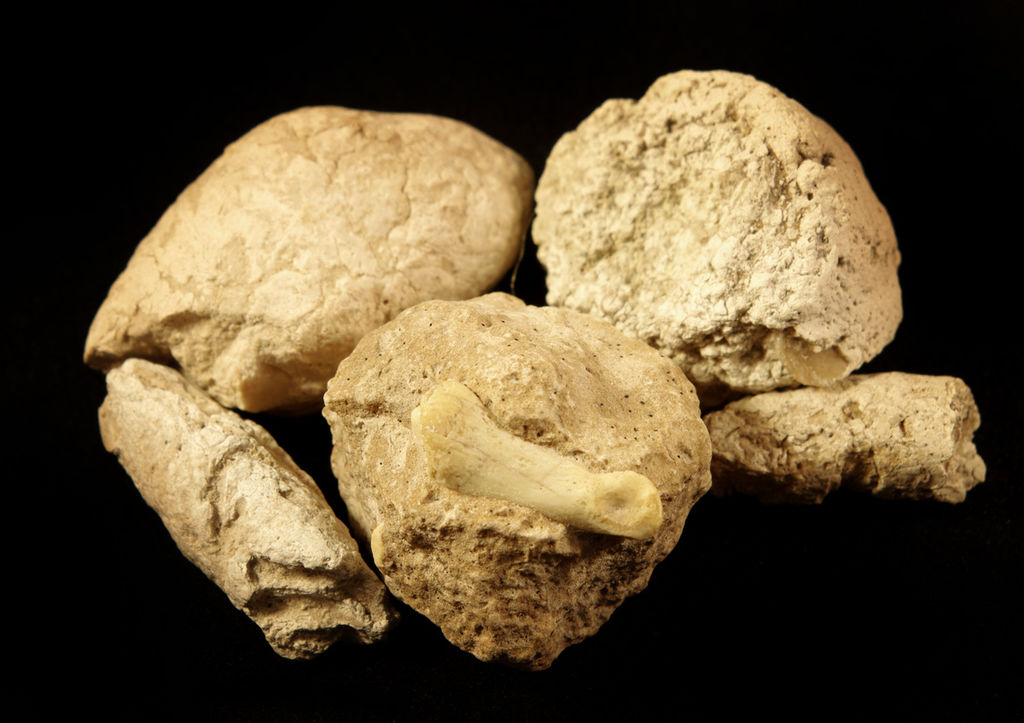
Picture this: you’re strolling through a museum, marveling at towering dinosaur skeletons, when suddenly you stop at a display case containing what looks like ordinary rocks. The placard reads “Coprolites – fossilized dinosaur dung.” Your first thought might be disgust, but paleontologists around the world consider these specimens pure gold. These ancient bathroom breaks have become some of the most valuable scientific treasures on Earth, worth thousands of dollars per piece and offering unprecedented insights into prehistoric life.
The Bathroom Habits That Changed Everything

When a massive Tyrannosaurus rex finished devouring its prey 70 million years ago, it had no idea its bathroom break would one day revolutionize our understanding of prehistoric ecosystems. The moment that ancient predator relieved itself, it unknowingly created what would become one of paleontology’s most prized possessions. These fossilized feces, known as coprolites, have transformed from embarrassing bodily functions into scientific goldmines that reveal secrets no skeleton ever could.
The preservation of these specimens required perfect conditions – a combination of rapid burial, mineral-rich sediments, and just the right chemical environment. Think of it like nature’s own time capsule, where instead of photos and letters, we get intimate details about what creatures ate, how they lived, and even what parasites plagued them millions of years ago.
The Million-Year Mineralization Process
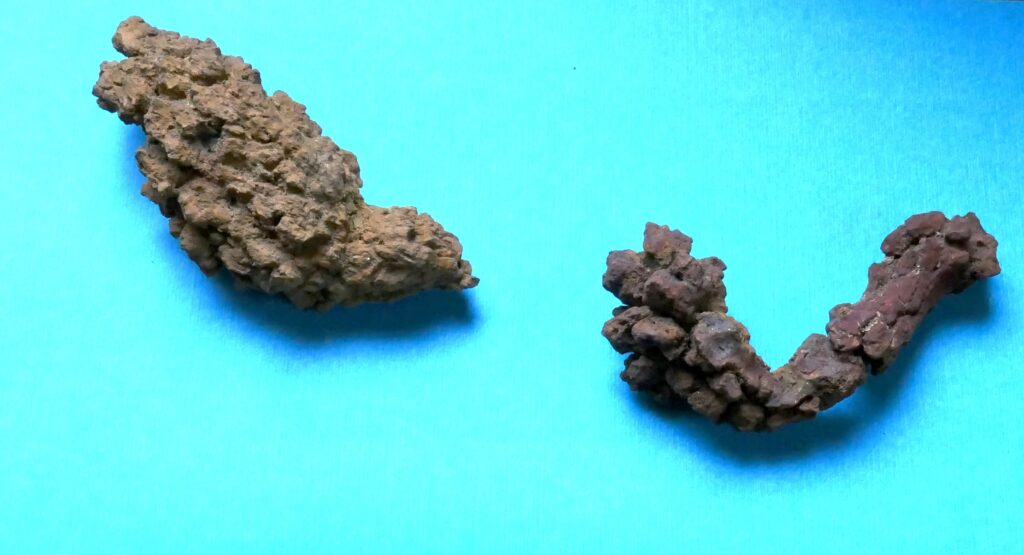
The journey from fresh dinosaur dung to fossilized treasure isn’t quick or simple. When prehistoric creatures defecated, their waste needed to be buried rapidly by sediment to begin the fossilization process. Over thousands of years, minerals from surrounding rocks slowly replaced the organic material in the dung, creating a stone-like replica of the original specimen. This process, called permineralization, essentially turns poop into rock while preserving its internal structure and contents.
The most perfectly preserved coprolites formed in environments with high mineral content, such as ancient riverbeds or lake bottoms. These locations provided the ideal chemistry for fossilization, with silica, calcium carbonate, or phosphate minerals gradually infiltrating the organic matter. The result? A geological time machine that captures a single moment in prehistoric life with stunning accuracy.
Decoding Ancient Dinner Menus
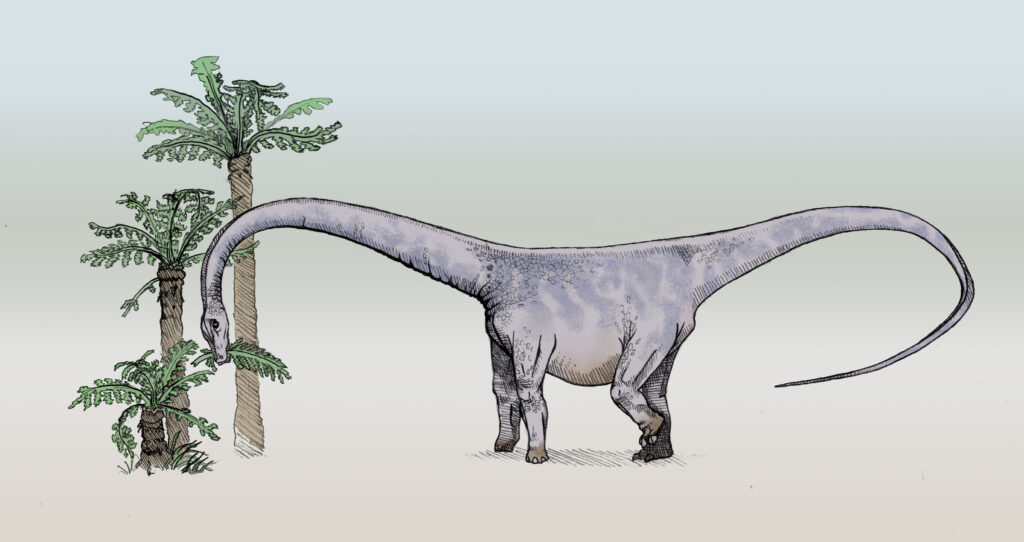
Every coprolite tells a story about prehistoric dining habits that would make any food critic jealous. Scientists can identify bone fragments, plant material, fish scales, and even insect parts within these fossilized specimens. A single T. rex coprolite might contain crushed bones from multiple prey animals, revealing not just what the predator ate, but how thoroughly it processed its meals.
Recent discoveries have shown that some herbivorous dinosaurs had surprisingly varied diets, with coprolites containing remains of dozens of different plant species. This dietary diversity suggests these ancient vegetarians were sophisticated foragers who actively selected nutritious plants rather than simply munching on whatever vegetation was available. The evidence literally comes straight from the source.
The Parasite Time Capsule
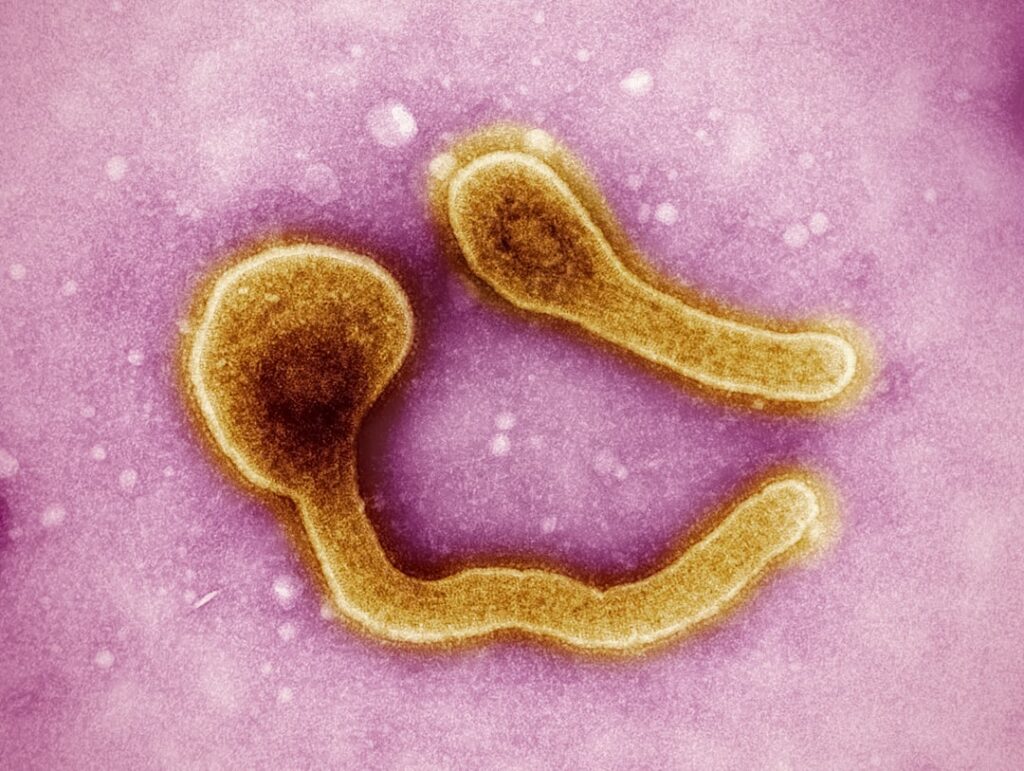
Perhaps the most surprising discoveries within coprolites are the microscopic hitchhikers – ancient parasites that plagued dinosaurs millions of years ago. These tiny organisms, preserved within their host’s waste, provide incredible insights into prehistoric disease and health. Scientists have found tapeworm eggs, roundworm larvae, and other parasitic organisms that reveal dinosaurs suffered from many of the same ailments that affect modern animals.
One remarkable coprolite from a fish-eating dinosaur contained perfectly preserved parasite eggs that were nearly identical to those found in modern crocodiles. This discovery suggests that certain parasitic relationships have remained virtually unchanged for over 100 million years, creating an unbroken chain of biological interaction spanning geological ages.
Size Matters in the Fossil World
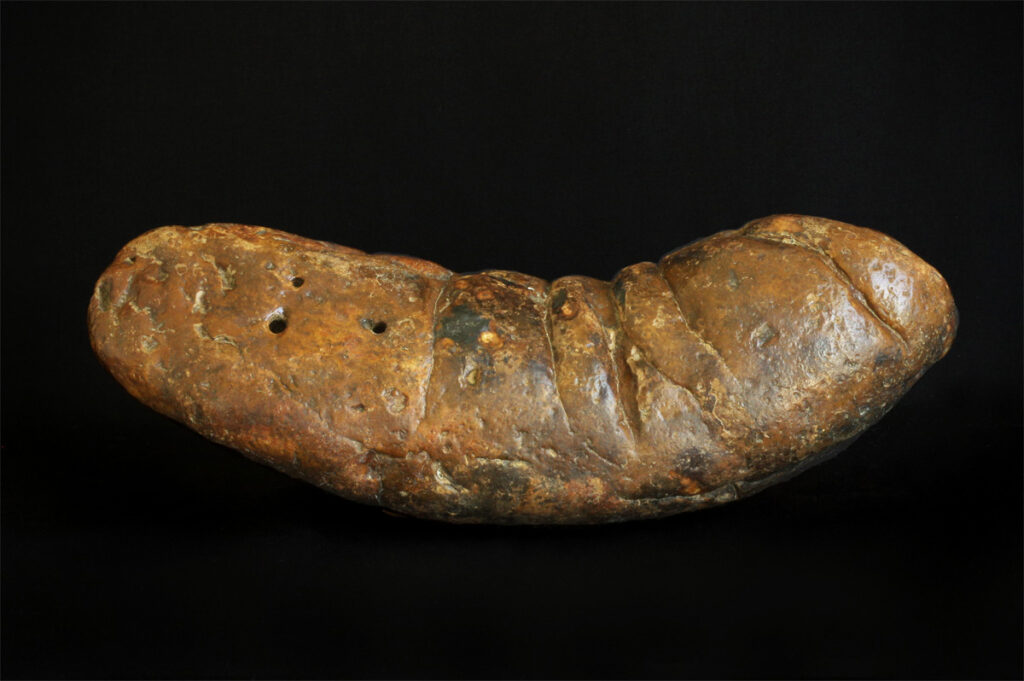
The largest known coprolite, discovered in Saskatchewan, Canada, measures over 17 inches long and weighs more than 15 pounds. This massive specimen, likely produced by a T. rex, sold at auction for over $10,000, proving that even prehistoric bathroom breaks can be worth their weight in gold. The sheer size of this specimen provided researchers with an unprecedented amount of data about large predator digestion and diet.
Smaller coprolites from herbivorous dinosaurs often contain fascinating details about plant processing. Some specimens show evidence of deliberate stone swallowing – a behavior called gastroliths – where dinosaurs consumed rocks to help grind plant material in their stomachs, similar to how modern birds use grit to aid digestion.
The Art of Coprolite Collection

Finding coprolites requires a trained eye and considerable patience. These fossils often look like ordinary rocks to untrained observers, but experienced collectors can identify them by their distinctive shapes, textures, and contexts. The best specimens are typically found in areas with excellent fossil preservation, such as the Hell Creek Formation in Montana or the Dinosaur National Monument in Utah.
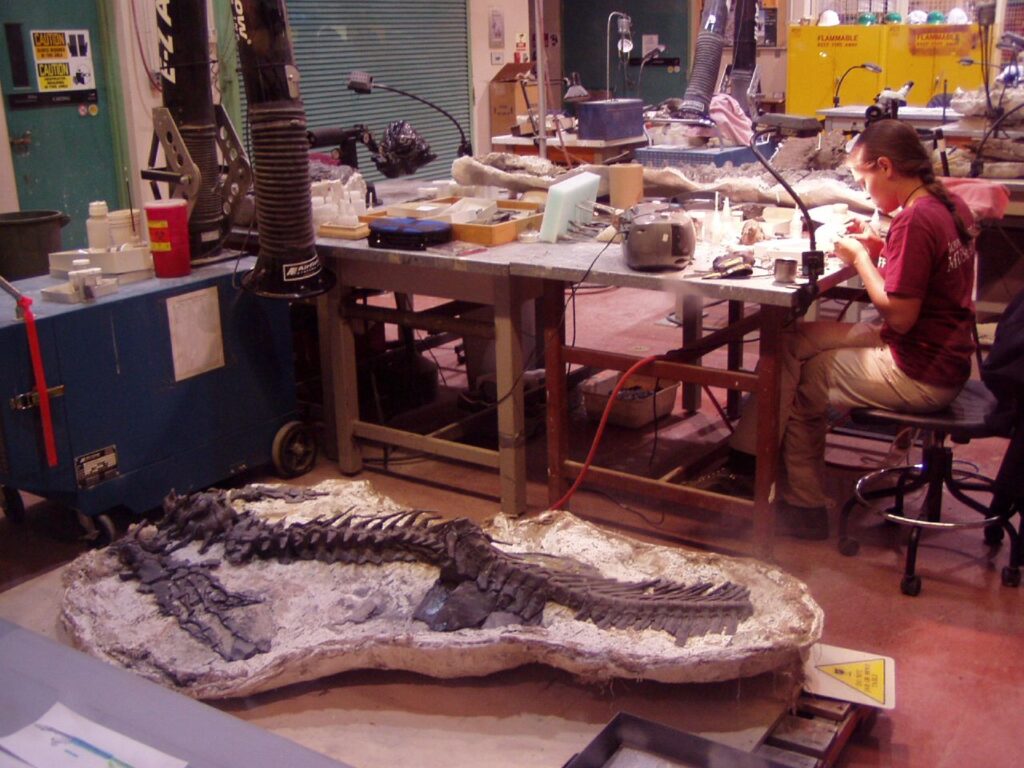
Professional paleontologists use specialized techniques to extract coprolites without damaging their delicate internal structures. The process involves careful excavation, detailed documentation of the surrounding rock layers, and sometimes years of laboratory preparation to reveal the specimens’ hidden secrets. Each coprolite is essentially a archaeological dig in miniature.
Modern Technology Meets Ancient Waste
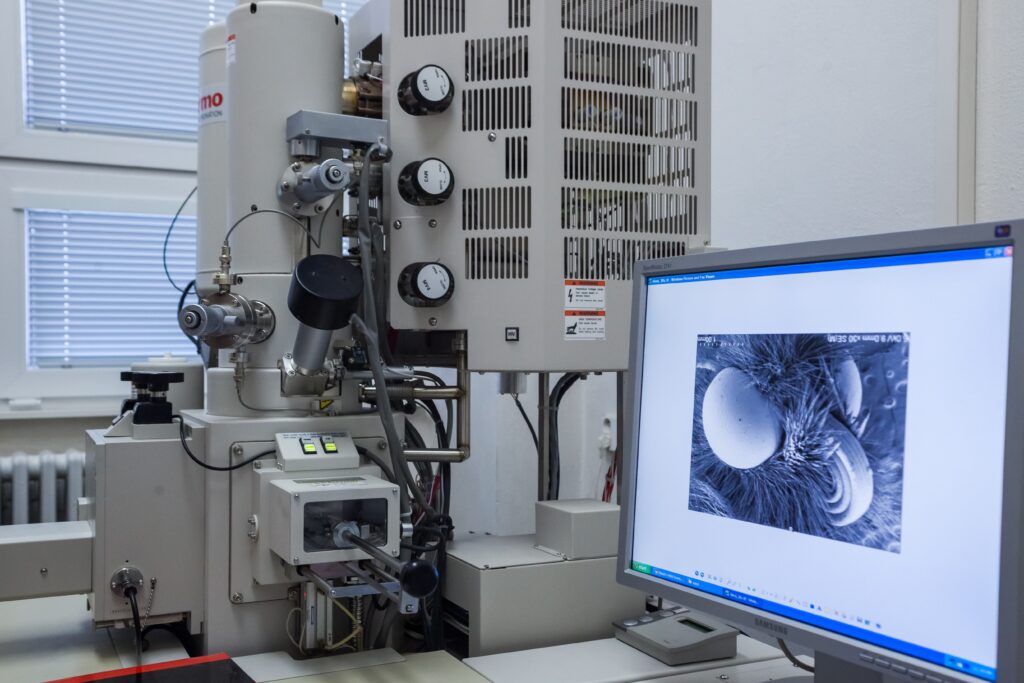
Today’s scientists employ cutting-edge technology to unlock coprolite secrets that were impossible to access just decades ago. CT scanning allows researchers to peer inside specimens without damaging them, revealing three-dimensional details of their contents. Scanning electron microscopy can identify microscopic plant cells, pollen grains, and even bacterial structures preserved within the fossilized material.
Chemical analysis techniques can determine the pH levels of ancient digestive systems, the presence of specific enzymes, and even the nutritional content of prehistoric meals. These technological advances have transformed coprolites from curiosities into sophisticated scientific instruments that provide detailed data about ancient ecosystems and biological processes.
The Economics of Fossilized Feces

The commercial value of coprolites has skyrocketed in recent years, with prime specimens commanding prices that rival fine jewelry. A single well-preserved dinosaur coprolite can sell for anywhere from $500 to $50,000, depending on its size, origin, and scientific significance. The most valuable specimens are those that contain rare or unusual contents, such as complete bone fragments or perfectly preserved plant material.
This economic boom has created a thriving market for both legitimate collectors and unfortunately, fraudulent specimens. The high prices have led to sophisticated forgeries, where modern animal dung is artificially aged and mineralized to deceive buyers. Authentic coprolites require careful authentication through geological and chemical analysis to verify their age and legitimacy.
Ecosystem Detectives in Stone

Coprolites serve as windows into entire prehistoric ecosystems, revealing complex food webs and environmental conditions from millions of years ago. By analyzing coprolites from different species found in the same geological formation, scientists can reconstruct ancient food chains and understand how different organisms interacted within their environment. This ecosystem-level perspective is impossible to achieve through skeletal remains alone.
Some coprolites contain pollen grains that reveal the types of plants growing in ancient landscapes, while others include microscopic algae that indicate water quality and climate conditions. These environmental clues help scientists understand how ecosystems responded to major geological events, such as volcanic eruptions or climate changes that occurred throughout Earth’s history.
The Unexpected Preservation Champions

Not all coprolites come from dinosaurs – some of the most scientifically valuable specimens were produced by ancient mammals, fish, and even invertebrates. Prehistoric shark coprolites, for example, contain spiral-shaped structures that reveal how these ancient predators processed their prey. Mammalian coprolites from the Ice Age provide insights into the diets of extinct megafauna like mammoths and giant ground sloths.
Marine coprolites often preserve remarkable details about ancient ocean ecosystems, including microscopic plankton and the remains of creatures that lived in prehistoric seas. These specimens are particularly valuable because marine environments typically provide excellent preservation conditions, resulting in coprolites with extraordinary levels of detail and scientific significance.
Fakes, Frauds, and Fossil Forensics
The booming coprolite market has unfortunately attracted unscrupulous dealers who create fake specimens to deceive collectors and researchers. These fraudulent fossils range from simple rock carvings to sophisticated creations using modern animal waste treated with chemicals to simulate ancient mineralization. Detecting these fakes requires advanced scientific techniques and considerable expertise in genuine coprolite characteristics.
Authentic coprolites display specific mineral compositions, internal structures, and geological contexts that are extremely difficult to replicate artificially. Scientists use radiometric dating, chemical analysis, and microscopic examination to verify specimen authenticity. The most reliable coprolites come from documented excavations with clear geological provenance and scientific documentation.
Climate Clues in Prehistoric Poop
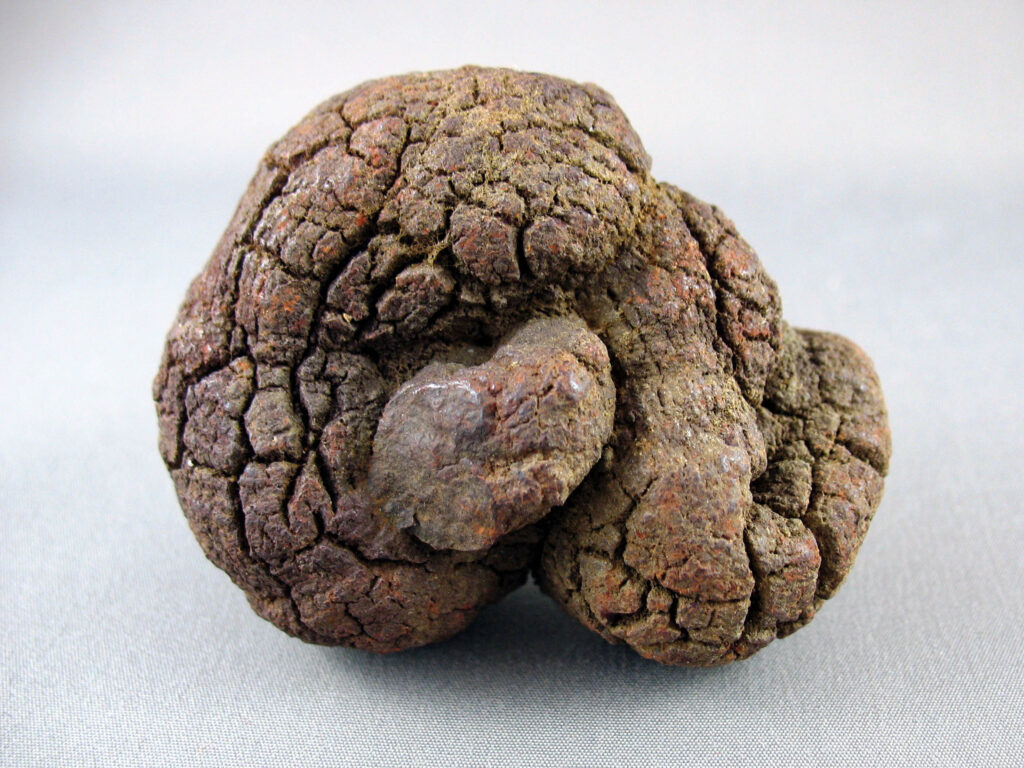
Coprolites provide unprecedented insights into ancient climate conditions through their preserved organic contents. Plant materials within herbivore coprolites can indicate seasonal variations, drought conditions, and long-term climate trends that affected prehistoric ecosystems. Some specimens contain evidence of specific growing seasons, revealing how ancient animals adapted their feeding behaviors to environmental changes.
The mineral composition of coprolites also reflects the geochemical conditions of their depositional environment, providing clues about ancient soil chemistry, water availability, and atmospheric conditions. This climate data helps scientists understand how prehistoric life responded to natural climate variations and major environmental events throughout Earth’s history.
Laboratory Secrets and Scientific Breakthroughs
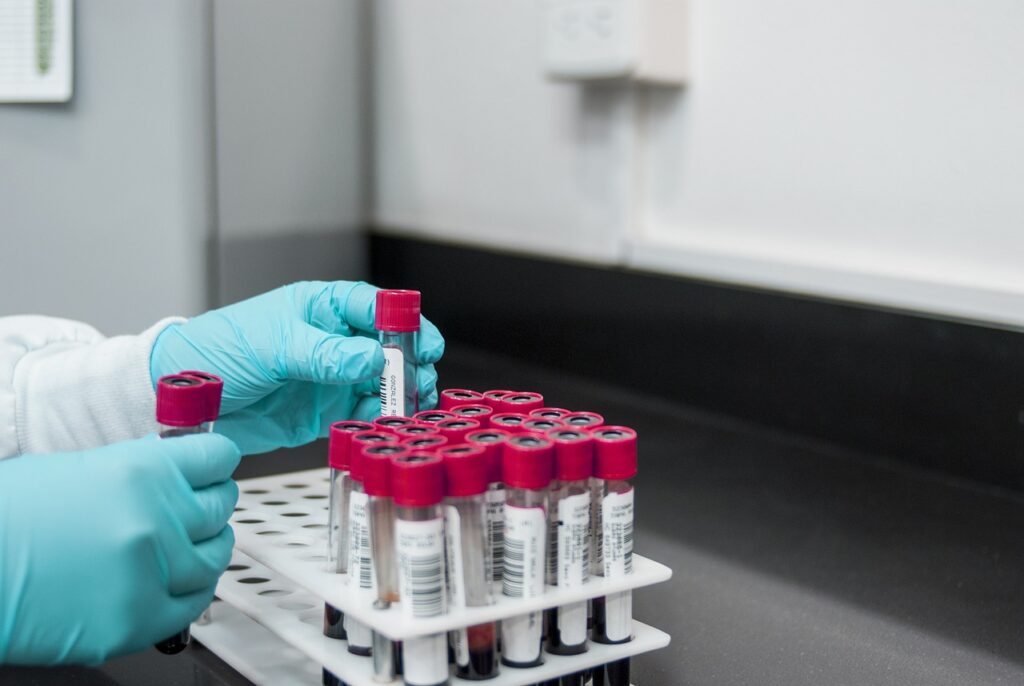
Modern coprolite research involves sophisticated laboratory techniques that would astound early paleontologists. Scientists can extract and analyze ancient DNA fragments, identify specific proteins, and even determine the microbial communities that lived within prehistoric digestive systems. These molecular techniques are revolutionizing our understanding of ancient life and evolutionary relationships.
Recent breakthroughs include the discovery of preserved amino acids in coprolites that provide information about ancient protein structures and metabolic processes. Some researchers have even identified bacterial spores within coprolites that remain viable after millions of years, offering tantalizing possibilities for understanding ancient microbial life and its evolution over geological time scales.
Future Frontiers in Coprolite Science

The future of coprolite research holds exciting possibilities as new technologies continue to emerge. Artificial intelligence and machine learning algorithms are being developed to automatically identify and classify coprolite contents, potentially accelerating the pace of discovery and analysis. Advanced imaging techniques may soon allow scientists to examine coprolites at the cellular level without any physical preparation.
Emerging fields like paleomicrobiomics – the study of ancient microbial communities – promise to reveal how digestive systems evolved and how prehistoric animals maintained their gut health. These studies could provide insights into modern digestive disorders and evolutionary medicine, demonstrating how ancient poop continues to inform contemporary scientific understanding.
The next time you encounter a coprolite display in a museum, remember that you’re looking at one of nature’s most intimate historical records. These fossilized specimens represent millions of years of evolutionary history, preserved in the most unlikely of packages. From revealing ancient diets to uncovering climate secrets, coprolites continue to surprise scientists with their wealth of information. They remind us that sometimes the most extraordinary discoveries come from the most ordinary biological processes, and that every aspect of ancient life – even the most unglamorous – has something valuable to teach us about our planet’s incredible past.