
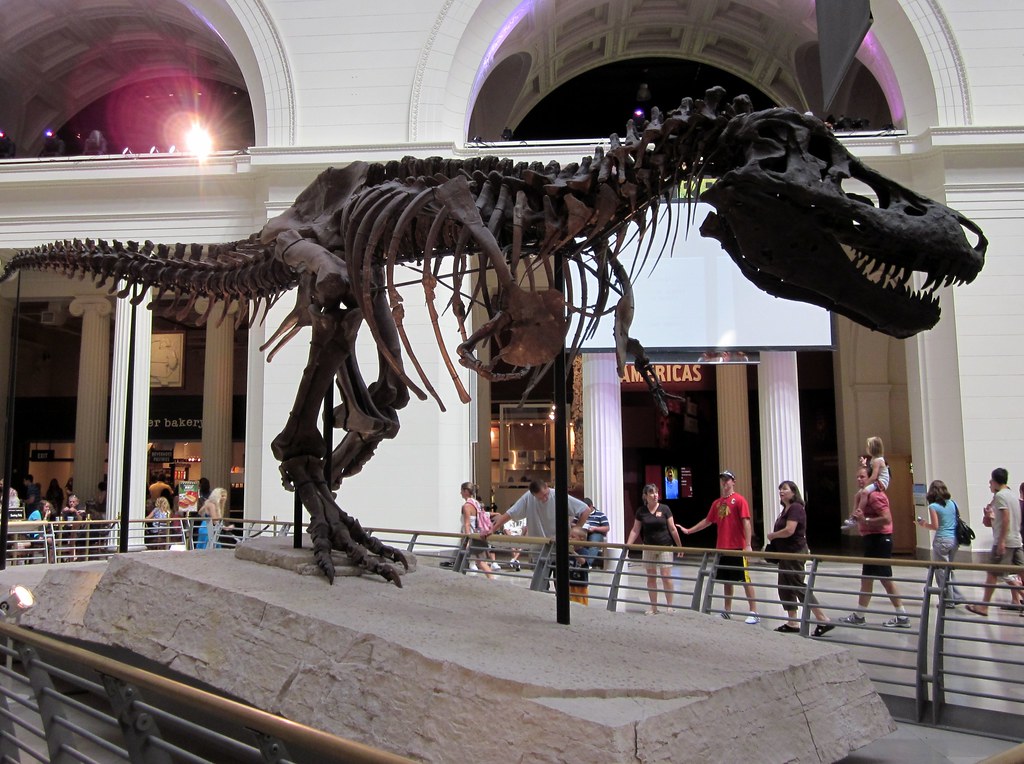
Picture this: a dinosaur running at full speed, muscles tense, legs pumping, breath heavy. Then suddenly, time stops forever. Not just metaphorically, but literally preserved in stone for millions of years. This isn’t the plot of a science fiction movie – it’s one of the most extraordinary fossil discoveries in paleontological history. The moment when a creature’s final sprint was captured in exquisite detail, giving us an unprecedented window into the last seconds of a dinosaur’s life.
The Discovery That Changed Everything
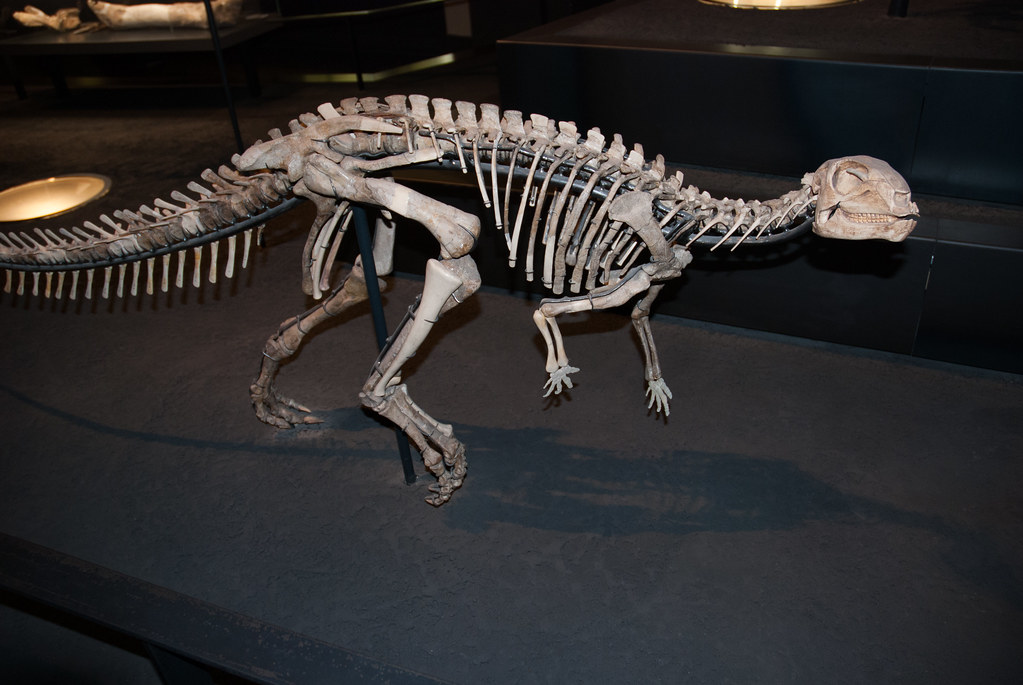
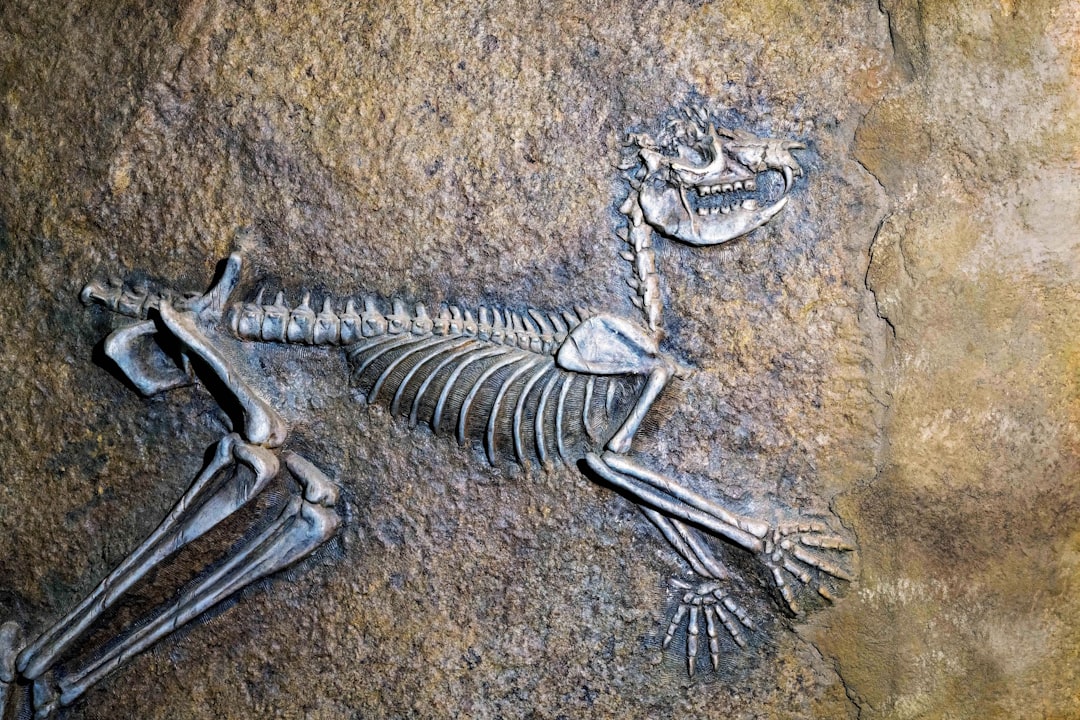
In 2009, paleontologists working in the Gobi Desert made a discovery that would rewrite our understanding of dinosaur behavior. They uncovered what appeared to be an ordinary fossil at first glance, but closer examination revealed something extraordinary. The preserved skeleton showed clear evidence of a dinosaur caught in the act of running – not just walking or standing, but actively sprinting. The fossil belonged to a small theropod dinosaur, roughly the size of a modern-day chicken, but what made it special wasn’t its size. It was the position of the bones, the angle of the limbs, and the unmistakable posture of rapid locomotion. Scientists had never seen anything quite like it.
Reading the Stone Story
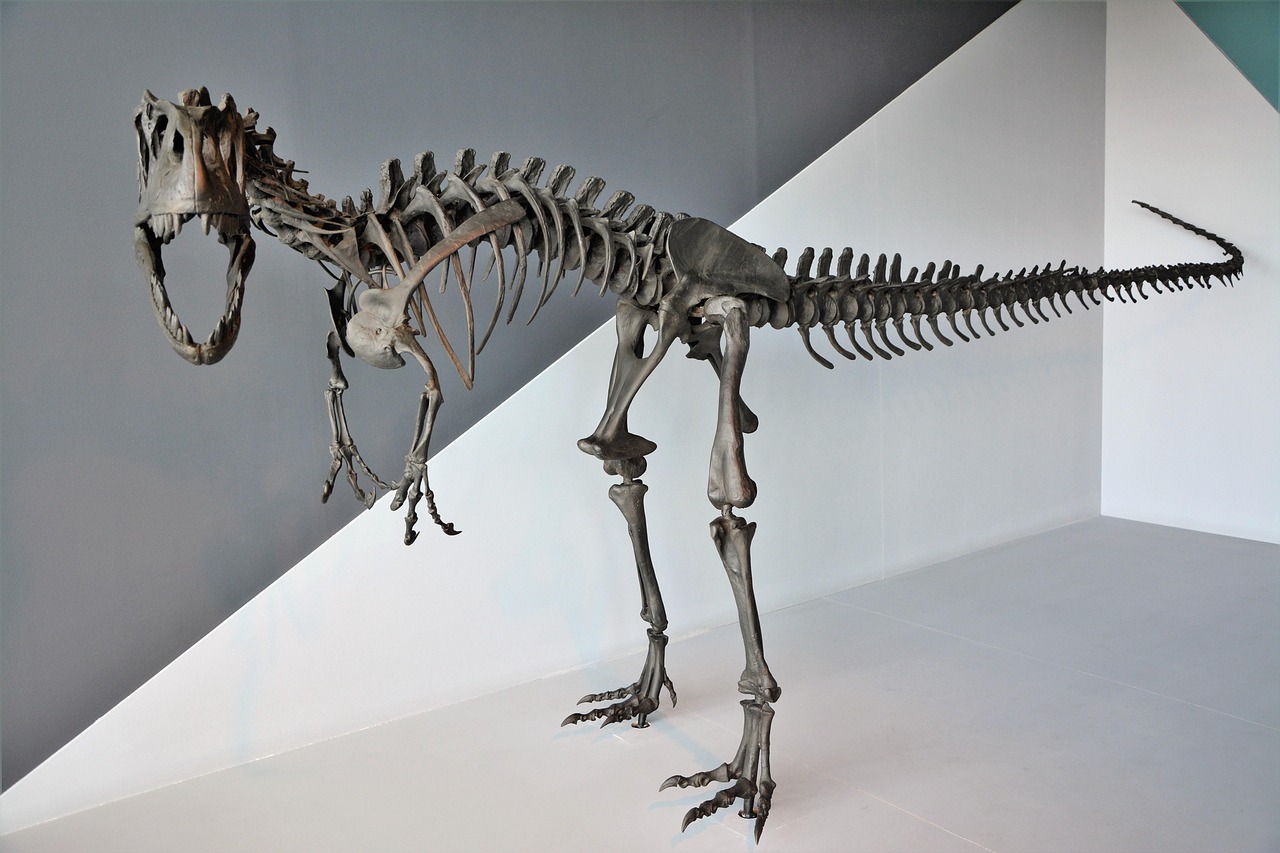
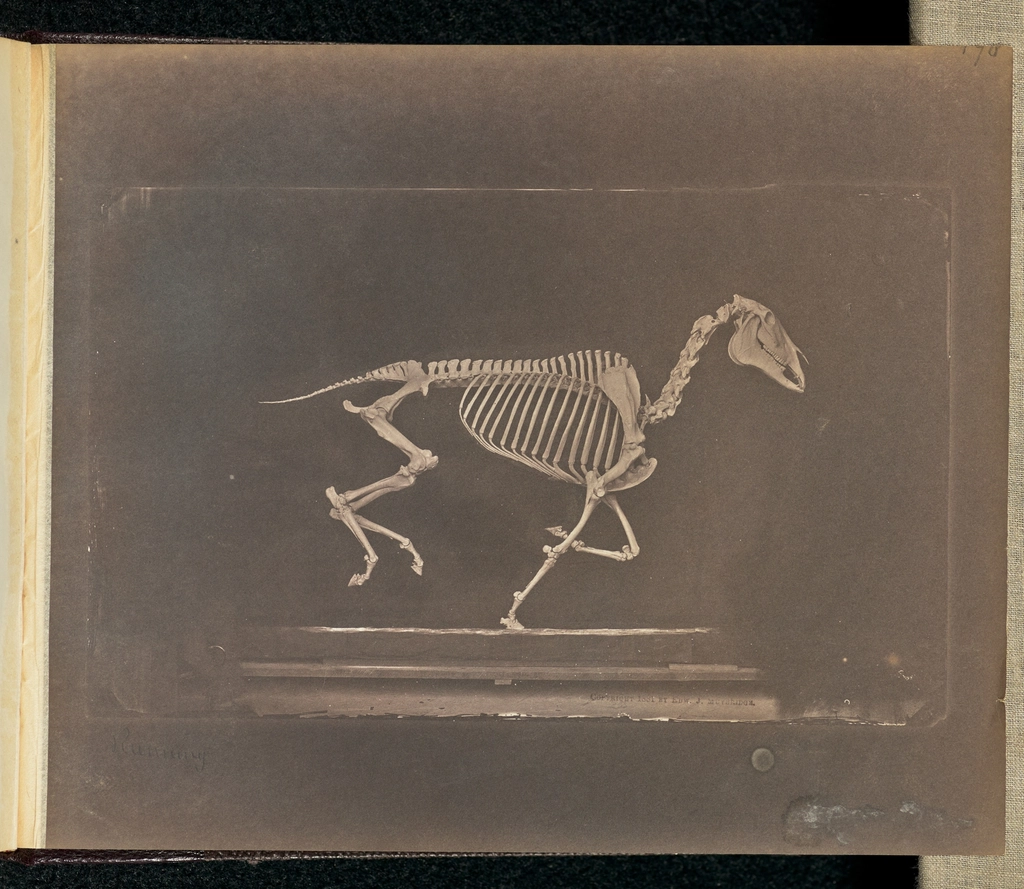
Fossils are like nature’s photography, capturing moments in time with incredible precision. This particular specimen told a story that scientists could read like pages in a book. The dinosaur’s legs were positioned in a classic running stance, with one foot planted firmly while the other was lifted high, ready for the next stride. The tail was held straight out for balance, exactly as modern running birds do when they need to make quick turns or maintain stability at high speeds. Even the vertebrae in the spine showed the characteristic curve of a creature in full sprint. It was as if someone had pressed pause on a nature documentary from 75 million years ago.
The Science Behind Instant Preservation
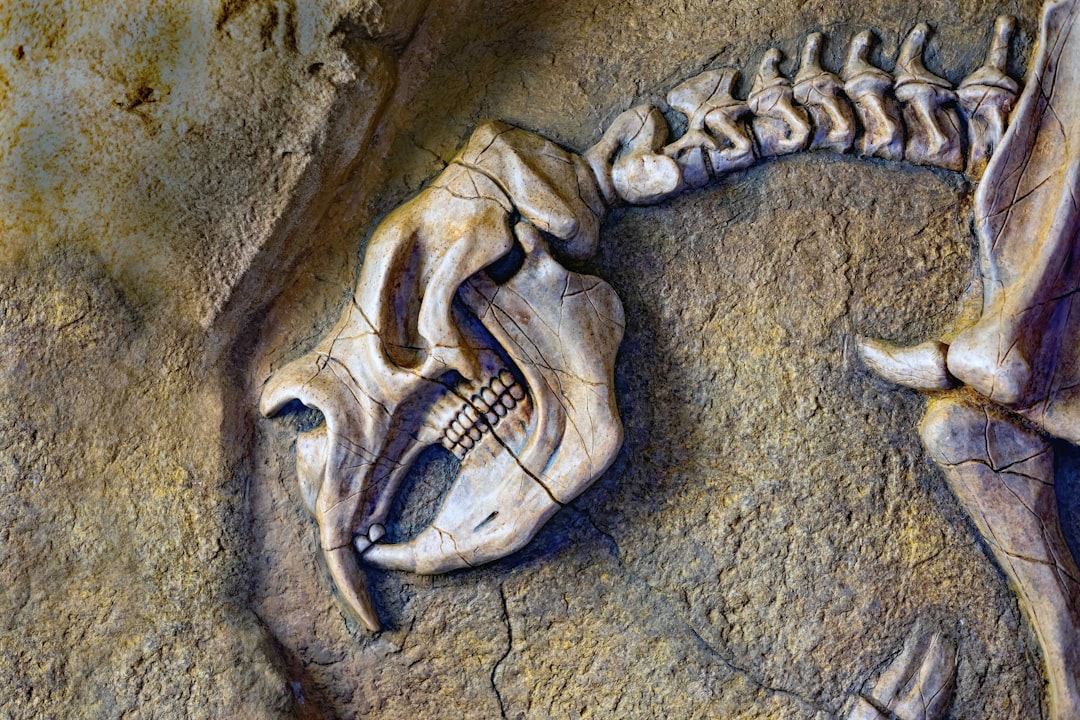
How does a running dinosaur get fossilized mid-stride? The answer lies in one of nature’s most dramatic preservation methods: sudden burial. This particular dinosaur was likely caught in a catastrophic sandstorm or flash flood that buried it instantly. The speed of burial was so rapid that the creature didn’t have time to decompose or be scattered by scavengers. Think of it like being caught in wet cement that hardens immediately. The sediment that buried this dinosaur was fine enough to capture every detail, yet heavy enough to create the pressure needed for fossilization. This perfect storm of conditions occurs perhaps once in a billion deaths, making such fossils incredibly rare.
What the Bones Reveal About Speed
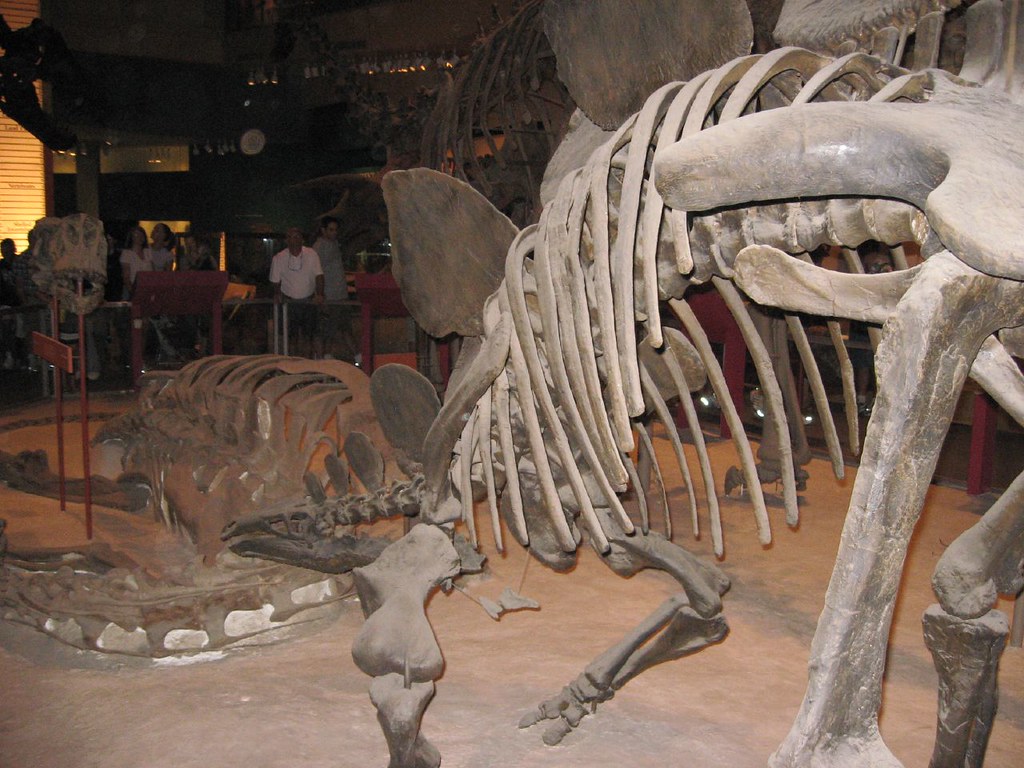
Scientists can determine how fast this dinosaur was running by analyzing the bone structure and limb positioning. The angle of the femur, the extension of the tibia, and the position of the foot bones all provide clues about velocity. Biomechanical analysis suggests this little theropod was moving at approximately 15 miles per hour when it was buried. That might not sound impressive compared to a cheetah’s 70 mph, but for a creature the size of a large chicken, it’s remarkably fast. Modern ground-dwelling birds of similar size typically max out around 12-15 mph, suggesting this ancient runner was pushing its physical limits.
The Predator-Prey Drama Frozen in Time
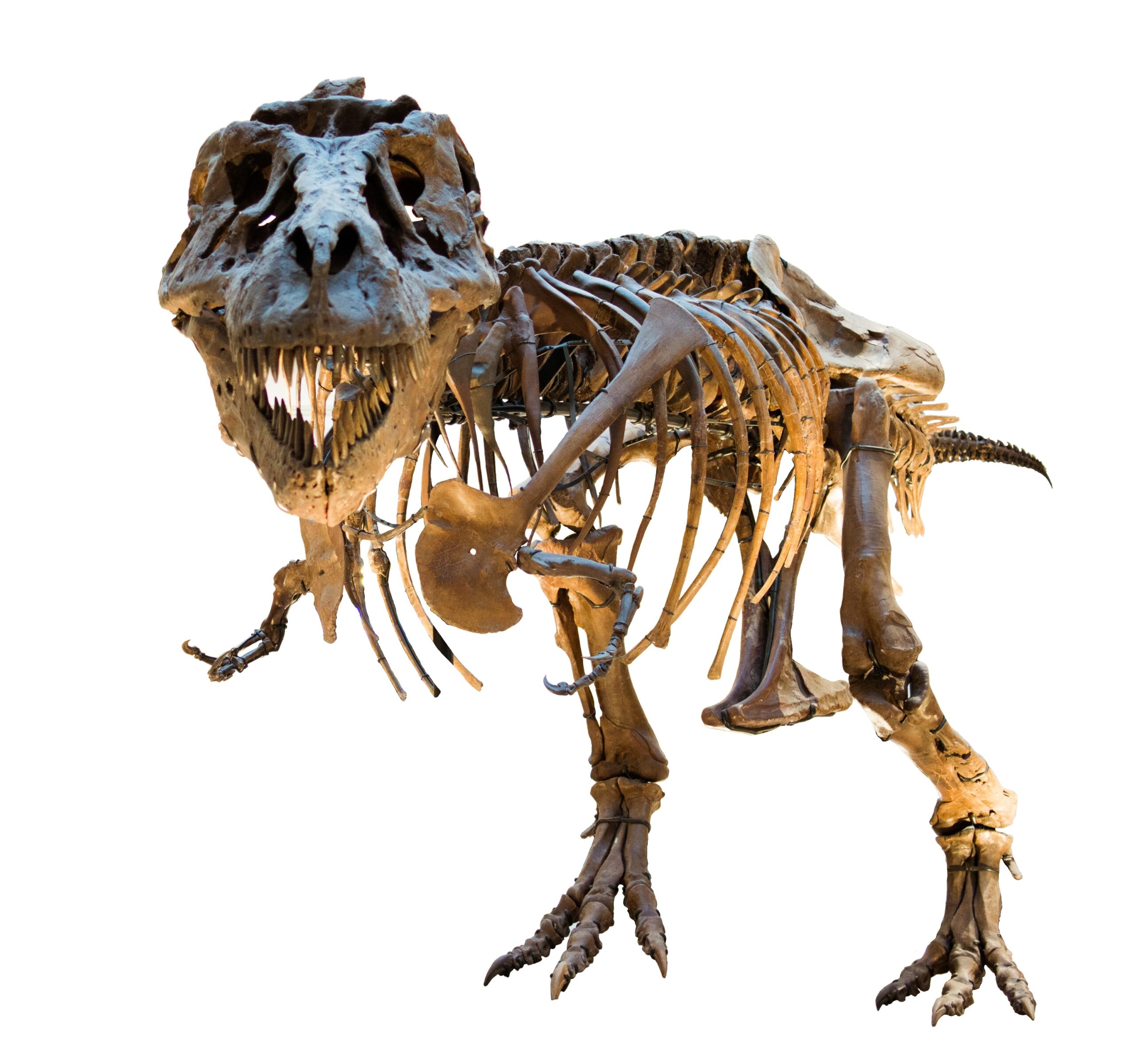
Evidence suggests this dinosaur wasn’t just running for exercise. Nearby fossils and trackways indicate the presence of larger predators in the same geological layer. This little theropod was likely fleeing for its life when disaster struck. The positioning of the bones shows the characteristic body posture of an animal in full escape mode – low to the ground, maximum stride length, every muscle engaged. It’s a moment that plays out in nature every day, but rarely gets preserved for posterity. We’re witnessing a chase scene from the Cretaceous period, with stakes that couldn’t be higher. Unfortunately for our runner, neither predator nor prey survived the catastrophic burial event that created this fossil.
Comparing Ancient Runners to Modern Athletes
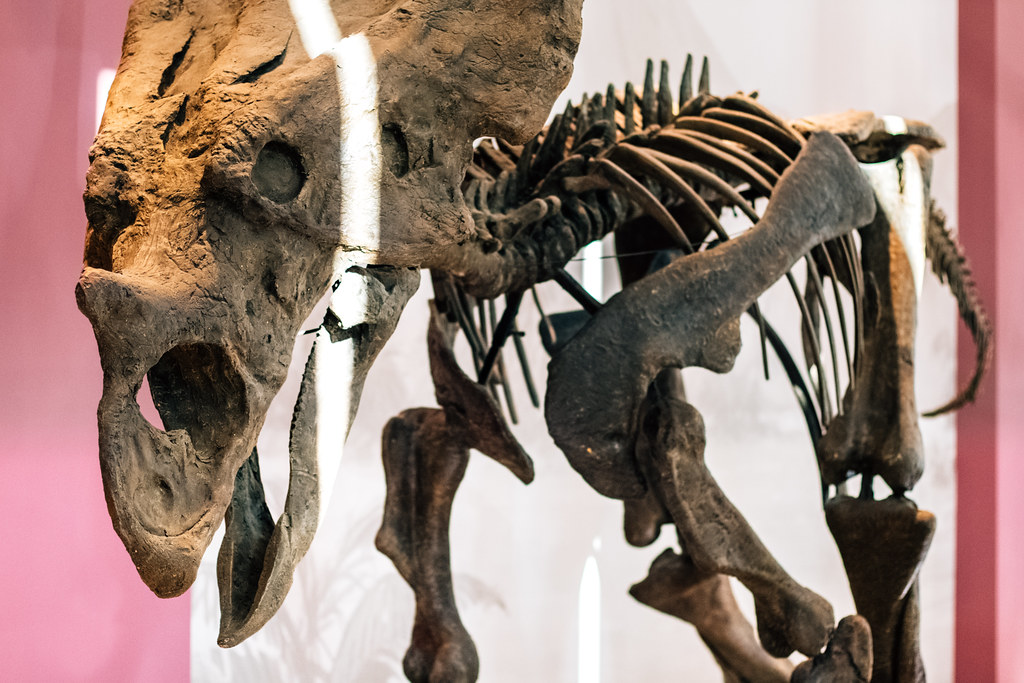
When we compare this fossilized sprinter to modern running animals, fascinating parallels emerge. The dinosaur’s running form closely resembles that of contemporary ground birds like roadrunners and ostriches. The body angle, limb coordination, and even the tail position for balance are remarkably similar. This suggests that efficient running techniques evolved early and have remained largely unchanged for millions of years. It’s like discovering that the fundamentals of good running form were perfected long before humans ever existed. Nature had already figured out the biomechanics of speed.
The Technology That Made Discovery Possible
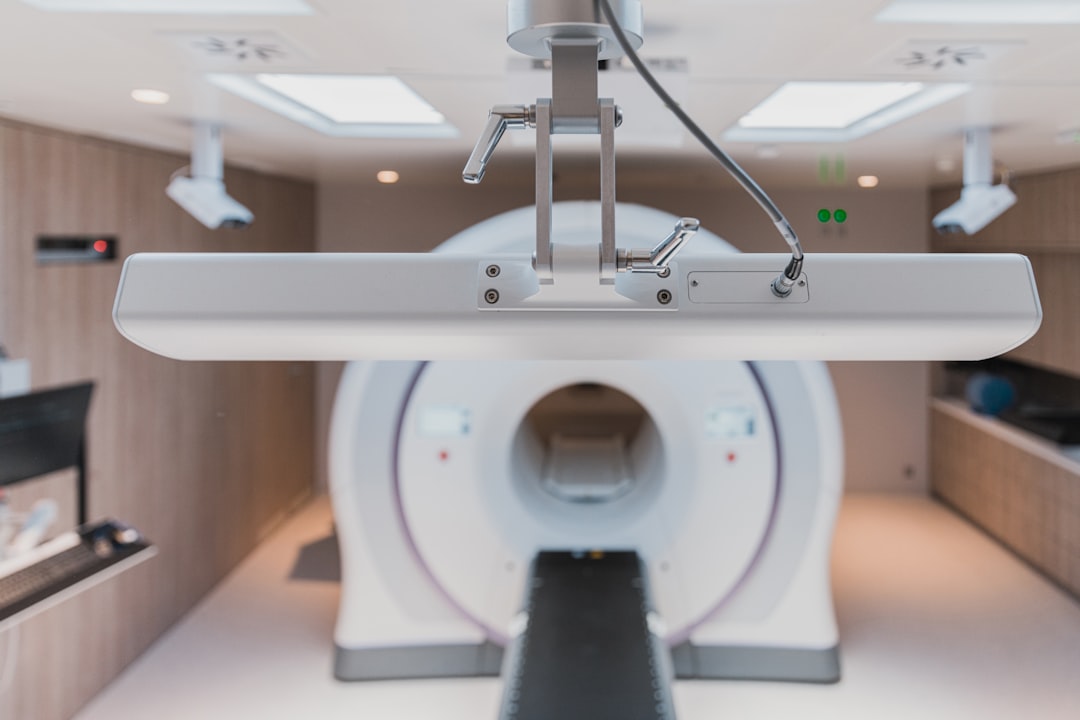
Identifying this fossil as a running dinosaur required cutting-edge technology that wasn’t available to paleontologists just decades ago. CT scanning allowed scientists to see inside the fossil without damaging it, revealing details about bone density and internal structure. Computer modeling helped reconstruct the muscles and movement patterns. 3D analysis software enabled researchers to virtually “animate” the skeleton, testing different running gaits and speeds to see which best matched the fossilized position. It’s like having a time machine that lets us observe dinosaur behavior in real-time, 75 million years after the fact.
What This Tells Us About Dinosaur Behavior
This discovery revolutionized our understanding of how dinosaurs moved and behaved. For decades, many scientists viewed dinosaurs as slow, lumbering creatures. This fossil provides concrete evidence that at least some dinosaurs were agile, fast-moving animals capable of rapid acceleration and sustained running. The find also suggests that predator-prey relationships in the Mesozoic era were every bit as dynamic and intense as they are today. These weren’t sluggish reptiles waiting around to become extinct – they were active, alert animals engaged in the constant struggle for survival.
The Rarity of Behavioral Fossils
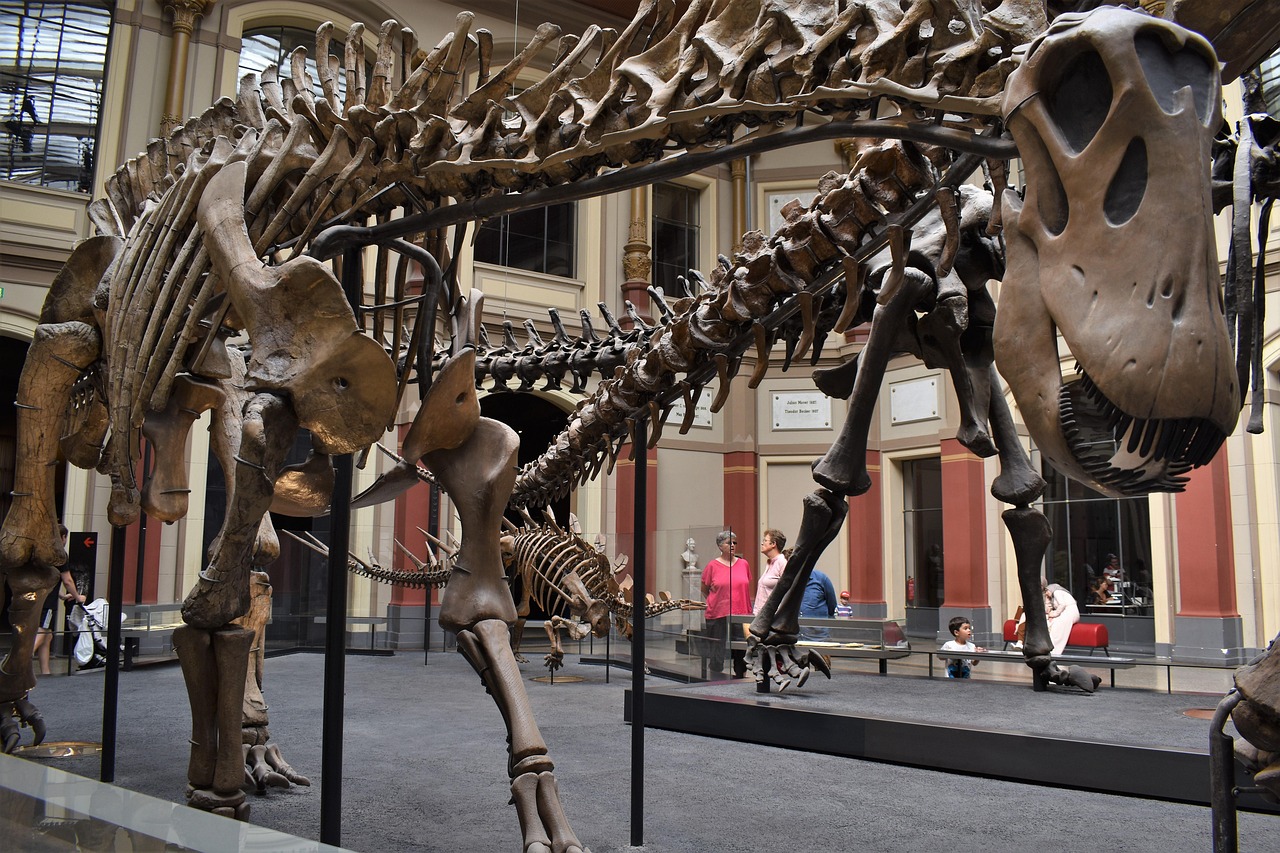
Fossils that capture behavior are extraordinarily rare. Most fossils show us what animals looked like, but not what they were doing. This makes behavioral fossils like our running dinosaur incredibly valuable to science. They’re like winning the paleontological lottery. To put this in perspective, we have millions of dinosaur bones and thousands of complete skeletons, but only a handful of fossils that show dinosaurs in the act of doing something specific. Each behavioral fossil is worth its weight in scientific gold, providing insights that static bones simply cannot offer.
The Preservation Process Revealed
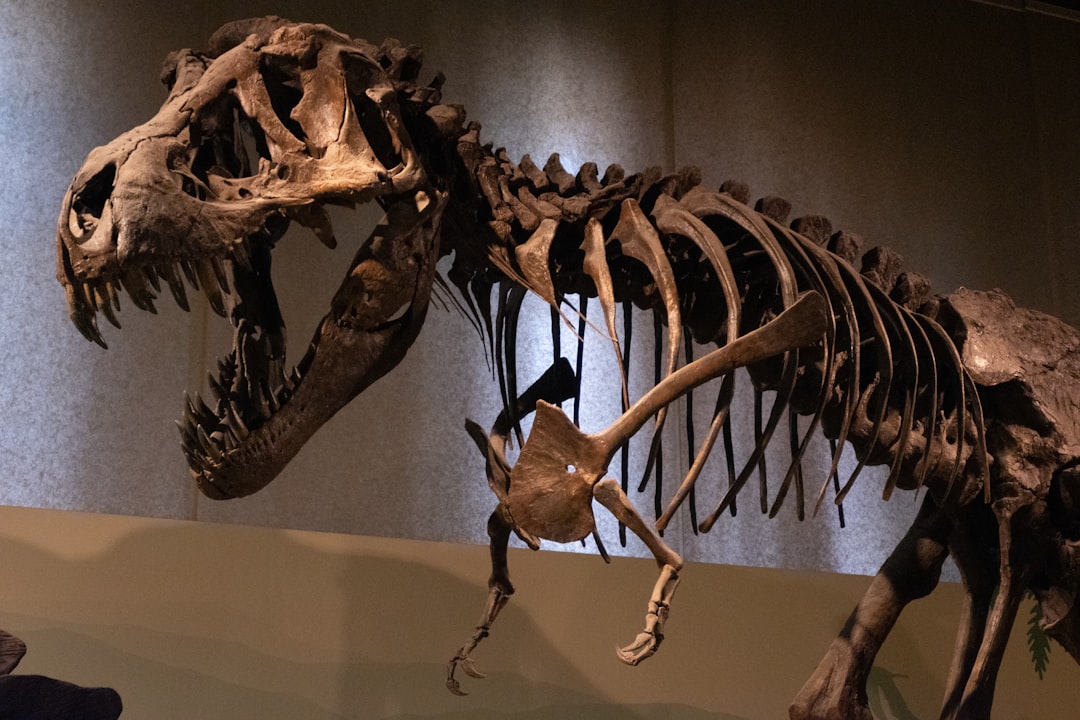
The exceptional preservation of this running dinosaur fossil reveals details about the fossilization process itself. The sediment that buried the creature was so fine that it captured details down to individual muscle attachments on the bones. This level of preservation is almost unheard of in paleontology. Scientists can even see evidence of the dinosaur’s last meal in its stomach cavity, and the positioning of internal organs. It’s like having a complete medical scan of a dinosaur from 75 million years ago. The information contained in this single fossil has filled multiple research papers and continues to yield new discoveries.
Implications for Dinosaur Evolution
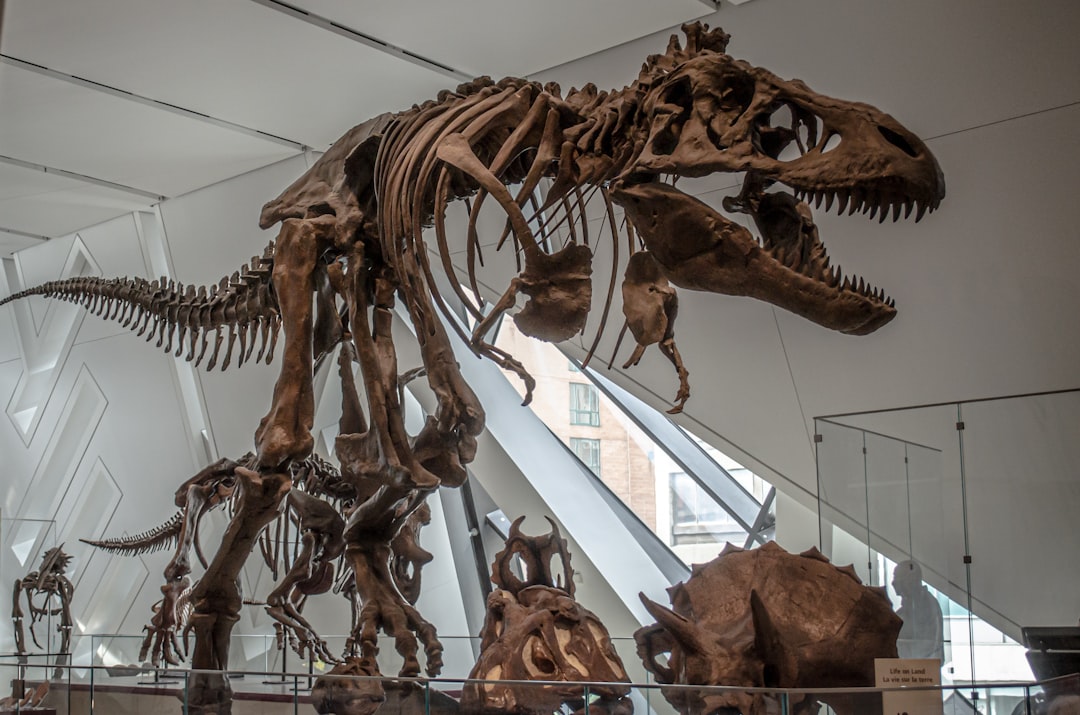
This running dinosaur fossil has important implications for understanding dinosaur evolution, particularly the transition from dinosaurs to birds. The running form preserved in stone shows remarkable similarities to modern bird locomotion, supporting the theory that birds evolved from small, agile theropod dinosaurs. The evidence suggests that the evolutionary innovations that made birds such successful fliers – things like efficient running gaits, rapid acceleration, and precise balance control – were already present in their dinosaur ancestors. Flight may have been just the next step in an already impressive suite of locomotor abilities.
The Story Continues to Unfold
Even years after its discovery, this remarkable fossil continues to reveal new secrets. Advanced imaging techniques keep finding new details, and comparative studies with modern animals provide fresh insights into dinosaur physiology. Recent analysis has even suggested details about the creature’s metabolism and body temperature. The fossil has become a benchmark for understanding dinosaur locomotion, with researchers around the world using it as a reference point for studying how extinct animals moved. It’s proof that sometimes the most important scientific discoveries come not from what we find, but from how we interpret what we’ve found.
Other Moments Frozen in Stone
While our running dinosaur is perhaps the most dramatic example, it’s not the only fossil that captures a moment of ancient behavior. Scientists have found fossils of dinosaurs sitting on nests, engaging in combat, and even sleeping. Each of these behavioral snapshots adds another piece to the puzzle of prehistoric life. There’s something deeply moving about these fossilized moments – they transform dinosaurs from abstract scientific concepts into real, living creatures with complex behaviors and emotions. They remind us that these animals weren’t just evolutionary stepping stones, but complete beings with their own struggles, fears, and daily routines.
The Future of Behavioral Paleontology
This discovery has opened up an entirely new field of study called behavioral paleontology. Scientists are now actively searching for more fossils that capture prehistoric animals in action, and developing new techniques to extract behavioral information from traditional fossils. Advanced computer modeling, biomechanical analysis, and even virtual reality are being used to bring ancient behaviors to life. We’re on the verge of being able to create detailed reconstructions of prehistoric ecosystems, complete with accurate animal behaviors and interactions. The running dinosaur fossil was just the beginning.
Conclusion
The story of this fossilized sprint continues to captivate scientists and the public alike, serving as a powerful reminder that paleontology is far more than just collecting old bones. Every fossil has a story to tell, but few stories are as dramatic as a creature’s final moments preserved in perfect detail. This discovery has fundamentally changed how we view dinosaurs – not as sluggish reptiles from a bygone era, but as dynamic, active animals whose behaviors mirror those we see in nature today. What other dramatic moments might be waiting in the rocks beneath our feet?