

Imagine closing your eyes and feeling the weight of bony plates sliding over your eyelids like natural shutters. For most of us, this sounds like a nightmare scenario, but for one remarkable dinosaur that roamed Earth millions of years ago, armored eyelids were the ultimate survival tool. This isn’t science fiction or a paleontologist’s wild imagination—it’s the incredible reality of how evolution solved one of nature’s most delicate protection problems.
The Remarkable Discovery That Changed Everything
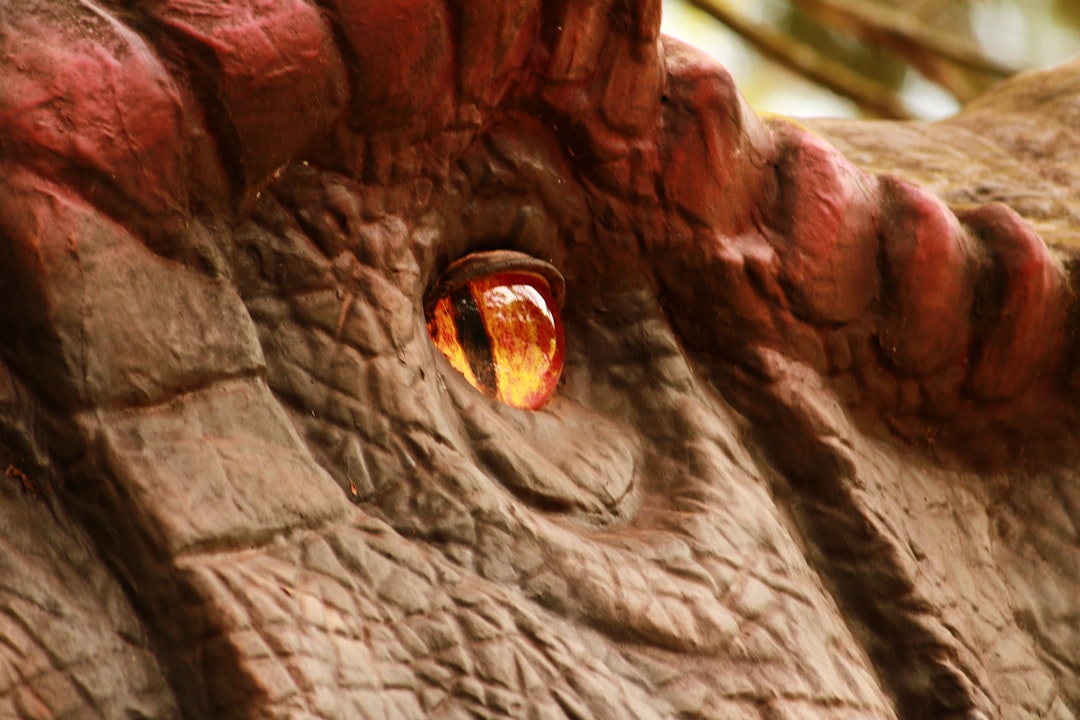
In 2011, paleontologists working in the badlands of Alberta, Canada, made a discovery that would revolutionize our understanding of dinosaur defense mechanisms. They uncovered the fossilized remains of a heavily armored herbivore with something unprecedented: bony plates covering its eyelids. This wasn’t just another armored dinosaur—this was nature’s answer to protecting one of the most vulnerable parts of any creature’s anatomy.
The fossil preservation was so exceptional that researchers could see the intricate details of these eye-protecting structures. Unlike anything found in modern animals, these weren’t simple scales or thick skin, but actual bone formations that functioned like natural safety goggles. The discovery sent shockwaves through the paleontological community and opened up entirely new questions about dinosaur evolution.
Meet Borealopelta: The Walking Fortress
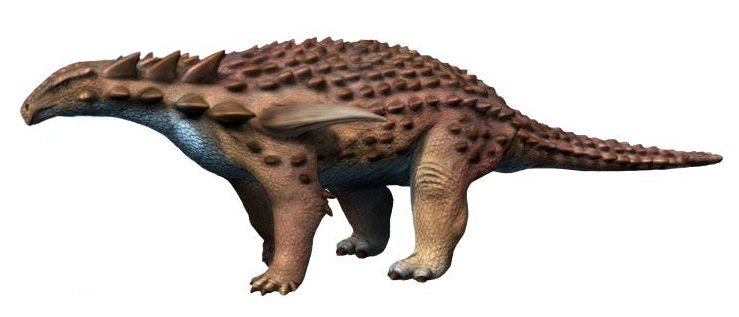
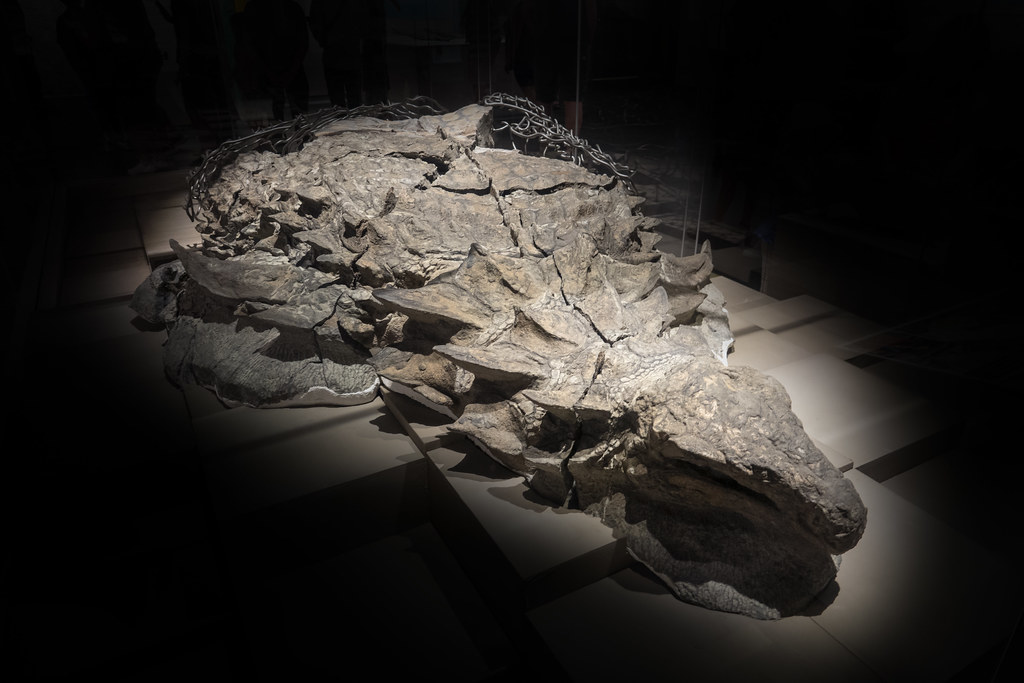
The dinosaur behind this extraordinary adaptation was Borealopelta markmitchelli, a nodosaur that lived approximately 110 million years ago during the Early Cretaceous period. This massive herbivore measured about 18 feet long and weighed roughly 2,800 pounds—imagine a rhinoceros covered in medieval armor. But what made Borealopelta truly special wasn’t just its size or its intimidating appearance.
Every inch of this dinosaur’s body was covered in protective armor, from the tip of its snout to the end of its tail. The armor consisted of osteoderms—bony deposits that formed in the skin, creating a nearly impenetrable shield. However, the most remarkable feature was the specialized armor that extended over its eyes, creating the world’s first known example of armored eyelids in the animal kingdom.
The Anatomy of Armored Eyelids
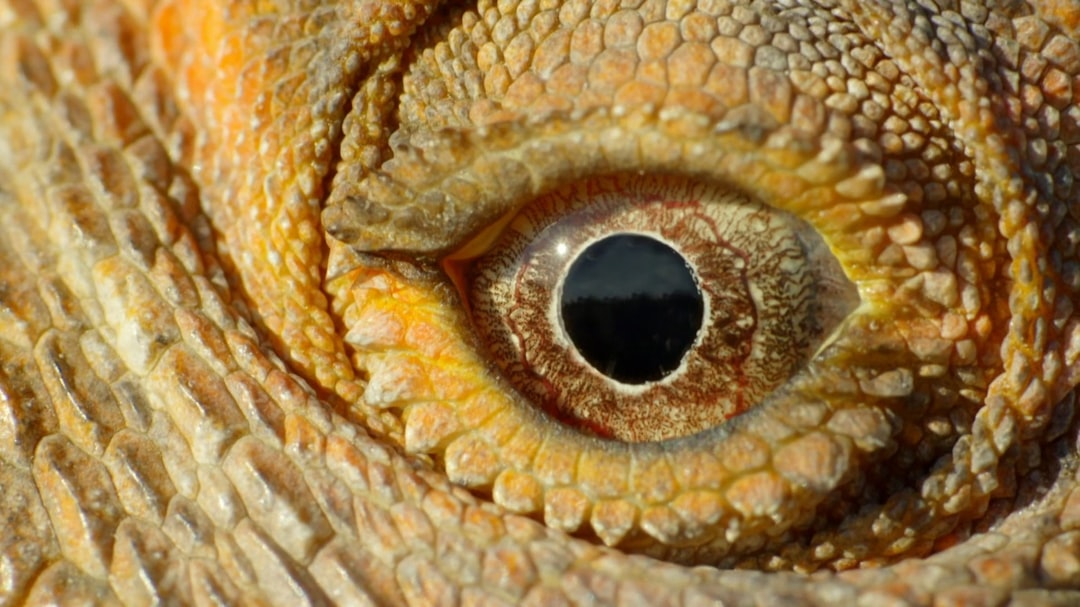
The armored eyelids of Borealopelta weren’t just random bone growths—they were sophisticated structures that required precise evolutionary engineering. These bony plates were thin enough to allow movement but thick enough to provide protection from impacts, thorns, and attacking predators. The eyelid armor was seamlessly integrated with the rest of the skull’s protective covering, creating a continuous defensive barrier.
Unlike modern animals that rely on rapid blinking or protective membranes, Borealopelta’s eyes were essentially encased in a bony shell that could open and close. The mechanical complexity of this system is mind-boggling when you consider that these plates had to move smoothly while maintaining their protective function. Evolution had to solve the engineering challenge of creating flexible armor—something that modern military designers still struggle with today.
Why Eyes Needed Special Protection
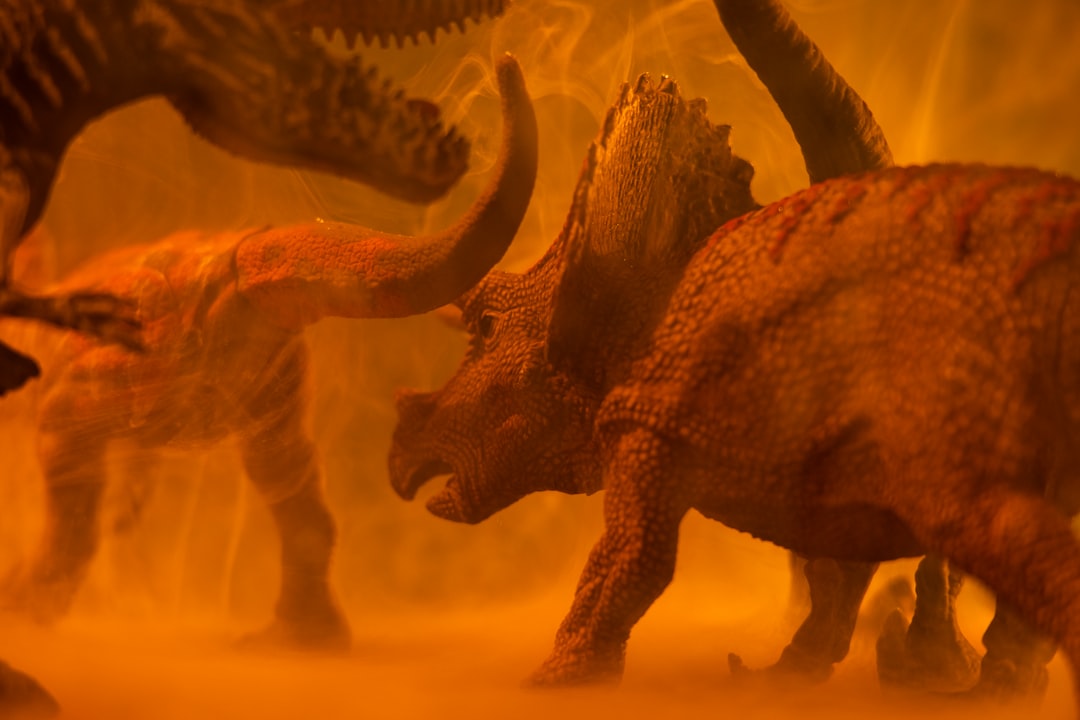
In the dangerous world of the Early Cretaceous, eyes were prime targets for both predators and environmental hazards. Large carnivorous dinosaurs like Acrocanthosaurus prowled the same landscapes where Borealopelta lived, and a well-placed claw strike to the eyes could mean death for any herbivore. The eyes represented the ultimate vulnerability—damage them, and even the most heavily armored dinosaur became helpless prey.
Beyond predator attacks, the environment itself posed constant threats to exposed eyes. Dense vegetation, thorny plants, and flying debris during storms could easily damage unprotected eyes. For a dinosaur that spent most of its time with its head down, browsing on low-growing plants, the risk of eye injury from branches and thorns was constant. The armored eyelids provided insurance against these everyday dangers.
The Evolutionary Arms Race
The development of armored eyelids represents one of the most extreme examples of the evolutionary arms race between predators and prey. As carnivorous dinosaurs developed more sophisticated hunting strategies and deadlier weapons, herbivores had to evolve increasingly elaborate defenses. Borealopelta’s armored eyelids weren’t just protection—they were a statement that this dinosaur was willing to armor literally every part of its body to survive.
This evolutionary escalation created some of the most bizarre and wonderful creatures in Earth’s history. While some dinosaurs grew larger, others grew faster, and still others developed better camouflage, Borealopelta chose the path of ultimate defense. The armored eyelids represent the pinnacle of this defensive strategy, showing how far evolution was willing to go to protect life’s most precious sensory organs.
How the Armor Actually Worked
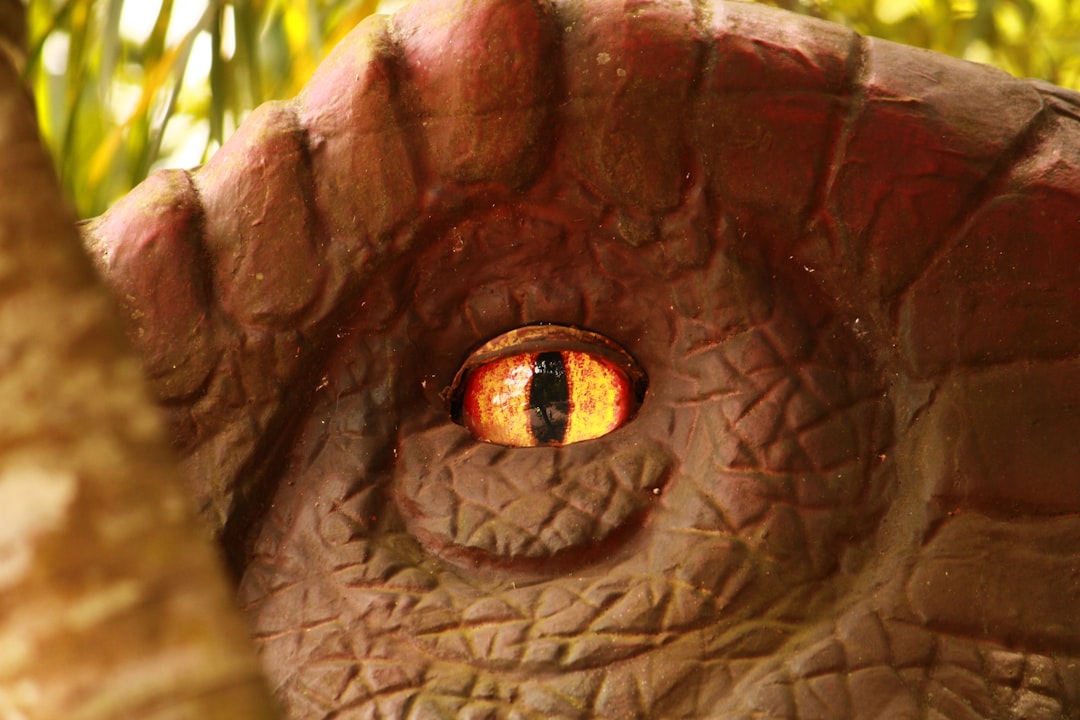
The mechanics of Borealopelta’s armored eyelids were remarkably sophisticated for a system that evolved naturally over millions of years. The bony plates were connected to the dinosaur’s eyelid muscles through a complex system of tendons and ligaments that allowed for normal blinking and eye movement. When the dinosaur needed to close its eyes, the armored plates would slide together like overlapping shields, creating a protective barrier that was virtually impenetrable.
The inner surface of these armored eyelids was likely lined with soft tissue to prevent damage to the sensitive eyeball during movement. This biological engineering solution had to balance protection with functionality—the armor couldn’t be so heavy that it prevented normal eye movement, yet it had to be strong enough to deflect attacks from massive predators. The result was a masterpiece of natural design that modern engineers still study for inspiration.
Fossil Evidence and Preservation Secrets
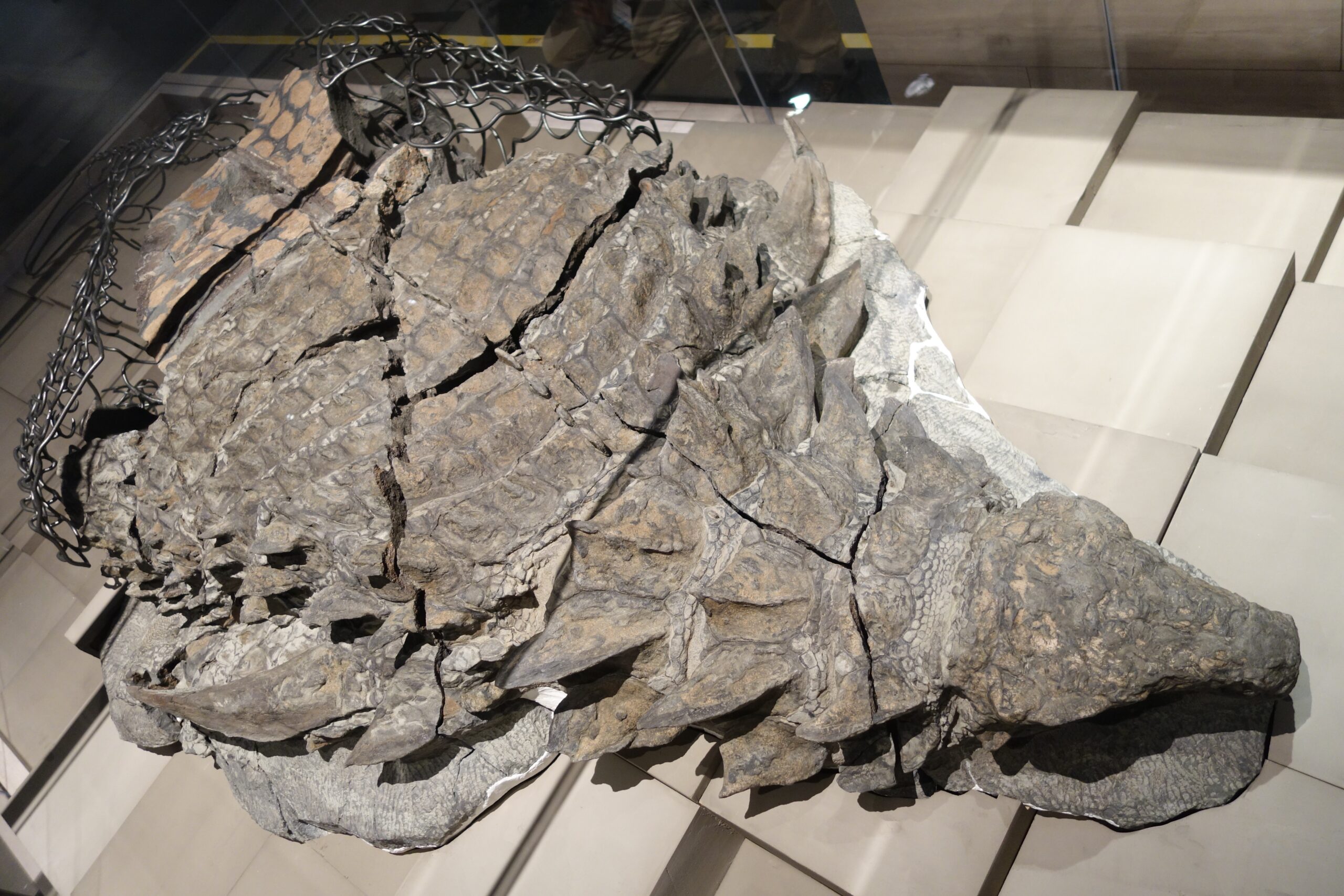
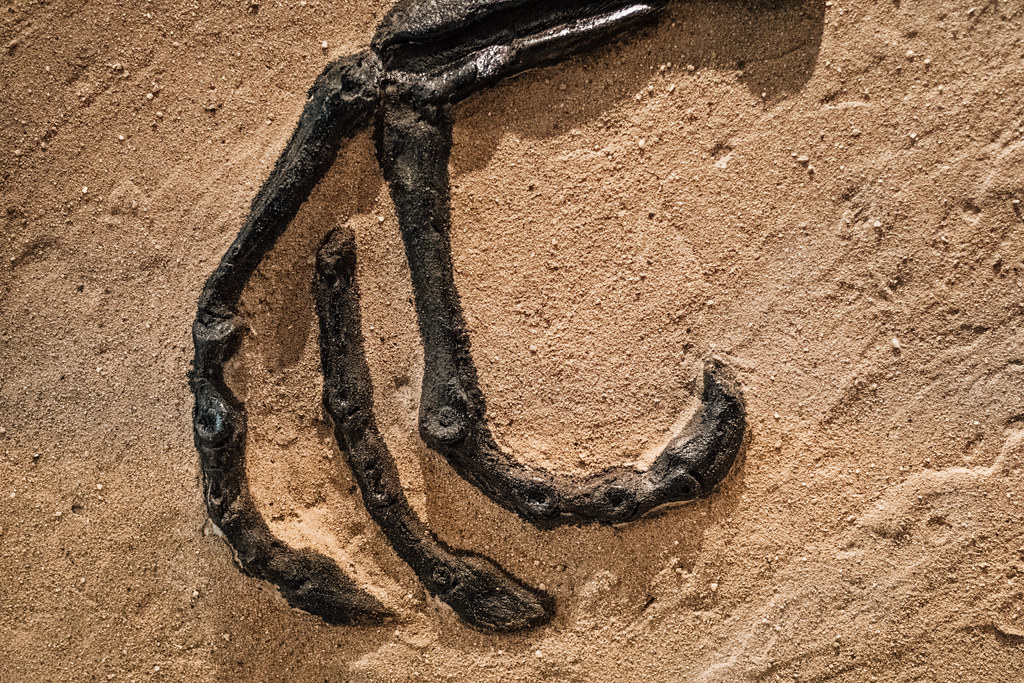
The exceptional preservation of Borealopelta’s armored eyelids provides an incredibly rare glimpse into the soft tissue anatomy of dinosaurs. Most dinosaur fossils preserve only bones and teeth, but the Canadian specimen retained skin, armor, and even traces of the dinosaur’s original coloration. This level of preservation is so unusual that scientists estimate it occurs in less than one percent of all dinosaur fossils.
The fossil preservation process that captured Borealopelta’s armored eyelids required a perfect storm of conditions. The dinosaur likely died in a marine environment where it was rapidly buried by sediment, preventing decomposition and scavenging. Over millions of years, minerals slowly replaced the organic materials while maintaining the exact structure of the armored eyelids. This process created a fossil so detailed that researchers can study the microscopic structure of the armor itself.
Comparing to Modern Animal Defenses
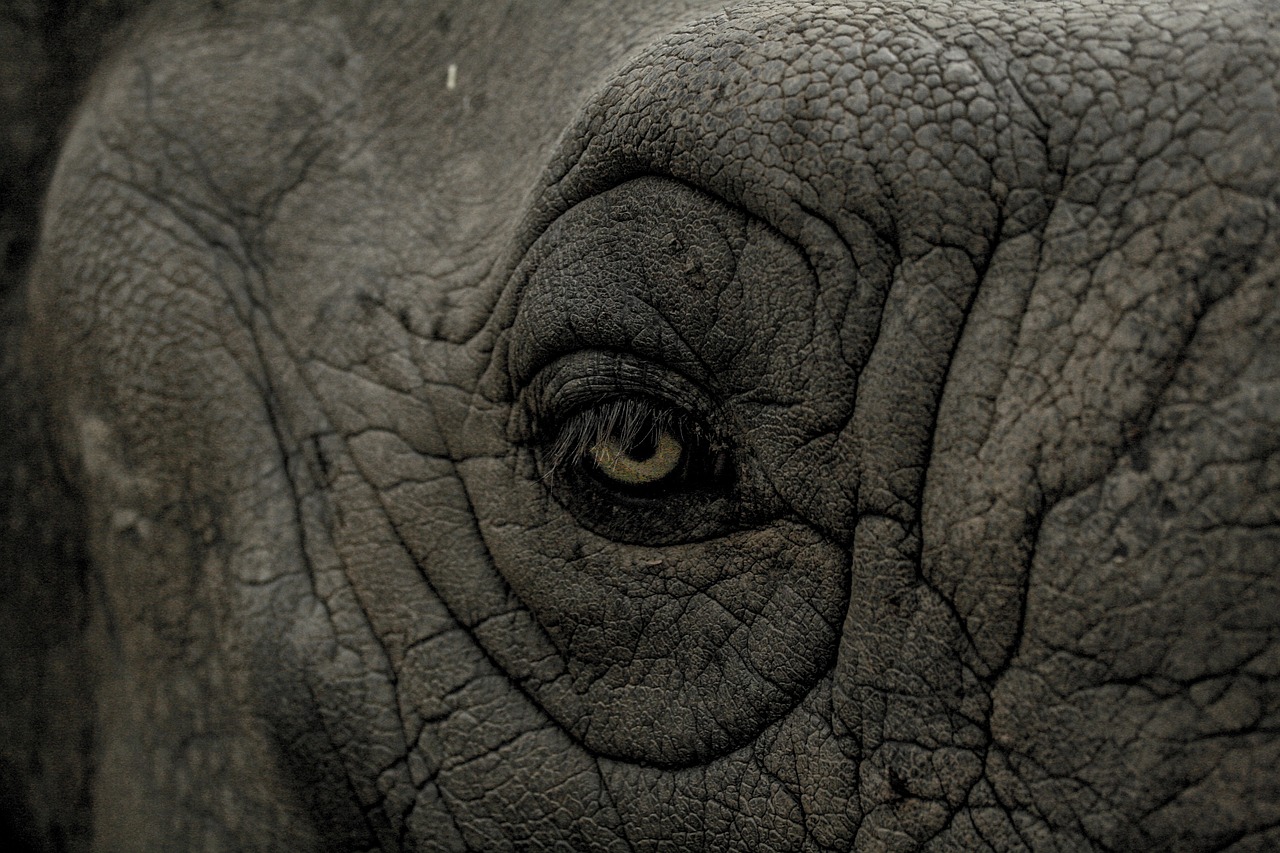
While no modern animal has developed armored eyelids quite like Borealopelta, nature has found other creative solutions to protect this vulnerable anatomy. Crocodiles and alligators have transparent membranes that act like natural swimming goggles, while camels have multiple rows of eyelashes that create a protective barrier against sand and debris. Some birds have specialized feathers that shield their eyes during high-speed flight or diving.
However, none of these modern adaptations comes close to the extreme protection provided by Borealopelta’s bony eyelid armor. The closest modern equivalent might be the protective eyewear worn by welders or hockey players, but even these artificial solutions can’t match the seamless integration of protection and function achieved by this ancient dinosaur. It’s a reminder that evolution often finds solutions that human engineering hasn’t yet matched.
The Predators That Drove This Evolution
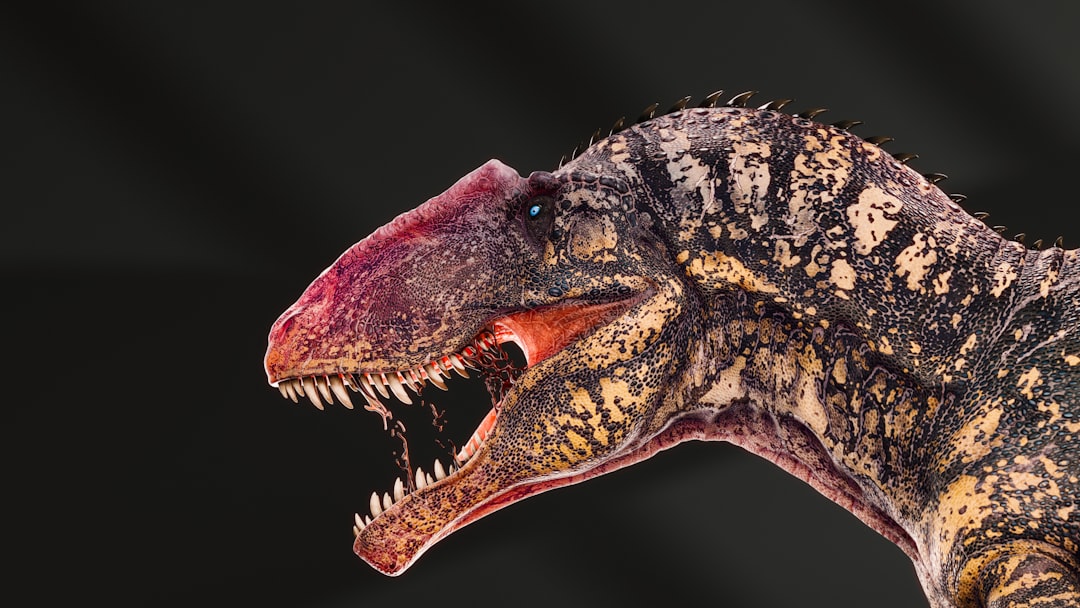
The existence of armored eyelids tells us something crucial about the predators that shared Borealopelta’s world. These weren’t just large carnivores—they were precise, deadly hunters capable of targeting the most vulnerable parts of their prey. Acrocanthosaurus, one of the apex predators of the Early Cretaceous, had enormous claws perfectly designed for slashing attacks that could disable prey by damaging their eyes or other vital organs.
The fact that Borealopelta evolved such extreme eye protection suggests that eye-targeting attacks were common enough to create strong evolutionary pressure. Predators likely learned that even the most heavily armored herbivores had this one vulnerable spot, leading to hunting strategies specifically designed to exploit this weakness. The armored eyelids represent the herbivore’s evolutionary response to this predatory pressure—a biological arms race played out over millions of years.
The Color of Ancient Armor
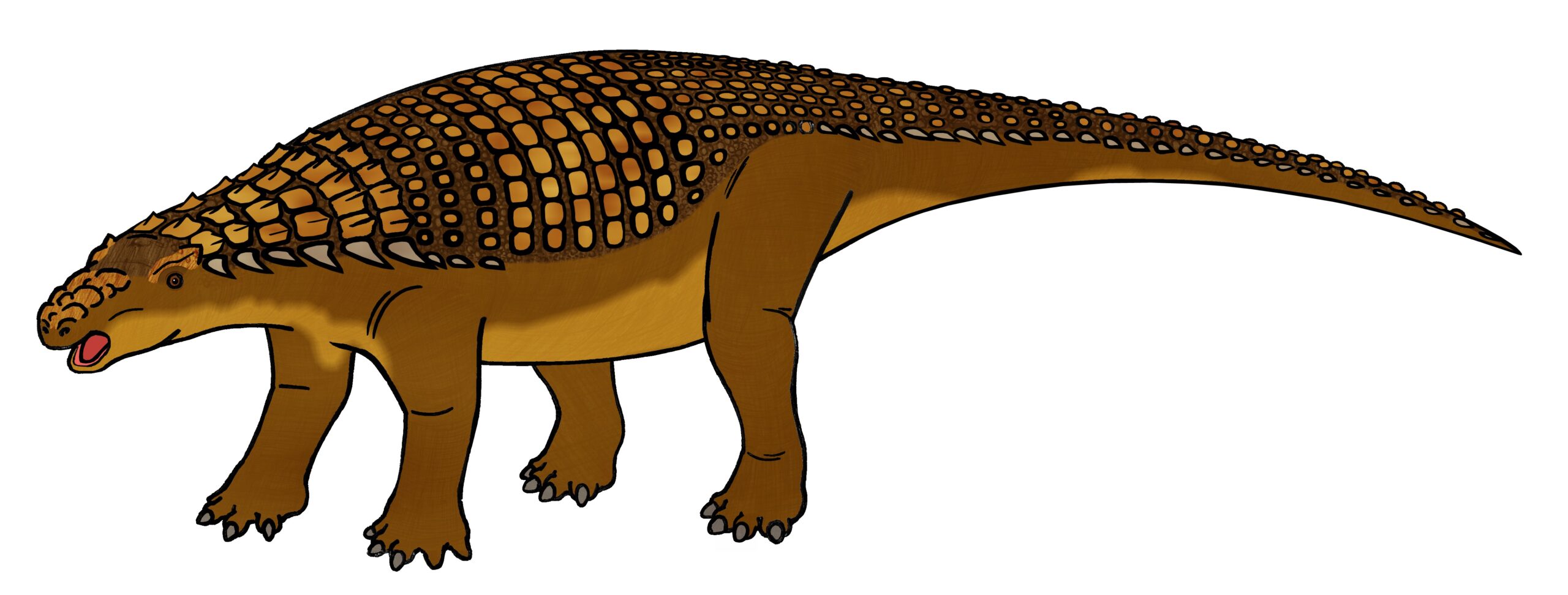
Perhaps the most surprising discovery about Borealopelta wasn’t just its armored eyelids, but the fact that scientists were able to determine the dinosaur’s actual color. Advanced analysis of the fossilized melanosomes—the cellular structures that contain pigment—revealed that this armored giant was reddish-brown on top and lighter colored on its belly. This counter-shading pattern is common in modern animals and suggests that even heavily armored dinosaurs relied on camouflage for protection.
The coloration evidence adds another layer to our understanding of how the armored eyelids functioned. The reddish-brown armor would have helped the dinosaur blend into its environment, while the protective eyelids ensured that its eyes remained functional even in dense vegetation where camouflage was most effective. This combination of passive and active defense strategies shows the sophisticated survival techniques that evolved during the age of dinosaurs.
What This Means for Dinosaur Intelligence
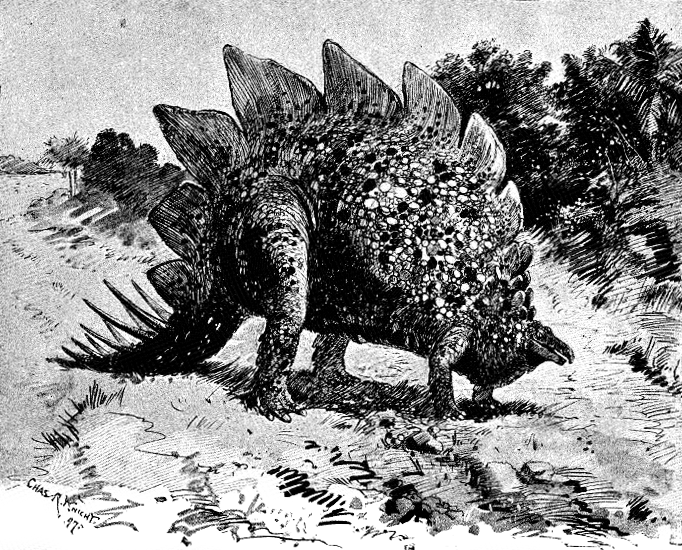
The complexity of Borealopelta’s armored eyelids raises fascinating questions about dinosaur intelligence and sensory capabilities. Coordinating the movement of heavy, armored eyelids required sophisticated neural control and muscle coordination. The dinosaur’s brain had to process visual information while managing the mechanical challenges of looking through what was essentially a biological periscope system.
This level of sensory-motor integration suggests that armored dinosaurs like Borealopelta were far more neurologically complex than previously thought. The ability to use vision effectively while managing such specialized anatomy indicates advanced brain function and possibly even conscious control over defensive behaviors. It’s a reminder that these ancient creatures weren’t just walking tanks—they were intelligent animals with complex sensory and motor capabilities.
The Extinction Mystery

Despite their incredible defensive adaptations, including the remarkable armored eyelids, Borealopelta and its relatives didn’t survive to see the end of the Cretaceous period. The nodosaur family went extinct several million years before the famous asteroid impact that ended the age of dinosaurs. This extinction raises puzzling questions about why such well-defended creatures failed to survive when less armored dinosaurs continued to thrive.
The extinction of these heavily armored dinosaurs might have been related to environmental changes that made their defensive strategy less effective. Climate shifts, changing vegetation patterns, or new predatory techniques could have made the energy cost of maintaining such elaborate armor too high. Alternatively, the specialization that made armored eyelids possible might have made these dinosaurs less adaptable to rapid environmental changes.
Modern Scientific Techniques Reveal Ancient Secrets
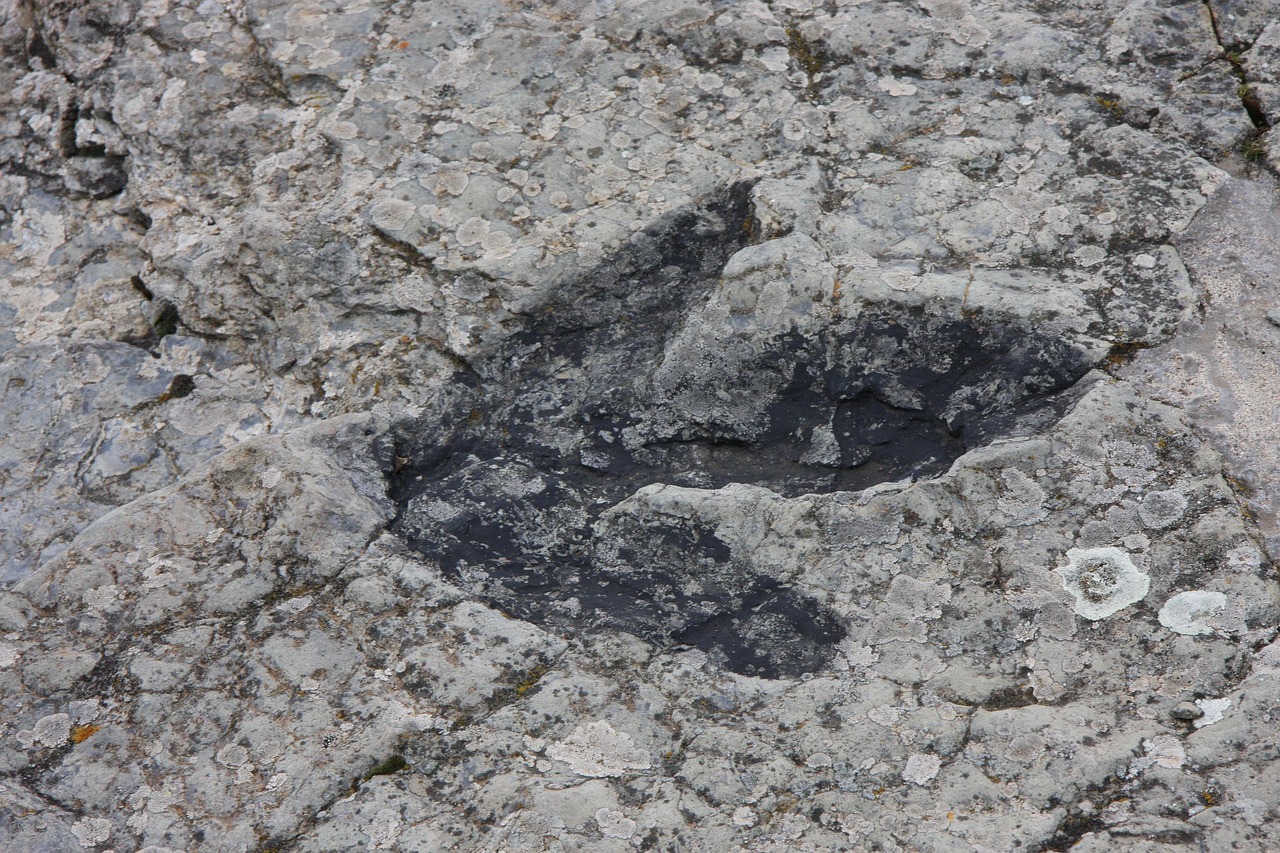
The study of Borealopelta’s armored eyelids has been revolutionized by cutting-edge scientific techniques that weren’t available to paleontologists just a few decades ago. CT scanning allows researchers to peer inside fossils without damaging them, revealing the internal structure of the armor and how it connected to the dinosaur’s skull. Chemical analysis of the fossilized materials provides insights into the original composition and strength of the armor.
Perhaps most remarkably, scientists have used particle accelerators to analyze the microscopic structure of the armored eyelids. This technology, typically used in physics research, can reveal details about the armor’s construction that are invisible to traditional microscopy. These techniques have transformed our understanding of how dinosaur armor functioned and evolved, opening up new possibilities for studying other aspects of dinosaur biology.
Lessons for Future Discovery
The discovery of Borealopelta’s armored eyelids demonstrates how much we still don’t know about dinosaur biology and behavior. For over 150 years, paleontologists have been discovering dinosaur fossils, yet this remarkable adaptation was completely unknown until 2011. It’s a humbling reminder that each new fossil discovery has the potential to revolutionize our understanding of prehistoric life.
The exceptional preservation that revealed the armored eyelids also suggests that similar discoveries are waiting to be made. As paleontologists explore new fossil sites and apply advanced analytical techniques to existing specimens, we’re likely to uncover more examples of sophisticated dinosaur adaptations that challenge our assumptions about prehistoric life. The armored eyelids of Borealopelta may be just the beginning of a new chapter in dinosaur research.
The Legacy of Armored Vision
Borealopelta’s armored eyelids represent one of the most extreme examples of defensive evolution in the animal kingdom. This remarkable adaptation shows how evolutionary pressure can drive the development of solutions that seem almost impossibly complex. The dinosaur’s ability to protect its most vulnerable sensory organs while maintaining full visual function demonstrates the incredible ingenuity of natural selection.
The discovery has also inspired new research into biomimetics—the science of copying nature’s solutions for human technology. Engineers studying the armored eyelids are exploring applications for military and industrial protection systems. The seamless integration of protection and function achieved by this ancient dinosaur continues to influence modern design challenges, proving that some of nature’s best innovations are millions of years old.
The armored eyelids of Borealopelta stand as a testament to life’s incredible ability to solve seemingly impossible problems. In a world where survival meant constant vigilance against predators and environmental hazards, evolution crafted a solution that protected the most precious of senses without sacrificing its function. This remarkable dinosaur reminds us that the history of life on Earth is filled with innovations that continue to amaze and inspire us today. What other incredible adaptations might be waiting in the rocks beneath our feet?