For over a century, we’ve been getting dinosaurs spectacularly wrong. These ancient giants have captured our imagination, but science has repeatedly shattered our assumptions about their true dimensions. From Hollywood blockbusters to museum displays, the dinosaurs we thought we knew were often dramatically different from reality. What’s even more shocking is that some of our biggest discoveries about dinosaur size have happened just in the past few decades, completely rewriting paleontology textbooks.
The Brontosaurus That Never Was
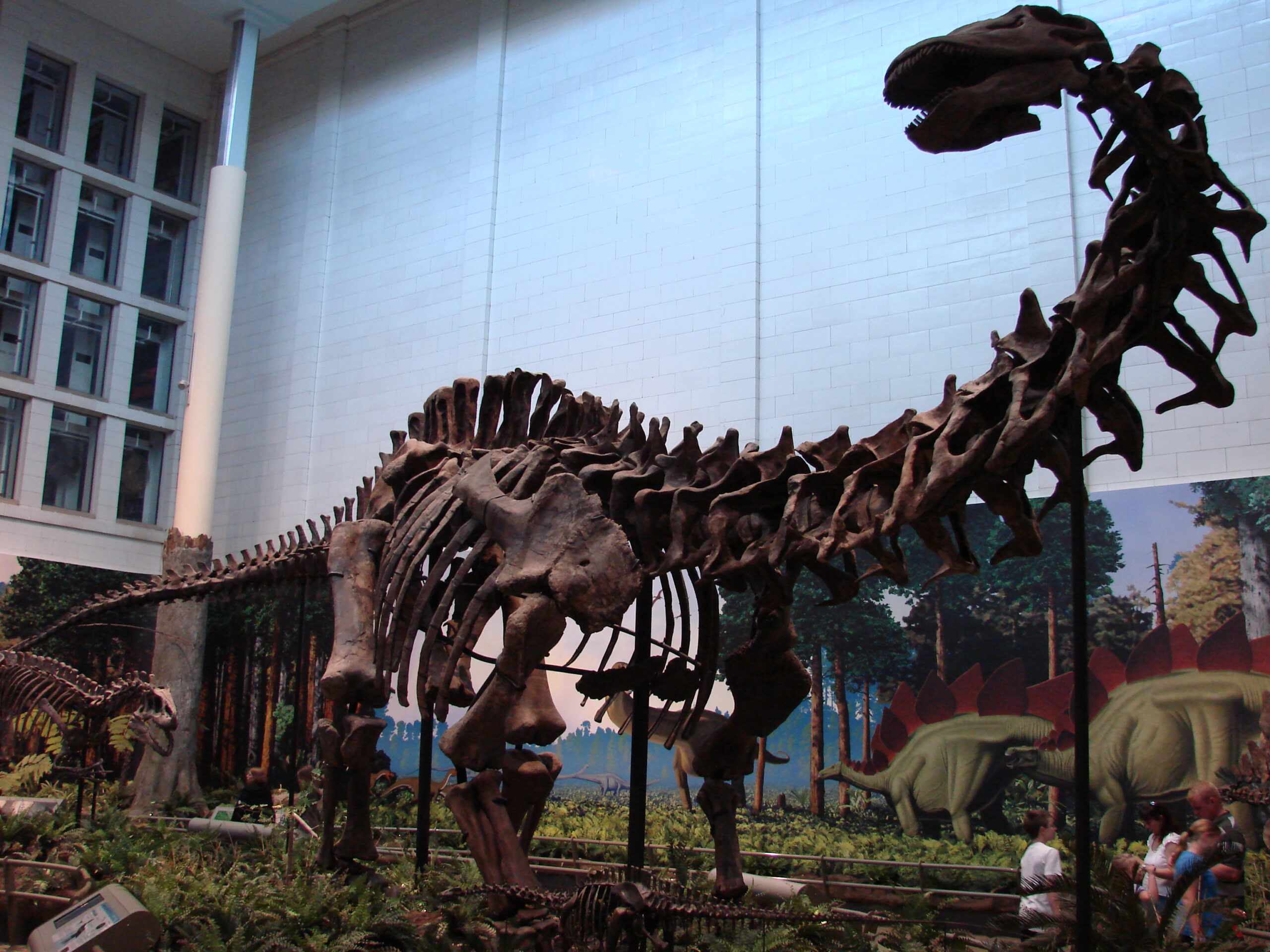
One of paleontology’s most embarrassing blunders involved the beloved Brontosaurus, a dinosaur that dominated popular culture for nearly a century. The massive sauropod we all grew up loving was actually a case of mistaken identity that fooled scientists for over 100 years.
In 1879, paleontologist Othniel Charles Marsh discovered what he believed was a new species and named it Brontosaurus excelsus, meaning “thunder lizard.” However, this creature was actually just an adult version of Apatosaurus, another dinosaur Marsh had discovered two years earlier. The scientific community didn’t realize this mistake until 1903, but by then, Brontosaurus had already captured the public’s imagination.
What makes this error even more significant is that the original size estimates were completely off. Early reconstructions made Brontosaurus appear much larger and more robust than it actually was, with some estimates suggesting it weighed up to 35 tons. Modern analysis reveals that most Apatosaurus specimens were actually closer to 16-22 tons, making them impressive but not quite the titans we once believed them to be.
T-Rex: The Oversized Movie Monster
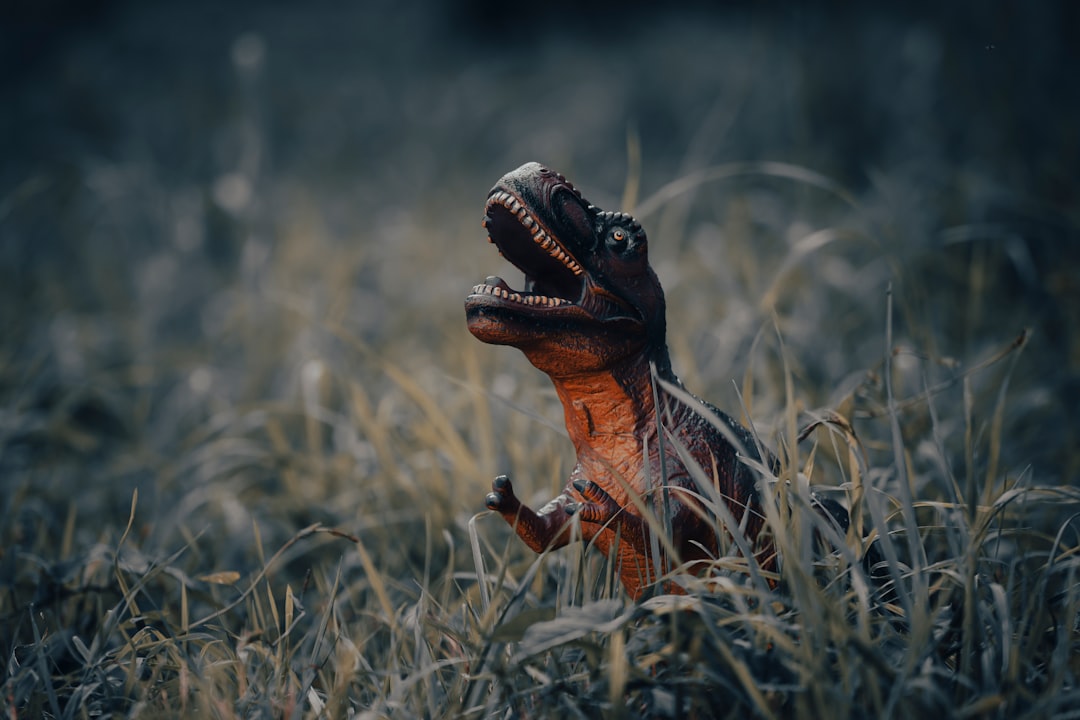
Hollywood’s portrayal of Tyrannosaurus rex has created one of the most persistent size myths in dinosaur history. Movies like Jurassic Park depicted T-rex as a towering 20-foot-tall beast that could peer into second-story windows, but this theatrical interpretation was wildly exaggerated.
The reality is that T-rex stood approximately 12-13 feet tall at the hips, with its head reaching about 15-17 feet when held in a normal horizontal position. This is still incredibly impressive, but far from the skyscraper-like monster portrayed in popular media. The confusion often comes from measuring different parts of the dinosaur’s anatomy and assuming an upright, Godzilla-like posture that never existed.
Even more surprising is that T-rex wasn’t the largest carnivorous dinosaur. Spinosaurus, discovered in Egypt, was actually longer and possibly heavier, though it had a very different body structure adapted for semi-aquatic life. These discoveries have forced us to completely reconsider our understanding of predator-prey relationships in the Late Cretaceous period.
The Velociraptor Reality Check
Perhaps no dinosaur has been more misrepresented in terms of size than Velociraptor, thanks largely to its terrifying portrayal in Jurassic Park. The movie’s version was roughly human-sized, standing about 6 feet tall and weighing several hundred pounds, but real Velociraptors were shockingly small.
Authentic Velociraptor fossils reveal a creature that was only about 2 feet tall at the hip and roughly the size of a large dog or small wolf. They weighed approximately 30-40 pounds, making them more comparable to a German Shepherd than the human-hunting monsters depicted in films. This size difference completely changes our understanding of how these predators would have hunted and what prey they could realistically take down.
The movie’s “Velociraptors” were actually based more closely on Deinonychus, a larger raptor species that was about 6-8 feet long and weighed around 150 pounds. Even this comparison isn’t perfect, as Deinonychus was still significantly smaller than the Hollywood version, showing just how dramatically popular media has distorted our perception of these fascinating predators.
Sauropod Neck Mechanics: The Impossible Posture
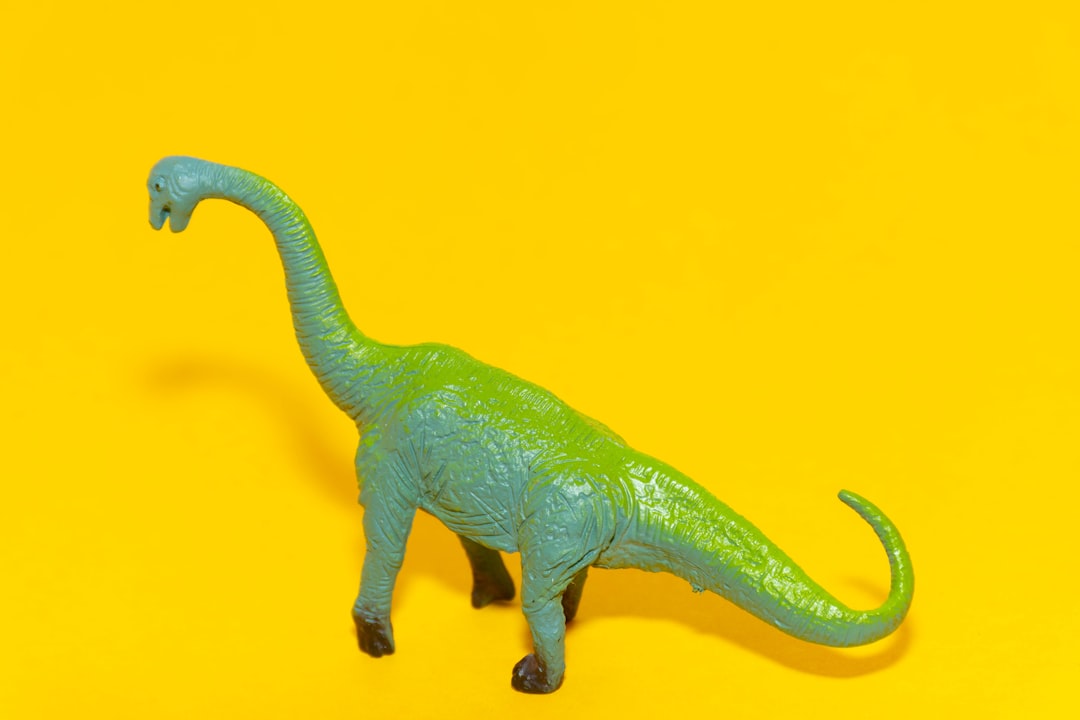
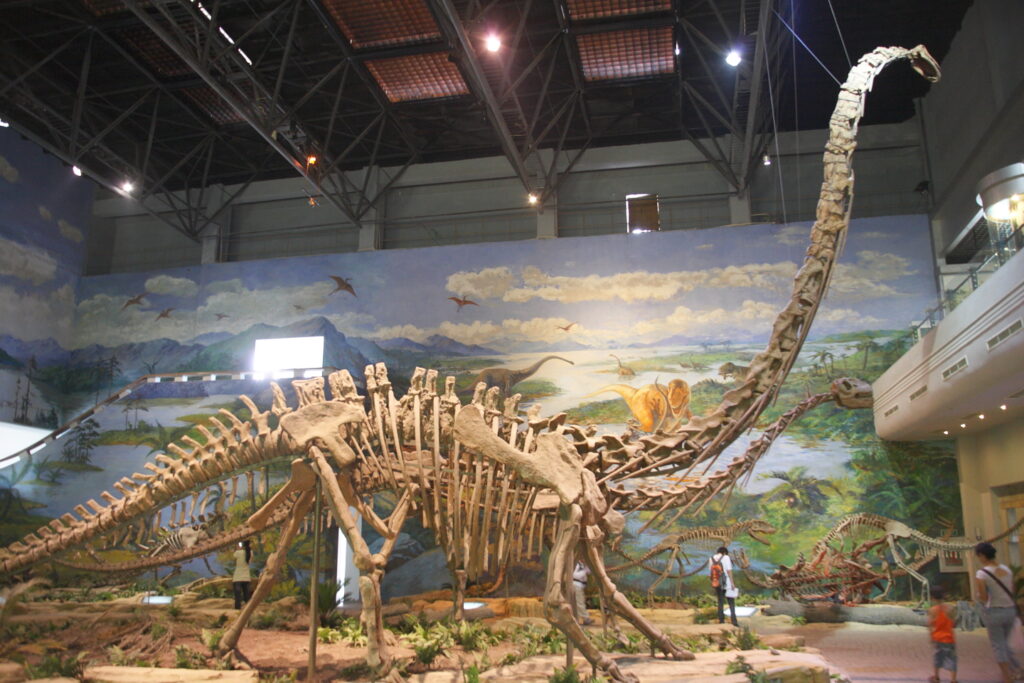
For decades, museums displayed sauropods like Diplodocus and Brachiosaurus with their necks stretched impossibly high, reaching toward treetops like prehistoric giraffes. This image became so iconic that it defined how we imagined these gentle giants, but biomechanical studies have revealed this posture was physically impossible.
Modern computer modeling shows that sauropod necks were actually held much more horizontally, perhaps elevated at a 30-45 degree angle at most. The vertebrae structure, muscle attachments, and blood circulation requirements all point to a neck position that was far more modest than previously thought. This discovery has revolutionary implications for understanding what these dinosaurs ate and how they lived.
The impact on size perception is enormous. A Brachiosaurus with its neck held horizontally appears much less imposing than the sky-scraping version we’re used to seeing. This posture correction has led to revised estimates of total body length and has changed our understanding of how these massive creatures moved through their environments.
The Shrinking Giants: New Fossil Evidence
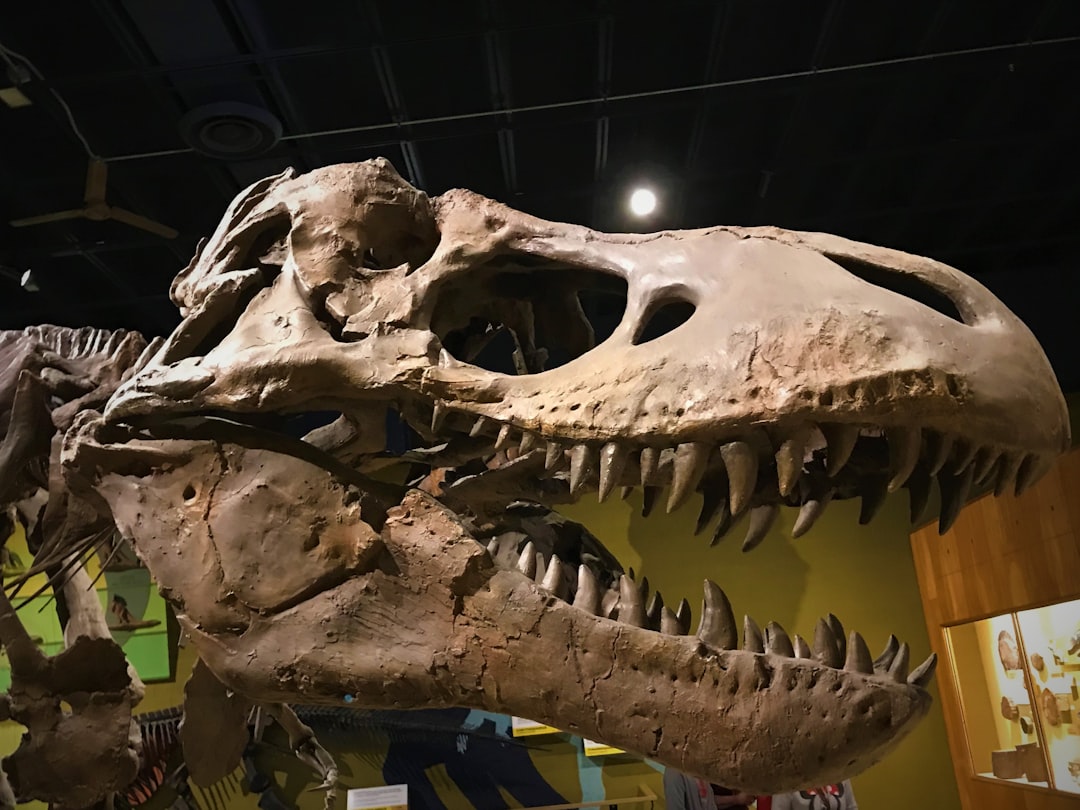
Recent paleontological discoveries have forced scientists to dramatically downsize several dinosaur species that were once considered the largest ever found. Supersaurus, once thought to be over 140 feet long, has been revised down to approximately 108-112 feet based on more complete fossil evidence.
Similarly, Seismosaurus, whose name literally means “earthquake lizard,” was initially estimated to reach lengths of 150-180 feet. However, detailed analysis of the fossil remains suggests it was actually a synonym for Diplodocus and likely measured closer to 90-110 feet. These corrections represent some of the most significant size revisions in paleontological history.
The pattern of overestimation seems to be a recurring theme in dinosaur paleontology. Scientists working with incomplete fossils often had to make educated guesses about missing bones, and the natural tendency was to assume the largest possible size. As more complete specimens are discovered, these estimates are being brought back down to earth, quite literally.
Bone Density Miscalculations
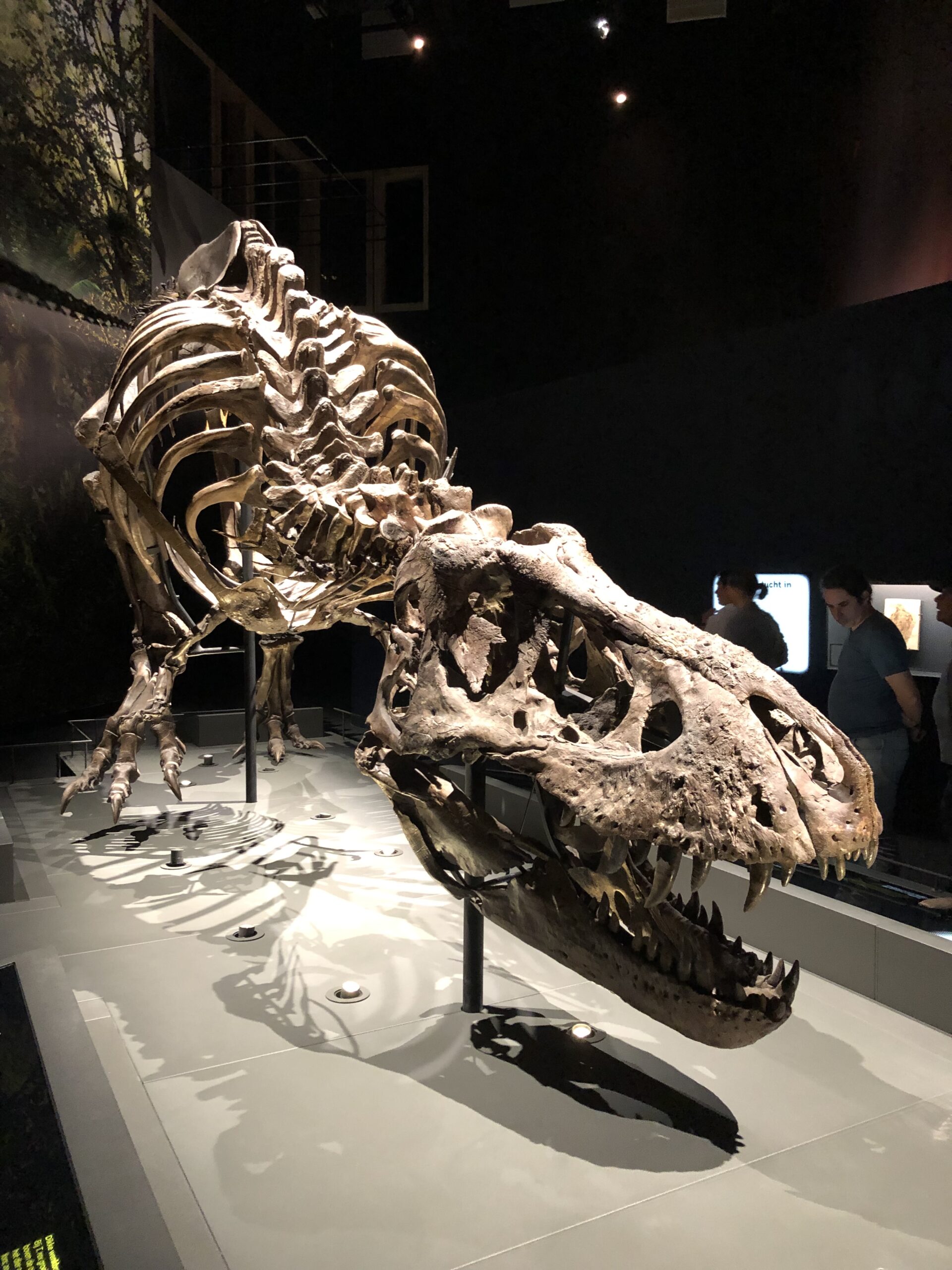
One of the most fundamental errors in dinosaur size estimation came from misunderstanding bone density and structure. Early paleontologists assumed dinosaur bones were solid and dense like modern elephant bones, leading to massive overestimates of body weight and overall size.
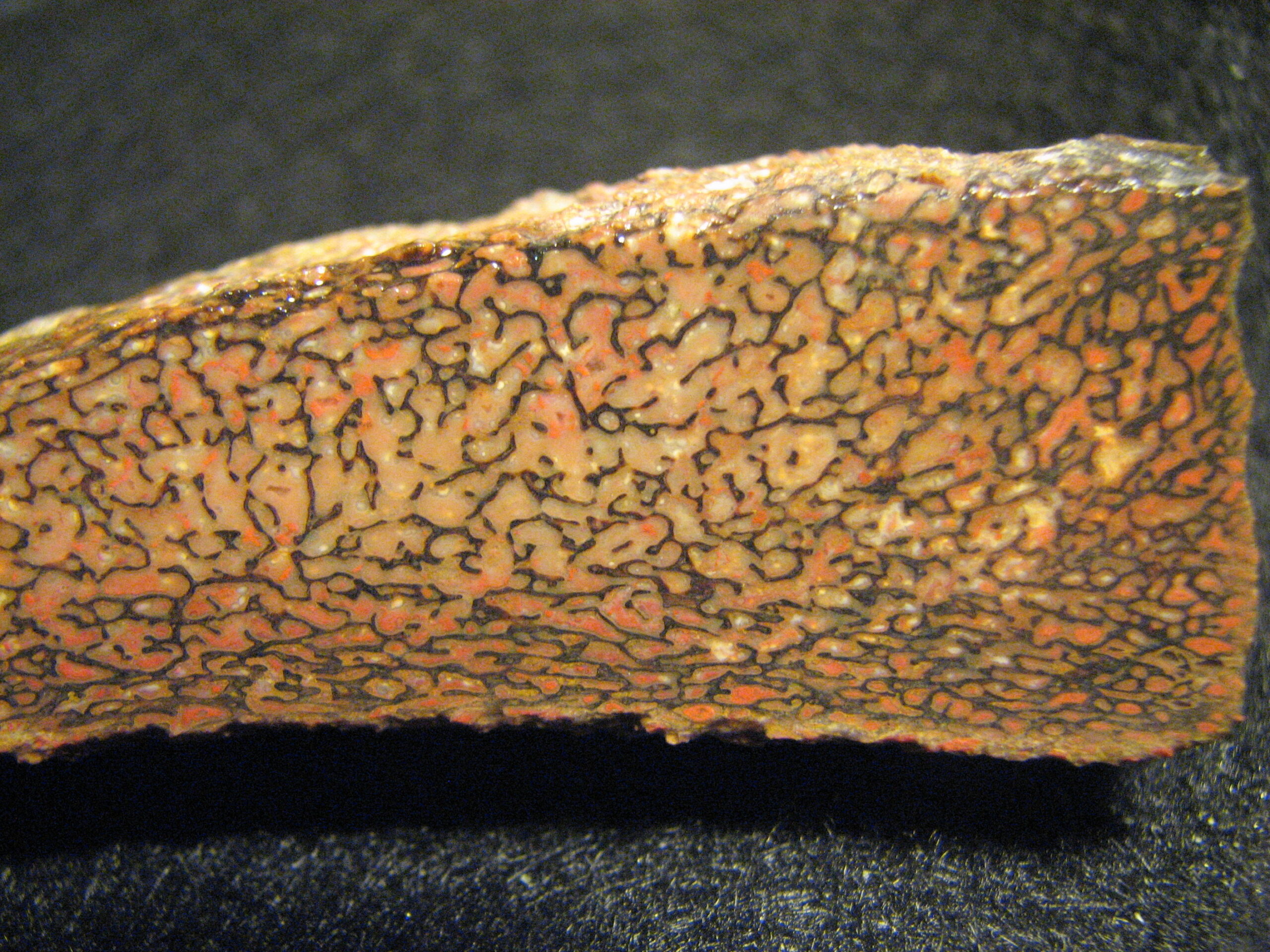
Advanced imaging techniques have revealed that many dinosaur bones were actually hollow or filled with air sacs, similar to modern birds. This pneumatic bone structure made dinosaurs much lighter than previously calculated, sometimes by as much as 30-40%. A sauropod that was estimated to weigh 80 tons might actually have weighed closer to 50 tons, a difference that changes everything about how we understand their biology.
This discovery has implications beyond just weight calculations. Lighter dinosaurs could move faster, needed less food, and could support different body proportions than their heavier counterparts. The revelation has forced scientists to completely reconsider dinosaur metabolism, locomotion, and ecological roles.
The Great Dinosaur Weight Debate
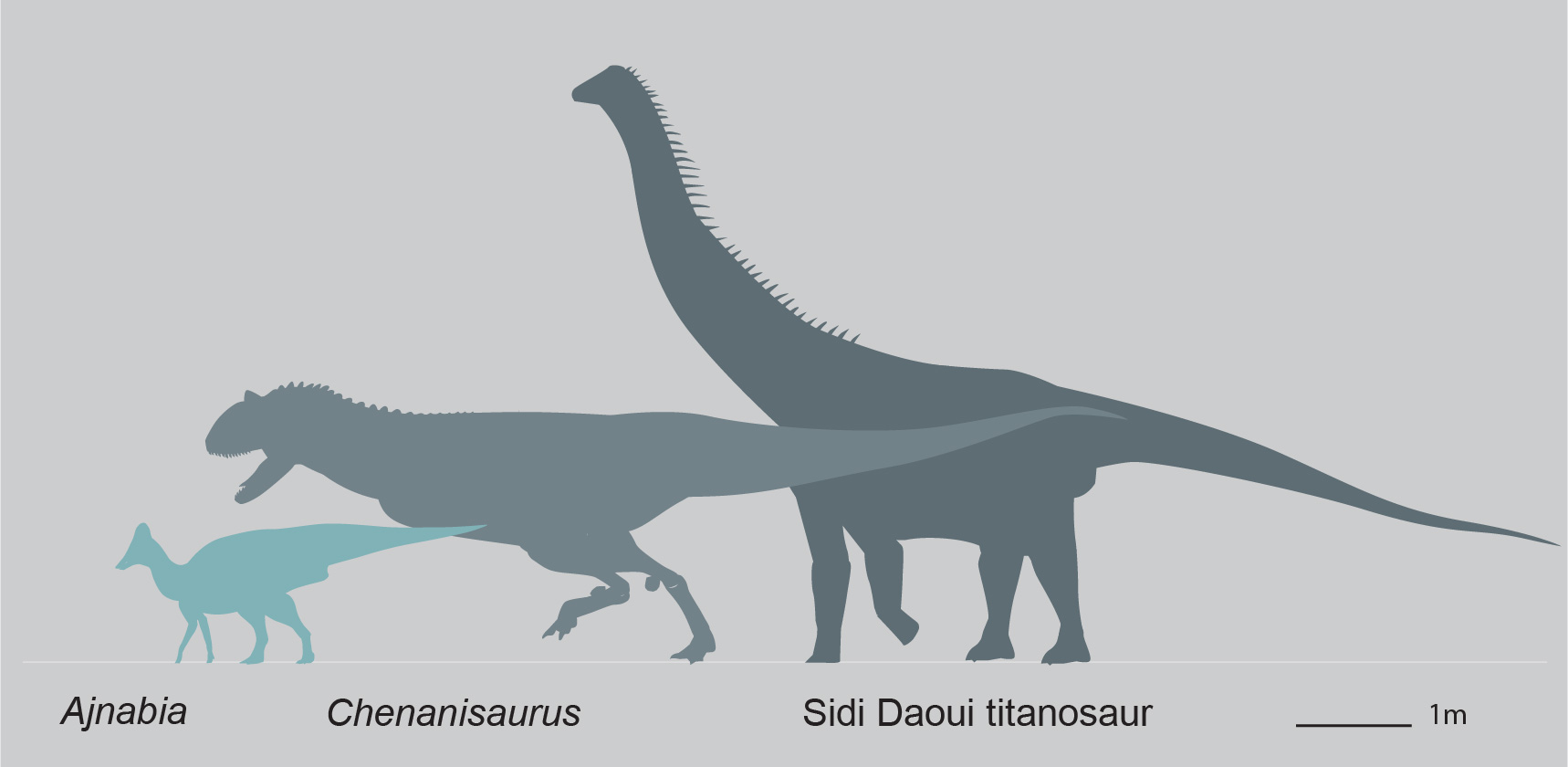
The scientific community has been engaged in an ongoing debate about dinosaur body mass calculations, with some estimates varying by as much as 200-300% for the same species. This enormous discrepancy highlights just how challenging it is to determine the size of creatures we’ve never seen alive.
Different calculation methods produce wildly different results. Some scientists use bone circumference measurements, others rely on volume displacement models, and still others use comparative anatomy with modern animals. Each approach has its merits and limitations, but the variations in results have created confusion about which dinosaurs were actually the largest.
Recent studies using advanced 3D modeling and biomechanical analysis are beginning to narrow down these estimates, but significant disagreements remain. The heaviest sauropods might have weighed anywhere from 40 to 80 tons, a range so broad that it’s difficult to make meaningful comparisons with modern animals or even other dinosaur species.
This uncertainty extends to length measurements as well. Tail length, in particular, has been a source of major disagreements, with some estimates differing by 20-30 feet for the same species.
Juvenile vs Adult: The Growth Confusion
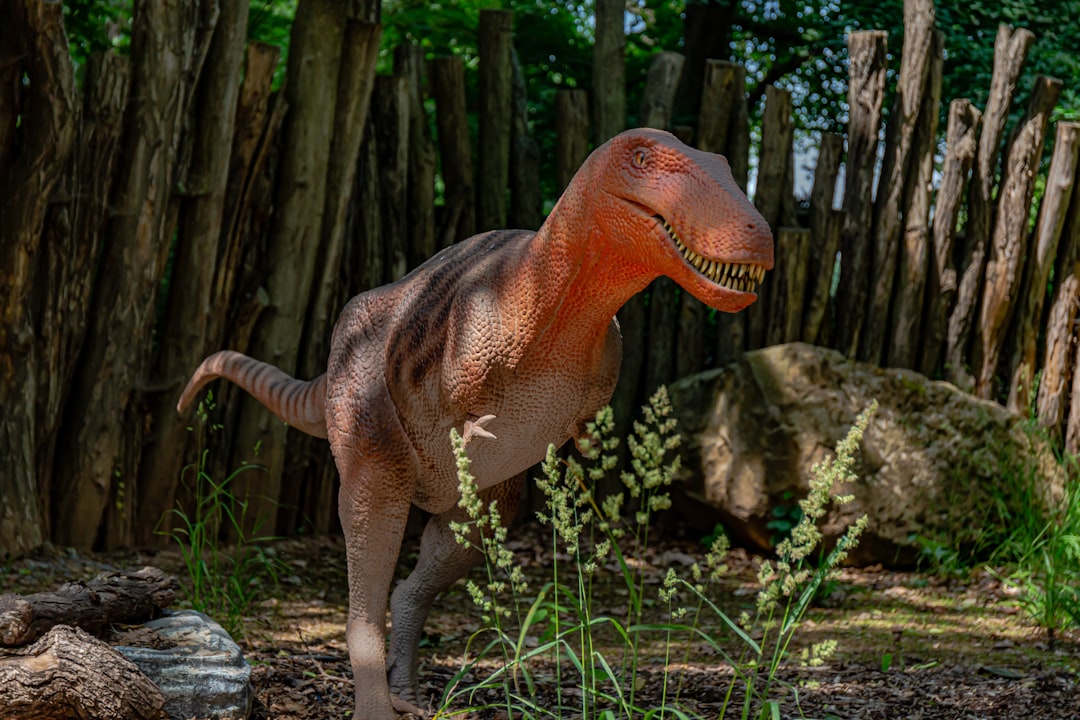
One of the most significant sources of size confusion has been the misidentification of juvenile dinosaurs as separate, smaller species. This error has led to an artificial inflation of dinosaur diversity and has skewed our understanding of how large these creatures actually grew.
Triceratops provides a perfect example of this confusion. For years, paleontologists believed Torosaurus was a separate, larger species with a more elaborate frill. However, detailed analysis revealed that Torosaurus was actually just an adult Triceratops, with the frill continuing to grow and develop throughout the animal’s life.
This pattern of misidentification has been discovered in numerous dinosaur species, from small theropods to massive sauropods. Young dinosaurs often had different body proportions, bone textures, and even different numbers of certain skeletal elements compared to adults. These dramatic changes during growth have created a paleontological nightmare of species identification.
The implications for size estimates are enormous. If scientists were studying juvenile specimens thinking they were adults, their size projections for the entire species would be dramatically understated.
Environmental Size Constraints
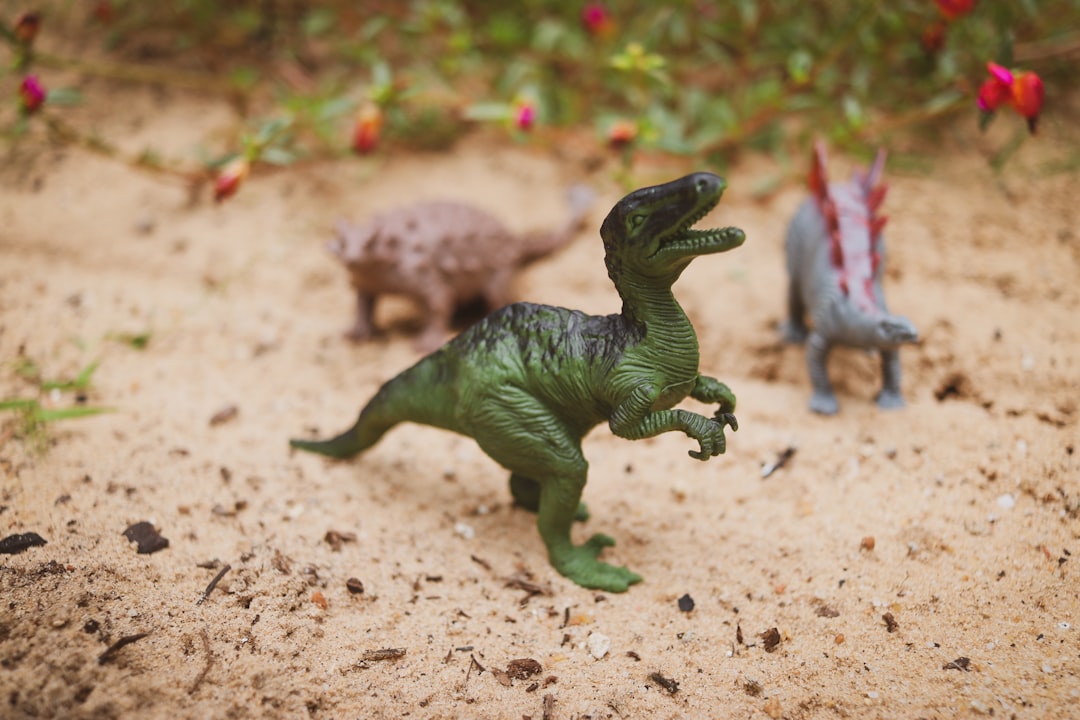
Early dinosaur researchers failed to consider the environmental and physiological constraints that would have limited dinosaur size, leading to unrealistic estimates of prehistoric giants. The laws of physics and biology impose strict limits on how large land animals can grow, regardless of their evolutionary advantages.
Oxygen levels during the Mesozoic Era were different from today, and this would have affected how large dinosaurs could grow while still maintaining efficient respiration. Similarly, the mechanics of blood circulation in extremely large animals create natural size limits that early paleontologists didn’t fully appreciate.
Heat dissipation presents another major constraint. Larger animals have more difficulty regulating their body temperature, and dinosaurs living in warm Mesozoic climates would have faced serious challenges if they grew too large. These biological realities suggest that some of the most extreme size estimates from early paleontology were simply impossible.
Museum Display Distortions
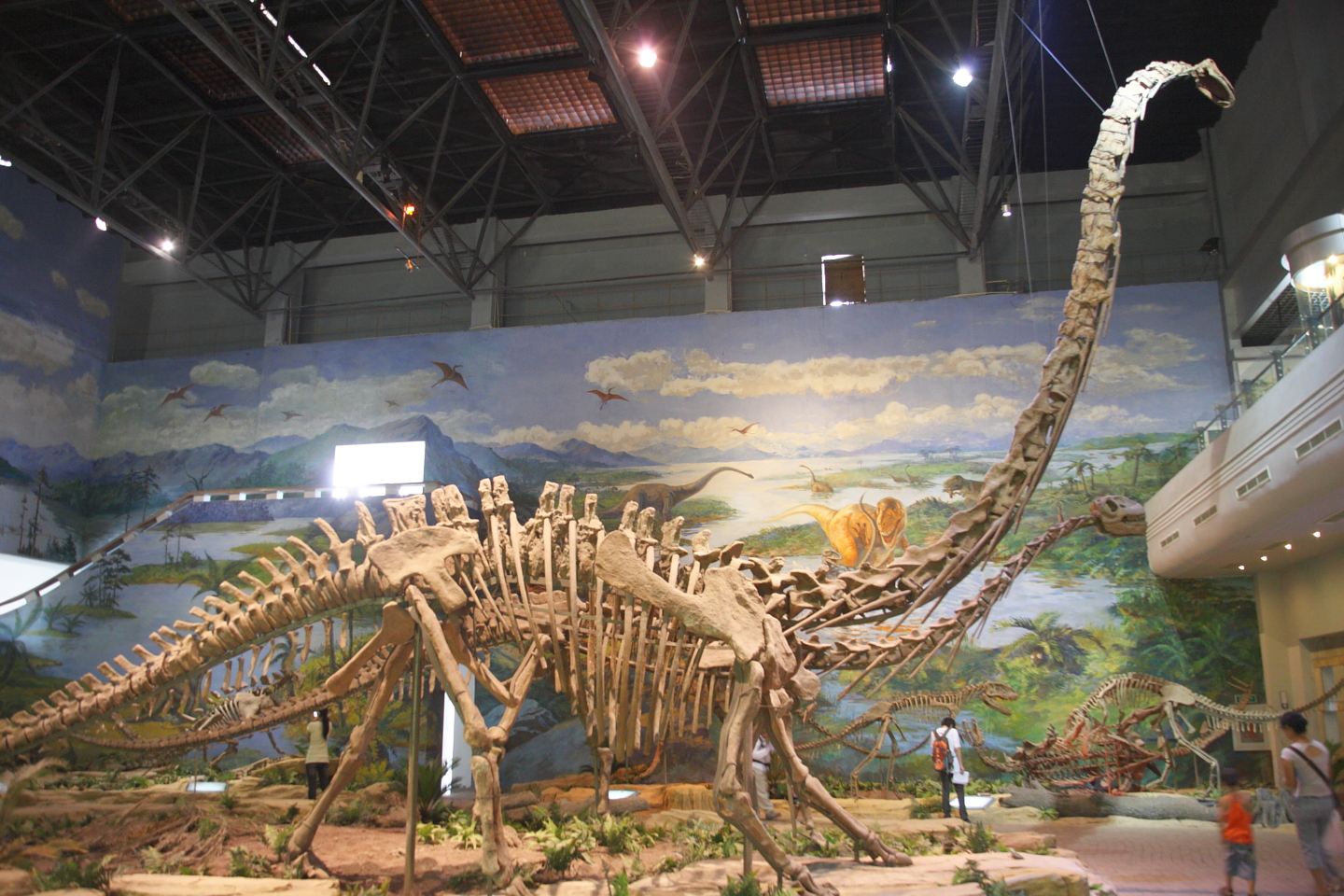
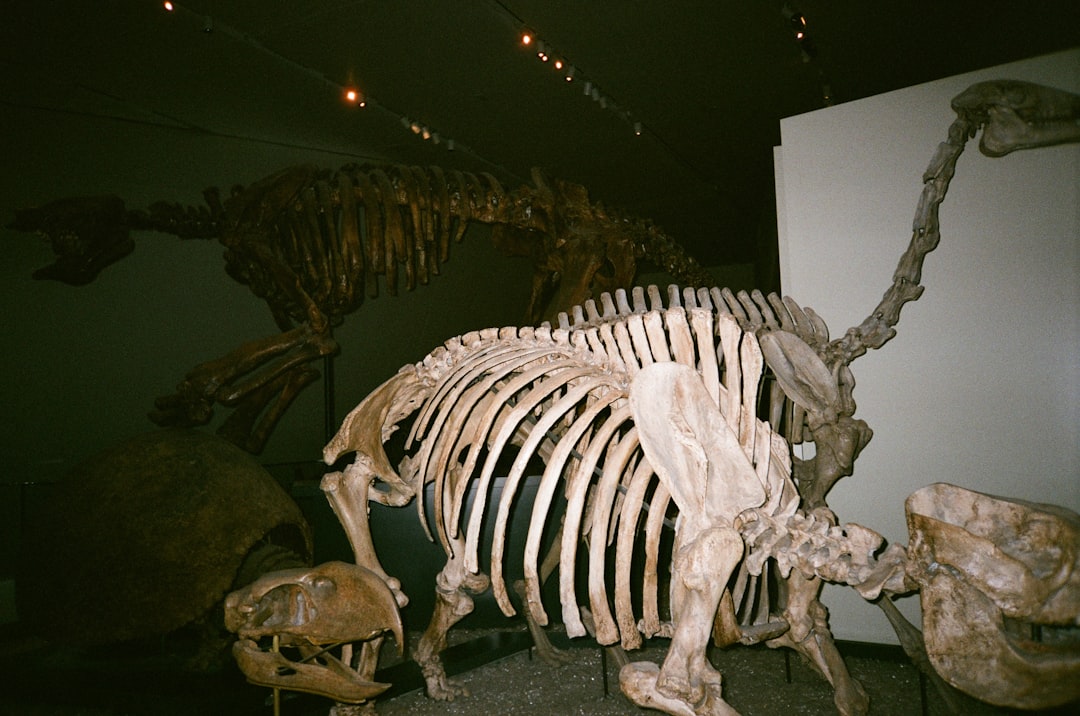
Museum exhibits have played a surprising role in perpetuating size misconceptions about dinosaurs. The dramatic poses and elevated platforms used to display dinosaur skeletons often make them appear much larger than they actually were in life.
Many museum mounts place dinosaur skeletons on platforms or pedestals, adding several feet to their apparent height. Additionally, the artificial lighting and dramatic angles used in museum displays can create optical illusions that exaggerate size. A dinosaur that measured 40 feet in life might appear to be 50-60 feet long in a museum setting.
Even more problematic is the practice of combining bones from multiple specimens to create composite skeletons. These “Franken-fossils” often represent the largest possible version of a species, combining the biggest bones from different individuals to create a specimen that never actually existed in nature.
The impact on public perception has been enormous. Generations of museum visitors have formed their ideas about dinosaur size based on these enhanced displays, creating expectations that real fossil discoveries can rarely match.
The Feathered Giants Revelation
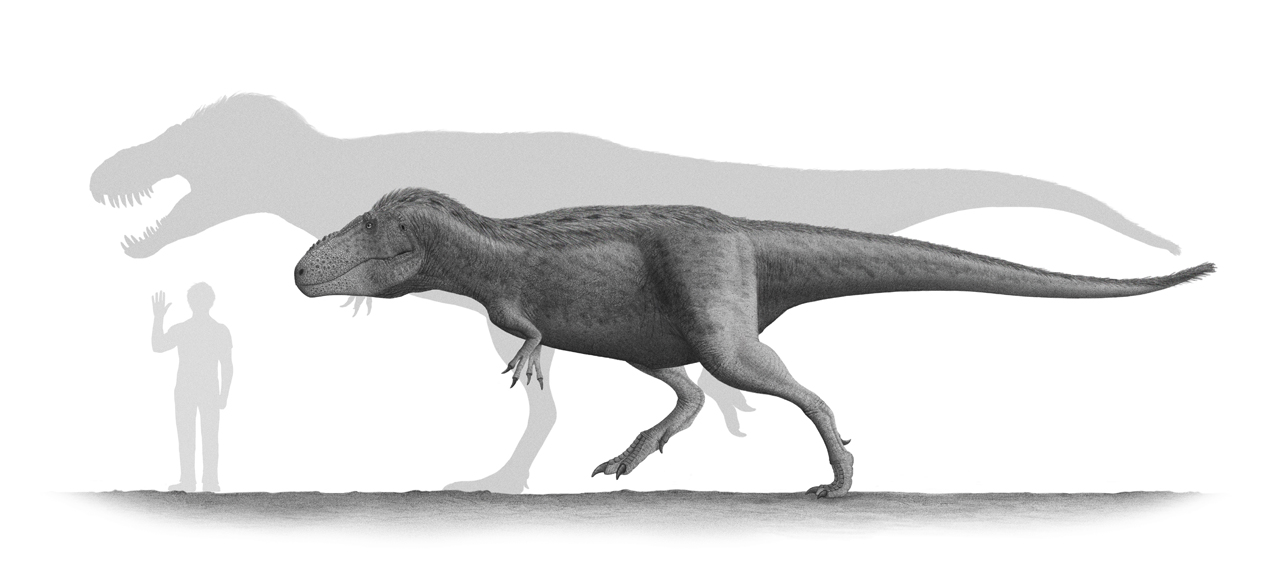
The discovery that many dinosaurs had feathers has completely revolutionized our understanding of their size and appearance. Feathered dinosaurs would have appeared significantly larger than their actual body size, similar to how a bird’s feathers make it look bigger than it really is.
Yutyrannus, a massive feathered tyrannosaur discovered in China, demonstrates this principle perfectly. This 30-foot-long predator was covered in primitive feathers that would have made it appear even more imposing than its already impressive size suggested. The psychological impact of encountering a giant, feathered predator would have been completely different from meeting a scaly, lizard-like creature.
This discovery has forced scientists to reconsider size estimates for dozens of dinosaur species. If a significant portion of dinosaurs were feathered, then their apparent size would have been much different from their actual skeletal dimensions. The implications extend to everything from predator-prey relationships to mating displays and thermoregulation.
Fossilization Bias and Size Distortion
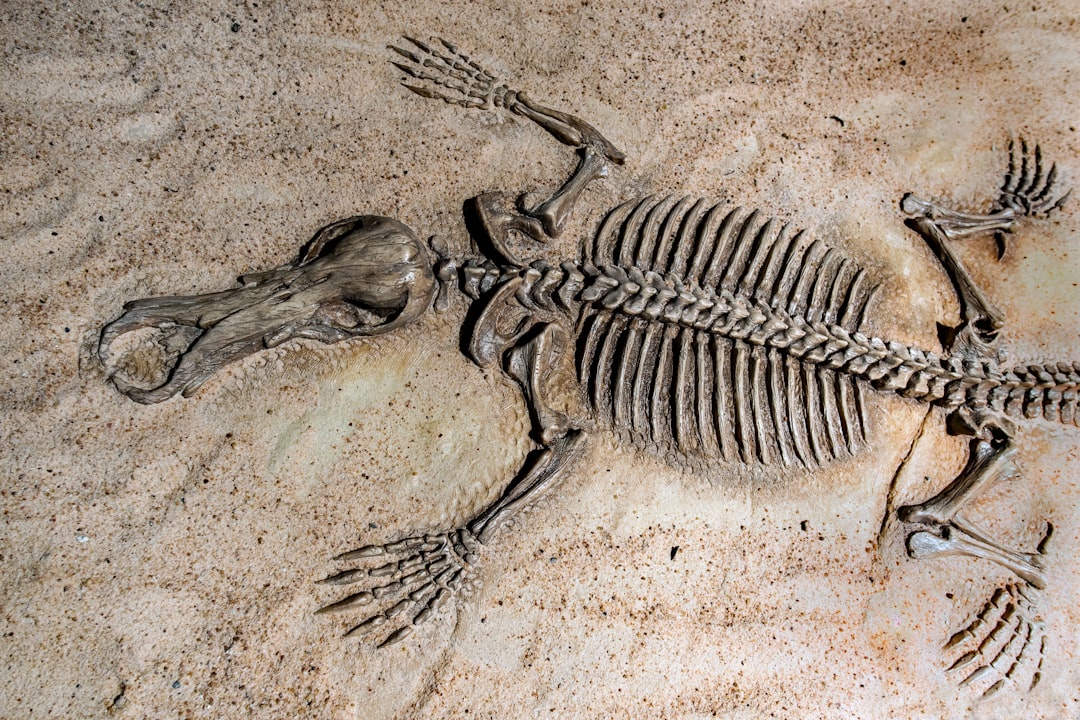
The fossilization process itself has created significant biases in our understanding of dinosaur size. Larger bones are more likely to be preserved and discovered, while smaller specimens often decompose completely or are overlooked during excavation.
This preservation bias means that our fossil record is skewed toward the largest individuals of each species. When paleontologists calculate average sizes based on museum collections, they’re often working with samples that represent only the biggest dinosaurs, not the typical size of the species.
Additionally, the geological processes that create fossils can actually distort bones, stretching or compressing them in ways that affect size measurements. A dinosaur that was crushed by sediment pressure might appear shorter and wider than it actually was, while one that was stretched by geological forces might seem longer and thinner.
These distortions have led to some spectacular mistakes in size estimation, with some species being dramatically over- or underestimated based on fossils that were warped during the fossilization process.
Modern Technology Reveals Ancient Truths
Advanced imaging technologies are finally providing accurate size measurements for dinosaurs, correcting decades of speculation and guesswork. CT scans, 3D modeling, and biomechanical analysis are revealing the true dimensions of these ancient creatures with unprecedented precision.
Laser scanning technology allows scientists to create exact digital replicas of fossil bones, eliminating the measurement errors that plagued earlier research. These digital models can be manipulated and analyzed in ways that physical fossils cannot, providing insights into size, weight, and body proportion that were previously impossible to obtain.
Computer modeling is also helping scientists understand how dinosaurs moved and lived, which provides crucial context for size estimates. A dinosaur that could run quickly must have had different proportions than one that moved slowly, and these biomechanical constraints help narrow down the range of possible sizes.
Perhaps most importantly, these technologies are allowing scientists to study fossils that are too fragile or valuable to handle directly, expanding the database of specimens available for size analysis.
The Future of Dinosaur Size Research
As new technologies emerge and more fossils are discovered, our understanding of dinosaur size continues to evolve rapidly. Advanced DNA analysis techniques are beginning to provide insights into dinosaur biology that were unimaginable just a few decades ago.
Machine learning algorithms are being used to analyze thousands of fossil specimens simultaneously, identifying patterns and relationships that human researchers might miss. These computational approaches are revealing new insights into dinosaur growth patterns, adult sizes, and species relationships.
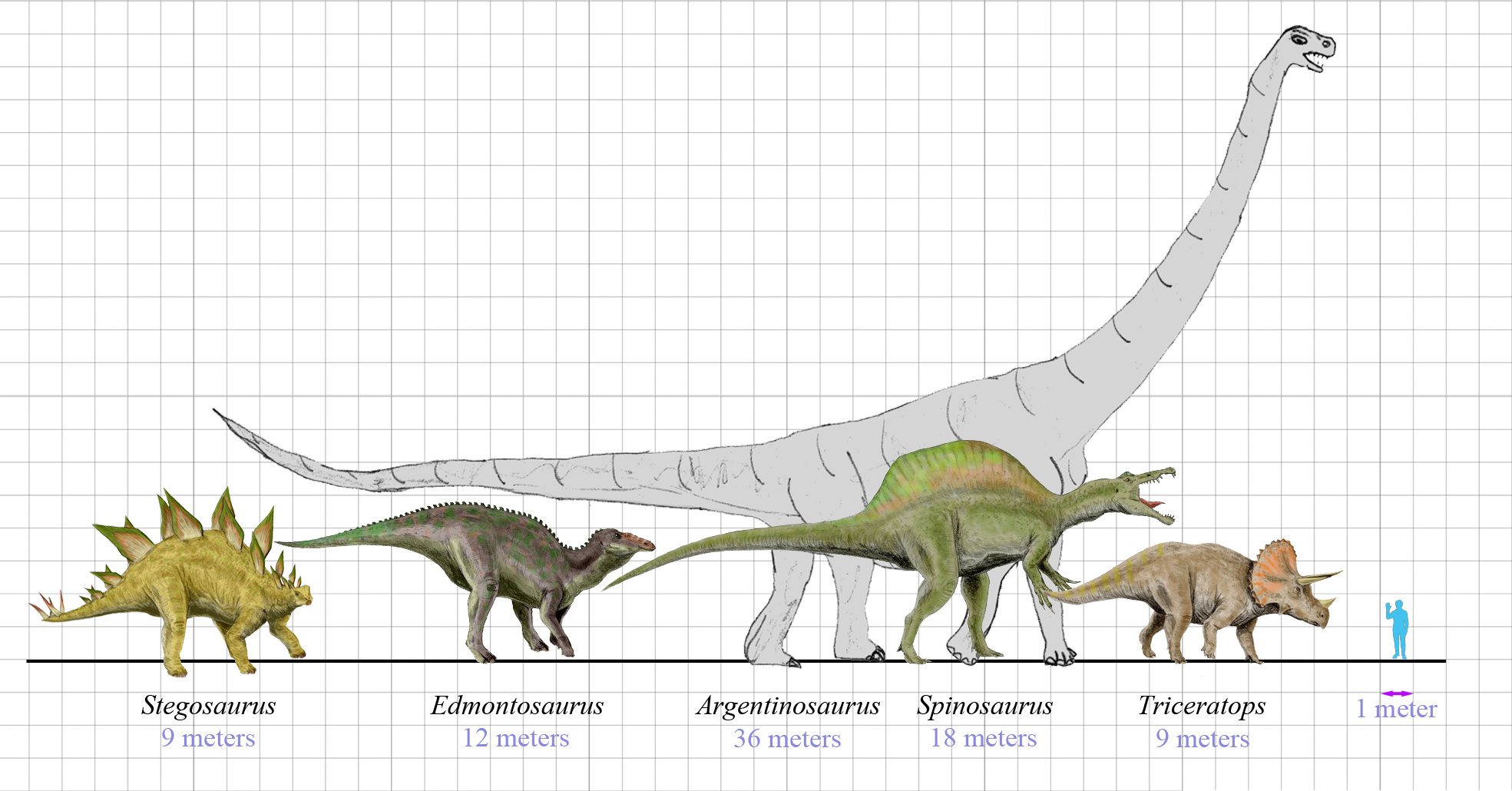
The discovery of new fossil sites around the world is also expanding our understanding of dinosaur diversity and size ranges. Recent finds in Argentina, China, and Madagascar have revealed dinosaur species that challenge our assumptions about maximum and minimum sizes for different groups.
Climate modeling is providing new insights into the environmental constraints that shaped dinosaur evolution, helping scientists understand why certain sizes were favored in different time periods and geographic regions.
Conclusion: Rewriting Prehistoric History
The story of dinosaur size mistakes is really a story about the evolution of scientific understanding. Each error has taught us something valuable about these magnificent creatures and has pushed the field of paleontology toward greater accuracy and sophistication.
These revelations about dinosaur size have implications far beyond academic paleontology. They affect how we understand evolution, ecology, and the history of life on Earth. When we get dinosaur sizes wrong, we misunderstand entire ecosystems and evolutionary relationships.
The most important lesson from these mistakes is that science is self-correcting. Each generation of researchers builds on the work of their predecessors, refining and improving our understanding of the natural world. The dinosaurs we know today are far more accurate than the dinosaurs of 50 years ago, and the dinosaurs of the future will likely be even more precisely understood.
As we continue to discover new fossils and develop new technologies, we can expect more surprises about dinosaur size. The giants of the past may have been smaller than we thought, but they remain no less fascinating or important to our understanding of life’s incredible diversity.