Imagine diving into an ancient ocean and coming face-to-face with a fish that looks more like a medieval knight than anything you’d expect to find swimming in the depths. These weren’t your typical scaled creatures gracefully gliding through the water. Instead, they were living fortresses, covered head to tail in thick, bony plates that could deflect the most vicious attacks from predators.
The Dawn of Underwater Warfare
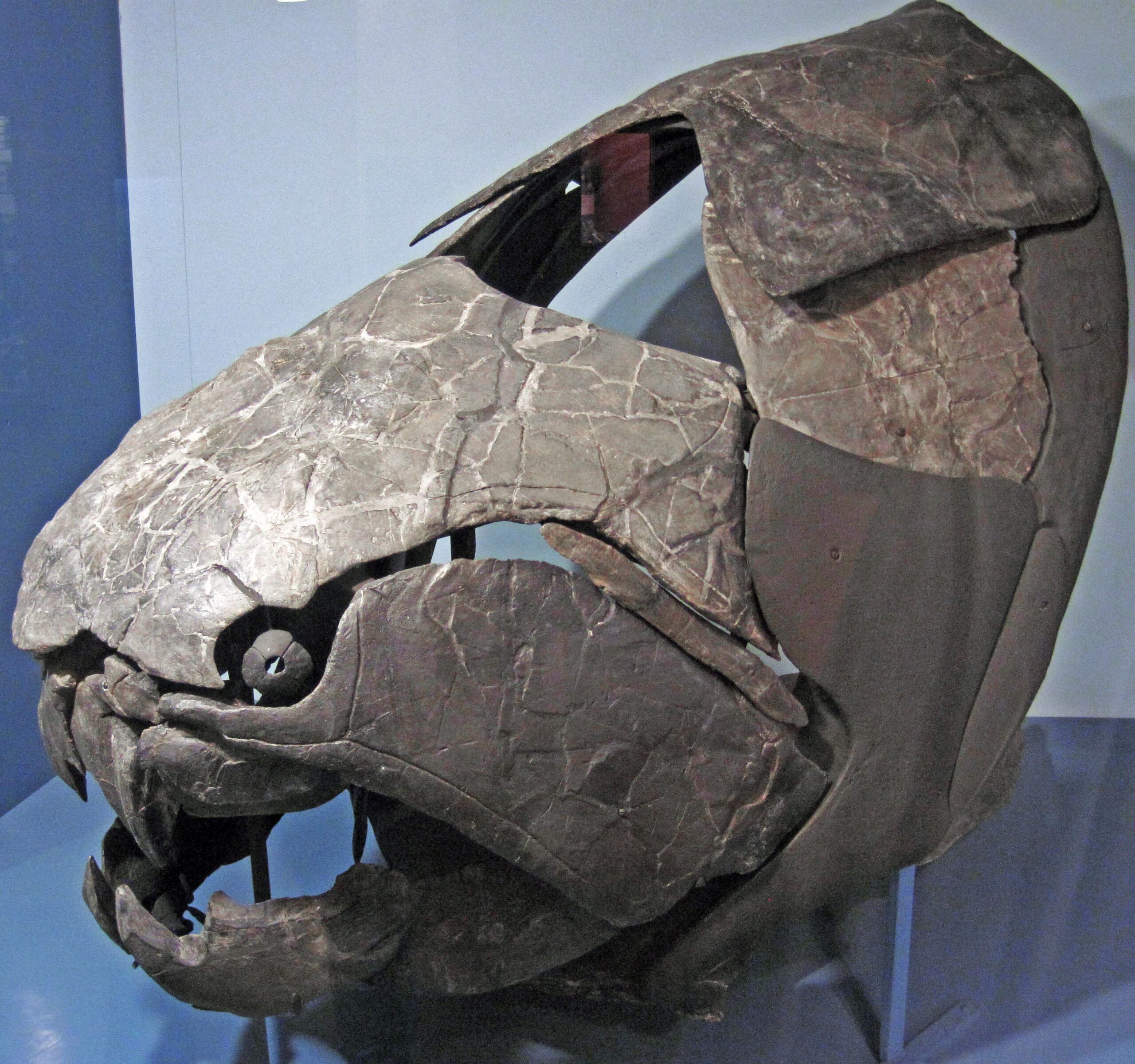
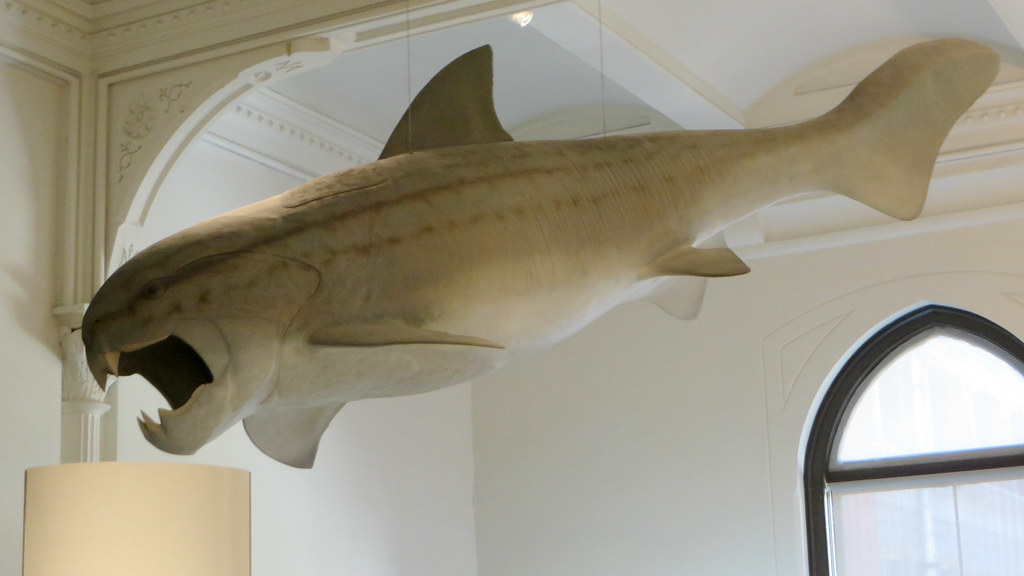
The Devonian period, roughly 400 million years ago, marked one of the most brutal chapters in aquatic evolution. Waters teemed with massive predators sporting razor-sharp teeth and powerful jaws that could crush almost anything in their path. It was during this evolutionary arms race that some fish species made a remarkable decision: if you can’t outswim your enemies, outlast them.
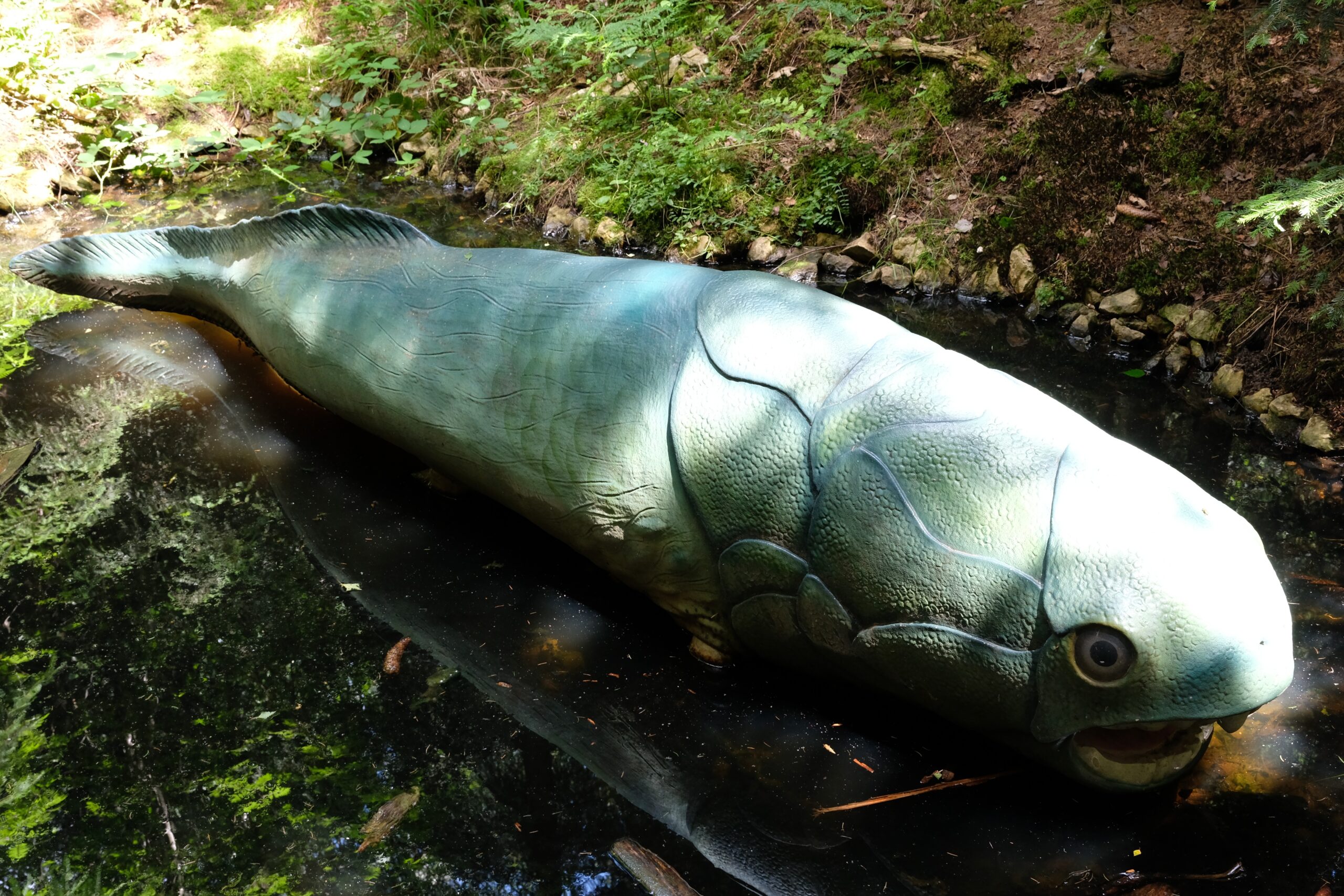
These armored fish, known as placoderms, developed thick bony plates called dermal armor that covered their heads and often extended down their bodies. The armor wasn’t just for show – it was a sophisticated defense system that could mean the difference between life and death in prehistoric seas.
Meet the Ancient Armored Giants
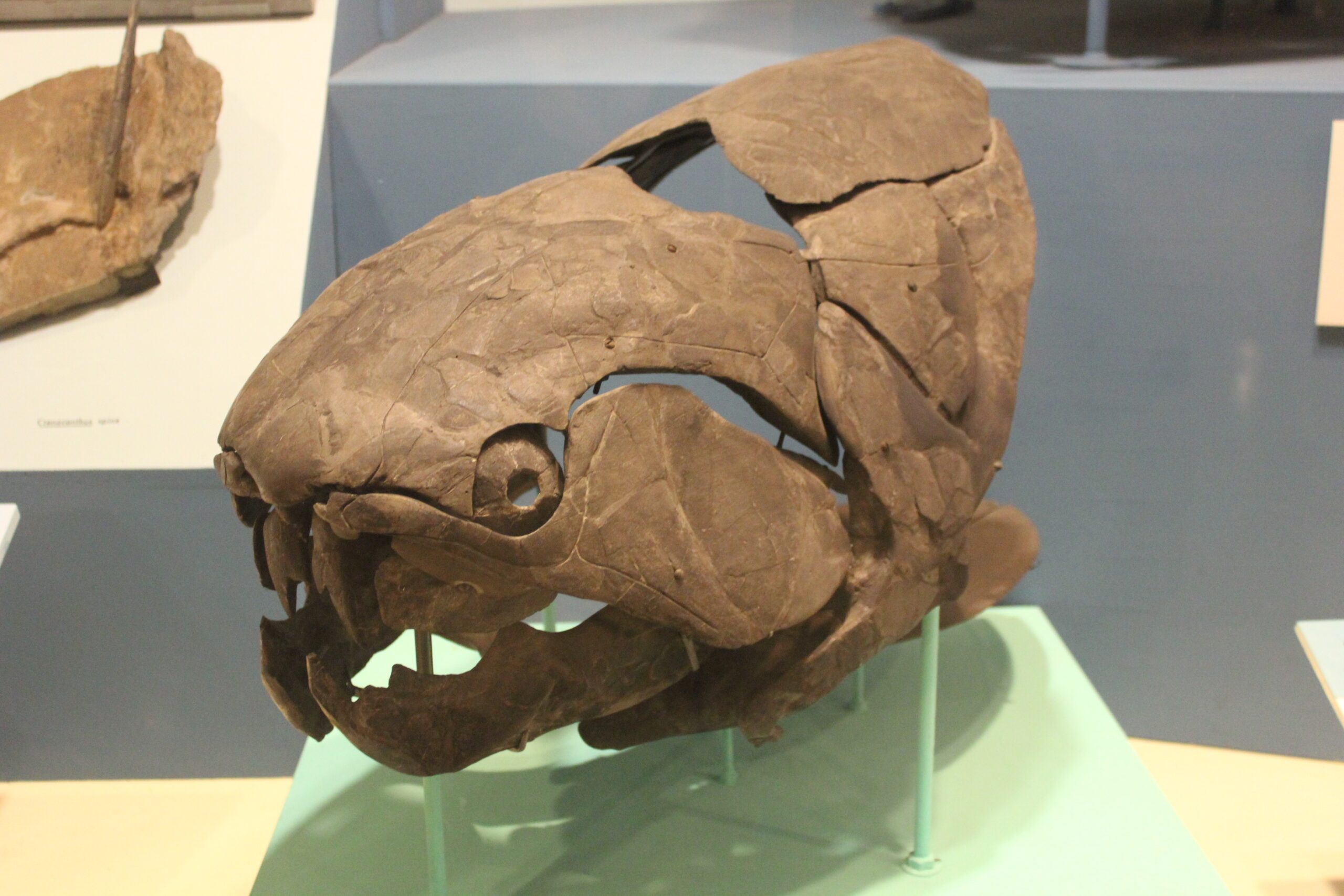
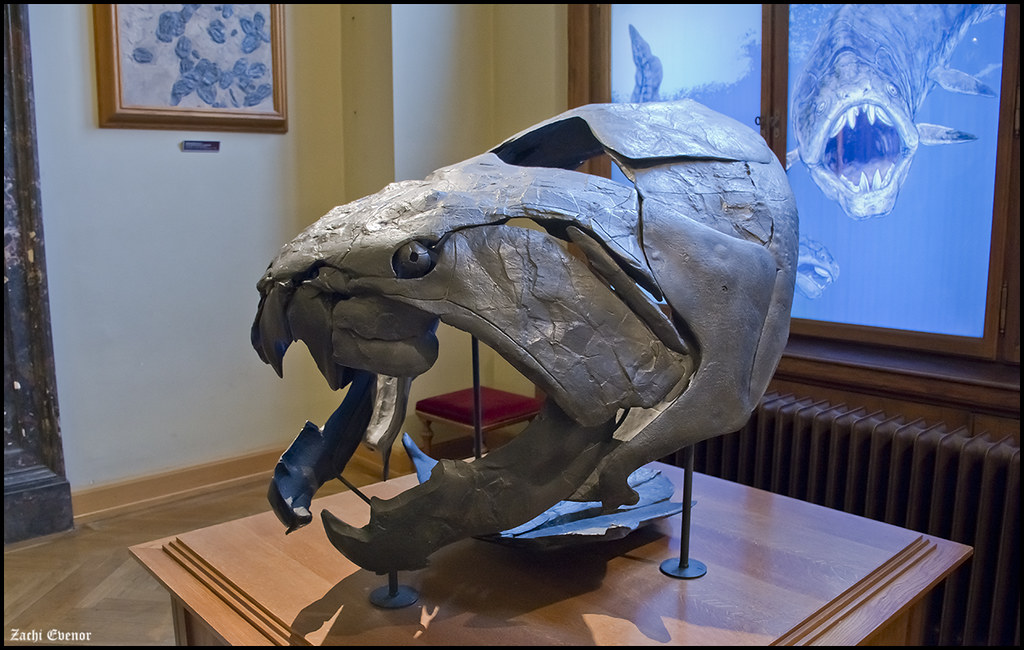
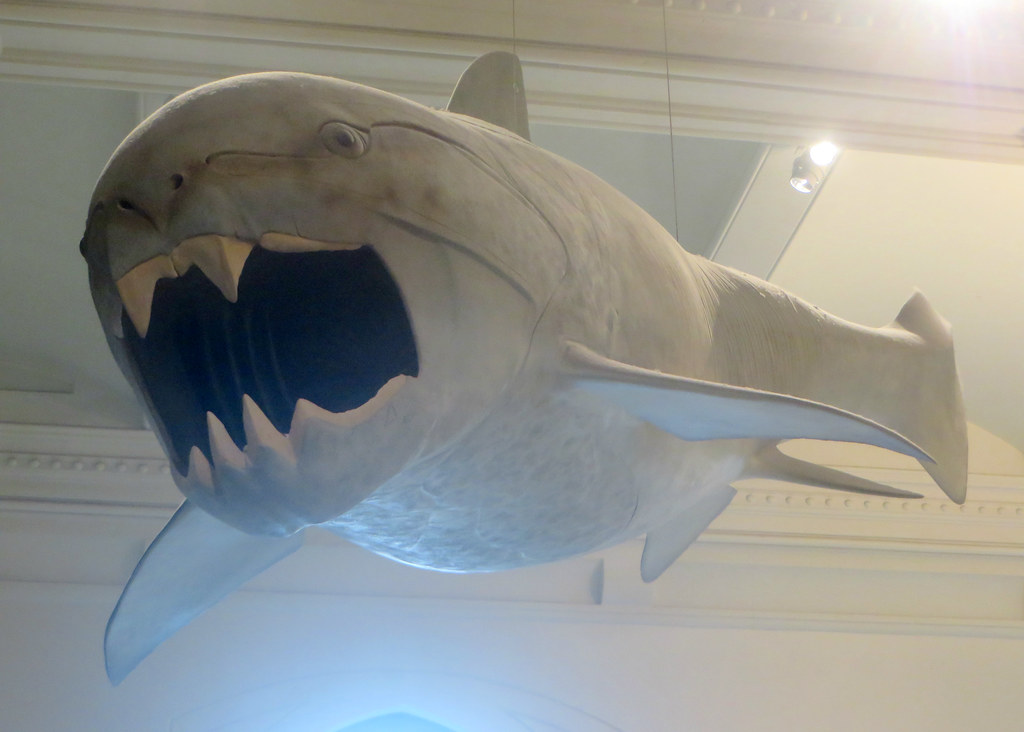
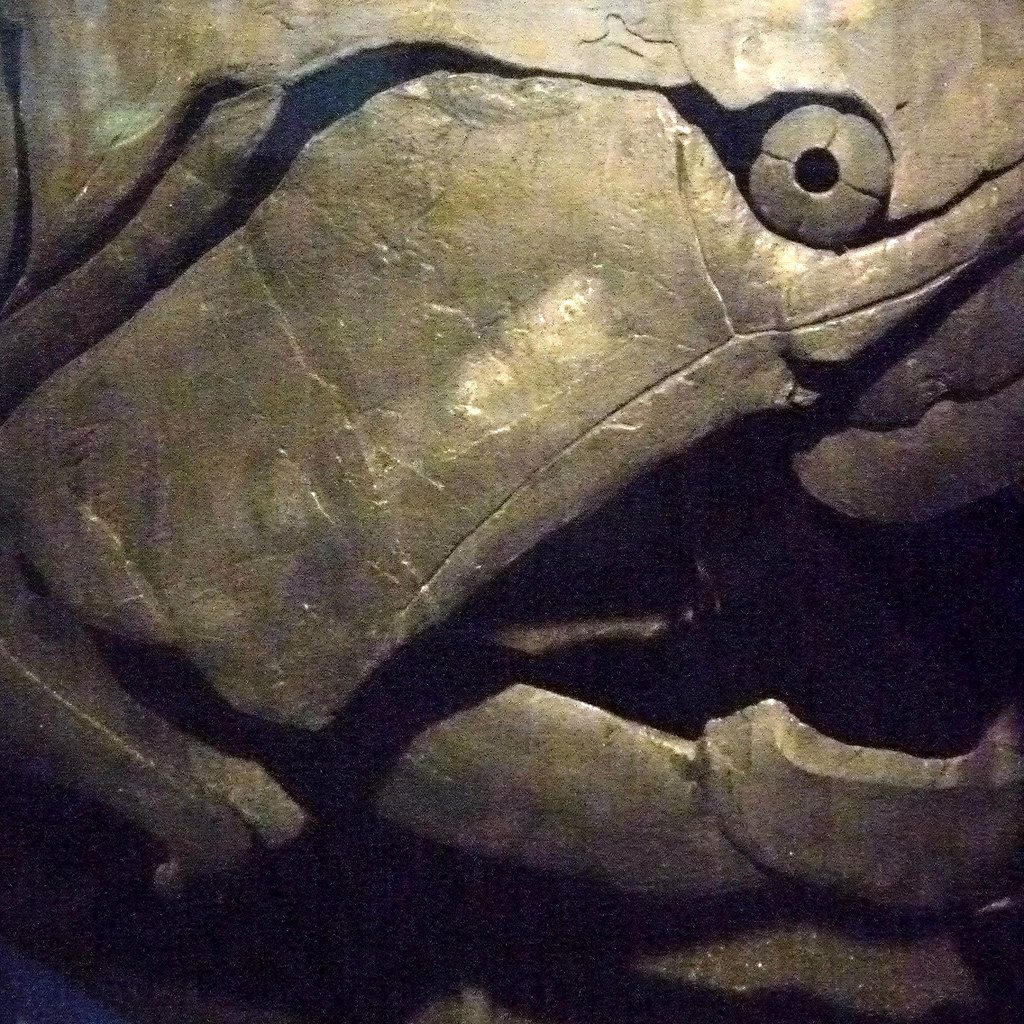
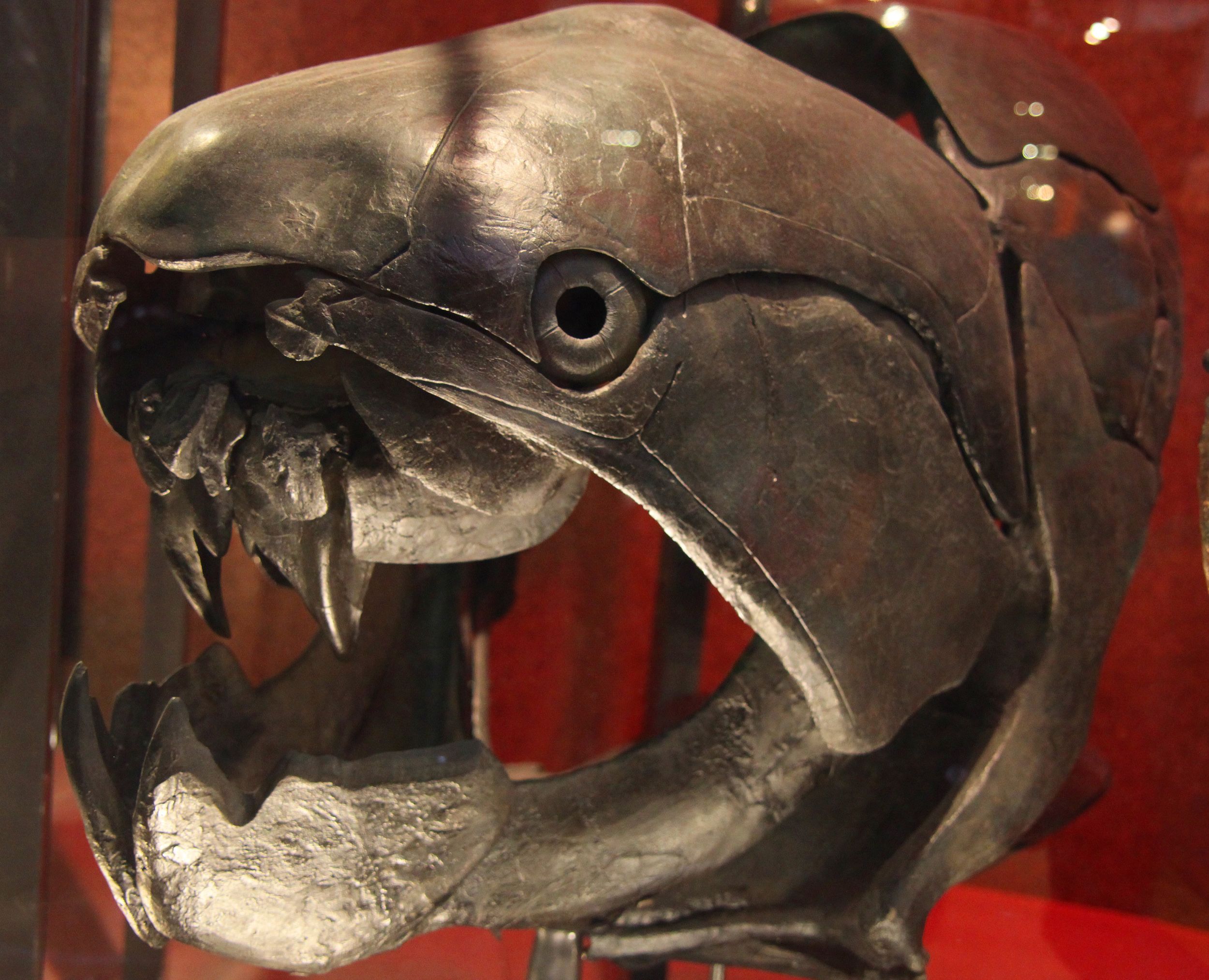
Dunkleosteus terrelli stands as perhaps the most famous example of these underwater tanks. This massive predator grew up to 30 feet long and weighed as much as a modern-day elephant. Its head was encased in thick, interlocking bony plates that formed an impenetrable helmet, while its jaws featured sharp, self-sharpening bone plates instead of teeth.
But Dunkleosteus wasn’t alone in its armored lifestyle. Bothriolepis, a smaller but equally well-protected fish, looked like a living shoebox with fins. Its entire front half was covered in rectangular bony plates that fit together like puzzle pieces, creating a mobile fortress that could withstand incredible pressure.
The Science Behind Bone Armor
The armor of these prehistoric fish wasn’t just randomly thick bone – it was an engineering marvel. Scientists have discovered that the bony plates contained multiple layers, similar to modern bulletproof vests. The outer layer was dense and hard, designed to absorb initial impact, while the inner layers were more flexible to distribute force.
Research using high-powered microscopes reveals that some armored fish had bones with a unique honeycomb structure. This design provided maximum strength while keeping weight manageable, allowing these heavily armored creatures to remain somewhat agile in the water.
Swimming in Heavy Metal
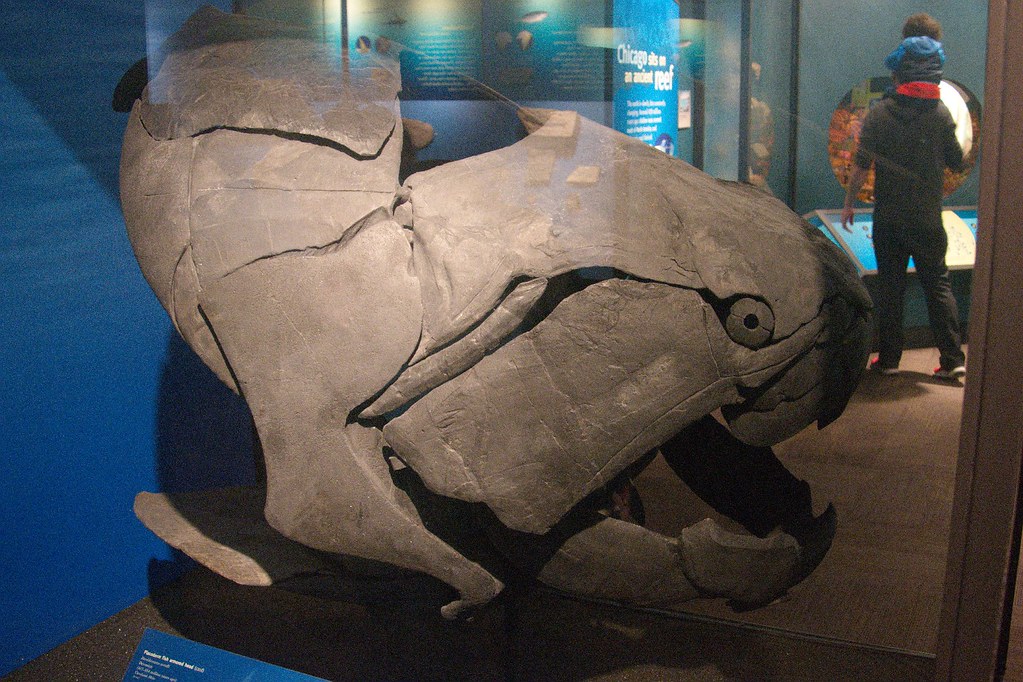
You might wonder how these fish managed to swim while wearing what essentially amounted to full-body armor. The answer lies in their incredible muscular development and specialized body shapes. Many armored fish developed powerful tail fins and streamlined rear sections to compensate for their heavy front ends.
Some species, like Pterichthyodes, evolved unique pectoral fins that functioned almost like arms, allowing them to “crawl” along the seafloor when swimming became too energy-intensive. These adaptations show just how creative evolution can be when faced with seemingly impossible challenges.
The Predator-Prey Arms Race

The evolution of armored fish was directly linked to the rise of massive marine predators. As jaw strength and bite force increased among hunters, prey species responded by developing stronger defenses. This created an evolutionary feedback loop that pushed both predators and prey to ever-greater extremes.
Some armored fish took defense to absurd levels. Titanichthys, despite being over 20 feet long, was a filter feeder that used its massive size and armor primarily for intimidation rather than predation. Its armor was so thick that it likely couldn’t open its mouth wide enough to bite anything substantial.
Built-in Shock Absorbers

The joints between armor plates in these ancient fish functioned like sophisticated shock absorption systems. Rather than being rigidly fused, many plates were connected by flexible tissue that could compress and expand during impacts. This prevented the armor from cracking under pressure while maintaining protection.
Fossil evidence shows that some armored fish could survive incredibly violent encounters. Specimens have been found with healed bite marks and damaged armor plates, proving that their defensive systems actually worked in real-world situations.
The Weight of Protection
Living in armor came with significant trade-offs. These fish had to consume enormous amounts of food to fuel their heavy, muscular bodies. Many armored species became bottom-dwellers, conserving energy by moving slowly along the seafloor rather than actively swimming through the water column.
The metabolic cost of maintaining such heavy armor may have contributed to the eventual extinction of most armored fish species. As ocean chemistry changed and food sources became scarcer, the energy requirements of armor-plated lifestyles became unsustainable.
Armor Variations Across Species
Not all armored fish looked the same – evolution experimented with countless variations of protective designs. Some species developed spiky protrusions that made them nearly impossible to swallow, while others evolved smooth, rounded armor that deflected attacks rather than absorbed them.
Phyllolepis concentrated its armor on the top and sides of its body, leaving its belly relatively soft. This design allowed for more efficient swimming while still protecting vital organs from attacks from above and the sides, where most predators would strike.
The Role of Sexual Selection
Interestingly, armor in some prehistoric fish species may have served purposes beyond mere protection. Evidence suggests that certain armored fish used their elaborate bony decorations for courtship displays, similar to how modern birds use colorful plumage.
The intricate patterns and shapes of armor plates in some species were far more elaborate than necessary for simple defense. These ornamental features likely helped individuals attract mates and establish social hierarchies within their communities.
Breathing Behind Bars
One of the biggest challenges faced by armored fish was maintaining proper gill function while wearing heavy head armor. Many species developed specialized gill covers that could open and close like armored doors, protecting the delicate breathing apparatus while allowing water flow.
Some armored fish evolved additional respiratory adaptations, including primitive air-breathing capabilities that allowed them to survive in low-oxygen environments where their heavily armored bodies made efficient gill breathing difficult.
The Engineering of Extinction

Despite their impressive defenses, most armored fish species went extinct by the end of the Devonian period. Their heavy armor, while effective against contemporary threats, became a liability as ocean environments changed rapidly. The energy costs of maintaining such elaborate defenses proved unsustainable in changing ecosystems.
The extinction of armored fish cleared the way for more agile, lightly-built fish species that could adapt quickly to environmental changes. This evolutionary shift demonstrates that sometimes the most impressive adaptations can become evolutionary dead ends.
Modern Echoes of Ancient Armor
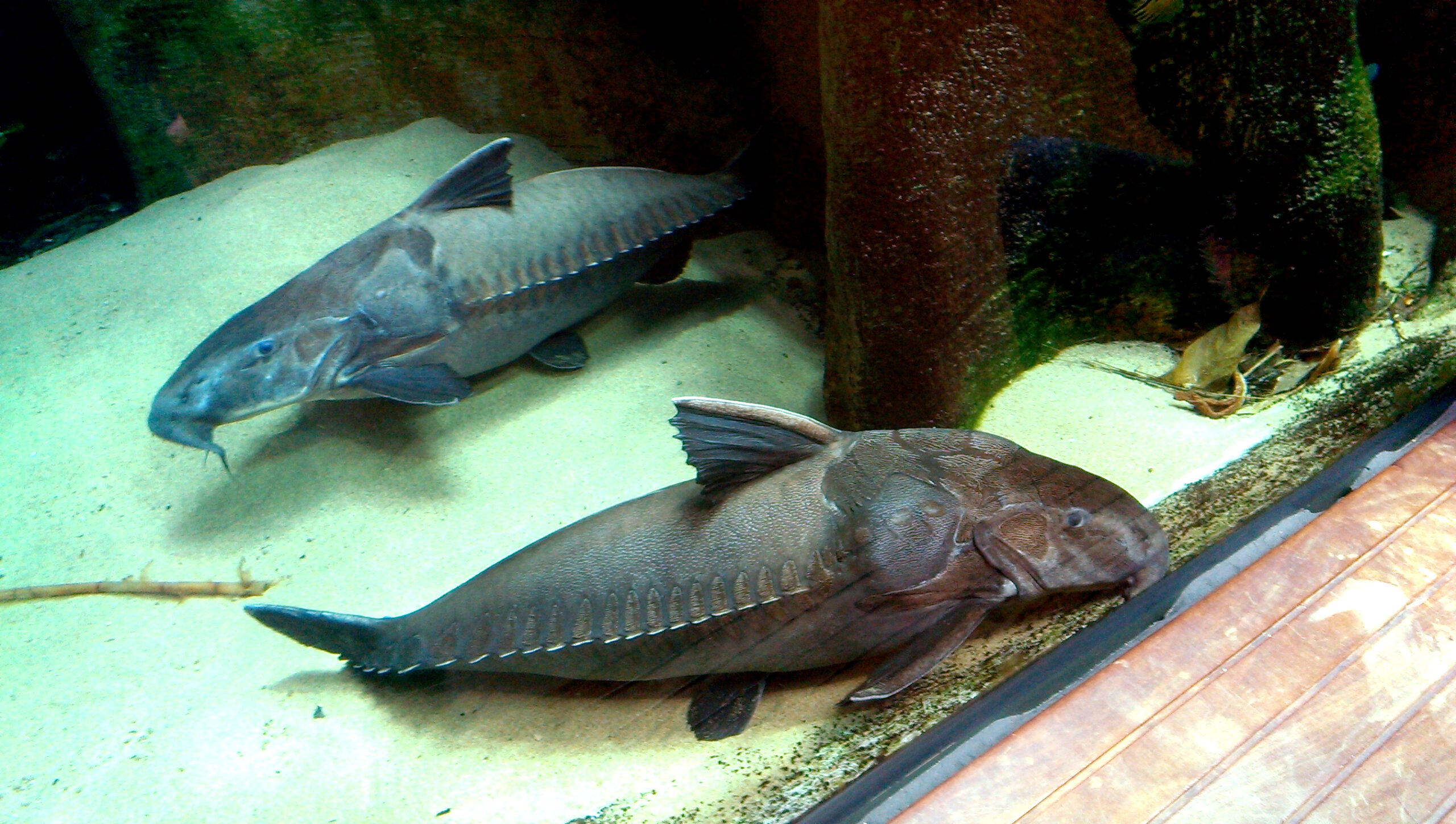
While the age of heavily armored fish has passed, we can still see echoes of their defensive strategies in modern marine life. Sturgeons retain bony plates along their bodies, and various catfish species have developed armored heads that echo their ancient relatives.
The study of prehistoric armored fish continues to inspire modern engineering applications, from body armor design to protective materials for vehicles. These ancient creatures pioneered defensive technologies that remain relevant hundreds of millions of years later.
Lessons from Living Fortresses
The armored fish of prehistory represent one of evolution’s most dramatic experiments in defensive adaptation. Their success in surviving some of the most dangerous marine environments in Earth’s history demonstrates the power of specialization, even when it comes with significant trade-offs.
These ancient underwater tanks remind us that evolution rarely produces perfect solutions – only workable ones. Their eventual extinction doesn’t diminish the remarkable achievement of thriving for millions of years in seas filled with monsters that would make modern sharks look like minnows.
The Legacy of Armored Swimmers
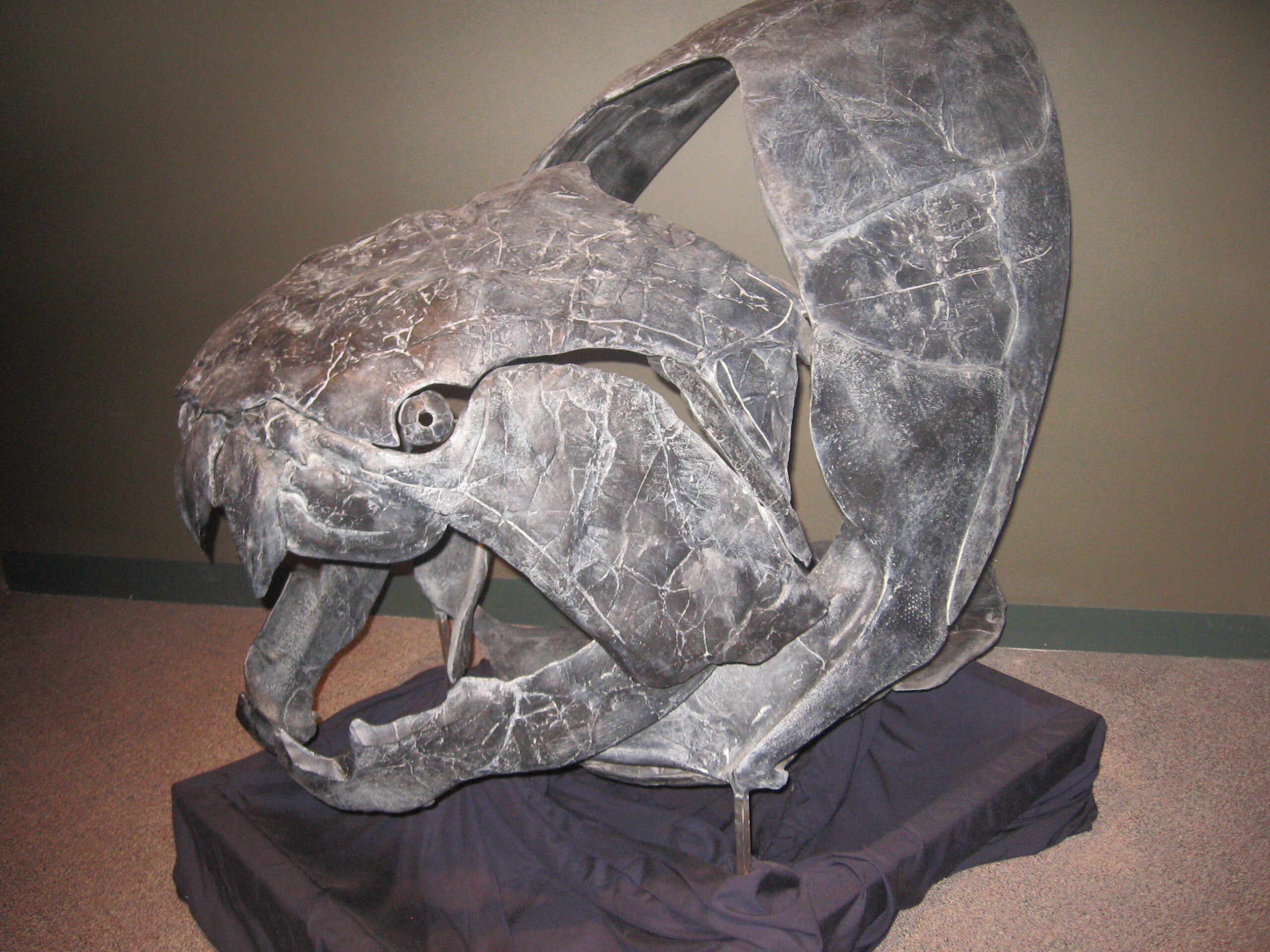
Today’s oceans would be unrecognizable to these armored giants, but their fossil remains continue to teach us about the incredible diversity of life’s solutions to survival challenges. Every museum specimen and fossil fragment adds to our understanding of how life adapts to extreme circumstances.
The next time you see a fish gliding effortlessly through the water, remember their heavily armored ancestors who chose protection over speed, bulk over agility. These prehistoric tanks may be gone, but they paved the way for the incredible diversity of marine life we see today. What would you choose if you had to survive in an ocean full of monsters?