

Imagine standing on the edge of a vast supercontinent, watching as towering dinosaurs roam across landscapes that would one day become separated by thousands of miles of ocean. This isn’t science fiction—it’s the remarkable story of how our planet’s moving continents shaped the incredible diversity of dinosaurs that ruled Earth for over 160 million years. While most people think of dinosaurs as ancient creatures frozen in time, the truth is far more dynamic and fascinating than any museum display could ever reveal.
The Supercontinent That Started It All

When dinosaurs first appeared around 230 million years ago during the Late Triassic period, Earth looked nothing like the world we know today. All the continents were smashed together into one massive landmass called Pangaea, stretching from pole to pole like a giant jigsaw puzzle piece.
This supercontinent created unique conditions that would forever change the course of dinosaur evolution. The interior regions experienced extreme temperatures and arid conditions, while the coastal areas remained more temperate and humid. These environmental gradients became the testing grounds for early dinosaur species, forcing them to adapt to dramatically different climates within relatively short distances.
The early dinosaurs that emerged during this time were remarkably similar across different regions of Pangaea. Fossils of creatures like Coelophysis have been found in both North America and Europe, indicating that these ancient reptiles could migrate freely across the vast continental landscape without encountering ocean barriers.
The Great Breakup Begins

Around 200 million years ago, an extraordinary event occurred that would forever reshape life on Earth. Pangaea began to crack and split apart, starting a geological process that continues to this day. The initial rifting created two major landmasses: Laurasia in the north and Gondwana in the south.
This breakup wasn’t a gentle separation—it was a violent, volcanic process that lasted millions of years. Massive lava flows covered huge areas, and the climate became increasingly unstable. Many dinosaur species couldn’t cope with these dramatic changes, leading to significant extinctions that cleared the way for new evolutionary opportunities.
The surviving dinosaurs found themselves in a world where familiar migration routes were suddenly blocked by expanding seas. For the first time in their evolutionary history, dinosaur populations became isolated from each other, setting the stage for one of the most spectacular diversification events in Earth’s history.
Isolation Creates Innovation
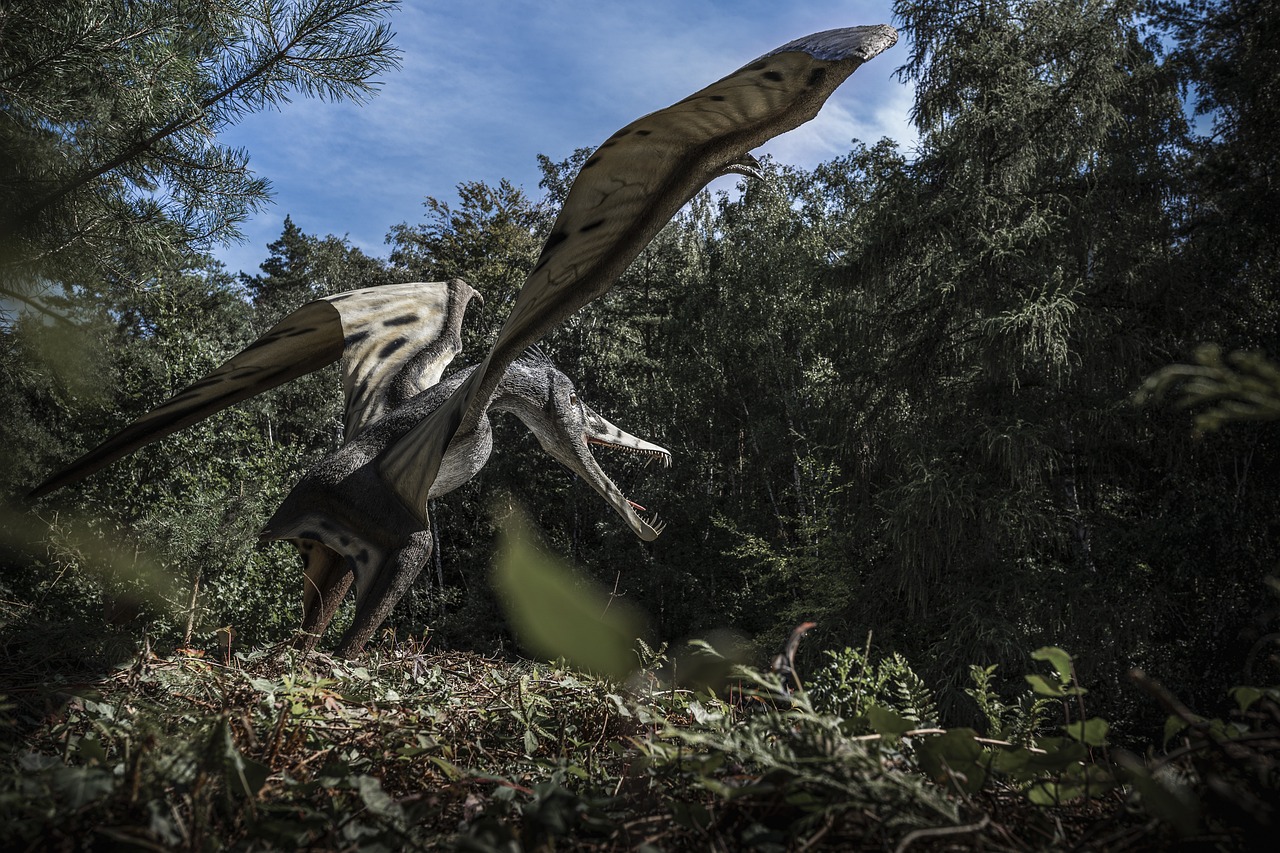
As the continents drifted apart, something remarkable happened to the dinosaur populations trapped on each landmass. Like passengers on ships sailing in different directions, these isolated groups began evolving in completely different ways. This biological phenomenon, known as allopatric speciation, became the driving force behind dinosaur diversity.
On the northern continent of Laurasia, dinosaurs evolved to cope with increasingly temperate and seasonal climates. Meanwhile, the southern continent of Gondwana maintained more tropical conditions, fostering the development of entirely different dinosaur lineages. The same ancestral species that had once roamed freely across Pangaea now faced completely different evolutionary pressures.
This isolation wasn’t just about distance—it was about time. Millions of years of separation allowed dinosaur populations to accumulate genetic differences that eventually made them incompatible with their distant cousins. What started as minor variations in size, behavior, or dietary preferences gradually became the foundation for entirely new species and even families of dinosaurs.
The Atlantic Ocean’s Growing Influence

The formation of the Atlantic Ocean stands as one of the most significant events in dinosaur evolutionary history. As North America and South America separated from Africa and Europe, a growing body of water created an insurmountable barrier between dinosaur populations. This wasn’t just any barrier—it was a liquid continent that grew wider every year.
The expanding Atlantic Ocean created distinctly different evolutionary pathways for dinosaurs on opposite sides of the water. European dinosaurs began developing features adapted to archipelago living as their continent became increasingly fragmented by rising sea levels. Meanwhile, North American dinosaurs had vast continental spaces to explore and colonize.
Evidence of this divergence can be seen in the fossil record. The massive sauropods of North America, like Diplodocus and Brontosaurus, evolved to enormous sizes in the wide-open spaces of the Morrison Formation. In contrast, European sauropods from the same period remained smaller and more agile, better suited to their island environments.
Southern Hemisphere Surprises
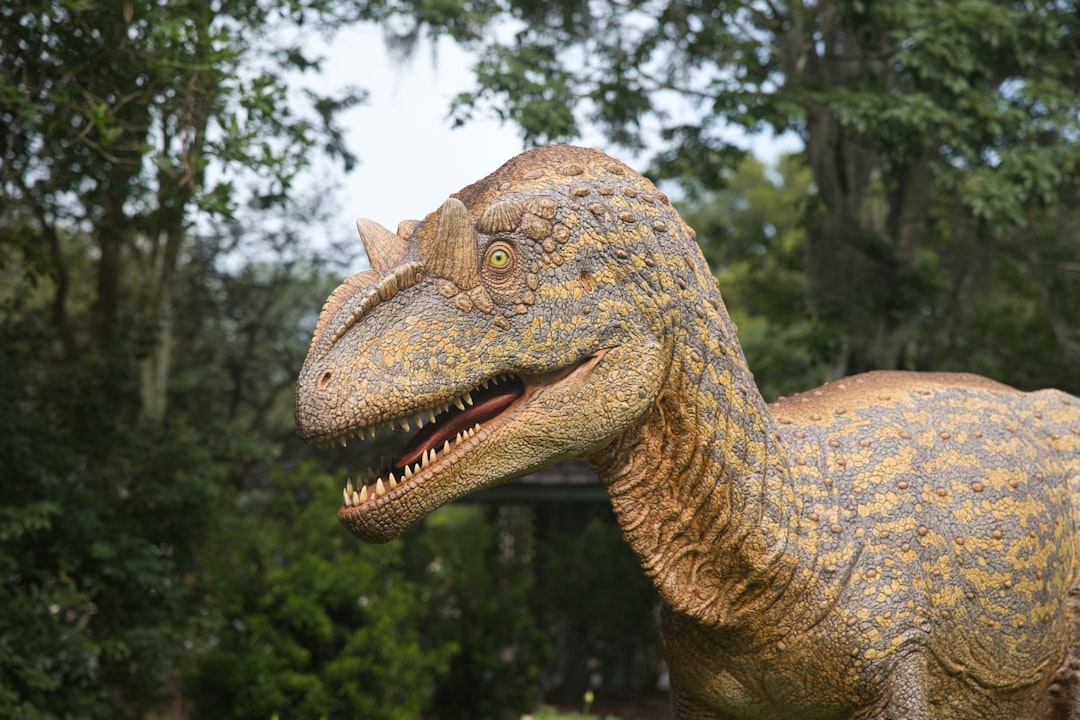
While the northern continents were separating, the southern supercontinent of Gondwana was experiencing its dramatic breakup. South America, Africa, Antarctica, Australia, and India began their slow journey to their current positions, each carrying unique dinosaur passengers along for the ride.
The isolation of these southern continents led to some of the most bizarre and spectacular dinosaur discoveries in modern paleontology. South America became home to massive predators like Giganotosaurus, which grew larger than the famous Tyrannosaurus rex. Africa developed its unique lineages, including the sail-backed Spinosaurus, which adapted to a semi-aquatic lifestyle.
Perhaps most remarkably, Antarctica—yes, Antarctica-was—was once a lush, forested continent teeming with dinosaurs. Recent discoveries have revealed that this frozen wasteland was home to diverse dinosaur communities, including unique species that evolved in isolation as their continent drifted toward the South Pole.
India’s Incredible Journey

No story of continental drift and dinosaur evolution would be complete without mentioning India’s extraordinary journey. This landmass broke away from Gondwana and began racing northward across the Indian Ocean at breakneck speed—geologically speaking—covering thousands of miles in just 50 million years.
During its oceanic voyage, India was essentially a giant island continent, home to dinosaur species that evolved in complete isolation from the rest of the world. The fossil record from this period is frustratingly incomplete, but the few discoveries made suggest that India’s dinosaurs were unlike anything found elsewhere on Earth.
When India finally crashed into Asia around 50 million years ago, it created the Himalayas and ended the age of dinosaurs on the subcontinent. However, the genetic legacy of India’s isolated dinosaur evolution may have influenced early mammalian evolution in ways we’re only beginning to understand.
Climate Chaos and Adaptation
Continental drift didn’t just change geography—it completely transformed global climate patterns. As continents moved to different latitudes and ocean currents shifted, dinosaurs faced rapidly changing environmental conditions that demanded quick evolutionary responses.
The movement of continents created new mountain ranges, which altered precipitation patterns and created rain shadows that turned lush forests into arid deserts. Dinosaurs living in these changing environments had to adapt quickly or face extinction. This constant environmental pressure accelerated evolutionary change, leading to rapid diversification in many dinosaur lineages.
Perhaps most dramatically, the changing positions of continents affected global ocean circulation patterns. When South America finally separated from Antarctica, it allowed the formation of the Antarctic Circumpolar Current, which isolated Antarctica and led to its gradual cooling and eventual glaciation.
The Rise of Regional Specialists
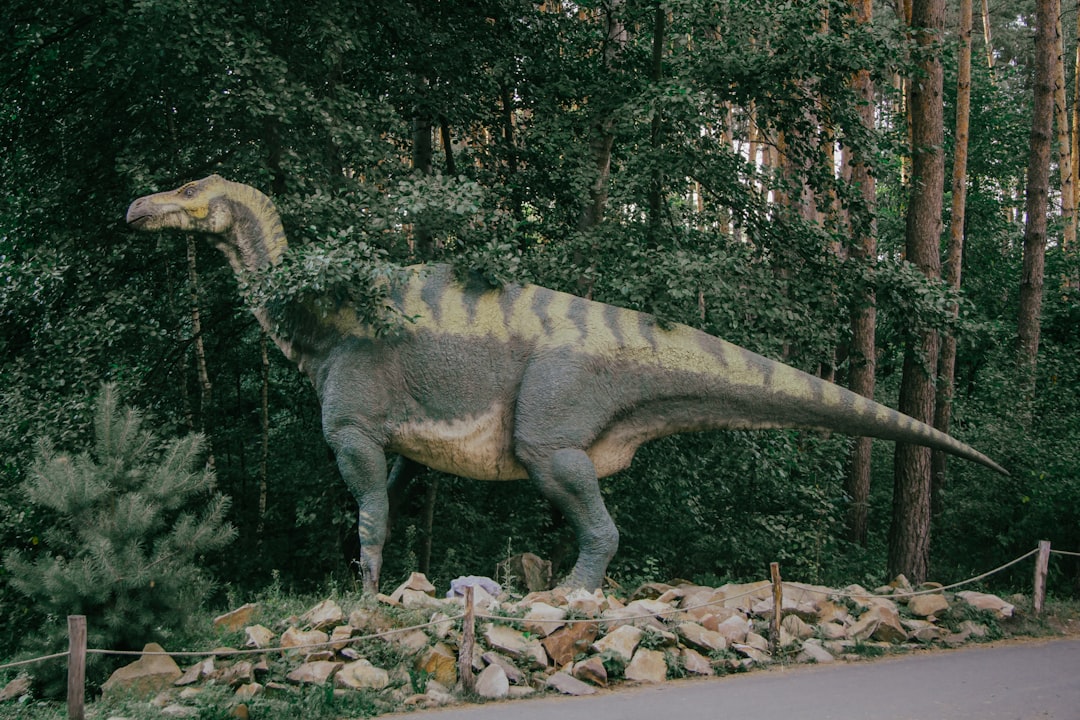
As continents continued to drift and climates stabilized into distinct regional patterns, dinosaurs began evolving into highly specialized creatures perfectly adapted to their local environments. This specialization reached its peak during the Cretaceous period, when dinosaur diversity hit its all-time high.
North America became dominated by the famous dinosaurs we know from museums—Tyrannosaurus rex, Triceratops, and various duck-billed hadrosaurs. These creatures evolved in the stable, continental climate of Laramidia, the western portion of North America that was separated from the eastern part by a vast inland sea.
Meanwhile, South America developed its unique dinosaur fauna, including the enormous sauropods of the Argentinosaurus family and the massive predators that hunted them. The isolation of South America during the Cretaceous period created an evolutionary laboratory where dinosaurs could grow to unprecedented sizes.
Island Dwarfism and Gigantism

One of the most fascinating aspects of dinosaur evolution during continental drift was the development of island-specific adaptations. As sea levels rose and fell, many areas became temporary islands, creating unique evolutionary pressures that led to dramatic size changes in dinosaur populations.
On smaller islands, dinosaurs often evolved to become much smaller than their mainland relatives—a phenomenon known as island dwarfism. Some hadrosaurs found on islands in the ancient Tethys Sea were only a fraction of the size of their continental cousins, adapting to limited food resources and space constraints.
Conversely, some islands with abundant resources and no large predators allowed certain dinosaur species to grow to enormous sizes. The absence of competition and predation pressure created opportunities for evolutionary experimentation that would have been impossible on the mainland continents.
Ocean Barriers and Genetic Isolation
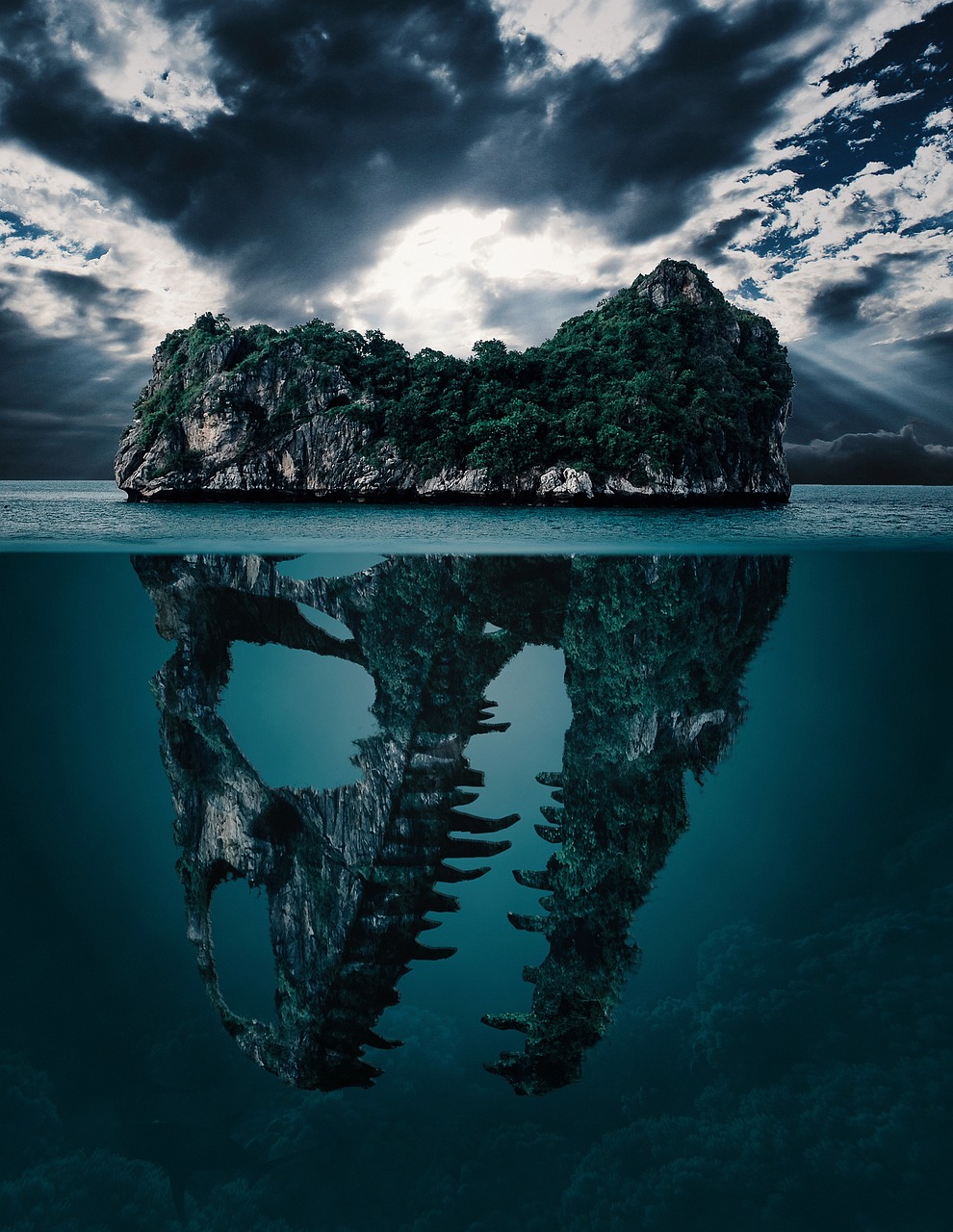
The expanding oceans created by continental drift served as more than just physical barriers—they became genetic moats that prevented dinosaur populations from interbreeding. This genetic isolation was crucial for maintaining the distinct evolutionary trajectories that led to such incredible dinosaur diversity.
Unlike modern birds, which can fly across vast ocean distances, most dinosaurs were effectively landlocked. Even the largest pterosaurs, which were technically capable of long-distance flight, rarely crossed major ocean barriers, as evidenced by the distinct pterosaur faunas found on different continents.
This genetic isolation meant that beneficial mutations and adaptations couldn’t spread between continental populations. Each landmass became its evolutionary laboratory, where natural selection could experiment with different solutions to similar environmental challenges.
The Tethys Sea Connection

The ancient Tethys Sea, which stretched between the northern and southern continents, played a crucial role in dinosaur evolution and distribution. This vast body of water served as both a barrier and a pathway, creating complex patterns of dinosaur migration and isolation.
The Tethys Sea’s numerous islands and peninsulas created stepping stones that allowed limited dinosaur migration between continents. However, these connections were often temporary, appearing and disappearing as sea levels fluctuated and continents continued their relentless drift.
The complex geography of the Tethys region led to some of the most diverse dinosaur faunas in Earth’s history. The mixing and isolation of different dinosaur lineages in this region created evolutionary hotspots where new species emerged at unprecedented rates.
Volcanic Catastrophes and Opportunities

Continental drift wasn’t just about slow, gradual movement—it was punctuated by periods of intense volcanic activity that created both challenges and opportunities for dinosaur evolution. The breakup of supercontinents often involved massive volcanic eruptions that could devastate local ecosystems while creating new habitats elsewhere.
The Deccan Traps in India represent one of the most dramatic examples of how continental drift-related volcanism affected dinosaur evolution. These massive eruptions, which occurred as India approached Asia, may have contributed to the environmental stress that ultimately led to the extinction of non-avian dinosaurs.
However, volcanism also created opportunities for rapid evolutionary change. Volcanic ash fertilized soils, creating lush new habitats for plant-eating dinosaurs. The resulting abundance of vegetation supported larger herbivore populations, which in turn supported the evolution of larger and more diverse predator species.
The Final Act: Toward Mass Extinction
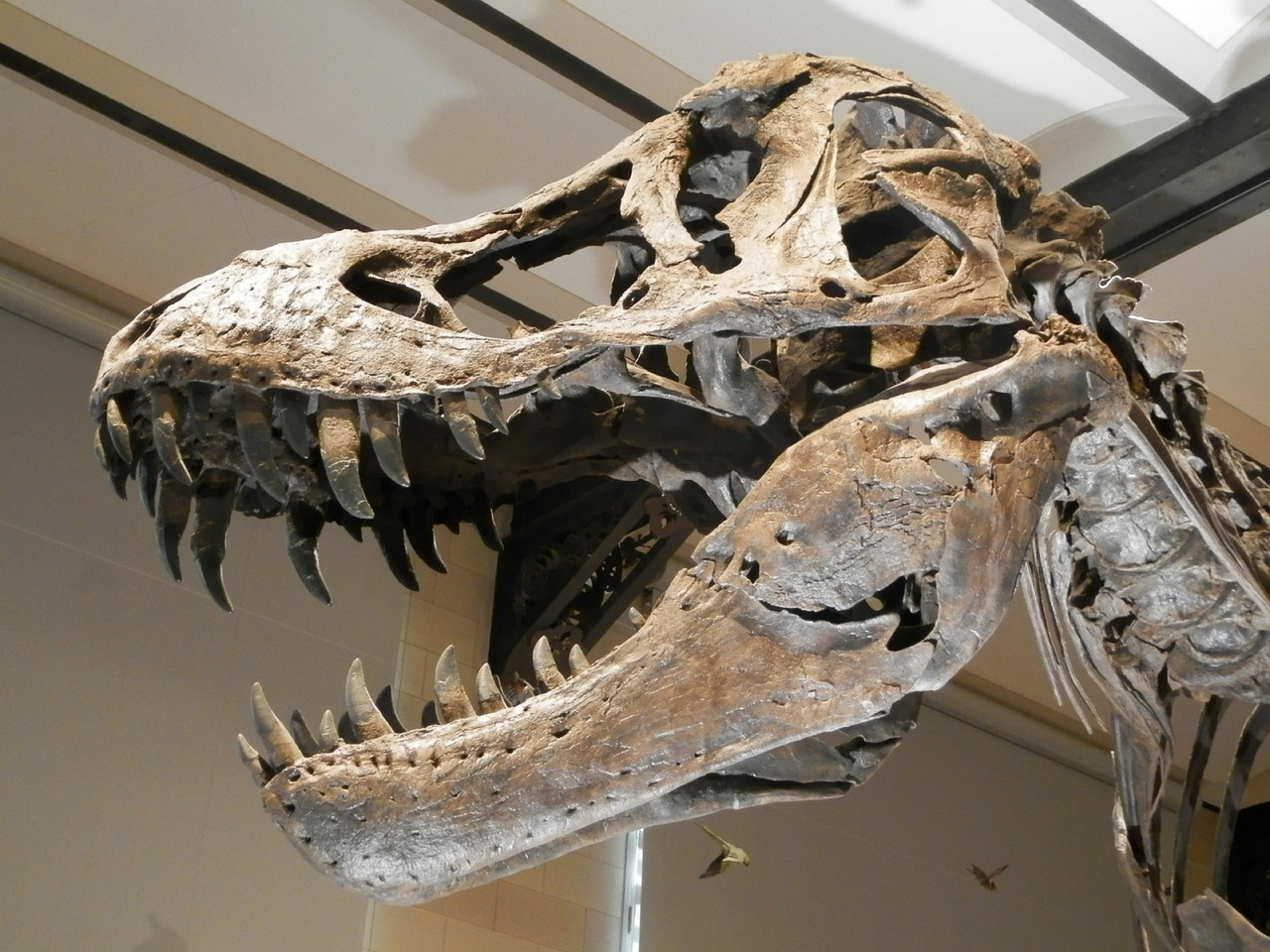
By the end of the Cretaceous period, continental drift had created a world of incredible dinosaur diversity, with each continent hosting its unique assemblage of species. However, this very diversity may have made dinosaurs more vulnerable to the global catastrophe that would end their reign.
The specialized dinosaur faunas that had evolved on each continent were perfectly adapted to their local environments but lacked the flexibility to cope with rapid global change. When the asteroid impact 66 million years ago dramatically altered Earth’s climate, these specialized species had nowhere to retreat.
The same continental barriers that had promoted dinosaur diversification now prevented surviving populations from recolonizing devastated areas. Unlike the early dinosaurs that could migrate freely across Pangaea, the highly specialized dinosaurs of the late Cretaceous were trapped on their respective continents as global ecosystems collapsed.
Legacy in Modern Biodiversity

The influence of continental drift on dinosaur diversity didn’t end with the mass extinction 66 million years ago. The same processes that shaped dinosaur evolution continue to influence biodiversity today, creating the biogeographic patterns we see in modern ecosystems.
The descendants of dinosaurs—birds—still bear the genetic signatures of their ancestors’ continental isolation. The unique bird faunas of different continents reflect the deep evolutionary history shaped by millions of years of continental drift and geographic isolation.
Understanding how continental drift influenced dinosaur diversity provides crucial insights into how modern climate change and habitat fragmentation might affect current biodiversity. The lessons learned from dinosaur evolution remind us that both isolation and connection play vital roles in maintaining the rich tapestry of life on Earth.