When we peer through telescopes into the vastness of space, it’s easy to think of the cosmos as a peaceful, distant realm. But beneath our feet lies a different story entirely. The fossil record speaks of catastrophic encounters between Earth and space rocks that have shaped life as we know it. The Cretaceous–Paleogene (K–Pg) extinction event was the mass extinction of three-quarters of the plant and animal species on Earth approximately 66 million years ago. This ancient tale isn’t just history – it’s a warning about the cosmic threats that still lurk in our solar system today.
The Day the World Changed Forever
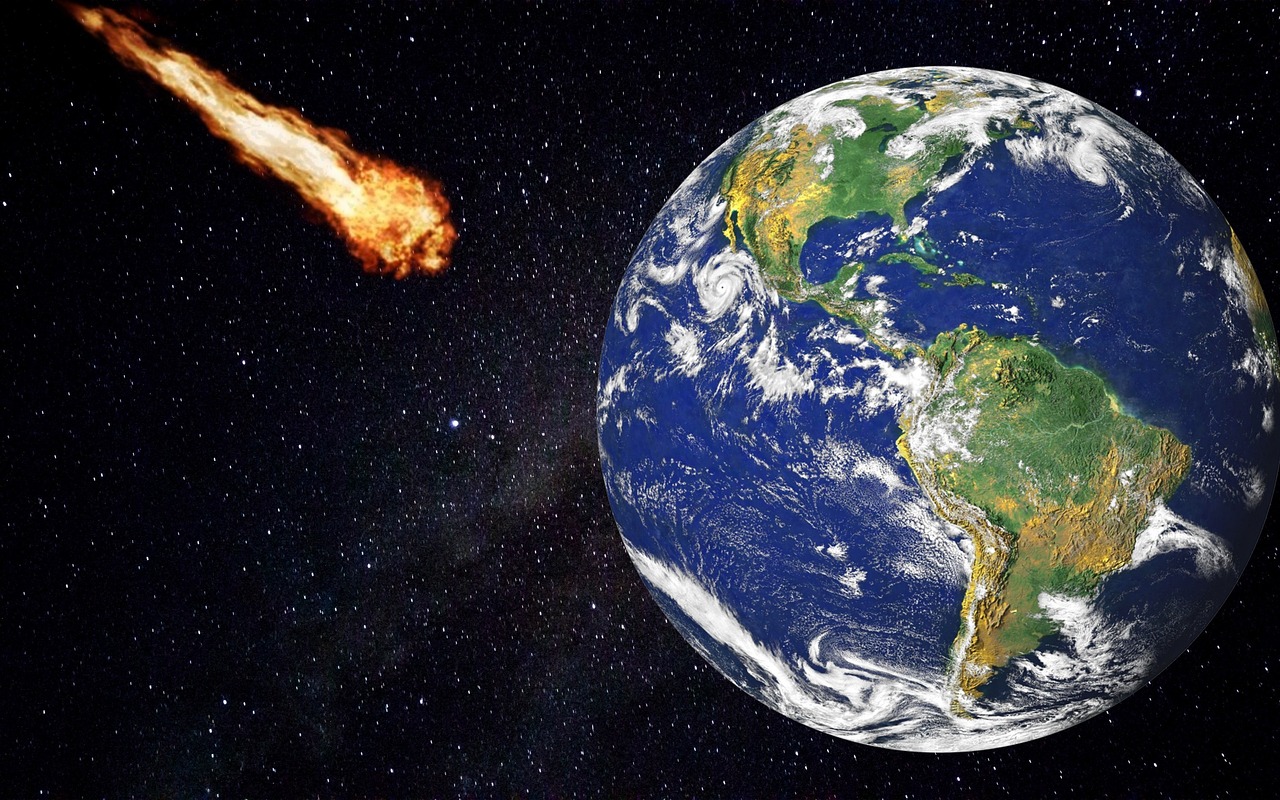
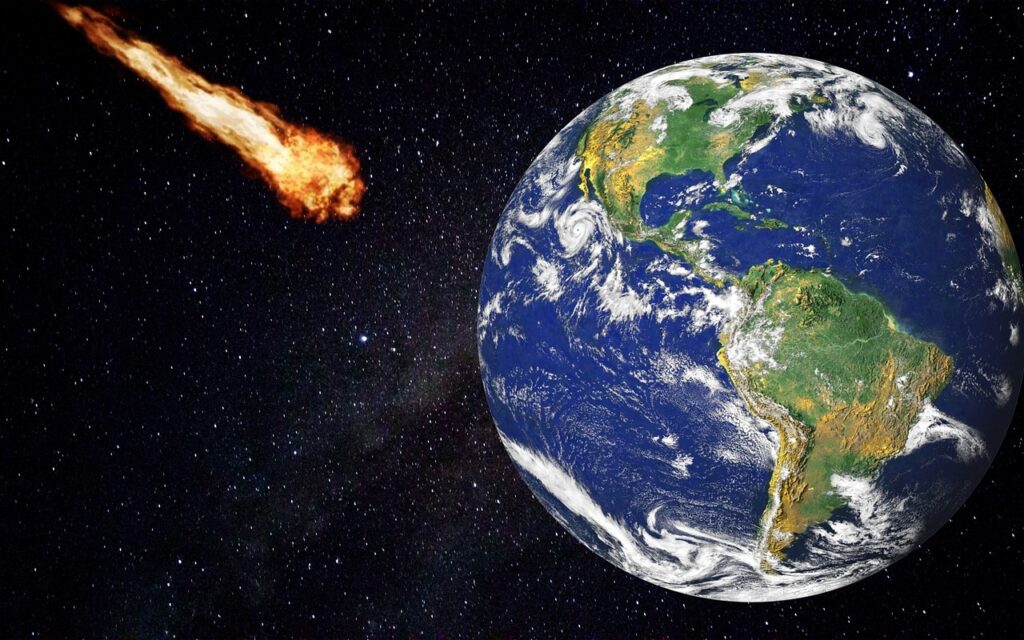
Picture this: It’s a typical day 66 million years ago. Dinosaurs roam vast forests, pterosaurs soar overhead, and ancient seas teem with marine reptiles. Then, without warning, the sky explodes. The asteroid with a diameter of more than 10 km impacted into a shallow ocean and penetrated the Earth’s crust down to a depth of several kilometers.
The Chicxulub impact wasn’t just another space rock hitting Earth – it was a cosmic reset button. Over a short period of time (a few minutes) several hundred billion tons of CO2, SO2 and water vapor released by the vaporized target rock were injected into the Earth atmosphere. An abrupt and global perturbation of the Earth System followed: the climate became unstable, the fine dust suspended in the atmosphere blocked sunlight, decreasing or even stopping photosynthesis. Think of it like someone suddenly turning off the lights in a greenhouse – except this greenhouse was the entire planet.
How Scientists Cracked the Extinction Code
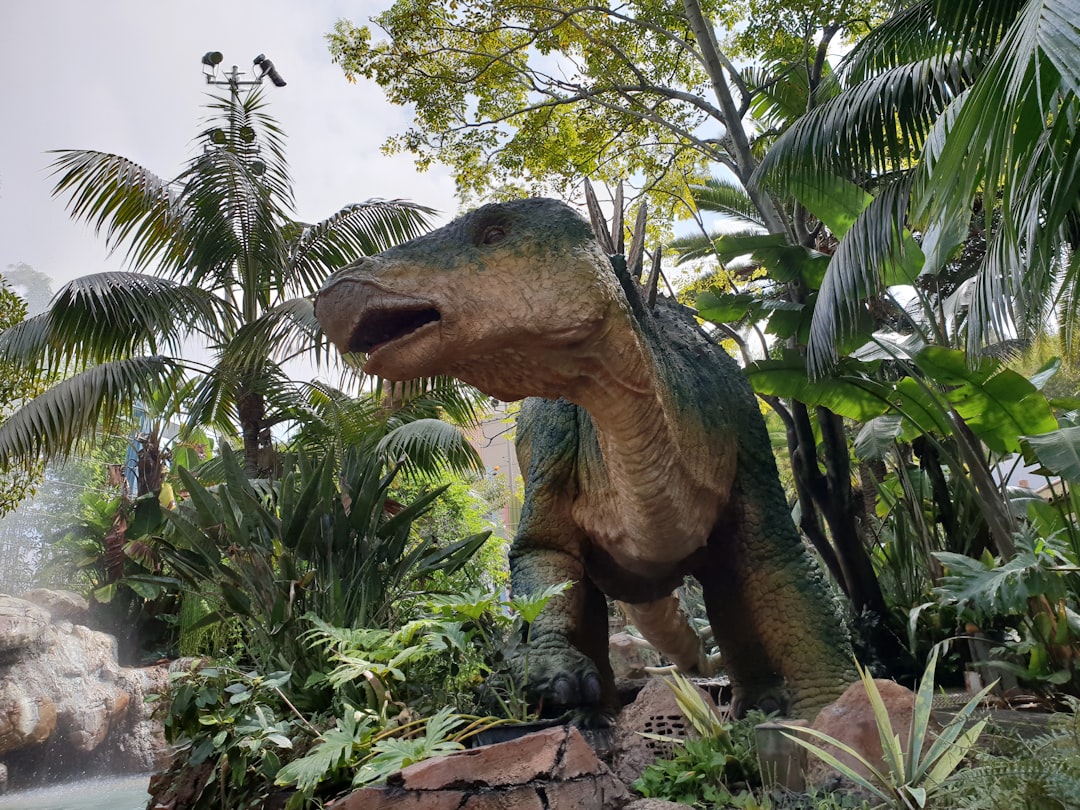
For over 150 years, the mysterious disappearance of dinosaurs puzzled scientists. In 1825, scientists first discovered that dinosaurs had mysteriously died out. Despite all the interesting and sometimes outlandish hypotheses, geologists and paleontologists could not agree on how the dinosaurs mysteriously died 66 million years ago.
Everything changed in 1980 when Luis Alvarez and his son Walter made a startling discovery. The hypothesis that an asteroid or comet impact induced the mass extinction at the KT boundary was first proposed in 1980 by a team from the University of California at Berkeley led by Nobel price laureate physicist Luis Alvarez and his geologist son Walter. They found something extraordinary in rock layers from around the world – an unusual concentration of iridium, a metal rare on Earth but common in asteroids. This tiny chemical fingerprint would revolutionize our understanding of mass extinctions.
The Smoking Gun Hidden in Plain Sight
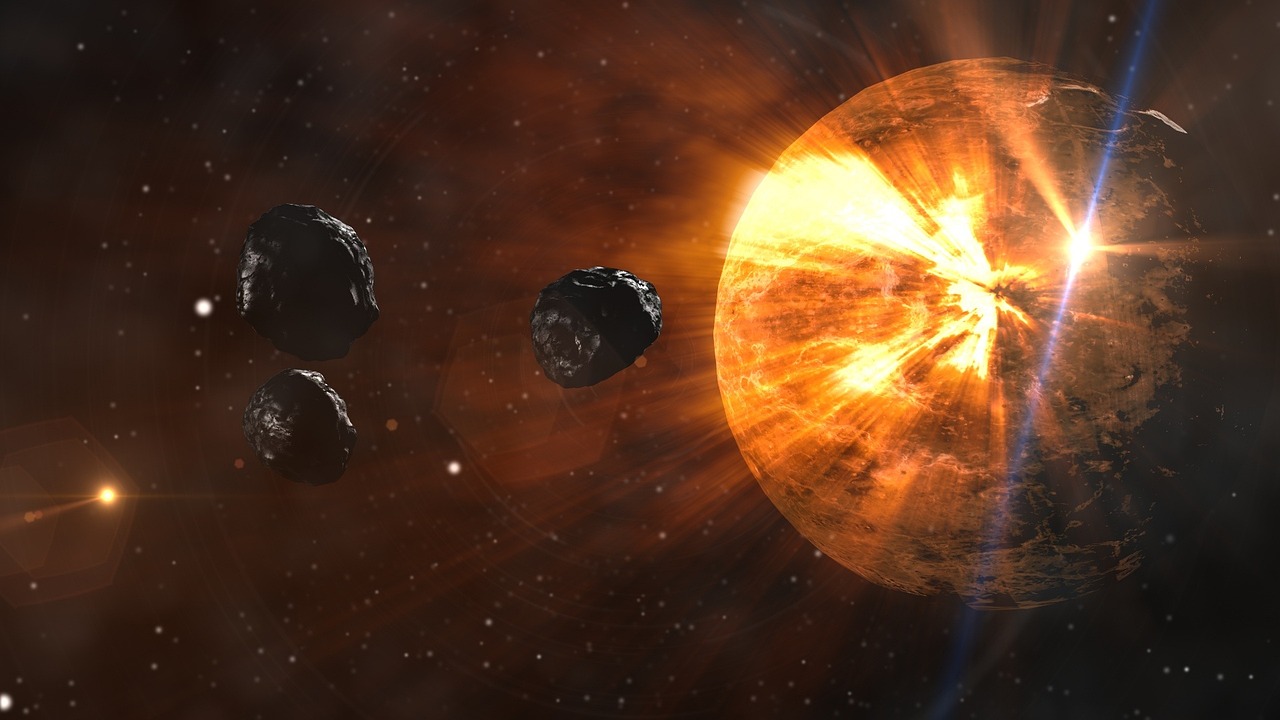
The story gets even more incredible. The crater was discovered by Antonio Camargo and Glen Penfield, geophysicists who had been looking for petroleum in the Yucatán Peninsula during the late 1970s. Penfield was initially unable to obtain evidence that the geological feature was a crater and gave up his search.
Imagine searching for oil and accidentally finding the crime scene of Earth’s greatest disaster. The crater is estimated to be approximately 150-180 kilometers in diameter and 30 kilometers (19 miles) in depth. It is one of the largest impact structures on Earth, alongside the much older Sudbury and Vredefort impact structures. This massive scar in the Earth’s crust became the conclusive evidence scientists needed to solve the dinosaur mystery.
When Location Determined Life’s Fate
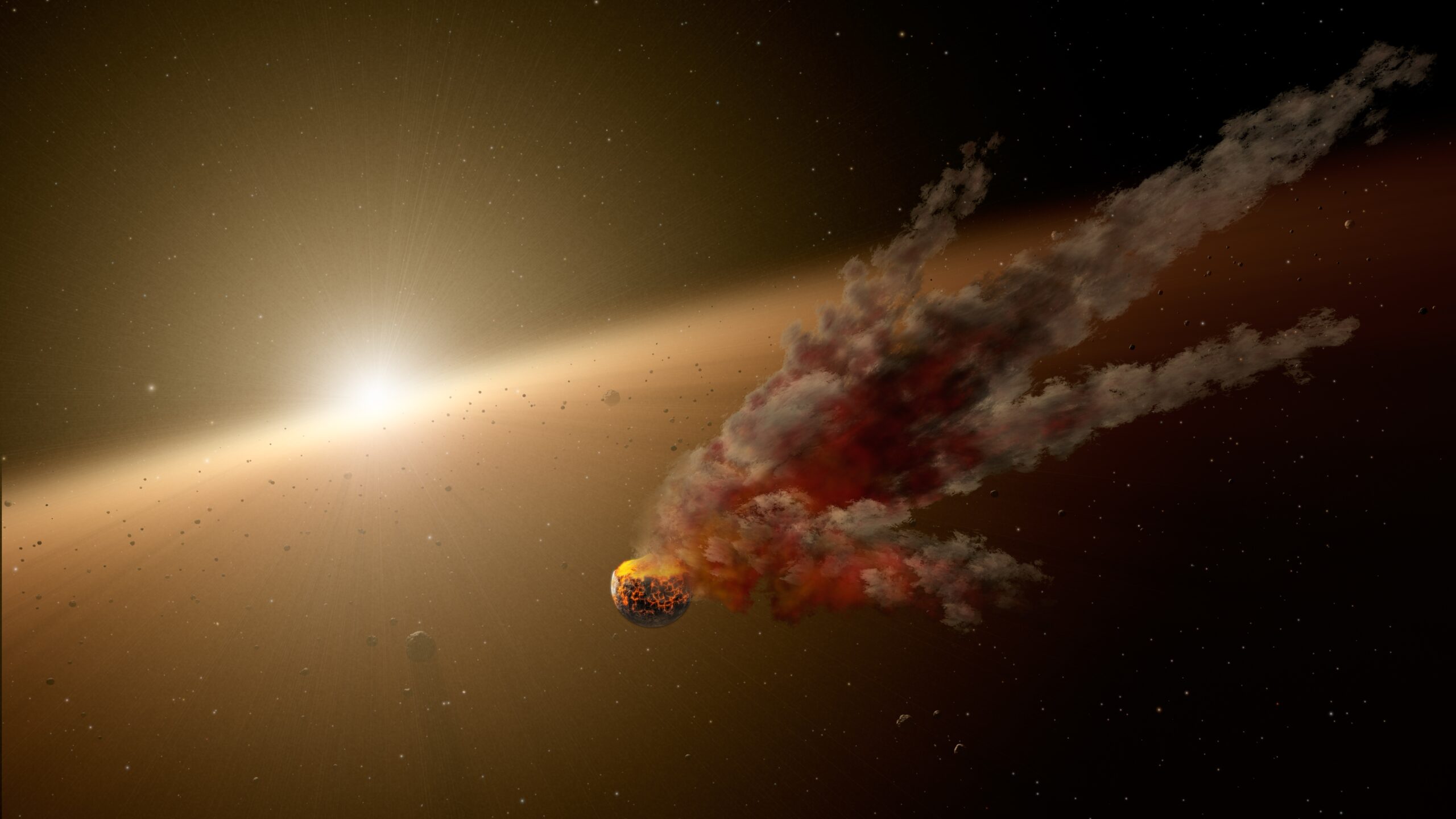
Here’s where the story takes a chilling twist: The probability of significant global cooling, mass extinction, and the subsequent appearance of mammals was quite low after an asteroid impact on the Earth’s surface. This significant event could have occurred if the asteroid hit the hydrocarbon-rich areas occupying approximately 13% of the Earth’s surface.
The Chicxulub impactor essentially won a cosmic lottery of destruction. There’s research to suggest that if the impact had occurred elsewhere on the planet, the fate of life on Earth could have been very different. If it had fallen just minutes later the asteroid would have landed in deeper water, causing less rock to vaporise and rise to block out the Sun’s light and warmth. This would have lowered the chances of a mass extinction. It’s a sobering reminder that Earth’s biological history hangs on incredibly thin threads of cosmic chance.
The Chain Reaction That Doomed the Dinosaurs
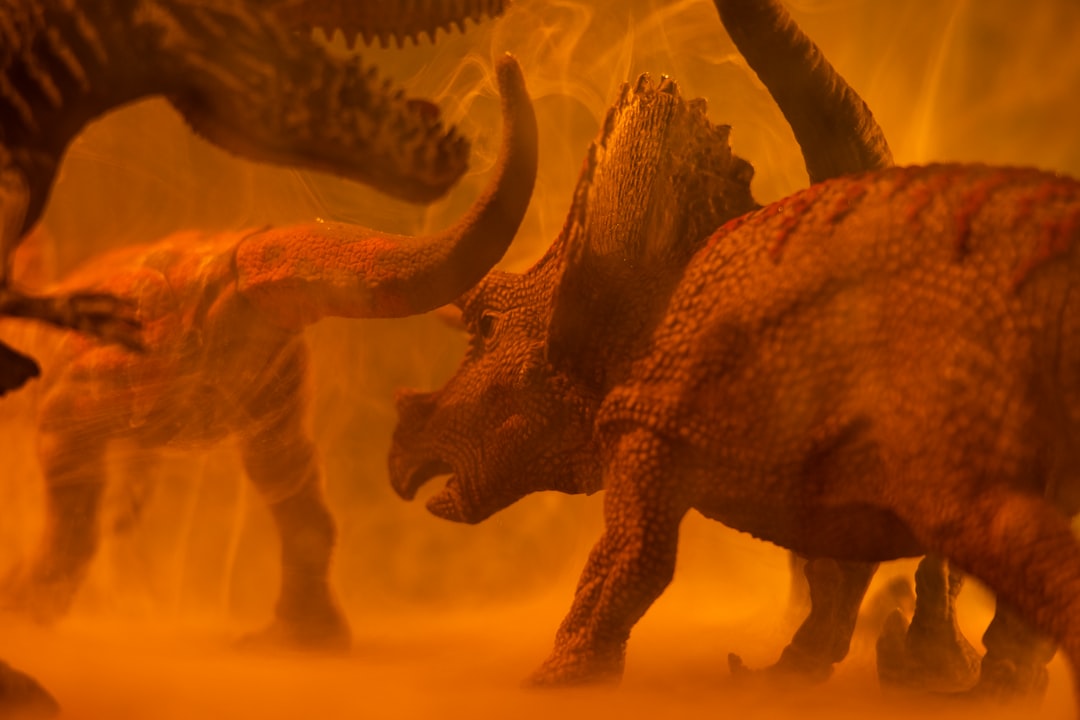
The impact didn’t just kill everything instantly in the blast zone. Burning of hydrocarbons (mainly kerogen with smaller amounts of oil) in the target rocks by the asteroid impact produced massive amounts of soot. The soot spread globally and efficiently absorbed and scattered sunlight in the stratosphere. They calculated global climate change using the amount of stratospheric soot and showed that the soot aerosols led to sufficiently colder climates at mid- to high latitudes and to drought with milder cooling at low latitudes on land.
Picture Earth wrapped in a blanket of toxic smoke for months or even years. Plants couldn’t photosynthesize, herbivores starved, and carnivores followed suit. Like dominos, this had knock-on effects up the food chain, causing the ecosystem to collapse. It wasn’t just about the initial blast – it was about the cascade of environmental disasters that followed.
Fossils as Time Machines and Warning Systems
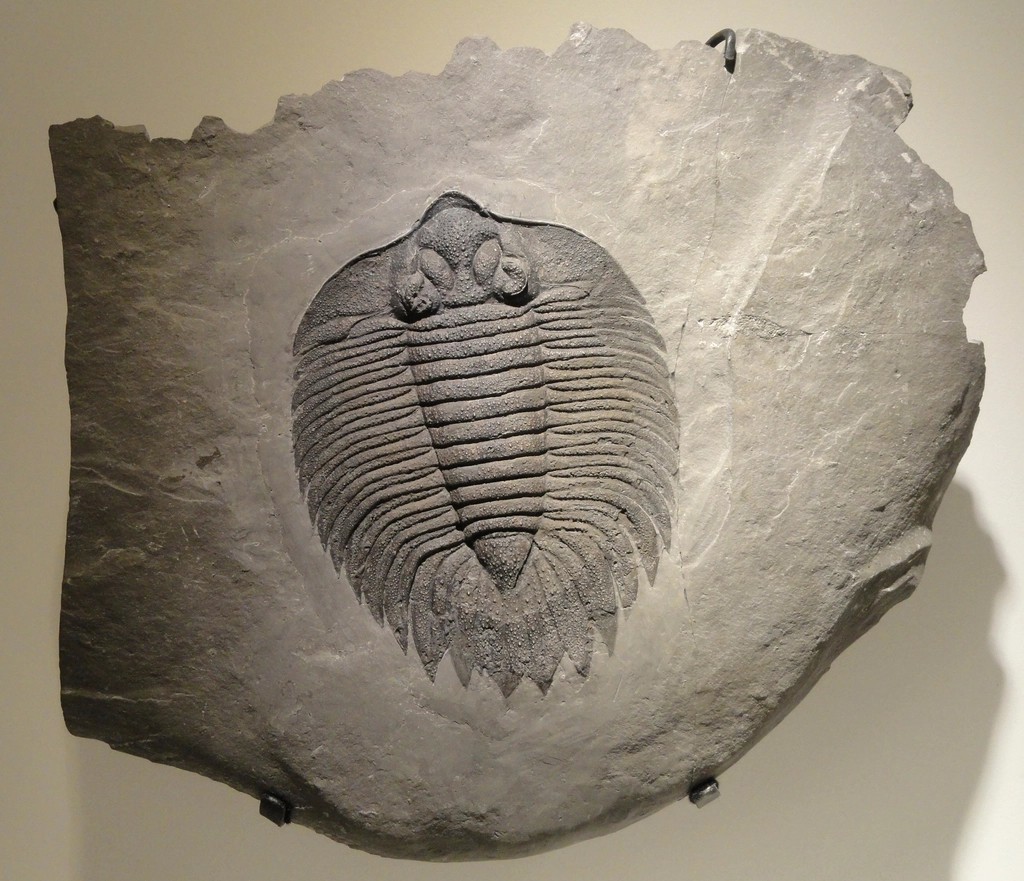
Paleontologists don’t just study dead things – they’re essentially cosmic detectives. From its beginnings, more than three billion years ago, to the present day, fossils record how life adapted or perished in the face of major environmental challenges. Knowing this history is critical to our response to just such challenges: climate change, ocean acidification, mass extinctions and other perils, mainly human-made, facing the biosphere and humanity.
The fossil record reveals patterns that modern scientists use to understand current threats. Not only do paleontologists know what happens to life when things go bad, they also know how long it takes for ecosystems and biodiversity to recover from these disasters, which can take far longer than modern humans have existed. The extent to which humans have uniquely impacted biological systems would also be largely unknown without the context provided by paleontologists. These ancient records serve as both history books and user manuals for planetary survival.
Why Some Cosmic Catastrophes Miss the Mark
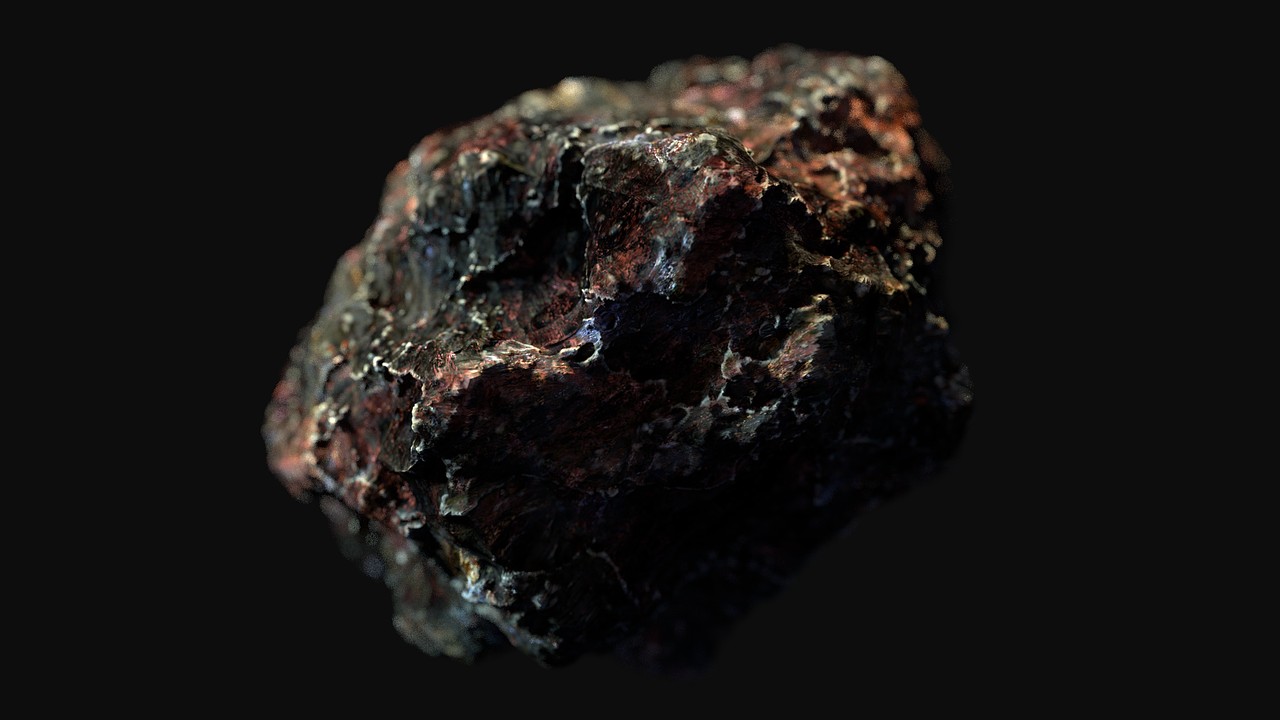
Not every space rock spells doom. Sometimes, major catastrophes pass with hardly a blip in extinction rates. For example, the Manicouagan crater in Canada is several miles wide and constitutes strong evidence that a huge asteroid struck Earth approximately 214 million years ago – yet, the fossil record indicates no major dip in diversity associated with this event.
The devil truly is in the details when it comes to extinction events. The devil seems to be in the details – particularly in the chain reaction of Earth systems disruptions that are triggered (or not) and in the rate at which those disruptions occur. Mass extinctions seem to occur when multiple Earth systems are thrown off kilter and when these changes happen rapidly – more quickly than organisms evolve and ecological connections adjust. It’s like the difference between a gentle nudge and a perfect storm of catastrophic circumstances.
Modern Space Surveillance and Ancient Lessons
Today’s asteroid hunters take the fossil record seriously. In the 1980s, scientists discovered evidence that the demise of the dinosaurs 65 million years ago was likely caused by an asteroid impact. After scientists found the Chicxulub Crater in the Gulf of Mexico, this idea became more certain. In 1994, the world witnessed similar-sized impacts happening in near-real time, when fragments of comet Shoemaker-Levy 9 impacted Jupiter.
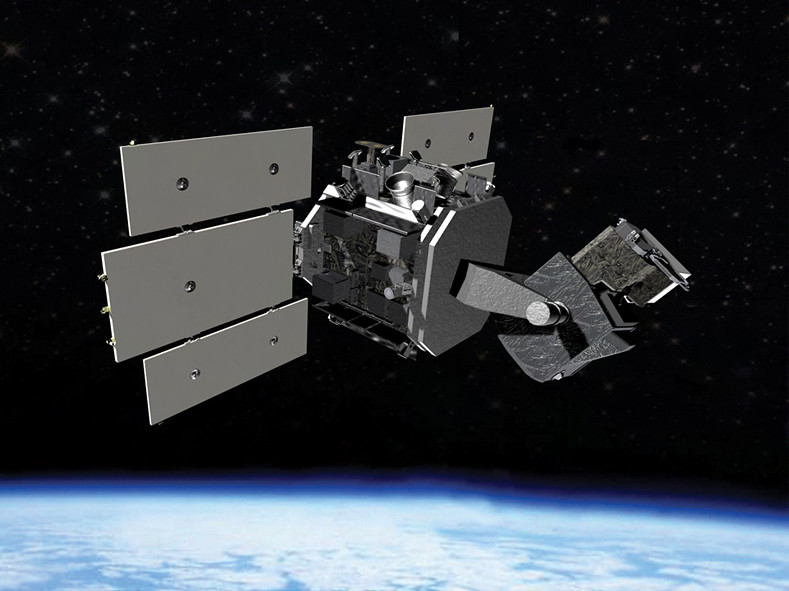
NASA and other space agencies now maintain constant vigil over near-Earth objects. As NASA states, “There is currently no known significant threat of impact for the next hundred years or more.” Of course, there still could be potentially hazardous objects out there waiting to be found – indeed, thousands of potential “city-killers” and even some “planet-killers” may be hiding in the sun’s glare. The fact that we can’t see everything makes the paleontological record even more valuable as a guide to what’s possible.
Testing Our Planetary Defense Systems
The DART mission represents humanity’s first serious attempt to alter an asteroid’s path. In 2022, NASA’s DART (Double Asteroid Redirection Test) mission successfully impacted with the asteroid Dimorphos, shortening the time it takes to orbit around its companion asteroid Didymos by approximately 32 minutes. Didymos had no chance of hitting Earth, but the DART mission’s success means that NASA has a tested technique to consider when addressing a future asteroid potential impact threat.
This technological milestone builds directly on lessons learned from paleontology. Asteroid impacts are the only potentially preventable natural disaster – provided we spot the threatening asteroid with enough lead time to launch a mission into space to deflect it. NASA and its partners are studying several different approaches to deflecting a hazardous asteroid. We’re literally using ancient disasters to prevent future ones.
The Cosmic Lottery We’re Still Playing
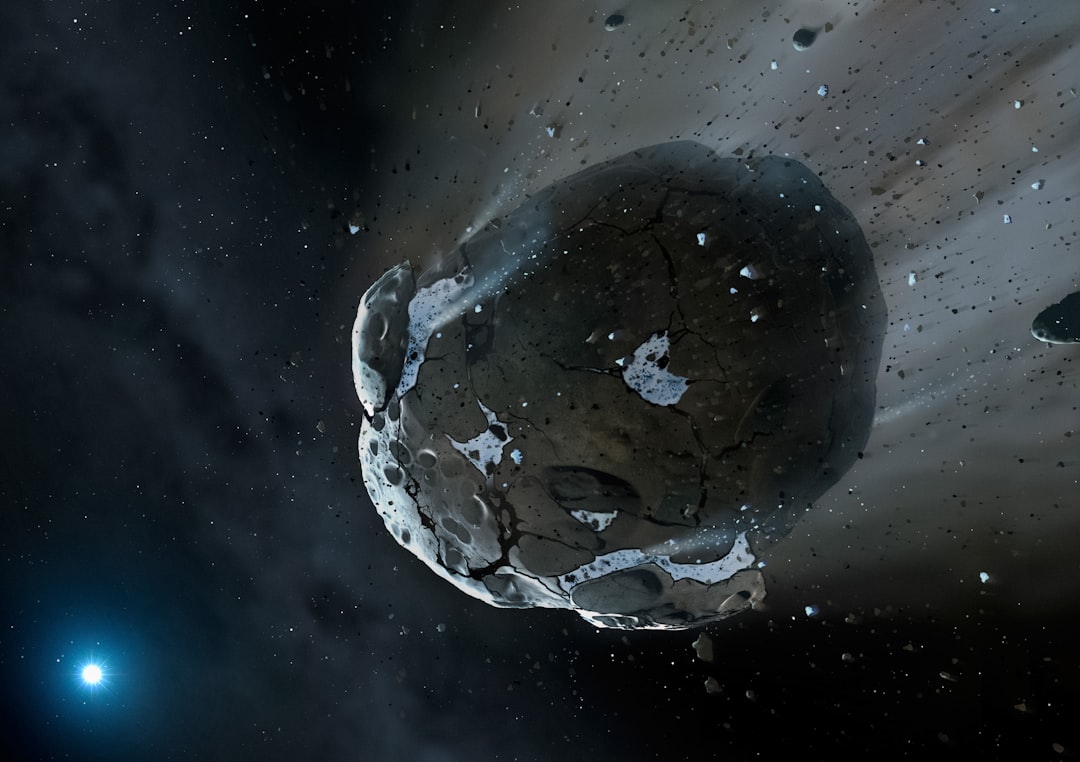
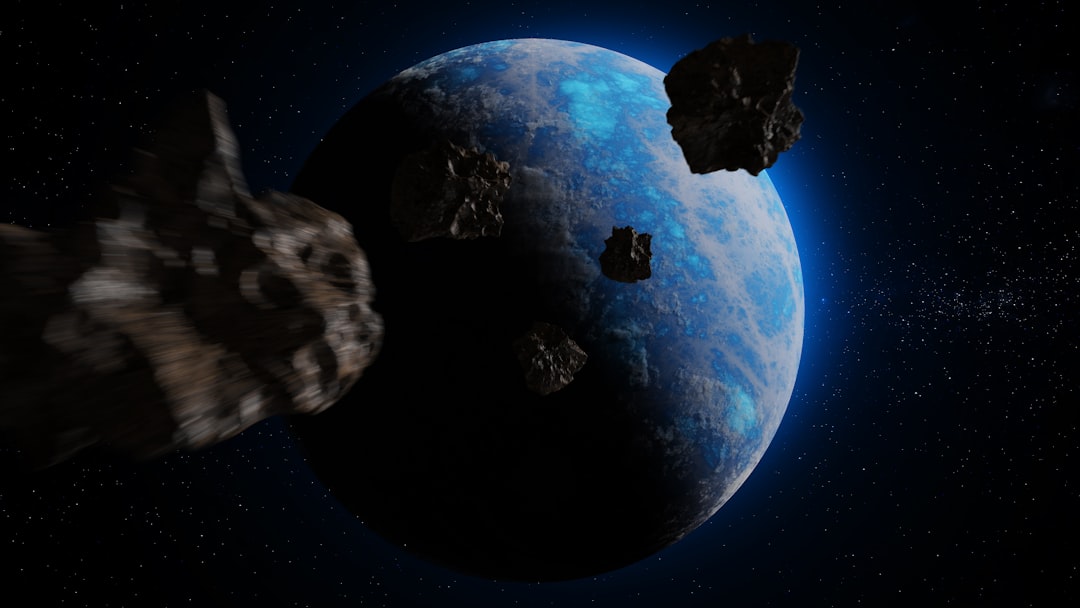
The statistics are both reassuring and terrifying. A 1- or 2-kilometer asteroid will impact Earth, on average, about once every million years, and could produce a global catastrophe. Meanwhile, once every 100 million years, on average, a 10-kilometer asteroid like the one that did in the dinosaurs will strike Earth, unleashing 100 million megatons of energy and causing a mass extinction.
These aren’t just abstract numbers – they represent very real possibilities that pale ontology has documented throughout Earth’s history. Psst, we’re due for an asteroid impact like the one that killed the dinosaurs. Thankfully, these planet-scale disasters are much rarer than the smaller asteroid impacts that only cause local devastation. They seem to crop up every few million years or so, and the last one was about… ten million years ago. Whatever detection and deflection system we develop for small-scale asteroids better be well prepared, because it’s inevitable that we’ll be putting it to the ultimate test one of these days.
Conclusion: Ancient Wisdom for Modern Survival
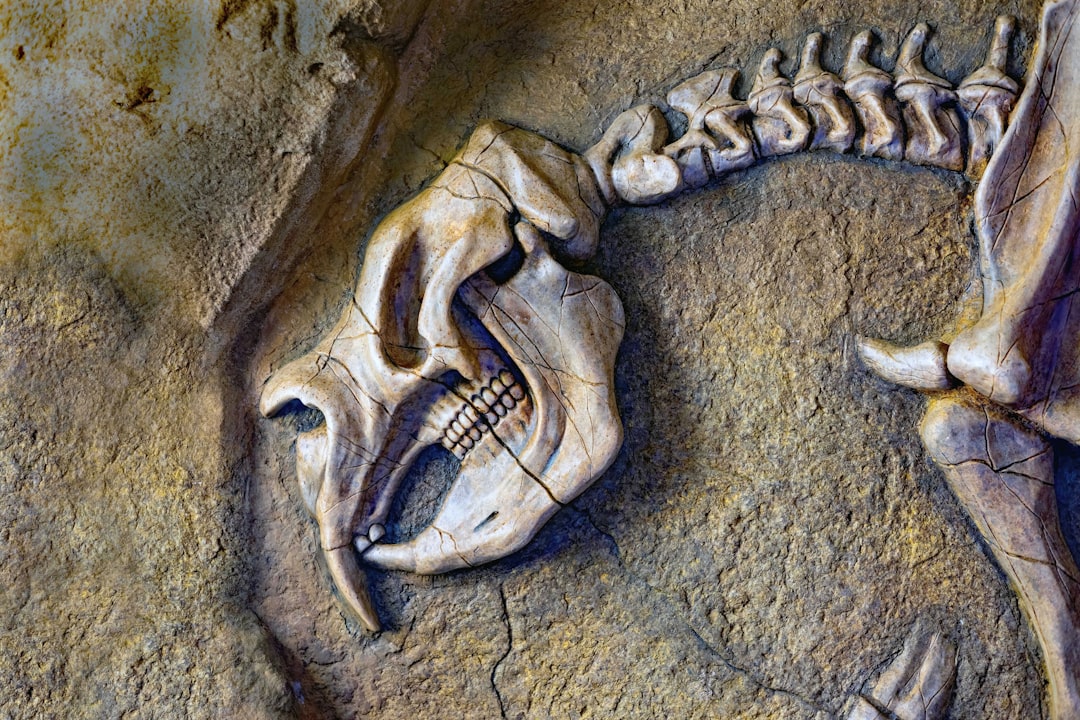
The fossil record isn’t just a museum of ancient curiosities – it’s humanity’s instruction manual for cosmic survival. The very concept of a Sixth Extinction would not exist without paleontologists documenting the first five. Every extinction event preserved in stone teaches us something crucial about how life responds to catastrophic change and how long recovery takes.
As we peer into space with our increasingly sophisticated telescopes and planetary defense systems, we carry with us the wisdom of deep time. The dinosaurs couldn’t see their destroyer coming, but we can. Thanks to the stories written in rock by creatures that died millions of years ago, we have both warning and hope. The question isn’t whether cosmic threats will come again – it’s whether we’ll be ready when they do.
Will we be the first species in Earth’s history to survive a major cosmic impact? The fossils can’t answer that question, but they’ve certainly given us the tools to try.