Picture yourself face-to-face with a massive Tyrannosaurus rex. Your first instinct? Run like hell. But would that panicked sprint actually save you? This question has sparked one of paleontology’s most heated debates, transforming our understanding of the world’s most famous predator from Hollywood’s relentless pursuer to something far more complex and intriguing.
The Hollywood Speed Myth
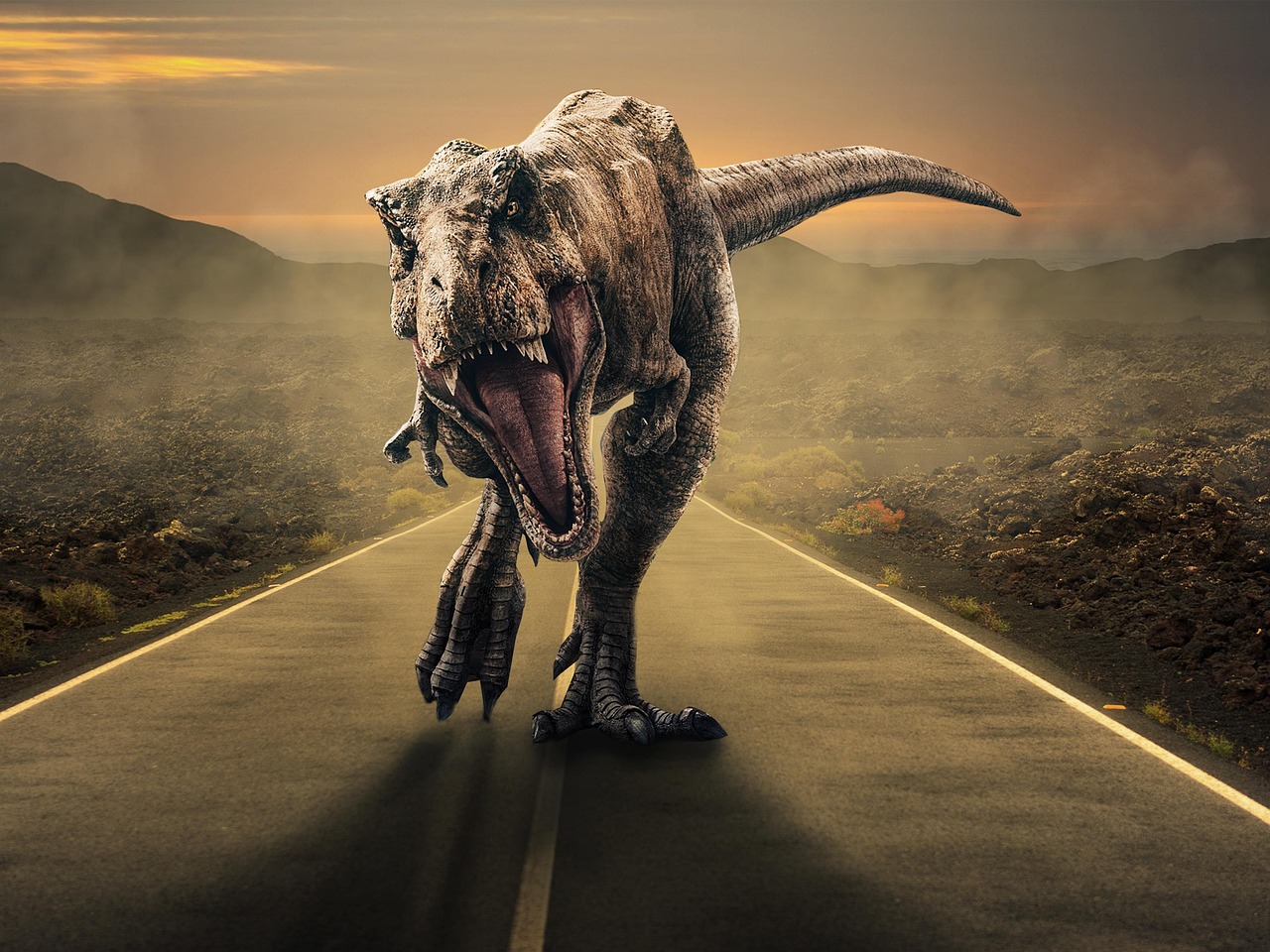
We’ve all seen the iconic scene: With its head lowered and legs pounding, Tyrannosaurus rex gave the stars of Jurassic Park a run for their lives in a speeding jeep. The movies painted T. rex as nature’s ultimate speed demon, capable of chasing down cars at highway speeds. This cinematic portrayal cemented our collective image of the tyrant lizard king as an unstoppable racing machine.
But science has a way of crushing our most cherished movie moments. “No way T. rex could have chased down that Jeep in Jurassic Park if it was going at highway speeds,” he says. The reality turns out to be much more nuanced than Hollywood’s dramatic chase sequences would have us believe.
The Great Speed Estimates Controversy
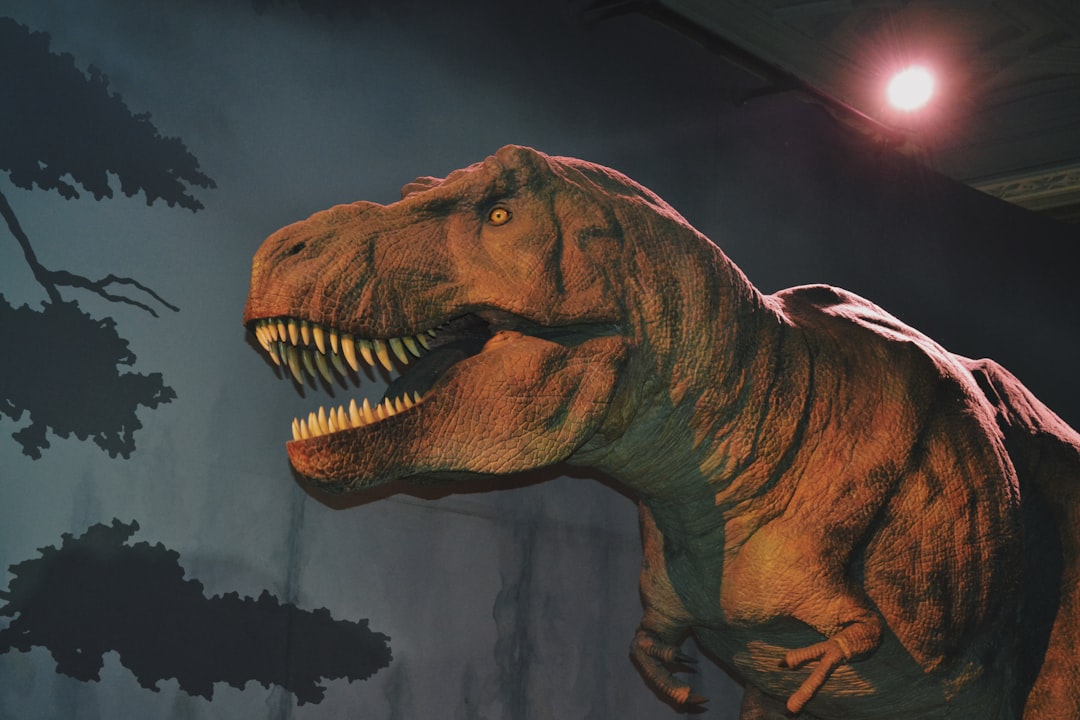
The top speed of a T. rex has been a long-standing debate among paleontologists. Various studies have suggested the large lizard could run at speeds ranging from around 11 to over 30 miles an hour, though estimates vary widely. These wildly different numbers reflect the enormous challenge scientists face when trying to clock a creature that died out millions of years ago.
It can be difficult to clock the speeds of animals that lived over 66 million years ago. There’s no speedometer to know how fast they could run or even any muscular soft tissue to fully understand the anatomy of the most speedy predators. Yet researchers keep pushing forward, driven by our fascination with understanding how these magnificent beasts actually lived and moved.
The Muscle Mass Problem
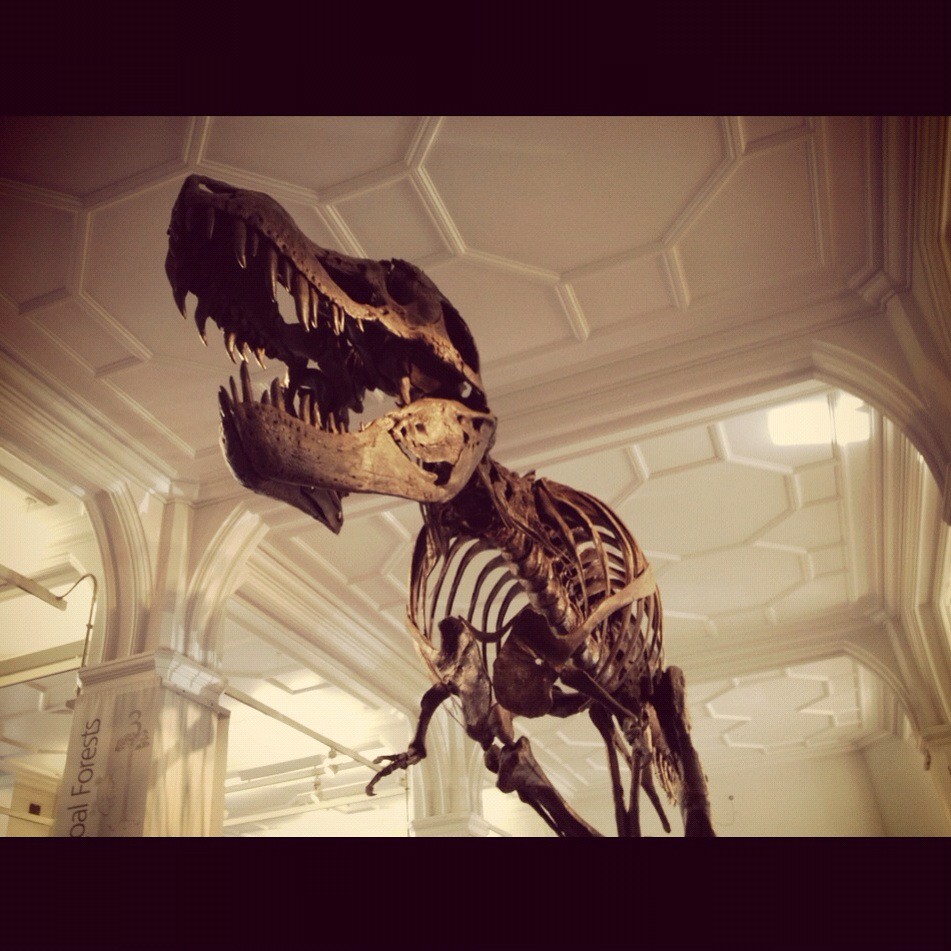
Here’s where things get really interesting. Scientists discovered that running isn’t just about having strong legs – it’s about having impossibly massive leg muscles. Research has suggested that running would require tyrannosaurs to carry an impractically large proportion of their body mass as extensor muscles in their legs. Imagine a creature that’s basically all leg muscle with some teeth attached.
Now a new biomechanical model suggests that a 6000-kilogram Tyrannosaurus could not have packed enough muscle into its legs to hustle faster than about 40 km/h. That’s roughly twenty-five miles per hour – not exactly the highway-speed monster we imagined, but still faster than most of us could manage in a panic.
When Bones Would Shatter
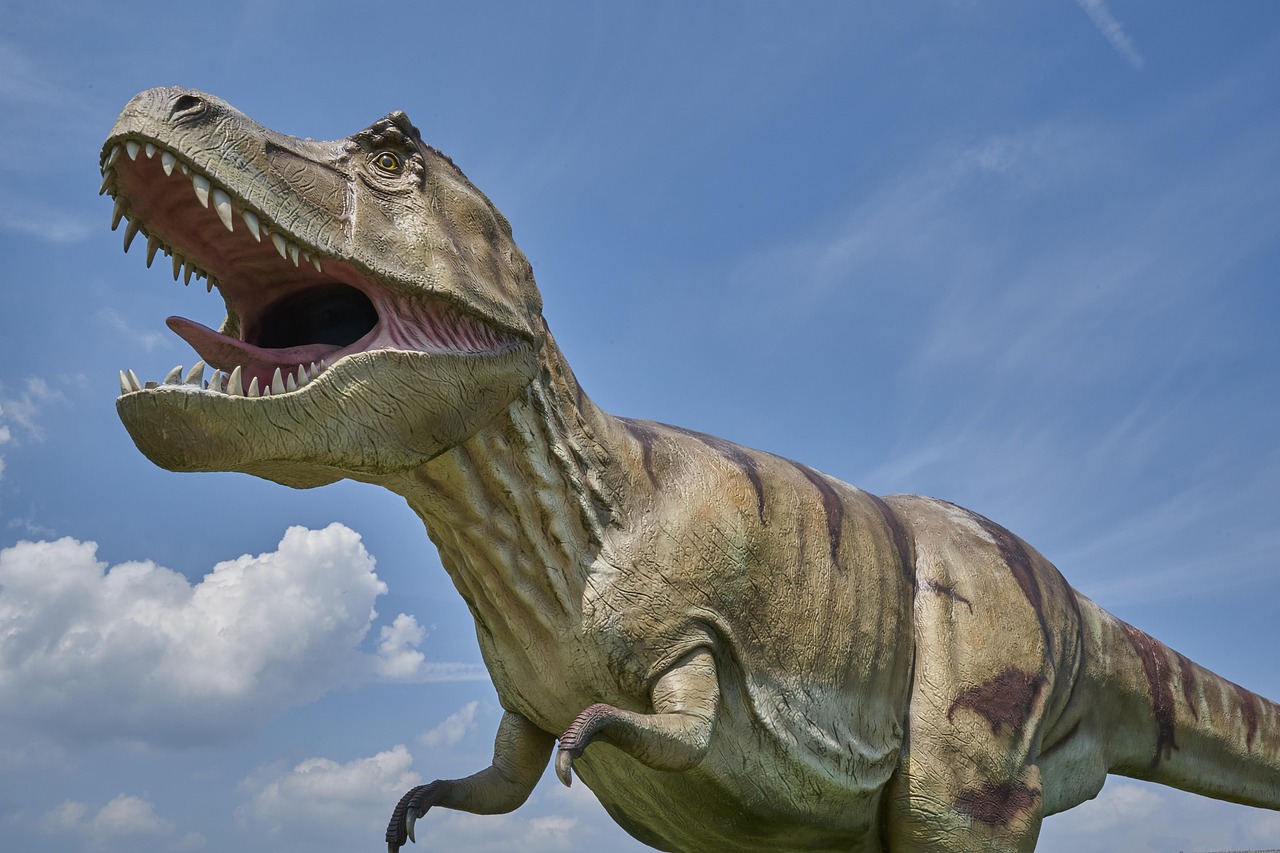
But wait, it gets even more dramatic. Recent studies suggest that T. rex’s speed wasn’t just limited by muscle – it was limited by the very real possibility of catastrophic bone failure. According to their results, published this week in the journal PeerJ, the lower end of the estimate is more accurate: T. rex probably could only reach around 12 miles an hour. Any faster, and its bones would have shattered. Picture a seven-ton predator literally breaking apart mid-chase.
And at every speed, the stresses in a running T. rex’s leg bones were so high that they likely would have been damaged or even broken, the team found. This isn’t just about being slow – it’s about the fundamental physics of supporting massive weight while attempting high-speed locomotion.
The Walking Speed Reality
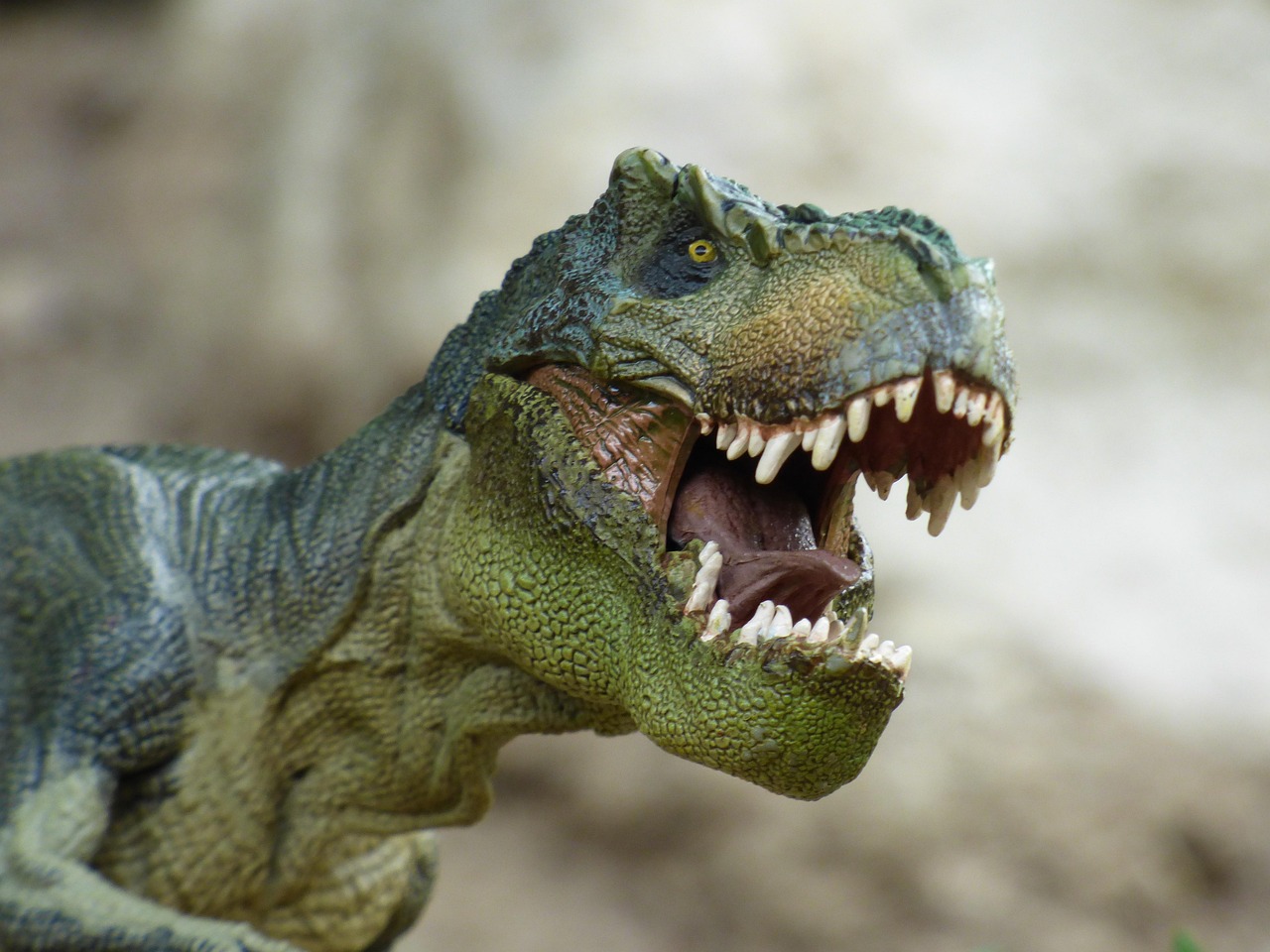
So if T. rex couldn’t really run, how fast could it walk? The answers might surprise you. In fact, its preferred walking speed clocked in at just under 3 mph (5 km/h), about half the speed of earlier estimates. To put that into perspective, that’s roughly comparable to a typical human walking pace. You could literally outwalk a T. rex at a leisurely stroll.
The most reasonable interpretations, based on the best-preserved trackways, indicate a walking speed of 3 to 6 miles per hour. Applying this research to extinct animals, they think that T. rex was a slow runner, achieving perhaps only about 10 miles (16 kilometers) per hour – about as fast as an average human runner. This puts the king of dinosaurs in a surprisingly modest speed category.
The Prey Couldn’t Run Either
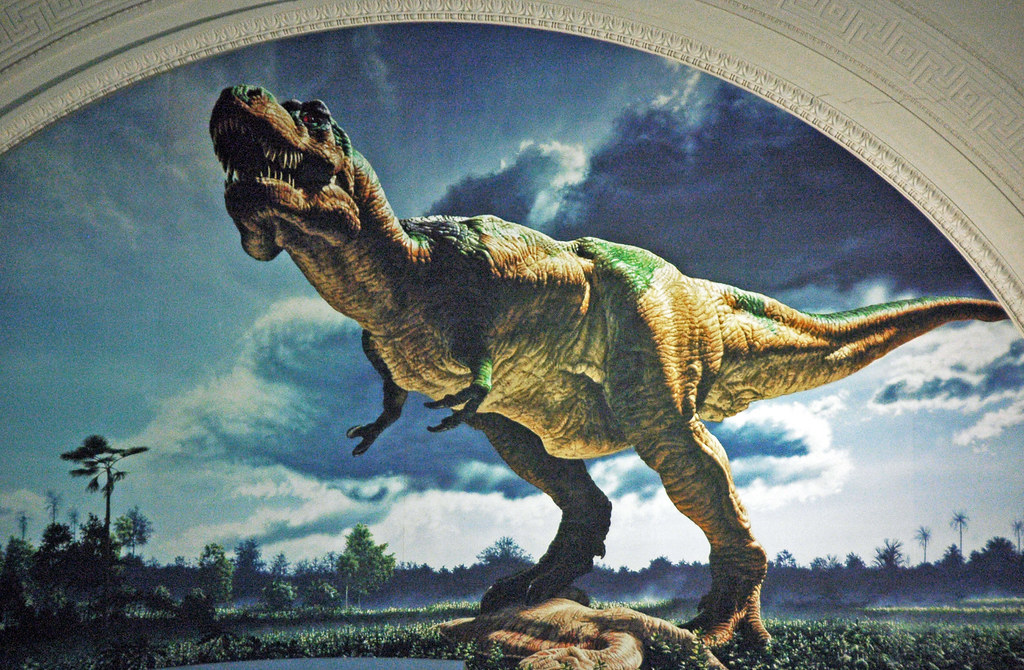
Before you feel too sorry for the mighty T. rex being relegated to power-walking status, consider this crucial detail: Large prey such as duckbilled dinosaurs and Triceratops would have been limited by the same factors and probably couldn’t have run fast either. The Cretaceous period wasn’t exactly filled with Olympic sprinters.
In fact, T. rex may not have been able to run quickly. But neither could its prey, which were built for even slower speeds, so this probably wasn’t a problem. It’s like a slow-motion chase scene played out over millions of years, where being slightly faster than your prey was more than enough to dominate an ecosystem.
The Ongoing Scientific Battle
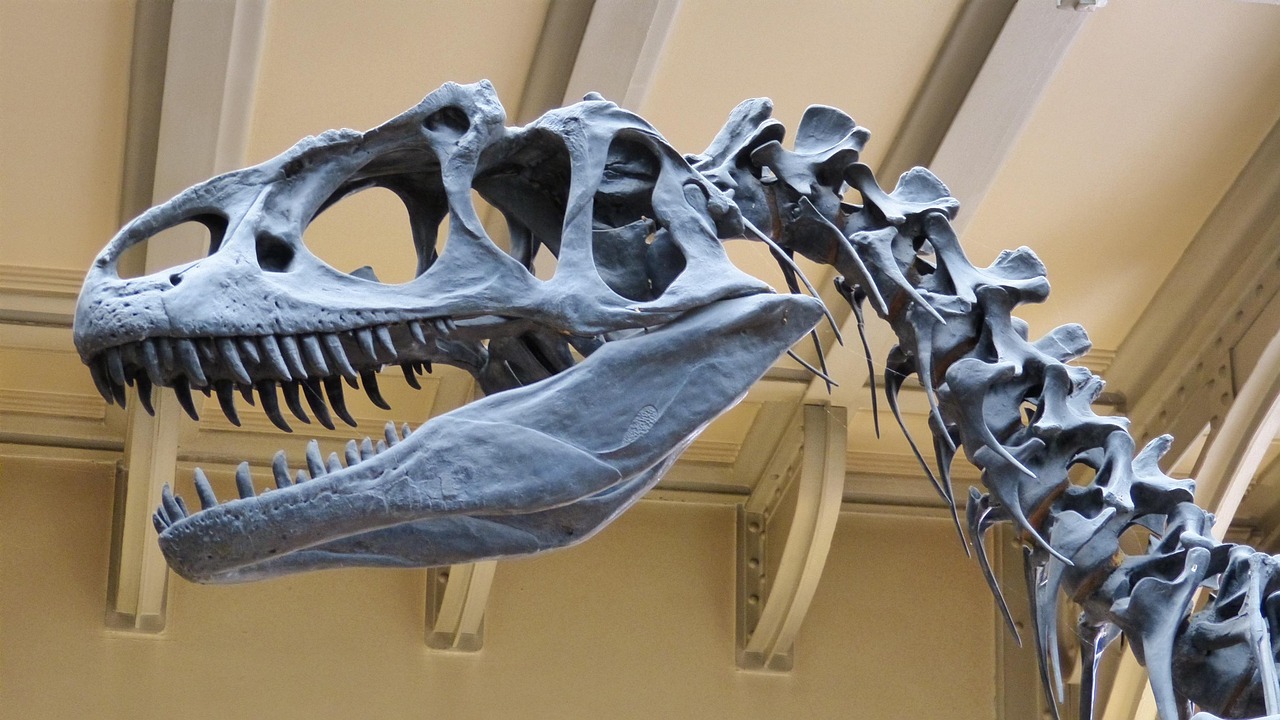
Despite decades of research, scientists still can’t agree on T. rex’s true speed capabilities. Different studies using differing methodologies have produced a very wide range of top speed estimates and there is therefore a need to develop techniques that can improve these predictions. Some researchers champion the power-walking hypothesis, while others maintain that these massive predators could achieve meaningful bursts of speed.
“Speeds of 11 m/s [25 mph] would be pushing it,” says Hutchinson, “but 20 m/s [45 mph] is not reasonable.” The debate continues to rage in scientific circles, with new methodologies and discoveries constantly reshaping our understanding of how these ancient giants actually moved through their world.
Conclusion
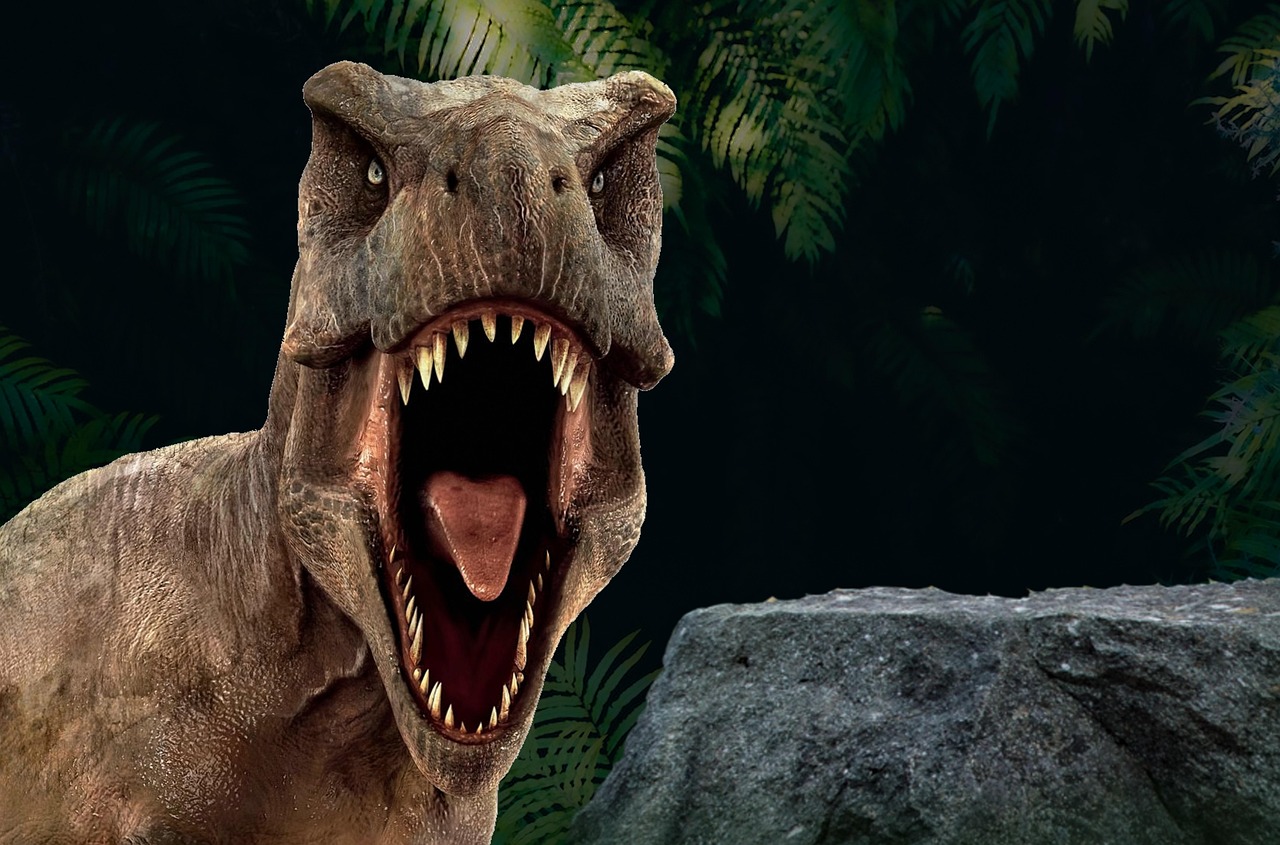
The great T. rex speed debate reveals something profound about both science and our relationship with these ancient creatures. We desperately want our dinosaurs to be the stuff of nightmares – unstoppable, terrifying, impossibly powerful. Yet reality paints a more nuanced picture of a magnificent predator that dominated not through raw speed, but through size, intelligence, and sheer presence in an ecosystem where being fast wasn’t the ultimate survival strategy.
Whether T. rex could manage a light jog or was forever condemned to power-walking doesn’t diminish its status as one of history’s most successful predators. After all, when you’re facing down a creature with banana-sized teeth and bone-crushing jaws, does it really matter if it’s walking or running toward you?