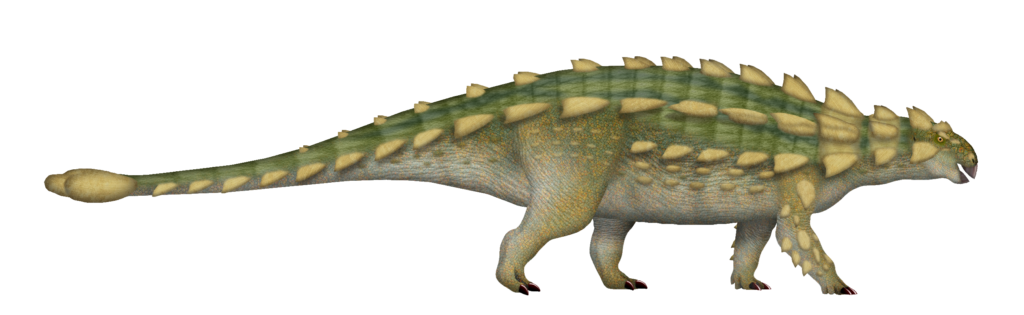
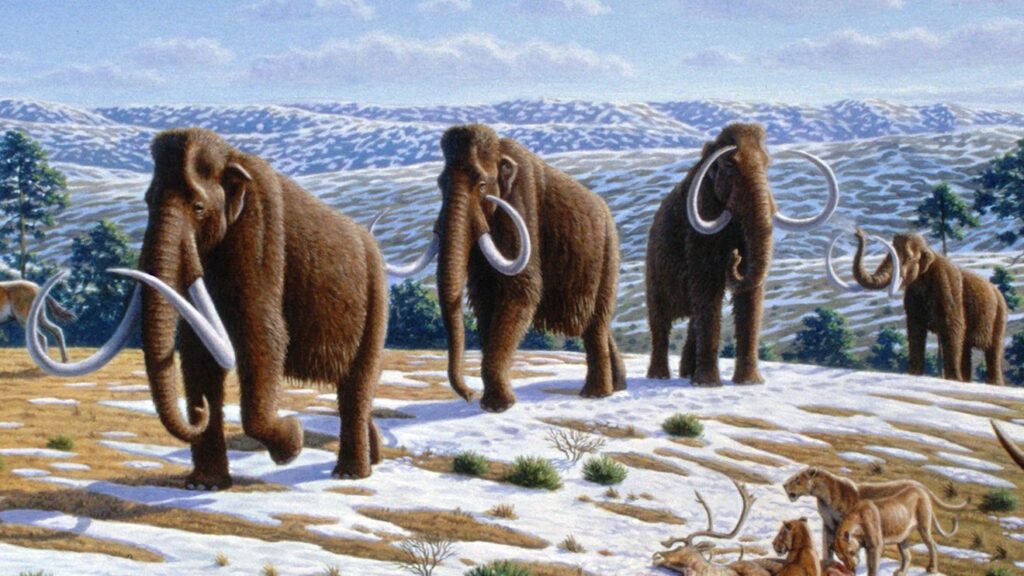
When we imagine dinosaurs, we often picture them as they’ve been portrayed in movies and popular media – with bold, striking colors and patterns. But how accurate are these depictions? Could dinosaurs have used camouflage to hide from predators or ambush prey, similar to many modern animals? By examining evidence from fossils and comparing dinosaurs to their modern reptilian relatives, scientists have begun piecing together fascinating possibilities about dinosaur coloration and camouflage abilities. This article explores what we know, what we can reasonably infer, and how modern reptiles might help us understand the appearance and survival strategies of these magnificent prehistoric creatures.
The Fossilization Challenge: Why Dinosaur Colors Remain Mysterious

Understanding dinosaur coloration presents a unique scientific challenge because pigments rarely fossilize. Unlike bones and teeth that can mineralize and preserve for millions of years, skin and its coloration typically decompose quickly after death. The absence of preserved skin color means paleontologists must rely on indirect evidence and comparative biology to make educated inferences about dinosaur appearance. Exceptional fossils occasionally preserve skin textures, scales, or even feather impressions, but these rarely retain information about color. This preservation challenge has historically limited our ability to make definitive statements about dinosaur camouflage patterns. However, recent scientific breakthroughs in analyzing melanosomes—tiny cellular structures containing melanin pigments—have begun to change this paradigm, offering glimpses into the actual coloration of some dinosaur species.
Breakthrough Discoveries: Dinosaur Color Evidence in Fossils

Revolutionary techniques developed in the past decade have enabled scientists to identify fossilized melanosomes in exceptionally preserved dinosaur specimens. In 2010, researchers analyzed the feather impressions of Sinosauropteryx, a small carnivorous dinosaur from China, and discovered evidence of rusty-brown and white striped tail patterns—possibly a form of camouflage called countershading. Similar studies of Microraptor revealed iridescent black feathers reminiscent of modern crows. The feathered dinosaur Anchiornis was found to have had a striking pattern of black-and-white feathers with a rufous crest, representing one of the most complete color reconstructions of any dinosaur. These groundbreaking findings confirm that at least some dinosaurs possessed complex coloration patterns that could have served camouflage functions. Though limited to exceptionally preserved specimens, these discoveries have fundamentally changed our understanding of dinosaur appearance and behavior.
Modern Reptiles as Living Models: The Comparative Approach

Modern reptiles serve as valuable living models for understanding potential dinosaur camouflage strategies. Crocodilians and birds—the closest living relatives to dinosaurs—along with lizards and snakes, display remarkable diversity in camouflage adaptations. Many alligators and crocodiles use disruptive coloration, with mottled patterns of greens and browns that help them blend into murky waters and vegetation. Chameleons famously change color to match their surroundings through specialized cells called chromatophores. Numerous lizard species employ countershading, with darker backs and lighter undersides that help minimize shadows and break up their body outline when viewed from above or below. By studying these modern reptilian adaptations, paleontologists can develop reasonable hypotheses about the camouflage techniques dinosaurs might have employed in similar habitats and ecological niches.
The Evolutionary Advantage: Why Camouflage Would Benefit Dinosaurs

Camouflage provides significant evolutionary advantages that would have benefited dinosaurs just as it benefits modern animals. For prey species, effective camouflage reduces detection by predators, directly increasing survival rates and reproductive success. Predatory dinosaurs would have gained hunting advantages from camouflage, allowing them to approach prey undetected or to ambush from concealed positions. The intense predator-prey dynamics of the Mesozoic Era—a time when large, visually oriented predators dominated terrestrial ecosystems—would have created strong selection pressure for camouflage adaptations in both predator and prey species. Juvenile dinosaurs, being more vulnerable than adults, would have particularly benefited from protective coloration. The wide range of dinosaur body sizes, from chicken-sized Compsognathus to the massive Argentinosaurus, suggests different camouflage strategies would have evolved to suit different environmental challenges and predation risks throughout dinosaur lifespans.
Countershading: A Likely Dinosaur Strategy

Countershading—the pattern where an animal’s dorsal side is darker than its ventral side—represents one of the most common and effective camouflage strategies in the animal kingdom. This adaptation helps animals appear flat and less three-dimensional by counteracting the shadow effect created by sunlight. Evidence from the fossil record strongly suggests some dinosaurs employed this technique, particularly the small theropod Sinosauropteryx, which showed signs of a darker back and lighter underside. Modern studies have demonstrated that countershading patterns vary depending on habitat, with forest dwellers having sharp transitions between dark and light areas, while open-habitat animals show more gradual transitions. By analyzing the specific patterns of countershading in fossil evidence, paleontologists can make informed inferences about the habitats certain dinosaurs frequented. This widespread camouflage strategy likely evolved independently in multiple dinosaur lineages as an effective response to predation pressure.
Disruptive Coloration: Breaking Up the Dinosaur Silhouette

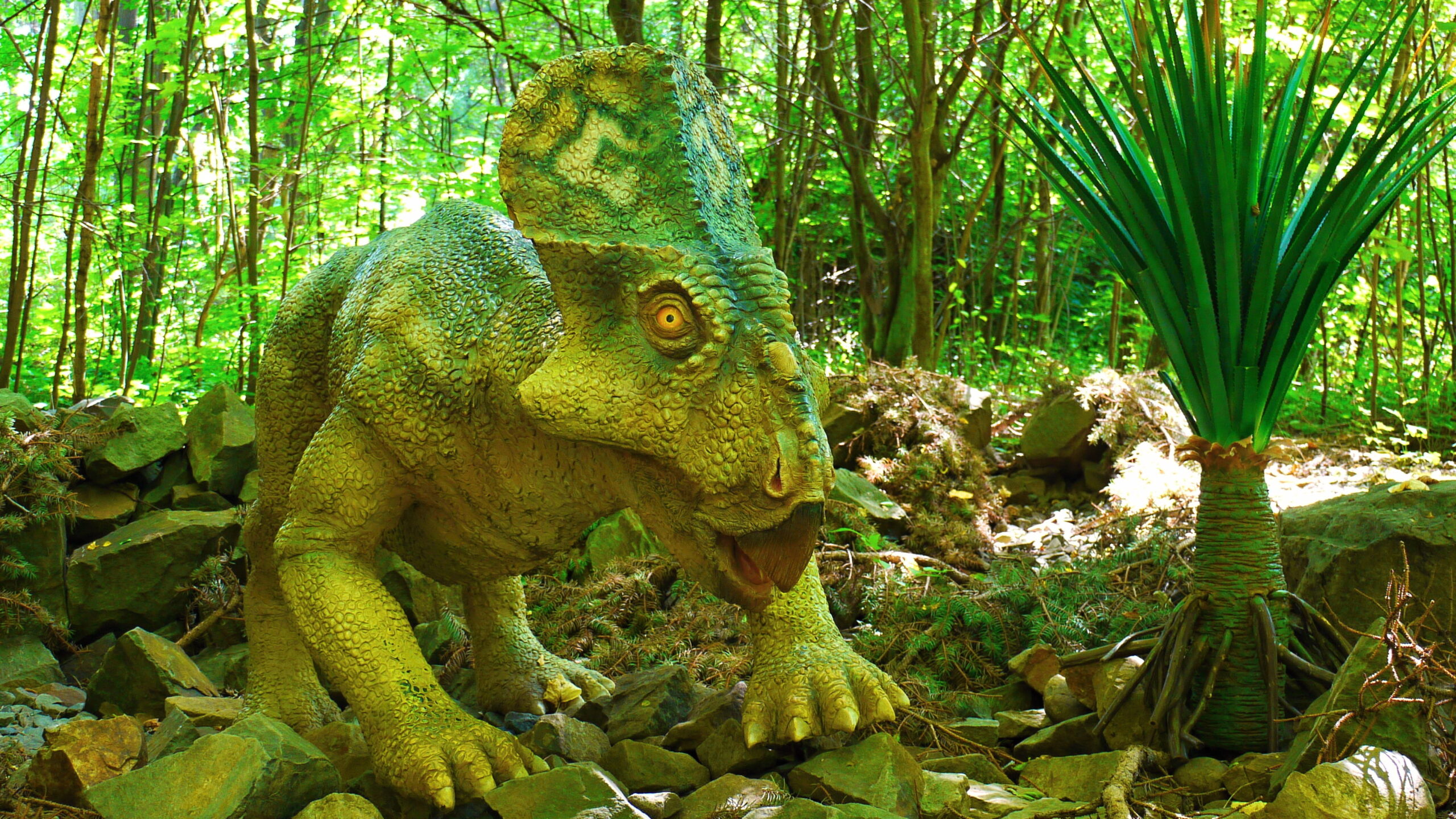
Disruptive coloration—patterns that break up an animal’s outline—represents another camouflage strategy potentially employed by dinosaurs. This technique uses contrasting patches of color to visually fragment the body’s shape, making it harder for predators or prey to recognize. Many modern reptiles, including various snake and lizard species, utilize bold patterns of spots, stripes, or blotches that function as disruptive camouflage. The discovery of complex color patterns in well-preserved fossils like Psittacosaurus, which showed evidence of contrasting patterns on its body, suggests some dinosaurs may have used disruptive coloration. Such patterns would have been particularly beneficial in visually complex environments like forests or areas with dappled light. The relatively large eyes of many predatory dinosaurs indicate strong visual acuity, which would have created selection pressure for effective visual camouflage among both predator and prey species throughout the Mesozoic era.
Dinosaur Habitats and Environment-Specific Camouflage

Dinosaurs inhabited remarkably diverse environments throughout the Mesozoic Era, from dense forests and open plains to coastal regions and arid landscapes. This habitat diversity likely drove the evolution of specialized camouflage adaptations suited to specific environments. Desert-dwelling dinosaurs may have evolved sandy or reddish coloration similar to modern desert lizards. Dinosaurs inhabiting forest environments might have developed dappled patterns mimicking the interplay of light and shadow on forest floors, similar to modern forest-dwelling reptiles like geckos. Coastal or semi-aquatic dinosaurs potentially evolved coloration patterns that worked effectively at the water’s edge, possibly with countershading optimized for visibility from underwater predators. The geographic isolation of dinosaur populations over millions of years would have further driven the diversification of camouflage strategies, as each population adapted to local environmental conditions and predator-prey dynamics.
Sexual Selection vs. Camouflage: The Dual Purpose of Coloration
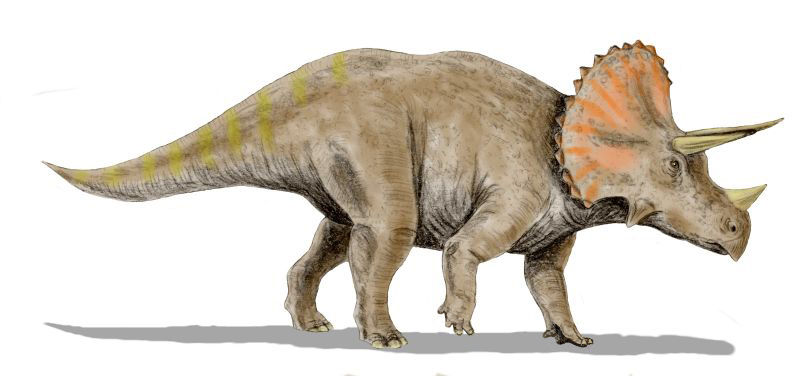
Animal coloration often serves dual purposes of camouflage and sexual signaling, presenting an evolutionary compromise between survival and reproduction. Many modern birds and reptiles feature cryptic body coloration for camouflage while maintaining bright display structures for courtship. Evidence suggests some dinosaurs likely balanced these competing pressures similarly. The elaborate crests, frills, and feather displays found in many dinosaur species likely served display functions, potentially with bright colors to attract mates. Yet these same animals would have benefited from camouflage during vulnerable periods. The presence of sexual dimorphism in some dinosaur species suggests differing coloration between males and females, with females possibly favoring more cryptic patterns for nest protection. Seasonal color changes, as seen in many modern birds, might have allowed dinosaurs to shift between breeding displays and protective camouflage throughout the year, optimizing both survival and reproductive success.
Feathered Dinosaurs: New Dimensions of Camouflage
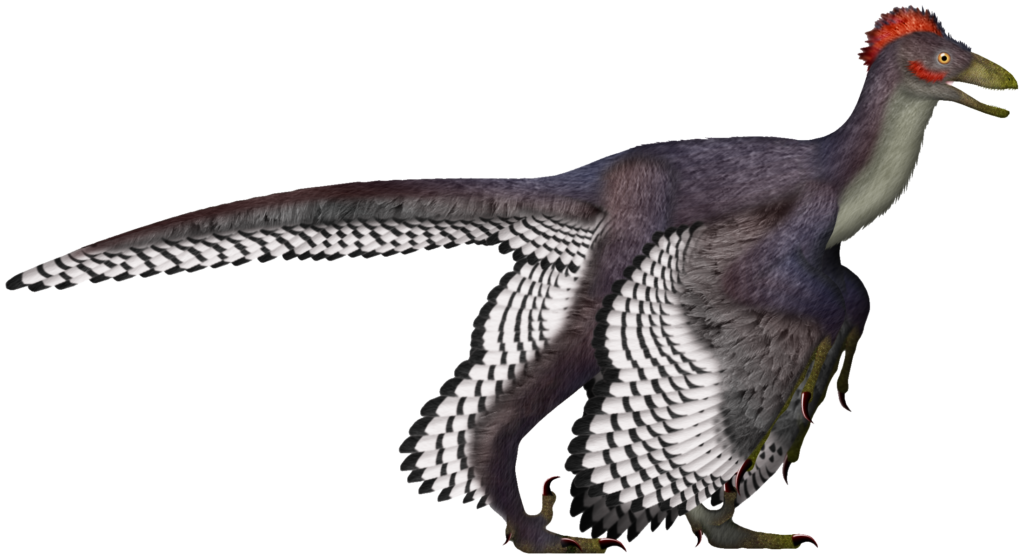
The discovery that many theropod dinosaurs possessed feathers has revolutionized our understanding of dinosaur appearance and potential camouflage strategies. Feathers add complexity to camouflage beyond simple skin pigmentation, allowing for structural coloration, iridescence, and complex patterns. Modern birds demonstrate how feathers can create extremely effective camouflage through texture as well as color. Microraptor, with its iridescent black plumage, may have used this sheen for display while remaining camouflaged in shady forest environments. The feathered dinosaur Anchiornis had a striking black and white pattern with a russet crown, suggesting complex coloration that might have served both signaling and camouflage functions. Smaller feathered dinosaurs likely used their plumage for concealment from larger predators, much as ground-dwelling birds do today. The presence of feathers also opens the possibility of seasonal molts and color changes in some dinosaur species, allowing for adaptive camouflage as environments change throughout the year.
Predator Vision: How Dinosaur Eyes Influenced Camouflage Evolution

The visual systems of predators drive the evolution of camouflage in prey species, making dinosaur vision a crucial factor in understanding their camouflage strategies. Evidence from dinosaur skull anatomy suggests many predatory dinosaurs had excellent vision, with large eye sockets indicating well-developed eyes. Some theropods possessed forward-facing eyes that would have provided binocular vision and depth perception advantageous for hunting. Studies of bird and crocodilian eyes—the closest living relatives to dinosaurs—suggest many dinosaurs likely had tetrachromatic vision, with the ability to see ultraviolet light. This enhanced color perception would have created selection pressure for increasingly sophisticated camouflage strategies. Understanding the visual capabilities of different dinosaur groups helps paleontologists hypothesize about which types of camouflage would have been most effective against specific predators. The co-evolution of predator vision and prey camouflage would have created an evolutionary “arms race,” driving innovations in both visual detection and concealment throughout the dinosaur era.
Size Matters: Camouflage Strategies Across Dinosaur Size Classes
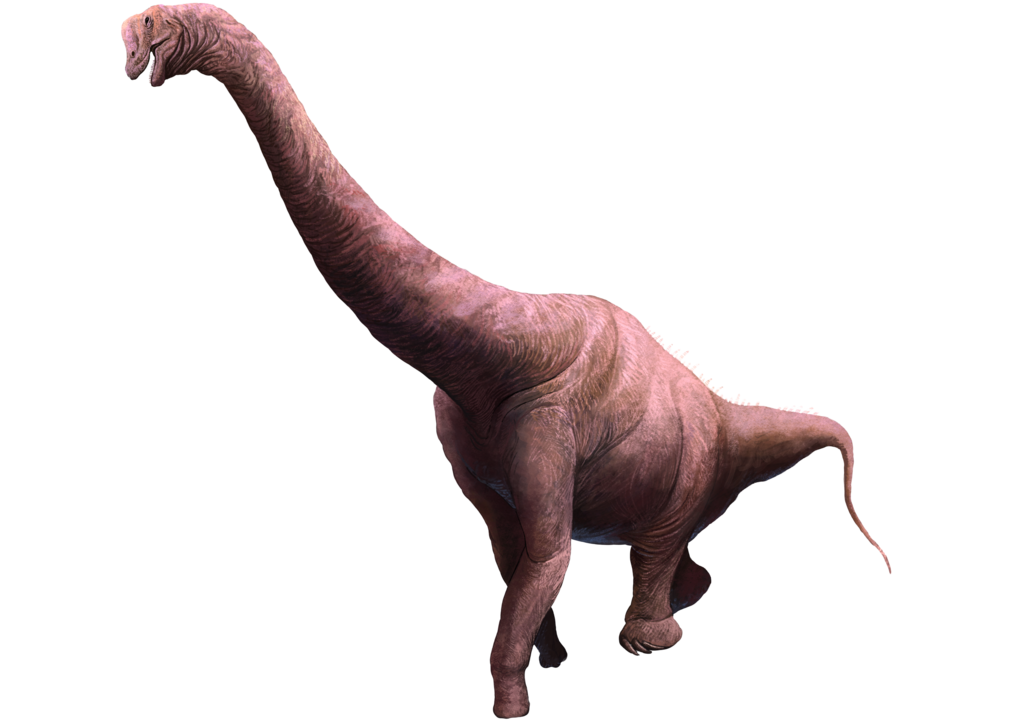
Dinosaur size significantly influenced the effectiveness and necessity of different camouflage strategies. Smaller dinosaurs, being more vulnerable to predation, likely relied heavily on camouflage for survival, similar to small modern reptiles and birds. Medium-sized dinosaurs may have used a combination of camouflage and other defense mechanisms, balancing the benefits of concealment with the increasing difficulty of hiding a larger body. The largest dinosaurs—massive sauropods like Brachiosaurus and Diplodocus—probably relied less on camouflage as adults due to their sheer size making concealment impractical. However, even these giants would have been vulnerable as juveniles, potentially employing effective camouflage during growth stages. Modern elephants, despite their size, still benefit from their gray coloration in certain environments, suggesting even large dinosaurs might have evolved coloration that reduced visibility at a distance. The dramatic size difference between hatchling and adult dinosaurs also indicates potential ontogenetic color changes, with different camouflage strategies employed throughout an individual’s life cycle.
Mimicry: Could Dinosaurs Have Mimicked Their Environment?

Mimicry—the resemblance of an organism to another object or organism—represents a sophisticated form of camouflage seen in many modern animals. While direct evidence from fossils remains limited, the prevalence of mimicry across modern reptile and bird species suggests some dinosaurs may have employed similar strategies. Small dinosaurs might have evolved coloration and body shapes that mimicked rocks, vegetation, or forest floor debris. Certain ornithomimids (“ostrich mimics”) possessed long necks and small heads that could have resembled vegetation when held in specific postures. The elaborate plates, spikes, and frills of some dinosaurs, beyond their defensive functions, might have created outlines resembling natural environmental features when viewed from a distance. Some feathered dinosaurs potentially evolved plumage patterns that mimicked specific environmental textures or vegetation patterns. Though speculative, the widespread occurrence of mimicry throughout the animal kingdom suggests this advanced camouflage technique likely existed among at least some dinosaur species.
Future Research: How Technology May Reveal Dinosaur Camouflage
Emerging technologies continue to expand our ability to detect and analyze traces of original coloration in fossil specimens. Advanced imaging techniques like scanning electron microscopy allow scientists to identify fossilized melanosomes with increasing precision, providing direct evidence of dinosaur coloration. Synchrotron radiation techniques can detect trace chemical signatures of original pigments that remain invisible to conventional methods. Computer modeling using ecological and phylogenetic data can generate testable hypotheses about likely camouflage patterns based on habitat and behavior. New fossil discoveries, particularly from exceptional preservation environments like those in China’s Liaoning Province, continue to yield specimens with preserved soft tissues that may retain color information. Interdisciplinary approaches combining paleontology with comparative biology, physics, chemistry, and computer science offer the most promising path forward. These technological advances suggest that in the coming decades, our understanding of dinosaur camouflage will likely become increasingly detailed and evidence-based.
Conclusion
The question of dinosaur camouflage represents a fascinating intersection of paleontology, evolutionary biology, and animal behavior. While direct evidence remains limited, a combination of fossil discoveries, comparative studies with modern reptiles, and our understanding of evolutionary principles strongly suggests many dinosaurs employed sophisticated camouflage strategies. From the countershading of small theropods to the potential disruptive coloration of larger species, camouflage likely played a crucial role in dinosaur survival across millions of years of evolution. As scientific techniques continue to advance, our picture of these magnificent creatures becomes increasingly nuanced, moving beyond the simplistic depictions of popular culture toward a deeper understanding of how dinosaurs actually appeared and behaved in their ancient environments. Though separated by vast stretches of time, the camouflage strategies that helped dinosaurs thrive continue to function in their modern descendants, providing a living window into prehistoric survival adaptations.