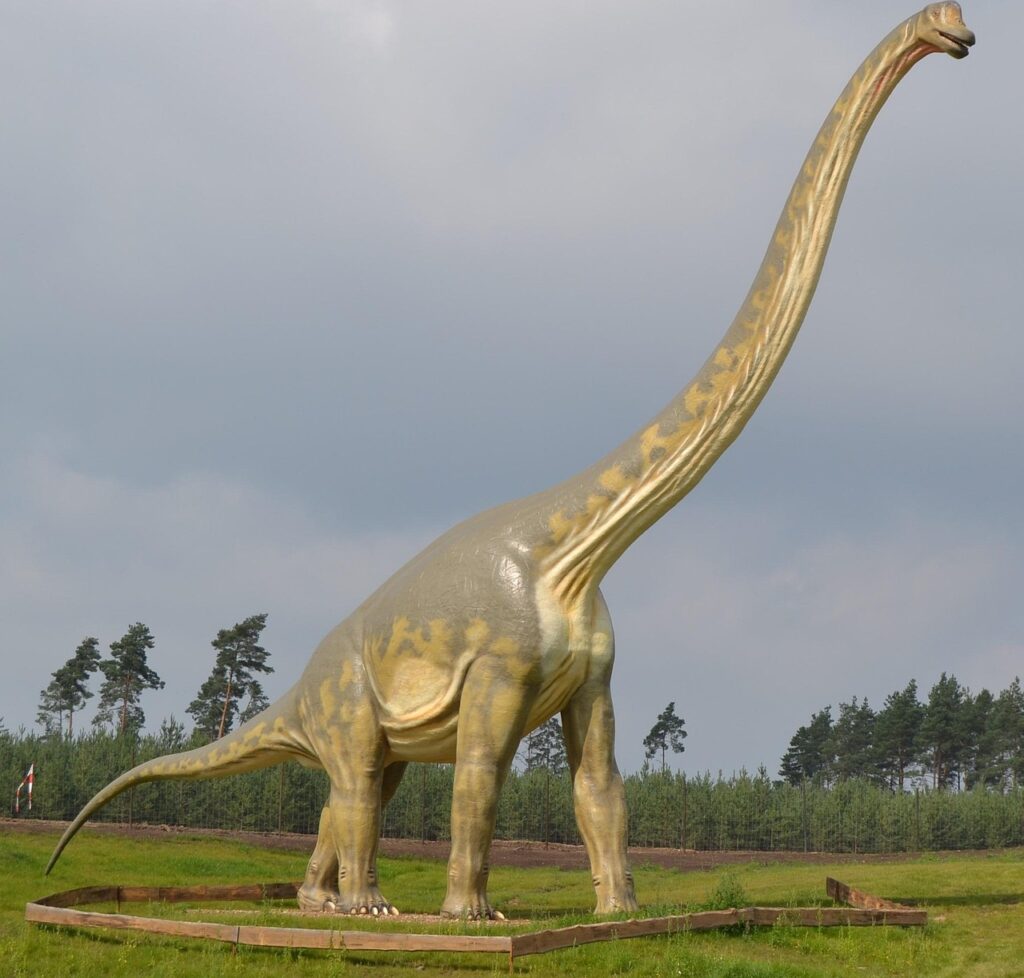
Picture a creature so extraordinary that its alone stretched nearly 50 feet long. Somewhere in ancient China, approximately 162 million years ago, a gentle giant roamed the lush forests with a that defied all natural proportions. This remarkable beast wasn’t just another dinosaur it was nature’s ultimate answer to reaching the unreachable.
The discovery that would eventually crown one dinosaur as the absolute record holder for length sat quietly in the ground for millions of years. When scientists finally pieced together the puzzle of this incredible animal, they realized they had found something that pushed the very limits of what seemed physically possible.
Meet Mamenchisaurus sinocanadorum
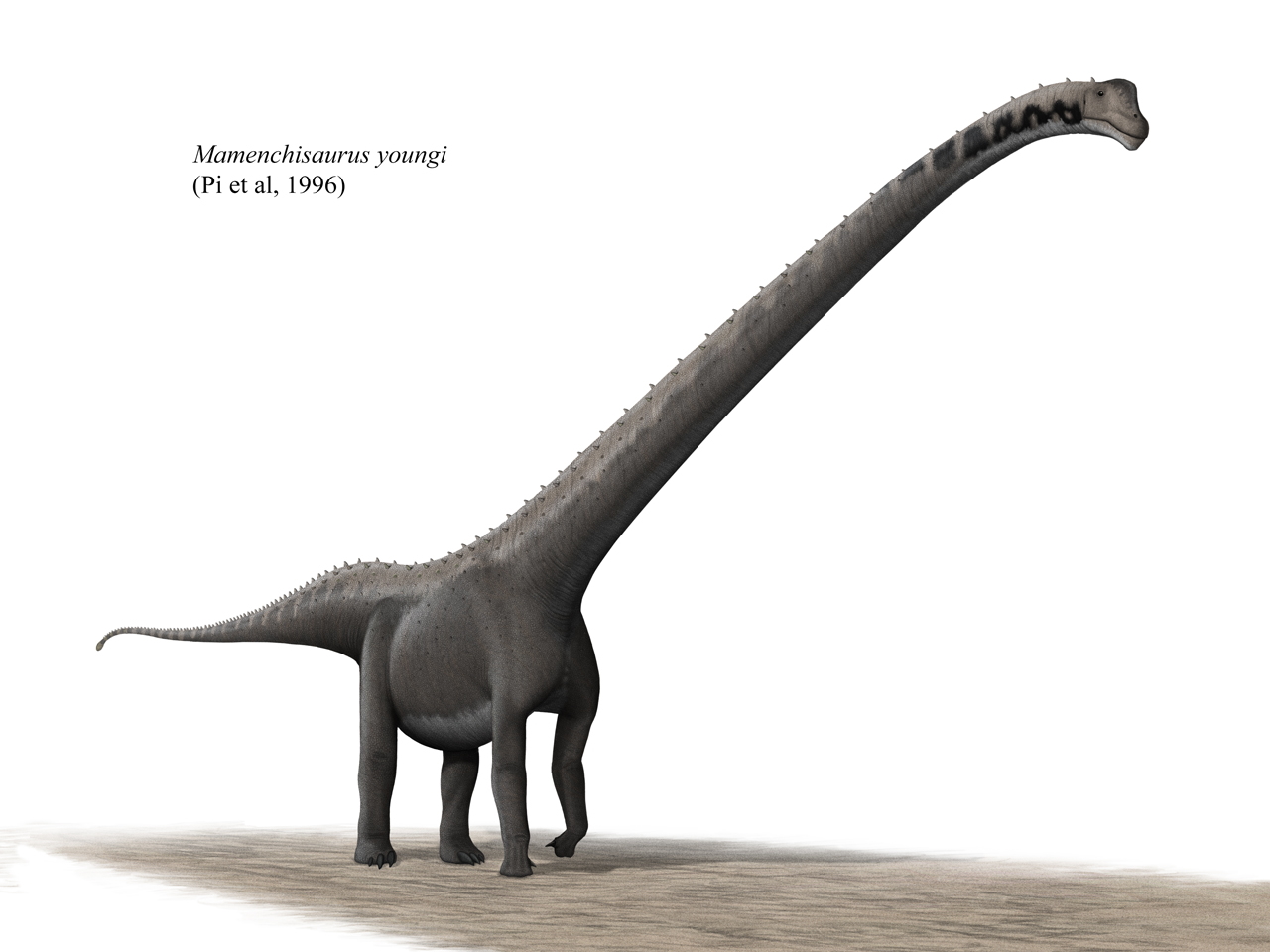
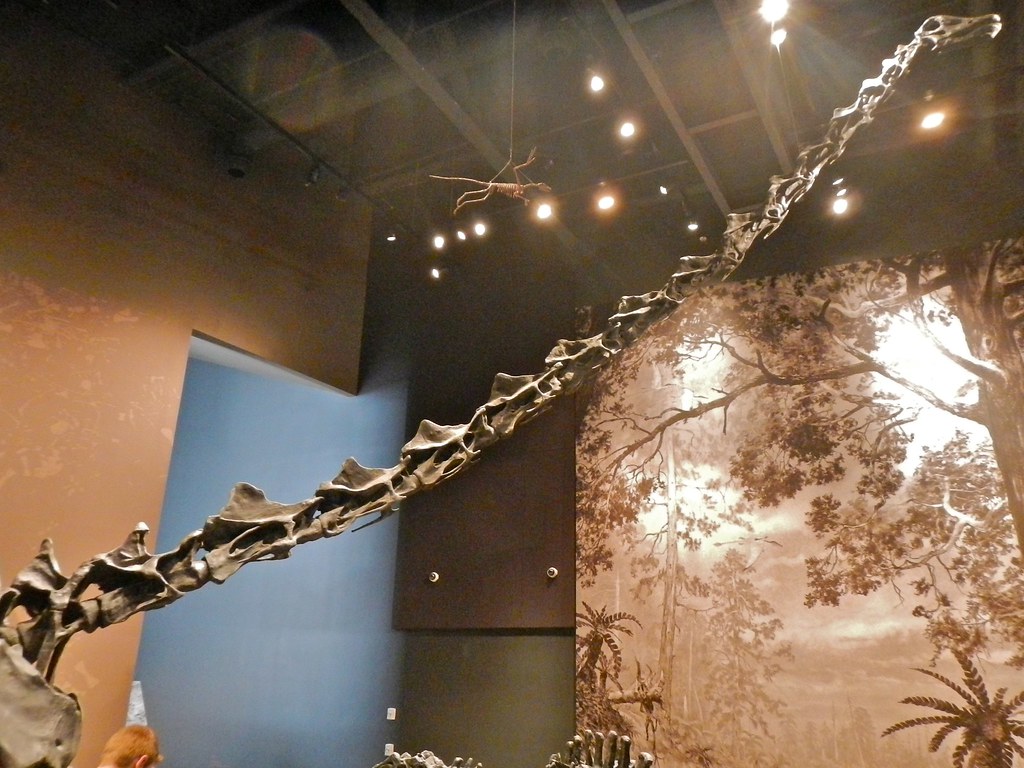
Mamenchisaurus sinocanadorum is among the dinosaurs s ever discovered, with its incredible neck measuring 15 meters (49.5 feet) long. This plant-eating sauropod that lived in what’s now China around 162 million years ago had a neck that was about 10 feet longer than a typical school bus.
The international research team, led by Stony Brook University paleontologist Andrew J. Moore, discovered that this sauropod’s neck was more than six times longer than the necks of giraffes. When you consider that giraffes have the longest necks of any living animal today, this puts Mamenchisaurus sinocanadorum’s proportions into truly mind-boggling perspective.
How Scientists Measured the Impossible
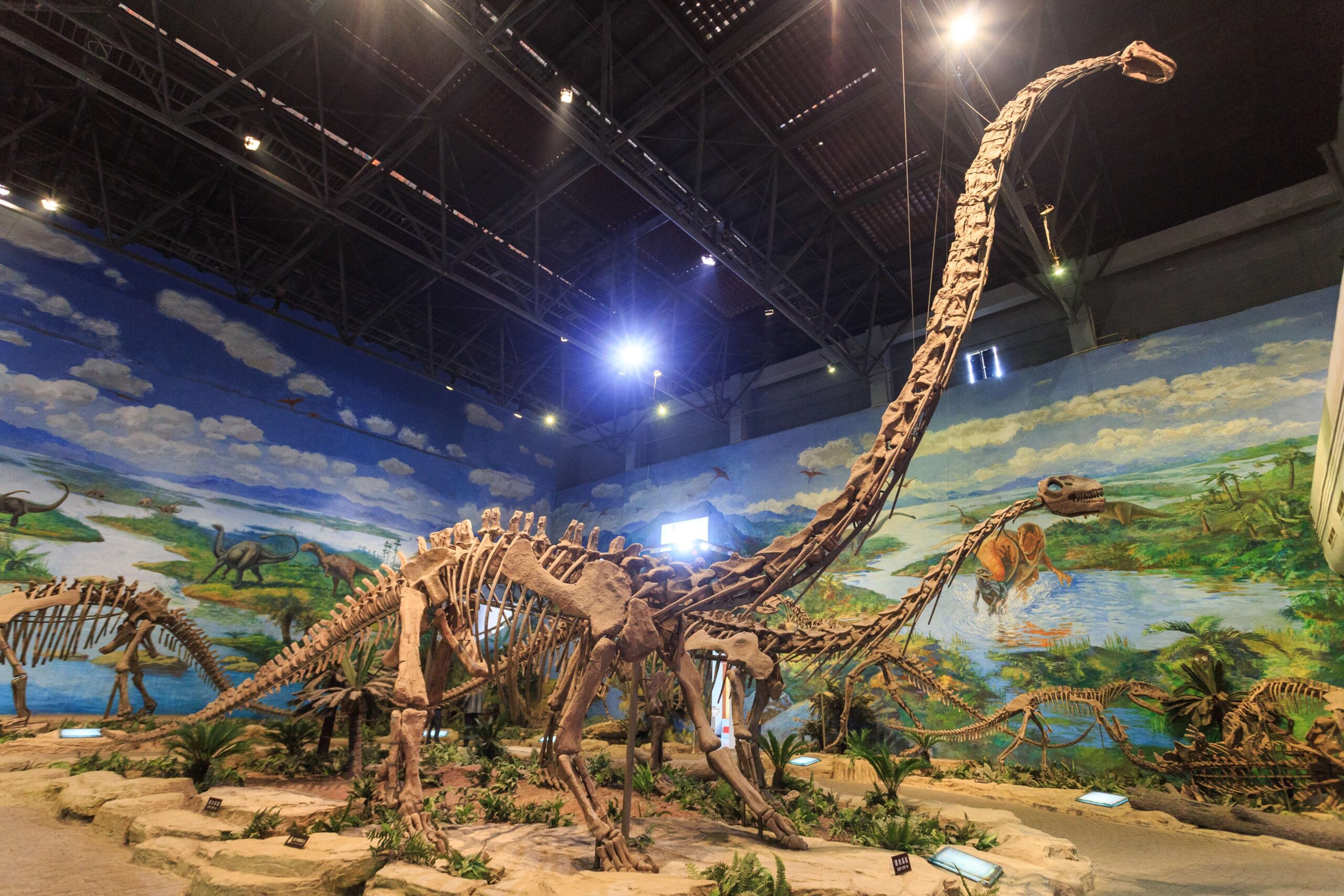
Fossilized remains attributed to Mamenchisaurus sinocanadorum were found in China’s northwestern region of Xinjiang, reportedly by the China–Canada Dinosaur Project team. However, measuring its neck length wasn’t straightforward because paleontologists faced a significant challenge.
There’s only one Mamenchisaurus sinocanadorum specimen to analyze, and the skeleton only includes the front end of the neck, a rib, some skull bones, and a lower jaw. The paleontologists were able to infer the length of the neck by studying the specimen’s three preserved vertebrae and comparing them with closely related dinosaurs that had 18 cervical (neck) vertebrae.
Engineering Marvel of Ancient Bones
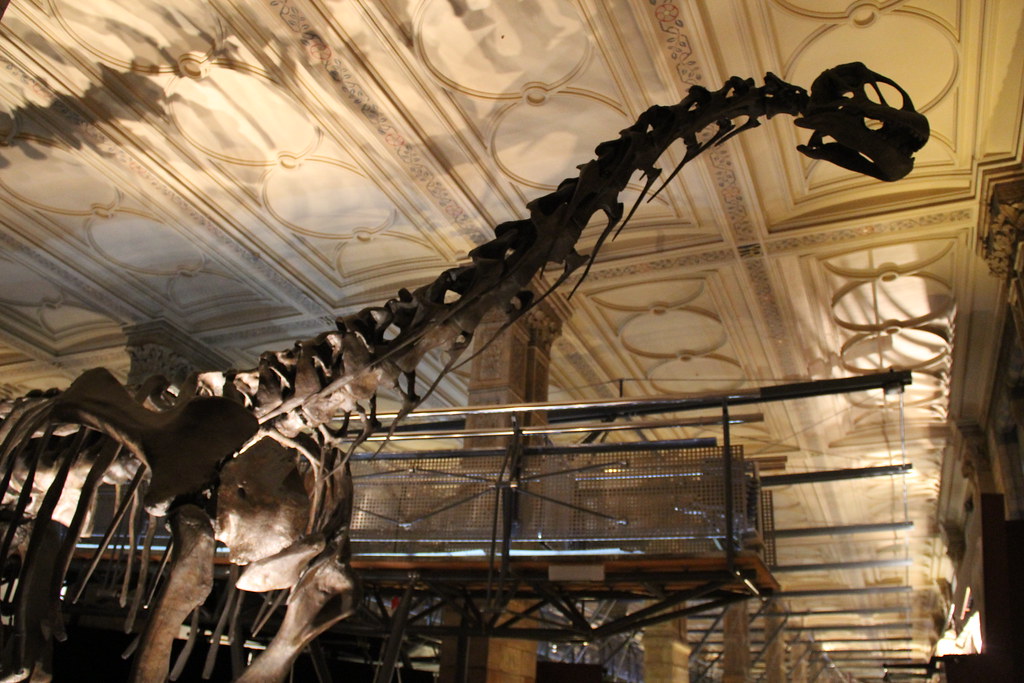
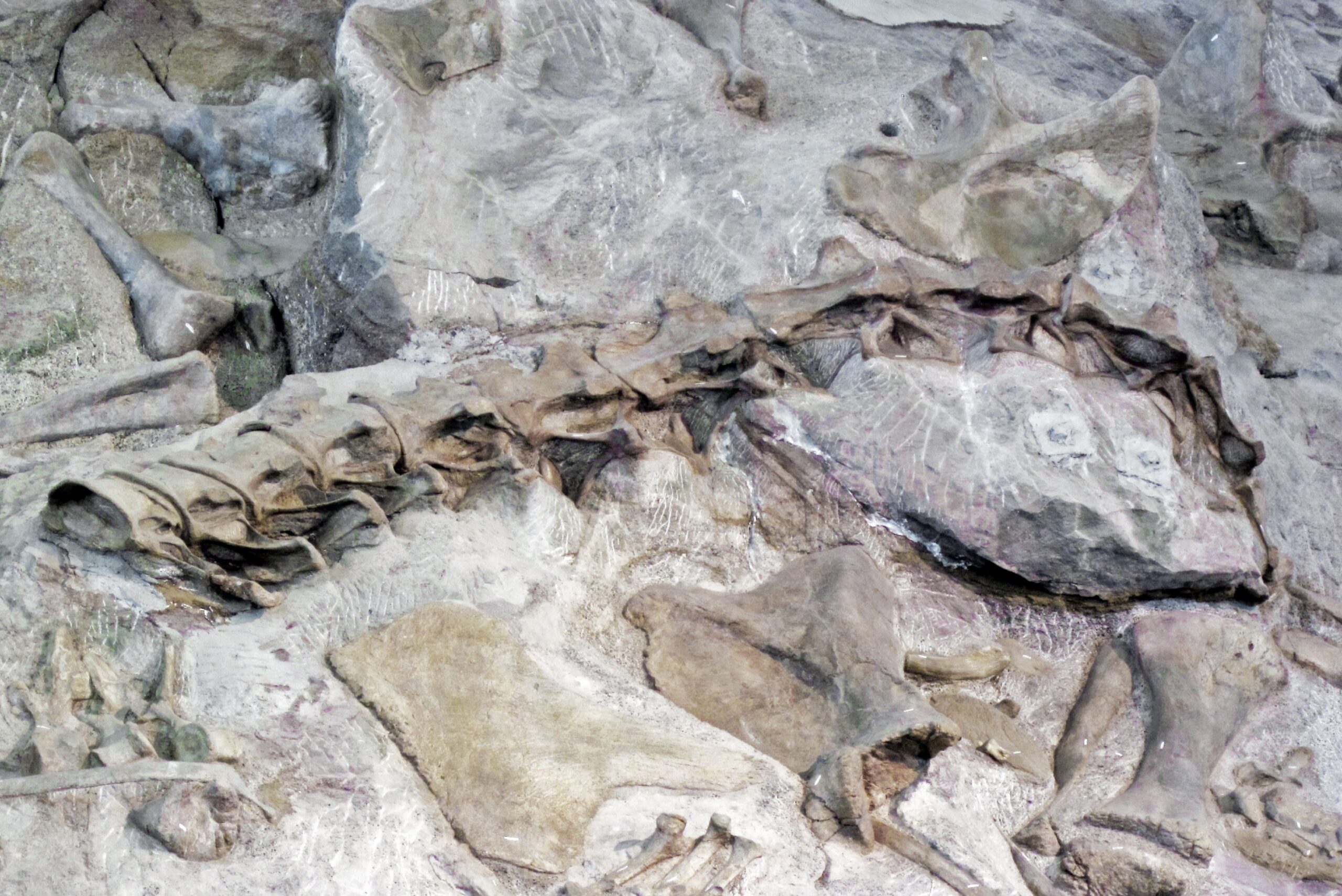
Using computer-tomography scanning, scientists found that the hollow vertebrae of the massive sauropod was around 69 to 77 percent air, which is similar to modern-day storks. This incredible adaptation made the neck surprisingly lightweight despite its enormous size.
To protect such a lightweight neck from getting hurt, the dinosaur had 13-foot-long rod-like cervical ribs on either side for stability. Along with other saurischian dinosaurs, sauropods had a system of air sacs evidenced by hollow cavities in most of their vertebrae, which reduced the overall weight of the massive necks and allowed for efficient oxygen intake.
The Feeding Strategy Behind the Length
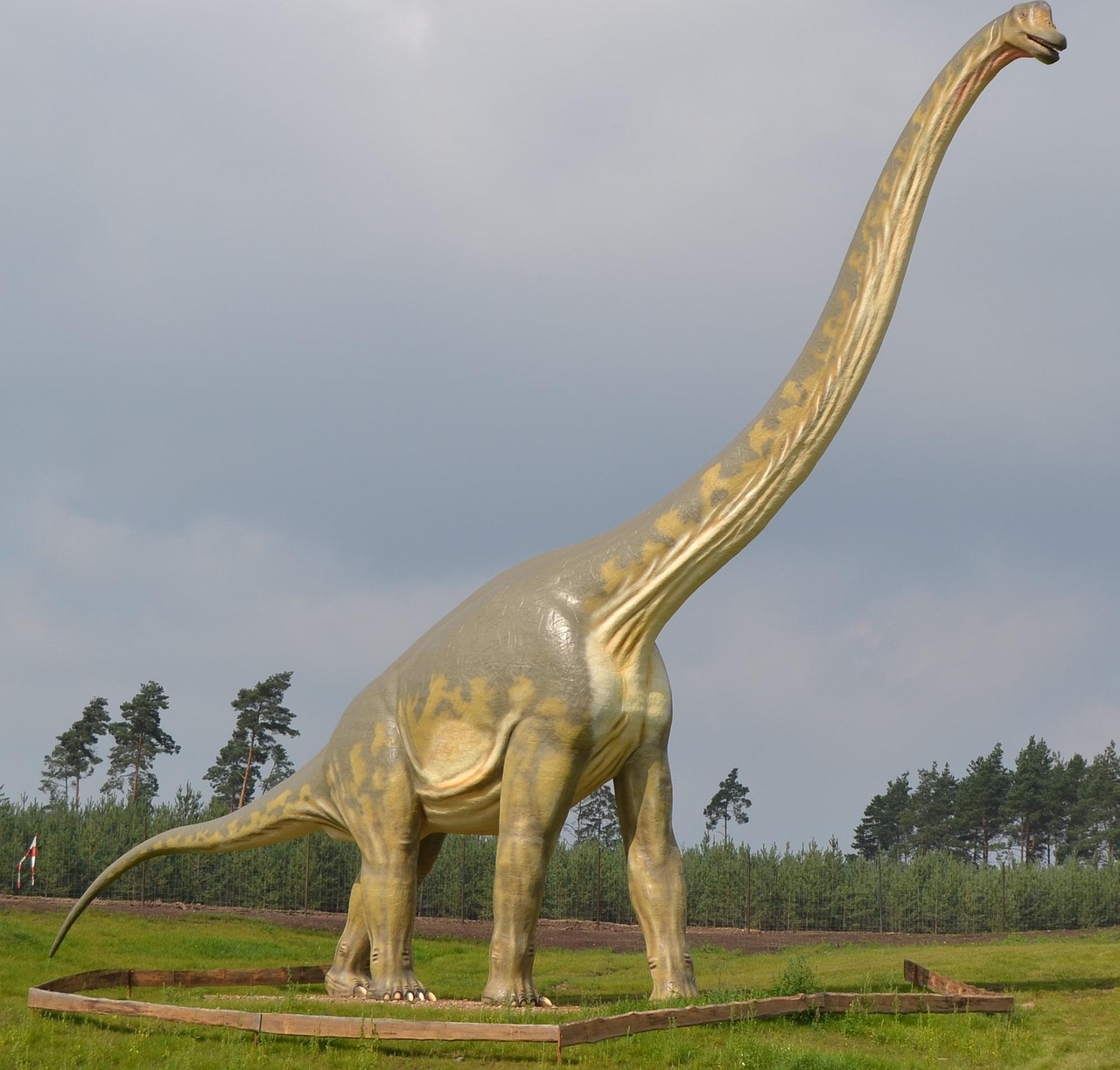
The creature’s 49.5-foot-long neck would have allowed it to stand in one spot and hoover up the surrounding vegetation, maximizing the amount of food it consumed while conserving energy. To power such a large body, sauropods had to be efficient at gathering food, and a sauropod could plant itself in one spot and hoover up surrounding vegetation, conserving energy while taking in tons of food.
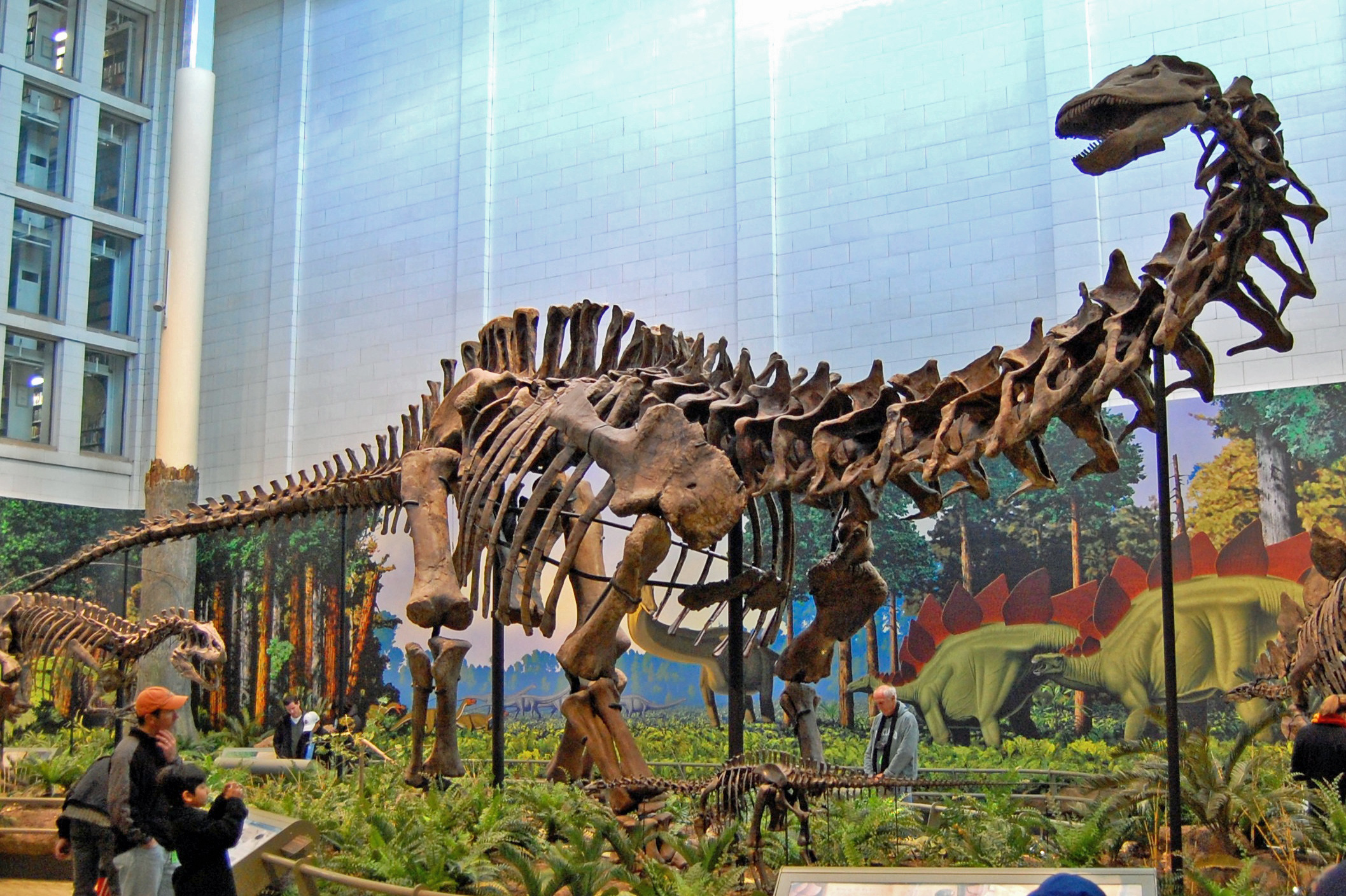
Biomechanical studies suggested the Mamenchisaurid neck was elevated at an angle of about 20 to 30 degrees above the horizontal, but even at this relatively shallow angle, the neck’s extreme length would still mean the animal’s head could reach heights of around 24.6 to 32.8 feet above the ground. This gave them access to vegetation that no other dinosaurs could reach.
Life in Ancient China
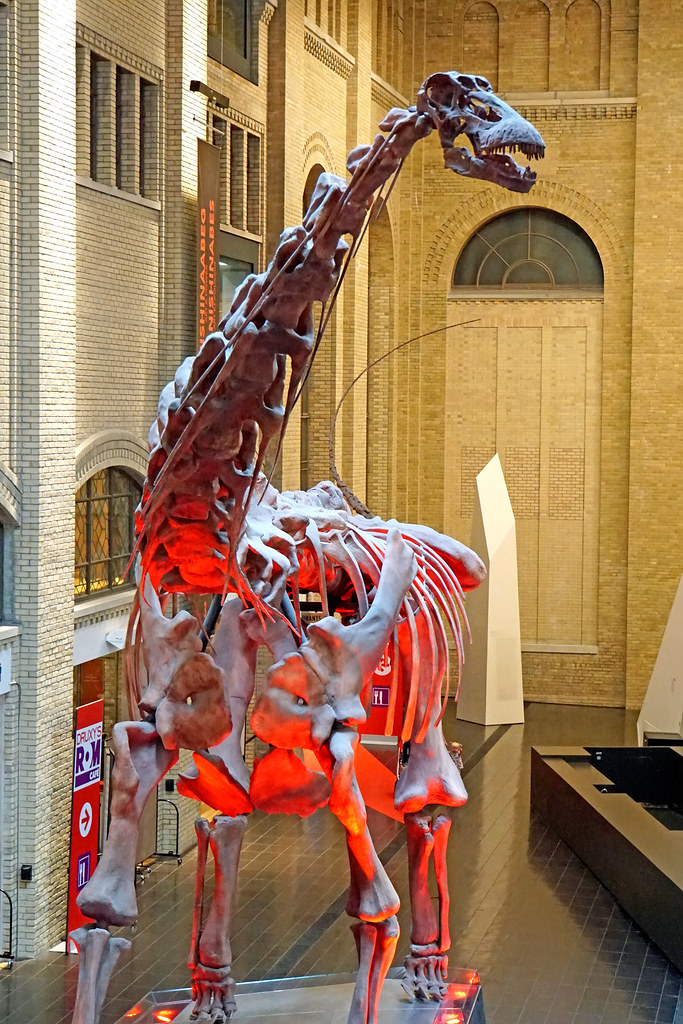
This herbivore thrived in a habitat rich in flora during the Late Jurassic when the climate was warmer and more humid than today, supporting a wide variety of plant species. Mamenchisaurus lived in lush environments filled with vegetation and trees, and during the Jurassic period, many areas of China had warm, humid climates, making it perfect habitat where it enjoyed munching on ferns, cycads, and conifers.
Mamenchisaurus shared its habitat with a variety of other dinosaur species, including predators like the theropod Yangchuanosaurus, and coexisted with other herbivores and a rich biodiversity, including small mammal-like creatures and various avian species. The ecosystem was a complex web of interactions between giants and smaller creatures alike.
Unique Physical Characteristics
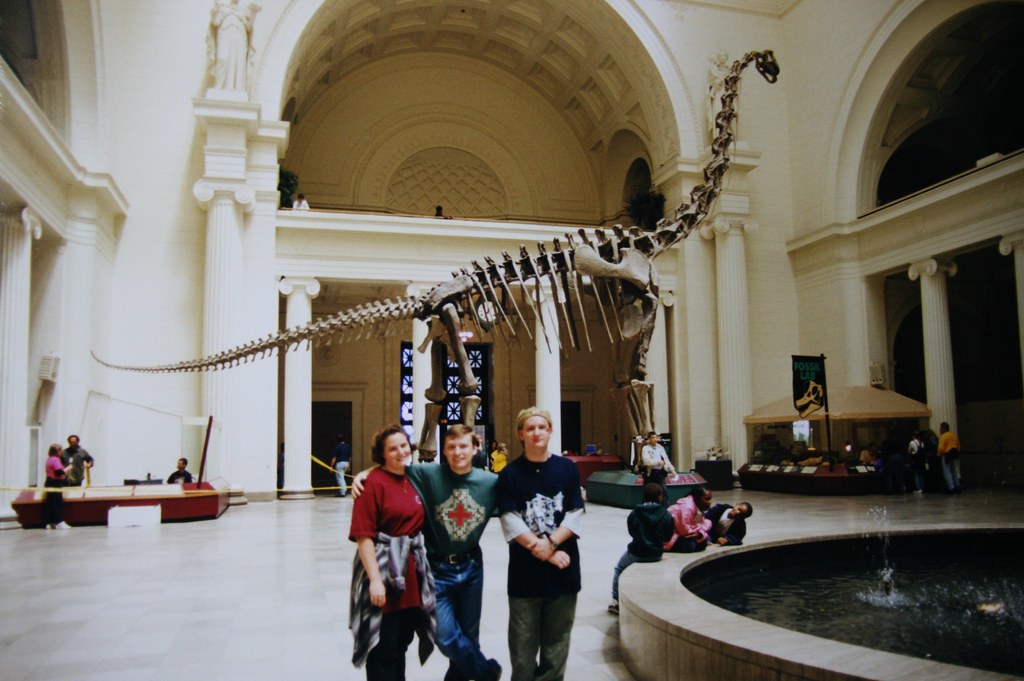
Despite this record-breaking neck feature, Mamenchisaurus sinocanadorum is far from being the largest dinosaur ever discovered due to its relatively small tail and body. The proportions of this creature were unlike anything else in the fossil record.
There is evidence to suggest that Mamenchisaurus did not chew its food, as they had rakelike teeth which were more suited for stripping leaves and possibly tearing the tips off branches. It is theorized that Mamenchisaurus swallowed its entire food whole, using its scoop-like peg tooth formation to simply strip foliage, then its digestive system utilized gastroliths to mulch the fibrous diet.
Mysterious Purpose of Extreme Length
Scientists speculate that these necks were probably for enhanced feeding like other sauropods, but could have also been for sexual display or used for neck-butting contests between males fighting over mates and territory, similar to how giraffes behave today. The exact evolutionary purpose remains one of paleontology’s most intriguing puzzles.
Scientists acknowledge the mechanical challenges, noting that it would require a lot of muscles to hold up a neck that size, and there’s the question of how air gets down to the lungs and back up again, which could support the theory that these necks were sexually selected features. Only the strongest and fittest dinosaurs may have been able to support such impressive displays.
Scientific Impact and Discovery
Mamenchisaurids are important because they pushed the limits on how long a neck can be and were the first lineage of sauropods to do so, with Mamenchisaurus sinocanadorum potentially being a record-holder at least until something longer is discovered. This discovery has revolutionized our understanding of what’s biologically possible.
The finding represents a milestone in paleontology, as Mamenchisaurids were the first lineage of sauropods to push neck length limits, and with a 15-meter-long neck, Mamenchisaurus sinocanadorum might be a record-holder. The research continues to provide fresh insights into the evolution of these magnificent giants.
Conclusion
The story of Mamenchisaurus sinocanadorum reminds us that nature once experimented with designs that seem almost impossible by today’s standards. This extraordinary dinosaur didn’t just have a long neck it possessed the longest neck of any animal that ever lived, stretching the boundaries of physics and biology in ways that still leave scientists amazed.
From the lush forests of ancient China to modern laboratories where paleontologists piece together fragments of the past, this remarkable creature continues to teach us about the incredible diversity of life that once ruled our planet. Among the longest-necked animals known to science, it represents the extreme end of sauropod neck evolution. What other remarkable giants might still be waiting to be discovered in the rocks beneath our feet?