You might think dinosaurs only existed in hot, steamy jungles, lumbering through tropical swamps like something from a Hollywood movie. That’s what most of us picture, right? But imagine this scene instead: a snow-dusted landscape near Circle, where massive duck-billed dinosaurs trudge through winter darkness while feathered predators hunt in the bitter cold. Sounds impossible, yet this was reality over 70 million years ago.
The discovery of polar dinosaurs has completely shattered our understanding of these ancient creatures. We’re not just talking about a few scattered bones either, but entire ecosystems that thrived in conditions that would challenge even modern Arctic animals. So let’s dive into the fascinating world of dinosaurs that called home.
The Shocking Discovery That Changed Everything
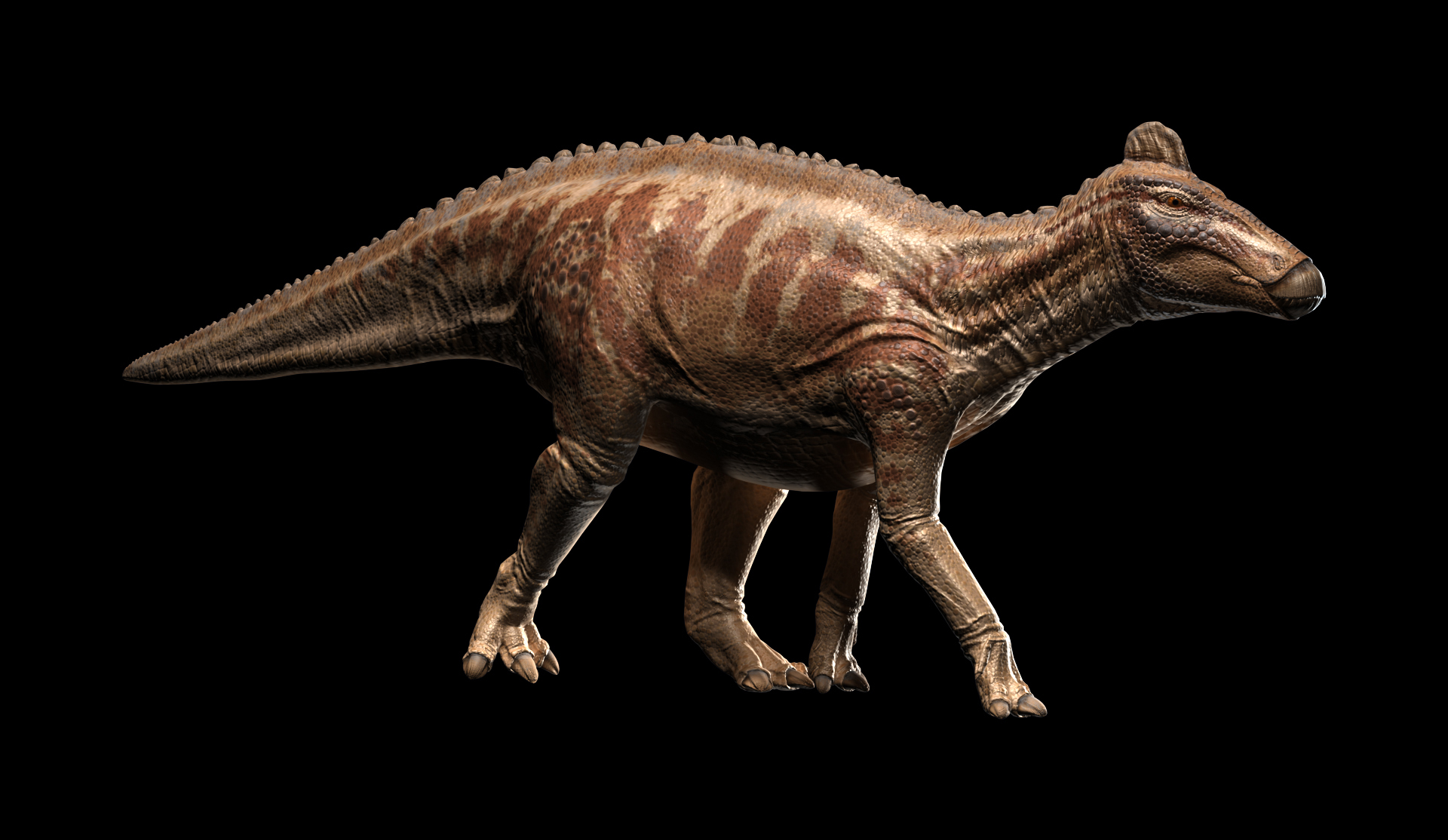
In 1961, it came as a surprise to a geologist mapping rock exposures along the Colville River in Alaska when he found big fossil bones. These fossils weren’t fully studied until the 1980s, when a paleontologist rediscovered them in storage and identified them as belonging to a hadrosaur. This wasn’t supposed to happen. According to everything scientists thought they knew, dinosaurs were cold-blooded reptiles that needed warmth to survive.
Yet here was undeniable evidence that a gentle giant, a 35-foot-long, four-ton, duck-billed plant eater, a member of the Hadrosaur family, found in 70-million-year-old rock, a mere 50 miles from the Arctic Ocean, where temperatures can drop as low as minus-60 degrees Fahrenheit. According to conventional wisdom, it shouldn’t be here, because this is how dinosaurs are typically pictured: cold-blooded reptiles living in tropical climes, not in cold, arctic environments like this one.
When the Arctic Was a Dinosaur Paradise
Before we get too amazed, let’s set the scene properly. During the Mesozoic era, the world was much different than the one we are accustomed to. The overall temperature was far warmer, the amount of carbon dioxide in the atmosphere was likely double what it was today and most crucial for our article, there were no ice caps at the poles. Even so, the polar regions of the Mesozoic were still relatively cold due to the tilt of the earths’ axis. Since places like prehistoric Alaska and Antarctica were located at very high latitudes within the polar circle, they would still experience months without any sunlight as they do today.
Think of it this way: while the global thermostat was cranked up compared to today, physics still ruled. The poles remained chilly, and polar dinosaurs, as they are known, also had to endure prolonged darkness – up to six months each winter. “The moon would be out more than the sun, and it would be tough making a living,” says paleontologist David Weishampel of Johns Hopkins University.
The Tiny Giant with Enormous Eyes
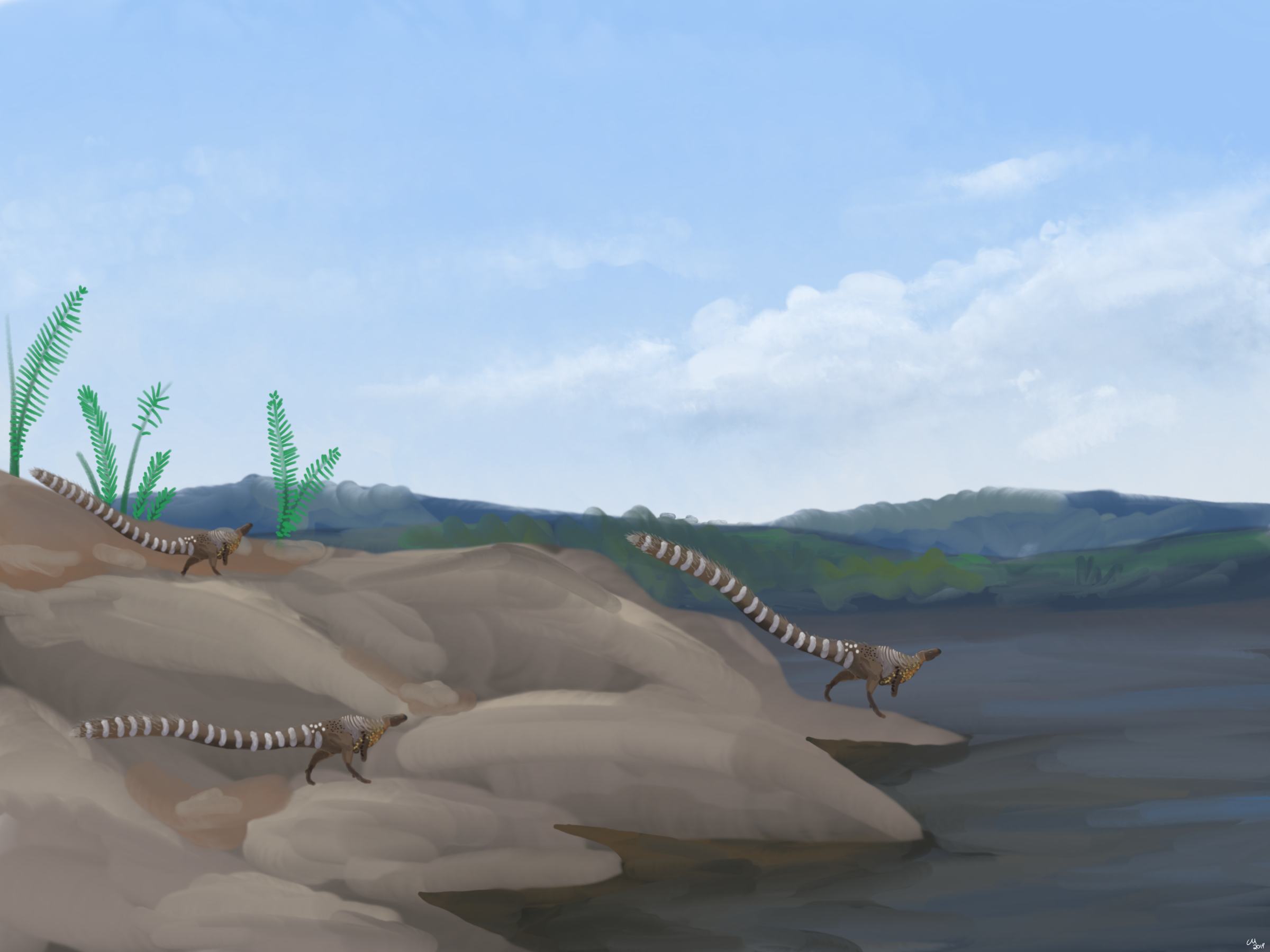
Meet Leaellynasaura, possibly the most adorable dinosaur that ever lived. This little herbivore, roughly the size of a large dog, roamed what is now Australia during the Early Cretaceous. At this period in time, Victoria would have been within the Antarctic Circle. Although this latitude is very cold today, it was significantly warmer during the mid-Cretaceous. Because of the Earth’s tilt, Leaellynasaura and its contemporaries would still have been living under conditions with extended periods of both daylight and night.
Here’s where things get really interesting: this species had enlarged eyes and optic lobes, typical of living animals with good night-vision. These may have been adaptations for surviving the dark polar winters in Victoria during the Early Cretaceous. Imagine living in a world where the sun might not have risen for several weeks or months in the winter, which means that Leaellynasaura would have had to live in the dark for perhaps months at a time.
The Polar Bear Lizard That Ruled the Arctic

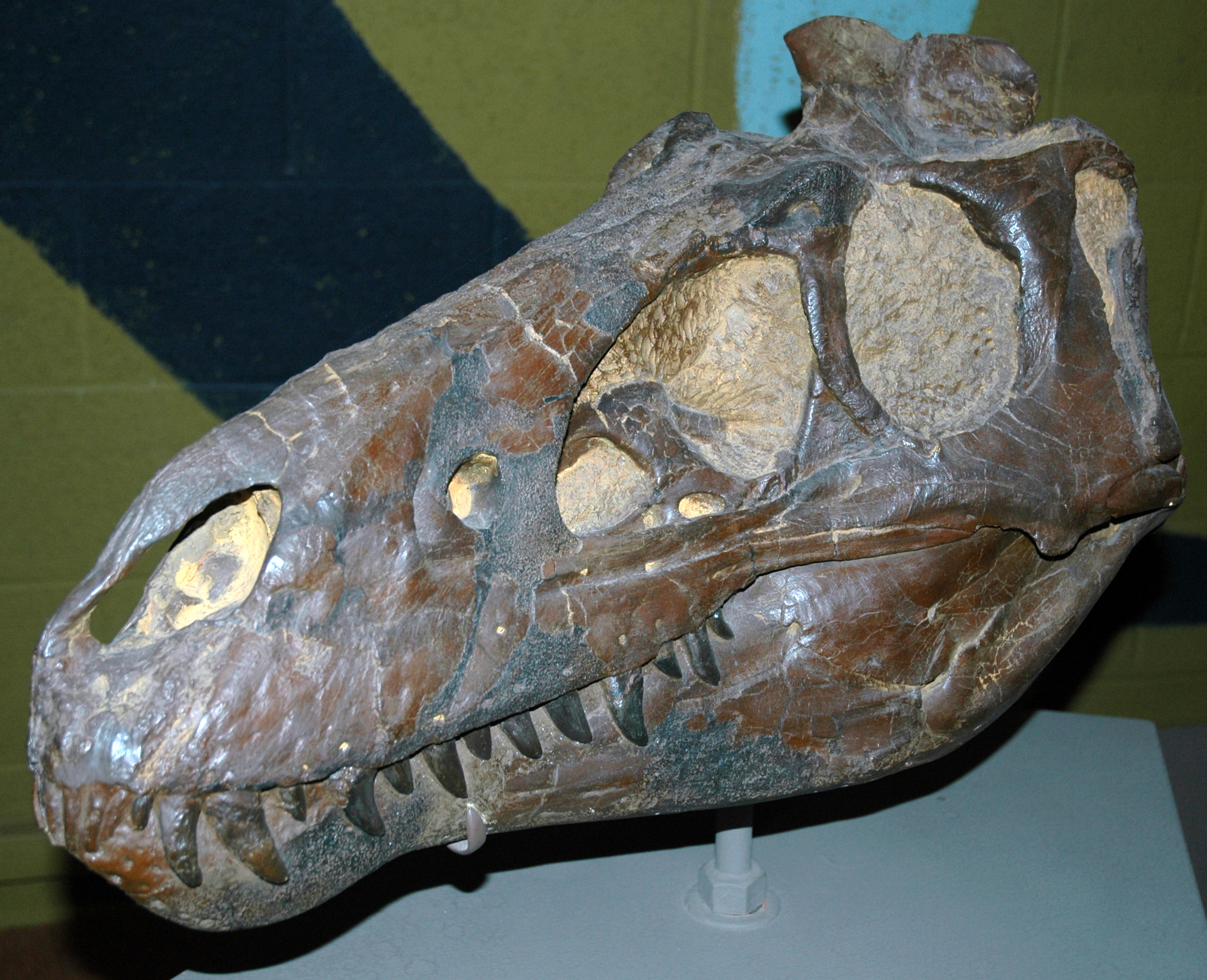
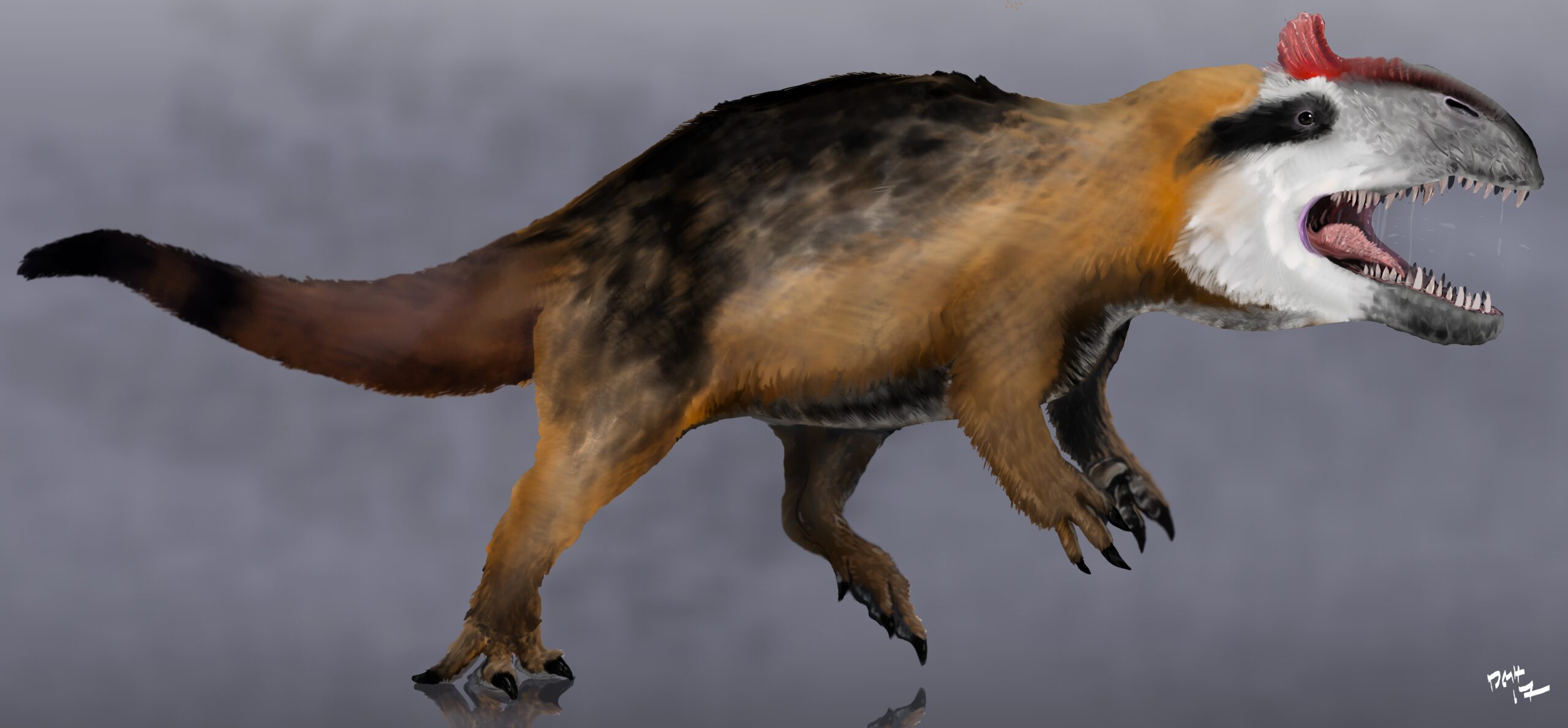
If Leaellynasaura was the cute herbivore of the polar world, then Nanuqsaurus was its fearsome predator. Its name means “polar bear lizard” in the local dialect, which is fitting since it was the apex predator in its environment. It measured only about 20 feet long and weighed around 1,000 pounds, making it much smaller than its more famous cousin, Tyrannosaurus rex.
But what Nanuqsaurus lacked in size, it made up for in adaptation. It may have been covered in a thick, coat of shaggy feathers, helping to insulate this dinosaur from the worst of the winter weather. Picture a T. rex shrunk down to a more manageable size and wrapped in fluffy feathers – that’s essentially what prowled the ancient Arctic. Nanuqsaurus, whose name means “polar bear lizard,” might have been blanketed in white, fluffy feathers for warmth and camouflage. It charges the herd, scattering some of the members in panic.
How They Survived Six Months of Darkness
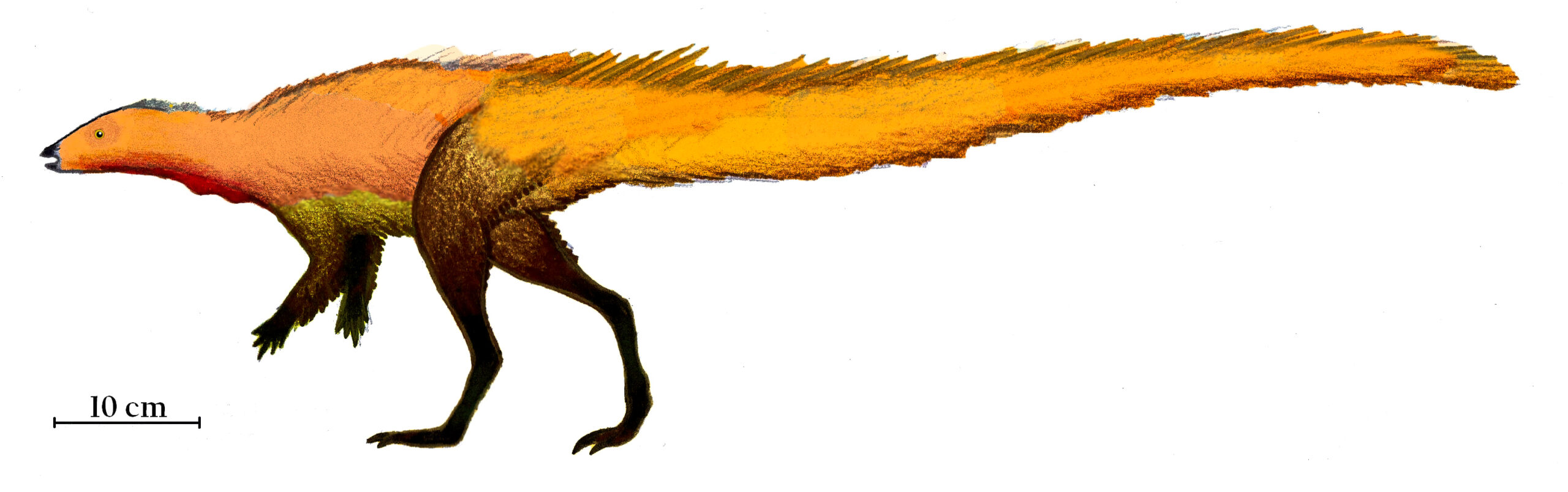
Living through months of continuous darkness sounds challenging enough for modern animals, but how did dinosaurs manage it? The skull of Leaellynasaura has large eye sockets, as do those of other small ornithopods found elsewhere, indicating they were active in lowlight conditions. This dinosaur lived in the southern polar region and during winter the Sun would not have risen above the horizon for weeks on end.
Interestingly, the area would have been surprisingly well lit during the winter, even at night. This is because back then, as well as now, skies over polar areas have natural light displays, called aurora, and the snow reflects these as well as the light of the moon. Some polar dinosaurs developed super-sized eyes to take advantage of every photon of available light.
The Giant Feathered Hunters
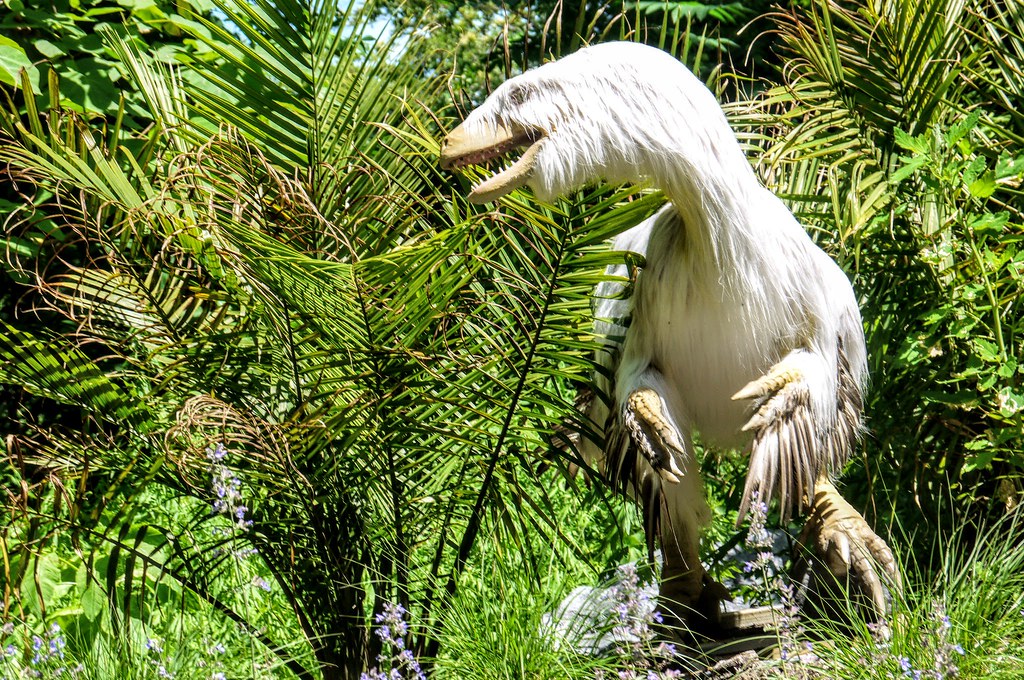
And like other members of its extended family, the Troodontidae, it was also probably covered in feathers, which would have helped insulate it against the cold. But there was something else that these Arctic Troodon had that their southern relatives didn’t that allowed them to survive– large bodies. The teeth of Troodon from the Arctic are about twice as big as those of Troodon from farther south. So instead of being about two meters long, Arctic Troodon was probably twice that, more like four meters in length.
This is fascinating because it shows evolution working in opposite directions for different species. While Nanuqsaurus got smaller to conserve energy, Troodon got bigger to better survive the cold. The raptor-relative Troodon was a feathery, eight-foot-long dinosaur with large eyes. While rare elsewhere, Fiorillo says, “it is the overwhelmingly abundant theropod dinosaur.” The small-carnivore’s large eyes may have given it an advantage, especially during the dark months.
Underground Bunkers and Woolly Tails
Some Arctic dinosaurs developed truly creative survival strategies. Paleontologists working in southern Australia’s strata have found burrow-like structures from the age of Leaellynasaura, and elsewhere these structures actually contain small, herbivorous dinosaurs. “It’s possible that dinosaurs might have burrowed as a way to escape the cold,” says paleontologist Adele Pentland of the Australian Age of Dinosaurs Museum of Natural History.
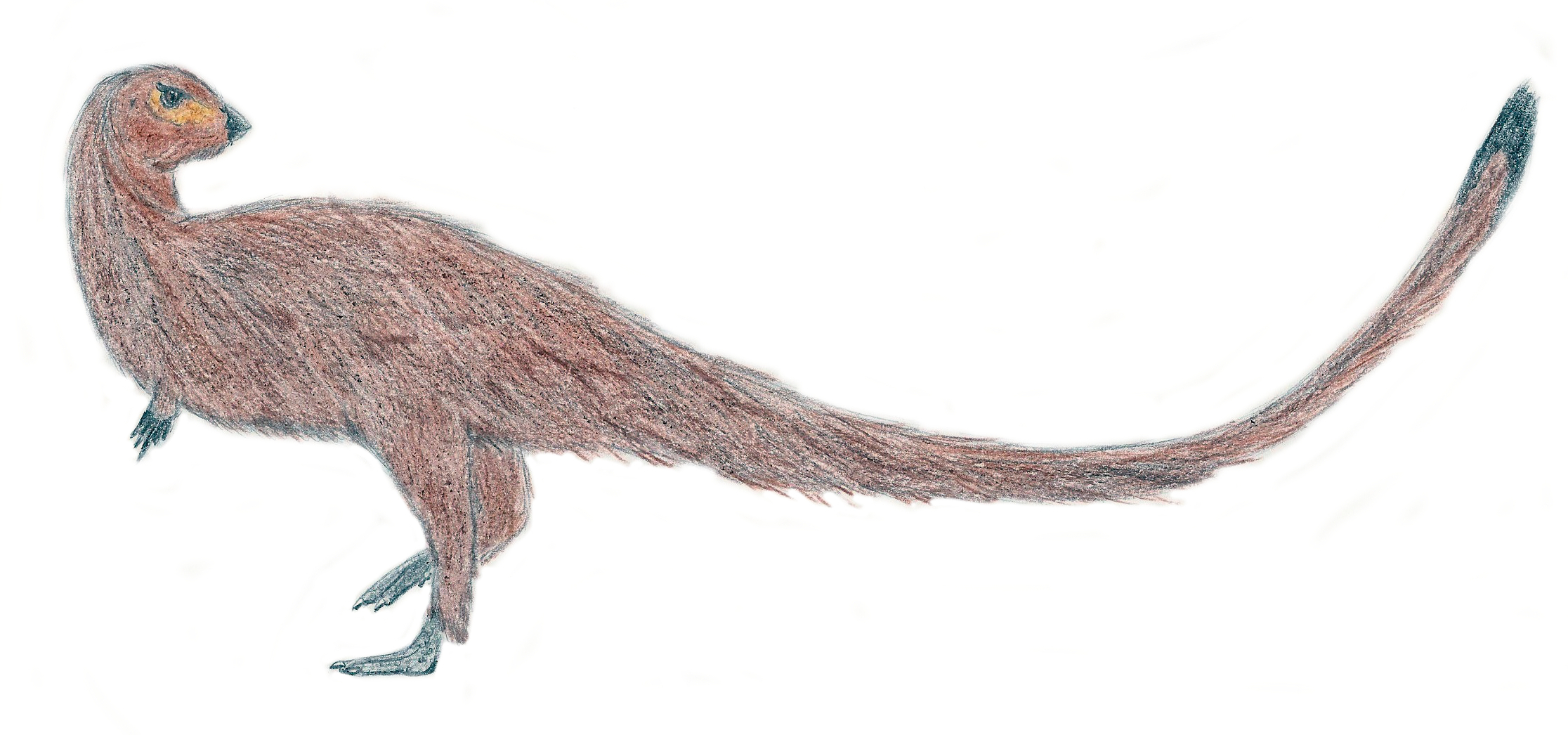
Others may have used their own bodies as portable heating systems. Recent preliminary research suggests that Leaellynasaura might have had a super-long, flexible tail (longer than we have shown in our conservative reconstruction). This dinosaur lived in a polar region, and it is likely it had skin with some sort of hair-like filaments. By wrapping a long and fluffy tail around its body, Leaellynasaura could have endured cold snaps during winter. Like a dinosaur version of an arctic fox!
Warm Blood in a Cold World
The discovery of polar dinosaurs completely revolutionized our understanding of dinosaur physiology. Scientists long believed that dinosaur biology resembled that of cold-blooded reptiles like crocodiles, animals that require warmth to survive and cannot withstand prolonged exposure to temperatures below freezing. But not one crocodile fossil has been found along the Colville, which suggests that polar dinosaurs found a way to adapt to an environment that their cold-blooded cousins couldn’t toler…
If they’re warm-blooded, you can see them surviving in this kind of climate, much as modern mammals and birds do today. Dinosaurs likely had their own unique solution to the body temperature problem, which allowed them to survive for millions of years in the toughest seasonal conditions their world had to offer. They weren’t quite warm-blooded like mammals, but they weren’t cold-blooded reptiles either.
The Insulation Revolution
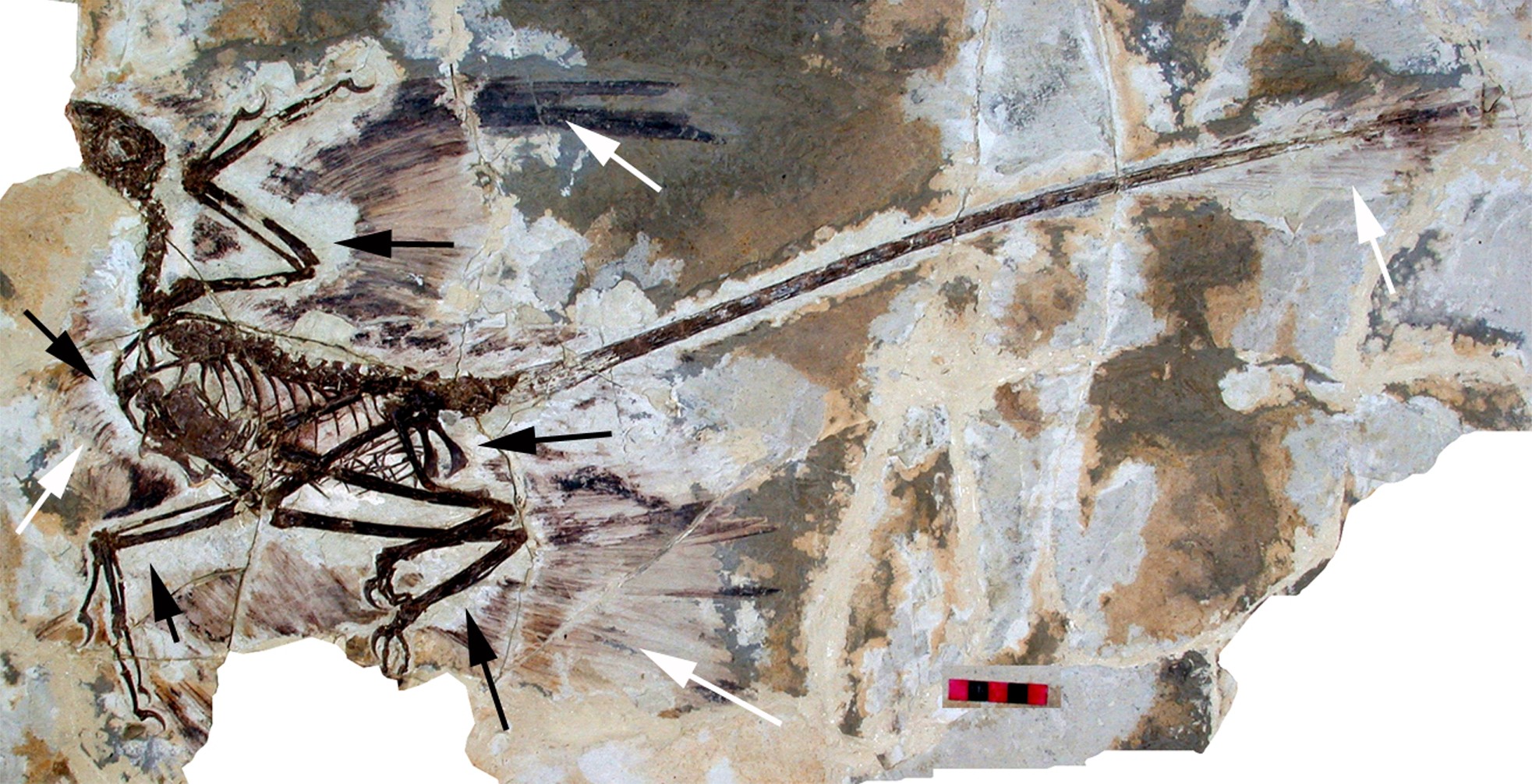
Fossil evidence suggests that dinosaurs living in polar regions were specially suited to live there. They may have had feathers for insulation, or especially thick skin, to withstand the freezing temperatures and high wind. The evidence for feathered dinosaurs keeps growing stronger, especially in polar species.
Phylogenetic bracket analysis shows that non-avian dinosaurs were primitively insulated, enabling them to access rich deciduous and evergreen Arctic vegetation, even under freezing winter conditions. Think about it: while their cold-blooded cousins like crocodiles were stuck in tropical regions, feathered dinosaurs could march right into the Arctic and set up shop. Some species likely developed insulating layers of fat or feathers. While direct evidence of feathers is rare in Arctic dinosaur fossils, related species are known to have had feathery coverings.
The fossil record reveals an incredible diversity of Arctic dinosaurs. The 70 million-year-old rock of Alaska’s Prince Creek Formation contains the fossils of horned dinosaurs, tyrannosaurs, duckbilled dinosaurs, raptors and more that lived with Circle. The Antarctic Circle wasn’t the only place to host chill-adapted dinosaurs. The 70 million-year-old rock of Alaska’s Prince Creek Formation contains the fossils of horned dinosaurs, tyrannosaurs, duckbilled dinosaurs, raptors and more that lived with Circle.
These types of dinosaurs could withstand the cold and dark months. But long-necked, plant-eating dinosaurs called sauropods that lived at the same time are missing from the same sites, which suggests that they were not able to survive or adapt to the colder environments. It wasn’t that all dinosaurs could handle the cold – only certain groups had the right stuff.
The End of an Ice Age Dynasty
Despite all their remarkable adaptations, the polar dinosaurs couldn’t survive the ultimate test. Being adapted for life still couldn’t save these dinos. They became extinct, along with the other non-avian dinosaurs about 66 million years ago during the extinction event at the end of the Cretaceous Period. They were already used to harsh conditions and low-quality diets. But the worldwide effects of the asteroid impact and volcanism that caused the K-Pg extinction probably pushed these animals to their breaking point.
Ironically, some scientists think studying polar dinosaurs might help us understand why the extinction was so complete. Rich says that the lives of polar dinosaurs can help researchers understand why dinosaurs went extinct after the impact. The catastrophe had to have been long and severe enough to kill off the dark- and cold-adapted animals. If creatures already adapted to months of darkness and freezing temperatures couldn’t survive, it tells us just how devastating that asteroid impact really was.
Conclusion
The story of Arctic dinosaurs completely rewrites the narrative we thought we knew. These weren’t sluggish, cold-blooded reptiles confined to steamy jungles. They were adaptable, possibly warm-blooded creatures that conquered some of Earth’s most challenging environments. That they spanned all areas of the Earth, even the polar regions, is a testament to their adaptability. And they did it with the help of evolutionary strategies that resemble those of animals that live there today, changing their diets and acquiring body sizes that helped them optimize their energy use. Just goes to show that in a similar environment, if it was a good adaptation before, it will still probably be a good adaptation millions of years later.
From tiny Leaellynasaura with its enormous eyes to feathered Nanuqsaurus stalking through Arctic forests, these polar pioneers prove that life finds a way to thrive in the most unlikely places. What do you think – could you have survived alongside these incredible Arctic dinosaurs? Share your thoughts in the comments below.