

The world of paleontology has been rocked by numerous cases of fraudulent dinosaur fossils throughout history. From ambitious hoaxes to innocent misidentifications, these fake dinosaur remains have sometimes fooled experts and the public alike. While the scientific community has developed increasingly sophisticated methods to authenticate fossil discoveries, some remarkable cases of dinosaur forgeries have left lasting impressions on our understanding of prehistoric life. This article explores seven notable instances where supposed dinosaur discoveries turned out to be elaborate fakes, highlighting the intersection of science, ambition, and, occasionally, deliberate deception.
The Infamous Piltdown Man Hoax
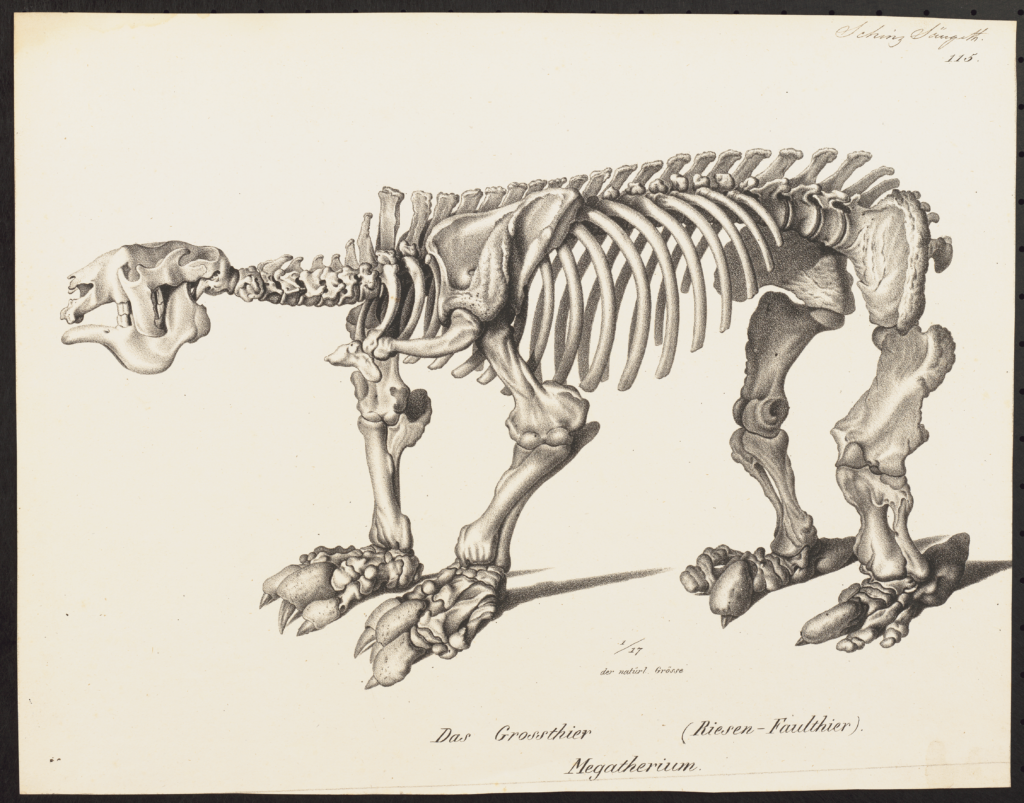
While not strictly a dinosaur, the Piltdown Man deserves mention as perhaps the most notorious paleontological fraud in history. Discovered in 1912 in England, this supposed “missing link” between humans and apes was constructed from a modern human skull and an orangutan’s jawbone. The perpetrator, believed to be amateur archaeologist Charles Dawson, skillfully aged the bones with chemicals and filed down the teeth to make them appear authentic. For nearly 40 years, Piltdown Man was accepted as legitimate before modern testing techniques finally exposed the fraud in 1953. This case demonstrates how even the scientific community can be misled when a forgery aligns with prevailing theories of the time, as many British scientists were eager to prove human evolution had roots in England.
The Archaeoraptor Chimera
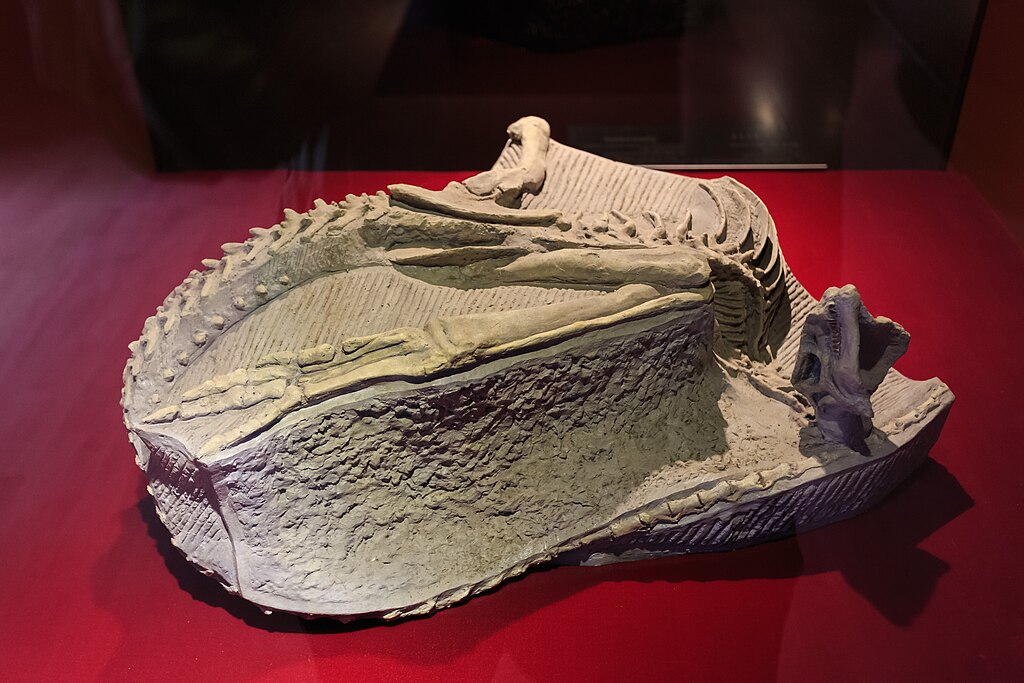
In 1999, National Geographic made a splashy announcement about a remarkable fossil allegedly discovered in China that showed a creature with the body of a bird and the tail of a dinosaur. Dubbed “Archaeoraptor liaoningensis,” the specimen seemed to provide perfect evidence of the evolutionary link between dinosaurs and birds. However, within months, the fossil was revealed to be a composite created from unrelated specimens. The body belonged to an ancient bird, while the tail came from a small dromaeosaurid dinosaur. This embarrassing incident was the result of fossil poachers gluing together fragments from different specimens to increase the selling price. The forgery was eventually exposed when scientists noticed inconsistencies in the fossil’s structure, highlighting the problems that can arise when specimens enter scientific study through commercial markets rather than proper excavations.
The Iguanodon “Horn” Misinterpretation
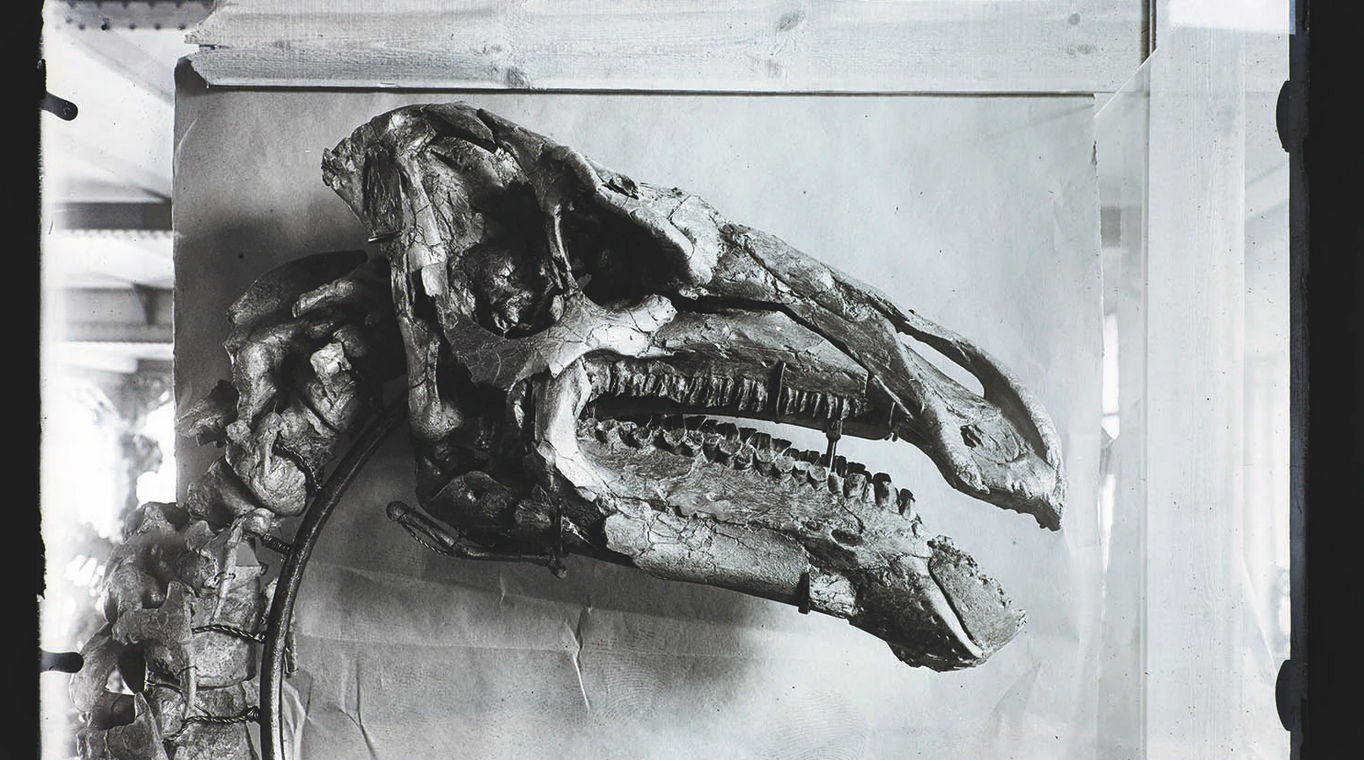
One of the earliest dinosaur identification errors occurred with Iguanodon, first discovered in the 1820s by British geologist Gideon Mantell. Based on fragmentary remains, Mantell initially believed a conical bone was a horn that sat on the creature’s nose, similar to a rhinoceros. This misinterpretation led to decades of inaccurate depictions of Iguanodon with a horn-like projection. It wasn’t until more complete specimens were found in the 1870s that paleontologists realized this “horn” was a specialized thumb spike that the dinosaur likely used for defense or foraging. While not a deliberate fake, this case demonstrates how incomplete fossil evidence can lead to dramatic misinterpretations of prehistoric animals. The original reconstruction stood as “fact” for nearly fifty years before being corrected.
The “Missing Link” Dinosaur Bird from China

During the fossil boom in China in the late 1990s and early 2000s, numerous fake or altered fossils entered both private collections and scientific institutions. One particularly egregious example was a supposed “feathered dinosaur” that made its way to a European museum. Upon careful examination, researchers discovered that real feather impressions had been artificially added to an authentic dinosaur skeleton. The forgers had carefully carved out impressions in the surrounding rock and inserted actual bird feathers, which they then covered with a thin layer of adhesive and rock dust. This sophisticated forgery was created to capitalize on the high prices commanded by feathered dinosaur specimens after legitimate discoveries in China’s Liaoning Province had revolutionized our understanding of dinosaur-bird connections. The forgery was only discovered when microscopic analysis revealed the modern nature of the feather material.
The Brontosaurus Mix-Up
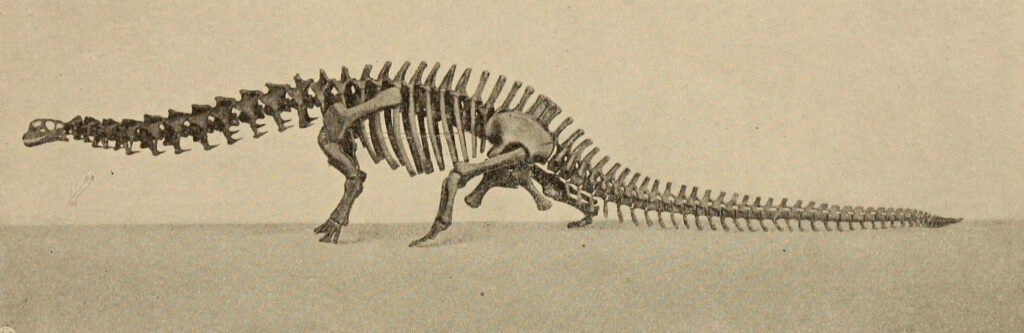
The Brontosaurus saga represents one of paleontology’s most famous cases of misidentification, though it was an honest scientific error rather than deliberate fraud. In 1879, paleontologist O.C. Marsh described a new dinosaur he named Brontosaurus excelsus. However, in 1903, scientists determined that the Brontosaurus was the same dinosaur as the previously discovered Apatosaurus, with Marsh having mistakenly placed the wrong skull on an Apatosaurus skeleton. For decades, Brontosaurus was considered merely a junior synonym of Apatosaurus, effectively “fake” as a distinct species. Interestingly, a comprehensive 2015 study analyzing multiple specimens suggested that Brontosaurus might indeed be distinct from Apatosaurus after all, potentially rehabilitating this iconic dinosaur’s status. This case illustrates how scientific understanding evolves as new evidence and analytical methods become available.
The “Dragon Bones” of Zhucheng
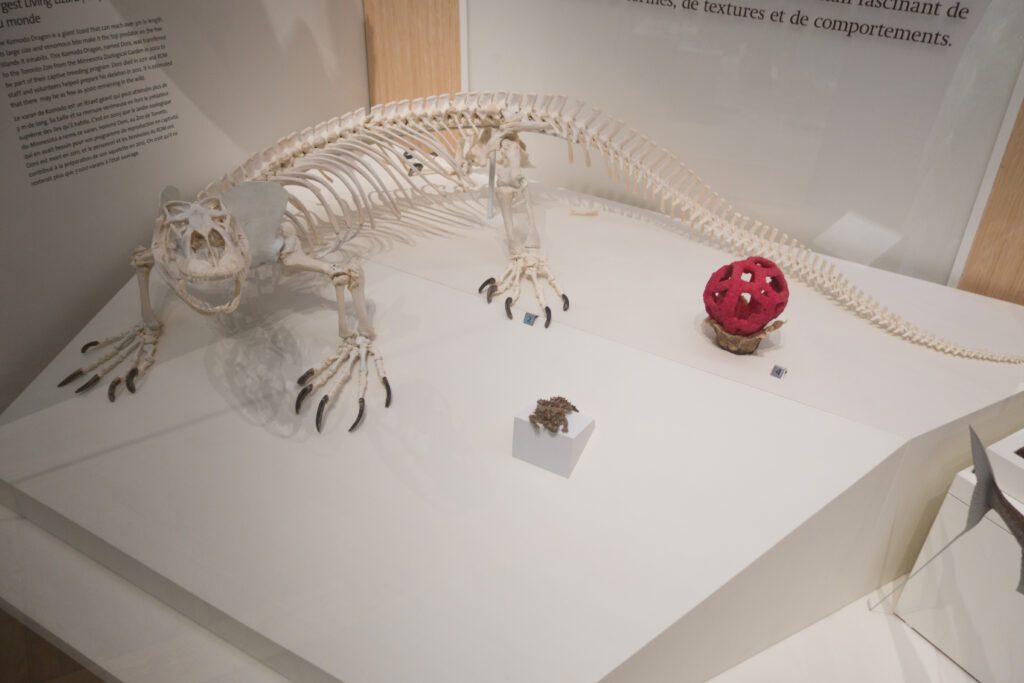
In China’s Shandong Province, particularly around the city of Zhucheng, locals had for centuries been uncovering what they believed were “dragon bones” with medicinal properties. These bones were ground into powder and used in traditional Chinese medicine for various ailments. In reality, many of these were genuine dinosaur fossils from the Late Cretaceous period. However, the market demand led to a thriving trade in fake “dragon bones,” with fraudsters creating convincing replicas using various animal bones or carved stones. When paleontologists began seriously studying the region in the mid-20th century, they discovered both legitimate dinosaur remains (including significant hadrosaurid fossils) and numerous forgeries in circulation. Some of these fakes had even made their way into respected collections before modern authentication methods exposed them. This case demonstrates how cultural beliefs can influence the interpretation and handling of fossil discoveries.
The Paluxy River “Man Tracks”

In the limestone beds along the Paluxy River in Texas, alleged human footprints were discovered alongside dinosaur tracks in the 1930s. These “man tracks” were seized upon by creationists as evidence that humans and dinosaurs coexisted, contradicting the established scientific timeline of evolution. However, detailed scientific investigation revealed these supposed human footprints were either misidentified dinosaur tracks, erosion patterns, or, in some cases, deliberate carvings made to resemble human footprints. Some very dinosaur tracks where the dinosaur’s heel had made a deeper impression while the toe marks had eroded, creating an oval shape resembling a human footprint. Despite being thoroughly debunked by the scientific community, these fake human tracks continue to appear in some creationist literature as purported evidence against evolutionary theory, showing how fake fossil claims can persist for ideological reasons.
How Modern Science Detects Fossil Forgeries

Today’s paleontologists employ sophisticated techniques to authenticate fossil specimens and detect potential forgeries. Chemical analysis can determine if bones have undergone the mineralization process consistent with their purported age. Microscopic examination reveals cellular structures that are difficult to fake, while CT scanning and X-ray fluorescence can identify inconsistencies in density or composition that might indicate tampering. Experts also carefully examine the matrix (surrounding rock) to ensure it matches the supposed fossil’s geological context. Additionally, paleontologists now routinely use provenance research to trace a specimen’s discovery and handling history before accepting it for scientific study. These rigorous authentication protocols have been developed in response to the history of fossil forgeries and have made modern paleontology significantly more resistant to fraudulent specimens.
The Market Forces Behind Dinosaur Fakes

The commercial value of dinosaur fossils has created powerful incentives for forgery in recent decades. With complete T. rex skeletons selling for millions of dollars and even fragmentary specimens commanding high prices, the financial motivation to create convincing fakes is substantial. This commercial pressure has led to various types of forgeries, from completely fabricated specimens to genuine fossils that have been “enhanced” to appear more complete or spectacular. The problem is particularly acute in regions with rich fossil deposits but limited economic opportunities, where local fossil hunters may resort to forgery to meet market demand. Auction houses, museums, and private collectors have been victims of sophisticated fakes that required expert examination to debunk. The high-profile sale of “Sue” the T. rex for $8.36 million in 1997 helped fuel a market where rare specimens command astronomical prices, inadvertently creating a lucrative environment for forgers.
Famous Museums and Their Fake Fossils

Even the world’s most prestigious natural history museums have not been immune to displaying fake fossils. New York’s American Museum of Natural History discovered in the 1990s that several prized specimens in their dinosaur hall contained significant reconstructed elements that weren’t identified to the public. London’s Natural History Museum had to re-evaluate parts of their collection after modern scanning techniques revealed previously undetected forgeries and composite specimens that had been accepted as authentic. The Field Museum in Chicago maintains a special collection of known fakes for educational purposes, showing how forgeries have evolved. These institutions have now implemented strict authentication protocols and are more transparent about which parts of displayed specimens are original fossils versus reconstructions. Many museums now use different coloration or textures for reconstructed elements in their displays, helping visitors understand what they’re seeing when they admire a “complete” dinosaur skeleton.
The “Dinosaur Egg” Industry
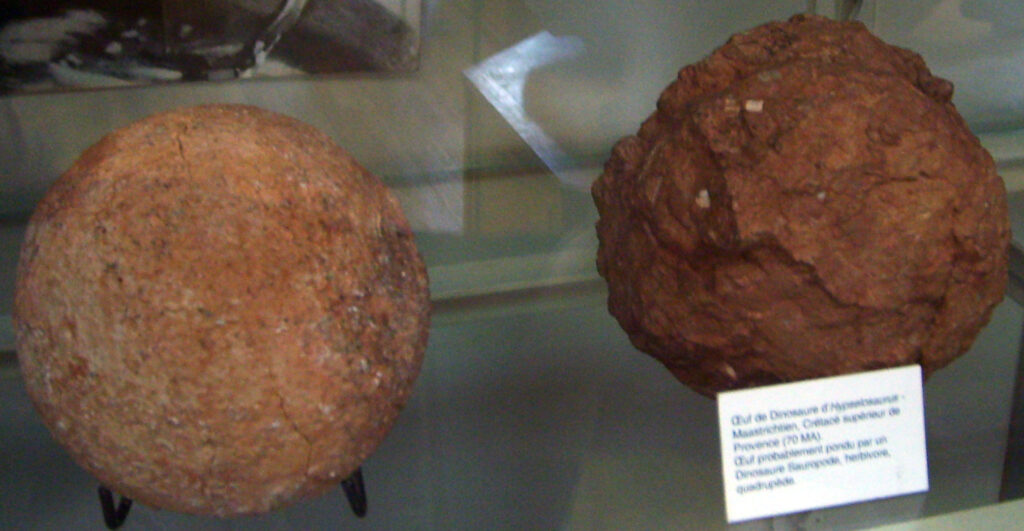
Purported dinosaur eggs represent one of the most commonly faked fossil items on the commercial market. Real dinosaur eggs are relatively rare and can sell for tens of thousands of dollars, creating a lucrative opportunity for forgers. Many fake “dinosaur eggs” are geodes, concretions, or modern eggs that have been artificially aged and textured to resemble fossilized specimens. Some sophisticated fakes even include fabricated embryonic material inside when cracked open. The problem became so pervasive that in the early 2000s, experts estimated that over 90% of supposed dinosaur eggs for sale to tourists and collectors in places like Morocco, China, and Argentina were forgeries. Legitimate dinosaur eggs have distinctive shell structures visible under microscopic examination and come from specific geological formations with well-documented dinosaur nesting sites. Unfortunately, most purchasers lack the specialized equipment and knowledge to authenticate their specimens properly.
Lessons Learned from Fossil Forgeries

The history of fake dinosaur fossils has taught the scientific community valuable lessons about evidence verification and research protocols. Most reputable scientific journals now require detailed provenance information and multiple authentication methods before publishing studies on significant new fossil discoveries. The embarrassment caused by high-profile hoaxes like Archaeoraptor has led to more cautious approaches when announcing potentially revolutionary finds. The paleontological community has also developed stronger ethical guidelines regarding fossil acquisition, with many researchers refusing to study specimens that may have been illegally excavated or exported. Additionally, these incidents have highlighted the importance of public science literacy, as understanding how scientific knowledge is built and revised helps people better evaluate sensational fossil claims. Perhaps most importantly, these forgeries remind us that science is self-correcting—while frauds may temporarily mislead, the process of scientific scrutiny eventually uncovers the truth.
Lessons from History: How Fake Fossils Shaped Paleontology

Throughout paleontological history, fake dinosaur fossils have appeared repeatedly, driven by academic ambition, financial gain, or simple misunderstanding. While these forgeries have sometimes temporarily misled scientists and the public, they have ultimately strengthened the field by promoting more rigorous authentication methods. Today’s paleontologists approach discoveries with a healthy skepticism informed by this history of deception. As our techniques for detecting forgeries continue to improve, we can be increasingly confident in the authenticity of the fossils that shape our understanding of Earth’s prehistoric past. The story of fake dinosaur bones serves as a reminder that in science, extraordinary claims require extraordinary evidence—a principle that helps separate genuine discoveries from fascinating frauds.