
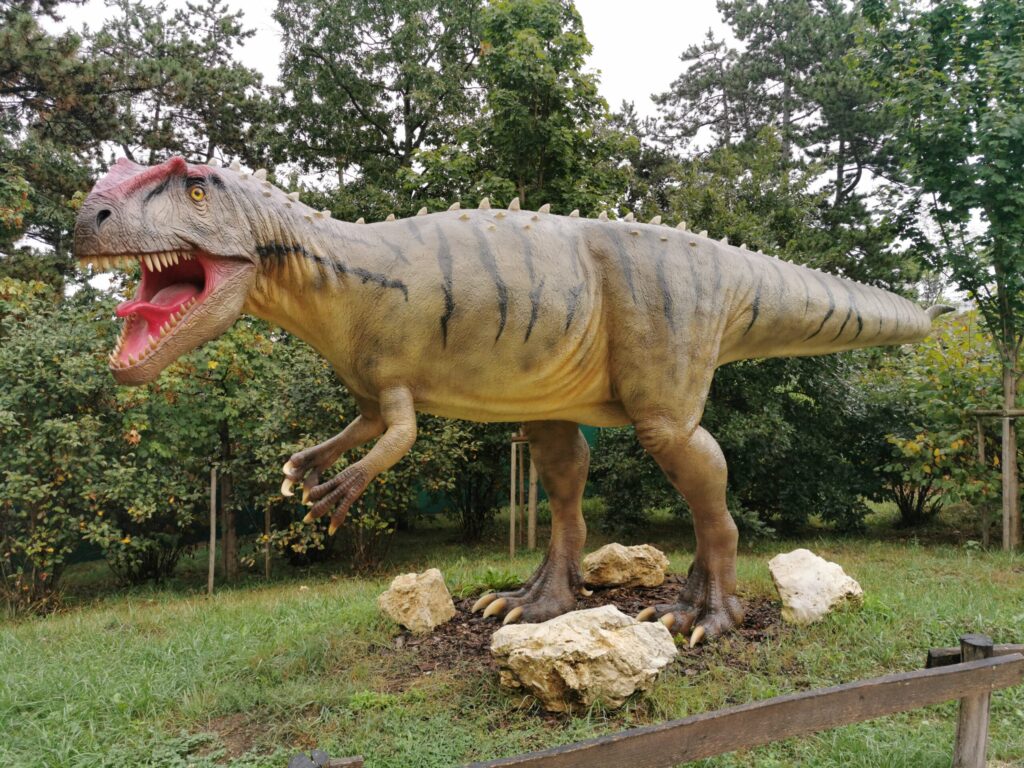
The mighty Tyrannosaurus rex stands as one of paleontology’s most iconic figures—a testament to nature’s evolutionary prowess and a window into Earth’s distant past. Despite its current celebrity status in museums worldwide, the fossil record of the T. rex represents a remarkable stroke of luck in preservation. The journey from living apex predator to scientific marvel traversed millions of years of geological processes that nearly erased all evidence of this magnificent creature.
This article explores the remarkable story of the Tyrannosaurus rex, from its dominance in the late Cretaceous ecosystem to the fortuitous circumstances that allowed its remains to survive into the modern era, giving us crucial insights into one of history’s most formidable predators.
The King’s Brief Reign: T. rex in the Late Cretaceous
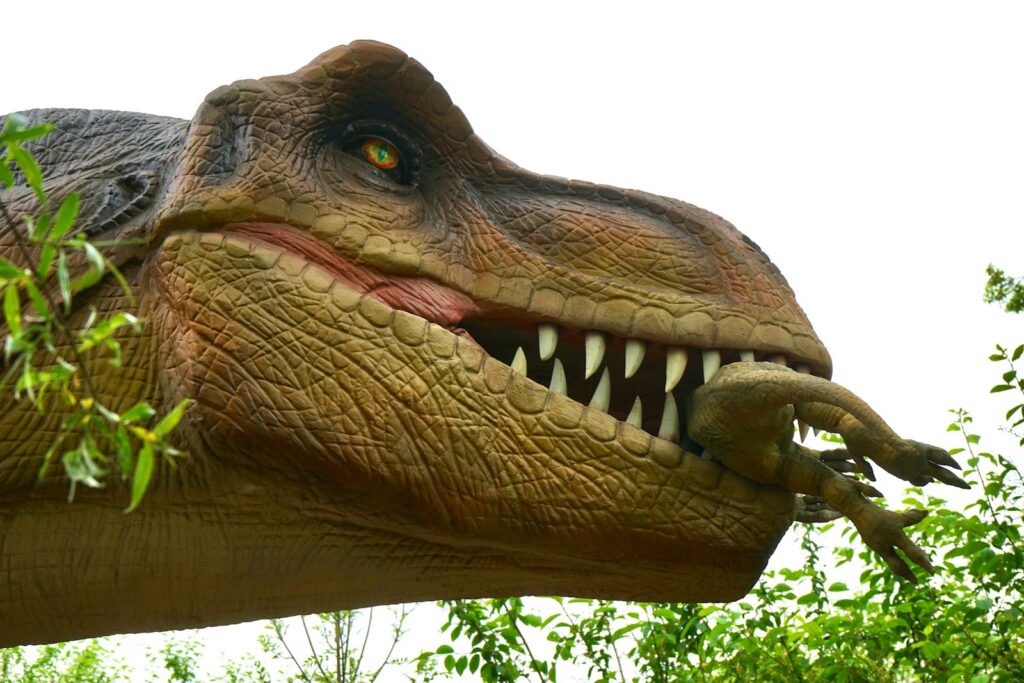
Tyrannosaurus rex dominated the North American landscape during the final 2 million years of the Cretaceous period, approximately 68 to 66 million years ago. This relatively short evolutionary window represents mere moments in geological time, yet the T. rex established itself as the apex predator of its ecosystem. Standing up to 12-13 feet tall at the hip and measuring up to 40 feet from snout to tail, an adult T. rex commanded respect through sheer physical presence.
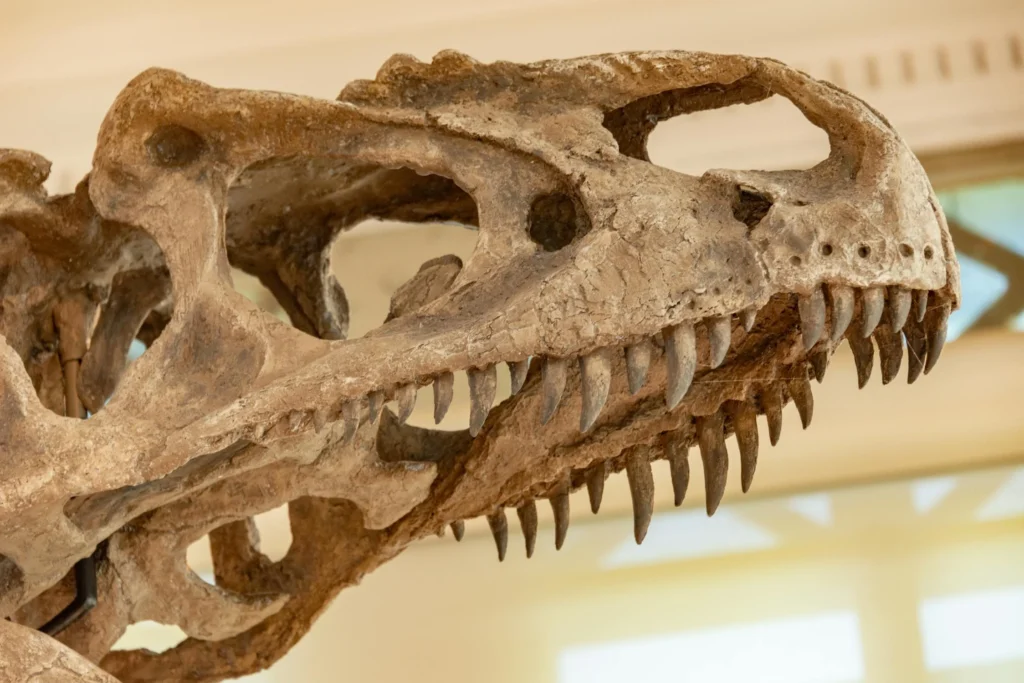
Its massive skull, which could exceed five feet in length, housed some of the largest teeth of any terrestrial carnivore, with some measuring over 12 inches, including the root. These fearsome creatures lived in what is now western North America, particularly in areas that would later become Montana, Wyoming, the Dakotas, and parts of Canada—landscapes that were then lush, warm lowlands quite different from today’s terrain.
Anatomical Marvels: The Biological Engineering of T. rex
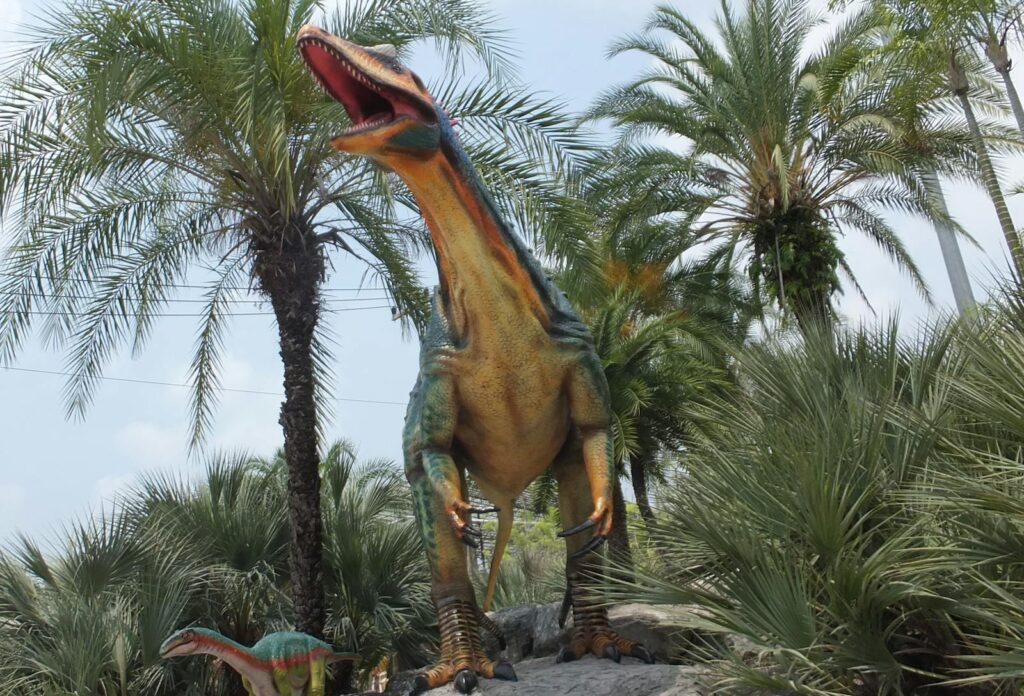
The tyrannosaurus rex’s anatomy represents a masterpiece of evolutionary adaptation for predation. Its massive head was balanced by a long, heavy tail that served as a counterweight, while its powerful hind limbs enabled surprising mobility for an animal of its size. The forelimbs, famously small in proportion to its body, contained just two fingers but were surprisingly muscular, potentially useful for grasping struggling prey.
Perhaps most impressive was its bite force, estimated at up to 12,800 pounds, allowing it to crush bone with ease—a capability evidenced by coprolites (fossilized feces) containing pulverized bone fragments. The T. rex’s sensory systems were equally formidable, with large olfactory bulbs suggesting an exceptional sense of smell and forward-facing eyes providing depth perception crucial for hunting. Its brain, while not massive relative to body size, showed development in areas associated with sensory processing, suggesting a predator more sophisticated than early paleontologists imagined.
The Preservation Paradox: Why Fossils Are Rare
Fossilization represents one of nature’s rarest phenomena, requiring a precise sequence of events to occur shortly after death. For preservation to happen, an animal must be rapidly buried in sediment, protecting the remains from scavengers, bacterial decomposition, and weathering. The burial environment must then contain the right mineral content to replace organic materials through a process called permineralization, essentially turning bone to stone over thousands of years.
For large animals like T. rex, the odds diminish further as larger carcasses are more likely to be scavenged or decompose before burial can occur. Large predators face additional statistical challenges simply because they exist in smaller numbers within ecosystems—while a single T. rex might prey upon hundreds of herbivorous dinosaurs, the predator population necessarily remains smaller than its prey base. These factors combine to make any T. rex fossil discovery a remarkable stroke of paleontological fortune.
Barnum Brown: The Man Who Introduced the T. rex to Science
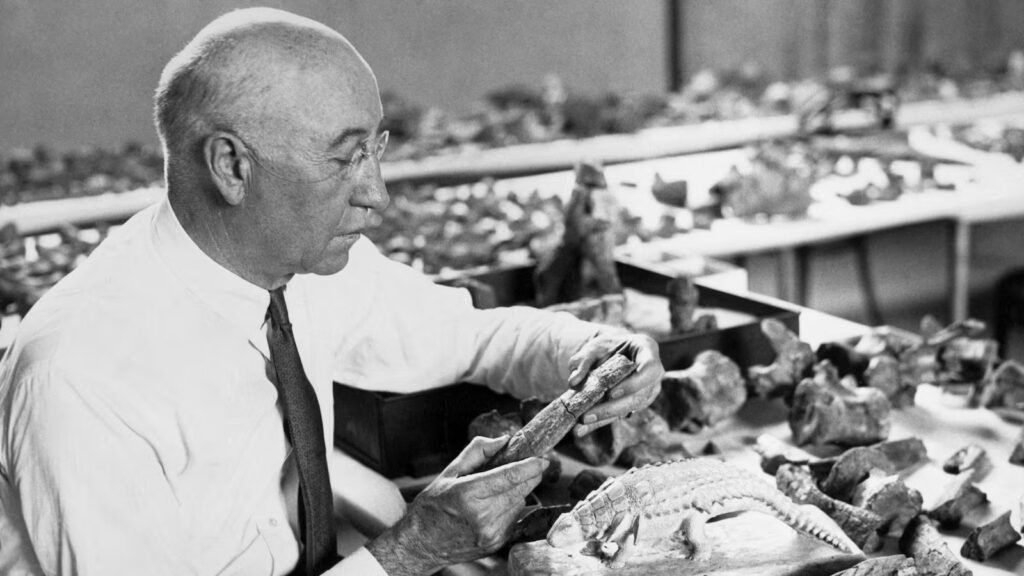
The scientific unveiling of Tyrannosaurus rex begins with Barnum Brown, often called “the greatest dinosaur hunter of all time,” who discovered the first partial T. rex skeleton in 1900 in eastern Wyoming. Working for the American Museum of Natural History, Brown initially identified the remains as belonging to a large carnivorous dinosaur but didn’t yet recognize it as a new species. In 1902, Brown discovered a more complete specimen in Montana’s Hell Creek Formation, which would become the holotype (name-bearing specimen) for the new species.
Henry Fairfield Osborn, the museum’s president, officially named and described Tyrannosaurus rex—meaning “tyrant lizard king”—in 1905, launching the creature into scientific recognition. Brown’s discoveries were revolutionary, as large theropod fossils had been exceedingly rare until that point, with most known dinosaurs being herbivorous species. His work established the T. rex as not just another dinosaur but as the most terrifying predator of the Mesozoic Era in the public imagination.
Sue: The Most Complete T. rex Ever Found
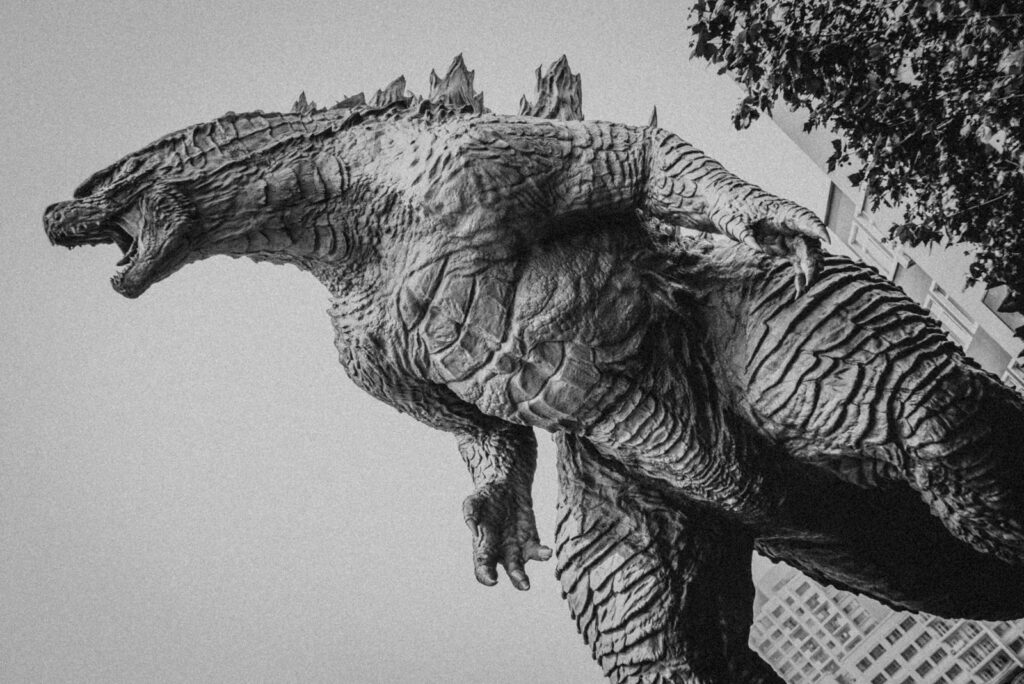
The discovery of “Sue” in 1990 represents a watershed moment in T. rex paleontology, providing scientists with the most complete T. rex skeleton ever found. Named after discoverer Sue Hendrickson, who spotted the fossil protruding from a cliff face in South Dakota, this remarkable specimen includes about 90% of the original skeleton. Sue’s discovery sparked a contentious legal battle over ownership before ultimately being purchased by the Field Museum of Chicago for $8.36 million in 1997—a record sum for a fossil at that time.
Standing 13 feet tall at the hip and measuring 40.5 feet long, Sue provides unprecedented insights into T. rex anatomy. The skeleton reveals numerous injuries and pathologies, including healed broken ribs, leg bones, and tailbones, along with evidence of a severe infection in the jaw called osteomyelitis. These pathological features offer a glimpse into the harsh realities of survival for even the most formidable predator of its time, while the skeleton’s completeness has allowed scientists to refine their understanding of T. rex proportions, muscle attachments, and overall biology.
Taphonomic Luck: How T. rex Fossils Survived
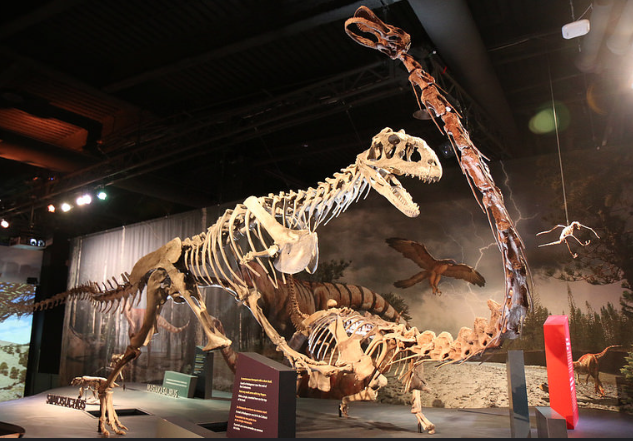
The survival of T. rex fossils into the modern era represents an extraordinary sequence of fortunate preservation events. Many known T. rex specimens appear to have died near rivers or in floodplains, where rapid burial under sediment shielded their remains from decomposition and scavenging.
Some specimens show evidence of having been buried during flooding events that deposited fine sediments capable of preserving delicate anatomical details. The Hell Creek Formation, where many T. rex fossils have been discovered, represents an ancient environment of rivers, floodplains, and deltas—conditions conducive to rapid burial and fossilization.
The subsequent geological history of these formations also proved fortuitous, as they weren’t subjected to extreme heat or pressure that might have destroyed the fossils through metamorphism. Finally, erosion in the modern era has exposed these fossils at just the right moment for human discovery, rather than eroding them away completely. Each T. rex specimen represents a perfect storm of preservation circumstances spanning 66 million years.
The Rarity Factor: Why So Few Complete Specimens Exist
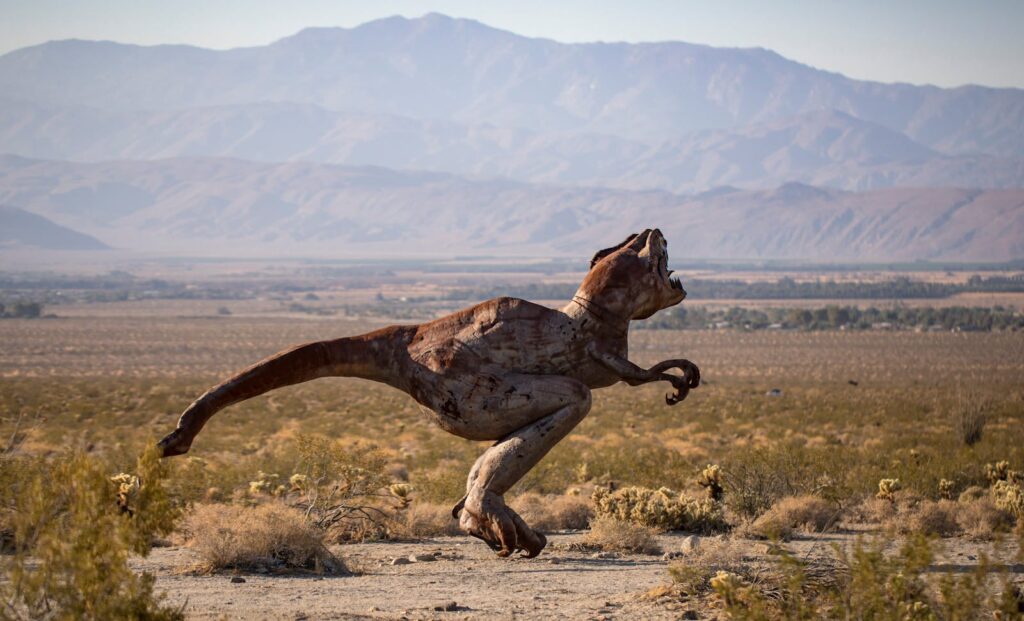
Despite intensive searching in appropriate geological formations across western North America for over a century, fewer than 100 partial T. rex specimens have been discovered, with only a handful approaching completeness. This rarity stems from multiple factors beyond the general challenges of fossilization. As apex predators, T. rex existed in relatively small populations compared to herbivorous dinosaurs, creating a numbers disadvantage from the start. Their large size worked against preservation, as bigger carcasses take longer to bury completely and are more likely to be dismembered by scavengers or water currents before fossilization can occur.
Additionally, the turbulent geological history of western North America, with its mountain building, erosion, and glaciation, has destroyed countless potential fossils over the millennia. Even when fossilization occurred, many specimens remain inaccessible, buried too deeply for discovery or situated on private land where excavation may be prohibited. Each museum-quality T. rex represents a nearly miraculous convergence of biological, geological, and historical circumstances.
Scientific Controversies: Scavenger or Predator?

One of paleontology’s most heated debates has centered on whether T. rex functioned primarily as an active predator or as a scavenger of already-dead animals. The controversy ignited in earnest during the 1990s when some paleontologists suggested that the T. rex’s massive size and seemingly proportionally tiny arms might have made it too slow to chase down prey effectively. Proponents of the scavenger hypothesis also pointed to the T. rex’s enormous olfactory bulbs, suggesting they evolved to detect carcasses from great distances.
However, more recent evidence strongly supports the T. rex as a capable predator. Biomechanical studies indicate it could reach speeds of 10-25 mph—sufficient to overtake many potential prey species. Fossil evidence, including healed T. rex bite marks on herbivorous dinosaurs like Edmontosaurus and Triceratops, suggests that these animals survived attacks, something unlikely if T. rex only fed on carcasses. Most modern paleontologists now consider T. rex an opportunistic predator similar to modern large carnivores, capable of both active hunting and scavenging depending on opportunity and need.
Growth Patterns: From Hatchling to Monster
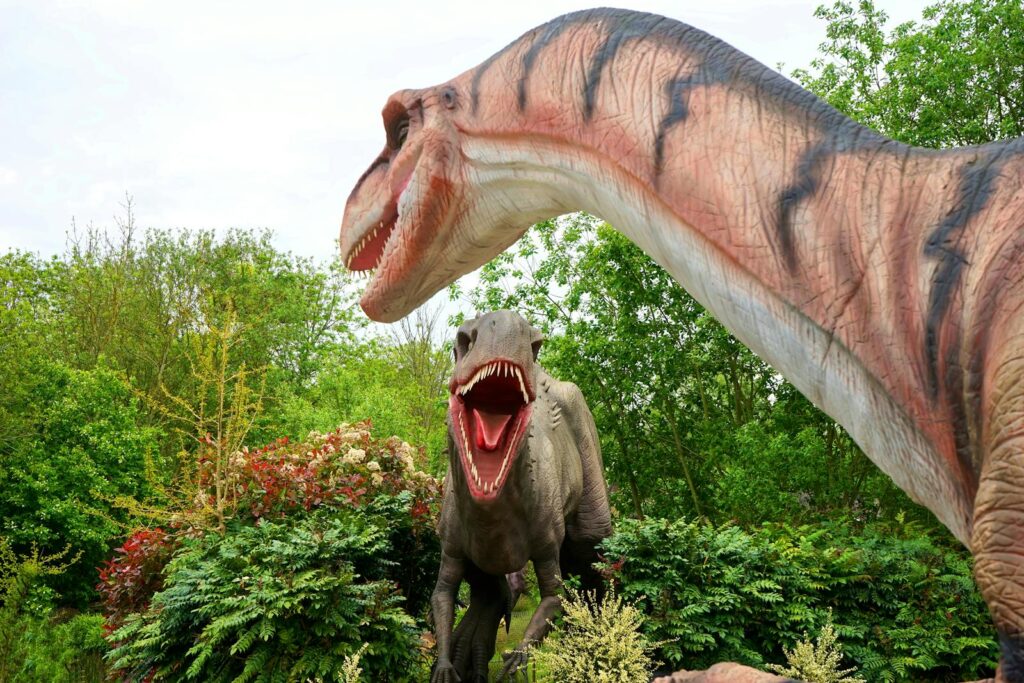
The growth trajectory of Tyrannosaurus rex represents one of the most dramatic transformations among vertebrates, with individuals growing from turkey-sized hatchlings to massive adults exceeding 9 tons. Recent histological studies of T. rex bones reveal growth rings similar to tree rings, allowing scientists to track how quickly these animals grew. During its teenage years, a T. rex experiences an extraordinary growth spurt, gaining up to 4.6 pounds per day and achieving sexual maturity around age 20.
The complete growth cycle from hatchling to full adult size likely took approximately 20-25 years, with maximum size attained around age 30. This rapid growth pattern helps explain the relative scarcity of juvenile T. rex specimens in the fossil record—they simply didn’t spend much time as mid-sized animals, quickly growing through vulnerable intermediate stages.
The dramatic growth also correlates with ecological changes, as juvenile T. rex likely occupied different niches than adults, hunting smaller, faster prey with their proportionally longer legs and more gracile builds before developing into the bone-crushing specialists we typically envision.
Soft Tissue Discoveries: The Impossible Preservation

In 2005, paleontologist Mary Schweitzer made a revolutionary discovery that shook conventional understanding of fossilization limits: soft tissue preserved within a 68-million-year-old T. rex femur. When the bone was demineralized, Schweitzer’s team identified flexible, transparent vessels containing what appeared to be red blood cells and medullary tissue similar to that found in modern birds.
This discovery initially met with skepticism, as conventional wisdom held that organic materials could not survive millions of years of burial. Subsequent research has validated these findings through multiple lines of evidence, including mass spectrometry, identifying the preserved materials as collagen proteins with amino acid sequences matching those predicted for theropod dinosaurs. The preservation mechanism appears to involve iron from hemoglobin, which forms cross-links in tissues in a process similar to tanning leather, helping them resist decomposition.
These extraordinary findings not only provide direct biochemical evidence of dinosaur physiology but also confirm the evolutionary relationship between dinosaurs and birds through protein sequencing. Perhaps most importantly, these discoveries suggest that ancient biomolecules may be far more commonly preserved than previously thought, opening new avenues for exploring extinct life.
Extinction Timing: The Last of the Tyrants

The tyrannosaurus rex vanished from Earth almost precisely at the Cretaceous-Paleogene (K-Pg) boundary 66 million years ago, making it one of the last non-avian dinosaurs to exist before the mass extinction event. The timing is remarkably precise—no T. rex fossils have ever been found in rocks dating after the K-Pg boundary, while specimens have been recovered from layers just 30,000 years before the extinction, a mere eyeblink in geological time.
This temporal precision provides crucial evidence that the T. rex did not gradually decline but rather disappeared abruptly along with roughly 75% of all species on Earth. The Chicxulub asteroid impact in modern-day Mexico’s Yucatán Peninsula triggered this extinction through a cascade of catastrophic environmental effects, including global wildfires, acid rain, and a prolonged “impact winter” that devastated food webs worldwide.
The T. rex’s position at the top of its food chain likely made it especially vulnerable to ecosystem collapse, as the herbivorous dinosaurs it depended upon for food rapidly died off. The extinction of the T. rex represents not just the end of a species but the conclusion of the 165-million-year reign of non-avian dinosaurs as Earth’s dominant land animals.
Modern Technologies Revealing New Secrets

Advanced technological tools are revolutionizing our understanding of T. rex biology in ways early paleontologists could never have imagined. Computed tomography (CT) scanning now allows scientists to examine internal fossil structures without damaging specimens, revealing details about brain case anatomy and sinus systems and even estimating sensory capabilities.
Finite element analysis, a computer modeling technique borrowed from engineering, enables researchers to test biomechanical hypotheses about the T. rex’s bite force, movement capabilities, and structural limitations. Ancient DNA extraction techniques, while not yet successful with dinosaur material, are advancing rapidly and may someday reveal genetic information about these creatures.
Digital reconstruction and 3D printing have enabled researchers to test hypotheses about missing skeletal elements and muscle attachments by physically reproducing alternative configurations. Isotope analysis of tooth enamel now provides insights into the T. rex diet and migration patterns by examining chemical signatures preserved for millions of years.
These technological advances, coupled with new fossil discoveries averaging one or two specimens annually, ensure that our understanding of the T. rex continues to evolve dramatically even as we approach the 120th anniversary of its scientific description.
Cultural Impact: From Museums to Movies
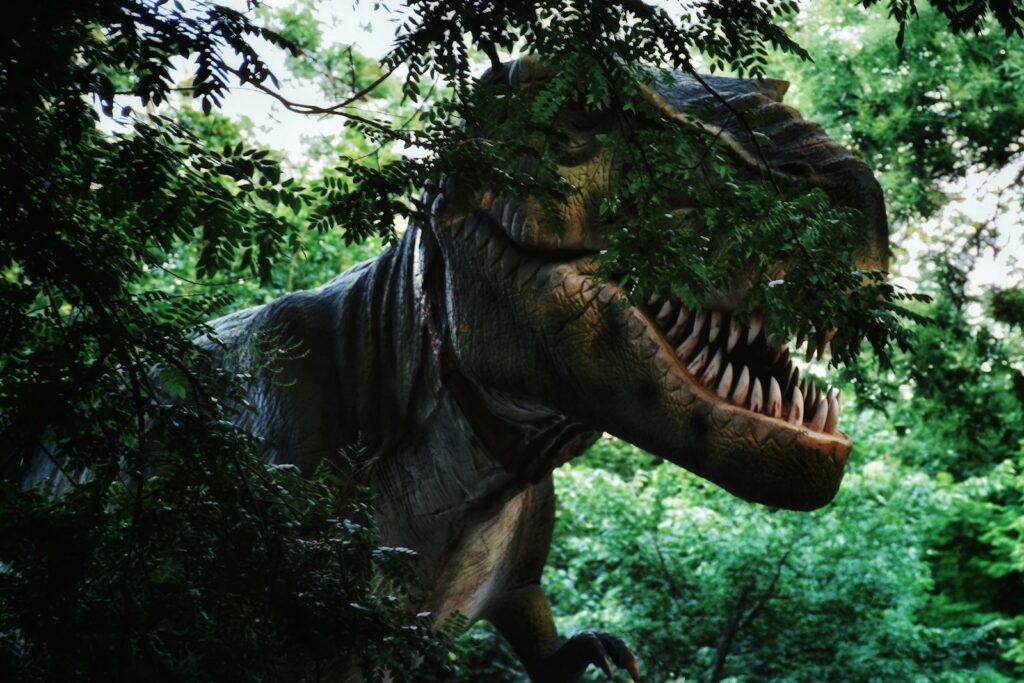
The tyrannosaurus rex has transcended its status as a paleontological specimen to become a cultural icon recognized worldwide, appearing in everything from museum exhibitions to blockbuster films. Since its first public display at the American Museum of Natural History in 1915, the T. rex has consistently drawn record crowds, with museums reporting attendance spikes of 30-50% when featuring new T. rex exhibits.
In cinema, the T. rex has starred in dozens of films spanning a century, from the pioneering stop-motion animation in 1925’s “The Lost World” to its scene-stealing appearances in the “Jurassic Park” franchise. The economic impact extends to merchandise, with T. rex-themed toys, clothing, and collectibles generating billions in revenue annually. Beyond entertainment, the T. rex serves as a “gateway dinosaur,” sparking scientific interest in countless young people who later pursue careers in paleontology, geology, and biology.
This cultural ubiquity creates a positive feedback loop for science: public fascination drives funding for new expeditions and research, which yield new discoveries that further captivate the public imagination. Few scientific subjects bridge the gap between specialist knowledge and popular culture as effectively as this iconic predator.
Conclusion
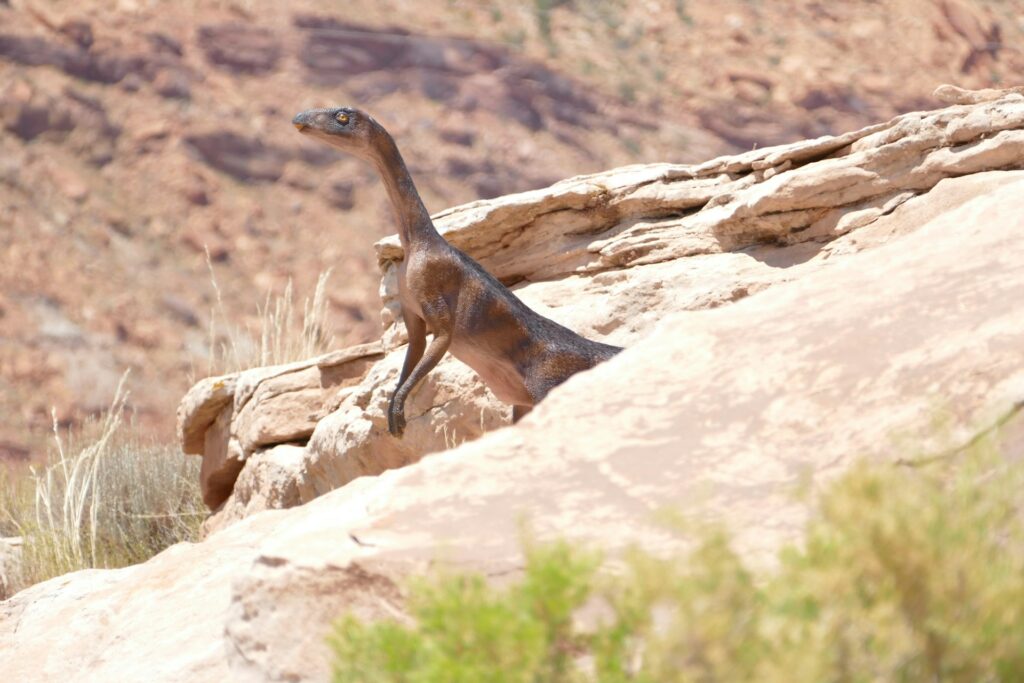
The tyrannosaurus rex’s journey from living predator to scientific icon represents one of paleontology’s most remarkable stories. Despite the astronomical odds against fossilization and preservation over 66 million years, enough specimens have survived to give us a window into the biology and behavior of this magnificent creature.
Each T. rex skeleton in a museum represents not just a scientific treasure but a statistical miracle—a perfect confluence of death near a suitable burial environment, rapid sedimentation, appropriate mineral conditions for fossilization, and geological stability for millions of years, followed by just the right amount of erosion at precisely the time humans developed the scientific capacity to recognize and appreciate these remains.
As new technologies and discoveries continue to refine our understanding of T. rex, we’re reminded that our knowledge of Earth’s past depends entirely on these rare preservational flukes. Perhaps that’s part of what makes dinosaur paleontology so compelling—the recognition that we’re privileged to glimpse any details at all of these magnificent animals that dominated our planet for so long.