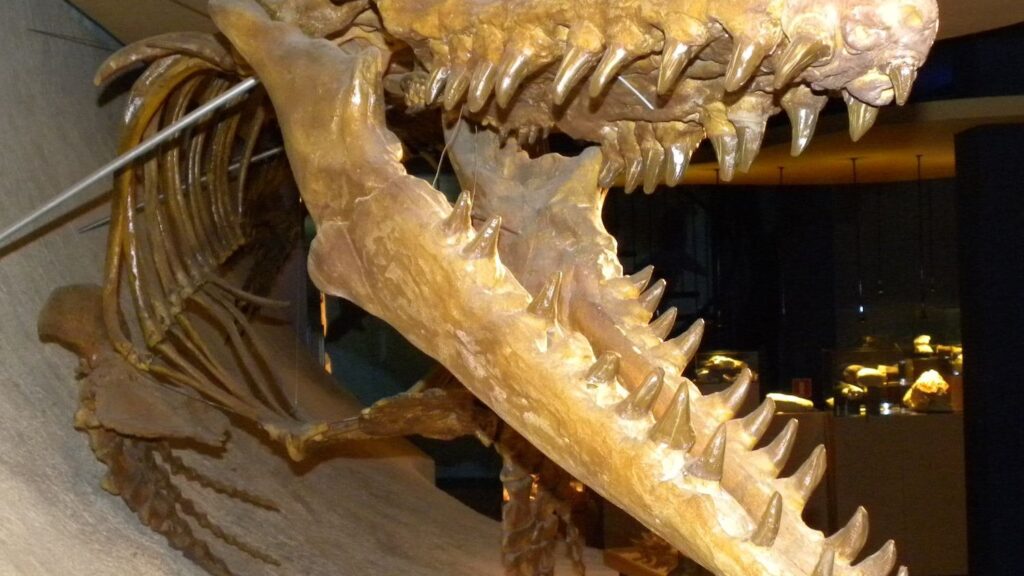
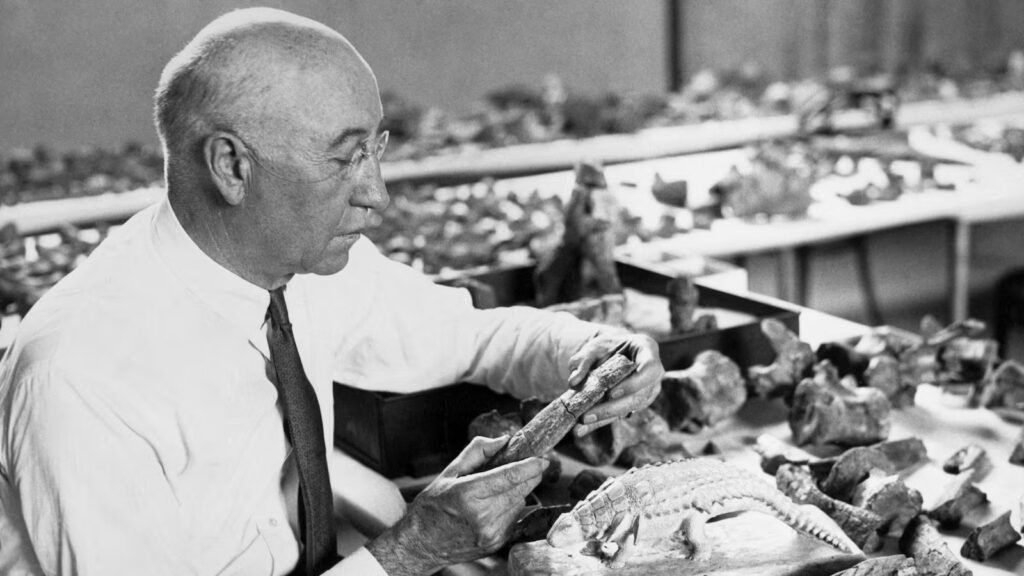
Deep in the prehistoric landscapes of the Late Cretaceous period, approximately 70 million years ago, roamed one of the most bizarre dinosaurs ever discovered: the Therizinosaurus. With its massive three-foot-long claws, peculiar body structure, and unexpected dietary preferences, this dinosaur continues to fascinate paleontologists and dinosaur enthusiasts alike. Nicknamed the “scythe lizard,” Therizinosaurus presents a fascinating paradox – a creature bearing some of the most intimidating natural weapons ever evolved, yet primarily using them for peaceful plant gathering rather than predation. This article explores the enigmatic nature of this prehistoric giant, from its unusual physical characteristics to its ecological role and the ongoing scientific detective work that continues to reveal new insights about this remarkable creature.
The Discovery and Naming of Therizinosaurus
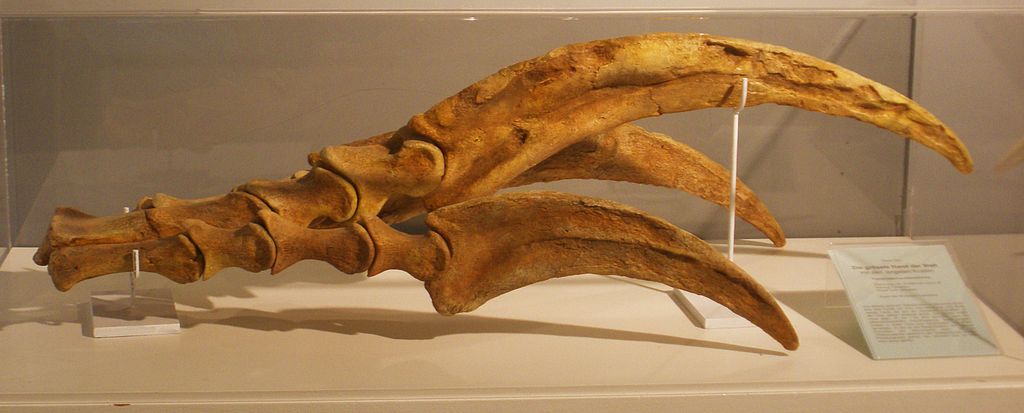
The first Therizinosaurus fossils were unearthed during a joint Soviet-Mongolian expedition to the Gobi Desert in 1948, though the significance of the find wasn’t immediately understood. Initially, paleontologists discovered only the creature’s massive claws, which were so unusual that scientists temporarily misidentified them as ribs from a giant turtle. The genus name “Therizinosaurus” derives from the Greek words “therizo” meaning “to reap” or “to scythe,” and “saurus” meaning “lizard,” directly referencing its most distinctive feature. It wasn’t until additional fossil discoveries in the 1970s that scientists began to piece together a more complete picture of this unusual dinosaur. Even today, Therizinosaurus remains incompletely known, with no complete skeleton yet discovered, forcing paleontologists to reconstruct its appearance based on partial remains and related species.
The Evolutionary Placement of Therizinosaurus
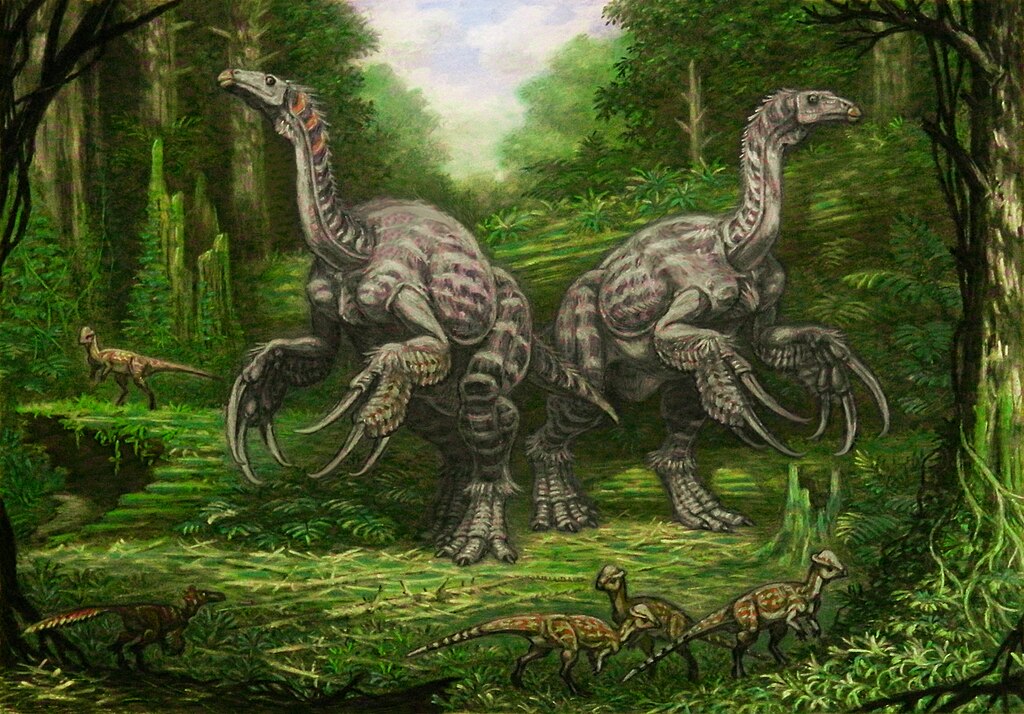
Therizinosaurus belongs to the family Therizinosauridae within the larger group of theropod dinosaurs, making it a surprising relative of famous carnivores like Tyrannosaurus rex and Velociraptor. However, theriinosaurids represent a fascinating evolutionary branch where meat-eating ancestors gradually evolved into specialized plant-eaters. This unusual evolutionary path challenges the traditional understanding of dinosaur diet categories and highlights the remarkable adaptability of theropods. Detailed analysis of therizinosaur fossils reveals features that became increasingly specialized for herbivory over time, including smaller heads, longer necks, and most notably, the reduction of predatory features in favor of adaptations for plant consumption. The placement of Therizinosaurus within the theropod lineage makes it a compelling example of how dramatically a group can diverge from its ancestral dietary pattern to exploit new ecological niches.
The Imposing Physical Features
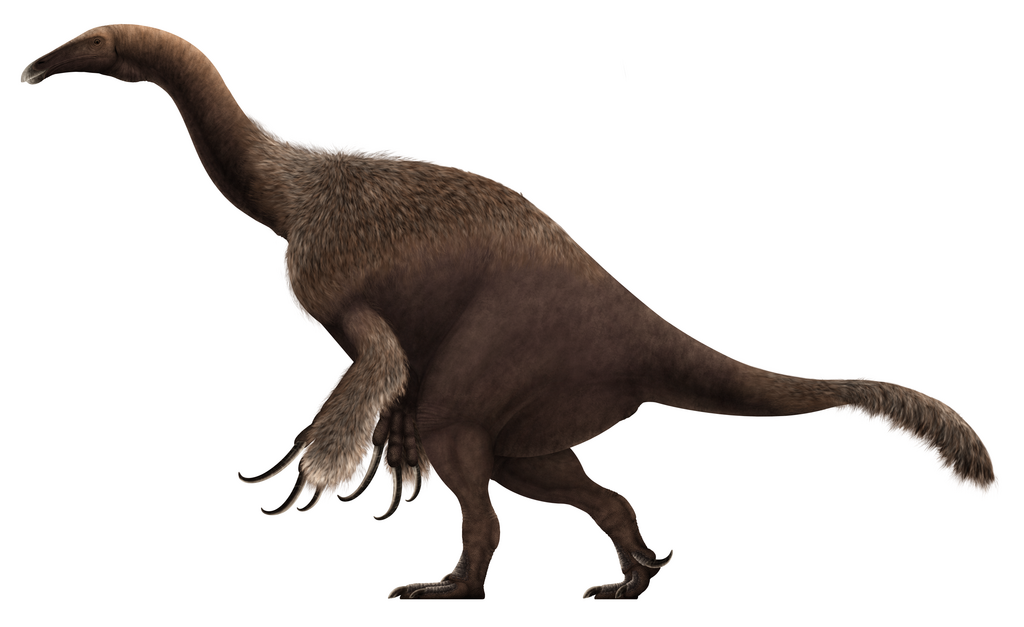
Therizinosaurus stands as one of the most visually striking dinosaurs ever to walk the Earth, with a suite of distinctive physical characteristics that set it apart from its contemporaries. Estimates suggest it reached lengths of around 33 feet (10 meters) and potentially weighed up to 5 tons, placing it among the larger theropods. Its most famous feature – the enormous claws on its forelimbs – measured up to 3.3 feet (1 meter) in length, making them the longest claws of any known animal in history. Beyond these spectacular weapons, Therizinosaurus possessed an unusually small head relative to its body size, a long neck, wide hips that supported its bulky frame, and evidence suggests it may have had a feathered covering rather than scales. The combination of these unusual features created a dinosaur profile unlike any other known prehistoric creature, resembling something between a giant ground sloth and an oversized, feathered bird.
The Mystery of the Massive Claws
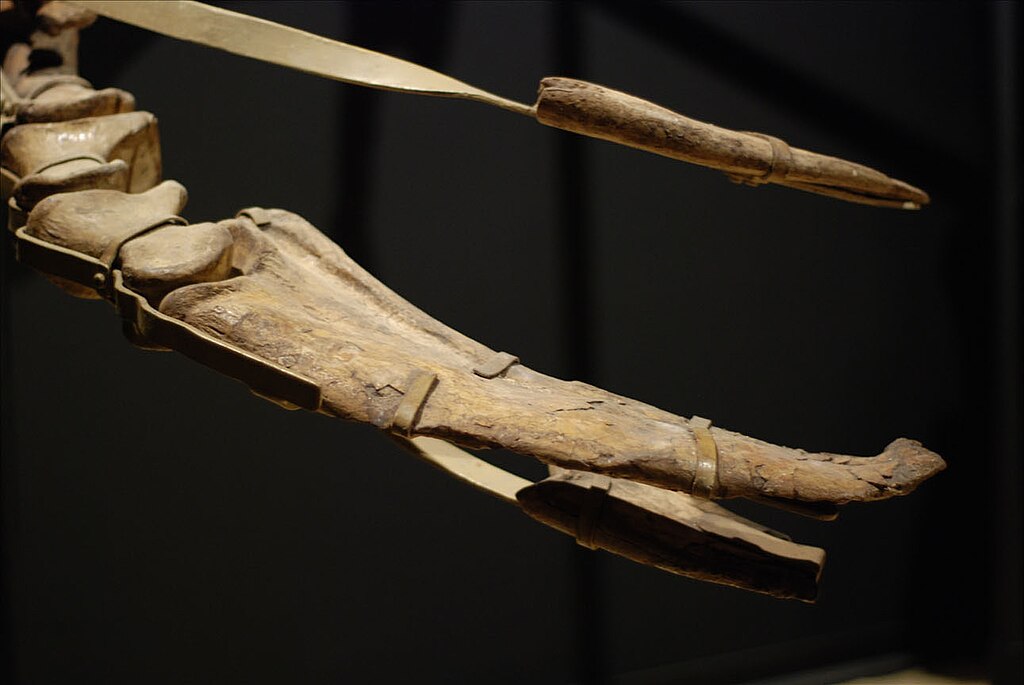
The enormous claws of Therizinosaurus continue to captivate scientists and the public alike, prompting extensive debate about their primary function. Unlike the curved, sharp claws of predatory theropods, which were clearly adapted for capturing and killing prey, the elongated claws of Therizinosaurus appear optimized for different purposes. The leading theory suggests they served primarily as tools for reaching and pulling down high vegetation, essentially functioning as prehistoric pruning hooks to access otherwise unreachable food sources. Alternative hypotheses propose the claws may have served multiple functions, potentially including defense against predators like Tarbosaurus (an Asian relative of T. rex), intimidation displays during mating competitions, or digging for roots and tubers. Some researchers have even suggested a role in breaking into insect nests to harvest eggs and larvae, supplementing a primarily plant-based diet. The absence of complete forelimb fossils makes definitive conclusions challenging, but the claws’ structure strongly supports feeding adaptations over offensive weapons.
A Herbivore’s Diet in a Predator’s Body
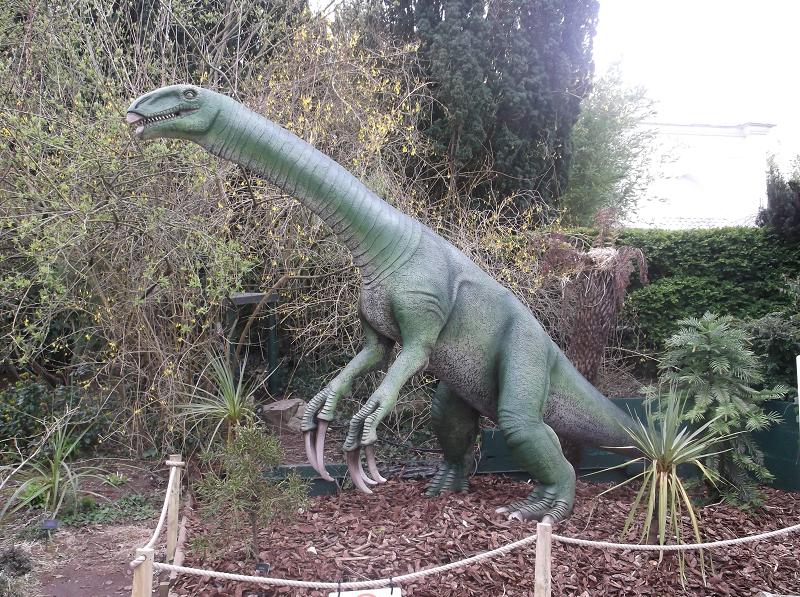
Perhaps the most fascinating aspect of Therizinosaurus is the stark contrast between its fearsome appearance and its gentle dietary habits. Multiple lines of evidence confirm that despite evolving from carnivorous ancestors and retaining some theropod features, Therizinosaurus was primarily herbivorous. Fossil teeth from related therizinosaurids show adaptations typical of plant-eaters: broader, leaf-shaped teeth with small serrations suitable for processing tough plant material rather than tearing flesh. Digestive system adaptations include an expanded gut region suggested by the wide hips, providing space for the fermentation chambers necessary to break down fibrous plant material. Analysis of the neck vertebrae indicates a flexibility that would have facilitated browsing at various heights, allowing Therizinosaurus to exploit food sources inaccessible to many other herbivores of its time. This dietary adaptation represents one of the most dramatic evolutionary shifts known in dinosaur history, comparable to how modern pandas evolved from carnivorous ancestors to specialize in bamboo consumption.
The Unique Skull Structure and Feeding Adaptations

Though complete Therizinosaurus skulls remain elusive, fossil fragments and comparisons with close relatives reveal specialized adaptations for plant consumption. Unlike the robust, bone-crushing jaws of carnivorous theropods, Therizinosaurus likely possessed a relatively small, lightweight skull with a keratinous beak at the front similar to modern birds. This beak would have been ideal for selective browsing, allowing the animal to precisely strip leaves and shoots from branches. The skull structure appears to have sacrificed biting power in favor of speed and precision, suitable for processing large volumes of vegetation rather than subduing struggling prey. Inside the mouth, batteries of small, leaf-shaped teeth would have been effective at initial food processing before swallowing, though much of the actual digestion would have occurred in the specialized gut. The evolution of this skull structure represents a remarkable case of convergent evolution with other herbivorous dinosaur lineages, demonstrating how similar selective pressures can produce comparable adaptations in unrelated groups.
Habitat and Geographic Distribution

Therizinosaurus inhabited the late Cretaceous landscapes of what is now the Gobi Desert in Mongolia and adjacent regions of China, thriving in environments quite different from today’s barren expanses. Paleoenvironmental reconstructions suggest these areas supported lush forests, wetlands, and riparian ecosystems approximately 70 million years ago, providing abundant food sources for large herbivores. The Nemegt Formation, where many Therizinosaurus fossils have been recovered, preserves evidence of ancient river systems and forested environments that would have supported diverse plant communities accessible to browsing dinosaurs. This habitat likely experienced seasonal variations in precipitation rather than the extreme desert conditions found there today. Therizinosaurus appears to have been most abundant in areas with substantial tree coverage, which aligns with theories about its feeding habits and claw functions. Notably, fossil evidence suggests therizinosaurids as a family achieved a wider geographic distribution, with related species found across Asia and North America, indicating the success of their unusual evolutionary adaptations.
Social Behavior and Reproduction

The social organization and reproductive strategies of Therizinosaurus remain largely speculative due to the fragmentary nature of the fossil record, though some inferences can be drawn from related species and evolutionary patterns. Unlike some other theropod groups with extensive fossil evidence of pack behavior, no definitive evidence exists regarding whether Therizinosaurus lived in herds, family groups, or led predominantly solitary lives. The discovery of multiple individuals of the related Falcarius at a single site suggests some therizinosaurids may have gathered in groups, at least occasionally. Regarding reproduction, Therizinosaurus likely laid eggs like other theropods, though no definitive Therizinosaurus eggs or nests have been identified to date. The parental care behavior remains unknown, though the presence of parental care in both birds (theropod descendants) and crocodilians (the closest living relatives to all dinosaurs) suggests some level of parental investment may have existed. The possibility of sexual dimorphism – physical differences between males and females – has been raised but remains unconfirmed due to the small sample size of known specimens.
Defensive Strategies and Predators
Despite its immense size and formidable claws, Therizinosaurus still faced threats from contemporary apex predators, most notably Tarbosaurus bataar, the Asian relative of Tyrannosaurus rex. To counter such dangers, Therizinosaurus likely relied on multiple defensive strategies beyond its obvious weapons. Its towering height would have provided excellent visibility for spotting approaching threats across open landscapes, potentially allowing it to avoid confrontations entirely. When threatened, its massive claws would have served as powerful deterrents, capable of inflicting serious wounds on any attacker bold enough to approach. Some paleontologists speculate that Therizinosaurus may have adopted defensive postures similar to those used by modern bears, rising on its hind legs to maximize its apparent size and bringing its forelimbs into striking position. Younger, more vulnerable individuals might have relied more heavily on concealment among vegetation or possibly traveled in groups for collective security. The relatively high concentration of large predator fossils in formations where Therizinosaurus remains have been found suggests these dinosaurs evolved in environments with significant predation pressure, explaining the retention and enhancement of defensive adaptations.
Ecological Role and Interactions
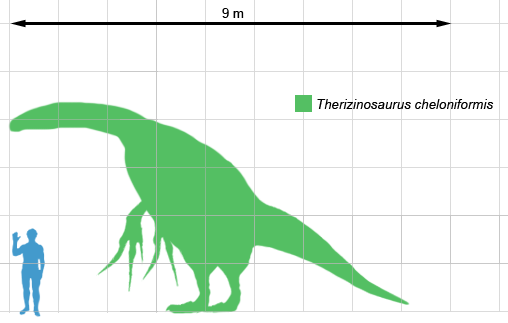
Therizinosaurus occupied a distinct ecological niche as a high-browsing herbivore, potentially serving as a keystone species in Late Cretaceous Asian ecosystems. Standing taller than many contemporary herbivores, Therizinosaurus could access foliage beyond the reach of most other plant-eaters, reducing competition while simultaneously shaping forest structures through its feeding habits. This vertical niche separation resembles the way modern giraffes avoid competition with other African browsers by feeding at different canopy heights. The massive size of adult Therizinosaurus would have made them important ecosystem engineers, creating paths through dense vegetation that could be utilized by smaller animals. Their feeding activities likely promoted plant diversity by preventing any single species from dominating the canopy. Additionally, Therizinosaurus would have participated in nutrient cycling on a grand scale, consuming large volumes of plant matter and distributing processed organic material across the landscape. This ecological role made Therizinosaurus an integral part of its ecosystem rather than simply an unusual evolutionary experiment.
The Extinction and End of the Therizinosaurids

Therizinosaurus and its relatives disappeared during the Cretaceous-Paleogene extinction event approximately 66 million years ago, the same catastrophic period that claimed all non-avian dinosaurs. Evidence strongly suggests this extinction was triggered primarily by the massive Chicxulub asteroid impact in what is now Mexico’s Yucatán Peninsula, though some scientists argue that additional factors such as extensive volcanic activity in India’s Deccan Traps may have compounded the crisis. Despite their successful adaptation to herbivory and seemingly stable ecological niche, therizinosaurids proved vulnerable to the extinction’s cascading effects. The impact of winter that followed the asteroid collision would have dramatically reduced plant productivity, directly threatening herbivores like Therizinosaurus that required substantial daily vegetation intake. Their specialized adaptations, which had served them well for millions of years, paradoxically may have limited their ability to adjust to radically altered conditions. The complete extinction of this distinctive dinosaur lineage represents a significant evolutionary dead-end, with no modern descendants showcasing their unique combination of features.
Cultural Impact and Representation
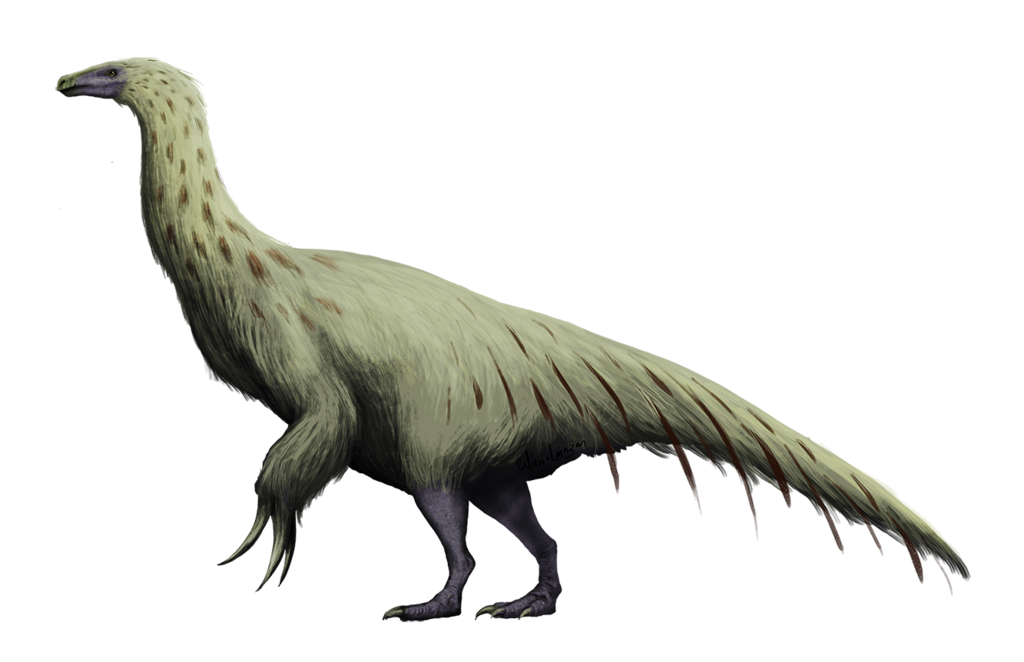
Since its scientific description, Therizinosaurus has captured the public imagination and secured a distinctive place in popular culture, though with less prominence than iconic dinosaurs like Tyrannosaurus or Triceratops. Its most notable mainstream appearance came in the 2022 film “Jurassic World Dominion,” where it was depicted with reasonable accuracy compared to current scientific understanding, including a feathered covering and herbivorous behavior. Beyond cinema, Therizinosaurus has appeared in numerous dinosaur documentaries, including specials by the BBC and Discovery Channel, typically highlighted for its extraordinary claws and unusual evolutionary history. The dinosaur has featured prominently in paleontology-themed video games, particularly survival and simulation genres, where players can encounter or control these creatures. Toy manufacturers have increasingly included Therizinosaurus in dinosaur figure collections, though often with exaggerated features for dramatic effect. The creature’s unique appearance makes it a favorite subject for paleoartists seeking to illustrate the diversity of dinosaur forms, with modern reconstructions typically showcasing its likely feathered covering and strange proportions in scientifically informed depictions.
Ongoing Research and Recent Discoveries
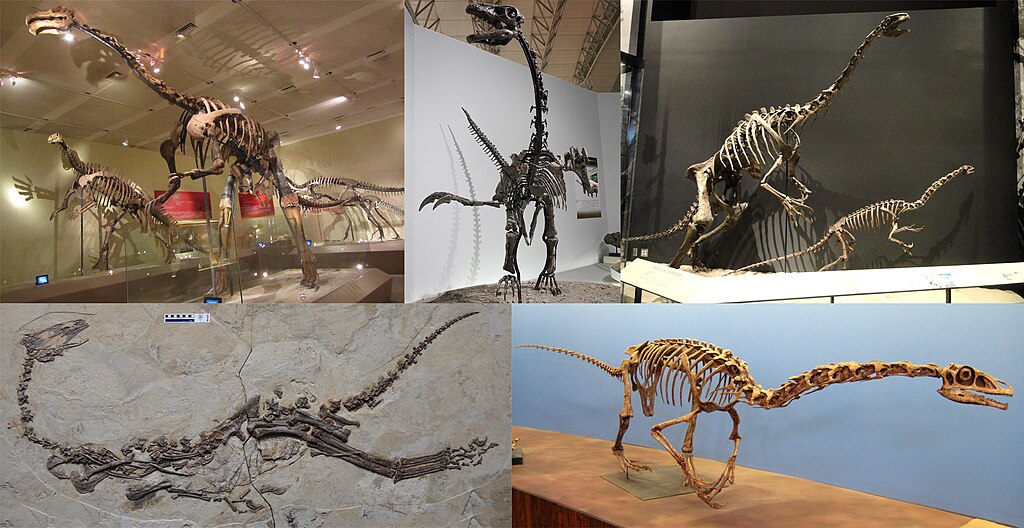
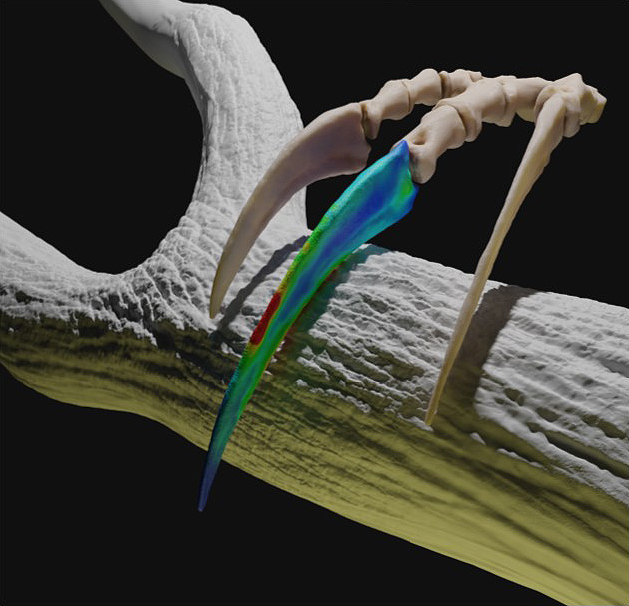
Scientific investigation into Therizinosaurus continues actively today, with new insights emerging as additional specimens are discovered and advanced analytical techniques are applied to existing fossils. Recent excavations in Mongolia’s Nemegt Formation have yielded fragmentary new material that, while not complete skeletons, continues to fill gaps in our understanding of this dinosaur’s anatomy. Particularly significant advances have come through comparative studies with better-preserved relatives like Nothronychus and Beipiaosaurus, allowing for more accurate reconstructions of Therizinosaurus’s complete appearance. Biomechanical studies using computer modeling have provided new perspectives on how the massive claws functioned mechanically and what physical constraints might have influenced their use. Sophisticated isotope analysis of fossil remains has offered glimpses into the specific diet and habitat preferences of therizinosaurs, supporting theories about their browsing habits. Perhaps most exciting is the application of CT scanning technology to examine internal bone structures, revealing growth patterns and physiological characteristics previously inaccessible to researchers. Each new discovery holds the potential to revolutionize our understanding of this remarkable dinosaur.
Conclusion: The Continuing Fascination with Nature’s Gentle Giant

Therizinosaurus stands as one of paleontology’s most captivating paradoxes – a creature with weapons seemingly designed for combat, yet adapted primarily for peaceful plant consumption. This contradiction continues to make it an object of scientific fascination and public wonder. As research techniques advance and new fossils emerge, our understanding of this remarkable dinosaur grows increasingly nuanced, revealing a complex creature perfectly adapted to its ecological role despite its seemingly contradictory features. The story of Therizinosaurus reminds us that evolution works with available materials, reshaping existing structures for new purposes rather than designing from scratch. It demonstrates how dramatically a lineage can transform when exposed to new selective pressures, challenging our preconceptions about evolutionary pathways. Perhaps most importantly, Therizinosaurus exemplifies the astonishing diversity of forms that dinosaurs achieved during their reign, far beyond the limited stereotypes often portrayed in popular media. In the grand narrative of prehistoric life, few creatures better illustrate the surprising turns that evolution can take than the long-clawed, gentle giant of the Late Cretaceous.