When you think of dinosaurs, chances are you picture massive creatures thundering across ancient landscapes millions of years ago. What you might not expect is that these long-extinct giants have become some of the most influential mentors for today’s cutting-edge engineers. From the sleek bipedal stance of a Velociraptor to the balanced posture of a massive Tyrannosaurus rex, dinosaurs have provided a treasure trove of design blueprints that modern technology is only beginning to unlock.
The fascinating intersection of paleontology and isn’t just about creating impressive museum displays or Hollywood special effects. Engineers are discovering that dinosaur anatomy holds practical solutions to some of ‘ most challenging problems. Their skeletal structures, refined through millions of years of evolution, offer insights into balance, power distribution, and efficient locomotion that human designers might never have imagined. So let’s dive into this remarkable world where ancient biology meets tomorrow’s technology.
The Balance Revolution: Why Dinosaur Tails Matter to Modern Robots
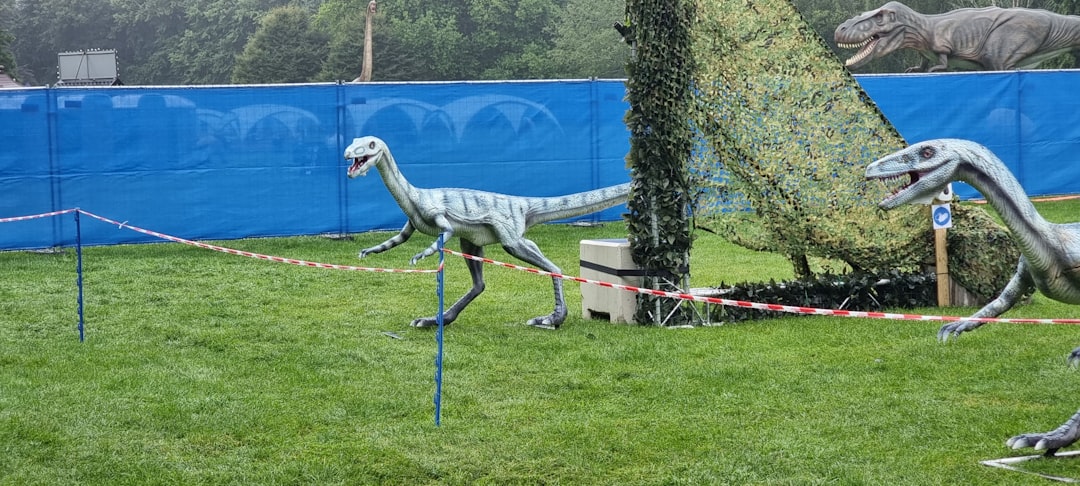
The most striking lesson dinosaurs have taught roboticists comes from an unexpected source: their tails. Engineers have discovered that tails provide the highest potential performance for reasonable designs, making them incredibly valuable for robotic stability. When you watch a modern bipedal robot struggle to maintain balance, it’s easy to see why researchers turned to dinosaurs for inspiration.
Dinosaur-inspired robots use their tails to help maintain balance during locomotion and during manipulation tasks, creating a stable support tripod when combined with the neck. The tail enables an alternative dinosaur-inspired approach where the robot’s torso is biased forward and the tail balances it behind the legs. This design philosophy represents a fundamental shift from traditional humanoid robots that try to mimic human posture.
Think of it like riding a bicycle versus riding a unicycle. While humans have mastered walking without tails, robots haven’t evolved the same sophisticated balance systems we possess. Research teams have built physical examples by retrofitting tails to existing robots and presented empirical evidence of their efficacy. The results have been so compelling that tail-equipped robots now outperform their tail-less counterparts in stability tests.
Speed Demons: Raptor-Inspired Running Machines
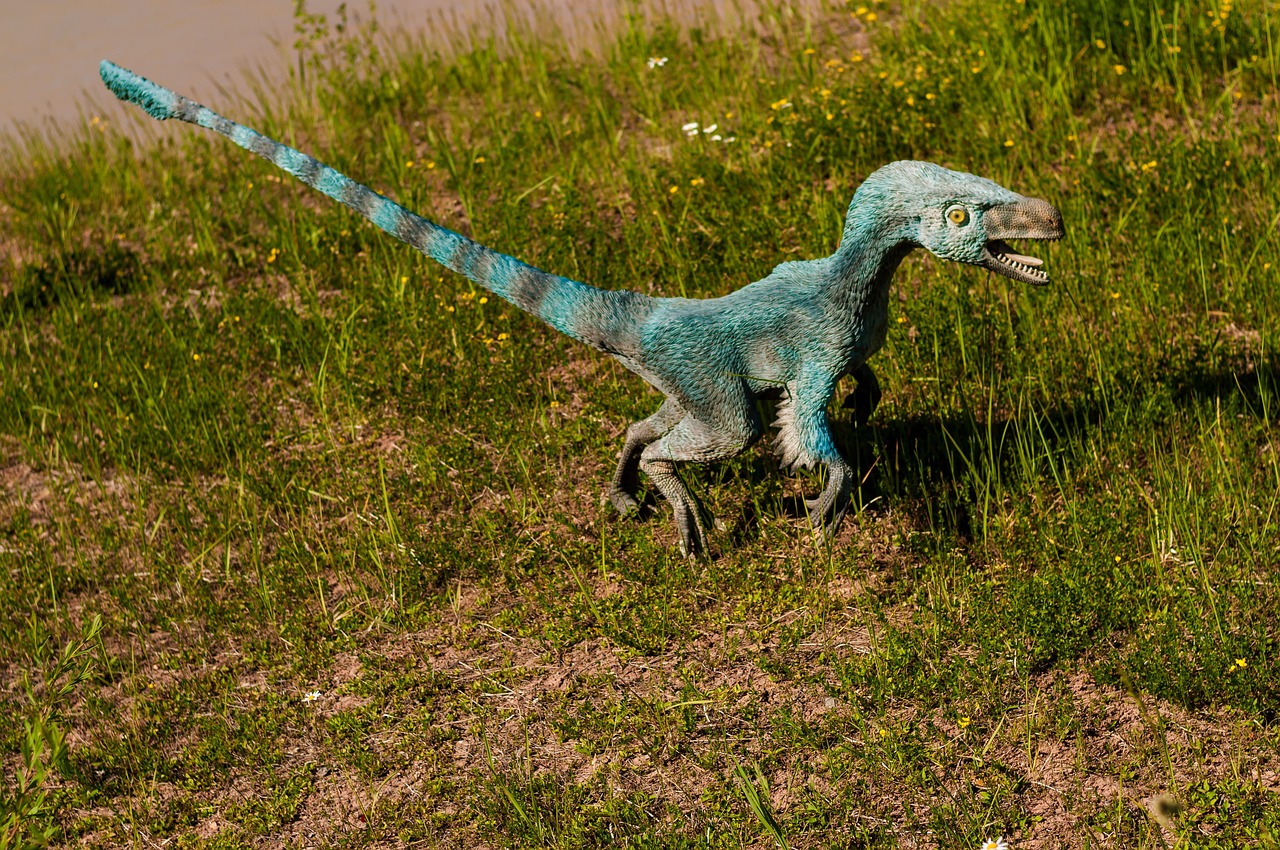
Engineers have developed high-speed bipedal robots that can reportedly achieve speeds competitive with elite human sprinters like Usain Bolt, who reached approximately 27.8 mph. This incredible achievement didn’t come from human athletic study, but from careful observation of Velociraptors and their remarkable anatomy.
Velociraptors were vicious hunters known for their speed and agility, and their anatomy has inspired modern-day robotics. The key lies in understanding how these predators distributed their weight and coordinated their limbs. Unlike humans, who rely on complex hip and knee coordination, raptors used their entire body as an integrated propulsion system.
What makes these raptor-inspired robots so remarkable is their ability to maintain stability at high speeds. Traditional bipedal robots often stumble when attempting to run, but dinosaur-inspired designs naturally incorporate the forward lean and tail counterbalance that made prehistoric predators so effective. It’s like comparing a Formula 1 car to a shopping cart, both have wheels but one was designed specifically for speed.
The MIT Dinosaur: Bringing Troodon Back to Life
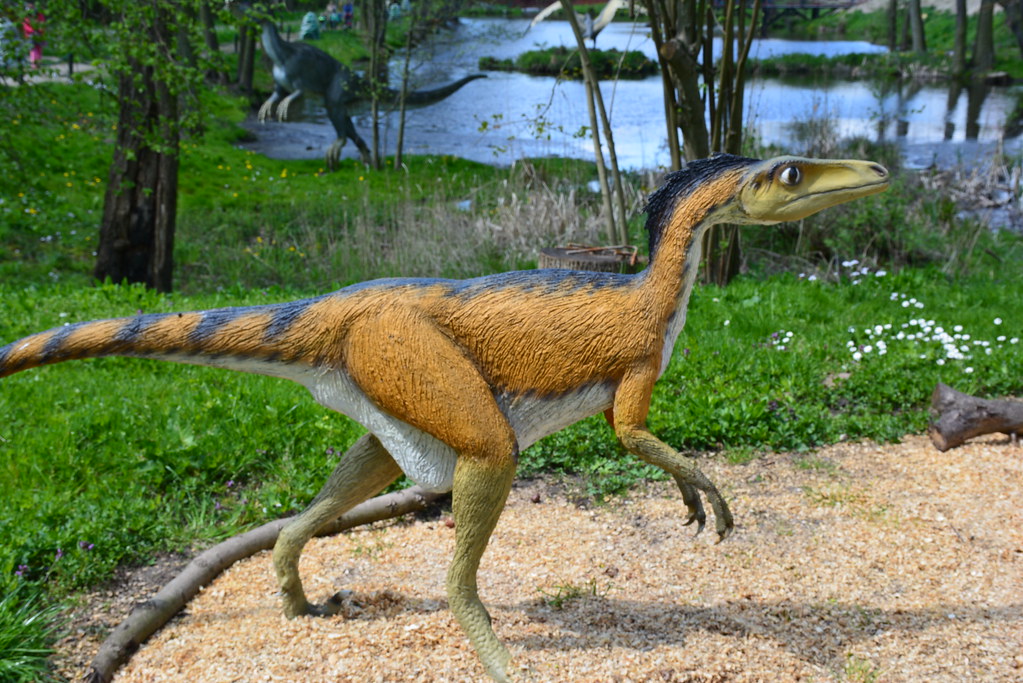
Researchers have developed robotic versions of dinosaurs, including Troodon-inspired models, demonstrating how ancient anatomy can be recreated in mechanical form. This wasn’t just an impressive technical achievement; it represented a new approach to understanding both robotics and paleontology.
Such dinosaur-inspired robots typically feature multiple joints and sensors, with every joint having a position and force sensor, plus a vestibular system for balancing and an onboard computer running a walking control algorithm. The sophistication of this system rivals many modern commercial robots, yet it’s built around a body plan that’s millions of years old.
The robot initially looked more like a Star Wars walker than a dinosaur, but after four years of tinkering, walking came dramatically – in one and a half weeks the robot went from standing and lifting one leg for half a second to walking around the desk. This breakthrough moment illustrates how sometimes the most profound engineering solutions come not from human innovation, but from paying attention to nature’s existing designs.
Boston Dynamics Goes Prehistoric: The Handle Revolution
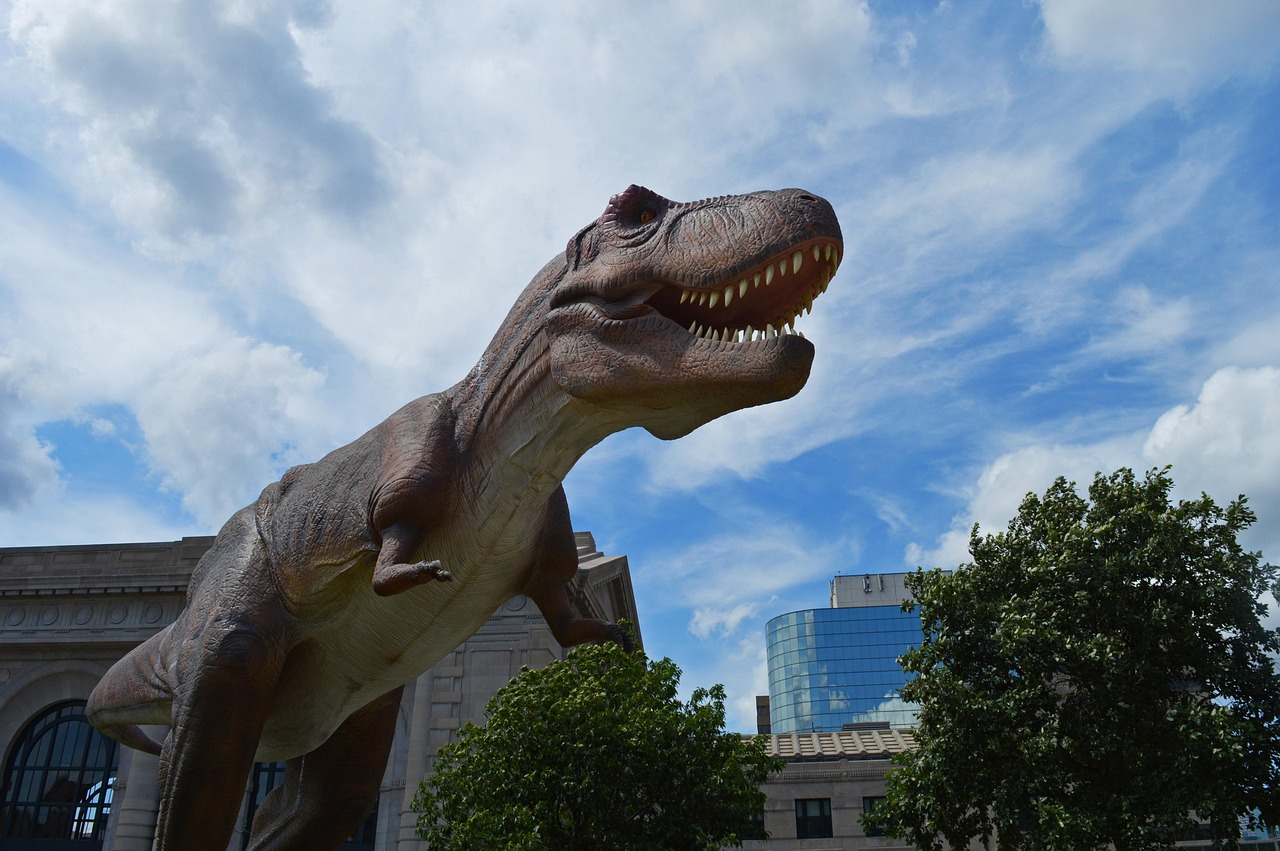
Handle’s bipedal design looks very much like a T-Rex in motion, swinging its tail back and forth to balance out boxes as heavy as 15 kg (33 lb). When Boston Dynamics engineers developed Handle, they weren’t initially trying to mimic dinosaurs, but the resemblance became undeniable as the robot’s capabilities evolved.
The way Handle uses a large “tail” counterweight to pre-balance itself before maneuvers on the floor is extraordinary to watch. While the machines appear to complete warehouse tasks efficiently, they also bear a somewhat menacing appearance – picture a six-foot tall, 230-pound dinosaur prowling through your distribution center, with online comments comparing them to ostriches and “Segway birds”.
What makes Handle particularly interesting is how it combines wheels with legs, creating a hybrid locomotion system that dinosaurs never developed but that builds on their balance principles. It’s as if engineers took the best parts of dinosaur anatomy and asked: what if these creatures had evolved wheels instead of feet?
Reverse Engineering Ancient Locomotion: The Orobates Project
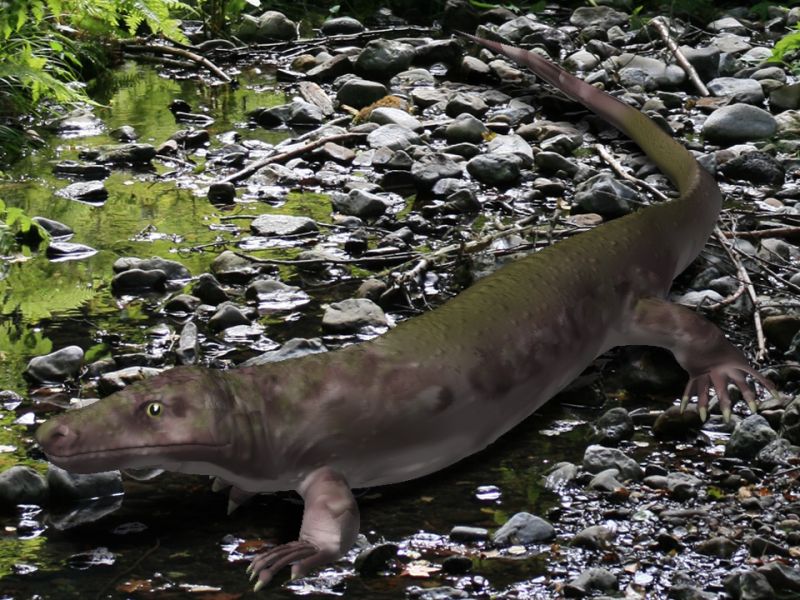
The 300 million-year-old Orobates pabsti might look like a chunky lizard, but this stem amniote has been found with tracks the creatures made in life, allowing details of how the animal walked to be directly tied back to the anatomy of the skeleton. This rare combination of fossils and footprints created an unprecedented opportunity for roboticists.
Researchers built a scaled version of the fossil, almost doubling its size, studying mass distribution and other dynamically relevant parameters to test a number of possible gaits that Orobates presumably executed when it was alive. By observing modern animals with similar morphology like salamanders, caimans, iguanas and skinks, they tested gaits to find the most stable, energetically efficient approach that matched the preserved footprints.
The Orobates robot project demonstrates how modern engineering can solve ancient mysteries. Instead of just speculating about how these creatures moved, researchers can now build working models and test their theories. It’s like having a time machine, except instead of going back to observe, scientists bring the past forward to experiment with.
3D Printing Prehistoric Power: The Future of Dinosaur Robotics
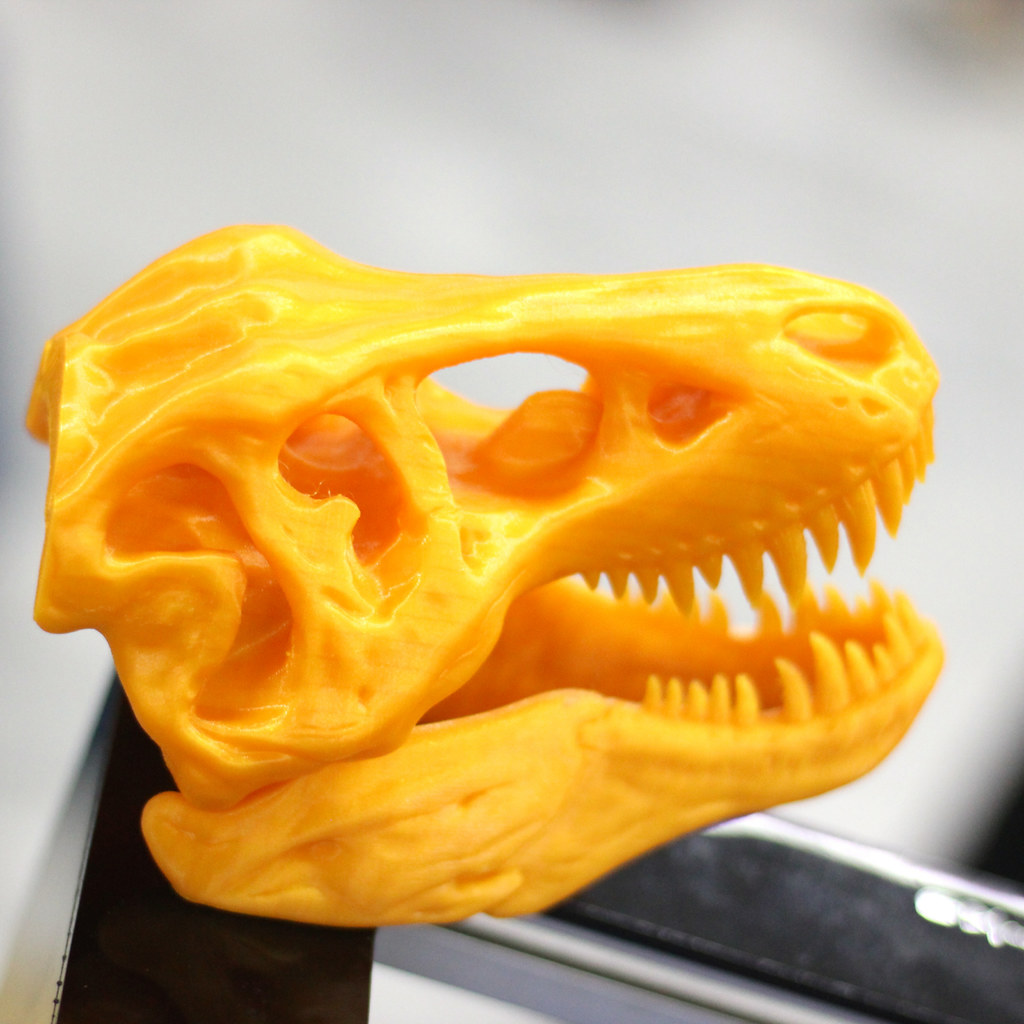
Paleontologist Dr. Kenneth Lacovara and mechanical engineer James Tangorra of Drexel University are using 3D printing to create the most advanced dinosaur models the world has ever known. Now Lacovara can scan each bone and the 3D printer does the rest, creating accurate replicas in a matter of hours to build 1/10th scale models of massive dinosaurs and use computer models to test stresses and strains in different movements.
Turning the model skeletons into walking robots shouldn’t be too difficult – scientists have created biomimetic robots based on everything from dogs to seagulls, and Dr. Tangorra previously built a robotic fish to gain insight into the movements and biomechanics of living fish. As Lacovara explains, “We’re hitting the point where we’re going to be able to study extinct creatures in the same way a biologist can study a raccoon or tuna – it’s going to go beyond informed guesswork to testable hypotheses”.
This technology represents a paradigm shift in both robotics and paleontology. Instead of building robots that happen to look like dinosaurs, engineers are creating precise mechanical recreations of actual prehistoric anatomy. It’s the difference between drawing a cartoon dinosaur and performing surgery on one.
The Chicken Experiment: Modern Birds Reveal Dinosaur Secrets
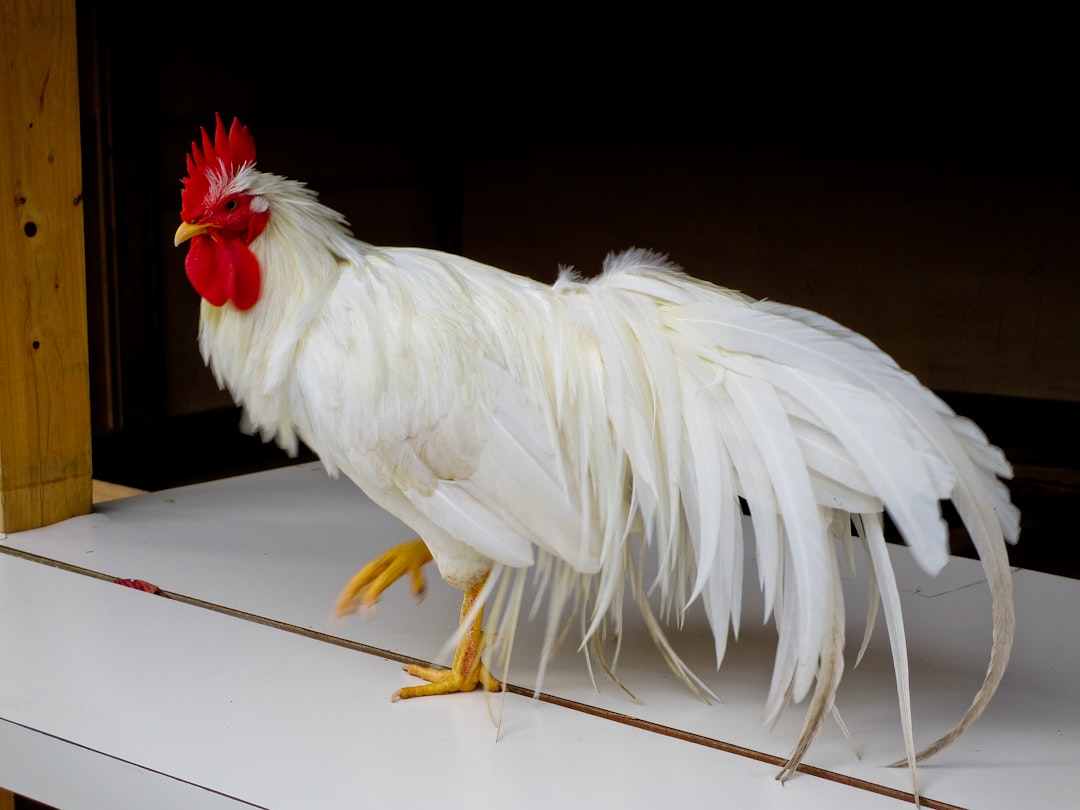
Scientists have shown that by experimentally manipulating the location of the centre of mass in living birds, it’s possible to recreate limb posture and kinematics inferred for extinct bipedal dinosaurs – chickens raised wearing artificial tails showed more vertical orientation of the femur and increased femoral displacement during locomotion. This groundbreaking experiment bridged the gap between living animals and extinct creatures.
As derived theropod dinosaurs, birds represent the best living model for reconstructing extinct nonavian theropods, inheriting bipedal, digitigrade locomotion on fully erect limbs, though they abandoned the primitive mechanisms of balancing with a large tail and retracting limbs with caudofemoralis longus muscle. The artificial tail experiment essentially reversed millions of years of evolution in a laboratory setting.
What makes this research so valuable for roboticists is that it provides real-world validation for their dinosaur-inspired designs. If adding a tail to a modern bird makes it move more like a dinosaur, then adding a tail to a modern robot should make it move more efficiently. Sometimes the best way to understand the future is to reconstruct the past.
Biomimetic Tails: From Lizards to Space Robots
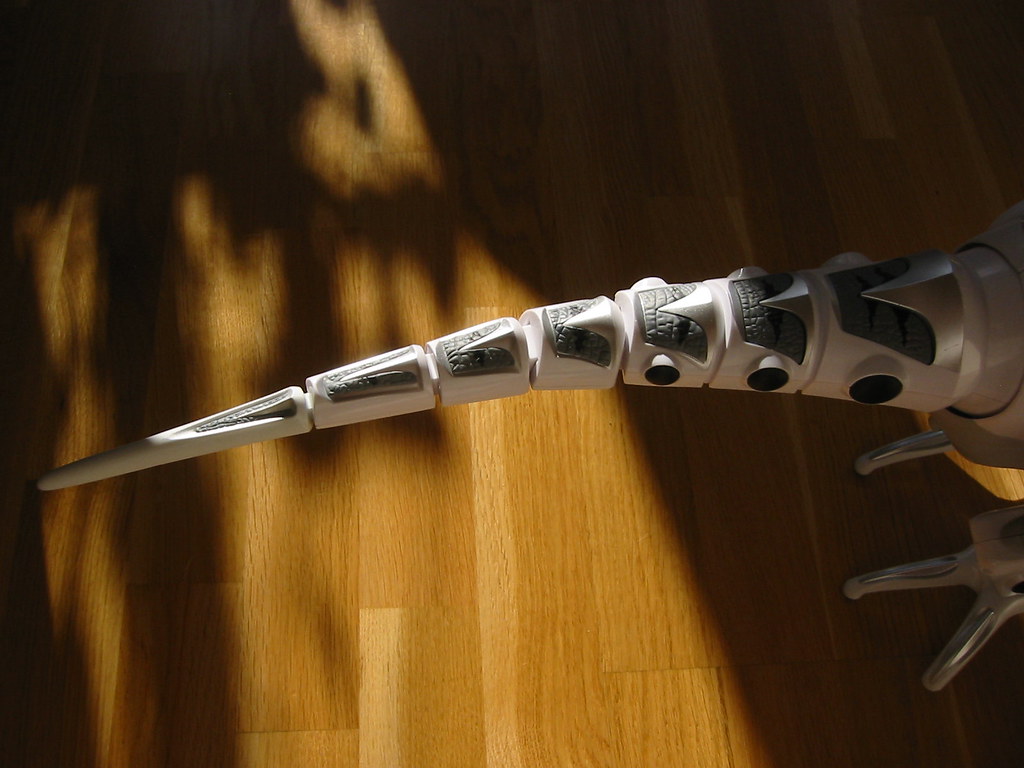
Considering that lizards can control the swing of their tails to redirect angular momentum from their bodies to their tails, researchers have designed a lizard-sized robot with an active tail that swings up and down on a plane, with the tail swinging upward as the controller applies torque to stabilize the body. This principle has applications far beyond Earth-based robotics.
Modern robotic limbs consist of three key components: a control string, a rubber band structure, and limb bone, which mimic the human musculoskeletal system, with the control string acting like muscles in the tail. Unlike bipeds or quadrupeds that alternate legs for locomotion, kangaroo-inspired robots use both legs synchronously and rely on active tails for pitch variation compensation, emulating the balance mechanism of a kangaroo.
The applications for tail-equipped robots extend into space exploration, where traditional balance systems fail in zero gravity. Engineers are discovering that the same principles that helped dinosaurs dominate Earth might help robots navigate the cosmos. It’s a reminder that good design transcends both time and environment.
The Paleoinspired Robotics Revolution
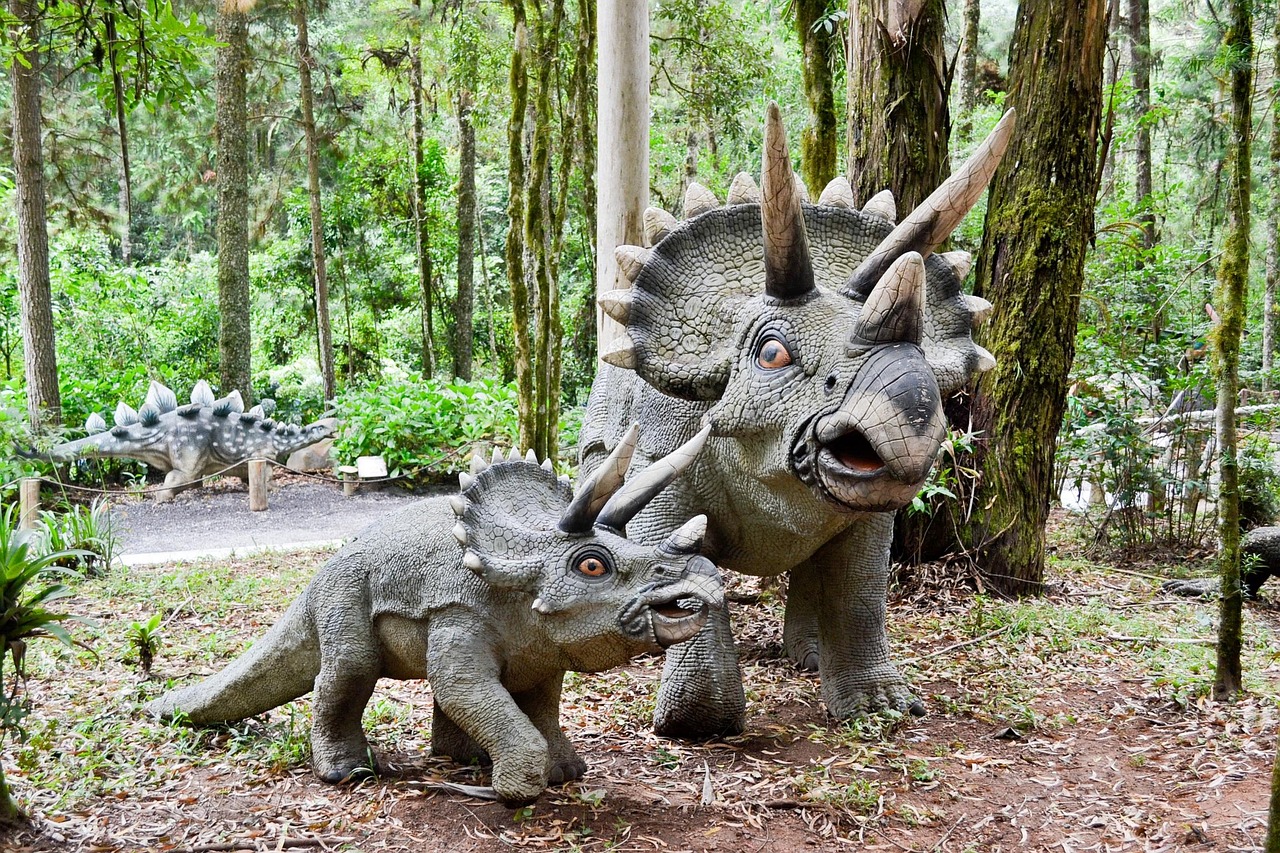
The emerging field of paleoinspired robotics studies ancient organisms and their evolutionary trajectories. Techniques developed for bioinspired robotics to analyze biological systems can be applied to experimental paleontology, with computational simulations applying to both extant fish and extinct swimmers, stability principles applying to lizards and ancient tetrapods, and evolutionary algorithms developing gaits for dog-like robots and bipedal dinosaur models.
Biomimetic robot designs attempt to translate biological principles into engineered systems, replacing more classical engineering solutions to achieve functions observed in natural systems. Biomimetics develops novel theories and technologies by emulating nature’s models, transferring function from biological science into engineering and promoting emerging research areas, with advances in biomimetic intelligence and robotics gaining great popularity.
This field represents more than just copying nature; it’s about understanding the fundamental principles that make biological systems so effective. When engineers study a dinosaur’s spine, they’re not just building a robotic backbone – they’re uncovering universal truths about structural engineering that evolution discovered millions of years ago.
Conclusion: Ancient Wisdom for Future Machines
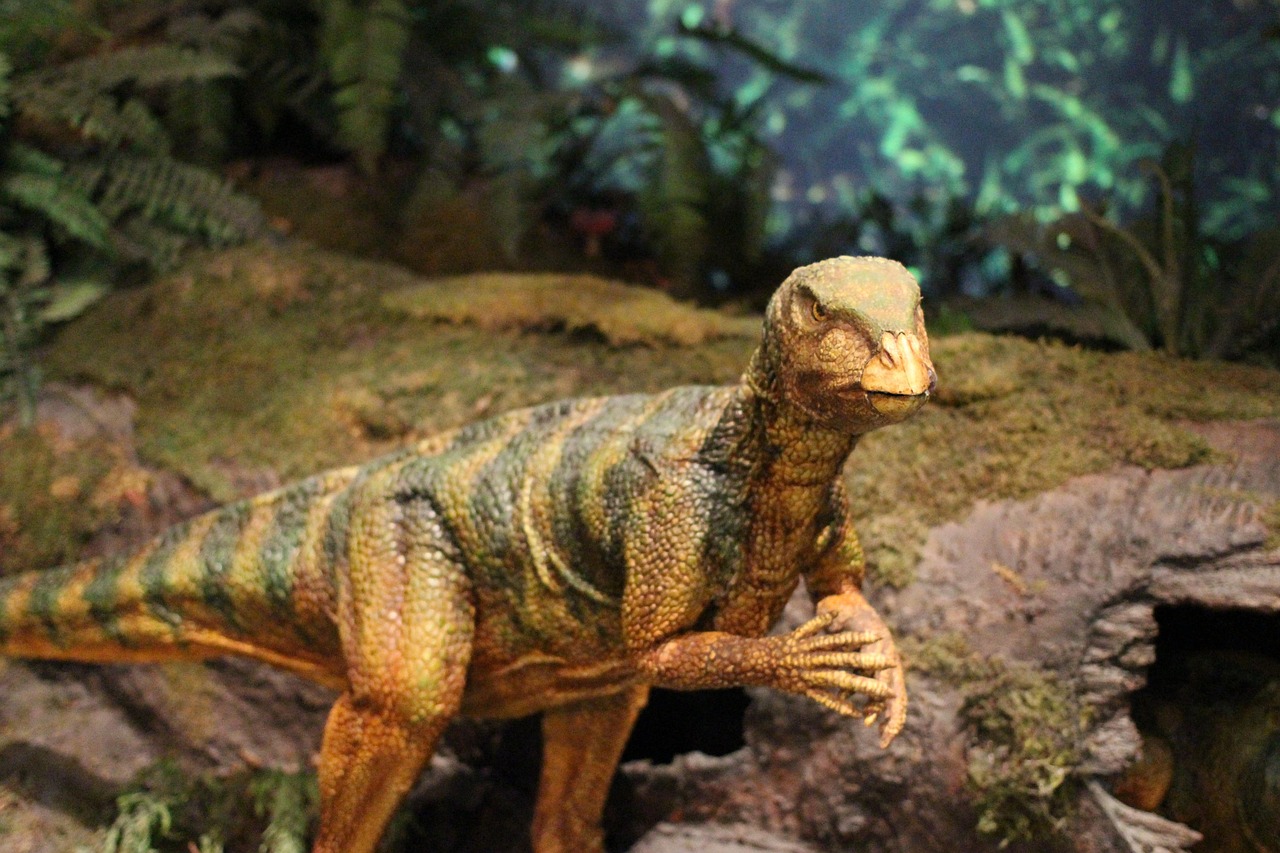
The marriage of dinosaur anatomy and has produced some of the most impressive mechanical achievements of our time. From ultra-fast running robots that outpace Olympic athletes to warehouse machines that balance like T-rexes, these prehistoric inspirations are solving real-world problems in ways human designers never imagined. The tail-equipped robots maintaining perfect balance, the raptor-inspired speedsters, and the careful recreations of ancient locomotion all point to the same remarkable truth: evolution spent millions of years perfecting designs that we’re only now beginning to appreciate.
As 3D printing technology advances and our understanding of dinosaur biomechanics deepens, we’re likely to see even more sophisticated applications. The robots of tomorrow might move through our cities and workplaces with the grace of a Velociraptor, the stability of a Triceratops, and the power of a Tyrannosaurus rex. It turns out that to build the future, sometimes you need to look back 65 million years into the past. What do you think about these prehistoric-inspired machines? Tell us in the comments.