North America was home to some of the most incredible dinosaurs that ever walked the Earth. From towering predators to heavily armored giants, this continent hosted a spectacular variety of prehistoric creatures that continue to fascinate us today. These dinosaurs lived across different time periods, from the Late Triassic through the end of the Cretaceous, adapting to changing environments and evolving into truly remarkable forms.
You’ll discover dinosaurs that ruled as apex predators, others that developed ingenious defenses, and some that grew to absolutely staggering sizes. Let’s dive into the fascinating world of ten iconic n dinosaurs that dominated their ancient landscapes.
Tyrannosaurus Rex – The Ultimate Predator
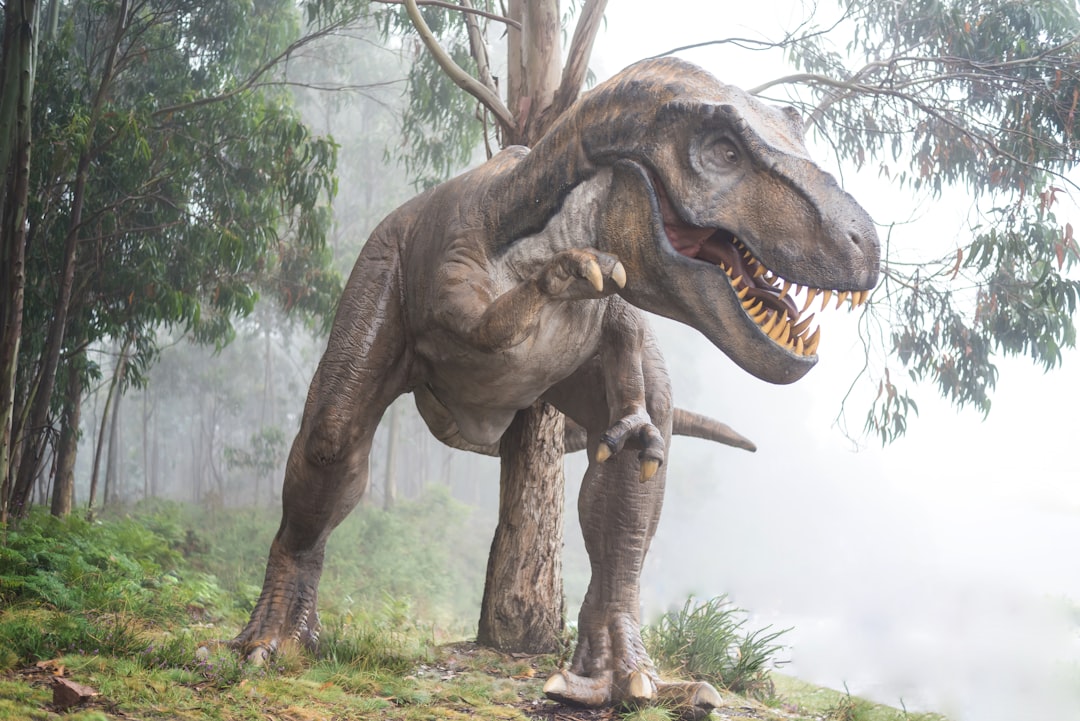
Tyrannosaurus rex, often shortened to T. rex, is one of the best represented theropods that lived throughout what is now western North America, on what was then an island continent known as Laramidia. This fearsome beast measured up to forty feet in length and could weigh up to seven tons. What made T. rex truly terrifying wasn’t just its size, but its incredible bite force – the strongest ever recorded among terrestrial animals.
T. rex lived during the late Maastrichtian age of the late Cretaceous period, 68 to 66 million years ago, and was most likely an apex predator, preying upon hadrosaurs, juvenile armored herbivores like ceratopsians and ankylosaurs, and possibly sauropods. Despite its massive skull and powerful jaws, T. rex had surprisingly small arms with only two functional fingers. However, these arms were incredibly strong for their size, possibly used for gripping prey during feeding.
Triceratops – The Three-Horned Giant
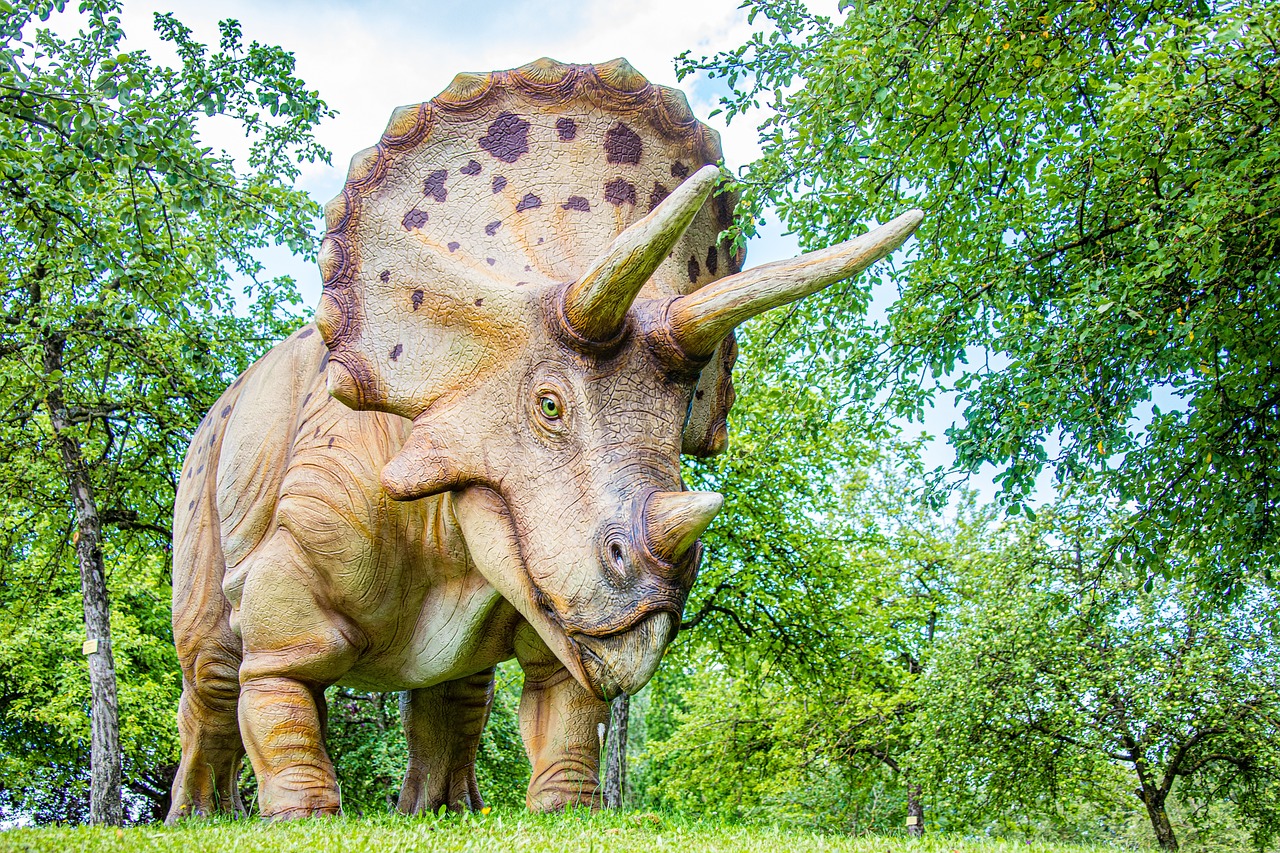
Triceratops was one of the most recognizable herbivorous dinosaurs, known for its distinctive three horns and large bony frill that extends from the back of its skull, living during the Late Cretaceous period, around 68-66 million years ago, in what is now North America. This massive herbivore could reach thirty feet in length and weigh up to twelve tons. Its impressive frill and horns weren’t just for show – they served as formidable weapons against predators like T. rex.
Some Triceratops specimens show Tyrannosaurus bite marks puncturing the frill, so it wasn’t always enough protection, but the frills could also have been used to attract mates, as a way for members of the same species to recognise each other. Interestingly, unlike many other herbivorous dinosaurs that lived in herds, Triceratops remains are usually found individually, suggesting these giants may have spent much of their lives as solitary wanderers.
Stegosaurus – The Roof Lizard
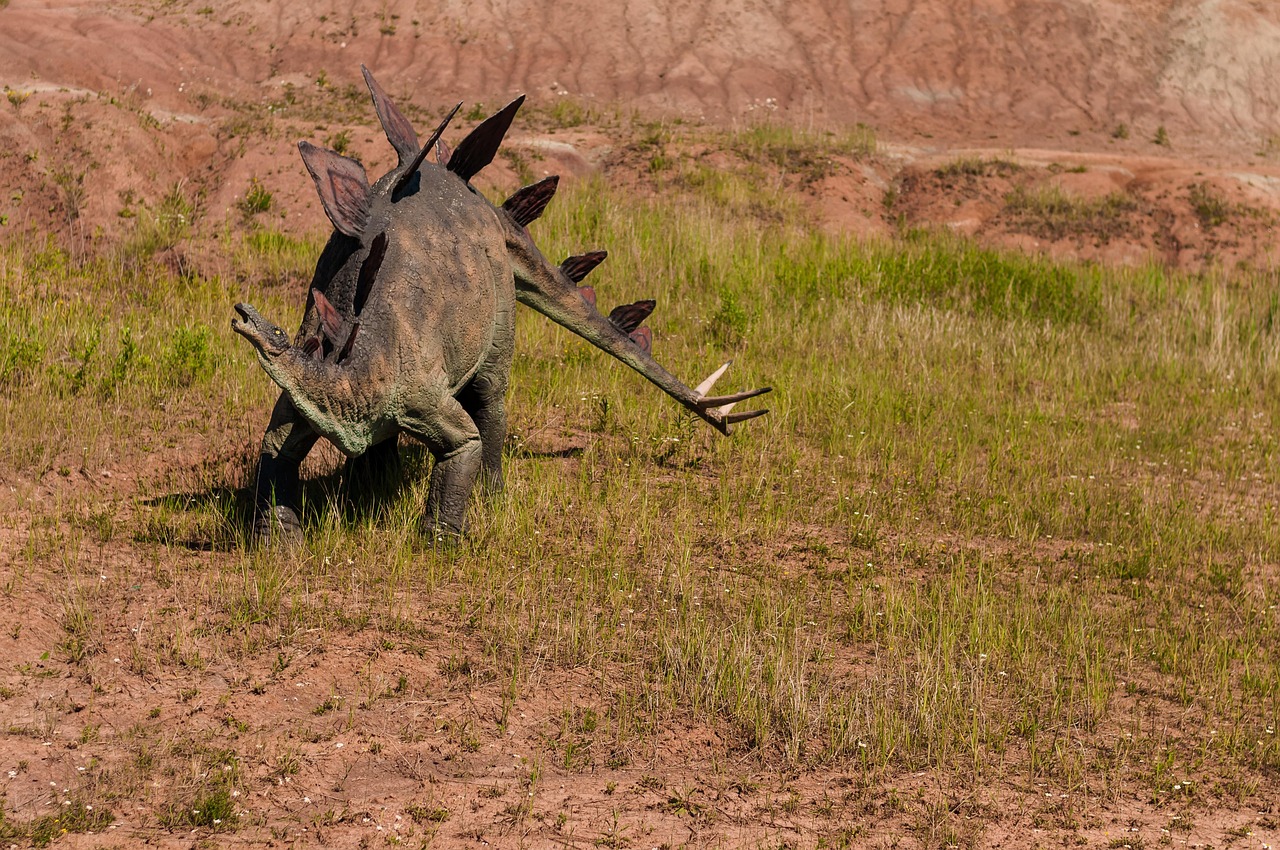
Stegosaurus was a distinctive dinosaur known for its double row of large, bony plates along its back and four-spiked tail, living during the Late Jurassic period, around 155-150 million years ago, in what is now North America. This iconic dinosaur could reach up to thirty feet in length and weighed between five to seven tons. Despite having a brain roughly the size of a walnut, Stegosaurus was remarkably successful in its environment.
Paleontologists suggest that the Stegosaurus used the spikes on its tail to defend itself against foes while its plates were used for species identification and temperature regulation. The tail spikes, nicknamed “thagomizers,” were deadly weapons. There are reports of Allosaurus specimens with multiple large wounds through their pelvis, roughly the size of the tail spikes carried by stegosaurs, and this Allosaurus was so severely injured that it did not recover and eventually died of its wounds.
Allosaurus – The Different Lizard
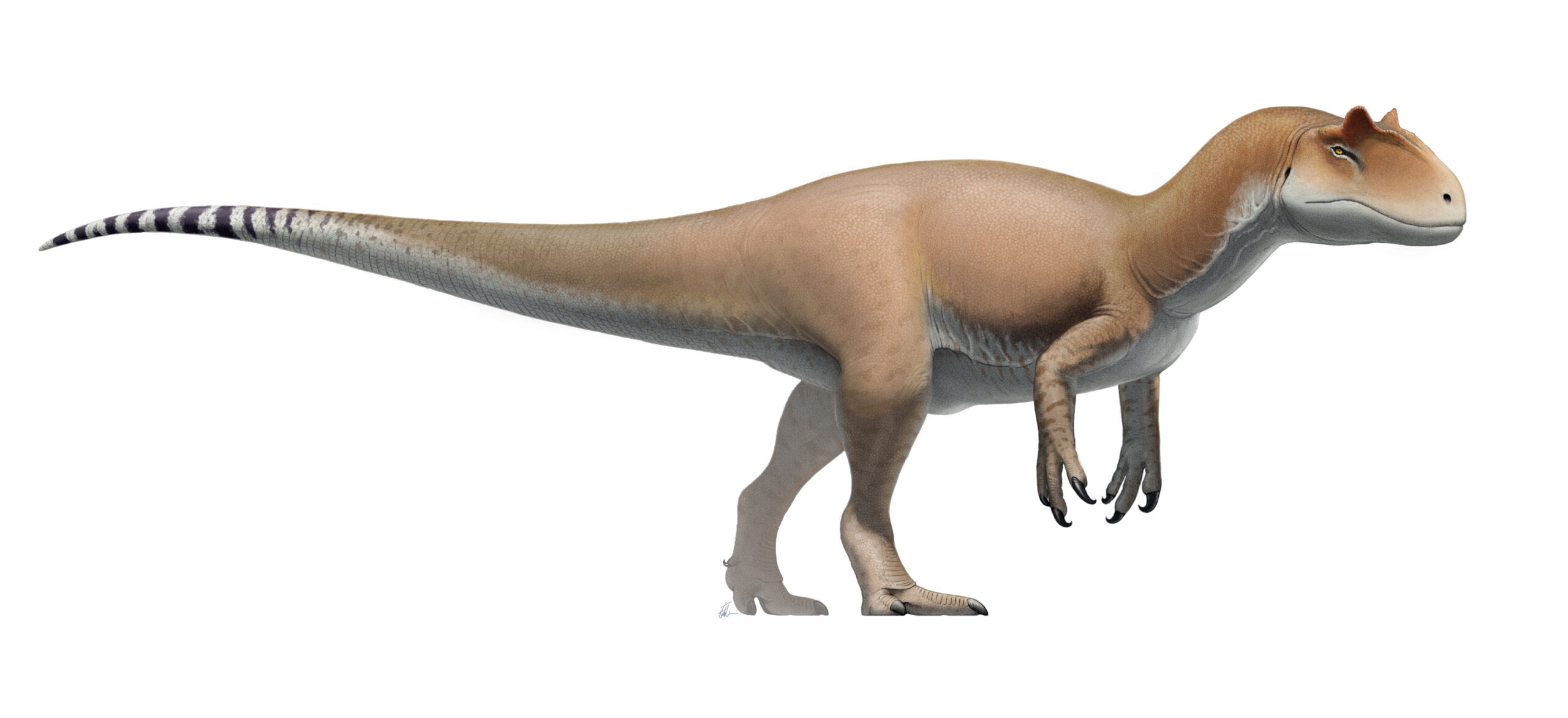
Allosaurus was a large carnivorous theropod that lived during the Late Jurassic period, around 155-145 million years ago, in what is now North America and parts of Europe and Africa. This powerful predator dominated the Late Jurassic landscape alongside the giant sauropods it likely hunted. Among the theropods from the Morrison Formation, Allosaurus, Torvosaurus, Ceratosaurus, Coelurus, Ornitholestes, Tanycolagreus, Stokesosaurus, and Marshosaurus are found.
Allosaurus was built for the hunt, with powerful legs, razor-sharp teeth, and claws designed for grasping and tearing flesh. Several reports show individuals of the large predator Allosaurus have been found with puncture wounds from encounters with Stegosaurus, and evidence from other individuals suggests that these two Jurassic giants likely clashed on a regular basis. This ongoing battle between predator and prey created one of the most dramatic conflicts in prehistoric North America.
Brachiosaurus – The Arm Lizard
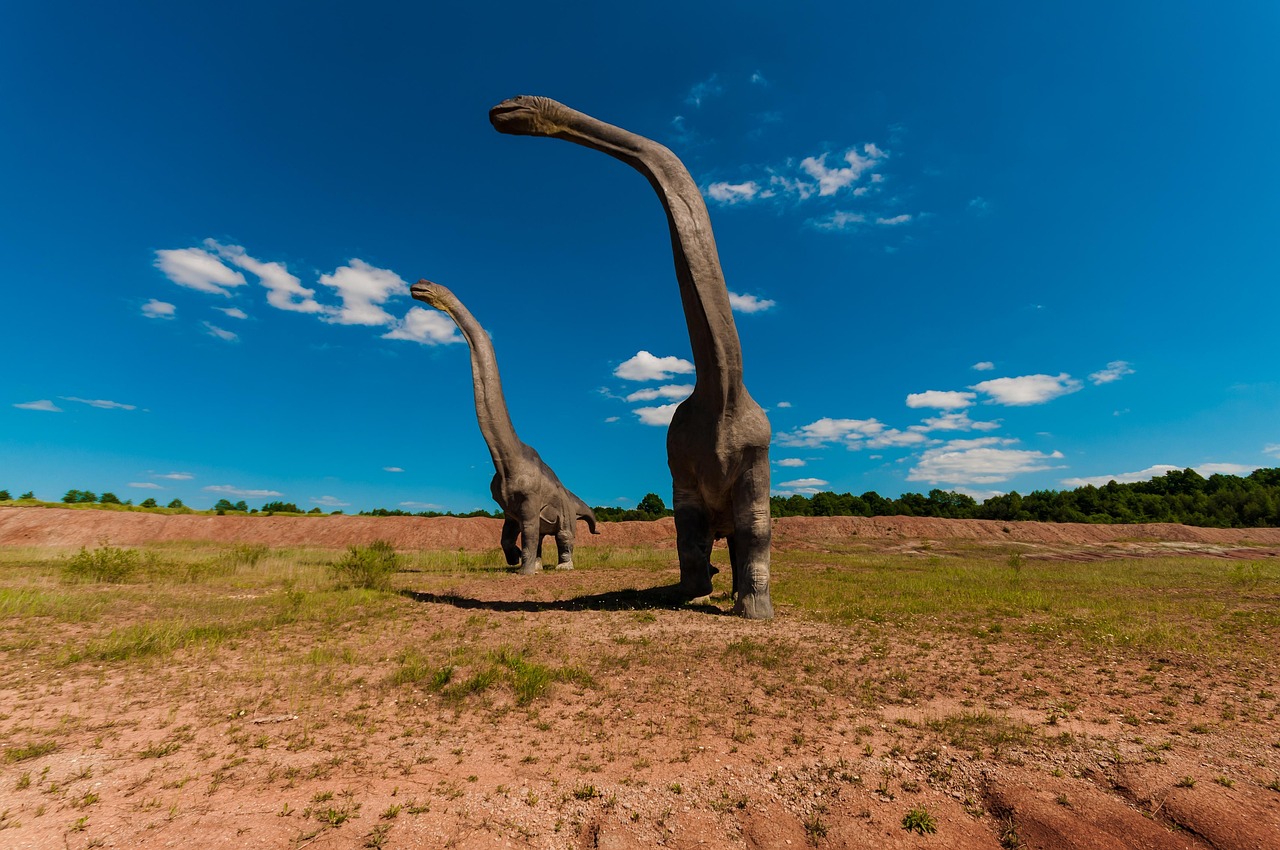
Brachiosaurus was a large sauropod dinosaur with a long neck, small head, and front legs longer than its hind legs, giving it a distinctive, giraffe-like stance, living during the Late Jurassic period, around 154-150 million years ago, and possibly Africa. This gentle giant could reach lengths of up to eighty-five feet and weigh as much as forty to eighty tons. Its unique body structure allowed it to browse on vegetation that other dinosaurs couldn’t reach.
An abundance of sauropods has been found in the Morrison Formation, including Apatosaurus, Diplodicus, Barosaurus, Brachiosaurus, Camarasaurus, Brontosaurus and Amphicoelias. Brachiosaurus used its incredibly long neck like a biological crane, reaching high into the canopy of ancient forests. Unlike many sauropods that held their necks more horizontally, Brachiosaurus could lift its head over fifty feet above the ground, making it one of the tallest animals ever to walk on Earth.
Ankylosaurus – The Living Tank
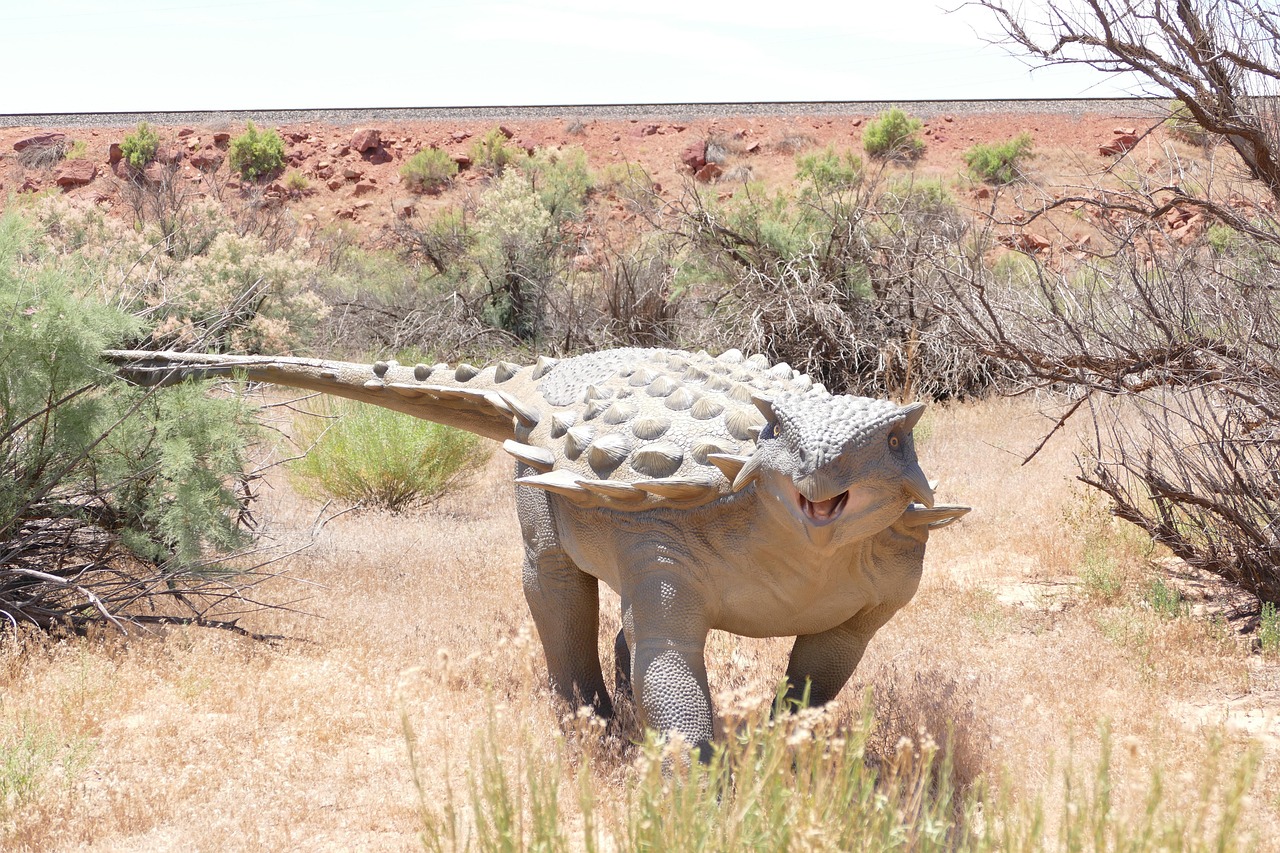
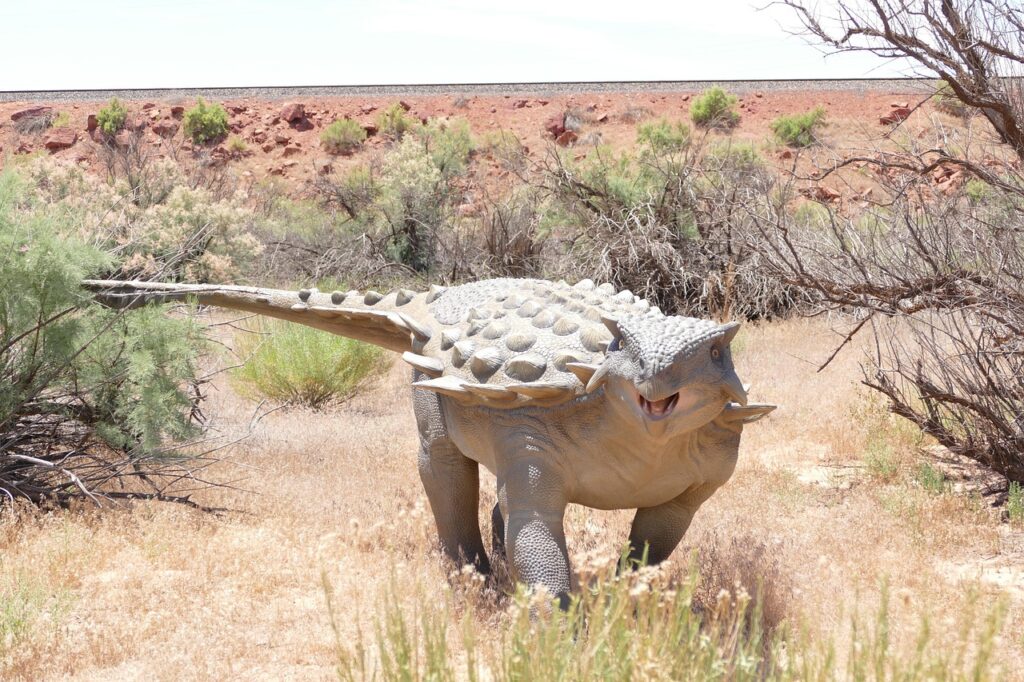
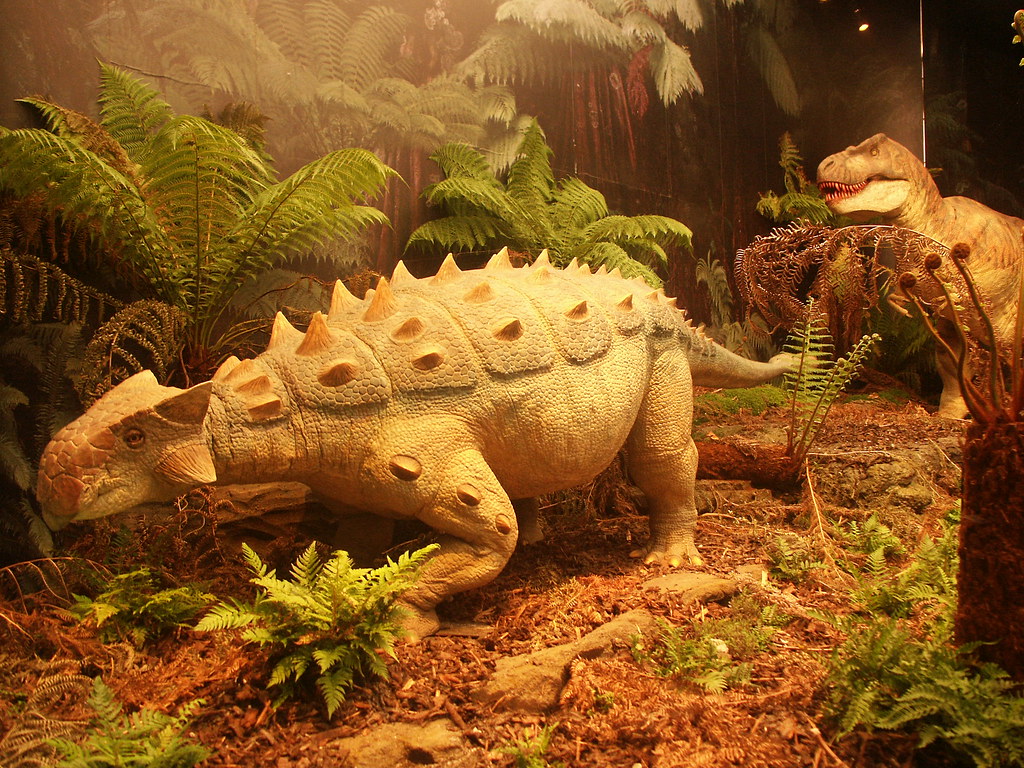
The ankylosaurid Ankylosaurus lived during the latest Cretaceous, the Maastrichtian age, among North American herbivorous dinosaurs from this time period. This heavily armored dinosaur was built like a living tank, with thick bony plates covering its back and sides, and a massive club at the end of its tail. Somewhat reminiscent of mammalian armadillos and their relatives the glyptodonts, Ankylosaurus was one of the armored reptilian tanks of the Cretaceous.
Science says its body’s bones were fused, making the Ankylosaurus strong not just in appearance but in its endurance too. This fusion created an incredibly robust skeleton that could withstand powerful impacts from predators. The tail club alone could weigh hundreds of pounds and deliver devastating blows capable of breaking the bones of even large theropods. Ankylosaurus represented the ultimate in dinosaurian defensive evolution.
Deinonychus – The Terrible Claw
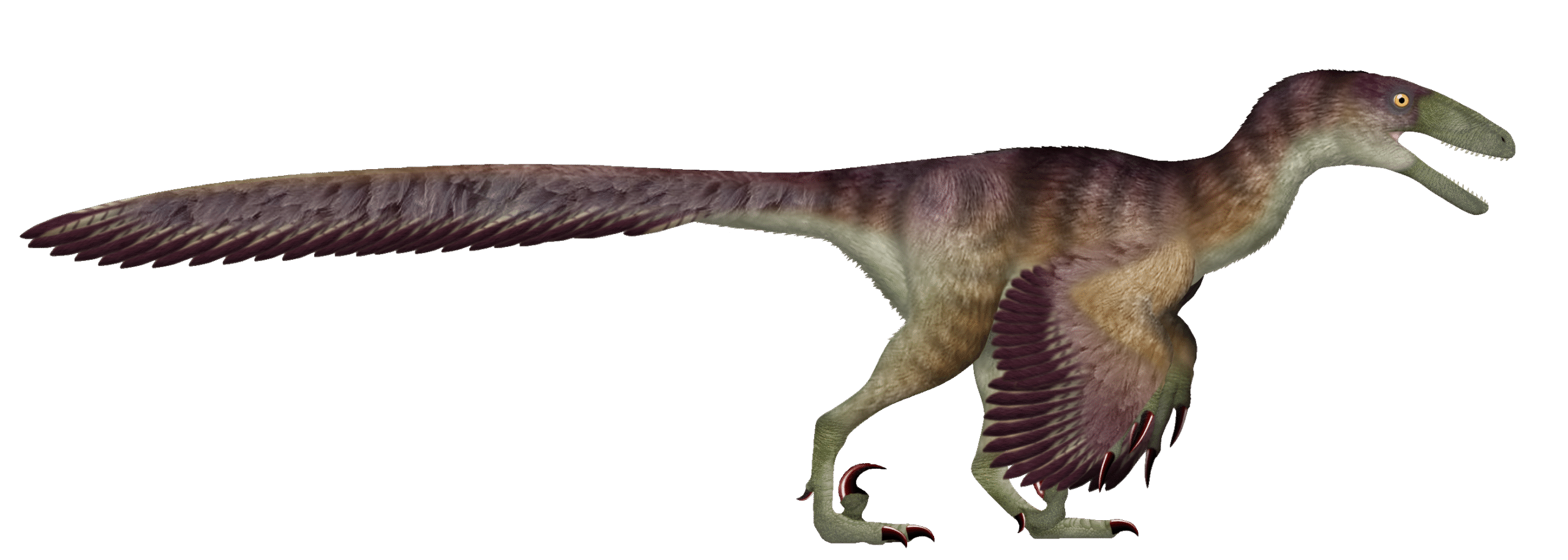
Theropods from the Early Cretaceous of North America include dromaeosaurids such as Deinonychus and Utahraptor. Deinonychus was a mid-sized dromaeosaurid theropod dinosaur renowned for its agility, intelligence, and the large, sickle-shaped claw on each hind foot, about 10-11 feet in length and weighing around 160 pounds, living during the Early Cretaceous period, around 115-108 million years ago.
Ostrom’s description of Deinonychus in 1969 has been described as the most important single discovery of dinosaur paleontology in the mid-20th century, as the discovery of this clearly active, agile predator did much to change the scientific conception of dinosaurs and opened the door to speculation that some dinosaurs may have been warm-blooded. This revolutionary discovery sparked what scientists call the “dinosaur renaissance.” The large sickle claw on each foot could be held off the ground when walking, keeping it razor-sharp for hunting.
Parasaurolophus – The Near Crested Lizard
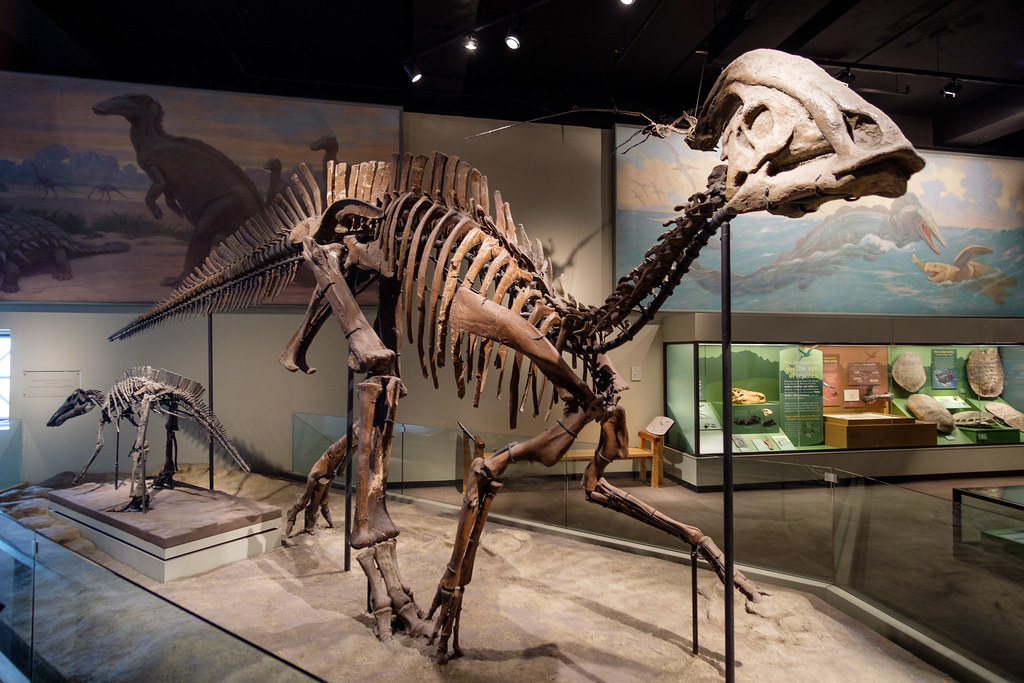
Parasaurolophus was a hadrosaurid, or “duck-billed” dinosaur, known for its long, backward-curving skull crest, living during the Late Cretaceous period, around 76-74 million years ago, in what is now North America. This remarkable dinosaur used its distinctive hollow crest as a natural trumpet, producing deep, resonant calls that could be heard for miles across the ancient landscapes. Among hadrosaurs, Hypacrosaurus, Gryposaurus, Kritosaurus, Parasaurolophus, Corythosaurus, Lambeosaurus and Prosaurolophus existed.
Parasaurolophus likely used its crest for communication, possibly producing resonant sounds, and for display within its species, and its unique and elegant appearance, combined with its frequent depiction in films, documentaries, and video games, has made it a popular and recognizable dinosaur among the “duck-billed” dinosaur group. Different species had crests of varying lengths, suggesting they may have produced different tones, creating a prehistoric orchestra of hadrosaur calls echoing through Cretaceous forests.
Utahraptor – The Giant Raptor
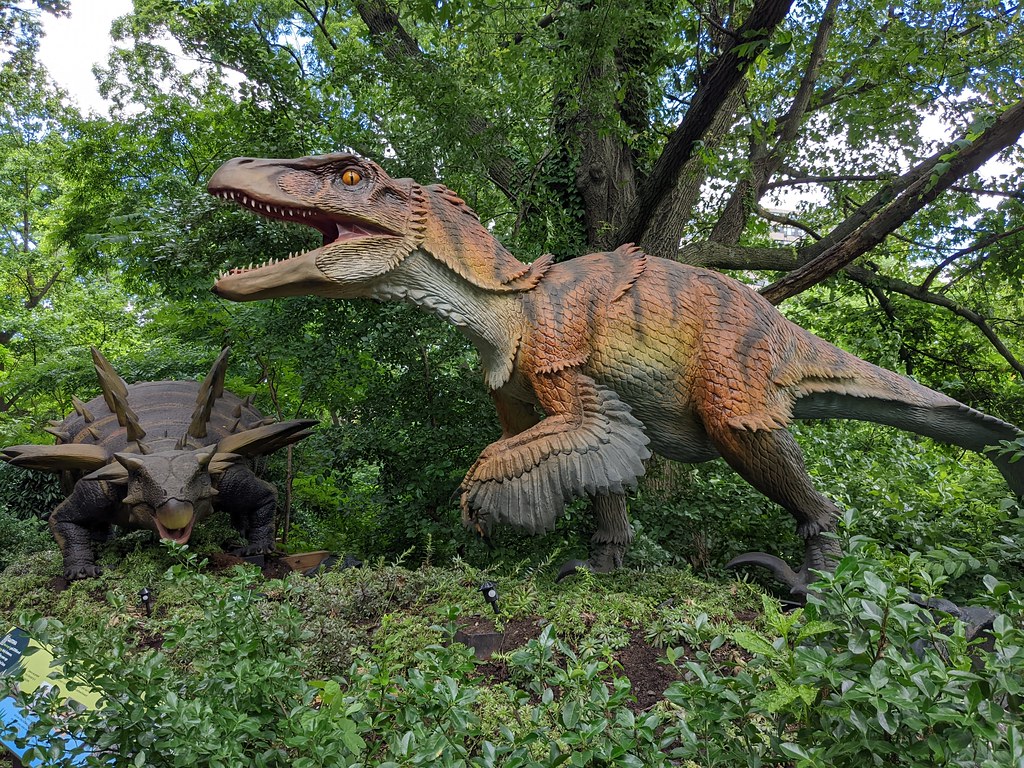
Utahraptor was the largest known member of the dromaeosaurid family, living during the Early Cretaceous period, around 126 million years ago, in what is now North America. Measuring up to 23 feet in length and weighing around 1,100 pounds, Utahraptor is often depicted as a fearsome, intelligent pack hunter. This massive predator was like Deinonychus scaled up to terrifying proportions, with sickle claws that could reach nearly two feet in length.
Utahraptor had powerful legs, a strong tail for balance, and a large, curved claw on each hind foot used for slashing prey. Unlike its smaller relatives that hunted in packs to bring down large prey, Utahraptor was big enough to tackle massive herbivores single-handedly. Its discovery revealed that the dromaeosaurid family included not just small, agile hunters, but also apex predators that could rival the largest carnivorous dinosaurs of their time.
Diplodocus – The Double Beam
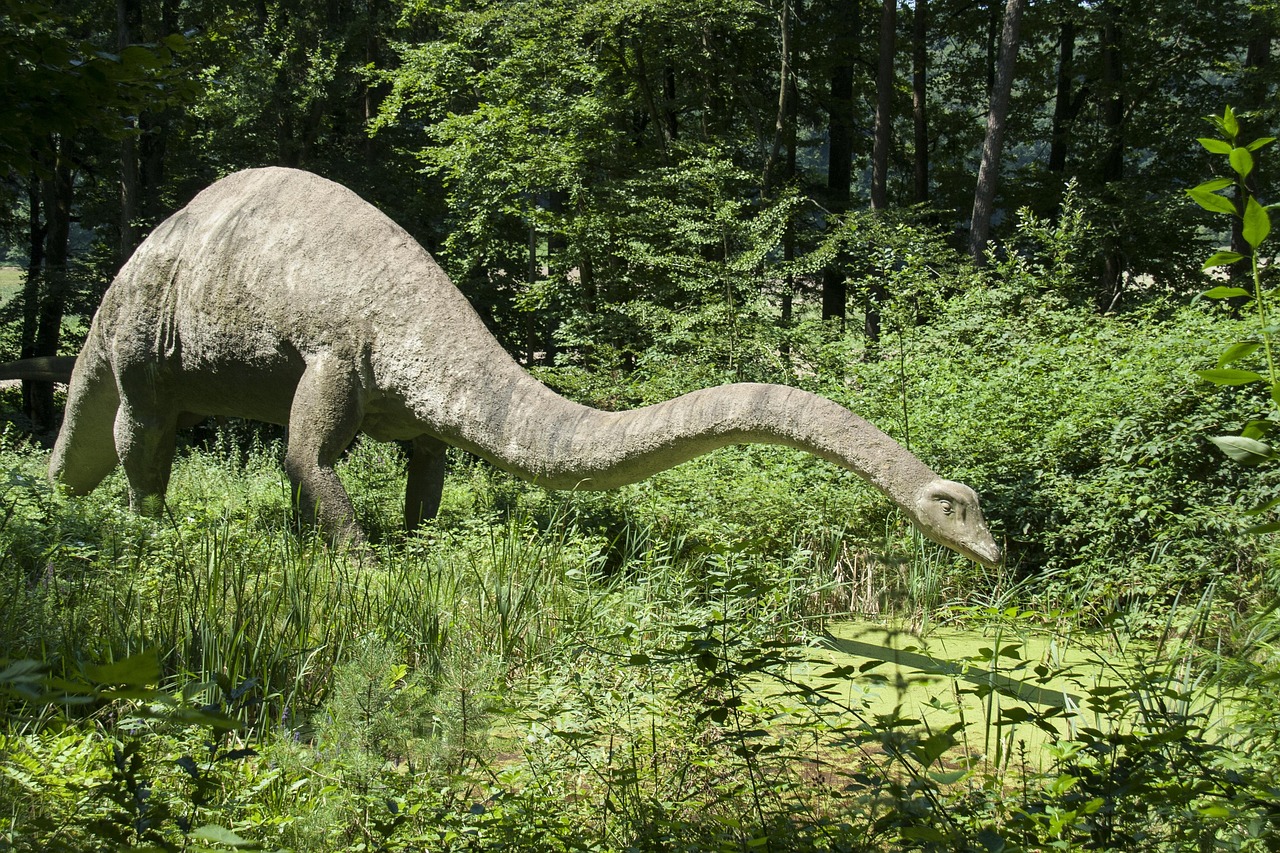
An abundance of sauropods has been found in the Morrison Formation, including Apatosaurus, Diplodicus, Barosaurus, Brachiosaurus, Camarasaurus, Brontosaurus and Amphicoelias. Diplodocus, Apatosaurus, Allosaurus, Stegosaurus and their neighbors roamed western North America about 150 million years ago. Diplodocus was one of the longest dinosaurs ever discovered, reaching lengths of up to ninety feet, though much of that length came from its incredibly long neck and whip-like tail.
In Diplodocus, the slender neck and whip-like tail are extremely long, and the skull is slender and low, almost streamlined, even though the snout is broad and blunt. This elegant giant used its long neck to browse on vegetation both high in trees and low to the ground, making it incredibly efficient at gathering food. Its tail may have been used as a weapon, capable of creating supersonic cracks when whipped through the air, producing sounds louder than a cannon blast.
Conclusion
These ten magnificent dinosaurs represent just a fraction of the incredible diversity that once thrived across North America. From the bone-crushing bite of T. rex to the musical calls of Parasaurolophus, each species developed unique adaptations that allowed them to flourish in their prehistoric environments. North America has a rich dinosaur fossil record with great diversity of dinosaurs.
These ancient giants continue to capture our imagination and teach us about evolution, survival, and the incredible power of adaptation. What do you think about these amazing creatures that once ruled North America? Tell us in the comments.