Imagine standing on the shores of an ancient Earth billions of years ago, watching waves crash against primordial rocks. The sight would be breathtaking, yet completely alien to our modern eyes. Instead of the familiar deep blue we know today, prehistoric oceans shimmered with unexpected hues that tell a remarkable story of life, chemistry, and evolution. These ancient waters were anything but blue, displaying a rainbow of colors that reflected the dramatic changes happening both in the and in the atmosphere above.
The colors of prehistoric oceans serve as windows into Earth’s past, revealing secrets about ancient life forms, atmospheric conditions, and chemical processes that shaped our planet. From brilliant pink waters dominated by primitive bacteria to mysterious purple teeming with unique microorganisms, these ancient marine environments challenge everything we thought we knew about Earth’s early appearance.
When Oceans Blushed Pink

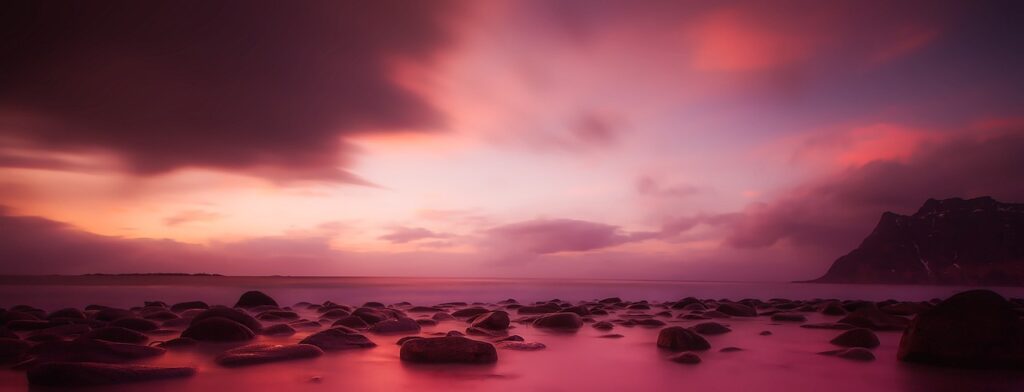
The fossilized chlorophyll inside the bacteria was dark red and purple in its concentrated form, which means that when diluted by water or soil, it would have lent a pink cast to earth and sea. This astonishing discovery emerged from ancient bacterial fossils found in the Sahara Desert, fundamentally changing our understanding of Earth’s earliest colors.
People have discovered the pink pigment in cyanobacterial fossils from ancient marine rocks, indicating that over 1.1 billion years ago, these bacteria were a dominant life form in Earth’s oceans. It’s likely that the bacteria dominated ancient oceans for hundreds of millions of years, perhaps casting a pink tint to the ocean itself. These tiny organisms held incredible power over the planet’s appearance, creating what might have been the world’s most romantic seascape.
The Green Revolution in Ancient Waters
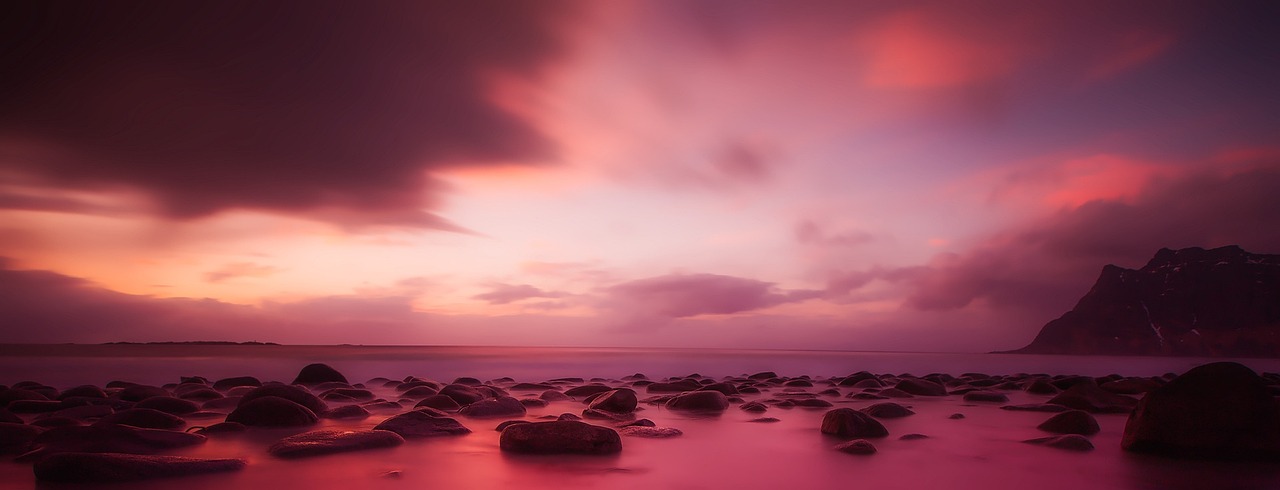
Billions of years ago, according to their simulation, the world’s oceans were green. Recent computer simulations have revealed that massive amounts of iron being washed into the sea from rapid erosion created conditions where iron was triple-charged, which meant it would have given the ocean water a green hue because iron hydroxide absorbs blue light and water absorbs red light – leaving green light to be reflected back into the atmosphere.
There was little to no oxygen and the oceans were filled with iron-rich compounds. The dissolved iron reacted with sunlight likely giving the oceans a murky greenish tint. This iron rich environment was essential for early microbial life which thrived in these conditions. This iron-rich world was so fundamentally different from today that it would have appeared completely alien to modern eyes.
Purple Seas and Ancient Bacteria
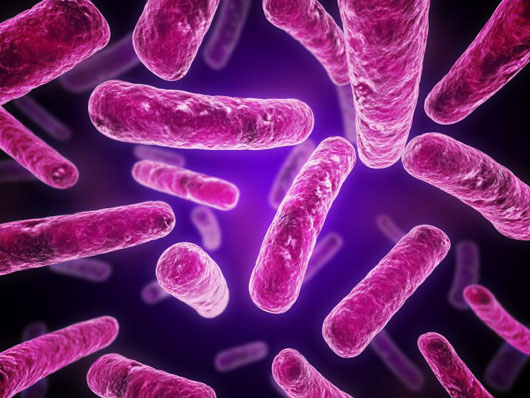
The Purple Earth hypothesis suggests our planet once exhibited dramatically different colors than today. The Purple Earth hypothesis (PEH) is an astrobiological hypothesis, first proposed by molecular biologist Shiladitya DasSarma in 2007, that the earliest photosynthetic life forms of Early Earth were based on the simpler molecule retinal rather than the more complex porphyrin-based chlorophyll, making the surface biosphere appear purplish rather than its current greenish color. It is estimated to have occurred between 3.5 and 2.4 billion years ago during the Archean eon.
Retinal-containing cell membranes exhibit a single light absorption peak centered in the energy-rich green-yellow region of the visible spectrum, but transmit and reflect red and blue light, resulting in a magenta color. Biomarker evidence for green and purple sulphur bacteria in a stratified Palaeoproterozoic sea provides compelling support for this colorful ancient world. These primitive organisms created a landscape that would have been both beautiful and utterly foreign.
The Chemistry Behind Ancient Ocean Colors
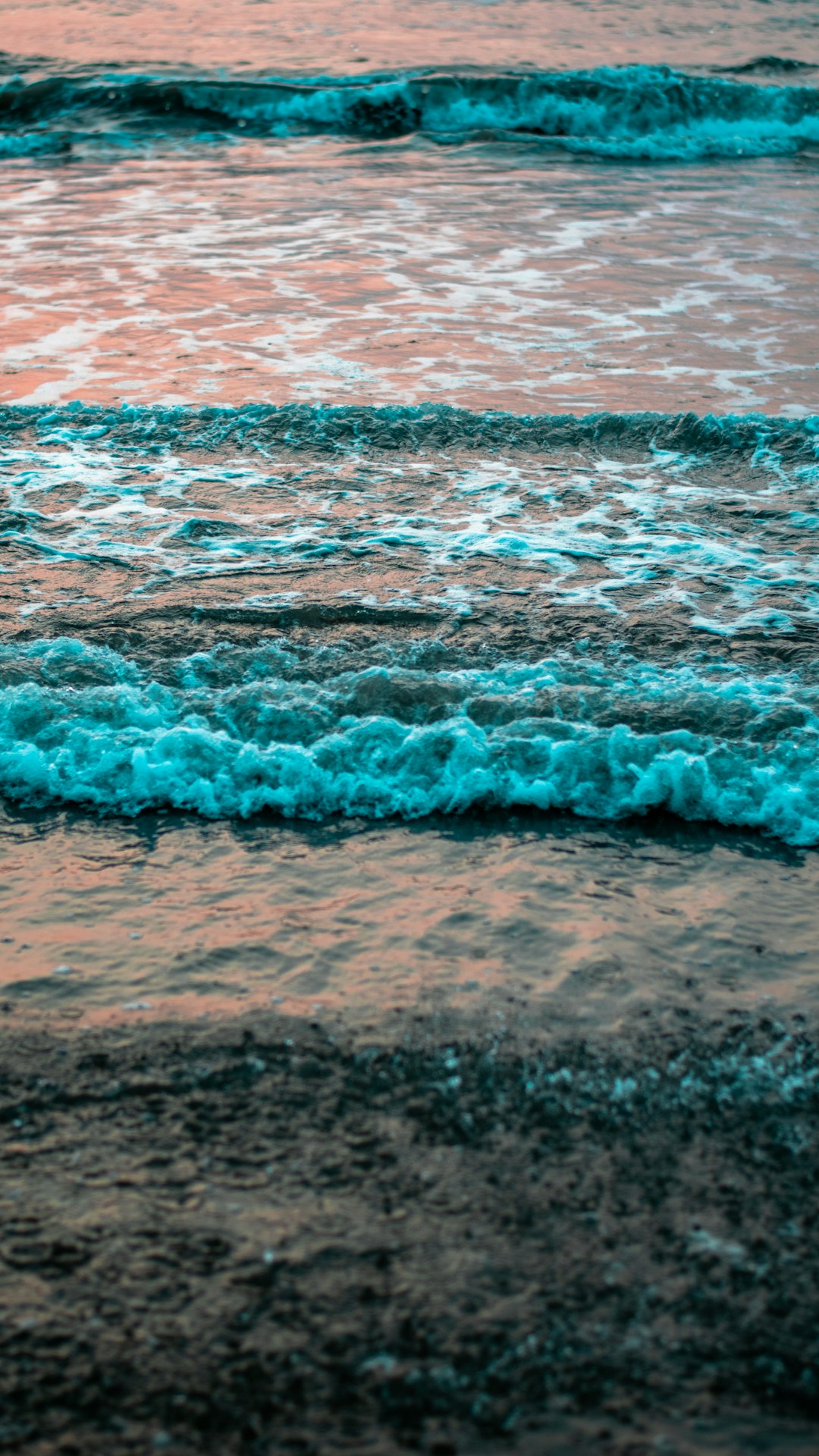
The main substances that affect the color of the ocean include dissolved organic matter, living phytoplankton with chlorophyll pigments, and non-living particles like marine snow and mineral sediments. In prehistoric seas, these factors were dramatically different from today. Scientists believe that billions of years ago Earth’s oceans were not blue but instead had a green reddish or even purple tint due to the dominance of different microscopic organisms and minerals.
The chemistry of ancient oceans was dominated by reduced compounds and anaerobic conditions. Iron formations (IFs), which are marine chemical sedimentary rocks rich in iron and silica [15 to 40 weight % (wt %) Fe and 40 to 60 wt % SiO2], indicate that the deep Archean ocean contained Fe2+(aq) and so was anoxic. This created conditions completely unlike our modern oxygenated seas, allowing for the spectacular color displays that characterized these ancient waters.
Dark Seas and Ancient Marine Life
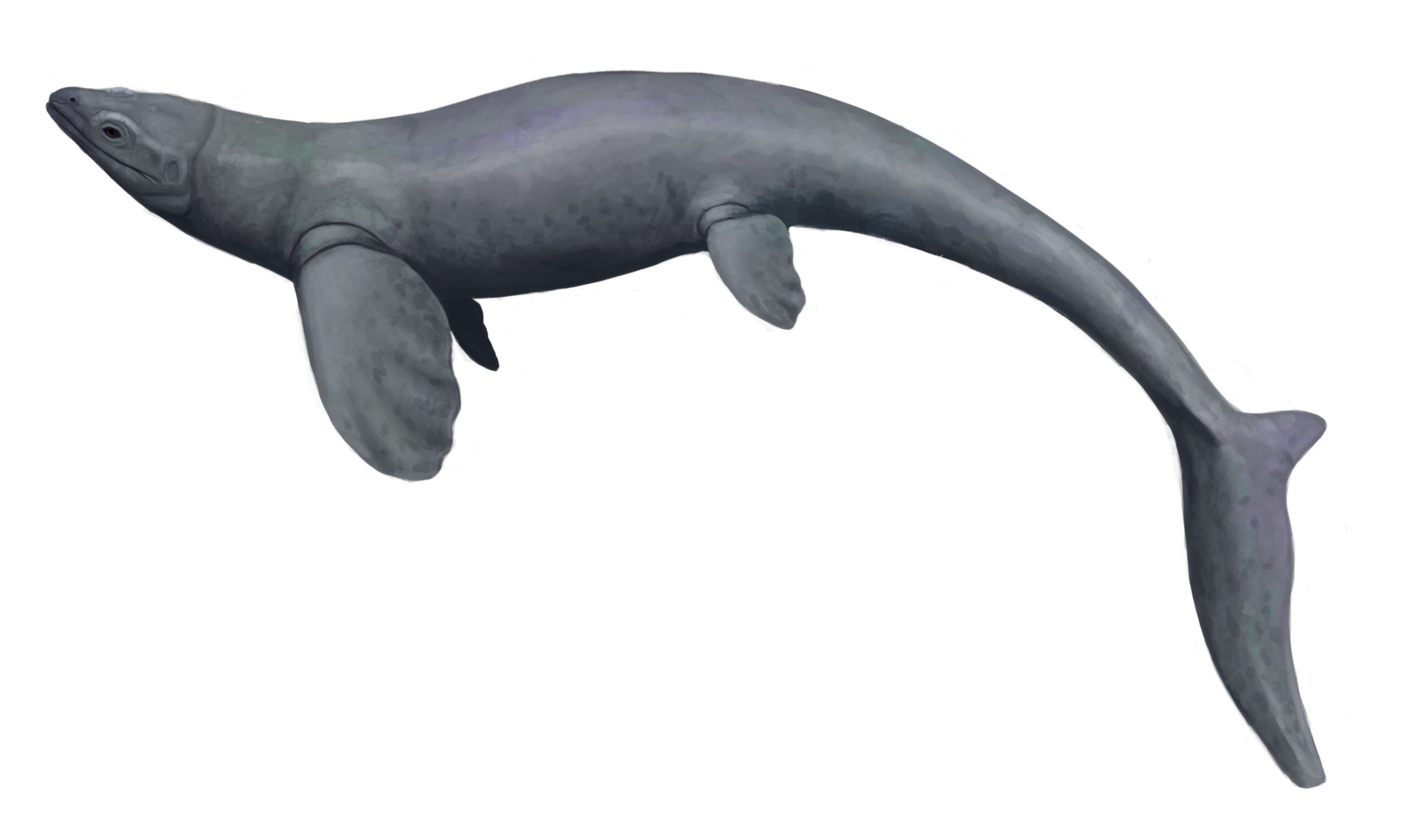
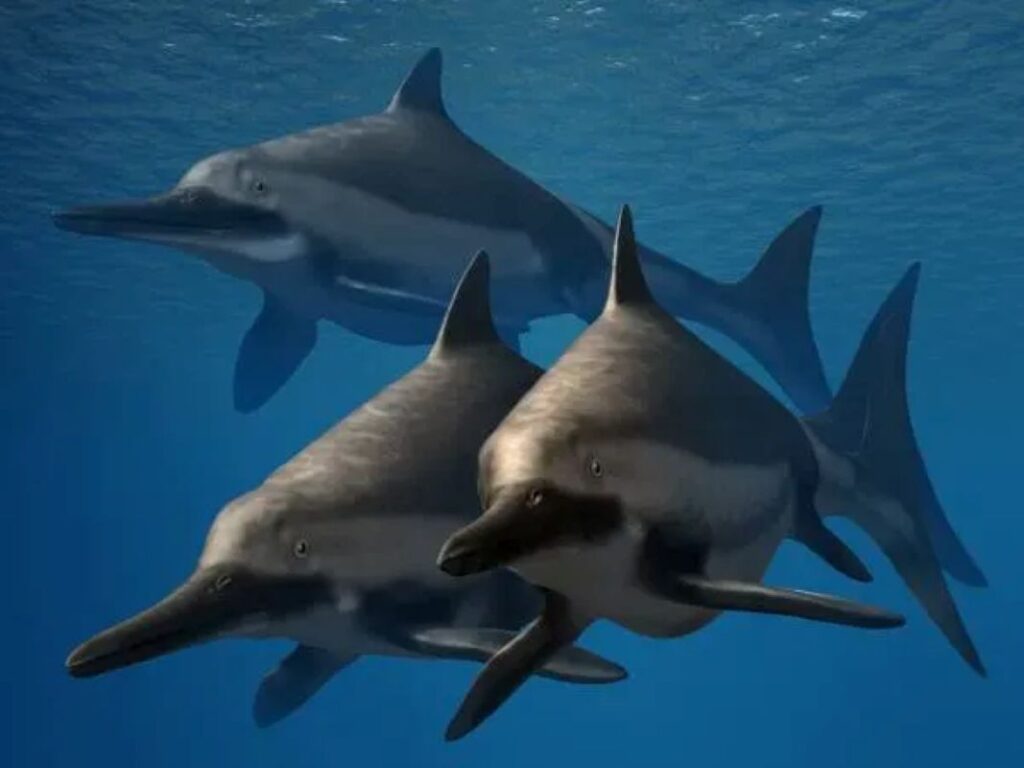
Considering the concentrations of melanosomes the researchers found, even if the animals had other pigments that weren’t ultimately preserved, the pigment-bearing areas would likely have been dark gray or black. Ancient marine reptiles displayed remarkable color adaptations that helped them survive in prehistoric seas. Previously, scientists could only guess what colors these spectacular animals had; however, pigment preserved in fossilized skin has now been analyzed. This is the first time that the color scheme of any extinct marine animal has been revealed.
Similarly, mosasaurs and ichthyosaurs, which also had worldwide distributions, may have used their darkly coloured skin to heat up quickly between dives. However, the modern deep-diving sperm whale has a similar colour scheme, perhaps as camouflage in a world without light, or as UV protection, given that these animals spend extended periods of time at or near the sea surface in between dives. These prehistoric creatures developed sophisticated color strategies for survival in their unique environments.
The Great Color Transformation
Around 2.4 billion years ago a major transformation known as the Great Oxidation Event occurred. Cyanobacteria also called blue green algae began producing oxygen through photosynthesis. This pivotal moment in Earth’s history triggered a cascade of changes that would forever alter the appearance of our planet’s oceans. As oxygen levels increased in Earth’s atmosphere and the iron content in the oceans dropped the water became clearer. The shift allowed sunlight to penetrate deeper into the ocean scattering blue wavelengths more effectively than others. This transition contributed to the deep blue oceans we recognize today.
Over the course of a billion years, large enough quantities of oxygen had been produced, the reducing capabilities of chemical compounds on the Earth’s surface were depleted, and the once-reducing atmosphere eventually became a permanently oxidizing one with abundant free oxygen molecules – an event known as Great Oxidation Event. This coincided with a 300 million year-long global ice age at beginning of the Proterozoic known as the Huronian glaciation. This transformation represents one of the most dramatic color changes in Earth’s history.
Fossil Evidence of Ancient Colors
A dramatic picture in the Gueneli paper showed that some of the extracts of the ancient sediments were brilliant pink. The researchers’ major conclusion is that 1.1 billion years ago, photosynthetic bacteria, most likely dominated by cyanobacteria, were the base of the food chain in the ocean. These preserved pigments provide direct evidence of the spectacular colors that once painted Earth’s seas. By grinding up pieces of marine shale, a team of researchers from the Australian National University has discovered the oldest known colors produced by living things. The pigments, which are 1.1. billion years old, once belonged to cyanobacteria, and were used in photosynthesis.
They were found in marine shale dug out from the Taoudeni Basin in Mauritania, and when diluted, they’re about the color of a sunrise. The preservation of these ancient pigments required extraordinary circumstances, making each discovery a rare glimpse into prehistoric life. Scientists continue to uncover more evidence of these ancient colors, each finding adding another piece to the puzzle of Earth’s colorful past.
Modern Implications and Future Discoveries
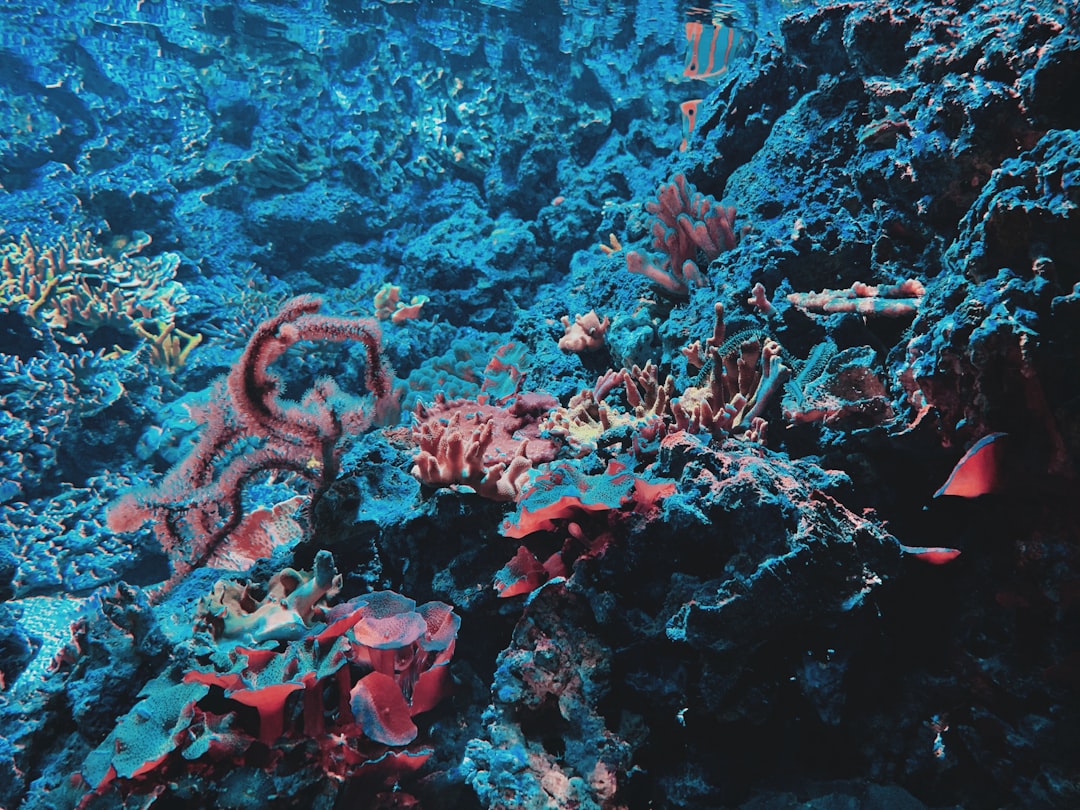
But in recent years, scientists have developed high-tech methods to map the chemical traces of soft tissues in the rocks surrounding fossils, which in turn have helped them visualize the remains of pigments – almost literally bringing prehistoric colors back to life. These technological advances continue to reveal new secrets about ancient ocean colors. Our discovery enables us to make a journey through time and to revisit these ancient reptiles using their own biomolecules. Now, we can finally use sophisticated molecular and imaging techniques to learn what these animals looked like and how they lived.
While modern oceans remain mostly blue variations in their color reveal critical information about their health and the broader impacts of climate change. As scientists continue to study these changes we gain a deeper understanding of our planet’s history and the challenges that lie ahead in preserving our marine ecosystems. The study of prehistoric ocean colors not only satisfies our curiosity about the past but also helps us understand present-day environmental changes and what the future might hold.
reveal a planet that was far more vibrant and diverse than we ever imagined. From the romantic pink of cyanobacteria-dominated waters to the mysterious purples of retinal-based photosynthesis, these ancient oceans tell stories of life, evolution, and dramatic planetary change. As technology continues to advance, we’re uncovering more evidence of these spectacular prehistoric seascapes, each discovery painting a richer picture of our planet’s colorful past. These findings remind us that Earth’s history is full of surprises, and there’s still so much more to discover about the world that existed long before us.
What do you think about these amazing prehistoric ocean colors? Tell us in the comments.