Ever since Jurassic Park first roared onto screens in 1993, dinosaurs have become cultural icons. Hollywood’s portrayal of these ancient creatures has fascinated millions worldwide, sparking imaginations and inspiring countless documentaries and blockbusters. Yet for all their stunning visuals and heart-pounding action sequences, most movies still get fundamental facts about dinosaurs spectacularly wrong.
These prehistoric legends have been shaped more by cinema than science, creating persistent myths that even modern paleontologists struggle to correct. From the mighty T-Rex’s fearsome roar to the pack-hunting Velociraptors, what we think we know about dinosaurs often comes straight from movie magic rather than fossil evidence. Let’s explore the fascinating truth behind these cinematic misconceptions.
T-Rex Couldn’t Roar Like a Lion
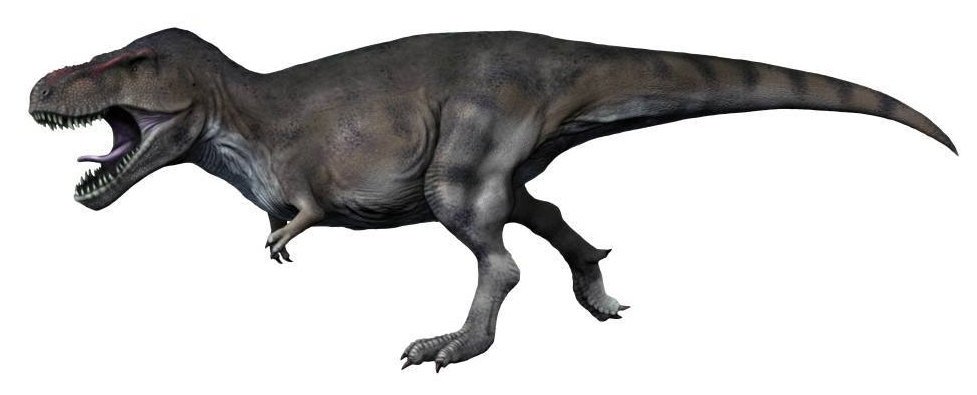
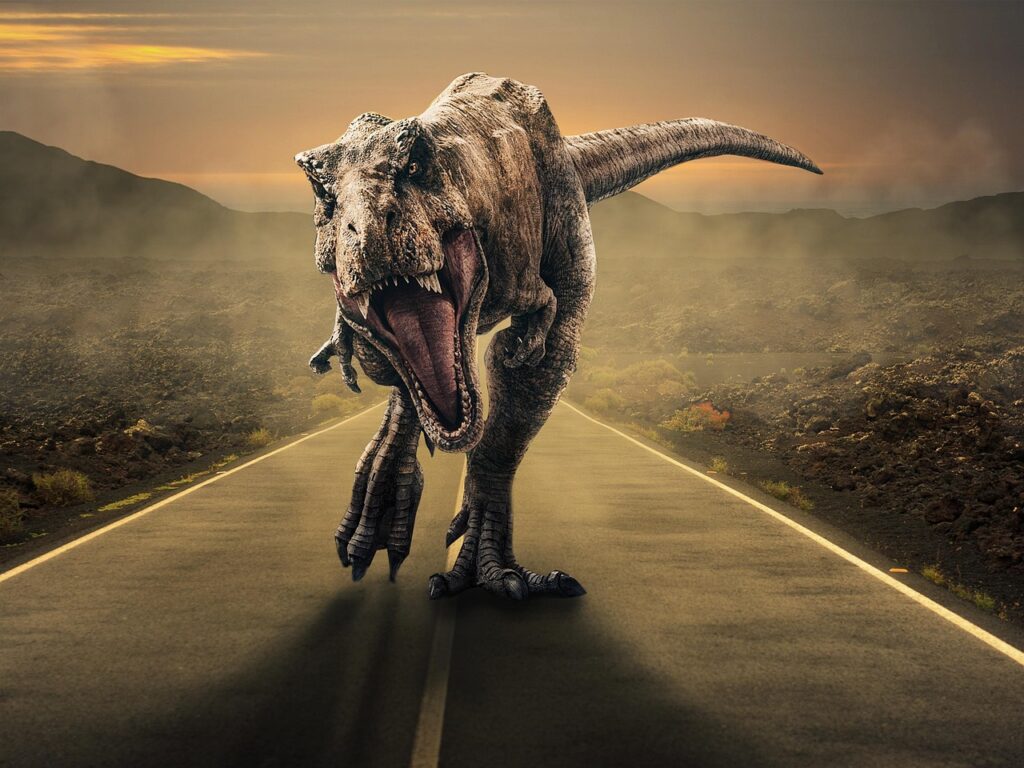
T-Rex did not typically open their mouths and roar like the movies depicted, and the exciting roars in the Jurassic Park franchise are not scientifically accurate. The iconic thunderous roar that made audiences jump in theaters was actually an audio illusion created by blending recordings of various modern animals, including the deep, resonant base from a baby elephant, growling undertones from a tiger, and guttural elements from an alligator.
Scientists theorize that many dinosaurs produced closed-mouth vocalizations by inflating their esophagus or tracheal pouches while keeping their mouth closed, producing something comparable to a low-pitched swooshing, growling, or cooing sound. This form of sound production is common in today’s ostriches, doves, and crocodiles, creating a deep, chest-vibrating hum or low-frequency rumble felt as much as heard. Think of it more like the eerie boom of an ostrich rather than the dramatic roar of a big cat.
Velociraptors Were Turkey-Sized, Not Human-Sized
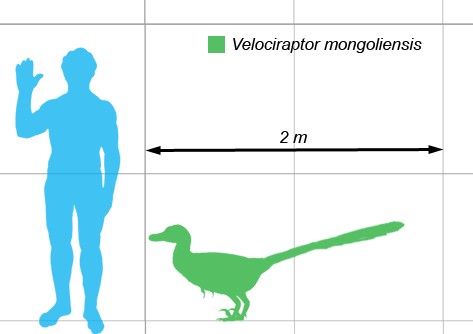
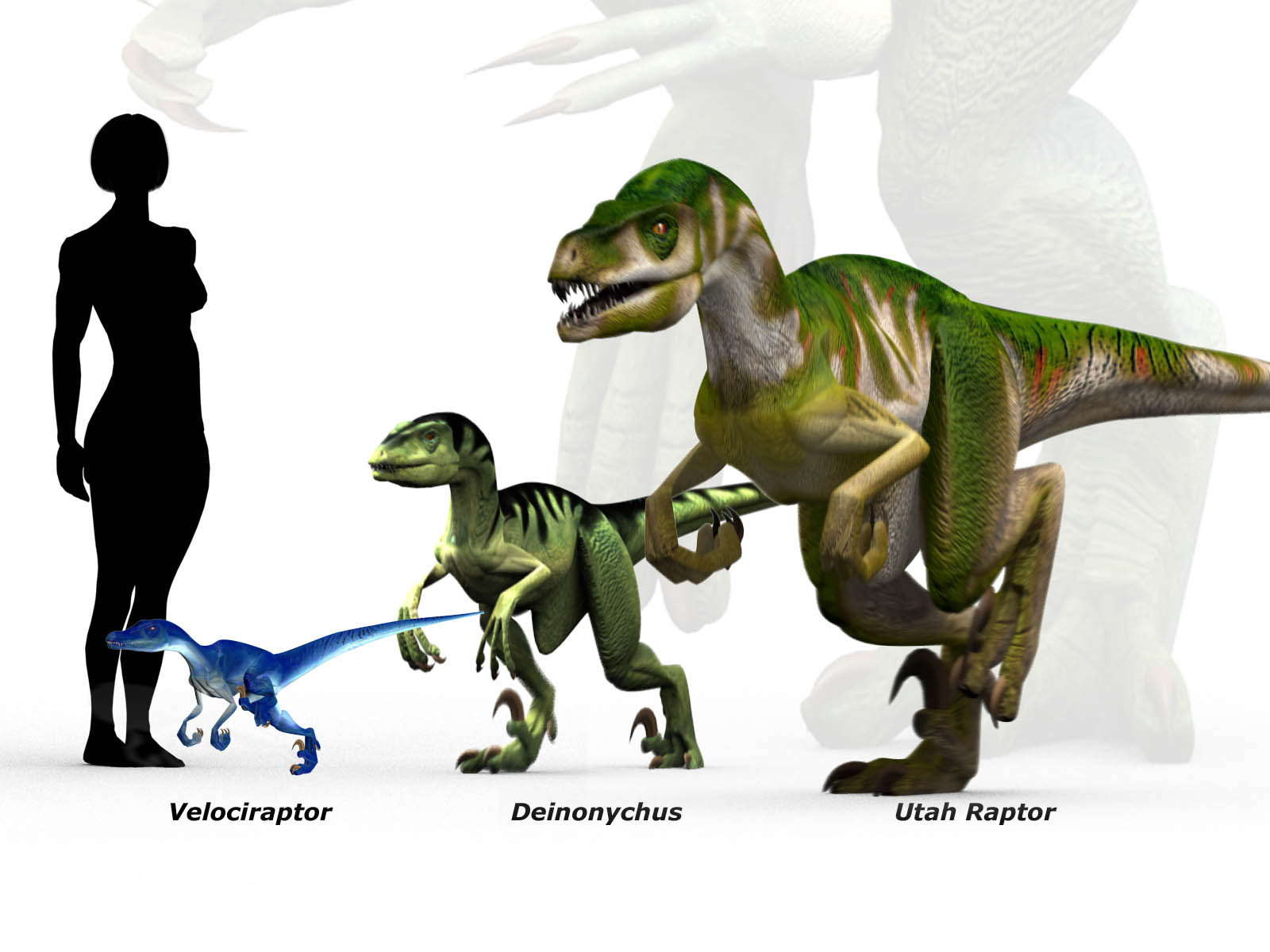
Hollywood’s Velociraptors are among the most dramatically inaccurate dinosaurs ever put on screen. In reality, Velociraptor was roughly the size of a turkey, considerably smaller than the approximately 6.6 feet tall and 200 pound reptiles seen in the novels and films. Real Velociraptors were around 2 meters in length, half a meter in height and 15-20 kilograms in weight, making them half the size of the creatures portrayed in Jurassic Park.
The raptors that terrorized Jurassic Park were actually based on Deinonychus antirrhopus, a much larger dinosaur that inhabited North America, with the animals portrayed having the size, proportions, and snout shape of Deinonychus rather than Velociraptor. Michael Crichton chose to use the name Velociraptor instead of Deinonychus for his book because he felt the former name was “more dramatic,” though the dinosaurs were based on Deinonychus in almost every detail. Honestly, calling a turkey-sized predator a “Velociraptor” does sound more intimidating than admitting you’re being chased by something the size of a large chicken.
They Had Feathers, Not Scales
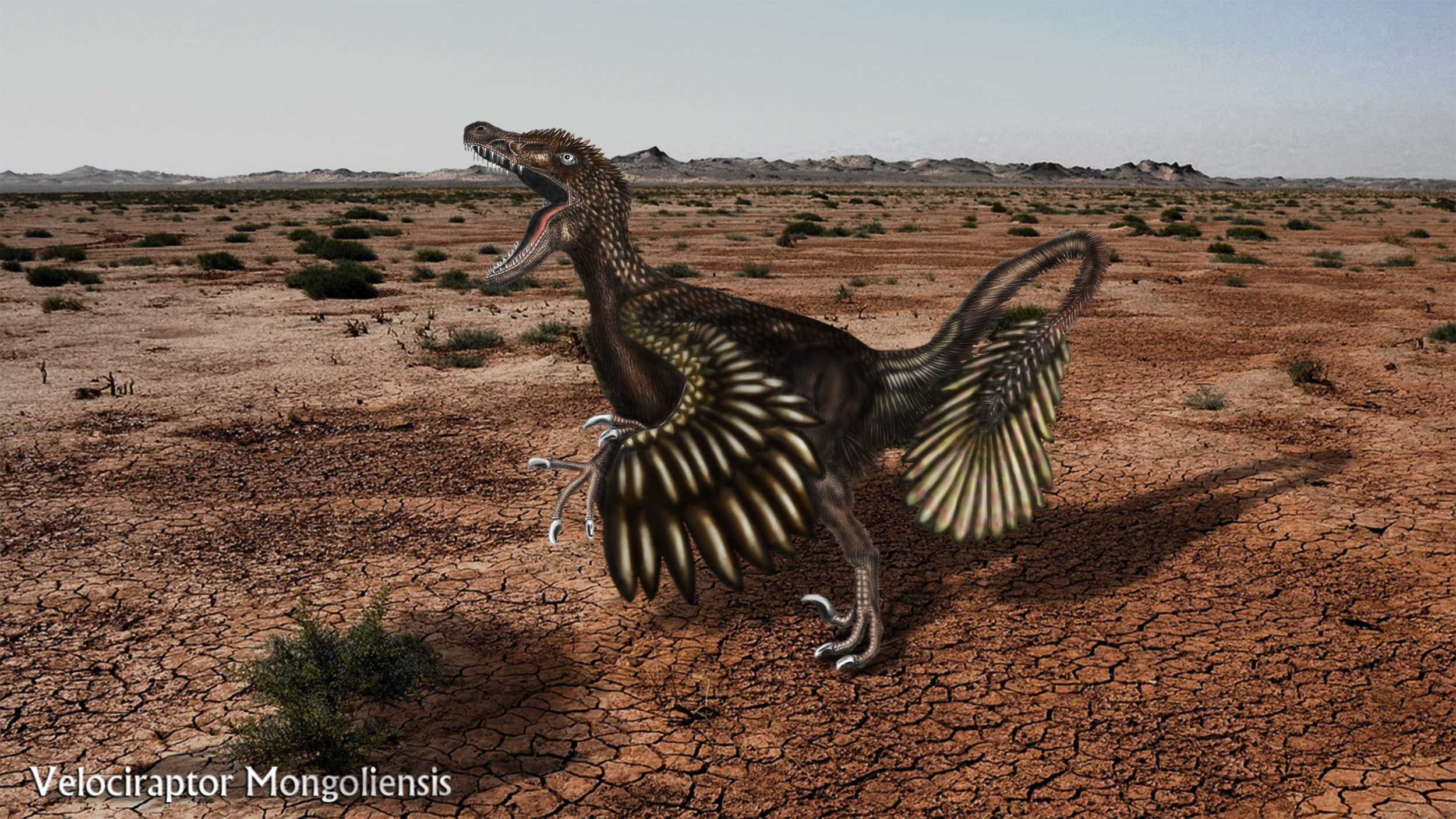
Jurassic Park were released before the discovery that dromaeosaurs had feathers, so the Velociraptor in the films were depicted as scaled and featherless. Velociraptor was a bipedal, feathered carnivore with a long tail and an enlarged sickle-shaped claw on each hindfoot. Starting in the mid-1990s there has been a vast number of discoveries of feathered dinosaurs, and it’s absolutely certain that they would have been covered in feathers and they may well have had long, display-type feathers on their forearms.
A light, feathery coating would have made real Velociraptors look more like an aggressive turkey than the scaly creatures we know from the movies. Unlike modern-day birds which have feathers for flight, Velociraptors and other species of dinosaurs had feathers for other crucial functions such as insulation and balance. The reality is that these predators likely resembled deadly, feathered birds more than the reptilian monsters Hollywood created.
Most Dinosaurs Didn’t Hunt in Packs
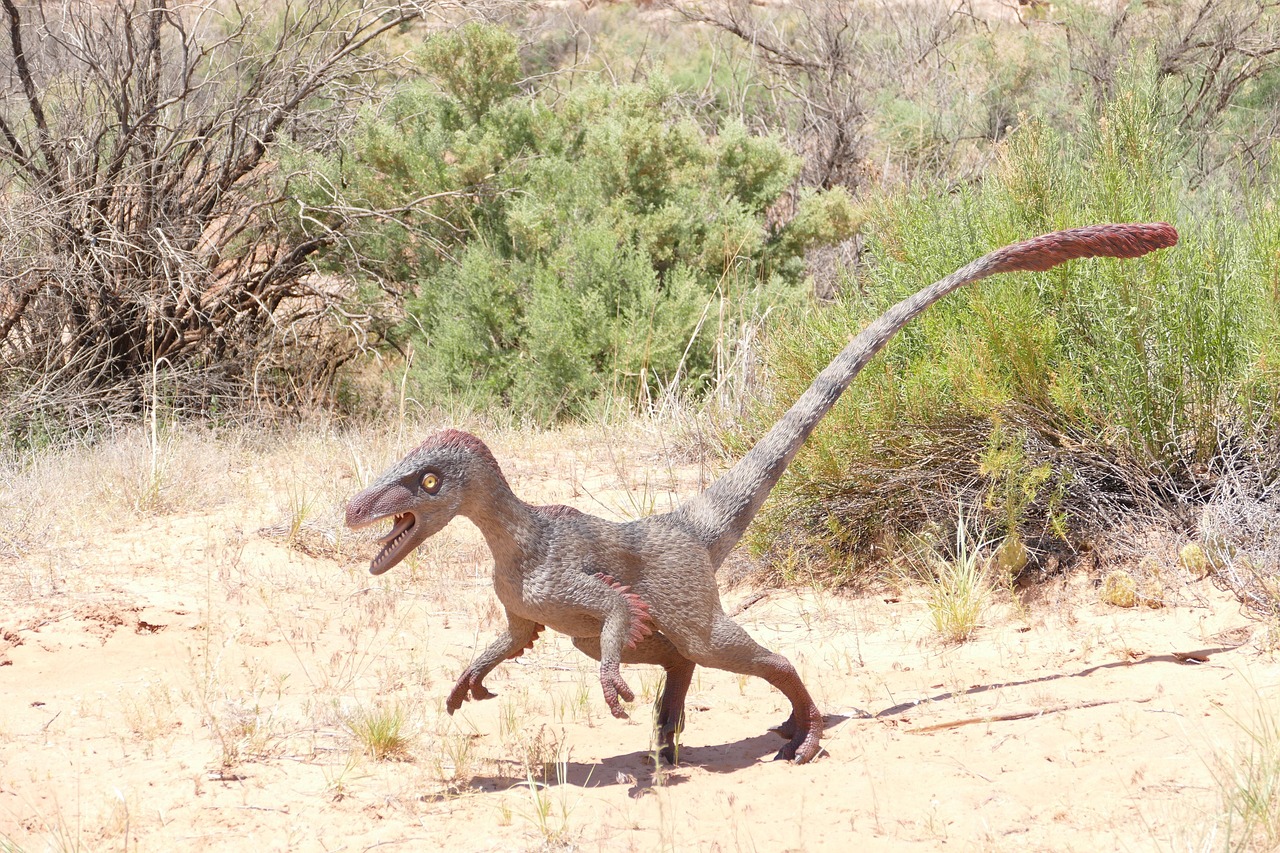
The coordinated pack hunting scenes in Jurassic Park make for thrilling cinema, but they’re largely fictional. Although many isolated fossils of Velociraptor have been found in Mongolia, none were closely associated with other individuals, and while Velociraptor is commonly depicted as a pack hunter, there is only limited fossil evidence to support this theory for dromaeosaurids in general and none specific to Velociraptor itself. In Jurassic Park, Velociraptors were depicted as pack hunters, but there’s little evidence that this was the case, with chemical tests revealing that the dinosaur’s diet changed as it aged – a dietary diversity that isn’t generally seen among pack animals.
These dinosaurs were early ancestors of birds, crocodiles, and Komodo dragons, so it’s more likely that they hunted alone, just as these modern creatures do, and while it’s unlikely these beasts hunted in packs, scientists are still unsure whether they lived in groups. The image of cunning raptors coordinating complex hunting strategies is more Hollywood drama than prehistoric reality.
Dilophosaurus Wasn’t Venomous or Frilled
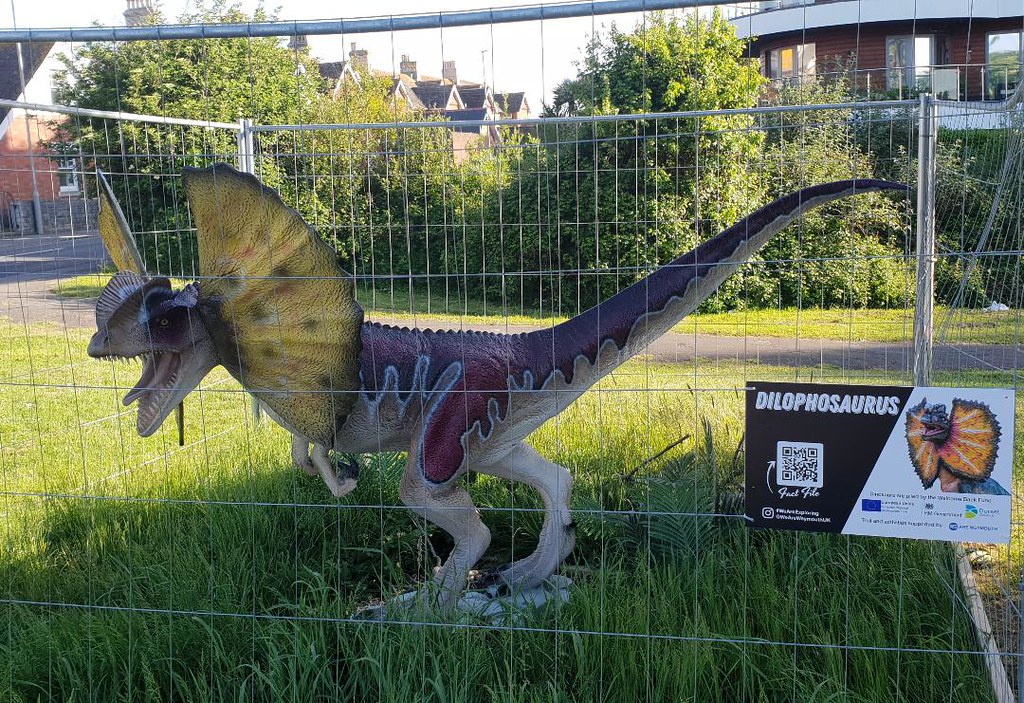
We don’t have any evidence that Dilophosaurus or in fact any dinosaurs were able to produce venom, and it also had this frill in the film but we don’t have any evidence for that either. The memorable neck frill that unfurled before spitting venom in Jurassic Park was pure artistic license. In many living venomous animals, there are distinct pits in the jaw bone that indicate how an animal can deliver a toxic surprise, but no such structures have been found in dinosaur fossils.
The film’s version of the dinosaur was also undersized, which is unusual given movies’ go-to approach of making beasts bigger for maximum effect, as in reality, an adult Dilophosaurus would have reached around seven meters in length. This is one of the few cases where Hollywood actually made a dinosaur smaller rather than larger. The real Dilophosaurus was a formidable predator based on size alone, without needing fictional venom or intimidating frills.
T-Rex Could Only Run About 12 MPH, Not 40 MPH
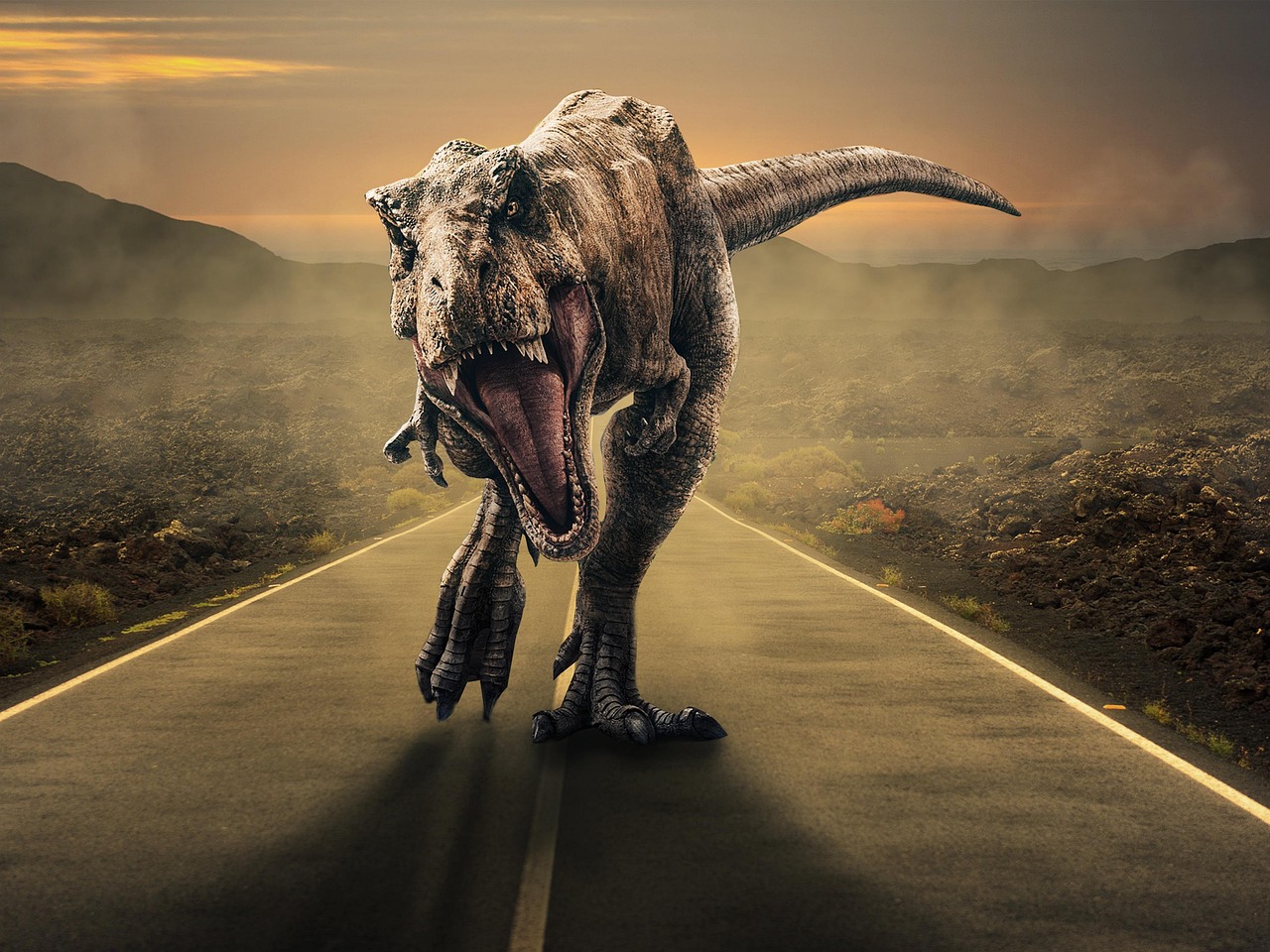
For some time, there was a common misconception among paleontologists that a T-Rex could run up to 40 mph, which was the prevailing mode of thought when Jurassic Park was made, making it seem entirely plausible that the T-Rex could match the speed of the escaping jeep. However, a T-Rex has a running speed of only about half that, and they often didn’t need to go any faster because the herbivores they were snacking on were quite lumbering as well, meaning that in a car, it wouldn’t be so hard to get away from one.
The terrifying chase scenes where a T-Rex pursues speeding vehicles make for edge-of-your-seat entertainment, but they’re physically impossible. The massive size and bone structure of these apex predators simply couldn’t support sustained high-speed running. Think of them more like powerful bulldozers than speedy sports cars.
Dinosaurs Lived All Over the World, Not Just Tropical Areas
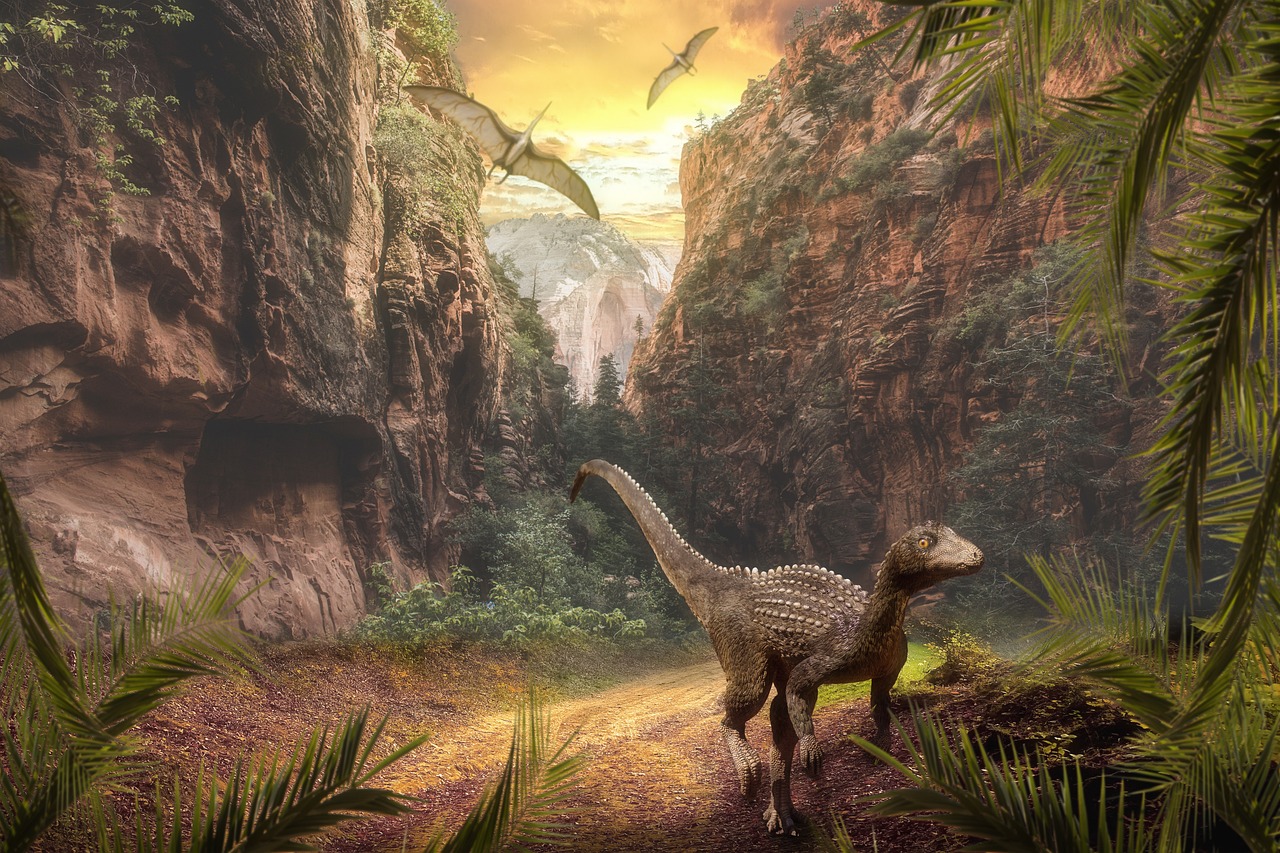
Most Hollywood movies depict dinosaurs as only living in warm, tropical regions, but science shows that they lived all over the world, with dinosaur fossils found in the most unexpected places, including a construction site in Massachusetts and a coal mine in Russia. During the Triassic Period, Earth’s supercontinent Pangea began to break apart and continued to separate through the Jurassic Period, and by the Cretaceous Period, dinosaurs had spread across the new continents, with the discovery suggesting that species walked across Antarctica to travel between regions.
The lush, jungle-like environments we associate with dinosaurs from movies create a false impression of where these animals actually lived. Paleontologists have discovered dinosaur remains in Arctic regions, showing that some species were well-adapted to colder climates. The diversity of dinosaur habitats was far greater than Hollywood’s tropical paradise settings suggest.
Spinosaurus Was Primarily Aquatic, Not a Land Predator
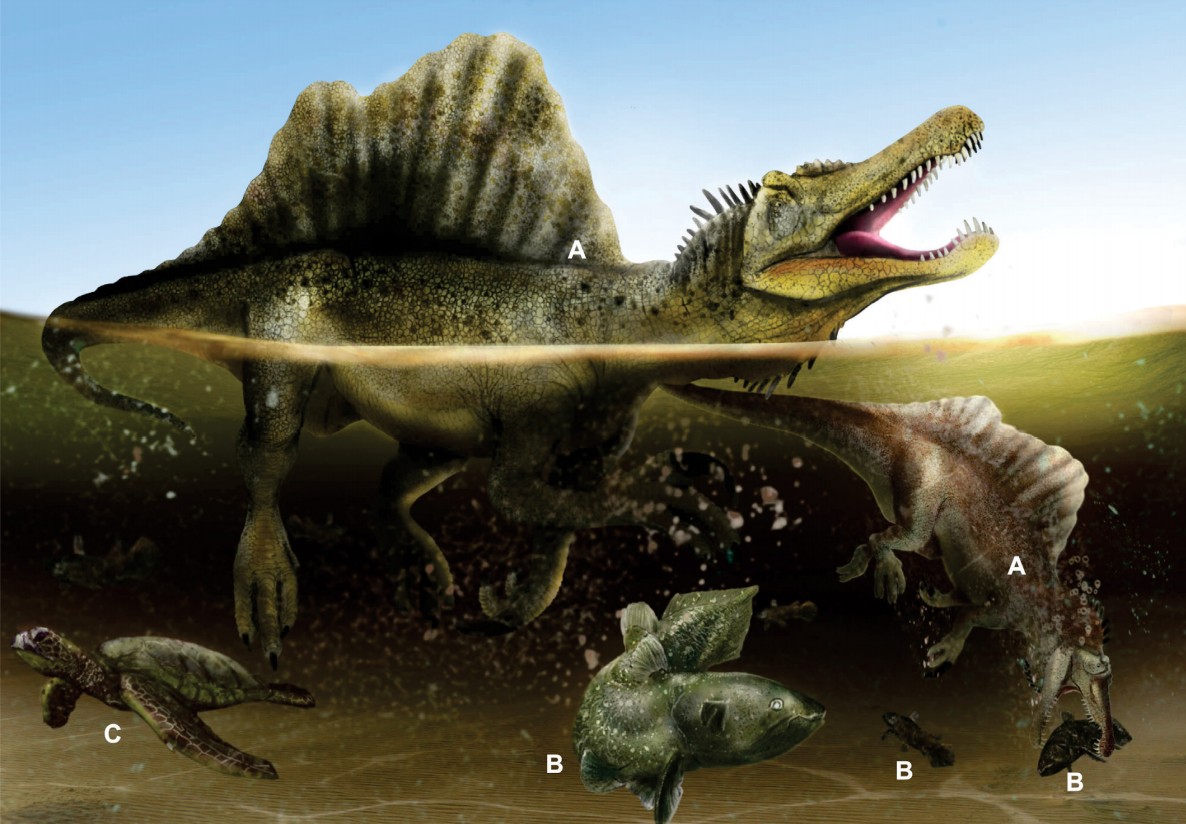
Recent discoveries show Spinosaurus had dense bones for buoyancy control and a paddle-like tail perfect for swimming, with these adaptations pointing to a primarily aquatic lifestyle hunting fish, and its famous sail likely served for temperature regulation or display rather than intimidation on land. This completely contradicts Jurassic Park III’s portrayal of Spinosaurus as a fearsome land-based super predator that could overpower a T-Rex.
The movie’s version shows Spinosaurus as the ultimate terrestrial carnivore, but the real animal was more like a giant crocodile than a land-dwelling monster. Spinosaurus is believed to have lived mostly in the water. Its elongated skull and conical teeth were perfectly designed for catching fish, not battling other massive predators on land.
Their Tiny Arms Were Actually Incredibly Strong
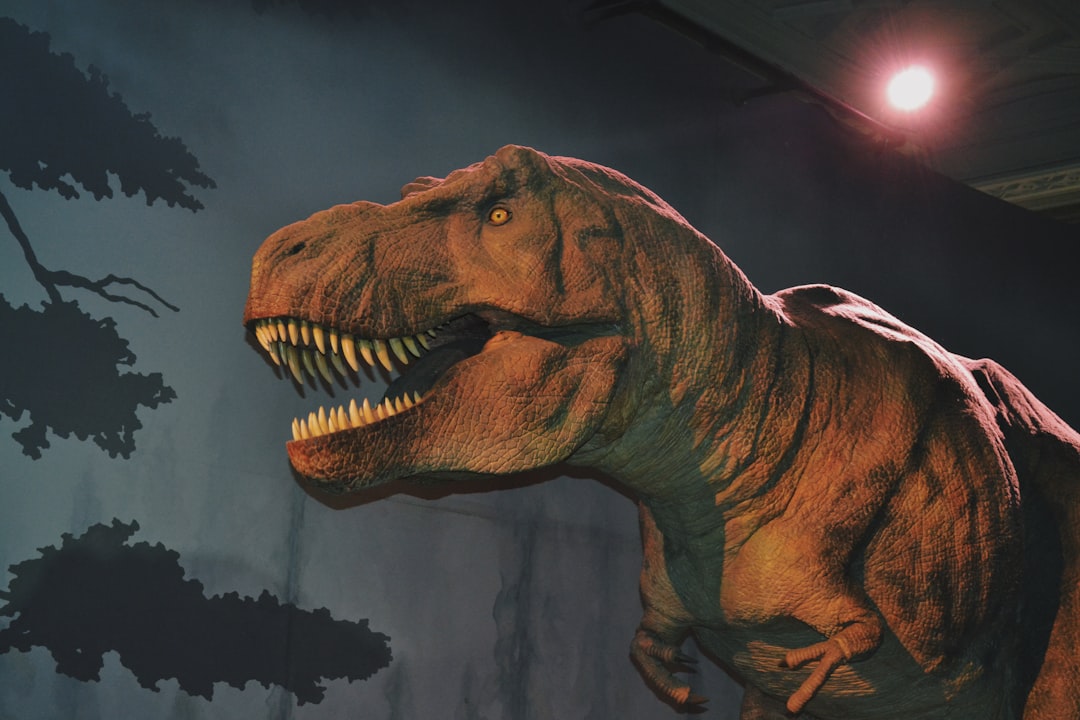
T-Rex’s tiny arms could bench press up to 400 pounds, and despite being the butt of countless jokes, these arms were packed with muscle and served important functions like holding prey, assisting in standing up, or even courtship rituals, with scientists believing these arms were specialized tools rather than evolutionary leftovers, and their compact design actually provided incredible strength relative to their size.
The popular image of T-Rex as having useless, vestigial arms is completely wrong. T. rex forelimbs were tiny but surprisingly muscular. These weren’t evolutionary mistakes or leftover appendages, but rather highly specialized tools that packed enormous power into a compact design. The mocking memes about T-Rex’s small arms miss the point entirely – they were small but mighty, perfectly evolved for their intended purpose.
Conclusion
Hollywood’s dinosaurs have become so iconic that separating fact from fiction feels almost impossible. These cinematic creatures have dominated our imaginations for decades, creating a shared cultural understanding of prehistoric life that’s often more fantasy than reality. While movies like Jurassic Park deserve credit for revolutionizing how we think about dinosaurs as active, intelligent animals rather than sluggish reptiles, they also perpetuated myths that continue to influence public perception today.
The real dinosaurs were far more fascinating than their Hollywood counterparts. Feathered raptors the size of turkeys, deep-voiced giants that communicated through chest-rattling vibrations, and semi-aquatic predators perfectly adapted to ancient waterways paint a picture of diversity and specialization that CGI can barely capture. We can have both a thriving creative film industry and a solid base of scientific understanding.
What makes this even more intriguing is how quickly our understanding continues to evolve. Every new fossil discovery has the potential to overturn what we thought we knew. Did any of these revelations surprise you? What other movie dinosaurs do you think need a scientific reality check?