Have you ever wondered what the world sounded like sixty-six million years ago? Picture massive prehistoric landscapes where colossal creatures once roamed, and imagine the cacophony that might have filled the air. The question of whether dinosaurs communicate through sound has fascinated scientists and the public alike for decades.
While these ancient giants certainly n’t engage in philosophical debates or share gossip like humans do, emerging research suggests they possessed far more sophisticated communication abilities than we ever imagined. Let’s explore the fascinating world of dinosaur vocalizations and discover what science reveals about their prehistoric conversations.
The Science Behind Dinosaur Vocalizations
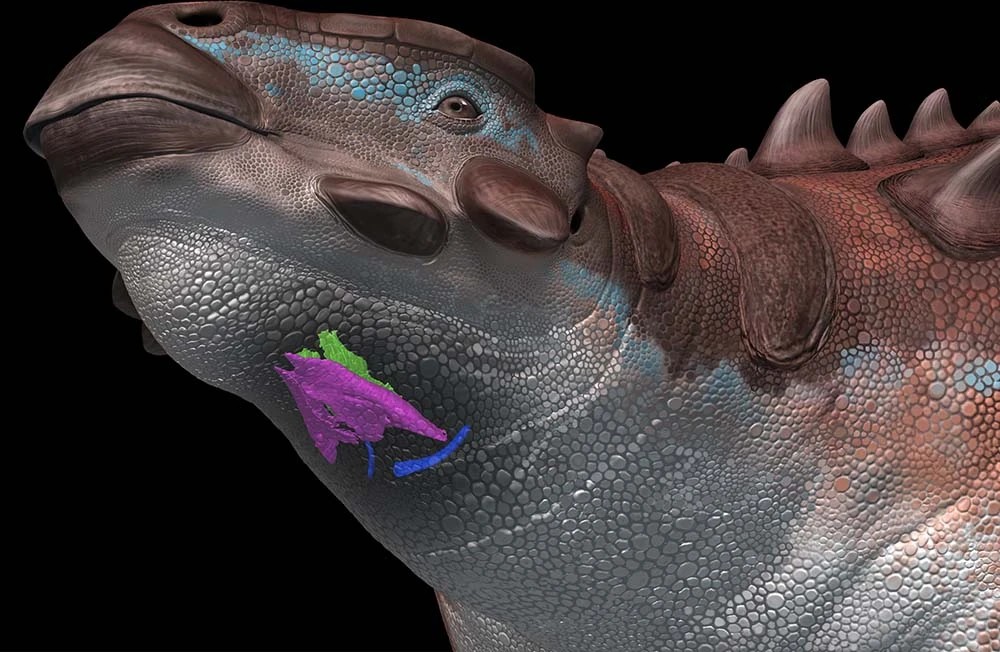
Dinosaurs may have made closed-mouth noises, much like the booms and hoots that some birds make today, according to a study published in July 2016 in the journal Evolution. This groundbreaking research fundamentally changed how scientists think about dinosaur communication.
“Closed-mouth vocalizations are sounds that are emitted through the skin in the neck area while the beak is kept closed,” explained study lead researcher Tobias Riede. Birds typically push air into an esophageal pouch rather than exhale through the open beak. Think of it like a dove’s gentle cooing or the deep rumbling of an alligator.
Hollywood Myths vs. Scientific Reality
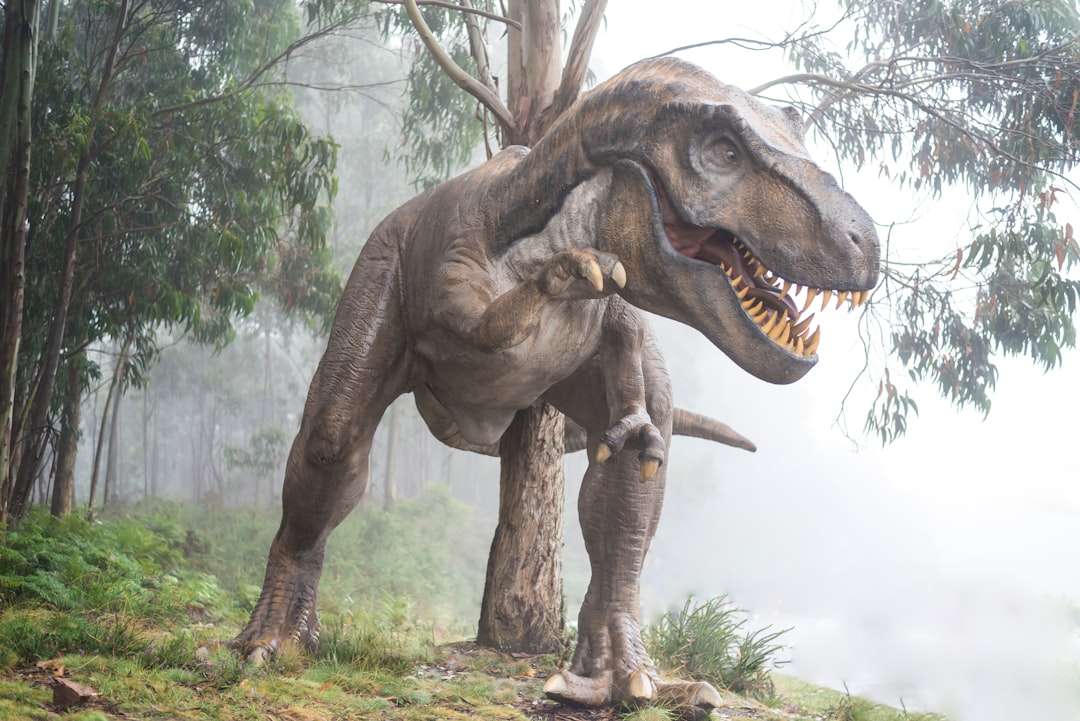
Perhaps sadly, the exciting, blood-curdling roars in the Jurassic Park franchise are not scientifically accurate. Current evidence supports that Tyrannosaurus rex made closed-mouth vocalizations, but in the films, the Tyrannosaurus opens its mouth every time it roars.
The movie makers actually used quite creative sound design though. The majority of the sounds used to create the Tyrannosaurus sonic palette came from recordings of elephant bellows. Also used were crocodilian growls, roars from lions and tigers, the sound of water coming up from a whale’s blowhole, and even growls from the sound producer’s dog. Reality, however, would have sounded quite different from these theatrical interpretations.
Specialized Sound-Making Anatomy
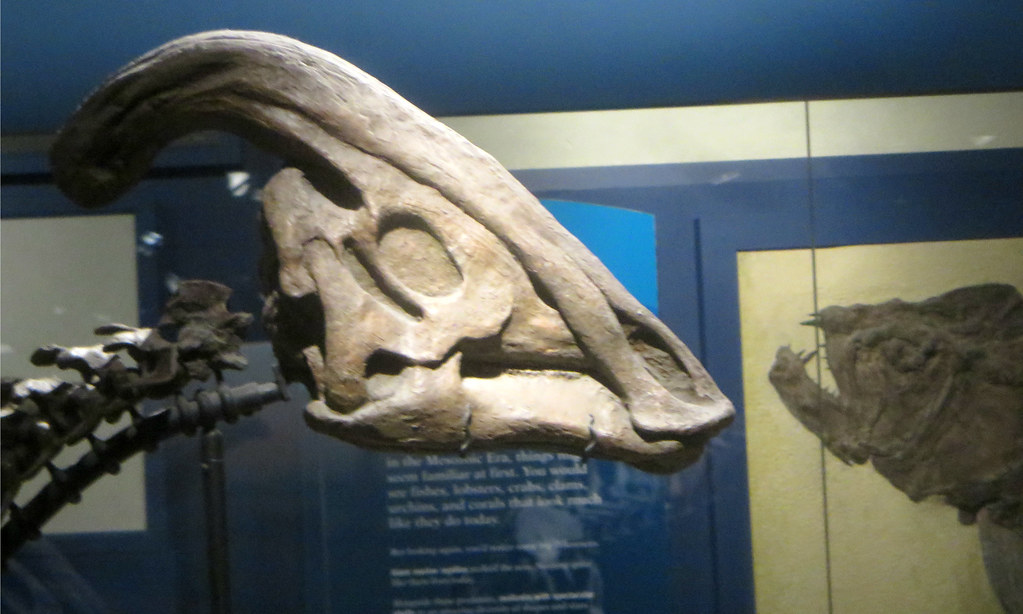
The study of dinosaur vocalization began after the discovery in August 1995 of a rare Parasaurolophus skull fossil measuring about 4.5 feet long. The dinosaur had a bony tubular crest that extended back from the top of its head. Many scientists have believed the crest, containing a labyrinth of air cavities and shaped something like a trombone, might have been used to produce distinctive sounds.
Using advanced computer modeling techniques, researchers recreated the potential sounds of these ancient creatures. As expected, based on the structure of the crest, the dinosaur apparently emitted a resonating low-frequency rumbling sound that can change in pitch. Each Parasaurolophus probably had a voice that was distinctive enough to not only distinguish it from other dinosaurs, but from other Parasaurolophuses. Imagine each dinosaur having its own vocal fingerprint.
The Range of Prehistoric Communication
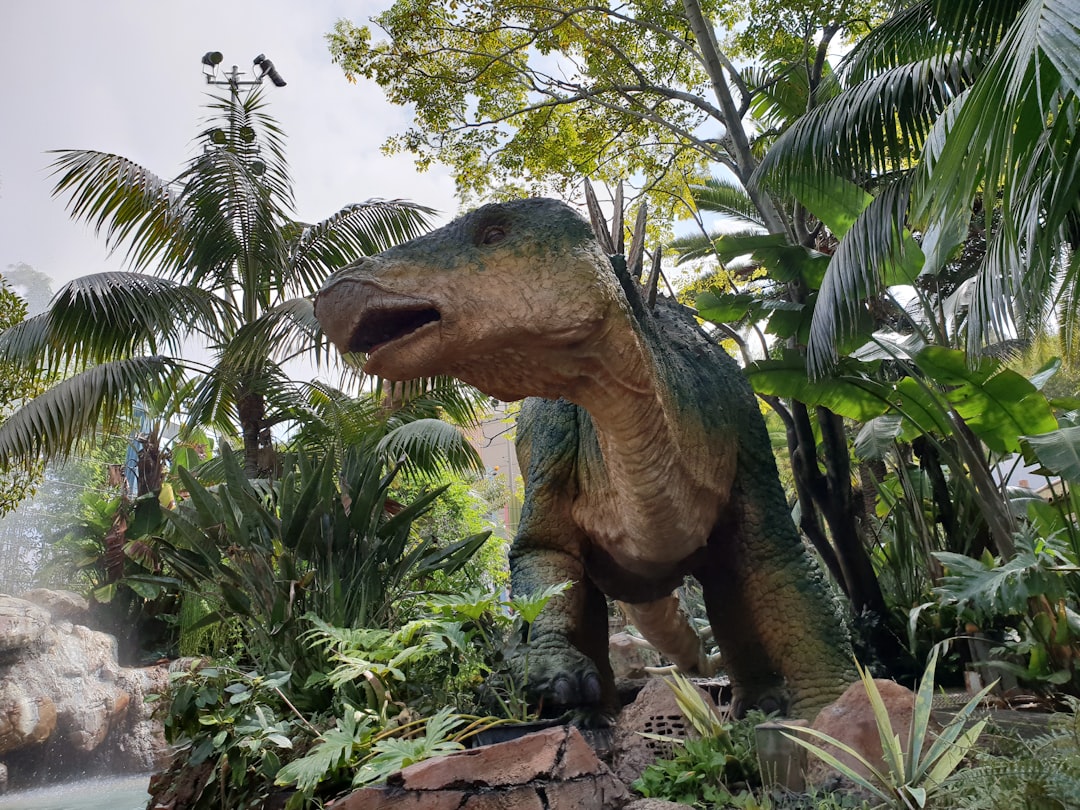
Extinct dinosaurs – like their living relatives, modern birds – may have “talked” via song, dance, scent and colorful plumage. Dinosaurs didn’t have email or text messages to keep in touch, but scientists are quite certain the beasts engaged in dialogue. Those communications likely included hoots and hollers, cracking sounds, dance and song, and even symbolic love calls made with showy plumage.
Different species likely had vastly different communication styles. The extremely long tails of Diplodocus and other sauropod dinosaurs could also have made some noise. Some researchers have suggested that the tips of these tails could have been flicked at supersonic speeds, making bullwhip-like cracking sounds that may have traveled long distances. Talk about making a statement across the prehistoric landscape.
Evidence of Complex Social Intelligence
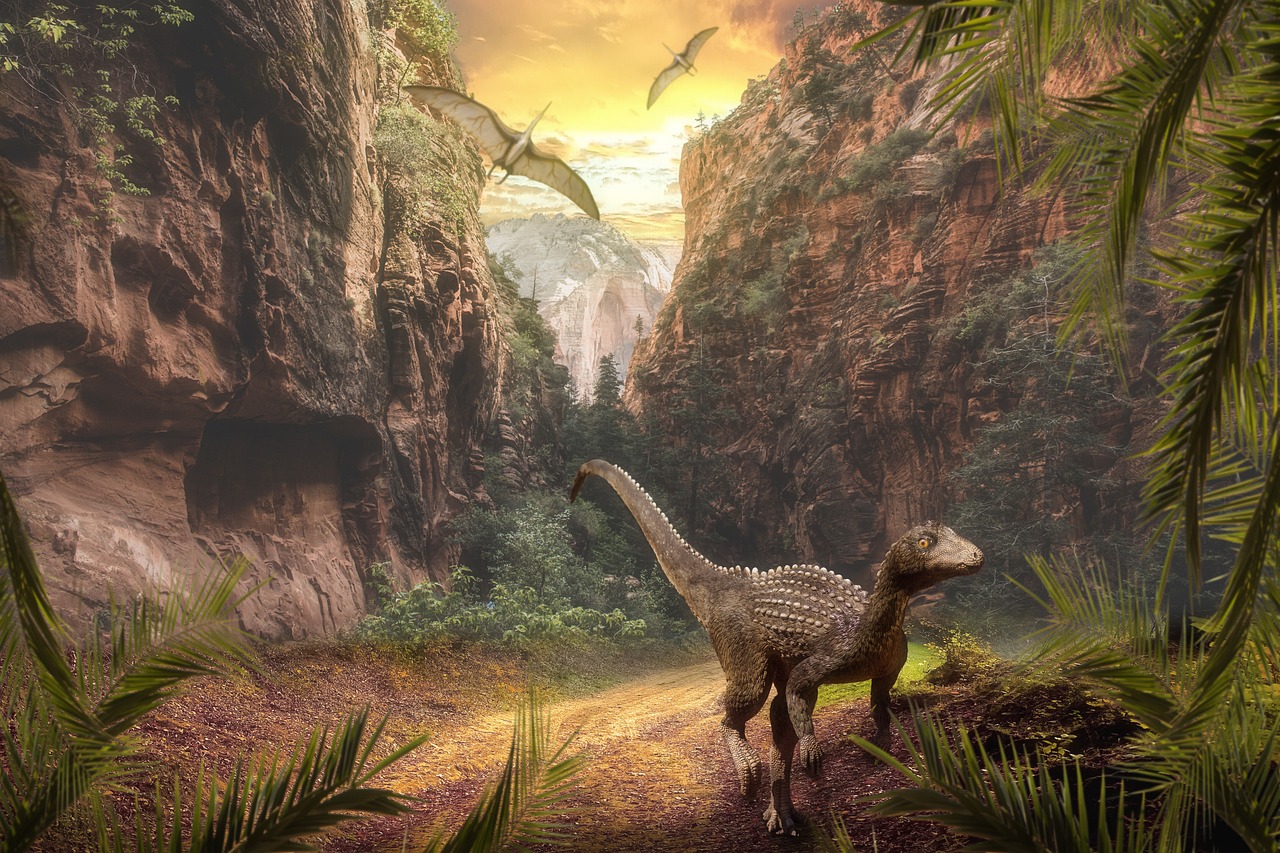
Dinosaur brains may have possessed the capacity for complex vocal communication, a new study hints. That finding suggests that dinosaurs such as T. rex were capable of processing complex stimuli, such as sounds made by other dinosaurs. This research challenged long-held assumptions about dinosaur intelligence.
Theropod dinosaurs, particularly those closely related to birds, showed progressively larger brains relative to body size and expanded cerebral regions capable of processing complex social information. The cognitive sophistication required for coordinated hunting and social behaviors indicates these creatures were far from the dim-witted monsters often portrayed in popular culture.
Body Language and Visual Communication
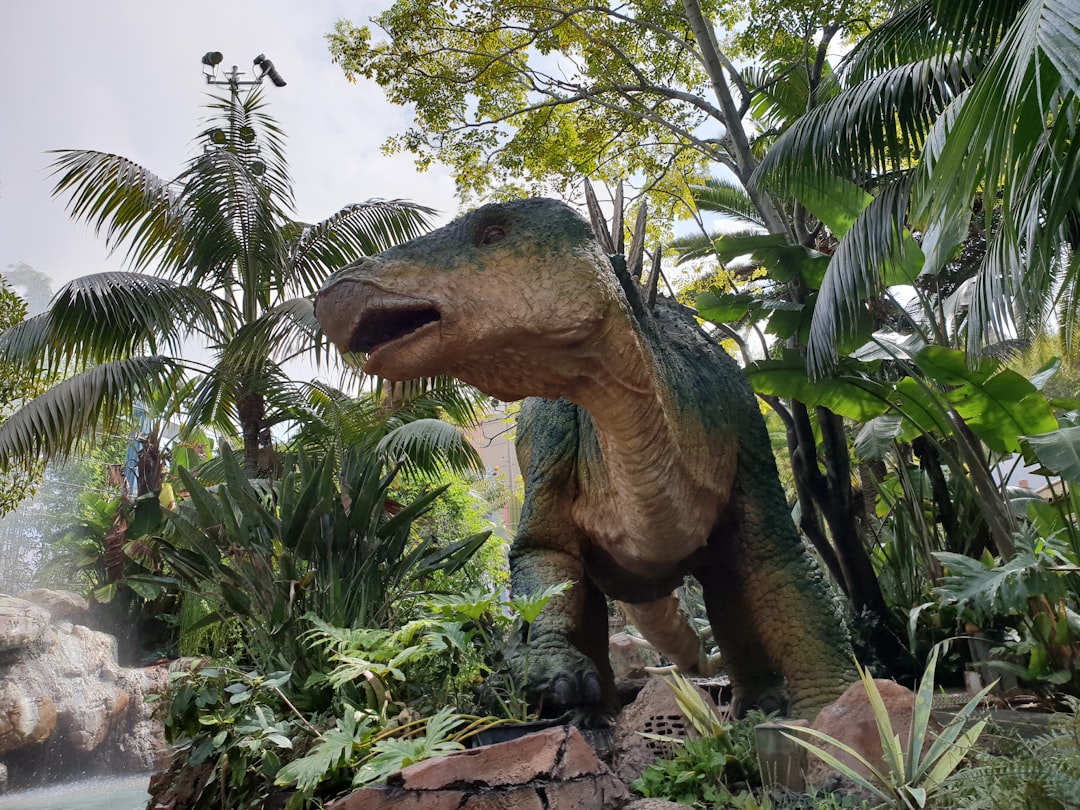
Dinosaurs utilized visual displays and body language as a means of communication and social interaction. Similar to their modern bird counterparts, dinosaurs likely engaged in elaborate dances, posturing, and posing to convey messages. Their physical features, such as crests, frills, and horns, played a significant role in signaling dominance, age, or attracting potential mates.
It’s not unreasonable to think that body language played some role in the communication of dinosaurs. A look at the behaviors of modern birds supports this, and each species has its own little posturing quirks. Sharp-tailed grouse perform intricate dances with heads down and tails skyward, hummingbirds swoop and duck in the air, goldeneyes jerk and bob their heads, and countless tropical songbirds have mastered complex and intricately choreographed dance numbers. These behaviors likely had ancient origins in their dinosaur ancestors.
Conclusion
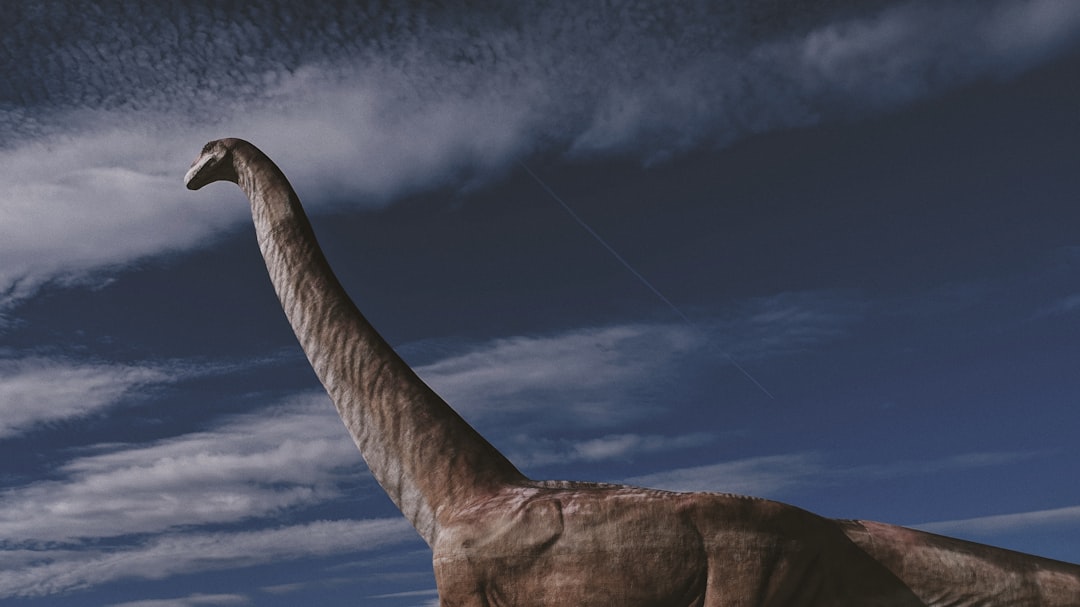
While dinosaurs couldn’t engage in human-like conversations, they possessed remarkably sophisticated communication systems that combined vocalizations, body language, and visual displays. Their communication likely ranged from the infrasonic rumbles of massive sauropods to the elaborate vocal displays of feathered theropods, complemented by visual signals from colorful feathers, frills, and crests. Though not a language in the human sense, dinosaur communication was probably complex and species-specific, evolved to meet the demands of their diverse social structures and ecological niches.
The prehistoric world was likely filled with a rich symphony of sounds we can barely imagine today. From deep, resonant booms echoing across ancient valleys to intricate visual displays that would put modern peacocks to shame, dinosaurs had their own unique ways of connecting with one another. What do you think about these ancient conversations that once filled our planet? Tell us in the comments.