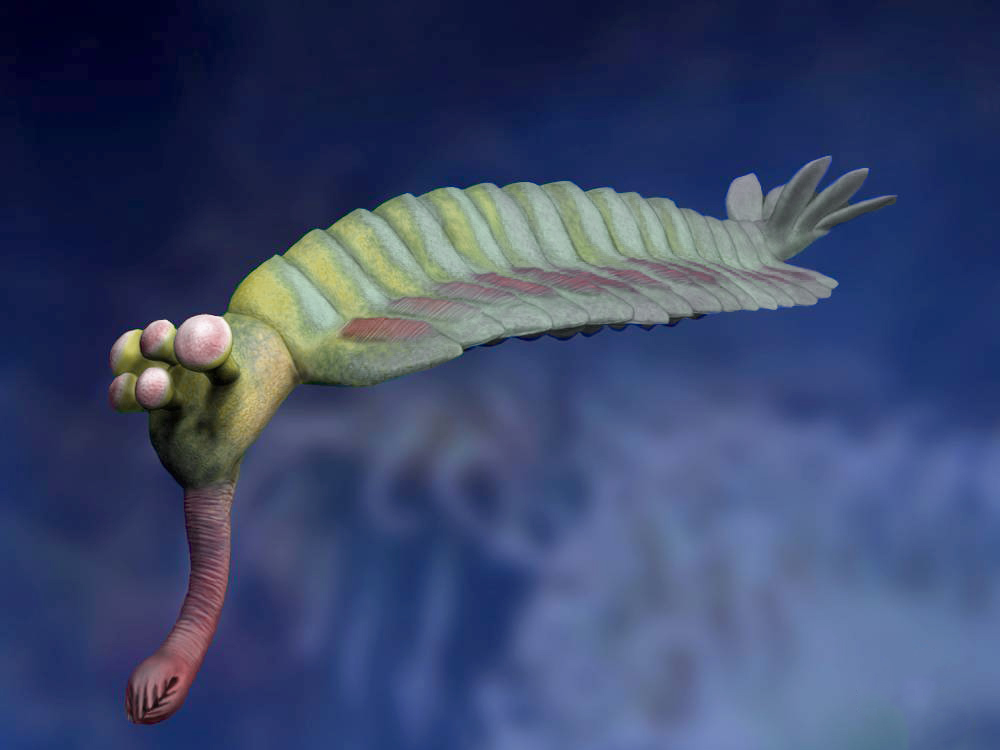
You might think you’ve seen some bizarre animals in your life, perhaps a platypus or a star-nosed mole. Those creatures, however, pale in comparison to a small marine animal that lived over 500 million years ago. This peculiar creature had five eyes perched on stalks, a flexible trunk-like appendage that worked like a vacuum cleaner hose, and a mouth that faced backwards under its head.
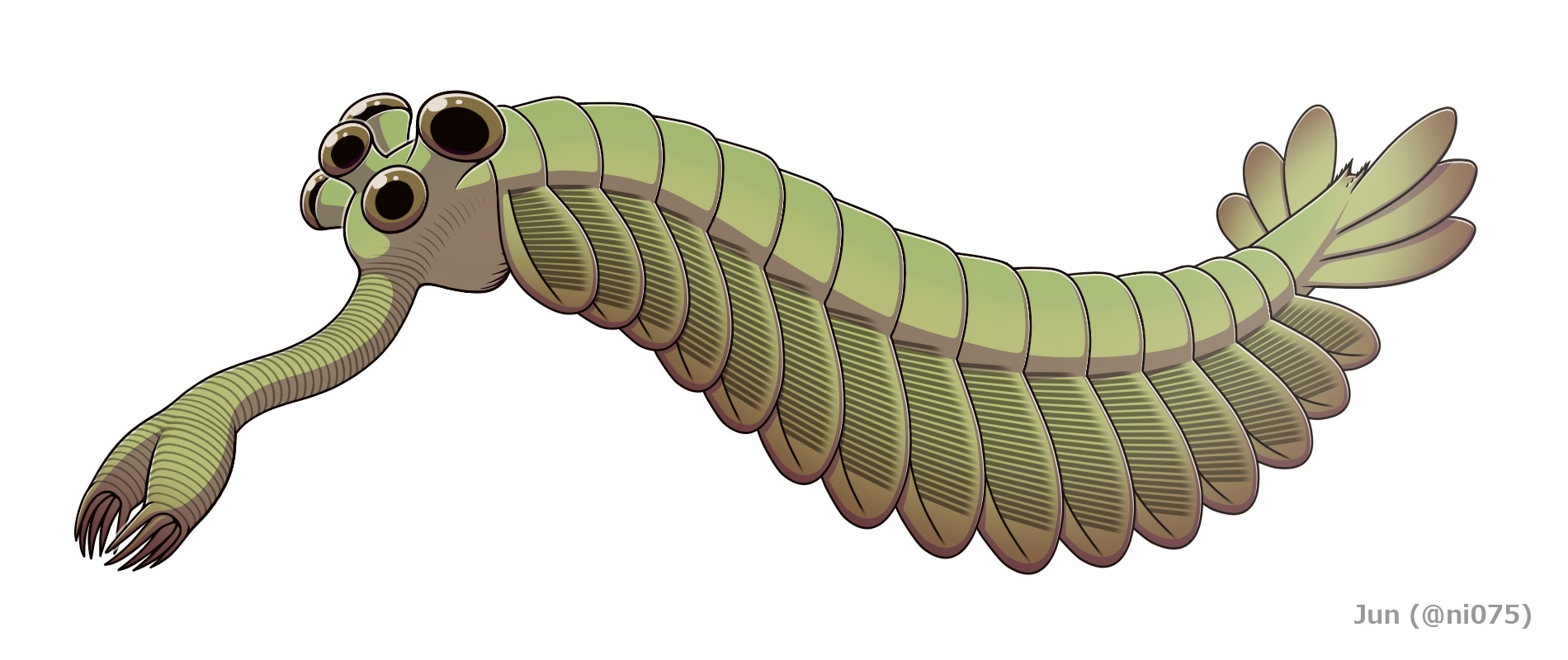
Opabinia regalis emerged from the Middle Cambrian Burgess Shale, measuring up to seven centimeters in body length with a segmented trunk featuring flaps along its sides and a fan-shaped tail. When scientists first properly reconstructed this ancient oddball in the 1970s, the revelation was so shocking that professional paleontologists actually burst into laughter at scientific conferences. The creature was so bizarre that it challenged everything researchers thought they knew about ancient life on Earth.
The Discovery That Started a Scientific Revolution
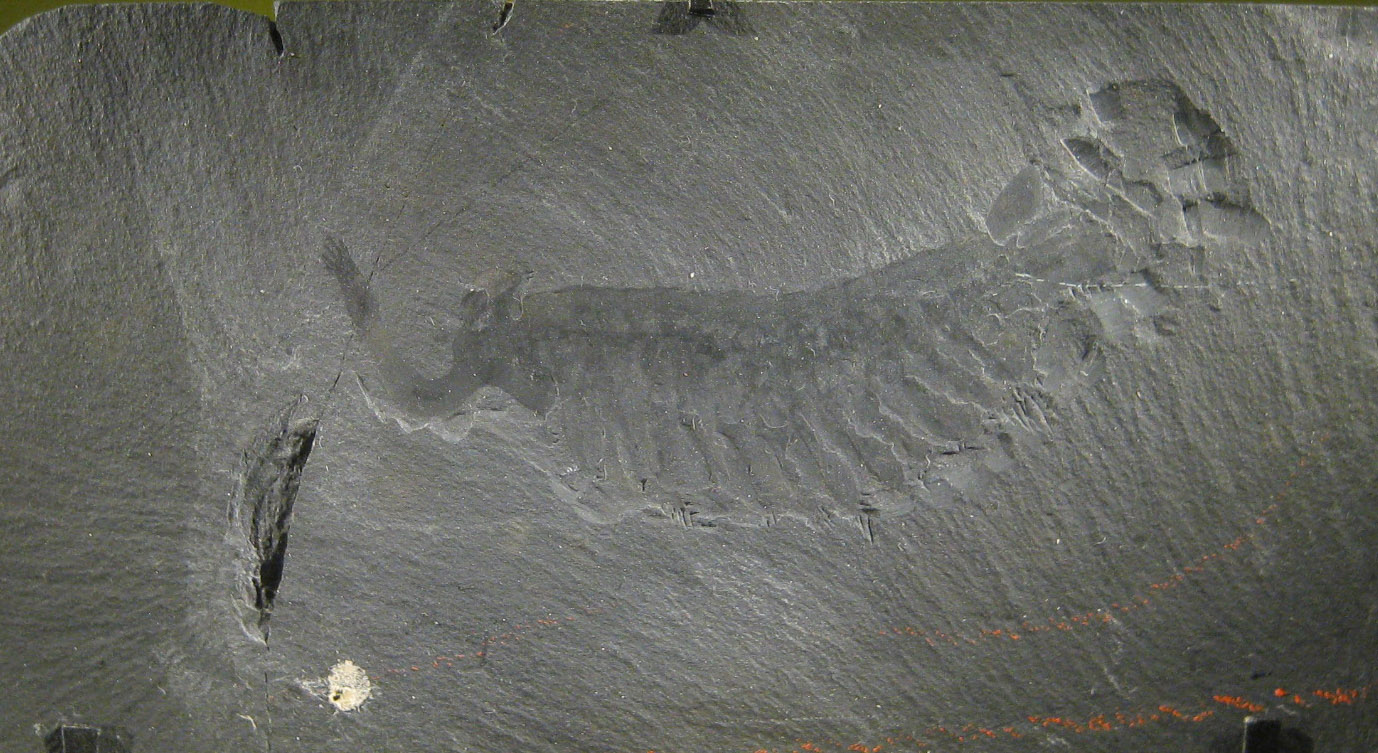
In 1911, Charles Doolittle Walcott discovered nine almost complete fossils of Opabinia regalis in the Burgess Shale, publishing his description the following year. The generic name derives from Opabin pass between Mount Hungabee and Mount Biddle, southeast of Lake O’Hara, British Columbia, Canada.
Yet Walcott’s initial interpretation completely missed the creature’s true nature. He tried to force this alien-looking organism into familiar categories, classifying it as a type of crustacean. Walcott regarded Opabinia as a crustacean and compared it with living anostracan branchiopods, though he conceded that specimens showed no trace of characteristic crustacean appendages like antennules, antennae, mandibles or maxillae.
The Moment Scientists Laughed at Science
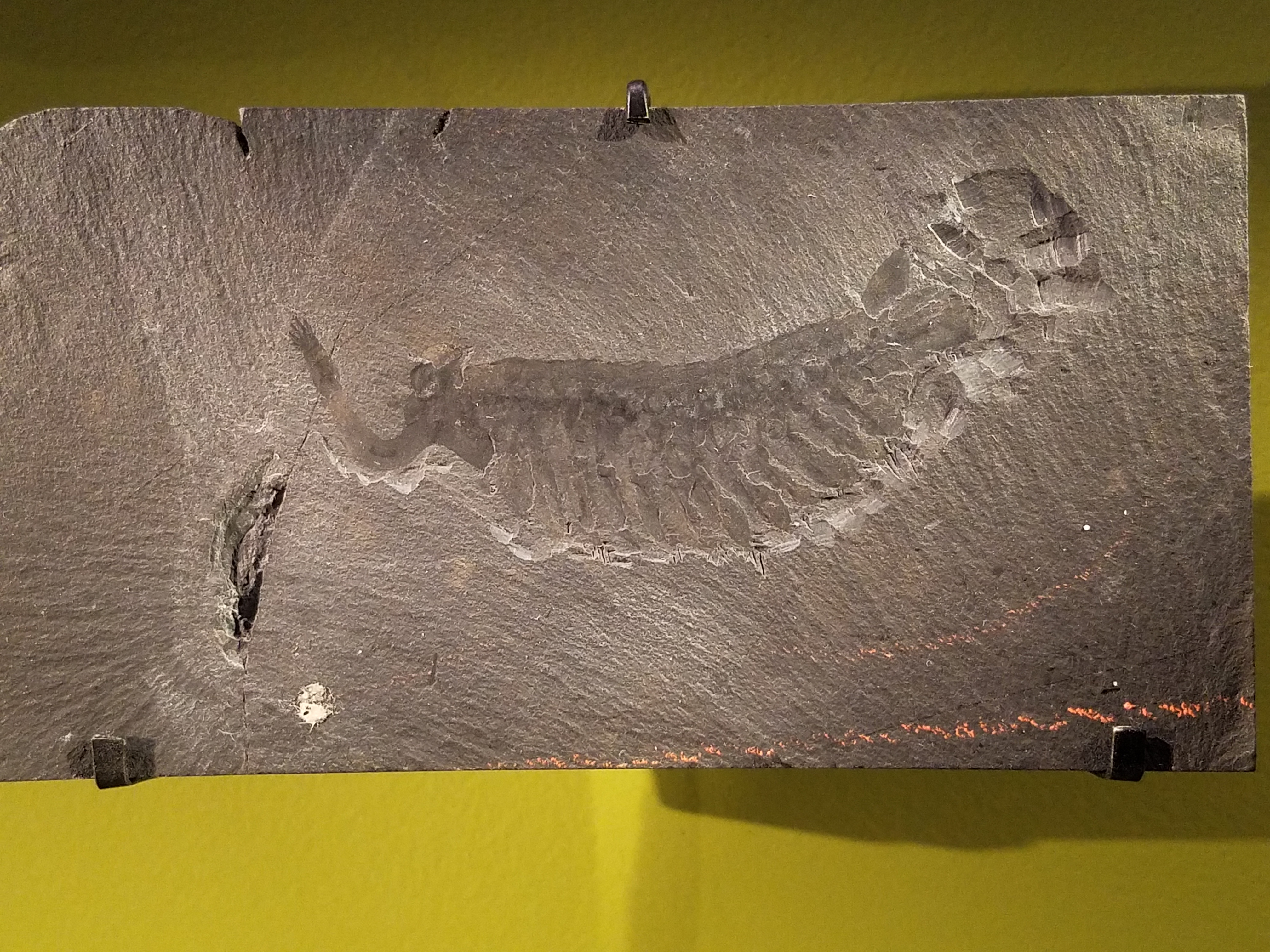
In 1966-1967, Harry B. Whittington found another good specimen, and in 1975 he published a detailed description based on thorough dissection and photographs lit from various angles. This meticulous work revealed something extraordinary that would shake the foundations of paleontology.
When Whittington showed a preliminary reconstruction at the Palaeontological Association conference in Oxford in 1972, the audience responded with loud and spontaneous laughter, an indication of how unfamiliar Cambrian creatures appeared 40 years ago. The moment became legendary in scientific circles. Whittington recounted that he gave a professional presentation describing Opabinia, and the audience actually laughed out loud when he showed a slide of the reconstruction, the creature was so absurd and unlikely.
Five Eyes That Changed Everything
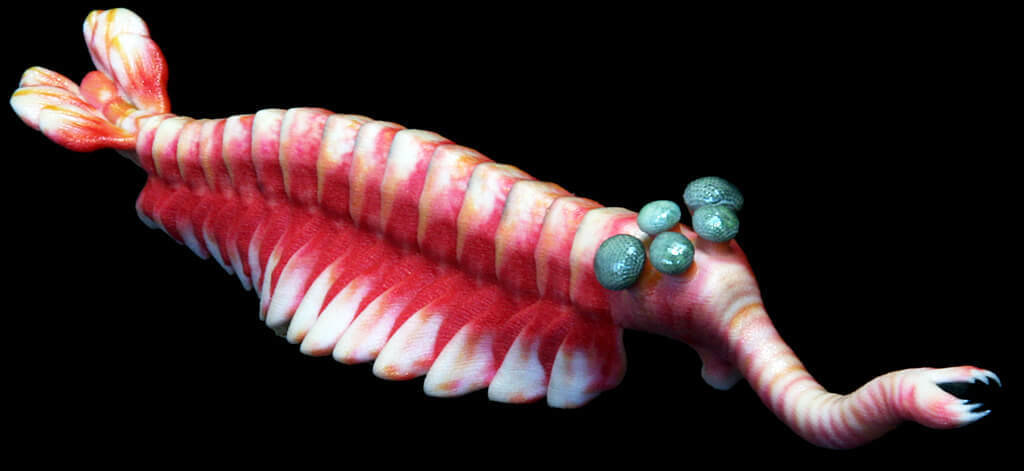
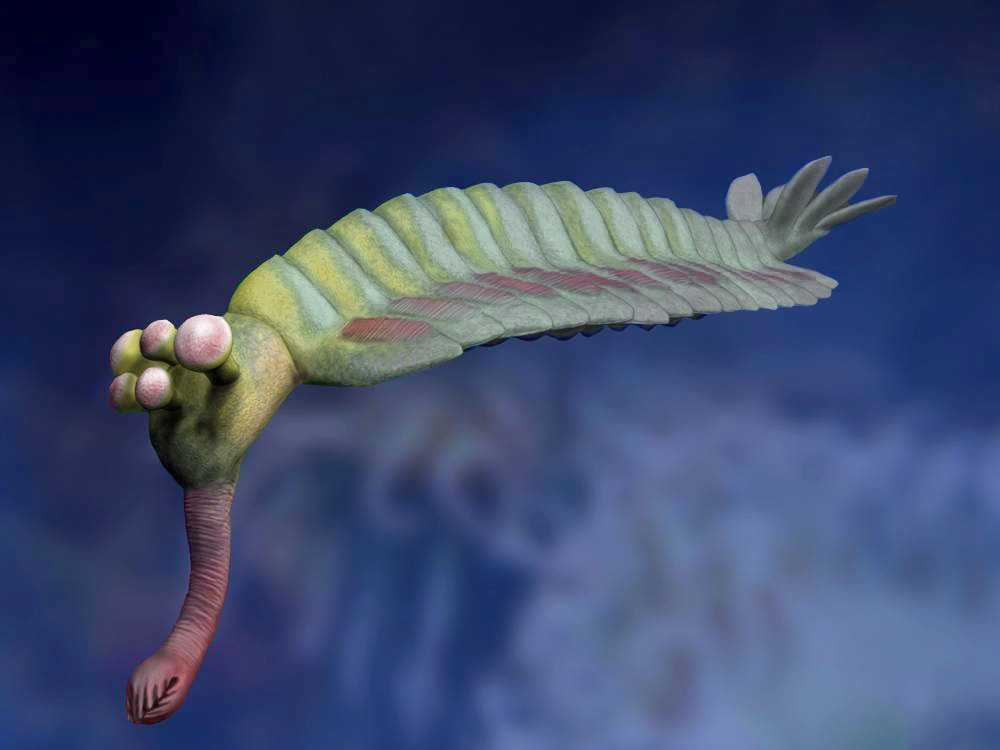
The creature’s most striking feature was its arrangement of eyes. The head bore five stalked eyes: two near the front and fairly close to the middle of the head, pointing upwards and forwards; two larger eyes with longer stalks near the rear and outer edges of the head, pointing upwards and sideways; and a single eye between the larger pair, pointing upwards.
These eyes are arranged into two rows on the head with two on the front row, three on the back row behind them, situated on short stalks that pointed upwards at slight angles. This odd number of eyes was particularly puzzling since modern animals typically possess even numbers of eyes. The arrangement suggested that all five eyes working together might have functioned similar to a compound eye, providing the creature with comprehensive vision of its underwater world.
A Trunk Like No Other Animal
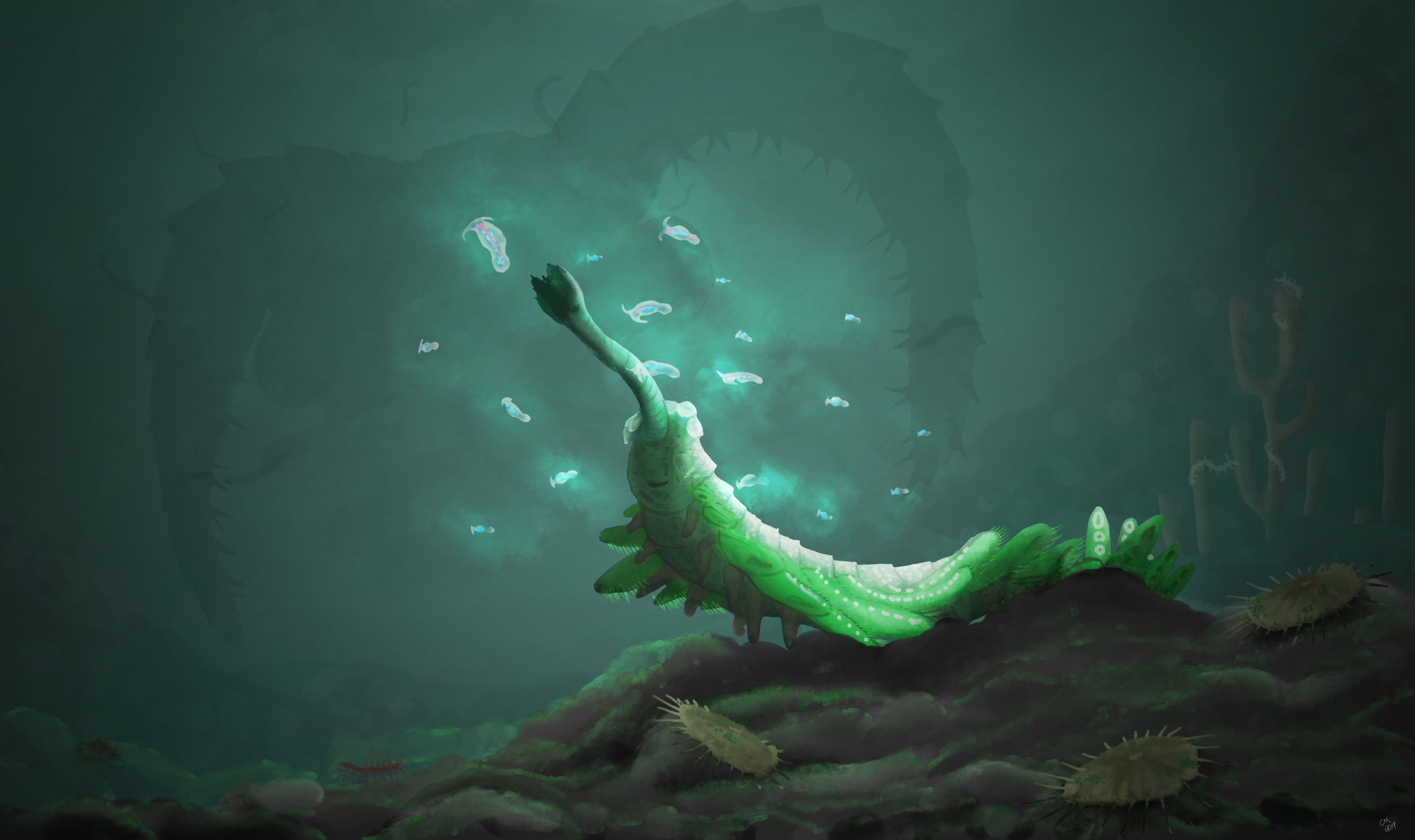
Perhaps even stranger than its multiple eyes was Opabinia’s feeding apparatus. One of the most distinctive characters was the hollow proboscis, whose total length was about one-third that of the body, projecting down from under the head. The proboscis was striated like a vacuum cleaner’s hose and flexible, ending with a claw-like structure whose terminal edges bore 5 spines that projected inwards and forwards.
The creature had what looked like a trunk sticking out in front, with tiny barbs or claws on the end, and a gut that ran from back to front and did an abrupt 180° turn when it got to the head, so that the mouth faced backwards. Apparently Opabinia gathered food with its proboscis, which was long enough to reach back and tuck morsels into the backward-facing mouth.
Life on the Cambrian Seafloor
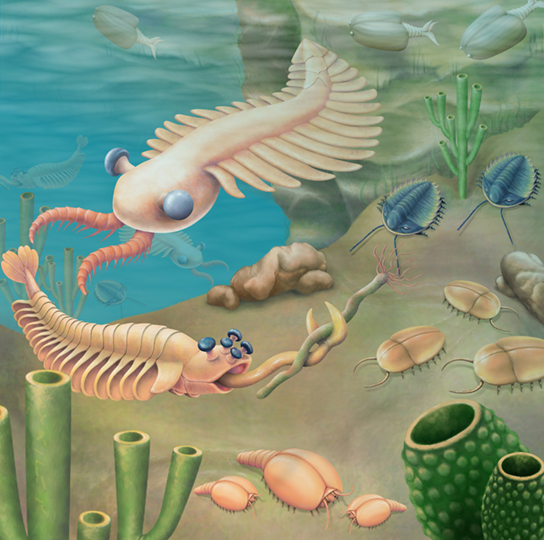
Fossil evidence suggests Opabinia inhabited the soft, muddy seafloors of Cambrian oceans in a bustling ecosystem filled with early arthropods, sponges, and other mysterious creatures. Opabinia’s flattened body and swimming flaps made it well-suited to life just above the sediment, where it could search for food without venturing too far from cover in this habitat that was both a playground and a battlefield.
Opabinia lived on the seafloor, using the proboscis to seek out small, soft food. The creature was essentially a benthic predator, using its flexible appendage to capture small prey and organic materials from crevices in the seafloor before passing them to its backward-facing mouth.
The Century-Long Classification Nightmare
When the first thorough examination of Opabinia in 1975 revealed its unusual features, it was thought to be unrelated to any known phylum, or perhaps a relative of arthropod and annelid ancestors. For decades, scientists struggled with where to place this creature in the tree of life.
For decades, scientists struggled to classify Opabinia as its strange combination of features – some reminiscent of arthropods, others entirely unique – defied easy categorization. Today, most paleontologists consider Opabinia a member of the stem group leading to arthropods, the vast animal group that includes insects, spiders, and crustaceans. This classification took nearly a century to establish, highlighting just how alien this creature truly was.
Stephen Jay Gould’s “Weird Wonder”
The discovery of Opabinia’s true nature had profound implications for understanding early life on Earth. Gould regarded Opabinia – an odd creature with five eyes and frontal nozzle – as so important to understanding the Cambrian explosion that he wanted to call his book Homage to Opabinia.
Gould wrote that he believed Whittington’s reconstruction of Opabinia in 1975 would stand as one of the great documents in the history of human knowledge, noting that none of the famous fossils had taught us anywhere near so much about the nature of evolution as this little two-inch Cambrian oddball invertebrate named Opabinia. The creature became an icon of evolutionary unpredictability and the experimental nature of early life.
Modern Discoveries and Lasting Legacy
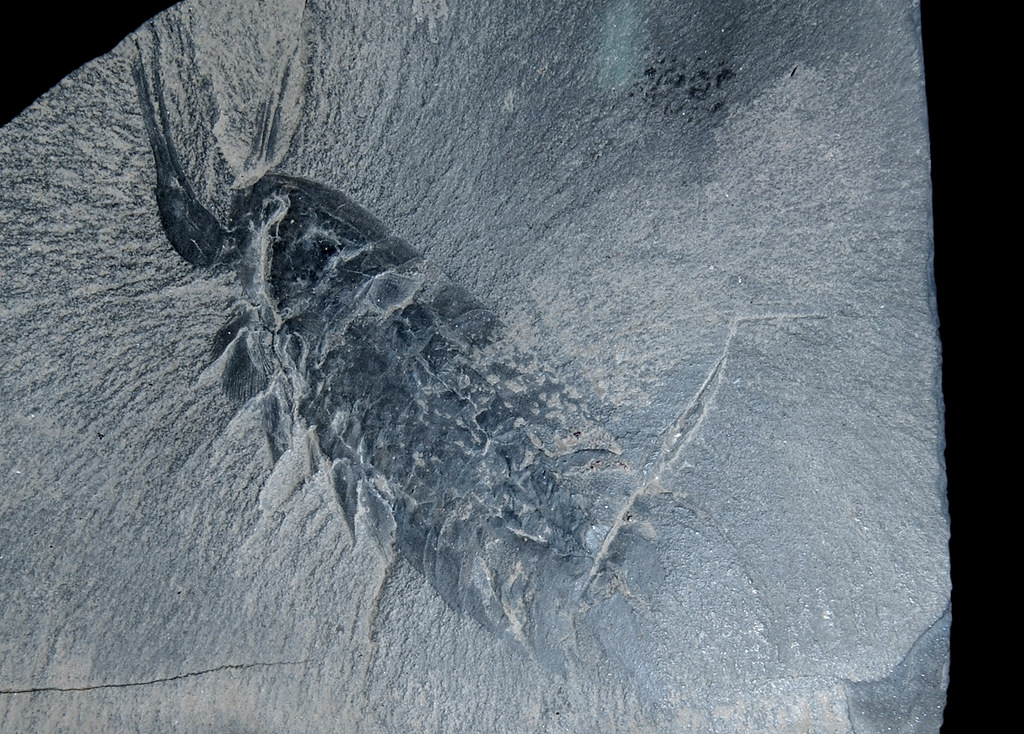
Scientists have discovered that such enigmatic creatures survived for tens of millions of years longer than previously thought, with Harvard University paleontologist Joanna Wolfe and colleagues describing only the second such specimen ever found, called Utaurora. Recent discoveries continue to expand our understanding of these ancient experimental life forms.
In museums, Opabinia models often become conversation starters, inviting visitors to marvel at the weirdness of life’s early history. For paleontologists, Opabinia is more than just a curiosity – it’s a symbol of the surprises that still await us in the fossil record and a reminder that our planet’s past is full of mysteries yet to be unraveled. This tiny creature fundamentally changed how we view the history of life on Earth, proving that evolution’s early experiments were far stranger than anyone had imagined.
**Conclusion**
Opabinia regalis stands as one of paleontology’s most important discoveries, a creature so bizarre that it literally made scientists laugh when first properly reconstructed. From its five stalked eyes to its vacuum-cleaner proboscis and backwards-facing mouth, every feature challenged conventional thinking about ancient life. Though it took nearly a century to properly classify this enigmatic animal, Opabinia ultimately revealed that evolution’s early days were filled with experimental body plans that seem almost alien to our modern understanding. The creature that once confused an entire generation of paleontologists now serves as a window into the wild creativity of the Cambrian explosion, reminding us that life’s history is far stranger and more wonderful than we ever dared imagine. What other bizarre creatures might still be waiting in the rocks to surprise us?