
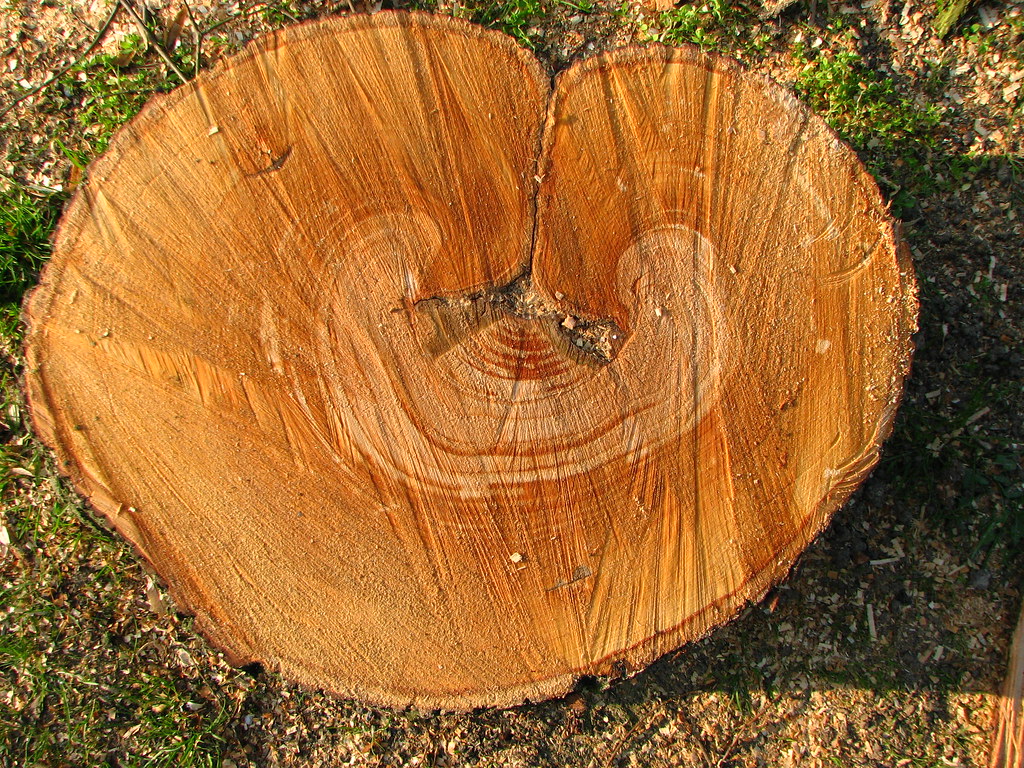
Deep within every tree lies a hidden library containing thousands of years of Earth’s most dramatic stories. While we hurry through our daily lives, these silent sentinels have been meticulously recording catastrophic events that shaped our planet’s history. From devastating mega-droughts that toppled ancient civilizations to mysterious cosmic radiation storms that could cripple modern technology, trees serve as nature’s own time machines.
Dendrochronology, the scientific method of tree-ring dating, uses annual growth rings of trees to gather important documentation of past climatic and atmospheric events, including those that pre-date human-recorded weather data. Each ring tells a story far more compelling than any history book, preserving precise records of humanity’s most challenging moments and Earth’s most extreme events. Let’s decode the secrets hidden in these wooden archives.
The Science Behind Nature’s Archive System
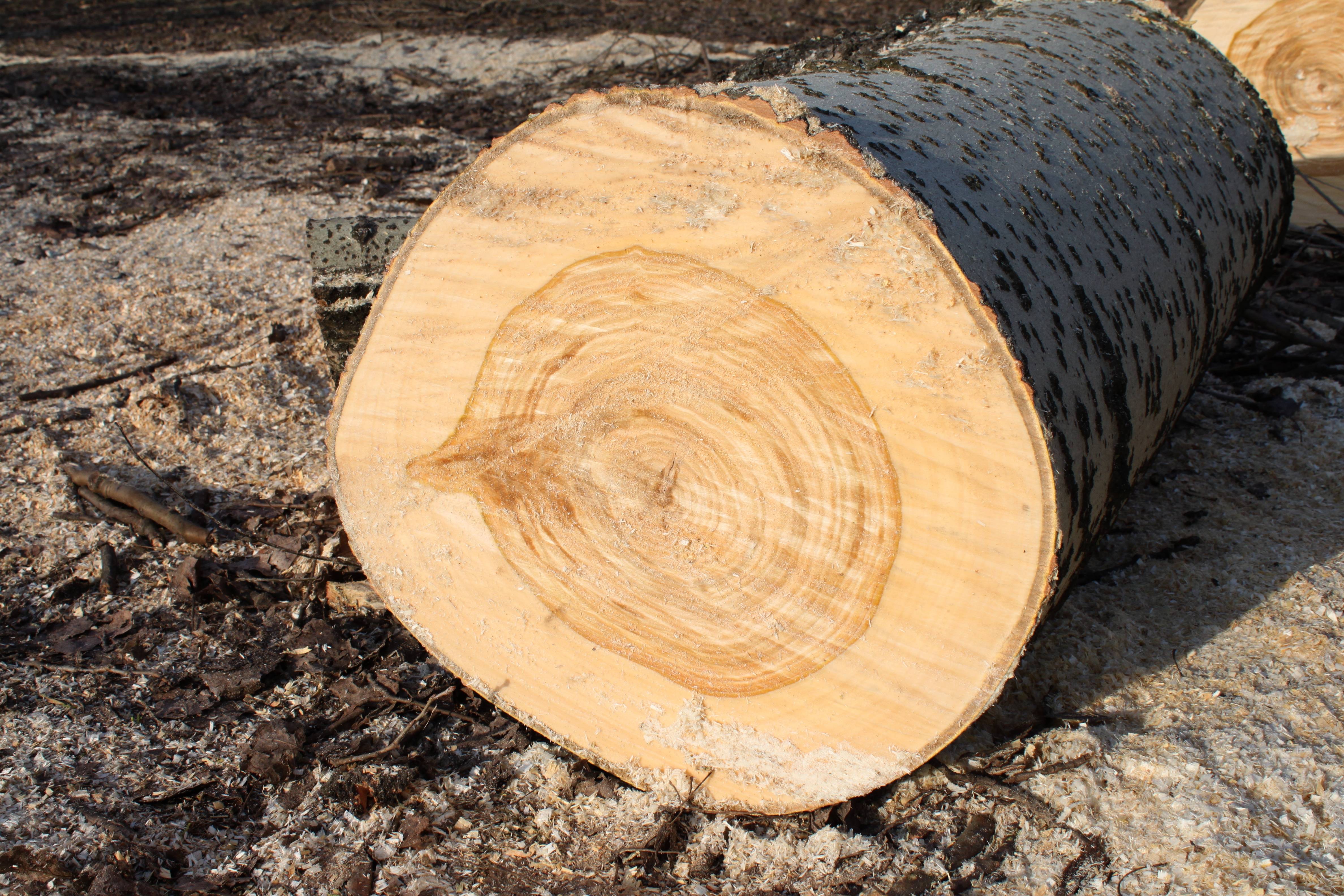
Every spring, trees begin their annual growth cycle, forming new wood that captures the environmental conditions of that specific year. Hence, for the entire period of a tree’s life, a year-by-year record or ring pattern builds up that reflects the age of the tree and the climatic conditions in which the tree grew. Think of it like nature’s own data logger, except instead of electronic sensors, trees use their cellular structure to record information.
Adequate moisture and a long growing season result in a wide ring, while a drought year may result in a very narrow one. Scientists have discovered that these patterns are remarkably consistent across regions, allowing researchers to cross-reference samples from different trees to build comprehensive climate records. In dry areas such as the US Southwest or the Middle East, tree ring widths can match 70% of the variability in measured precipitation for the period of overlap, which is the length of instrumental record (typically about 100 years).
Unlocking Ancient Mega-Drought Mysteries
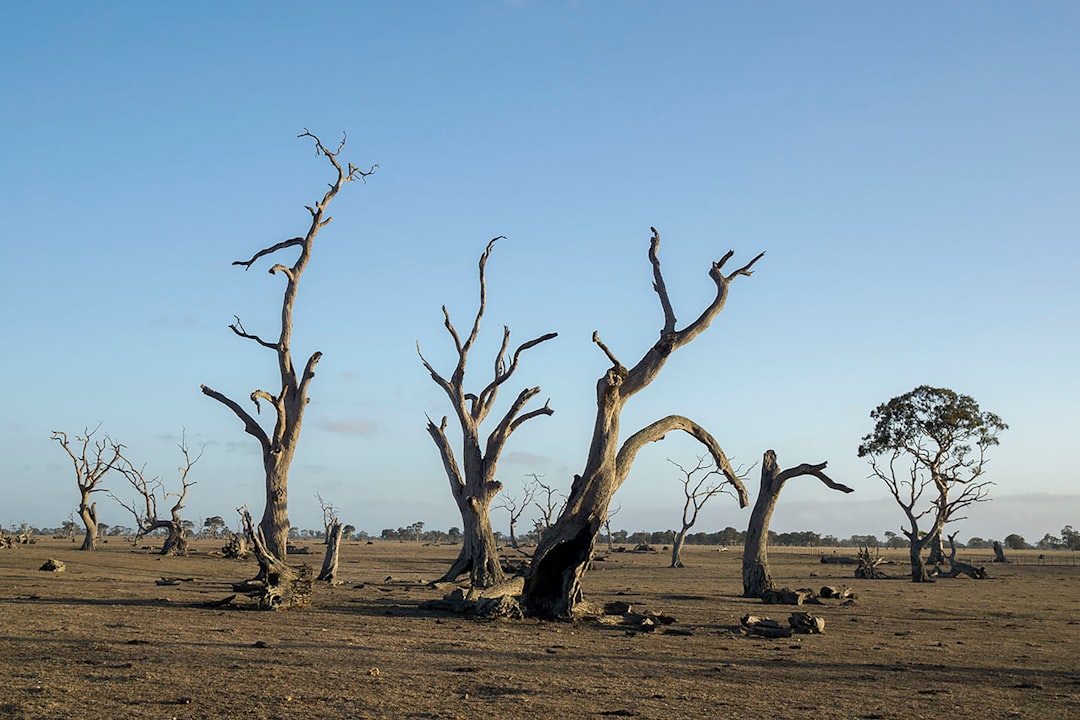
When we examine tree rings from the American Southwest, we uncover evidence of mega-droughts that make our current water challenges seem manageable. Their study reveals that the 22-year period from 2000 through 2021, our current megadrought, was the driest and hottest period in the last 1,200 years. Yet this isn’t even the most severe drought recorded in the wooden archives.
Tree rings indicate there was another 22-year megadrought from 1571 to 1592 that was nearly as dry but not as hot as the current conditions. The implications are staggering when you consider that Archeologists believe that the drought was a contributing factor in the Ancestral Pueblo People abandoning the famous cliff dwellings at Mesa Verde, never to return. These ancient communities, which had thrived for centuries, simply vanished when the rains stopped coming.
Solar Storms Written in Wood
Perhaps the most astonishing discovery in recent dendrochronology involves cosmic radiation events recorded in tree rings. In 2012, physicist Fusa Miyake of Nagoya University in Japan was studying Japanese cedar tree rings when she found a sharp spike in radiocarbon – a variant of carbon that can form when cosmic radiation strikes Earth’s atmosphere – in rings dating to about A.D. 774. This discovery revolutionized our understanding of space weather history.
Since then, five other similar bursts, now named Miyake events, have been detected in tree rings around the world as well as in polar ice cores. So far, six Miyake events have been reliably identified in tree ring data: They happened in 7176 BCE, 5410 BCE, 5259 BCE, 660 BCE, 774 CE (the first-identified event), and 993 CE. “We need to know more, because if one of these happened today, it would destroy technology including satellites, internet cables, long-distance power lines and transformers. The effect on global infrastructure would be unimaginable.”
The Mystery of Cosmic Radiation Bursts
“When radiation strikes the atmosphere, it produces radioactive carbon-14, which filters through the air, oceans, plants, and animals, and produces an annual record of radiation in tree rings. We modeled the global carbon cycle to reconstruct the process over a 10,000-year period, to gain insight into the scale and nature of the Miyake Events.” This process creates a permanent record that scientists can read thousands of years later.
Recent research has challenged the assumption that these events were simple solar flares. But the researchers found no correlation between Miyake events and any phase of the solar cycle. “Rather than a single instantaneous explosion or flare, what we may be looking at is a kind of astrophysical ‘storm’ or outburst.” The mystery deepens when you realize that “Based on available data, there’s roughly a one percent chance of seeing another one within the next decade,” said Dr. Pope. “But we don’t know how to predict it or what harms it may cause.”
Volcanic Winters Captured in Annual Growth
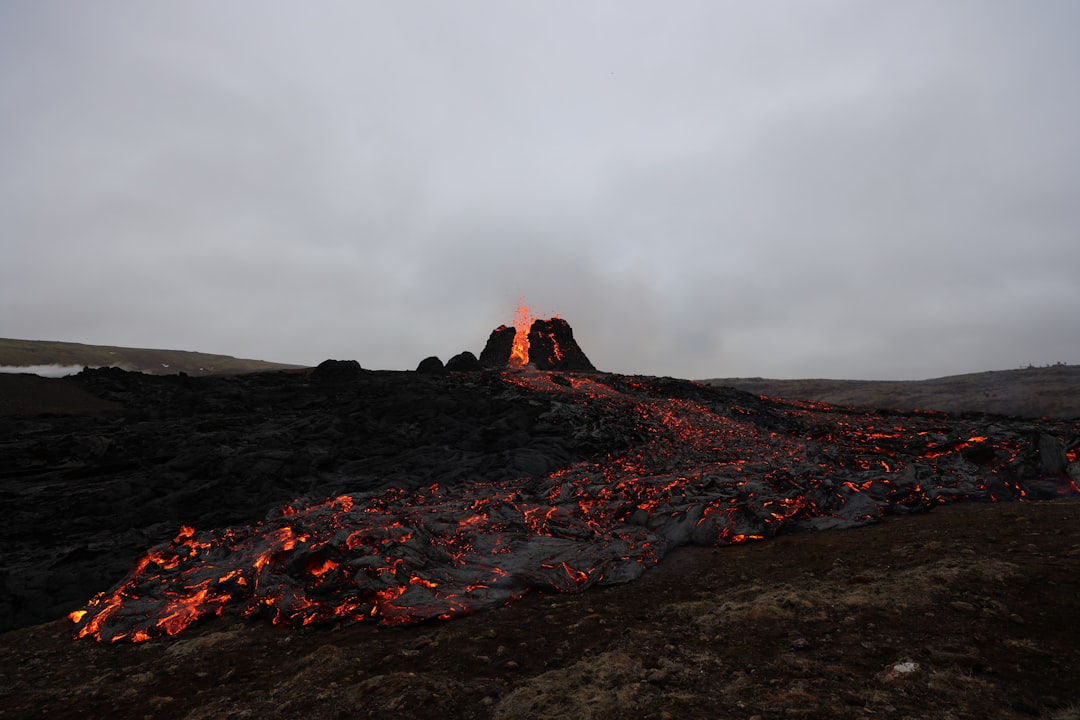
Tree-ring-based temperature reconstructions, historical records of dust veils, and ice cores studies have confirmed that some of the coldest years during the last five millennia were directly caused by massive volcanic injections of SO2. When Mount Tambora erupted in 1815, creating the famous “Year Without a Summer,” trees around the world recorded the dramatic temperature drop in their cellular structure.
Destroying approximately two-thirds of its island, the eruption of Krakatoa in 1883 was one of the deadliest and most destructive volcanic events in recorded history. In addition to causing global cooling, the atmospheric particles from the eruption produced vivid sunsets throughout the world for many months; a Krakatoa sunset may even be depicted in Edvard Munch’s famous painting The Scream. The eruption’s signature is also visible in the Mongolian tree ring data, which shows a steep drop in temperature in 1884.
The Laki Eruption’s Complex Climate Signature
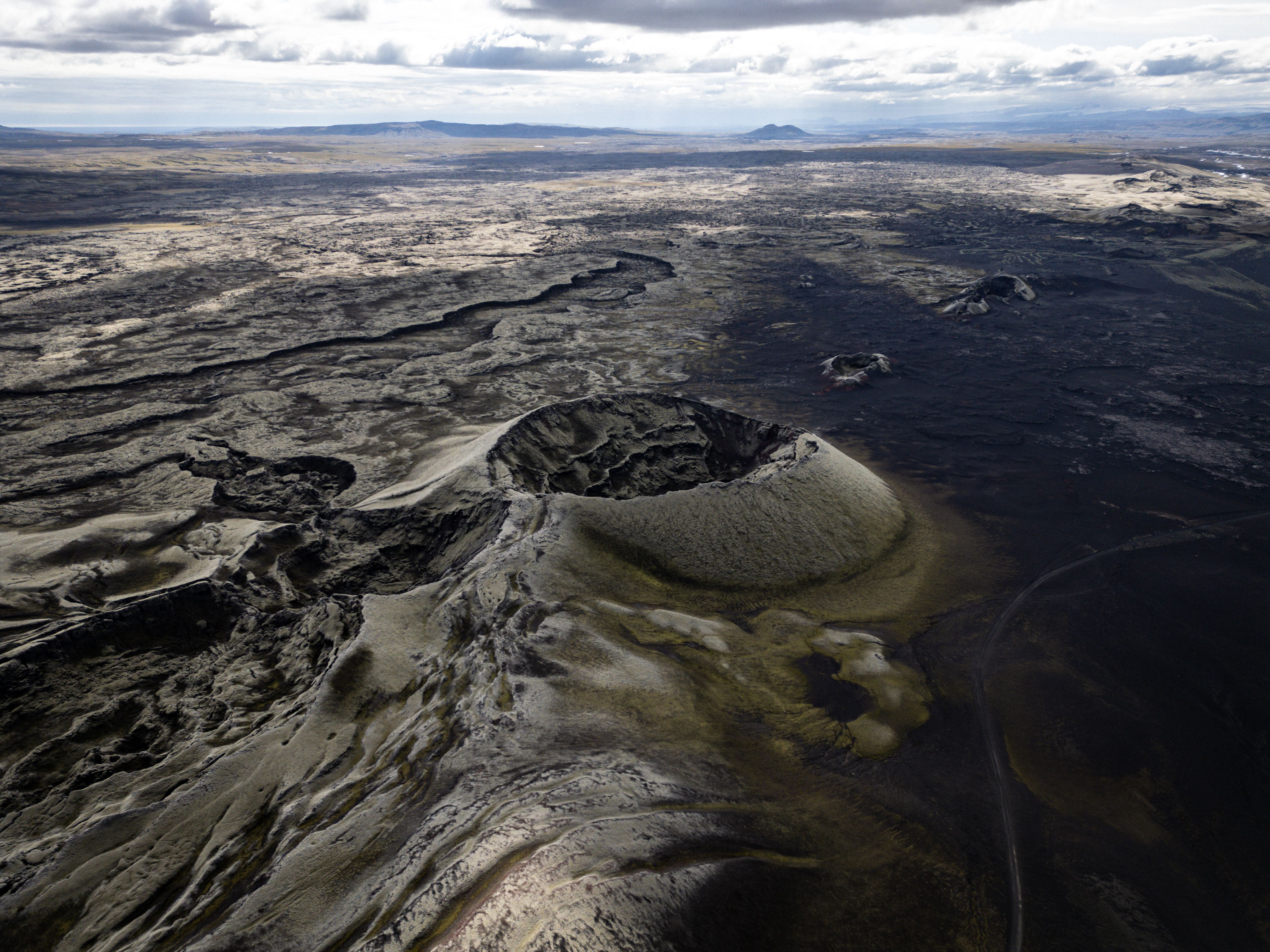
In June 1783, Laki spewed more sulfur into the atmosphere than any other Northern Hemisphere eruption in the last 1,000 years. Benjamin Franklin, who was in France at the time, noted the “fog” that descended over much of Europe in the aftermath, and correctly reasoned that it led to an unusually cold winter on the continent. Tree rings from Alaska provide fascinating insights into how this Icelandic eruption affected the entire Northern Hemisphere.
What makes the Laki event particularly interesting is how it demonstrates the complexity of volcanic climate impacts. The researchers saw a wide range of climate conditions following the eruptions. Some years were especially cold immediately following the eruption, but some were warm. Natural variability in the climate seems to overwhelm any cooling from the volcano. This research helps scientists understand that nature’s response to extreme events is rarely simple or predictable.
Precision Dating Through Tree Ring Analysis
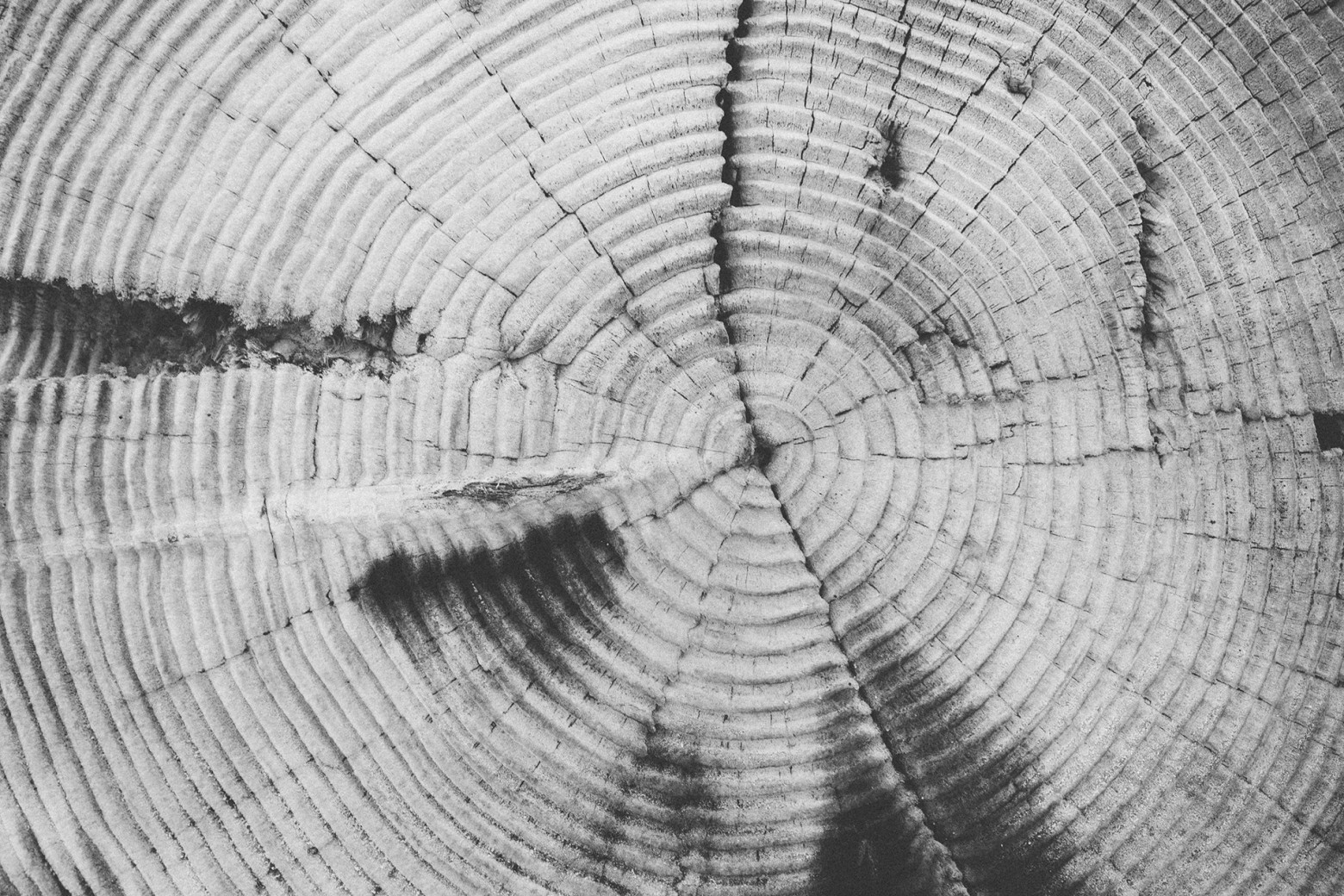
The ages of wooden objects can be revealed by cross-dating, the process of matching ring patterns between wood samples of known and unknown ages. Archeologists have used the ring patterns in building timbers to estimate construction dates for some of the world’s most famous buildings, including the cliff dwellings at Mesa Verde National Park (nearly 1,000 years old) and ancient structures worldwide.
This precision extends to identifying specific extreme events. Analyzing tree-rings for carbon-14, a naturally occurring radioactive variant of carbon, the team discovered a spike dating to the year 664 B.C., pinpointing the only extreme solar storm event whose timing had long eluded researchers. Finding one of these short, sharp spikes in an ancient sample pins its date down to a single year, instead of the decades or centuries of uncertainty from ordinary radiocarbon dating.
Modern Implications of Ancient Records
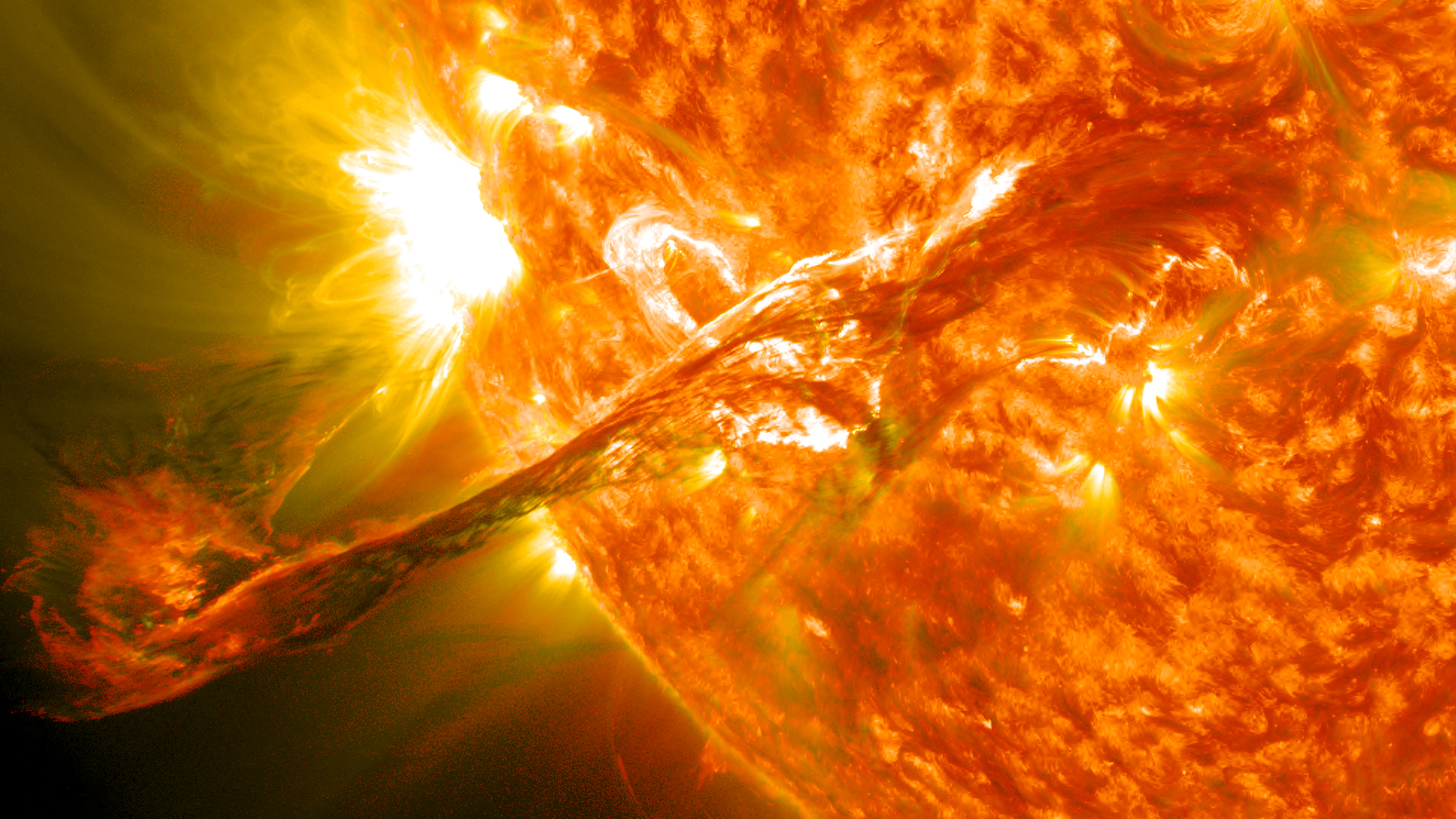
A similar storm striking Earth at present would likely knock out radio communications and satellites while causing widespread blackouts, said Tim Heaton, a professor of applied statistics at the University of Leeds and a co-author of the new study in the Philosophical Transactions of the Royal Society A journal. “Extreme solar storms could have huge impacts on Earth,” Heaton said, “They would also create severe radiation risks to astronauts.”
The vulnerability of our modern technological society becomes stark when viewed through the lens of tree-ring records. Natural records preserved in tree rings show that an event about 10 times stronger struck around the year 774 CE, which would push the limits of what the Sun is capable of producing. Our ancestors survived these events because they weren’t dependent on electrical grids, satellite communications, or GPS systems that could be devastated by such cosmic storms.
The Future Written in Ancient Wood
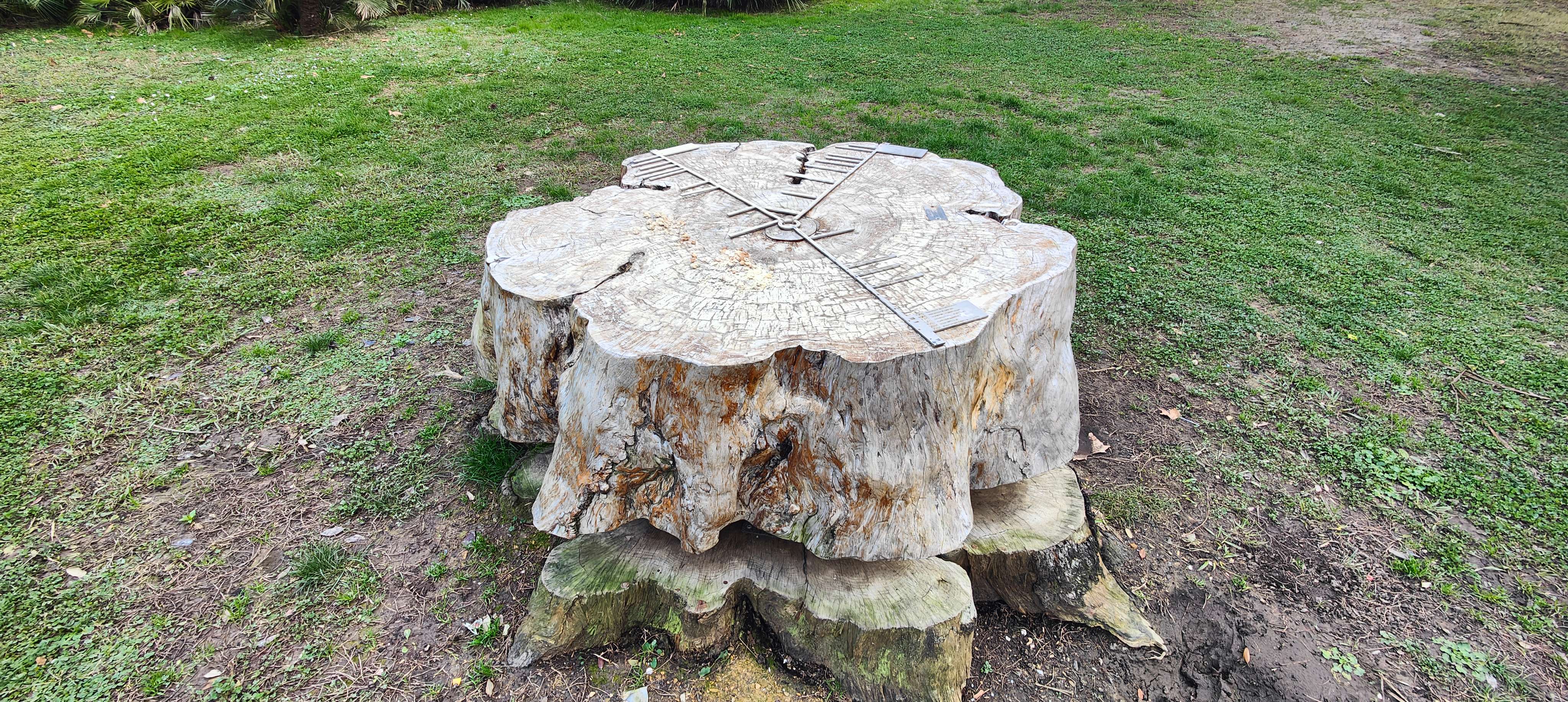
But as scientists work to decipher the climactic clues contained in these trees, wildfires are becoming more frequent and more severe, making these resources more vulnerable. “We’re looking for the oldest trees, the most scientifically valuable sources of information, and they might not be in the most protected places. As the climate is changing, we’re seeing higher burn acreage per fire so it’s a concern and an added challenge.”
Scientists are racing against time to collect samples from the world’s oldest trees before they’re lost forever. Being able to analyze the rings from Tasmanian huon and kauri wood from New Zealand, locked away in bogs, as well as Japanese cedar, California bristlecone, and Siberian larch would help tell the story of Earth’s geomagnetic past. These ancient witnesses hold keys to understanding our planet’s most extreme events and preparing for similar challenges in the future.
Tree rings reveal that our planet has endured cycles of extreme events throughout history, from civilization-ending droughts to mysterious cosmic radiation storms that dwarf anything in recorded human history. While we’ve learned to read these wooden archives with remarkable precision, many mysteries remain unsolved. The cosmic storms recorded in tree rings still puzzle scientists, and the full extent of volcanic climate impacts continues to surprise researchers.
Perhaps most importantly, these ancient records remind us that extreme events are not anomalies but part of Earth’s natural rhythm. As we face modern challenges like climate change and increasing solar activity, the wisdom preserved in tree rings offers both warnings and hope. What do you think about these incredible discoveries hidden in plain sight all around us?