
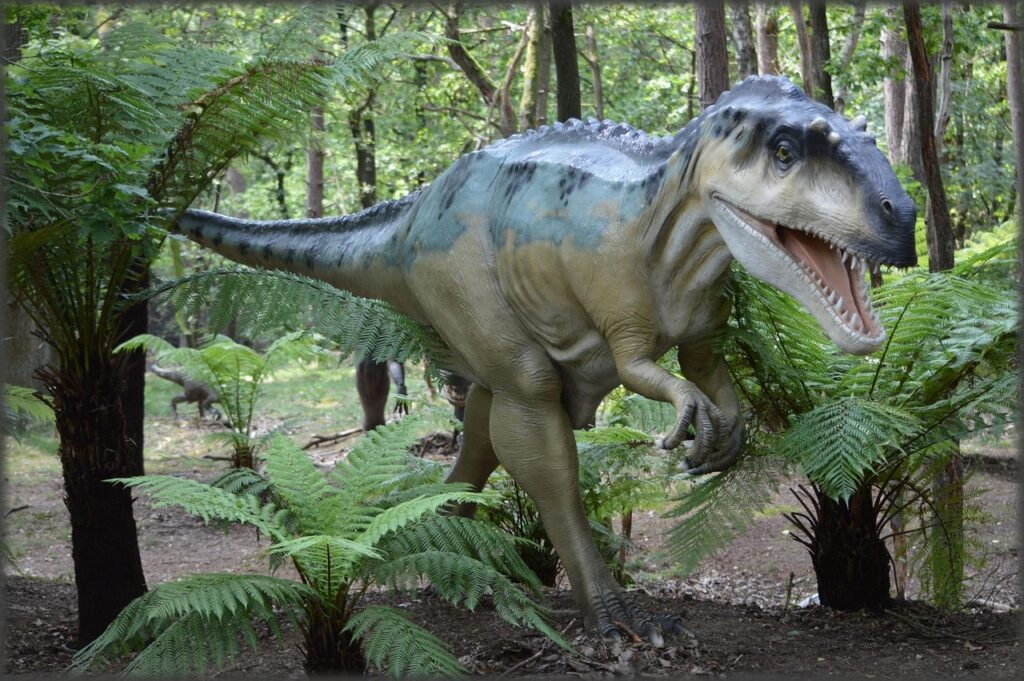
When you think of ancient Earth, you likely picture massive tyrannosaurs stomping across prehistoric landscapes, enormous sauropods shaking the ground with their thunderous footsteps. The narrative we’ve been told is simple yet compelling: for over 150 million years, dinosaurs were Earth’s undisputed masters, reigning supreme until a catastrophic asteroid ended their dominance.
Yet this popular story contains some surprising misconceptions. While dinosaurs were certainly successful creatures that thrived for millions of years, the idea that they truly “ruled” our planet tells only part of a much more complex tale. Let’s dive into the fascinating reality of why these magnificent creatures never actually dominated Earth in the way we’ve been led to believe.
They Started Small and Stayed Minor Players for Millions of Years

From recent finds in Africa, South America, and Europe, we know that they were no bigger than a medium-sized dog and were lanky, omnivorous creatures that munched on leaves and beetles. Most Triassic dinosaurs were small predators and only a few were common, such as Coelophysis, which was 1 to 2 metres (3.3 to 6.6 ft) long. The earliest dinosaurs were hardly the fearsome giants we imagine them to be.
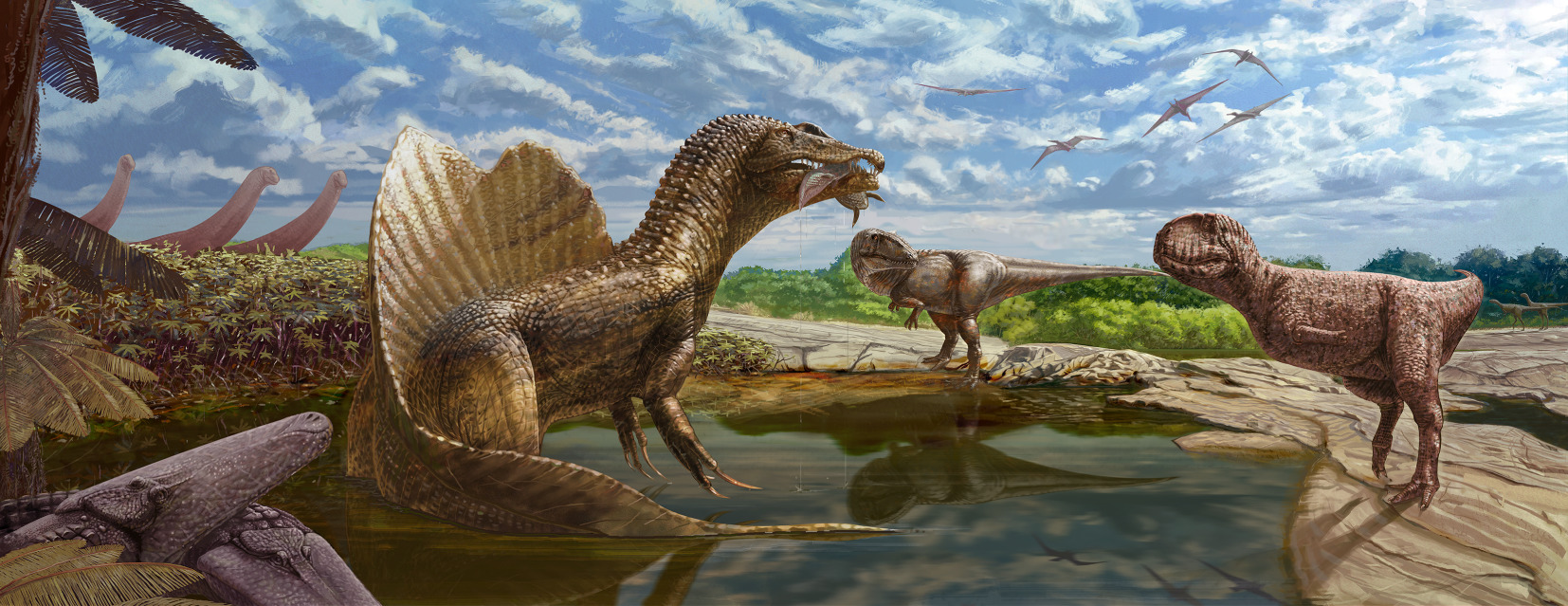
Ancient relatives of crocodiles, by contrast, were much more abundant and diverse. Among the Triassic crocodile cousins were sharp-toothed carnivores that chased after large prey on two legs, “armadillodiles” covered in bony scutes and spikes, and beaked, almost ostrich-like creatures that gobbled up ferns. These pseudosuchians were the true powerhouses of the Triassic period, not dinosaurs.
Even as early dinosaurs began to evolve into the main lineages that would thrive during the rest of the Mesozoic, most were small and rare compared to the crocodile cousins. Avemetatarsalians were a minor component of their ecosystems, but eventually produced the earliest pterosaurs and dinosaurs in the Late Triassic. It took nearly 30 million years before dinosaurs became anything more than bit players in Earth’s ecosystems.
The Oceans Belonged to Marine Reptiles, Not Dinosaurs
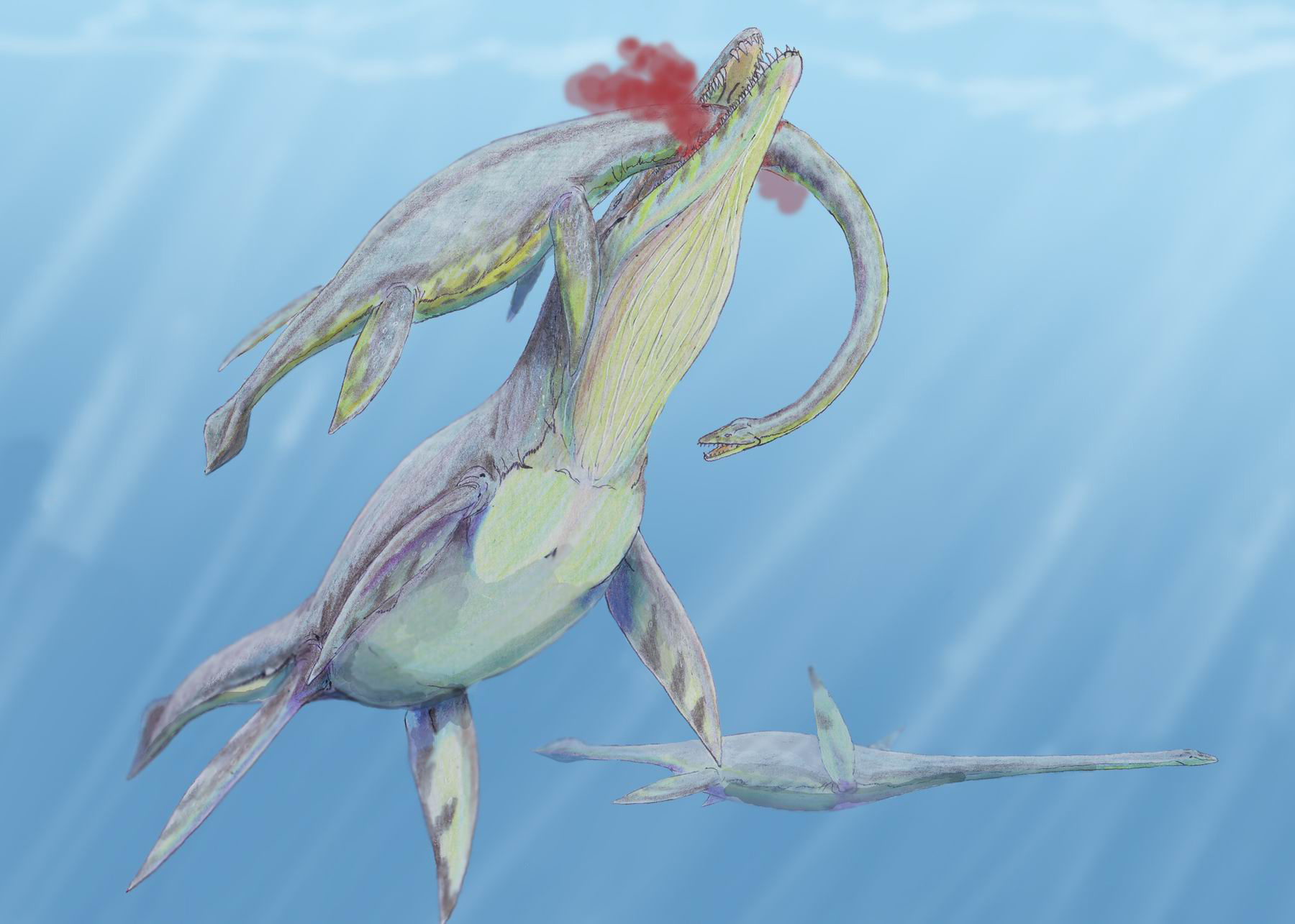
While sea levels have risen and fallen over time, the seas make up about 71 percent of Earth’s surface and contain more than 330 million cubic miles of water. The claim that dinosaurs, as diverse as they were, were the dominant form of life on Earth only makes sense if we ignore that three-quarters of our planet is ocean.
Even though some dinosaurs swam, leaving scratches and swim tracks in ancient shallows, none have ever evolved to live their entire lives in the oceans. Even penguins – living dinosaurs – have not evolved the ability to remain at sea like many marine mammals have and must return to land to nest. The vast underwater realm remained completely outside dinosaur control.
Instead, massive marine reptiles truly dominated the seas. Giant Triassic ichthyosaurs like Shastasaurus reached up to 21 meters long, while Shonisaurus was smaller at around 8-15 meters and 30-70 tonnes, the size of a sperm whale. They were the largest members of Plesiosauria, reaching lengths of more than 11m in the case of Kronosaurus and Pliosaurus macromerus. For more than 80 million years, the pliosaurs were the apex predators of the world’s oceans. These true ocean rulers were the masters of three-quarters of Earth’s surface.
Most Dinosaurs Were Actually Quite Small
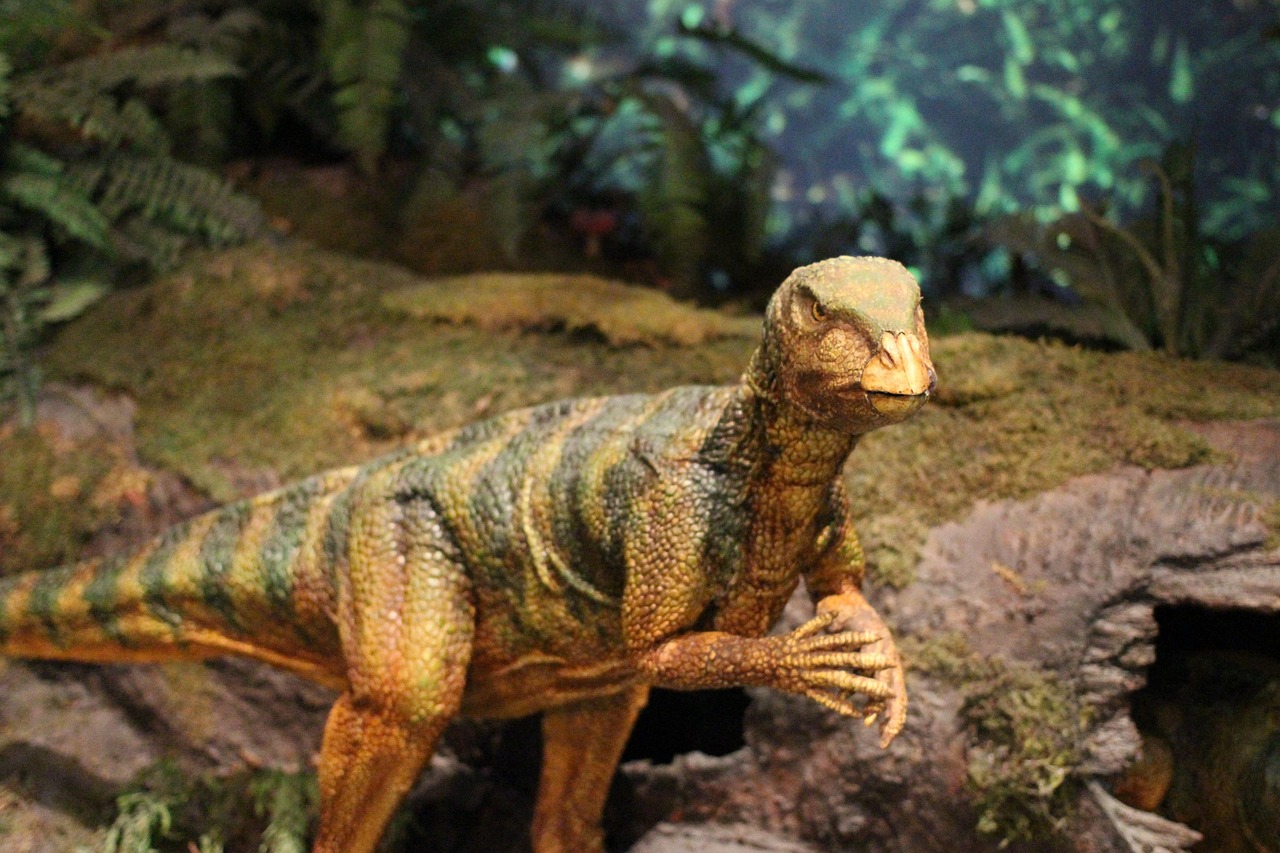
The average size of a dinosaur was that of a sheep. Based on fossil evidence, only a small percentage were gargantuan beasts such as T. rex and Apatosaurus. This might come as a shock to anyone whose image of dinosaurs comes from blockbuster movies featuring massive predators and towering herbivores.
The reality is far more humble. While we celebrate the giants like Tyrannosaurus and Brontosaurus, the vast majority of dinosaur species were relatively modest in size. Think of it this way: if you randomly encountered a dinosaur during the Mesozoic, you’d more likely meet something the size of a chicken or dog than a school bus.
To put things into perspective, the largest creature to ever exist on the earth is the blue whale, and it exists today. Also, the estimated weight of T. rex is 6–8 tons. The average male African elephant weighs 6–7 tons. Even the most famous giant dinosaurs weren’t necessarily larger than animals alive today. The supposed rulers of the ancient world weren’t even the largest creatures to ever walk the Earth.
They Faced Fierce Competition Throughout Their Existence
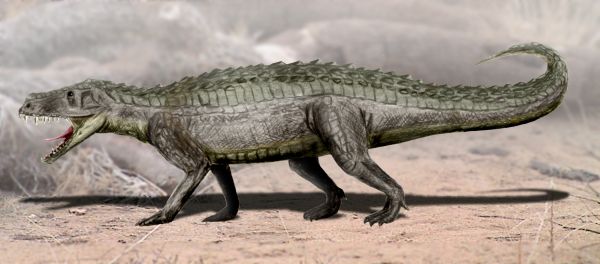
Rauisuchians (formally known as paracrocodylomorphs) were the keystone predators of most Triassic terrestrial ecosystems. Over 25 species have been found, including giant quadrupedal hunters, sleek bipedal omnivores, and lumbering beasts with deep sails on their backs. They probably occupied the large-predator niche later filled by theropods.
Even when dinosaurs began to diversify and grow larger, they never had the landscape to themselves. The specimens described in this research include some of the largest carnivorous members of the group, possibly up to 33 feet (10 meters) long – about the length of a school bus, with huge skulls full of serrated, curved teeth. Rauisuchia includes the largest non-dinosaurian land carnivore ever and some were so large that they could go head to head with T. rex.
Competition didn’t disappear even during dinosaurs’ supposed golden age. Throughout the Mesozoic, they shared their world with pterosaurs that ruled the skies, marine reptiles that controlled the seas, and various groups of crocodilian relatives that competed for similar ecological niches on land. The idea of unchallenged dinosaur dominance simply doesn’t match the fossil evidence.
Their Success May Have Been More About Luck Than Superiority
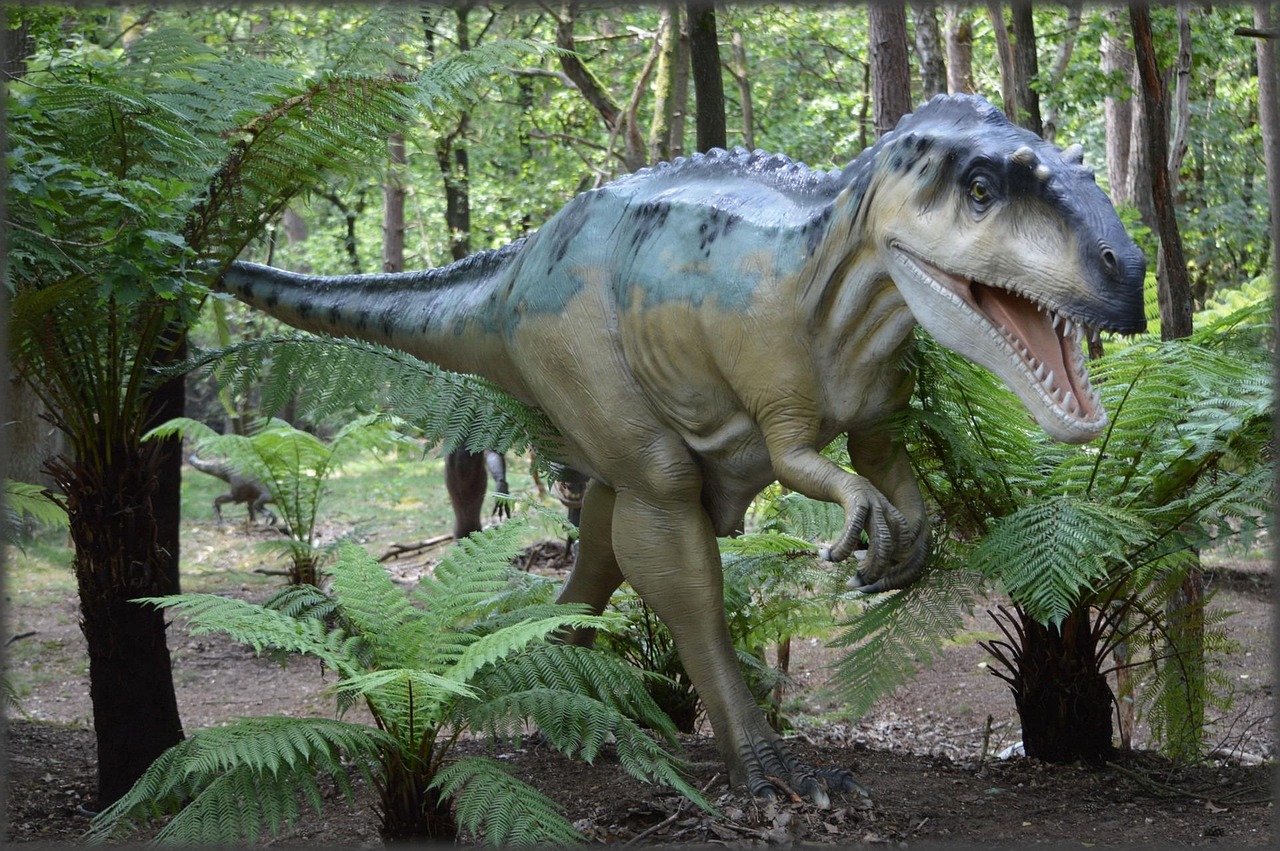
Dinosaurs’ long reign on Earth may have had more to do with lady luck than with superiority, according to a study published today in Science. The study challenges the old notion that dinosaurs out-competed their reptilian contemporaries. This groundbreaking research suggests that dinosaur success wasn’t inevitable or due to superior traits.
The traditional theory: dinosaurs suddenly replaced other land animals because of special traits that gave them an evolutionary advantage, such as being warm-blooded, nimble and able to occupy varied habitats. Yet mounting evidence suggests this narrative oversimplifies a much more complex story.
Though the end-Triassic extinction event was not equally devastating in all terrestrial ecosystems, several important clades of crurotarsans (large archosaurian reptiles previously grouped together as the thecodonts) disappeared, as did most of the large labyrinthodont amphibians, groups of small reptiles, and most synapsids. Some of the early, primitive dinosaurs also became extinct, but more adaptive ones survived to evolve into the Jurassic. The end of the period was marked by yet another major mass extinction, the Triassic–Jurassic extinction event, that wiped out many groups, including most pseudosuchians, and allowed dinosaurs to assume dominance in the Jurassic. Dinosaurs may have simply been in the right place at the right time when disaster struck their competitors.
They Depended Completely on Complex Ecosystems
More fundamentally, no species truly stands alone: Even the most long-lived and widespread organisms rely on others. Gigantic, plant-eating dinosaurs had to eat a Mesozoic salad bar of ginkgoes, horsetails, conifers, and other plants – food that required them to have specialized bacteria in their guts for digestion. Even the great T. rex was an ecosystem by itself, preying on herbivores that in turn, ate plants that fostered relationships with fungi and microorganisms in the soil. To look at such an image of life and focus on dominance is looking in the wrong place, dividing the history of life into winners and losers and missing the connections and community required for diverse creatures to thrive.
No dinosaur, regardless of size or ferocity, could have survived without the intricate web of relationships that sustained Mesozoic ecosystems. The massive sauropods needed specific plants and the gut bacteria to digest them. Carnivorous dinosaurs required healthy populations of prey species, which in turn depended on vegetation and suitable habitats.
Think of it like a house of cards: remove any crucial supporting element, and the entire structure collapses. Dinosaurs weren’t standalone rulers commanding nature; they were integral parts of complex biological communities. But the real lesson of Triceratops and kin is in how evolution flowers – not who rules the Earth. Their story is one of interconnection and mutual dependence, not dominance.
The truth about dinosaurs is far more nuanced and fascinating than the simple story of reptilian rulers. It’s a dramatic retelling of history that is fundamentally wrong on several counts. While these remarkable creatures were undoubtedly successful and left an incredible fossil legacy, they never truly ruled Earth in the way popular culture suggests. Instead, they were participants in a complex, ever-changing dance of life that included countless other players, from tiny bacteria to massive marine reptiles. Understanding this more complete picture doesn’t diminish dinosaurs’ remarkable achievements. Rather, it reveals the true wonder of how life on Earth has always been about cooperation, competition, and the intricate relationships that bind all living things together.
What do you think about this more complex view of dinosaur history? Did you expect that these ancient giants had so much company in their supposed kingdom?