Corythosaurus, meaning “helmet lizard,” stands as one of the most distinctive dinosaurs of the Late Cretaceous period. With its remarkable cranial crest resembling a Corinthian helmet, this duck-billed dinosaur captured scientists’ imagination since its first discovery in 1912. As a member of the hadrosaur family, Corythosaurus combined impressive size with unique anatomical features that continue to fascinate paleontologists today. The well-preserved specimens, including some with skin impressions and internal structures, have provided extraordinary insights into dinosaur biology.
This article explores the fascinating world of Corythosaurus, examining its physical characteristics, habitat, behavior, and significance in our understanding of prehistoric life.
Discovery and Naming History

Corythosaurus was first discovered in 1912 by American paleontologist Barnum Brown during an expedition to the Red Deer River in Alberta, Canada. The remarkably well-preserved specimen included not only skeletal remains but also skin impressions, making it one of the most significant dinosaur discoveries of its time. Brown named the genus “Corythosaurus,” deriving from the Greek words “korythos” meaning “helmet” and “sauros” meaning “lizard,” in reference to the distinctive crest atop its skull that resembled a Corinthian helmet worn by ancient Greek warriors.
The type species, Corythosaurus casuarius, was named for its resemblance to the modern cassowary bird, which also possesses a prominent head crest. Since its initial discovery, numerous additional specimens have been found, making Corythosaurus one of the best-understood hadrosaurs in the fossil record.
Classification and Evolutionary Relationships
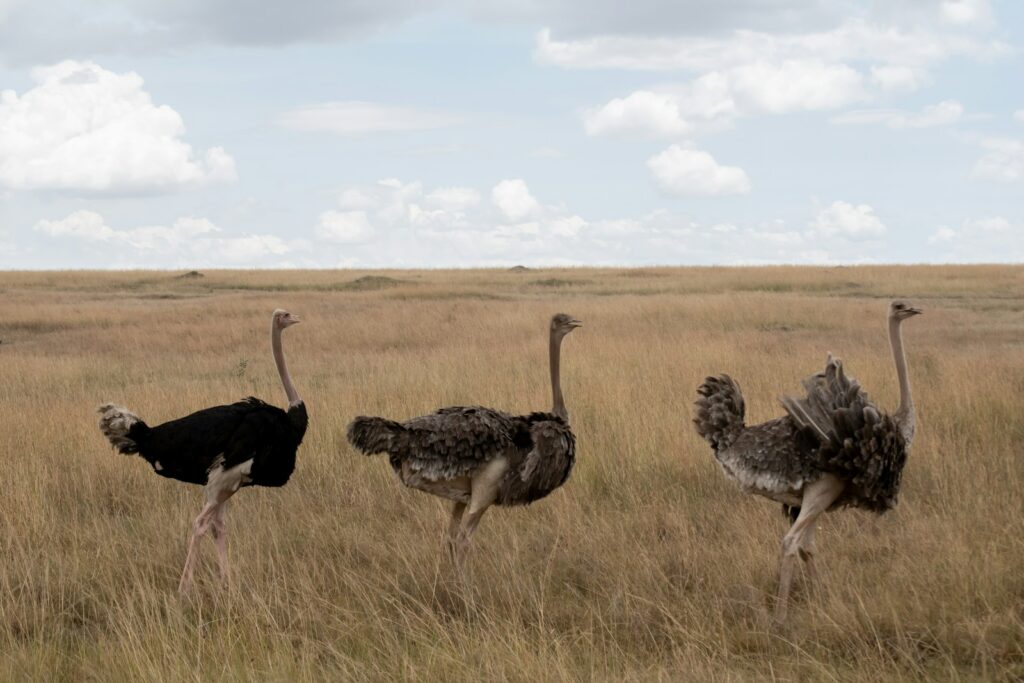
Corythosaurus belongs to the family Hadrosauridae, commonly known as duck-billed dinosaurs, and specifically to the subfamily Lambeosaurinae, characterized by hollow cranial crests. This subfamily includes other well-known crested hadrosaurs such as Parasaurolophus, Lambeosaurus, and Hypacrosaurus, all of which developed elaborate cranial structures, though with different shapes and sizes. Within the evolutionary tree of dinosaurs, hadrosaurs were ornithischian dinosaurs, meaning they had bird-like hip structures, despite not being direct ancestors of birds.
Phylogenetic analyses suggest that Corythosaurus was most closely related to Lambeosaurus, with which it shares several anatomical features beyond the cranial crest. The diversity of lambeosaurine hadrosaurs in Late Cretaceous North America indicates a successful radiation of these herbivorous dinosaurs, with Corythosaurus representing one evolutionary branch that specialized in a particular ecological niche.
Physical Characteristics and Size

Corythosaurus was a substantial dinosaur, measuring approximately 30 to 33 feet (9 to 10 meters) in length and weighing around 3 to 5 tons when fully grown. Like other hadrosaurs, it possessed a duck-like bill, perfect for cropping vegetation, and hundreds of tightly-packed teeth arranged in dental batteries that were efficient at grinding plant material. Its most distinctive feature was, of course, the hollow, semicircular crest atop its skull, which could reach up to 15 inches (38 cm) in height.
Corythosaurus walked primarily on its hind legs but could drop to all fours when grazing or moving slowly. Its powerful hind limbs ended in broad, hoof-like claws, while its forelimbs were shorter and equipped with three fingers. The tail was long and stiff, providing balance during bipedal locomotion. Skin impressions from exceptionally preserved specimens reveal that Corythosaurus had pebbly scales covering much of its body, with no evidence of feathers or filamentous structures.
The Iconic Cranial Crest: Structure and Function
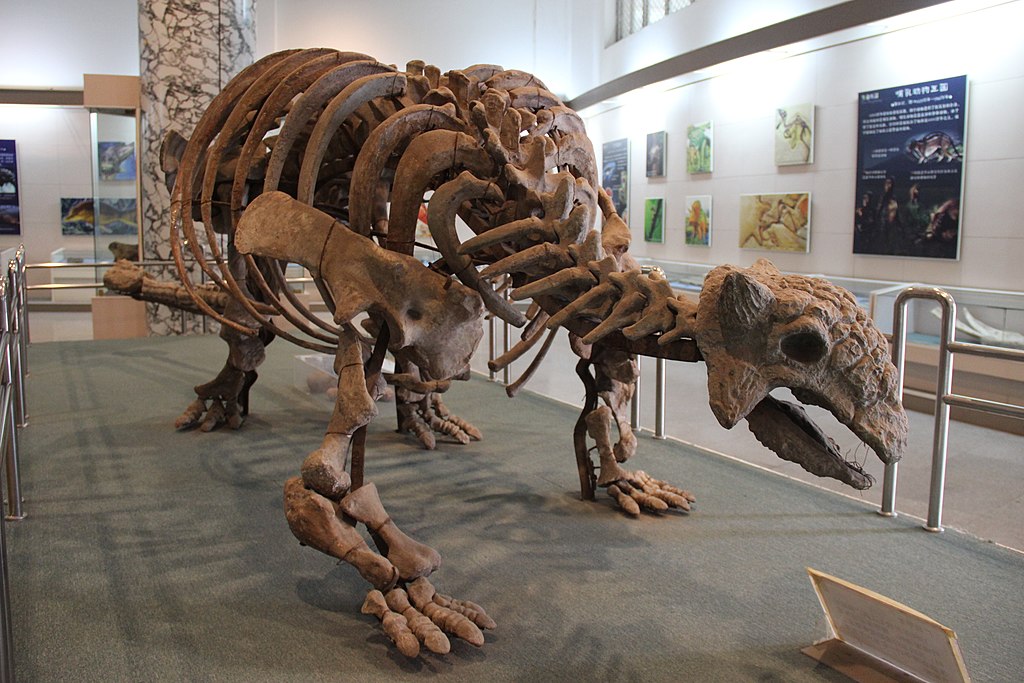
The helmet-shaped crest of Corythosaurus stands as its most remarkable feature, composed of the premaxillary and nasal bones that extended upward and backward from the skull. Unlike solid crests in some dinosaurs, the Corythosaurus crest was hollow and contained elaborate nasal passages that curved through the structure before connecting to the airway.
This complex network of passages has led to several competing theories about the crest’s function. Initially, scientists proposed it might have served as a snorkel for underwater breathing, but this theory was eventually rejected. More plausible explanations include thermoregulation, with the passages helping to cool the brain, or sound production capabilities, where the passages could amplify vocalizations.
Current consensus among paleontologists favors the idea that the crest primarily served social functions—visual display for species recognition, sexual selection, and establishing dominance hierarchies within herds. Interestingly, juvenile Corythosaurus specimens show smaller, less developed crests, suggesting the structure grew more pronounced as individuals matured.
Growth and Development

The growth patterns of Corythosaurus have been studied through specimens representing different life stages, revealing fascinating insights into hadrosaur development. Hatchling Corythosaurus likely measured just 12 to 16 inches (30-40 cm) in length, with minimal crest development. During their rapid growth phase, young Corythosaurus achieved nearly adult size within 10-12 years, though subtle anatomical changes continued beyond this point.
The cranial crest underwent the most dramatic transformation, beginning as a small bump in juveniles and expanding significantly during adolescence, particularly during what would have been the period of sexual maturation. This pattern supports the theory that the crest served important social and reproductive signaling functions.
Histological studies of Corythosaurus bones show growth rings similar to those in trees, indicating seasonal variations in growth rate and suggesting these dinosaurs experienced physiological responses to environmental conditions. The relatively rapid growth rate of Corythosaurus, compared to many other dinosaur groups, aligns with the general pattern observed in hadrosaurs and may have contributed to their evolutionary success.
Habitat and Geographic Distribution
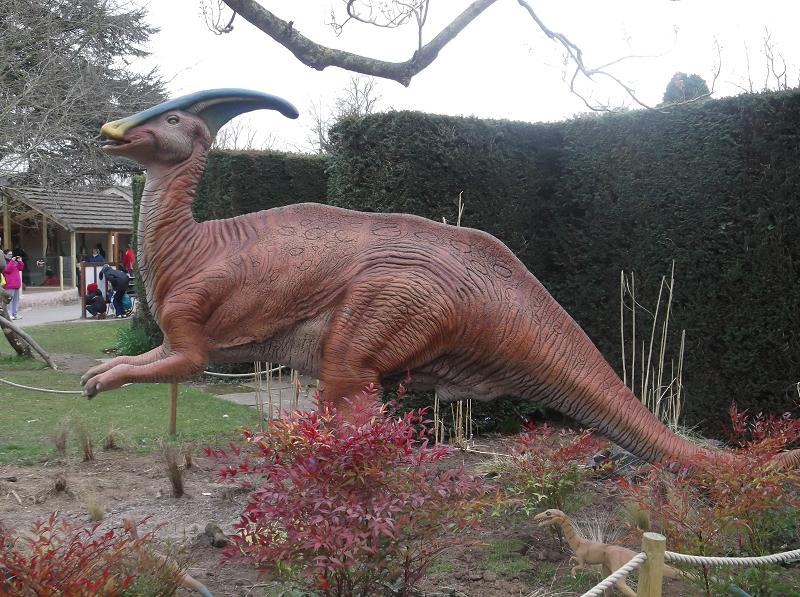
Corythosaurus inhabited western North America during the Late Cretaceous period, approximately 77-75.7 million years ago, with fossils primarily recovered from the Dinosaur Park Formation in Alberta, Canada. During this time, the region was part of the ancient landmass known as Laramidia, formed when rising sea levels divided North America into eastern and western subcontinents.
The environment Corythosaurus called home resembled a coastal floodplain, characterized by river systems, deltas, and lowland forests with a warm, humid climate more akin to today’s subtropical regions. This rich ecosystem supported diverse plant life, including conifers, ferns, cycads, and early flowering plants that would have provided abundant food sources for large herbivores like Corythosaurus.
The geographic range of Corythosaurus appears to have been relatively restricted compared to some other hadrosaur genera, suggesting potential ecological specialization or competition with related species. Paleoenvironmental reconstructions indicate that Corythosaurus shared its habitat with numerous other dinosaur species, including the horned ceratopsian Centrosaurus and the armored ankylosaur Euoplocephalus.
Diet and Feeding Behavior

As a member of the hadrosaur family, Corythosaurus was a highly specialized herbivore with remarkable adaptations for processing plant material. Its broad, duck-like bill was perfect for cropping vegetation, while the hundreds of tightly-packed teeth arranged in dental batteries could efficiently grind tough plant matter. Microscopic wear patterns on Corythosaurus teeth suggest it fed primarily on fibrous plant materials, likely including conifer needles, twigs, and woody browse that grew in abundance in its forest habitat.
Unlike some other dinosaur groups that swallowed food whole, hadrosaurs like Corythosaurus engaged in extensive oral processing, using their complex dental apparatus to break down plant cell walls and extract maximum nutrition. The powerful jaw muscles and unique jaw articulation allowed for a grinding motion similar to modern herbivorous mammals rather than the simple up-and-down biting of most reptiles. Isotopic analyses of Corythosaurus teeth have provided further insights into its diet, suggesting seasonal variations in food sources and potential dietary flexibility that would have been advantageous in its dynamic Late Cretaceous environment.
Social Behavior and Herd Structure
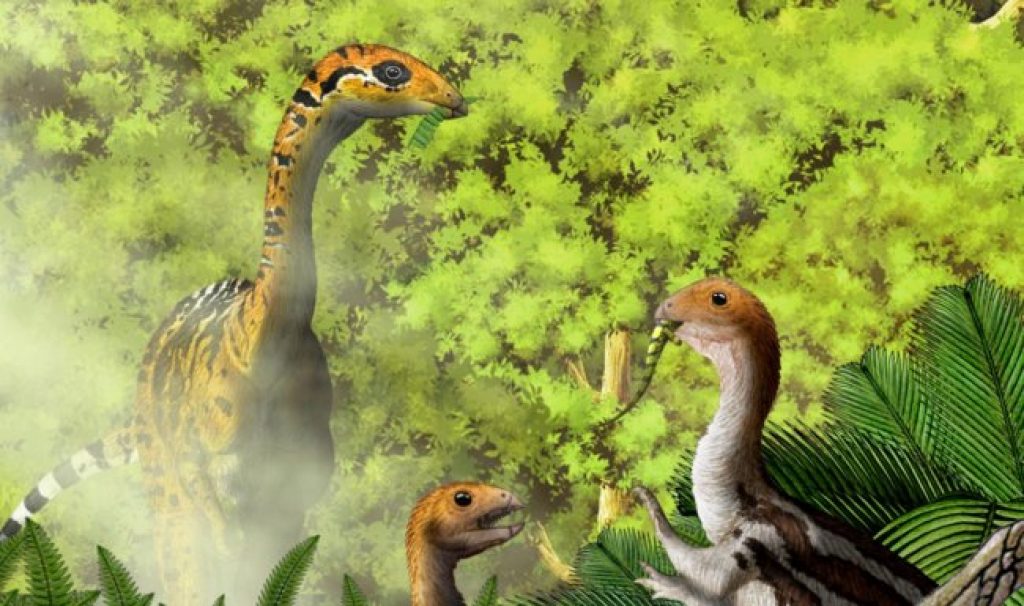
Evidence from multiple bone beds containing Corythosaurus remains strongly suggests these dinosaurs were social animals that lived and traveled in herds. This gregarious behavior would have offered numerous advantages, including protection from predators like the contemporary tyrannosaurs and improved foraging efficiency across their woodland habitat.
The discovery of specimens representing different age groups within the same deposit indicates that Corythosaurus herds likely included individuals of varied ages and both sexes, similar to many modern herbivore groups. The distinctive crest morphology, which differs slightly between presumed males and females, may have played a crucial role in social signaling within these herds, potentially facilitating mate selection and establishing dominance hierarchies.
Juvenile Corythosaurus specimens show less developed crests, suggesting young individuals could be visually identified within the social structure. The apparent social complexity of Corythosaurus aligns with the growing view among paleontologists that many dinosaurs exhibited sophisticated behavioral patterns rather than the solitary, primitive behaviors once attributed to them.
Communication and Sound Production

The elaborate hollow crest of Corythosaurus has long intrigued paleontologists as a potential sound-producing organ. The complex network of nasal passages running through the crest created a natural resonating chamber that could have amplified vocalizations, possibly allowing these dinosaurs to produce distinctive calls. Computer models and acoustic studies of the crest’s internal structure suggest it could have produced low-frequency sounds, perhaps similar to the resonant calls of modern horn-blowing animals like elephants or certain birds. These vocalizations might have served multiple purposes, including long-distance communication between herd members, warning calls against predators, or courtship displays during mating season.
Different crest shapes between species of lambeosaurine hadrosaurs may have resulted in distinctive vocal signatures, allowing for species recognition in environments where multiple hadrosaur types coexisted. Some researchers have even suggested that juveniles with less developed crests would have produced higher-pitched sounds than adults, potentially enabling age-specific communication within the social structure of Corythosaurus herds.
Predators and Defense Mechanisms

Despite its impressive size, Corythosaurus faced considerable threats in its Late Cretaceous ecosystem. The primary predators that would have targeted Corythosaurus included the tyrannosaurids that shared its habitat, particularly Gorgosaurus and occasionally Daspletosaurus. Unlike some dinosaurs that evolved horns, armor, or offensive weapons, Corythosaurus relied primarily on its speed, size, and social behavior for protection. When threatened, adult Corythosaurus could likely achieve speeds of 25-30 mph (40-48 km/h) in short bursts, using their powerful hind limbs to escape predators.
Herd living offered additional protection through safety in numbers, vigilance from multiple individuals, and potential coordinated defensive responses. Juveniles, being more vulnerable, may have benefited from positioning themselves in the center of herds. Some fossil evidence, including healed bite marks on Corythosaurus specimens, indicates that individuals sometimes survived predatory attacks, suggesting these dinosaurs were not always easy prey even for the formidable tyrannosaurs of their time.
Reproduction and Life Cycle
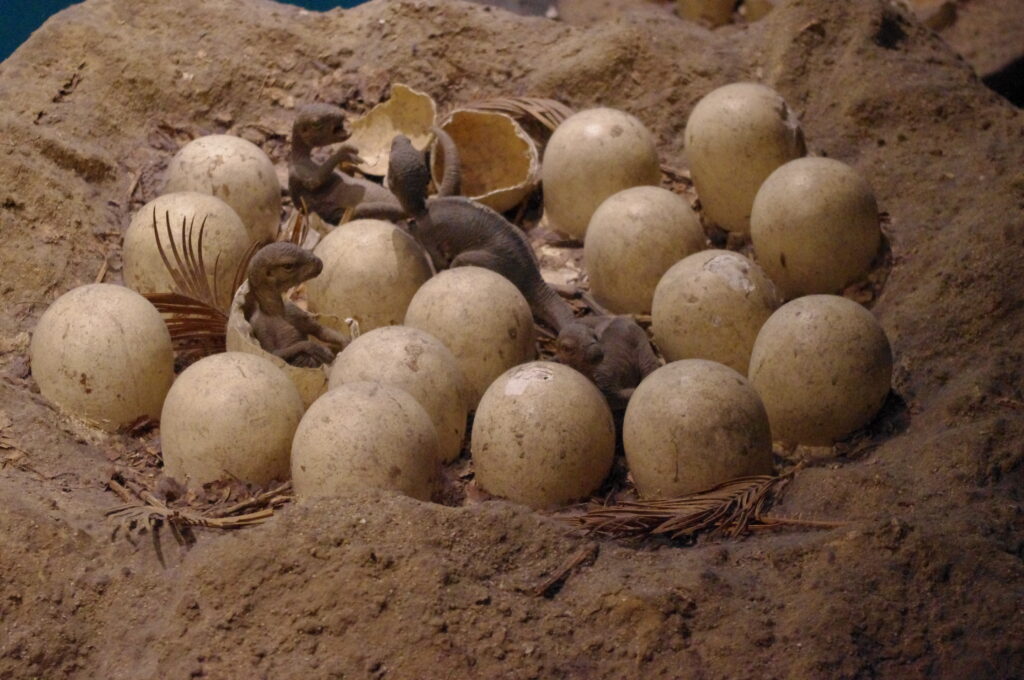
While direct evidence of Corythosaurus reproduction remains limited, paleontologists can make informed inferences based on related hadrosaurs and other dinosaur groups. Like other dinosaurs, Corythosaurus reproduced by laying eggs, likely in carefully prepared ground nests that may have been arranged in colonies. Based on related hadrosaur species, clutch sizes probably ranged from 20-30 eggs, with each egg measuring about 8-10 inches (20-25 cm) in length. Embryonic remains of related lambeosaurines suggest that hatchlings were relatively well-developed at birth but required extended parental care.
Sexual dimorphism has been proposed in Corythosaurus, with some specimens showing slightly different crest morphology that might distinguish males from females, though this remains debated among experts. The growth trajectory from hatchling to adult likely spanned about 10-12 years, with sexual maturity possibly achieved before full adult size. Corythosaurus probably exhibited reproductive strategies similar to other dinosaurs, with seasonal breeding cycles timed to coincide with optimal environmental conditions for egg-laying and hatching.
Extinction and Legacy

Corythosaurus vanished from the fossil record approximately 75.7 million years ago, well before the end-Cretaceous mass extinction that wiped out all non-avian dinosaurs 66 million years ago. This earlier disappearance suggests that Corythosaurus faced extinction due to more localized factors rather than the global catastrophe of the asteroid impact.
Competition with other hadrosaur species, changing ecosystems as sea levels fluctuated, or gradual climate shifts may have contributed to its decline. The evolutionary legacy of Corythosaurus lives on in our understanding of dinosaur diversity and adaptation, with its remarkably preserved specimens providing crucial insights into hadrosaur anatomy, growth, and behavior.
The distinctive cranial crest of Corythosaurus has made it one of the most recognizable dinosaurs in popular culture, featured in numerous books, documentaries, and museum displays worldwide. Modern scientific techniques continue to extract new information from Corythosaurus fossils, including details about its sensory capabilities, physiology, and ecological relationships, ensuring this remarkable dinosaur maintains scientific relevance almost 80 million years after its extinction.
Scientific Significance and Notable Specimens

Corythosaurus holds special significance in paleontology due to the exceptional preservation of many specimens. The holotype specimen discovered by Barnum Brown in 1912 included not only an almost complete skeleton but also extensive skin impressions that revealed the texture and pattern of the dinosaur’s external covering. Another remarkable specimen, nicknamed “Dinosaur Mummy,” preserved portions of the animal’s soft tissues, offering rare glimpses into the muscular structure of this prehistoric creature.
In 1920, a specimen with fossilized stomach contents was discovered, providing direct evidence of Corythosaurus diet that included conifer needles, twigs, seeds, and fruits. More recently, advanced imaging techniques applied to well-preserved skull specimens have allowed scientists to reconstruct the brain case and sensory organs of Corythosaurus, suggesting it had keen senses of smell and hearing but relatively modest vision. These exceptional fossils continue to serve as reference specimens in comparative studies of dinosaur anatomy and physiology, while new analytical methods frequently yield fresh insights from these century-old discoveries.
Corythosaurus in Modern Culture

The distinctive appearance of Corythosaurus, with its remarkable cranial crest, has made it a recurring figure in dinosaur media and popular culture. It featured prominently in the 1940 Disney film “Fantasia” during the “Rite of Spring” sequence, representing one of the earliest accurate depictions of dinosaurs in cinema. Corythosaurus made a brief but noteworthy appearance in the “Jurassic Park” franchise, appearing in the original novel by Michael Crichton and with fossils visible in several of the films.
In the realm of education, Corythosaurus frequently appears in dinosaur encyclopedias, museum exhibits, and educational programming, where its unusual crest serves as a launching point for discussions about dinosaur diversity and adaptation. Plastic and plush Corythosaurus toys remain popular items in museum gift shops and dinosaur toy collections worldwide. The enduring cultural presence of Corythosaurus demonstrates how distinctive anatomical features can capture public imagination and help make extinct animals relevant to modern audiences, serving as ambassadors from the distant past that connect people to the fascinating history of life on Earth.
Conclusion
Corythosaurus remains one of paleontology’s most fascinating subjects, combining remarkable physical features with complex behaviors that challenge our perceptions of prehistoric life. From its distinctive helmet-like crest that likely served multiple social and biological functions to its sophisticated dental adaptations for herbivory, this hadrosaur embodied evolutionary specialization in the Late Cretaceous ecosystems of North America.
The exceptional preservation of numerous specimens continues to yield scientific insights, while its distinctive appearance ensures ongoing cultural relevance. As new technologies and analytical methods develop, Corythosaurus will undoubtedly continue to enhance our understanding of dinosaur biology, behavior, and the dynamic ecosystems of the prehistoric world.