
Have you ever caught yourself reacting to something in a way that surprised you? Maybe you found yourself unusually anxious during a conversation, or perhaps you felt unusually defensive when someone criticized your work. More often than we realize, these moments are echoes from our past. Childhood personality traits have been implicated in the attainment of all three components of well-being, and some progress has been made towards identifying mechanisms by which they do so. Although it has been established that children’s personality traits predict various aspects of adult well-being, the complex causal pathways by which they do so are only just beginning to be examined.
The invisible threads connecting your childhood to your adult self are stronger than you might think. Every interaction, every moment of security or insecurity, every lesson learned or trauma endured during those formative years continues to influence how you navigate the world today. Let’s explore the fascinating ways your earliest experiences still shape who you are decades later.
Your Attachment Style Determines How You Connect

The way your caregivers responded to your needs as a child creates a template that influences every relationship you have as an adult. First, a person’s relationship with their mother tended to set the stage for their later attachment style in general, as well as for their specific approaches to individual relationships with friends, romantic partners and fathers. For instance, people who had more conflict with their mothers, were less close to their mothers or had mothers who were reportedly harsher and showed less warmth during childhood and adolescence tended to feel more insecure in their adult relationships.
This attachment blueprint doesn’t just affect romantic relationships. It influences how you approach friendships, work relationships, and even how comfortable you feel depending on others for support. Overall, secure adults tend to be more satisfied in their relationships than insecure adults. Their relationships are characterized by greater longevity, trust, commitment, and interdependence, and they are more likely to use romantic partners as a secure base from which to explore the world.
Early Trauma Rewires Your Stress Response System

Childhood maltreatment experiences could be linked with adulthood personality traits because their extreme manifestations proxy behavioral or emotional problems that were triggered by those experiences. The psychological literature has demonstrated a significant link between maltreatment and childhood temperament problems and the onset of a personality disorder. Traumatic experiences during childhood don’t just create memories; they fundamentally alter how your brain processes stress and danger.
Your nervous system learns to be hypervigilant or, conversely, to shut down when faced with perceived threats. Early-life experiences not only influence personal LH strategy; they may also sensitize individuals to adversity, influencing how they respond to adversity in later life. In other words, adults’ reactions to environmental stressors such as harsh or unpredictable environments vary according to their childhood experience of adversity. This means you might find yourself overreacting to minor stressors or struggling to recognize when something truly deserves your concern.
Self-Control Patterns Echo Through Decades

Acquiring the capacity to exert self-control over one’s behavior is a key developmental task of childhood and adolescence, one that confers numerous advantages over the life course and will enhance adult well-being. In addition to school performance, self-regulation mechanisms affect numerous other adolescent behaviors that may have long-term consequences for adult well-being, such as substance use and interpersonal relationships.
The self-regulation skills you developed as a child continue to influence your ability to manage impulses, delay gratification, and make thoughtful decisions as an adult. Children who struggled with emotional regulation often become adults who find it challenging to manage their reactions in high-pressure situations. However, those early lessons about patience and persistence also create adults who can navigate complex challenges with remarkable resilience.
Your Inner Critic Was Born in Childhood

The voice in your head that judges your performance, criticizes your appearance, or questions your worth often originated from messages you received as a child. Since biological and environmental factors determine personality development and there is also an interaction between biology and environment, an individual’s childhood experiences, such as abuse, may lead to both neurological changes, like hypothalamus and pituitary functioning, and to change in psychological components via directly affecting the self-concept and schemata for interpersonal interactions.
Whether your caregivers were encouraging or critical, whether they emphasized effort or results, whether they provided unconditional love or conditional approval, these early messages become internalized scripts that play on repeat throughout your life. The good news is recognizing these patterns allows you to consciously rewrite the narrative.
Social Behavior Mirrors Childhood Learning

You learned how to interact with others by watching the adults around you during your formative years. Research has consistently shown that the quality of early relationships, the nature of familial dynamics, and exposure to various stimuli during childhood can significantly mold an individual’s personality traits and coping mechanisms. The way your family handled conflict, expressed affection, communicated needs, and resolved problems became your first template for social interaction.
These early observations influence everything from how comfortable you are with confrontation to how you express love and appreciation. If your household was one where emotions were freely expressed, you likely became an adult who is comfortable with emotional conversations. Conversely, if feelings were suppressed or dismissed, you might find yourself struggling to articulate your emotional needs in relationships.
Fear Responses Carry Forward Into Adulthood

The fears that developed during your childhood often persist in different forms throughout your adult life. childhood neglect has a greater impact on emotional stability in adult females than in males, highlighting how early experiences can affect emotional development differently based on individual characteristics.
A child who experienced unpredictable caregiving might become an adult who struggles with anxiety about abandonment. Someone who was frequently criticized might develop an intense fear of failure that prevents them from taking necessary risks. These fear patterns, while they may have been protective during childhood, can become limiting beliefs that hold you back from reaching your full potential as an adult.
Your Capacity for Trust Was Established Early

the formation of secure attachment that encourages individuals to establish trust relationships in adulthood. In contrast, inferior interactions may lead to avoidant or ambivalent attachment. Trust is not just an abstract concept; it’s a learned behavior that develops through countless small interactions during childhood.
Children who experienced consistent, reliable caregiving typically become adults who can extend trust appropriately and recognize trustworthy people. Those who experienced betrayal, neglect, or inconsistent care might find themselves either trusting too quickly as a way to gain acceptance, or struggling to trust anyone at all. This fundamental capacity shapes everything from business relationships to intimate partnerships.
Emotional Regulation Skills Were Formed in Your Early Years
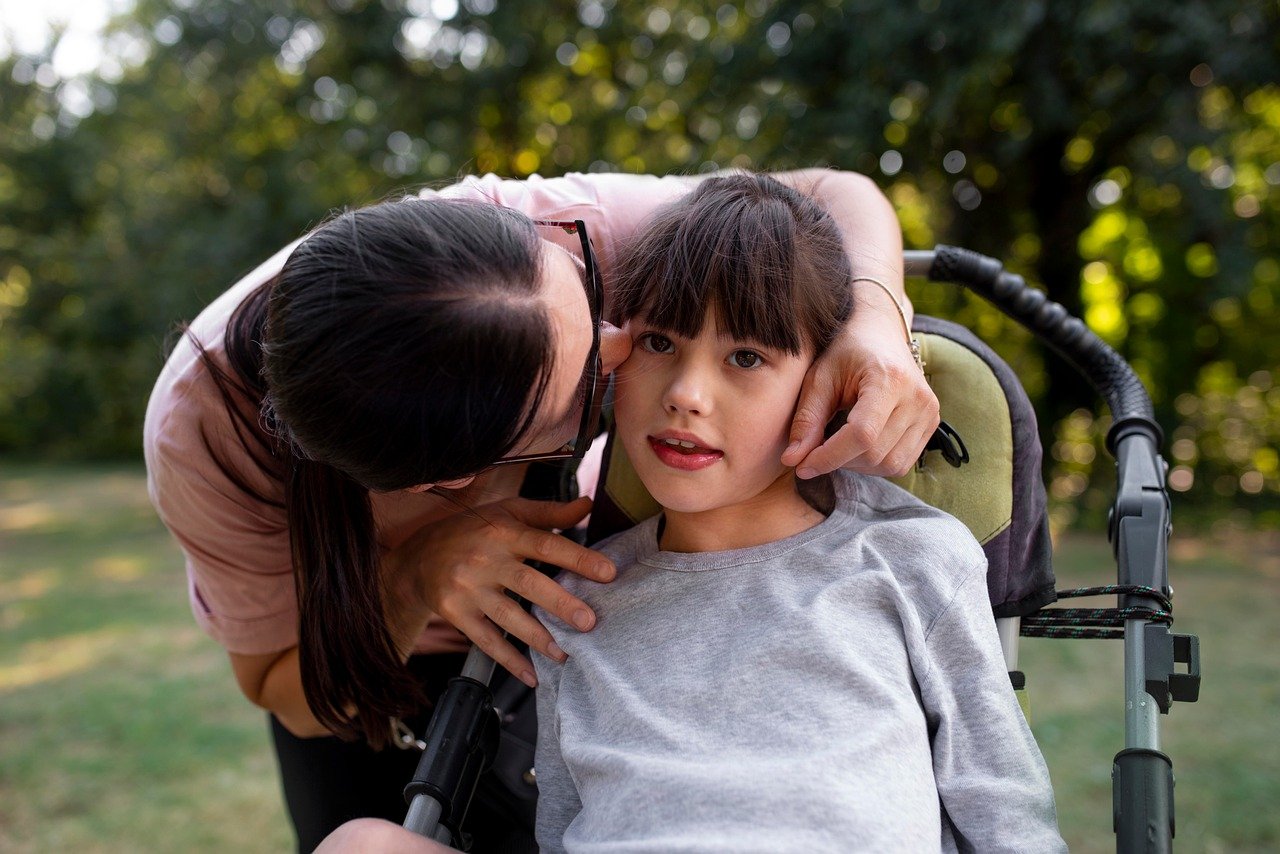
How well you manage your emotions as an adult directly correlates with what you learned about feelings during childhood. positive childhood experiences, such as having safe caregivers and interpersonal support, can shape these domains in the direction of healthy personality development; the larger the number of positive experiences and the broader the period they spanned, the healthier personality development is likely to be.
Children who were taught to name their feelings, who had their emotions validated, and who learned healthy coping strategies typically become adults with strong emotional intelligence. However, those who were told their feelings didn’t matter, who were punished for expressing emotions, or who witnessed unhealthy emotional patterns often struggle with emotional regulation throughout their lives.
Your Sense of Self-Worth Has Deep Childhood Roots

Positive childhood experiences significantly influence adult self-esteem and interpersonal competence, aligning with the basic psychological need theory. According to the findings, a supportive, protective environment fosters healthy psychological development by satisfying the needs for belonging and autonomy.
The messages you received about your value as a person during childhood become the foundation of your self-esteem as an adult. Children who were celebrated for who they were, not just what they accomplished, typically develop a stable sense of self-worth. Those who received love conditionally based on performance or behavior might struggle with perfectionism and self-criticism throughout their adult lives.
Communication Patterns Reflect Family Dynamics

The communication style in your childhood home becomes your default mode of expression as an adult. If your family valued direct, honest communication, you likely became someone who appreciates straightforward conversations. If communication was indirect, passive-aggressive, or avoided altogether, you might find yourself struggling to express your needs clearly in adult relationships.
From the research, it has been found that both nature and nurture play a crucial role in shaping an adult’s personality. Therefore, it is imperative young people be treated carefully, taking psychological impact into account. The way conflict was handled in your family also influences how you approach disagreements as an adult, whether you tend to withdraw, attack, or seek collaborative solutions.
The Good News: Your Brain Remains Adaptable

While childhood experiences create powerful patterns that influence adult personality, your brain retains the remarkable ability to change throughout your life. While early experiences are important, our brains keep changing throughout our lives. Positive experiences as an adult can help rewire those neural pathways and promote healing.
Understanding how your childhood experiences continue to influence you isn’t about dwelling on the past or assigning blame. Instead, it’s about gaining insight that empowers you to make conscious choices about who you want to become. Through therapy, mindfulness practices, healthy relationships, and intentional personal growth, you can strengthen positive patterns while transforming limiting ones.
The threads connecting your childhood to your adult personality are undeniable, but they don’t have to be unchangeable. Recognizing these patterns gives you the power to honor the positive influences while consciously reshaping the limiting ones. Your past experiences may have created the foundation of who you are, but you have the ability to continue building upon that foundation throughout your entire life.
What aspects of your childhood do you recognize still influencing your adult behavior? Understanding these connections is the first step toward creating the person you want to become.