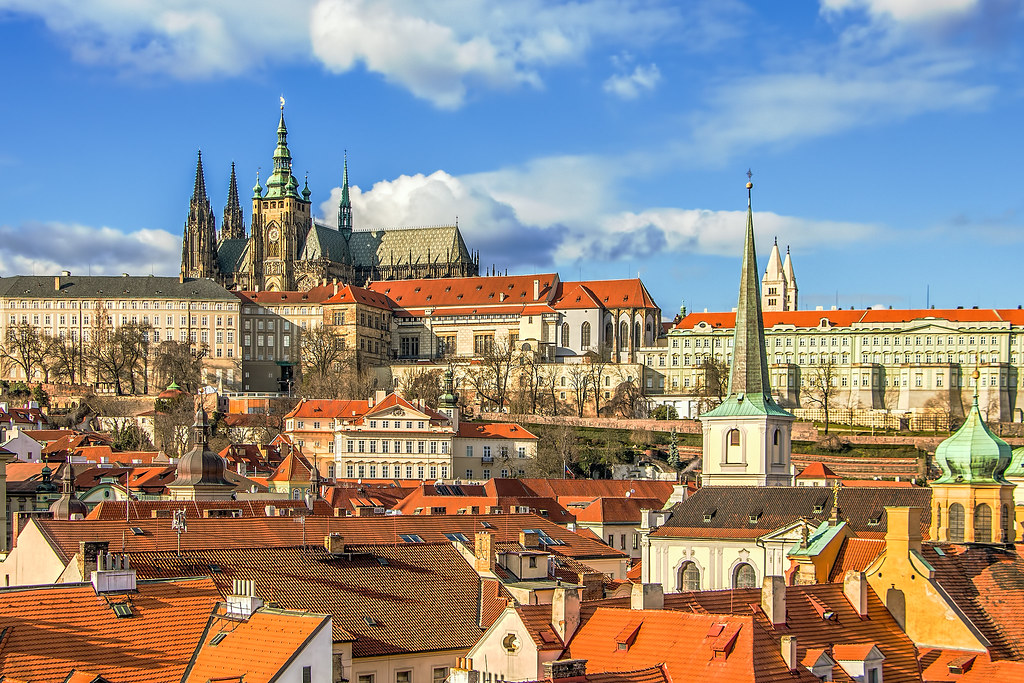
Living in Europe has always carried a certain prestige, but some cities will truly test your financial limits. From the pristine streets of Swiss financial hubs to the bustling tech centers of Northern Europe, the cost of calling these places home has reached astronomical levels. You might find yourself wondering if that dream European lifestyle is worth the hefty price tag.
The reality is that roughly one in five Europeans now struggle with the rising cost of living, according to recent surveys. Housing prices alone have jumped by more than twenty percent in many metropolitan areas since the start of this decade. Still, these cities continue to attract millions of residents and expats each year. Let’s explore which European destinations will demand the biggest sacrifice from your wallet.
Geneva, Switzerland
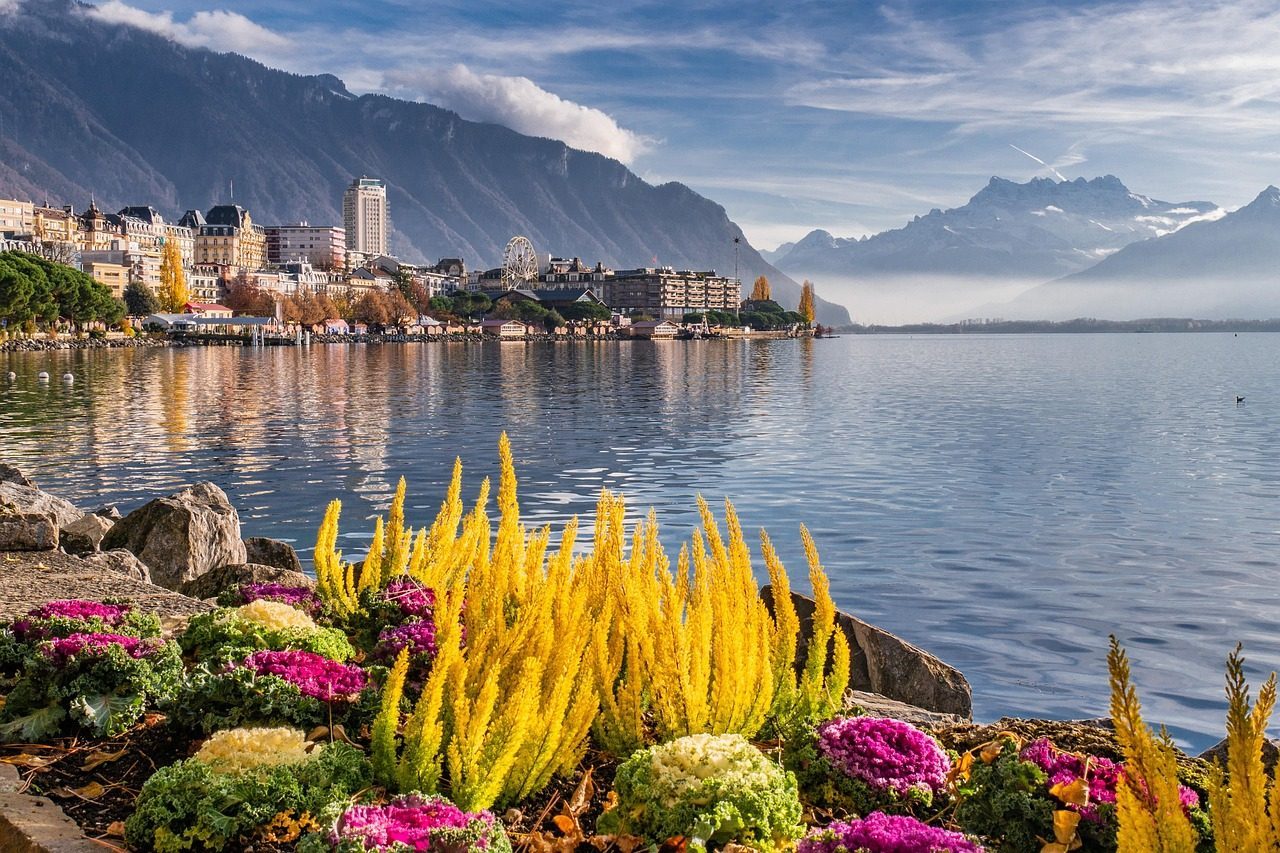
Geneva, Switzerland, was the most expensive city to buy an apartment in Europe in the first quarter of 2024. The square meter price in Geneva was nearly 15,650 euros in that quarter, about 2,000 euros higher than the second city in the ranking, Zurich. You’ll face staggering costs whether you’re renting or buying in this international hub.
Geneva is the second Swiss city on this list of the most expensive cities in the world to live in. Life here is just as expensive as in Zurich; the average cost for a single person is about $3,266 per month. The city’s role as home to numerous international organizations drives up demand and prices significantly. Dinner for two would cost more than $124.
Zurich, Switzerland
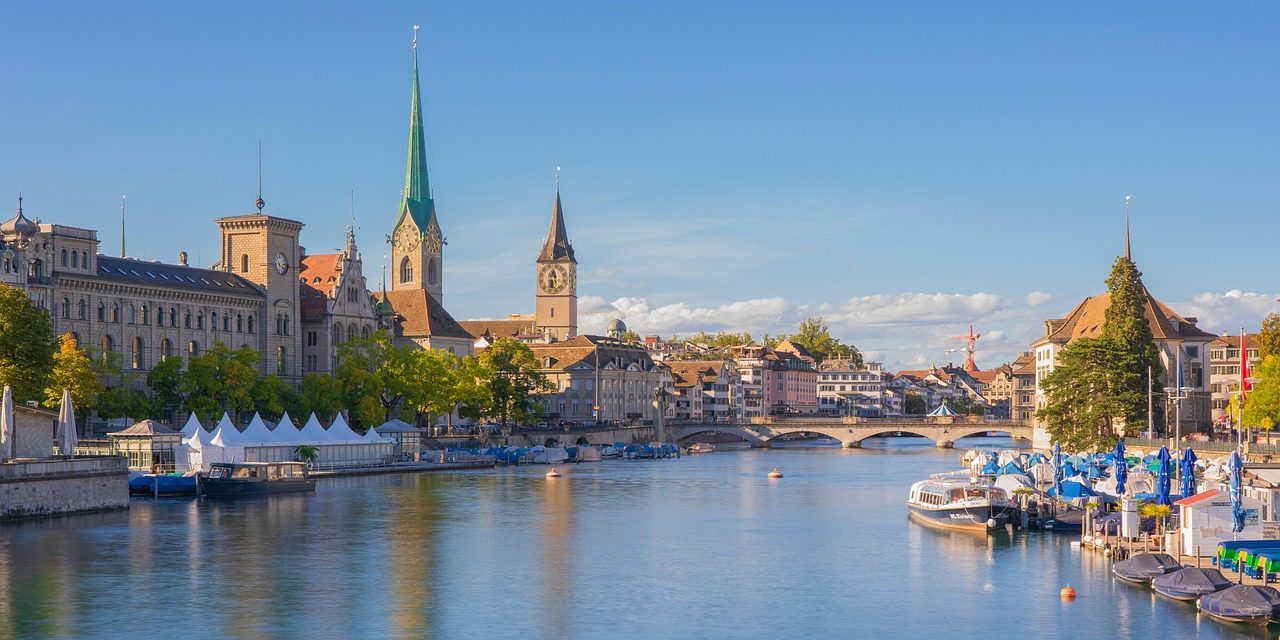
Situated in north-eastern Switzerland and with a population of over 420,000 people, Zurich has again ranked top for most expensive European countries in Mercer’s Cost of Living City Index 2024, and third overall. Living in Zurich, Switzerland, can take a toll on the wallet, as the average living costs for one person are around $3,380 per month.
The average price of an apartment here is €13,500 psqm according to Statista, the second highest in Europe behind Geneva. An important reason why Zurich could be considered an expensive location is because it is renowned as a vital financial hub, with plenty of job opportunities for expats in areas such as banking, wealth management and insurance. The city’s quality infrastructure and healthcare system help justify these costs for many residents.
Basel, Switzerland
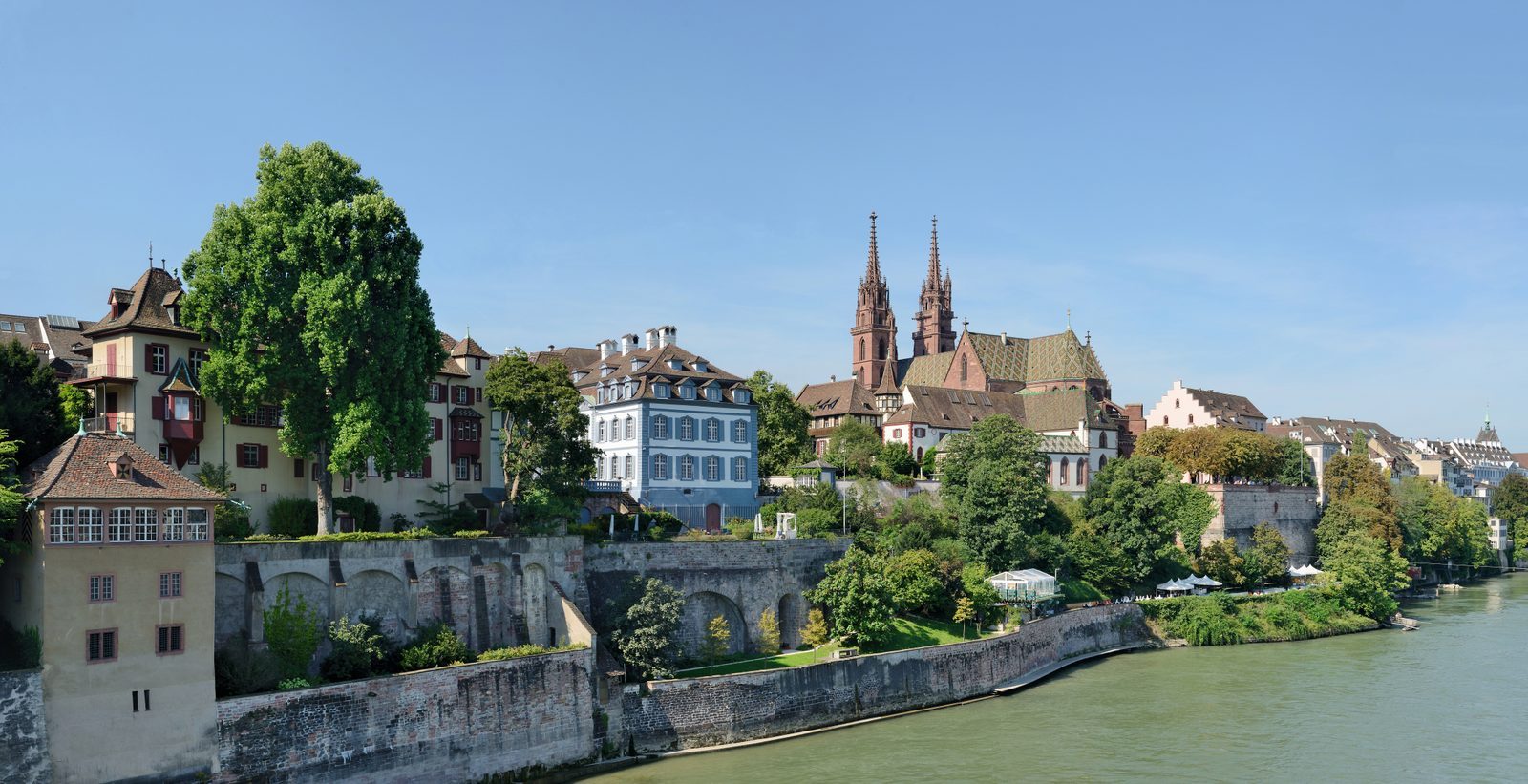
Another Swiss city made it to Mercer’s list of the most expensive cities in the world to live in. Basel is a “cheaper” alternative compared to Geneva and Zurich, as the average monthly living cost for an individual is just about $2,820. Though relatively more affordable than its Swiss neighbors, Basel still commands premium prices.
While living in Basel can be expensive, the city makes up for its safe streets, rich culture, and delicious cuisine. Basel is home to more than 30 museums and boasts thriving nightlife thanks to its pubs, live music clubs, and bars along Klein-Basel. The cultural richness and pharmaceutical industry presence contribute to its high living costs.
Bern, Switzerland
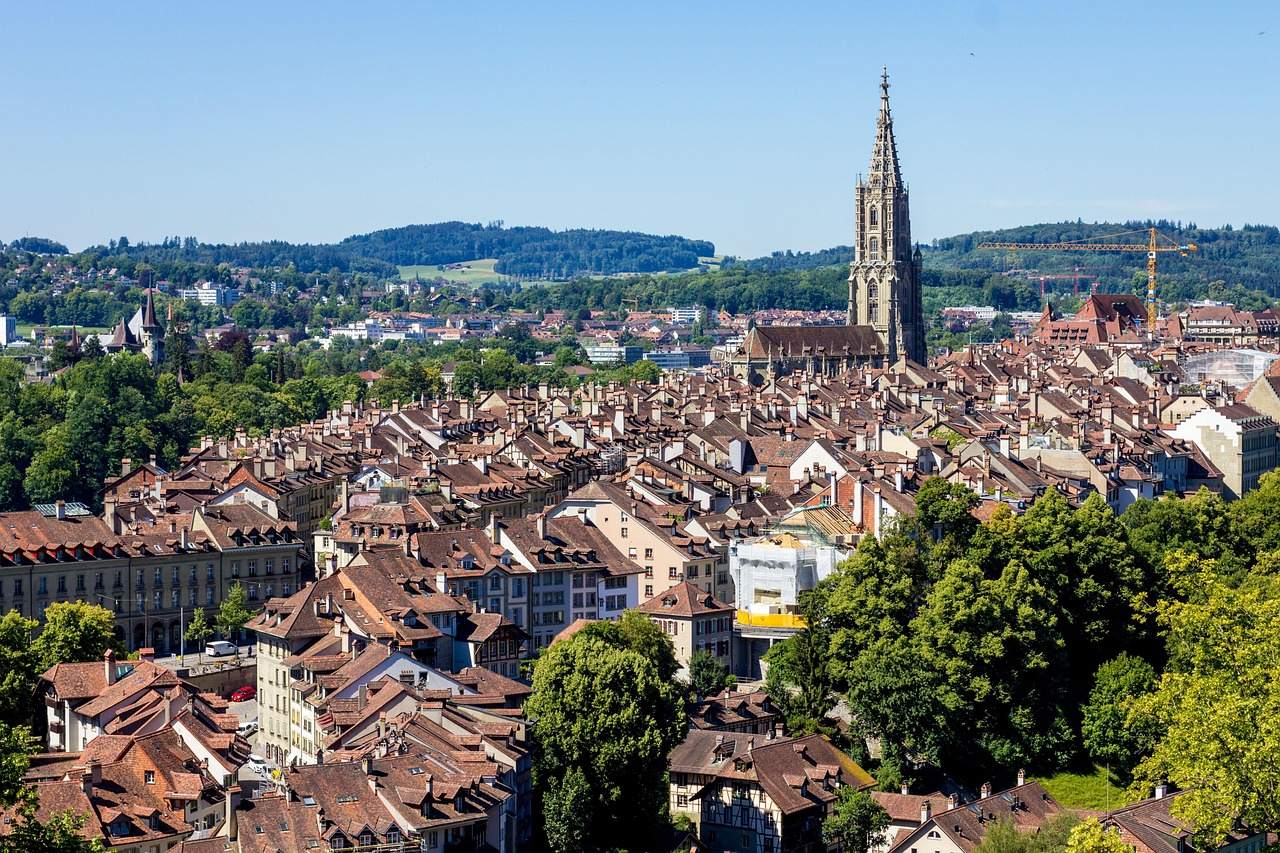
The de facto capital of Switzerland, Bern is a Swiss German speaking city situated on the River Aare and was voted the fourth most expensive city in Europe. Home to the country’s federal government, public administration and civic job opportunities are prominent here. As the capital, Bern attracts government workers and diplomats who drive up housing demand.
Bern also has the fifth highest rental prices in Europe and competition for housing is steep, with an apartment costing on average €10,400 psqm. Bern also ranked as one of the best cities for quality of life in Oxford Economics’ Global Cities Index 2024 at number 5. The city’s strong economy, excellent infrastructure and wealth of job opportunities illustrate why it ranks so highly in this index.
London, England
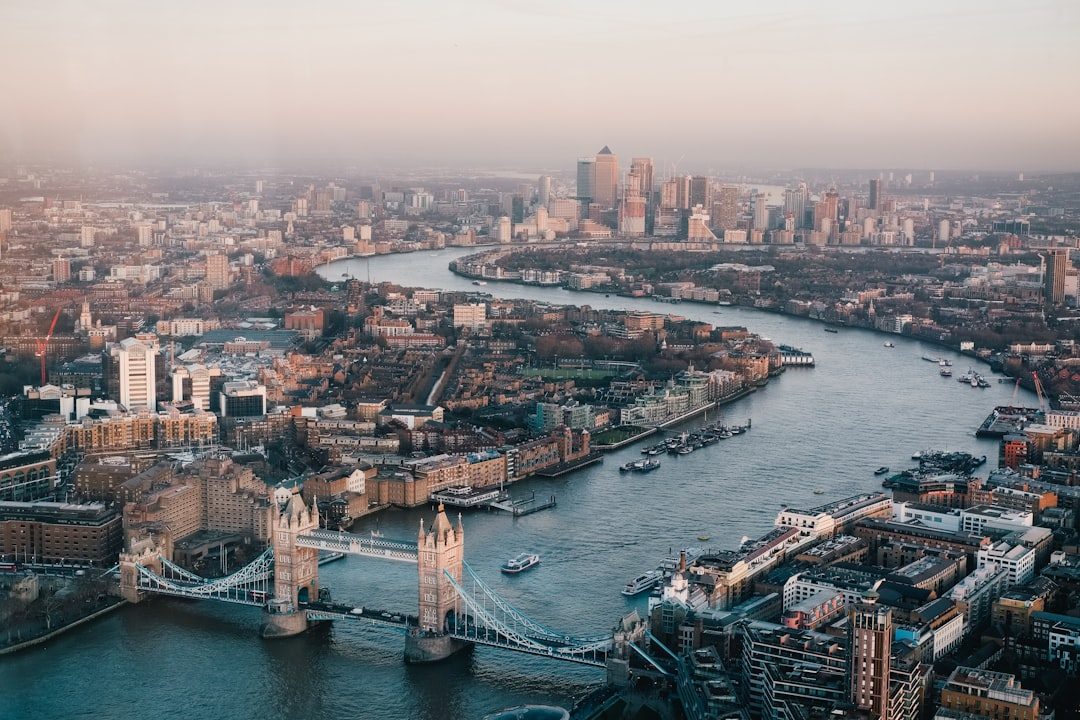
London has also ranked as one of the costliest places , coming at number five in Mercer’s Index. London is the eleventh most expensive city in the world to live in. In addition, London has the eight most expensive average housing prices out of the 35 global cities. Brexit has added complexity to the already high living costs.
The high living costs in the UK are a result of labor shortages and additional taxes on households. For a single person, the average cost of living in London is over £3,644 per month. The city remains a global financial center, attracting top talent willing to pay premium prices for the privilege of living there.
Oslo, Norway
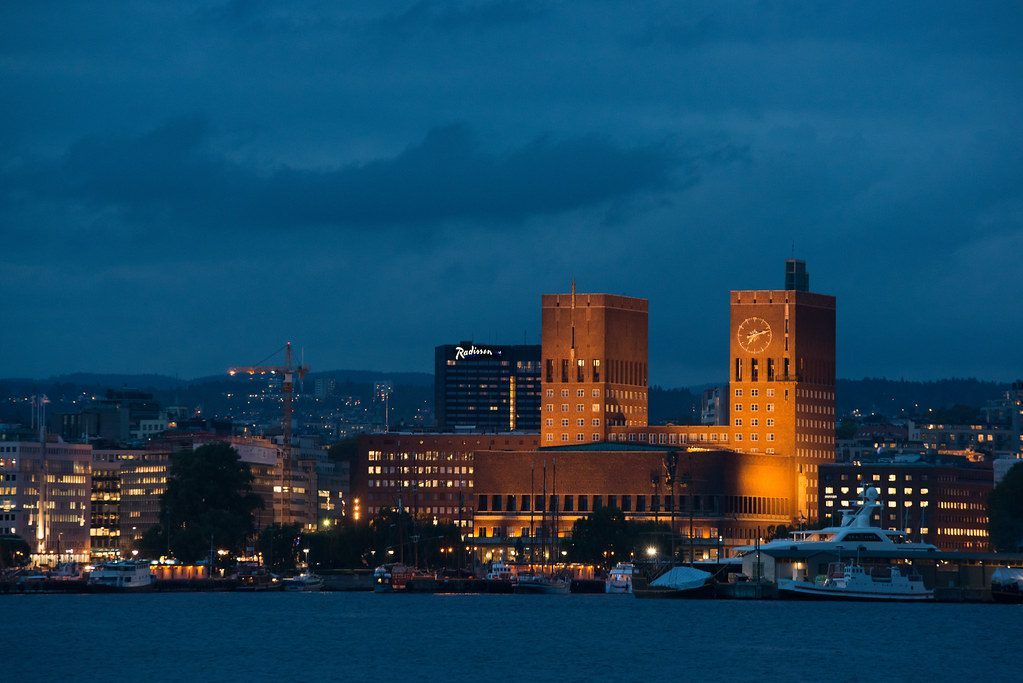
Oslo, Norway’s capital has been a famous tourist destination for many years. However, for budget-conscious digital nomads, Oslo is generally a short journey. Norway is one of the countries with a high standard of life; as a result, the cost of living is quite expensive. You’ll find that nearly everything costs significantly more than other European capitals.
Oslo is known for having some of the most expensive apartments and houses in Norway as of 2024. In March of this year, the average price for a residential property in the capital reached a staggering 6.4 million Norwegian kroner. Cost of Living Accommodation One-bedroom apartment in the city center: €1,306 One-bedroom apartment outside the city center: €1,047 However, the high salaries and excellent social services often compensate for these costs.
Copenhagen, Denmark
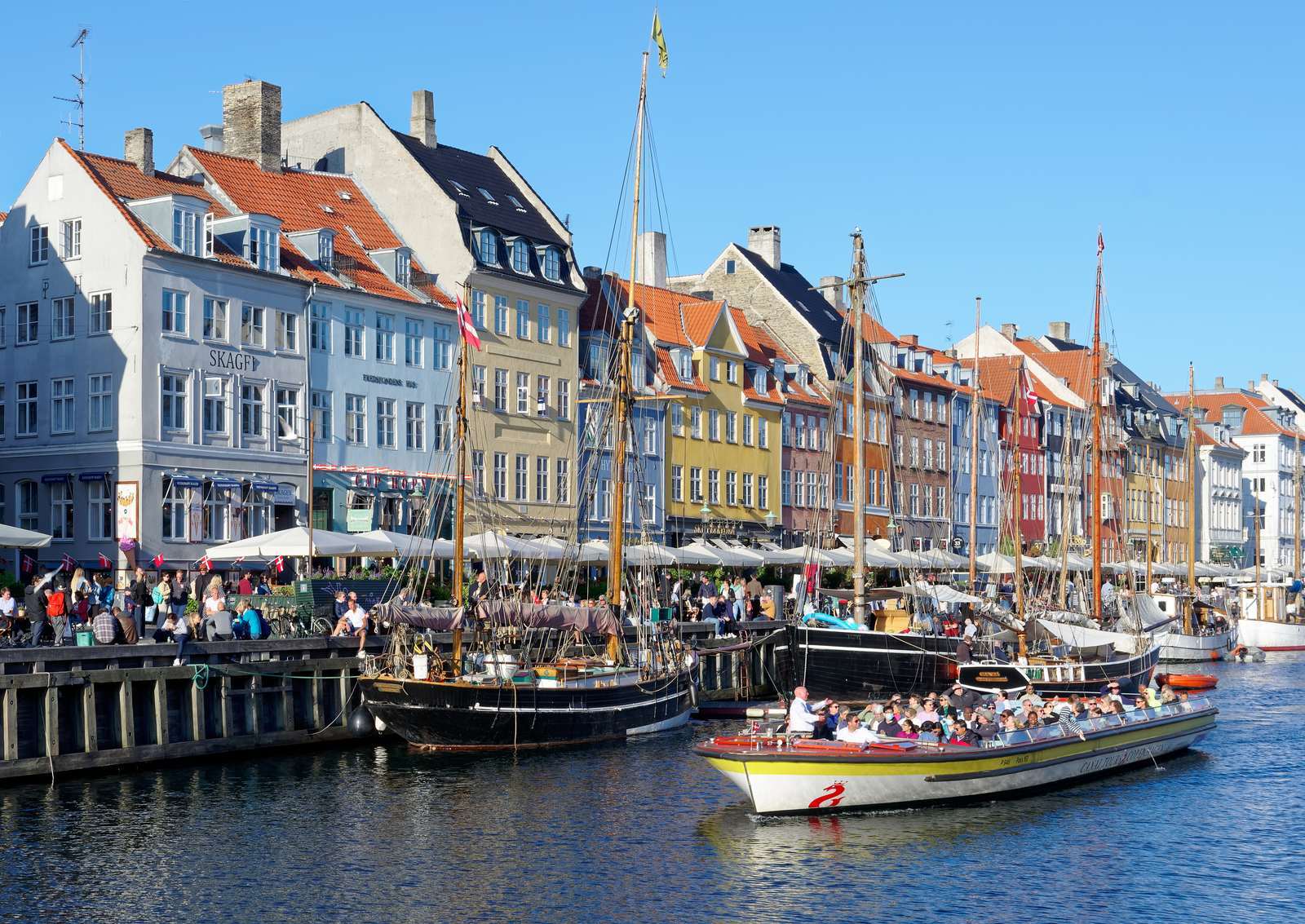
At the European level, Copenhagen is the most expensive city behind Swiss cities and London. It should be noted that the Danish capital is thus the most expensive city in the European Union. Sadly, though, it’s also often considered one of Europe’s most expensive cities to live in. However, with a cost of living of approximately $2,400 monthly, including rent and utilities, it’s more affordable than some cities on our list.
The capital of Denmark, Copenhagen, is a colorful city famed for its picturesque scenery, world-class cuisine, vibrant architecture, and historical landmarks. The combination of Nordic welfare systems and high taxation creates a unique but expensive living environment that many find worthwhile for the quality of life offered.
Dublin, Ireland
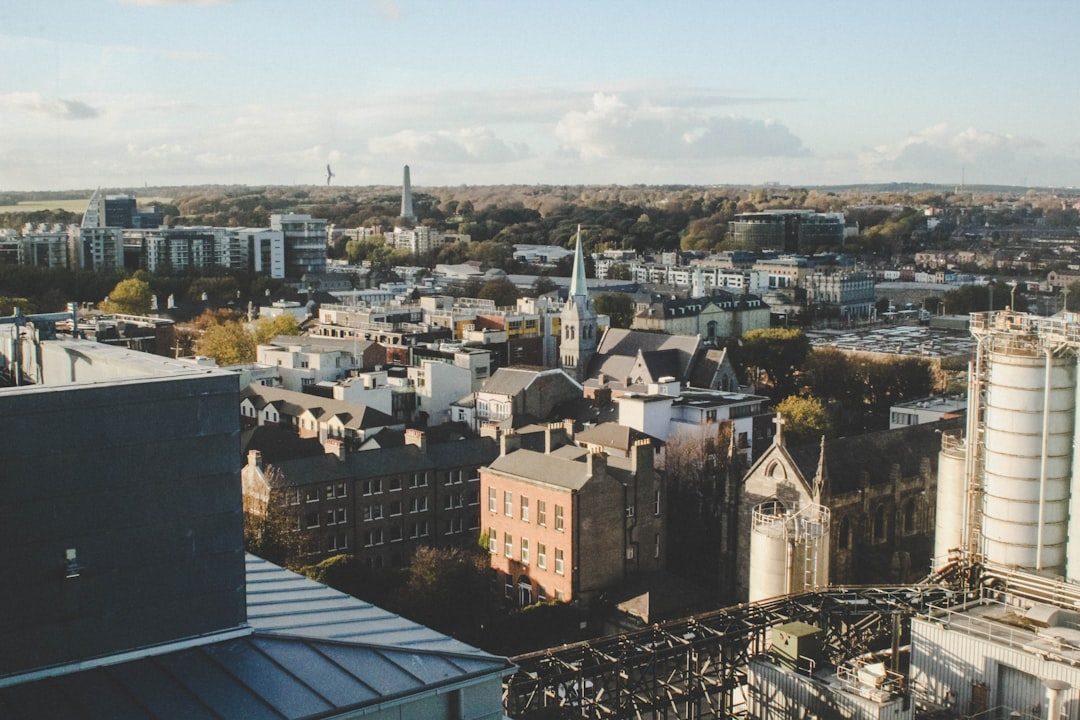
Dublin remains the seventh most expensive city in Europe in 2024. It’s well-known for its vibrant nightlife and closeness to Ireland’s natural settings. However, it’s one of Europe’s most costly cities. The tech boom has transformed Dublin into a European Silicon Valley, but at considerable cost to residents.
Dublin is considered to have among the highest rental costs in Europe, with an average of €32.8 per square meter per month. It’ss largely due to the high number of expats, and thus the high rents. Major international tech companies have established their European headquarters here, creating intense competition for housing among well-paid employees.
Paris, France
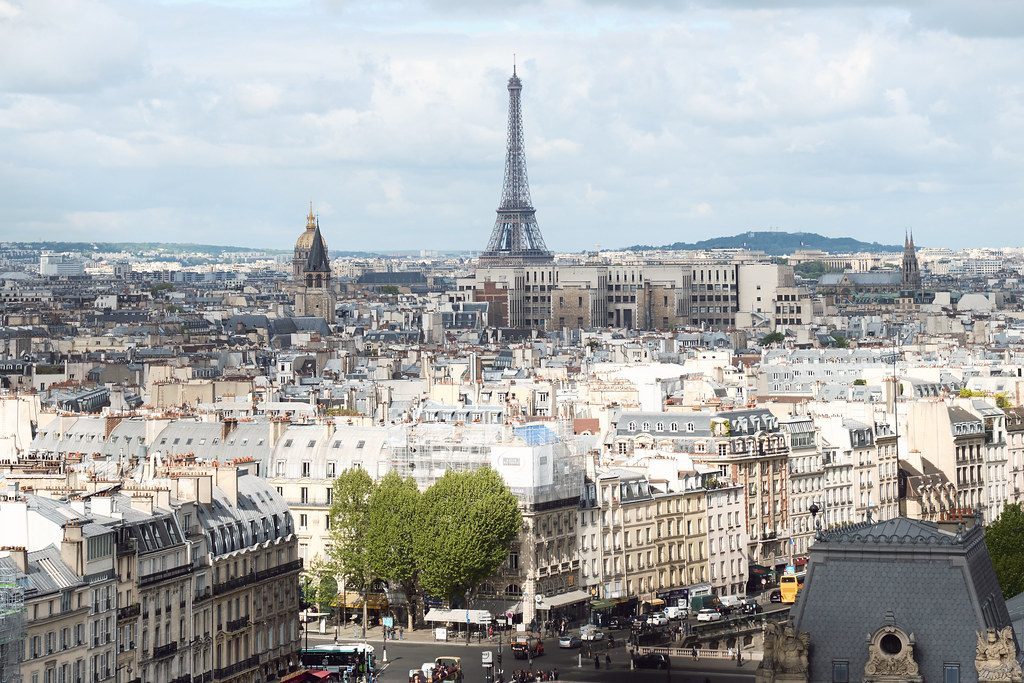
Luxembourg leads Deloitte’s 2025 list of Europe’s most expensive rental cities, with Paris and Dublin close behind. Paris tops the list of the most expensive cities, with a new square meter costing an impressive €14,900. The City of Light demands significant financial commitment from those who wish to call it home.
The City of Light dazzles not only with its cultural allure but also with its sky-high real estate prices. Haussmannian apartments in the 8th arrondissement and luxury penthouses near the Champs-lysées command premium prices driven by foreign investment The combination of limited housing supply and massive tourist and business demand keeps prices perpetually high.
Amsterdam, Netherlands
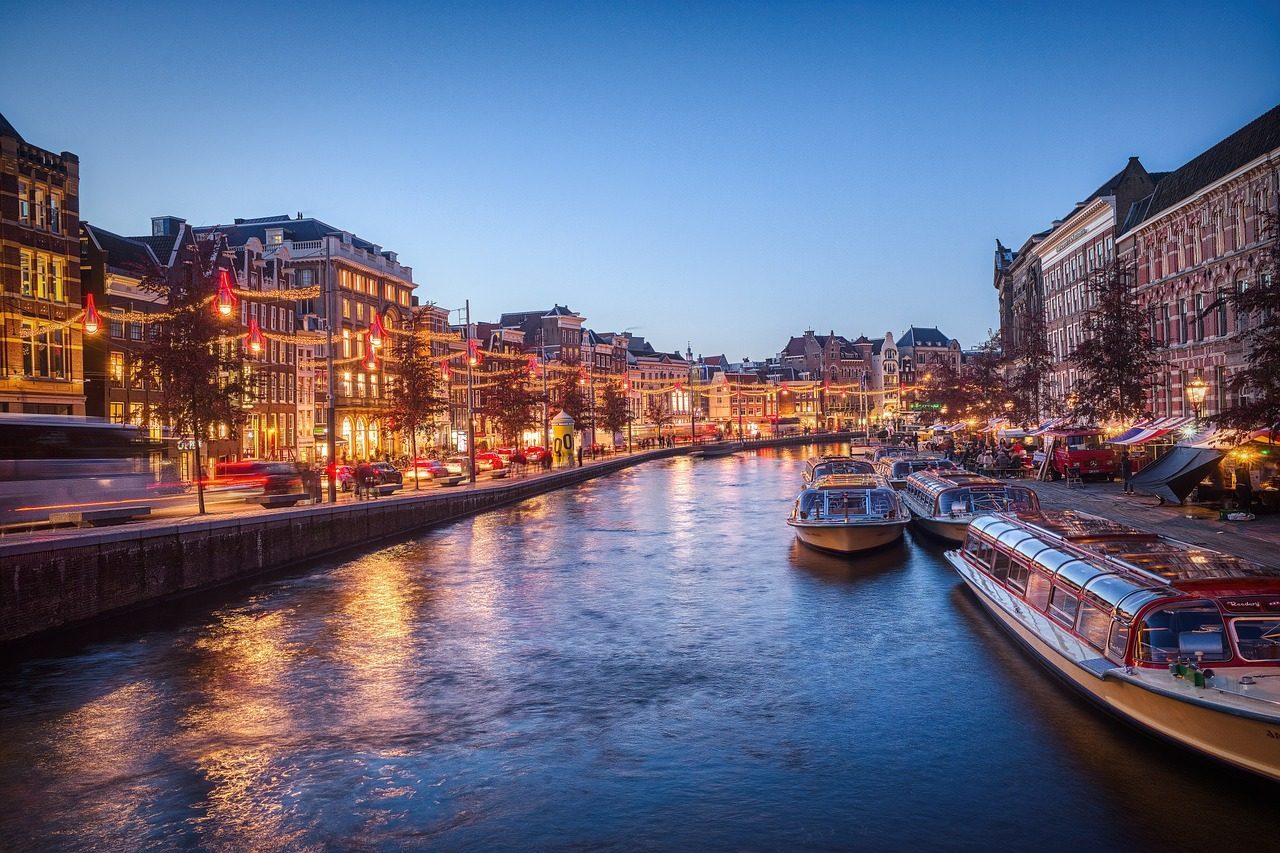
Within the euro zone, the cost of living is the highest in the capital of the Netherlands, Amsterdam. Also known as the alpha world city in regard to globalization, Amsterdam is one of the top cities in Europe with a high price index. This means its cost of living is no joke. You’ll discover that housing costs consume a massive portion of your income.
It is the commercial and financial city of The Netherlands and is also famous for its remarkable artistic heritage. It has a price index of 182 and residents here spend 82% more than what they would have spent if they lived in the world’s reference city in regards to the price index. The city’s compact size and strict building regulations severely limit new housing construction, maintaining upward pressure on prices.
Milan, Italy
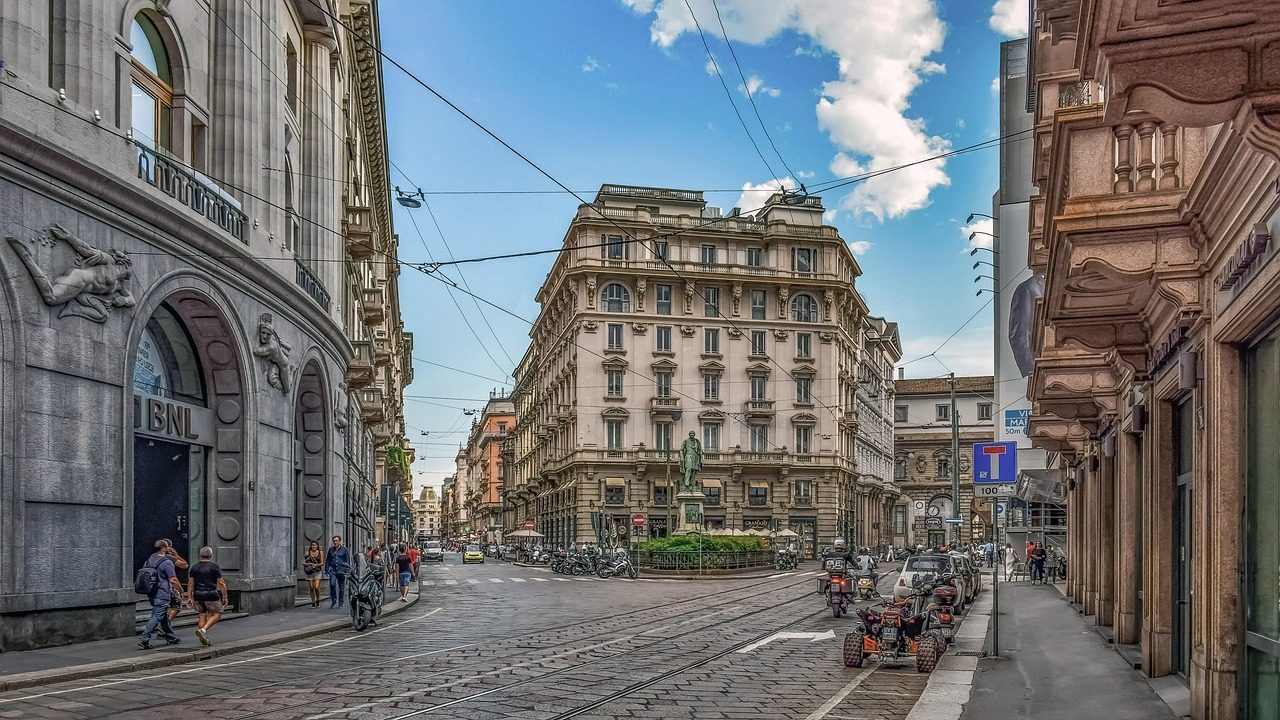
Milan is one of the best places if you enjoy the finer things in life. You can expect high-end clothing brands, luxury perfumes, world-class art and architecture, and 5-star cuisine here. Therefore, you can expect a high cost of living ($3,285 monthly). The fashion capital’s glamorous lifestyle comes with a matching price tag.
Interestingly, some non-capital cities are pricier than their capitals – such as Milan (€275), Munich (€272), Frankfurt (€251) Milan’s status as a global fashion and design center attracts wealthy professionals and entrepreneurs. This breathtaking Italian city oozes elegance and sophistication at every corner. The upcoming 2026 Winter Olympics will likely drive costs even higher.
Munich, Germany
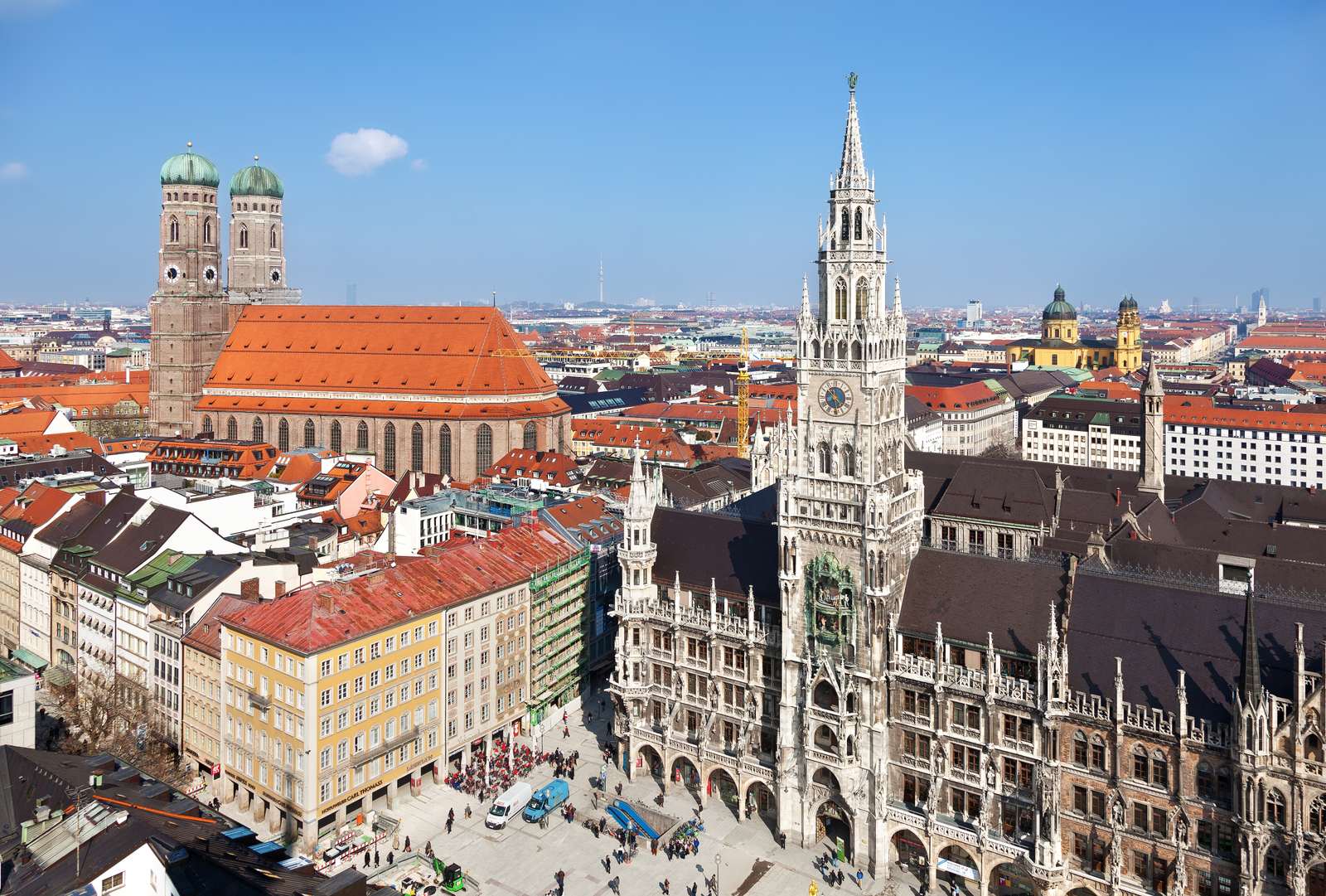
Tel Aviv, which took first place in 2022, is now in second place with a price of €13,886, followed by Munich with a price of €10,900 per square meter. Munich stands out as Germany’s most expensive city, surpassing even Berlin in overall living costs. A Munich resident spends 16% more on food, 4% more on housing, and 25% more on clothes than someone who resides in Oxford.
The Bavarian capital combines traditional German culture with modern technology and finance industries. These include Barcelona (€30.6), Amsterdam (€27.3), Oslo (€26.3), Madrid (€25.4), Outer London (€23.7), Copenhagen (€22.4), Trondheim (€21.2), Munich (€20.8) Its proximity to the Alps, excellent universities, and strong economy make it highly desirable despite the premium costs. The city’s beer gardens and cultural festivals create a unique lifestyle that many find worth the expense.
Conclusion
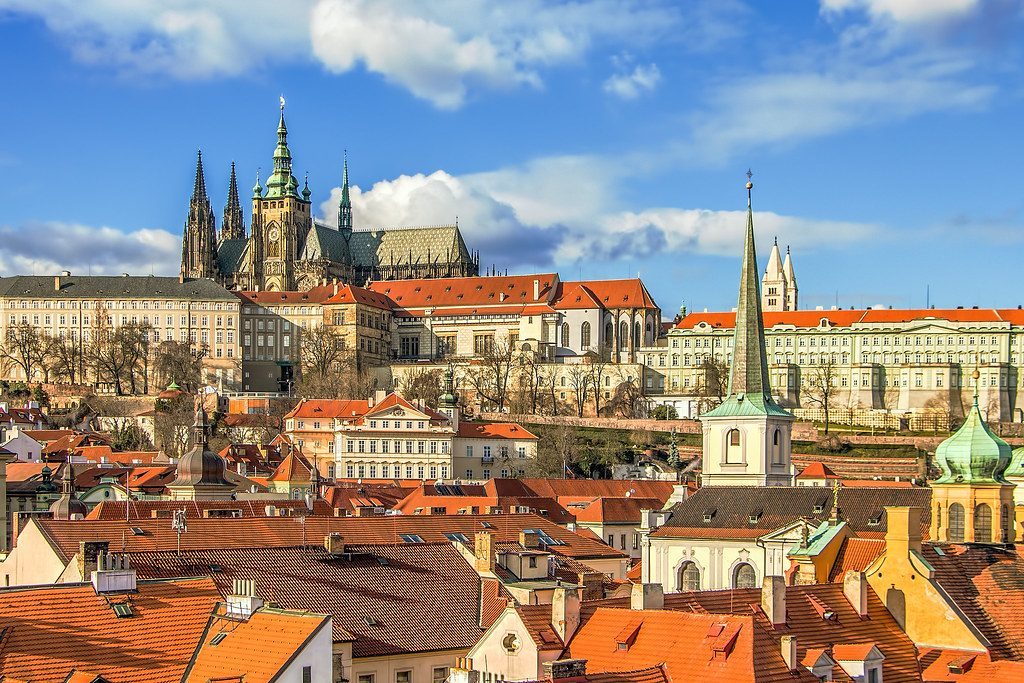
These twelve cities represent the pinnacle of European urban living, where quality comes at an undeniable premium. From Switzerland’s financial powerhouses to Scandinavia’s welfare states, each destination offers unique benefits that help justify their astronomical costs. The common threads include strong economies, limited housing supply, and high concentrations of well-paid professionals.
Whether you’re considering relocating for work or simply curious about European living costs, remember that salaries often reflect these high expenses. Many residents find that the combination of career opportunities, cultural richness, and quality of life makes these cities worthwhile investments. What do you think about these prices? Are any of these European destinations on your wish list despite the costs?