When you think of prehistoric monsters, T. Rex and Triceratops probably dominate your imagination. Yet these famous dinosaurs represent just one chapter in Earth’s vast story of bizarre evolutionary experiments.
Millions of years before dinosaurs appeared on the scene, and even after they vanished, our planet hosted some of the most alien-looking creatures ever to crawl, swim, or scuttle across the ancient landscape. From nightmarish sea monsters with bone blades for teeth to tiny worms covered in spines, these prehistoric oddities make even the strangest dinosaur look almost ordinary by comparison.
Ready to meet some of Earth’s most bewildering inhabitants? Let’s dive into the extraordinary world of ancient creatures that prove evolution has always had a wild imagination.
Hallucigenia – The Walking Nightmare
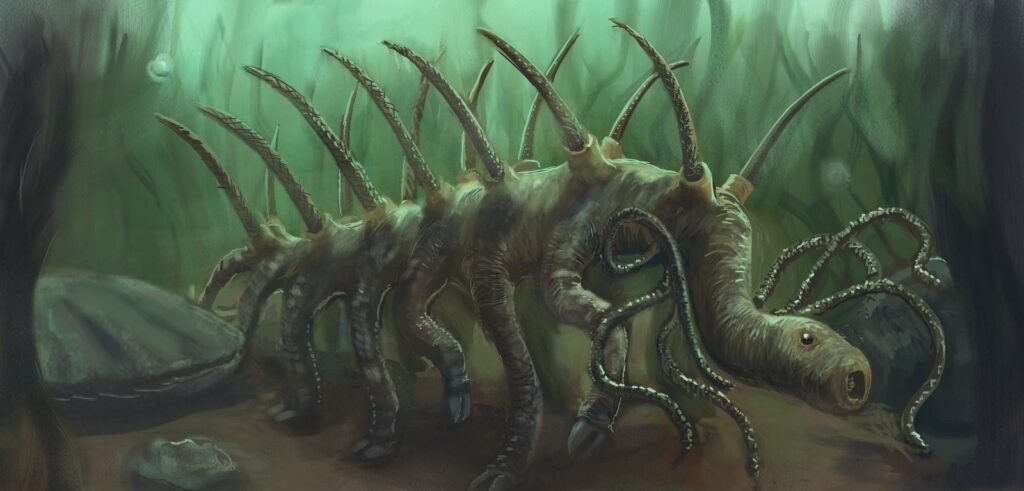
Imagine a creature so bizarre that scientists literally named it after hallucinations. This thumb-sized worm, living around 508 million years ago during the Cambrian explosion, was so confusing that researchers originally reconstructed it both backwards and upside down. Early paleontologists thought its defensive spines were legs and mistakenly placed its head where its tail should be.
When finally understood correctly, Hallucigenia revealed itself as a tube-shaped creature measuring only a few inches long, sporting seven pairs of stilted legs ending in sharp claws and an equal number of protective spines jutting from its back. Perhaps most disturbing of all was its head, which featured simple eyes and a mouth surrounded by a ring of teeth, with its throat lined with needle-shaped teeth that worked like a ratchet to prevent food from escaping.
Opabinia – The Five-Eyed Vacuum Cleaner
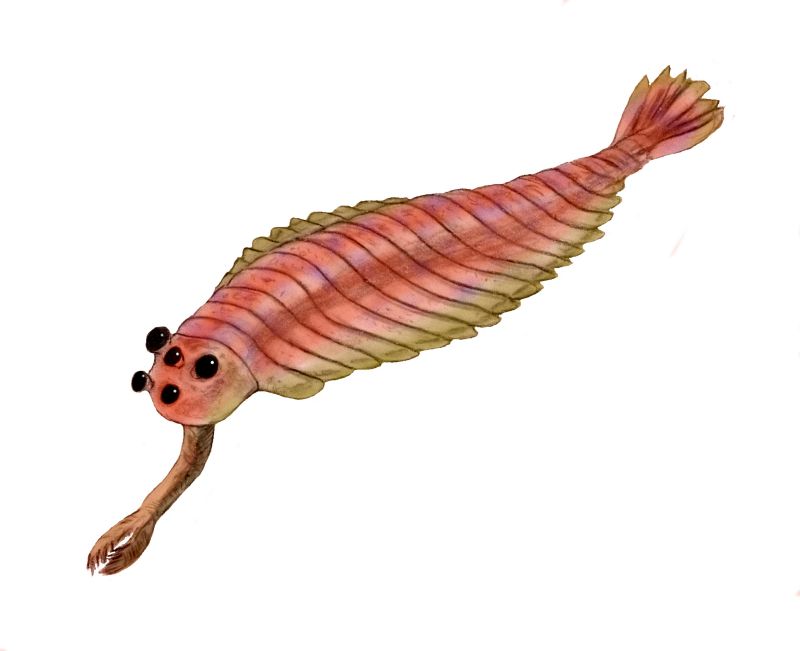
Picture a creature with five mushroom-shaped eyes facing different directions, a backward mouth, and a flexible trunk ending in a grasping claw. When Opabinia was first presented to a scientific audience in 1972, the response was immediate laughter because nobody could believe such a bizarre animal had actually existed.
This mouse-sized marine predator from the Cambrian period used its elephant trunk-like proboscis to probe the seafloor for prey, which it would then grab with its terminal claw and pass to its strangely positioned mouth. Growing only two to three inches long, Opabinia also possessed thirty fins along its body sides, making it look like nature’s attempt at creating an underwater vacuum cleaner crossed with an alien spacecraft.
Anomalocaris – The Abnormal Shrimp
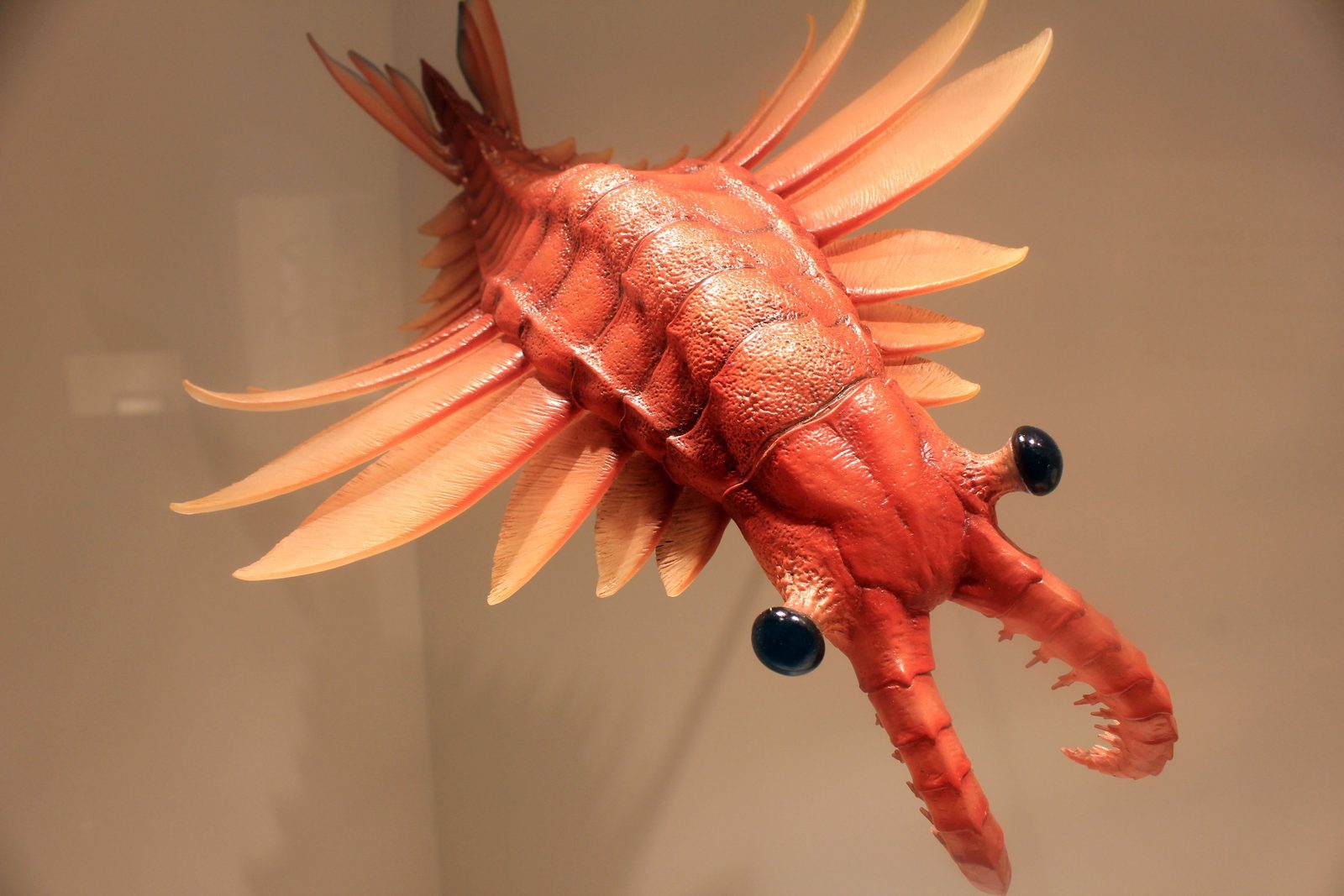
Regarded as one of Earth’s first apex predators, Anomalocaris prowled ancient seas over 500 million years ago, resembling a massive shrimp with segmented body parts and fearsome mouthparts formed into a circular disc of sharp plates. Initially, this creature was so strange that paleontologists identified its various body parts as three separate animals before realizing they belonged to a single organism measuring over a foot long.
Rather than being a brutish crusher as once thought, recent research reveals Anomalocaris relied on speed, agility, and superior eyesight to hunt soft-bodied prey in open water. Its compound eyes were among the most advanced of the time, and its name literally translates to “abnormal shrimp,” providing insight into the competitive dynamics of early marine ecosystems.
Tullimonstrum – The Tully Monster
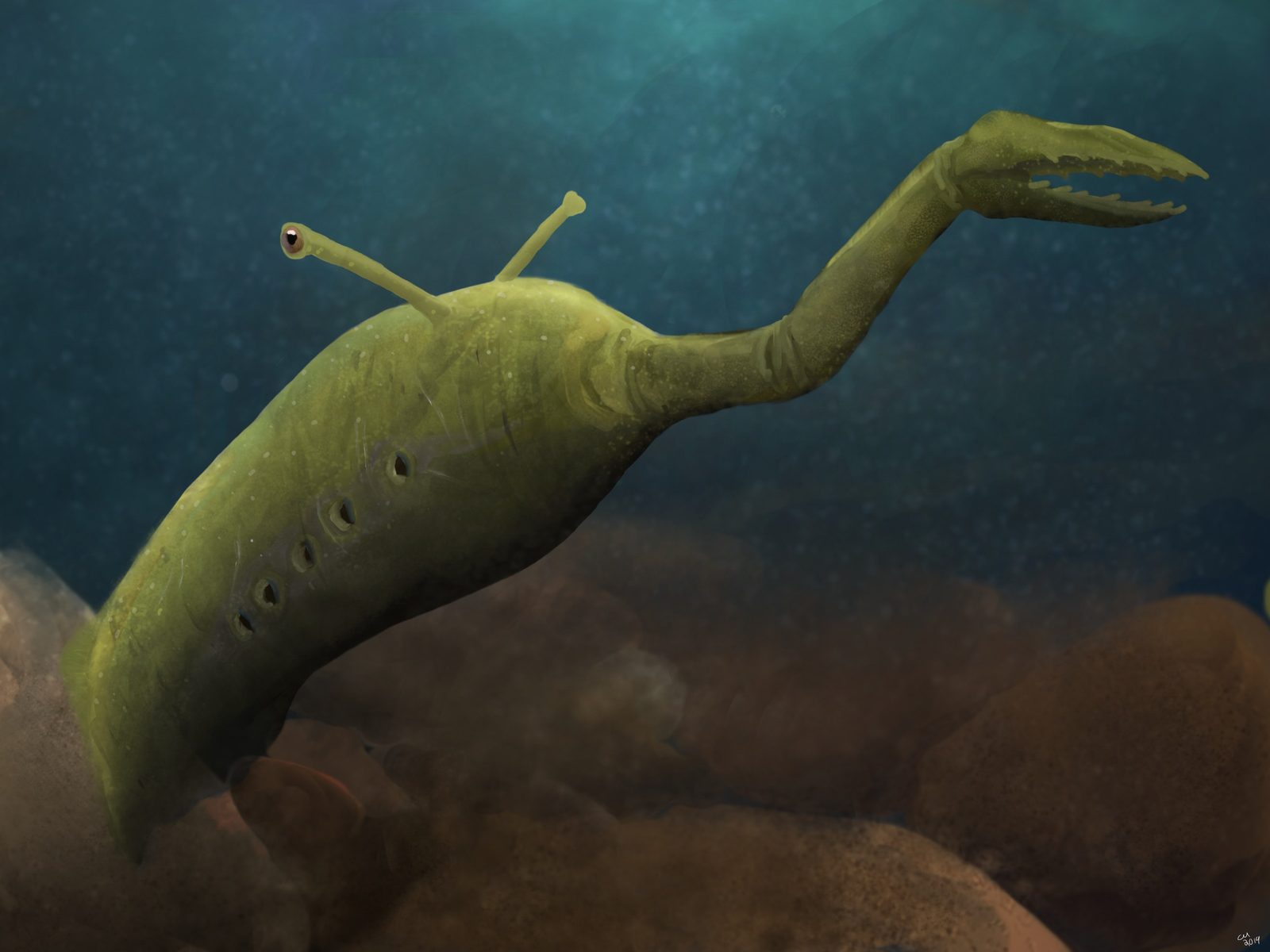
Living in shallow tropical coastal waters about 310 million years ago, the Tully Monster possessed a mostly cigar-shaped body with a triangular tail fin, two long stalked eyes, and a proboscis tipped with a mouth-like appendage armed with sharp teeth. When amateur collector Francis Tully first discovered these fossils in Illinois in 1955, even paleontologists at the Field Museum were stumped about which major animal group it belonged to.
This enigmatic creature swam through the murky swamps with its baffling appearance: a soft-bodied worm with a long, elongated torso and a peculiar retractable trunk ending in a jaw-like structure. Decades of debate have produced interpretations likening it to everything from molluscs and worms to early vertebrates possibly related to modern lampreys.
Dunkleosteus – The Bone-Blade Terror
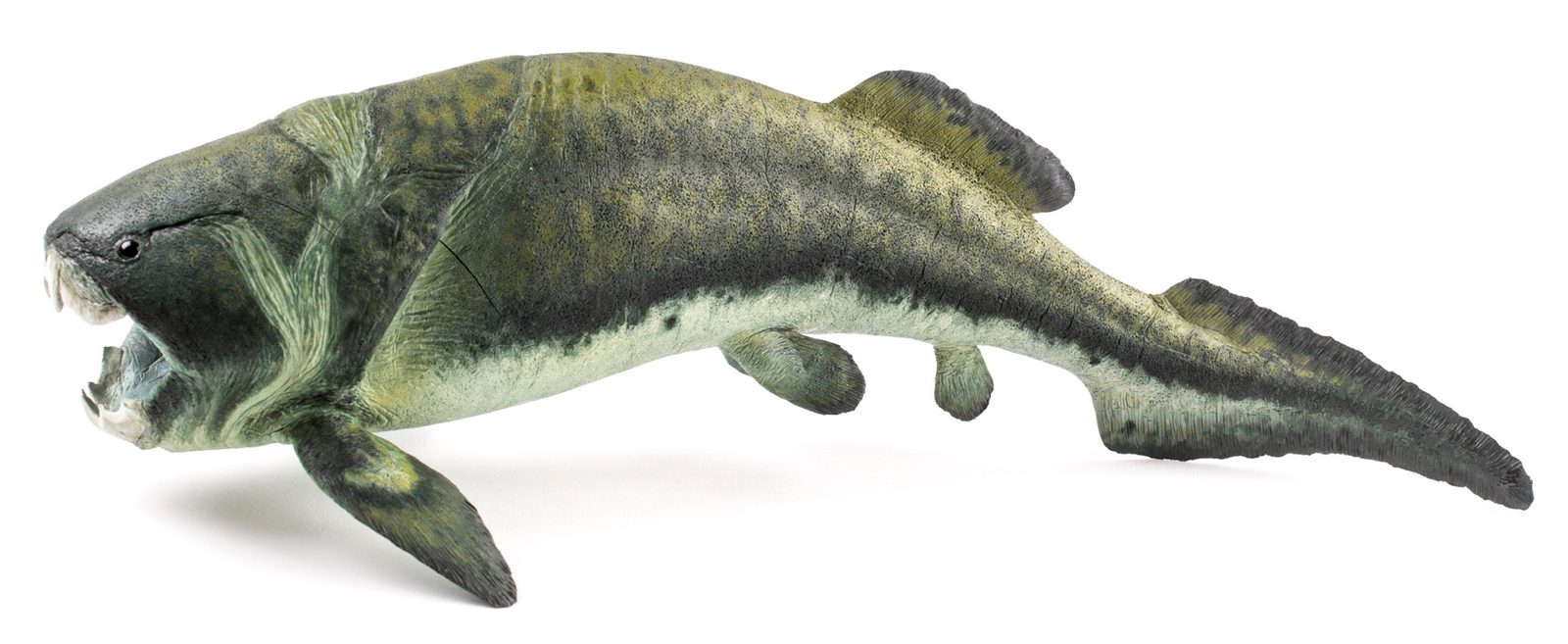
During the Late Devonian period around 360 million years ago, a fearsome predator ruled the seas with bone blades instead of teeth, growing over 14 feet long and weighing several tons. Dunkleosteus possessed no actual teeth but instead had sharp jaw extensions strong enough to puncture steel, and there’s fossil evidence of bite marks suggesting these apex predators weren’t above cannibalism.
Frequently found with boluses of fish bones and semi-digested remains, Dunkleosteus apparently routinely regurgitated prey bones rather than digest them, suffering from chronic indigestion despite being the ocean’s top predator. Despite its armored exterior, this monster had a cartilage-based skeleton much like modern sharks, with cartilage accounting for nearly half of its skull structure.
Arthropleura – The Giant Millipede
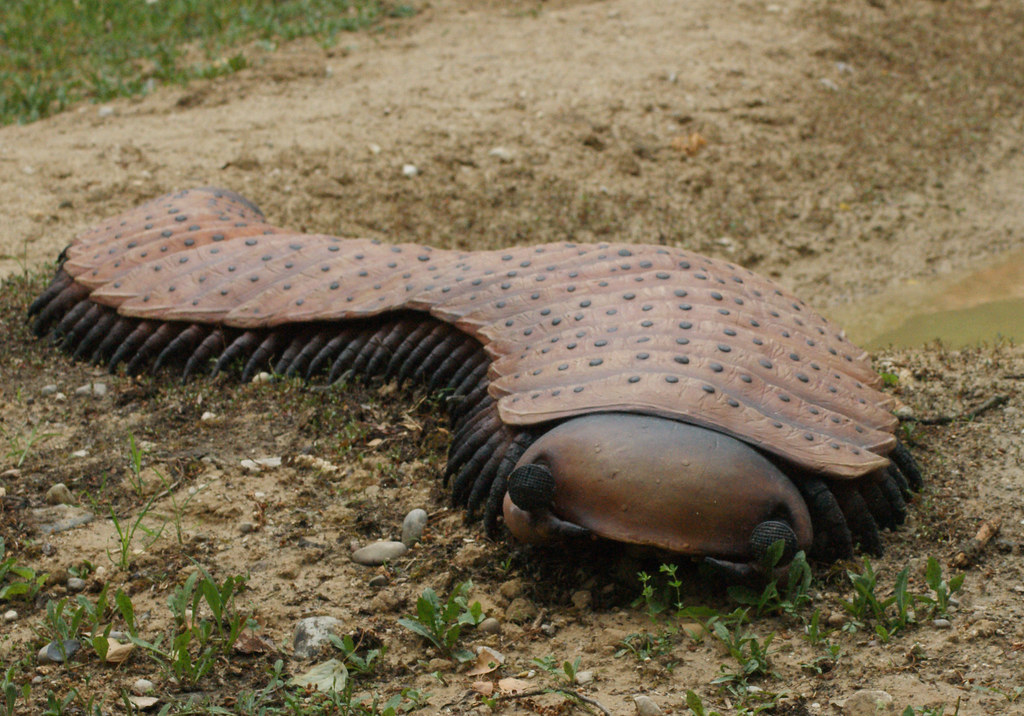
Before vertebrates established dominance on land, arthropods ruled unchallenged, with the largest being Arthropleura, a millipede stretching over eight feet long that roamed the beaches and forests of ancient England. This largest-known land invertebrate of all time inhabited Earth during the Carboniferous period around 300 million years ago, feeding primarily on decomposing vegetation despite its intimidating size.
This giant creepy-crawly thrived during a time when sprawling rainforests acted as Earth’s lungs, drawing in carbon dioxide and breathing out massive amounts of oxygen. The oxygen-rich environment of the period allowed for extraordinary growth in arthropods, enabling creatures like Arthropleura to reach sizes that would be impossible in today’s atmosphere.
Inostrancevia – The Saber-Toothed Proto-Mammal
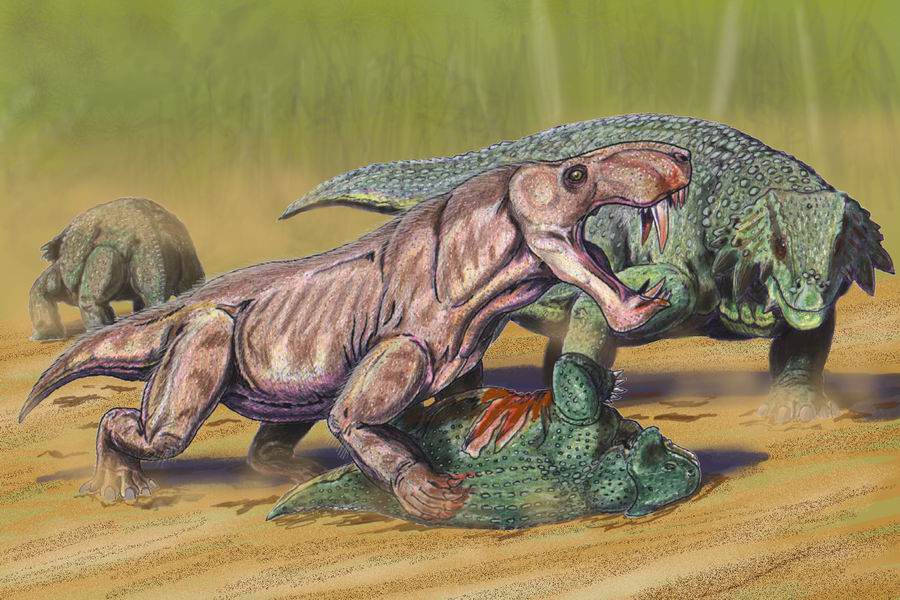
Imagine crossing a polar bear with a saber-tooth cat, and you’d approximate Inostrancevia, a protomammal ancestor of modern mammals that looked more like a big cat than a reptile and possessed longer legs suggesting it was a fast runner. Armed with saber-shaped canines capable of delivering killer blows to the necks of massive herbivores, this predator used a “puncture-pull” strategy to tear away huge chunks of meat.
Unlike modern mammals, Inostrancevia’s jaws were packed with various types of teeth that weren’t used for chewing, and scientists remain uncertain whether it was covered in scale-like skin like its ancestors or fur like its mammalian descendants. This creature represents a fascinating evolutionary transition point between reptiles and the mammals that would eventually dominate terrestrial ecosystems.
Meganeura – The Giant Dragonfly
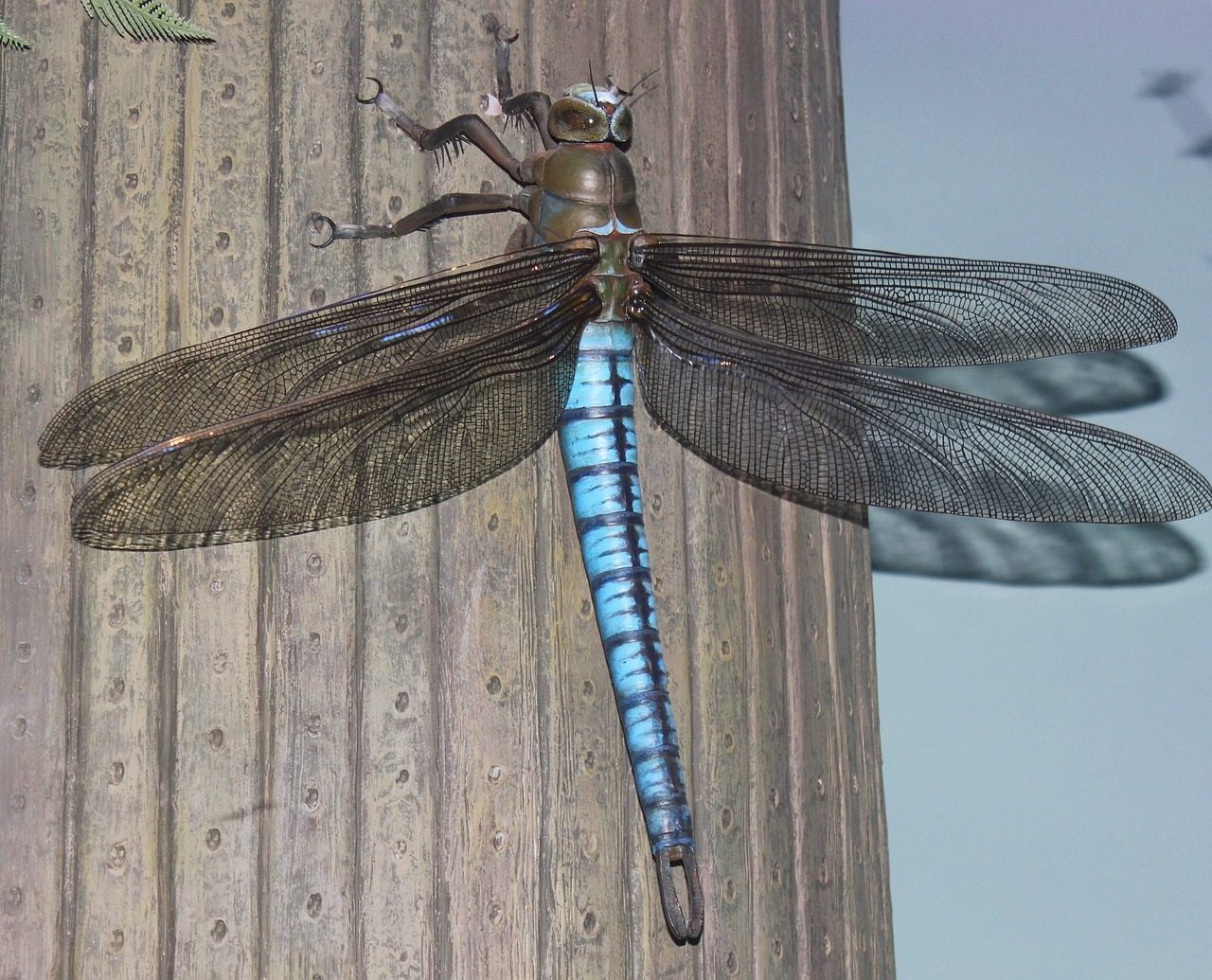
Hold out your arm and measure from fingertips to shoulder – that distance of roughly 28 inches represents the wingspan of Meganeura, the biggest insects ever to take flight, living around 300 million years ago and resembling enormous dragonflies. This gigantic ancestor of modern dragonflies boasted a wingspan of over 2.5 feet and thrived as an aerial predator hunting smaller insects with keen eyesight much like its modern descendants.
These massive flying insects dominated ancient skies during the same oxygen-rich Carboniferous period that allowed giant millipedes to flourish on land. The high atmospheric oxygen levels enabled arthropods to grow to unprecedented sizes, creating a world where dragonflies the size of seagulls patrolled prehistoric forests.
Casea – The Toothless Wonder
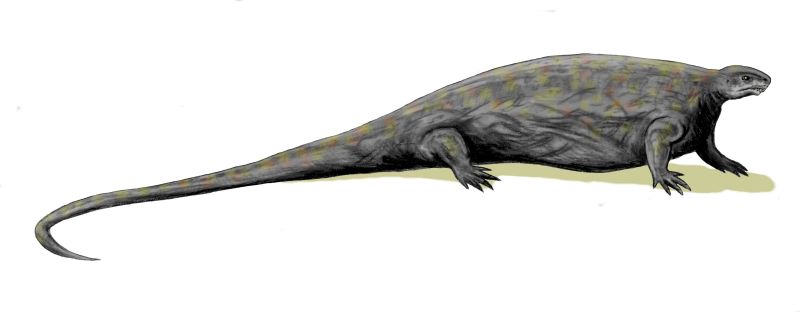
Among early reptiles, none looked as odd as Casea, with its massive pig-like body, tiny head, overhanging upper jaw lined with peg-like teeth, and a completely toothless lower jaw that gave it a distinctly goofy appearance. These bizarre prehistoric creatures possessed large ribcages and could reach four feet in length, representing some of the earliest experiments in reptilian body design.
The caseids were a unique group of early reptiles whose strange proportions and dental arrangements suggest they occupied ecological niches unlike any modern animals. Their peculiar combination of features – the disproportion between their massive bodies and tiny heads, along with their asymmetrical dental arrangement – makes them one of evolution’s most puzzling experiments in vertebrate design.
These nine creatures remind us that Earth’s history is filled with evolutionary experiments that make even the most fearsome dinosaur seem conventional. The older an organism is, the more time life has had to adapt and change since it appeared, meaning species from 500 million years ago naturally look very different from anything we see today – and honestly, they’d probably think we look just as ridiculous.
What strikes you more: the bizarre creativity of ancient evolution, or the fact that these alien-looking creatures once called Earth home just like we do today?