You think you know dinosaurs? Those massive, thunderous beasts that ruled Earth for over 160 million years? Well, prepare yourself for a journey that challenges everything you thought was possible. Scientists keep uncovering adaptations so incredible, so perfectly crafted, that they seem to push the boundaries of what evolution should theoretically allow.
These ancient creatures weren’t just big lizards stumbling through prehistoric landscapes. They were biological masterpieces with features so specialized and sophisticated that modern engineers still struggle to replicate them. From bones lighter than air to feathers that predate flight, dinosaurs possessed adaptations that make you question the very limits of natural selection.
Hollow Bones That Revolutionized Weight Management
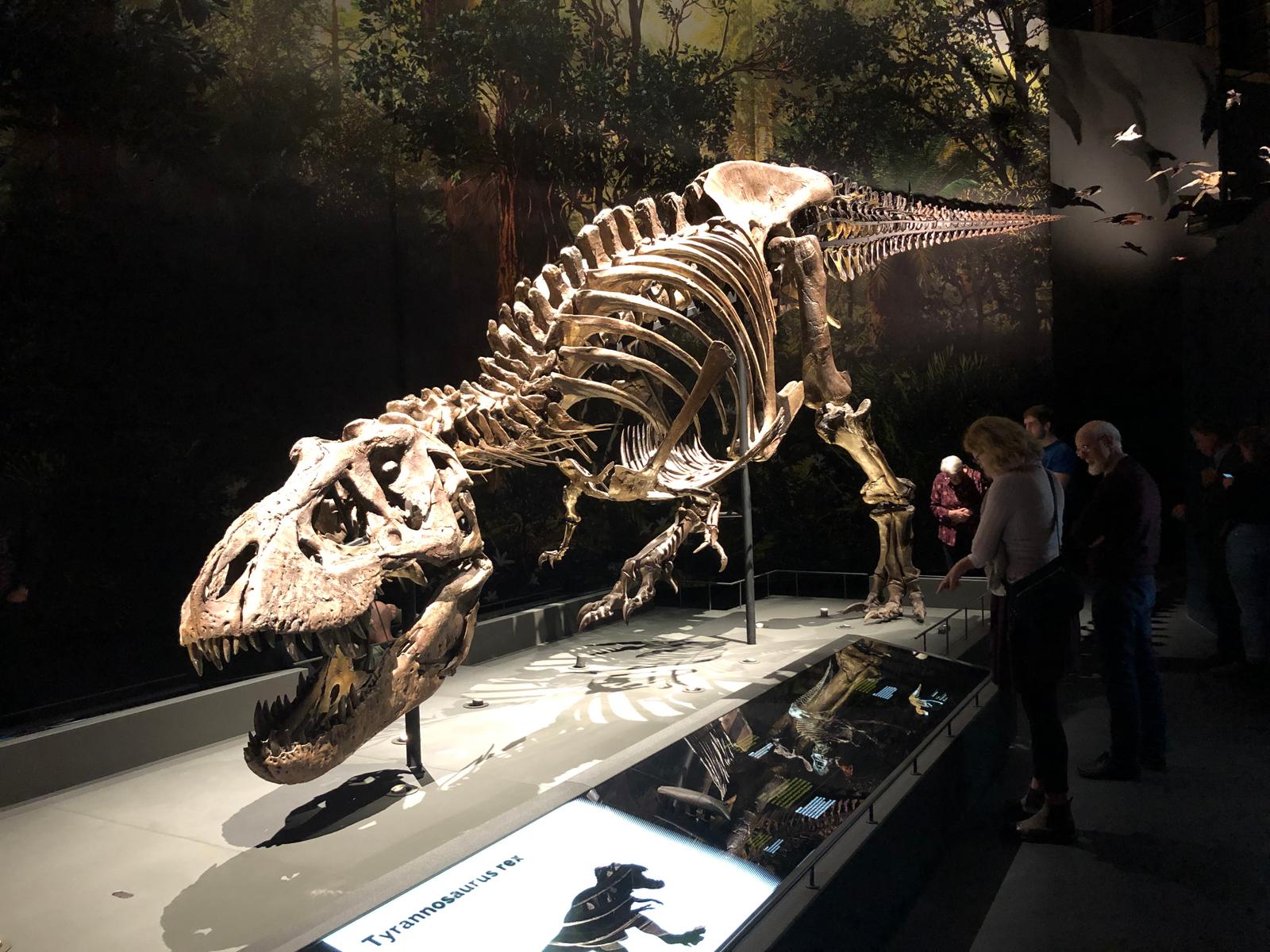
Picture bones structured like corrugated cardboard, filled with air sacs that connected directly to their respiratory systems. This isn’t science fiction, but the reality of how dinosaurs conquered the weight problem millions of years before modern engineering discovered similar principles.
Large meat-eating dinosaurs possessed complex air sac systems nearly identical to modern birds, with hollow chambers that pumped air throughout their skeletons. What was once considered uniquely avian was already present in dinosaur ancestors. These hollow spaces enhanced oxygen levels in their blood while providing crucial cooling during the scorching Triassic period.
The most remarkable aspect? Multiple dinosaur lineages independently evolved this adaptation, suggesting that hollow bones represented such a significant survival advantage that evolution repeatedly stumbled upon the same solution. Nobody knows if these lightweight features aided speed, temperature control, or other factors, but studies show that reduced bone mass helped efficiency in ways that still benefit modern birds.
Feathers Before Flight: The Ultimate Insulation System
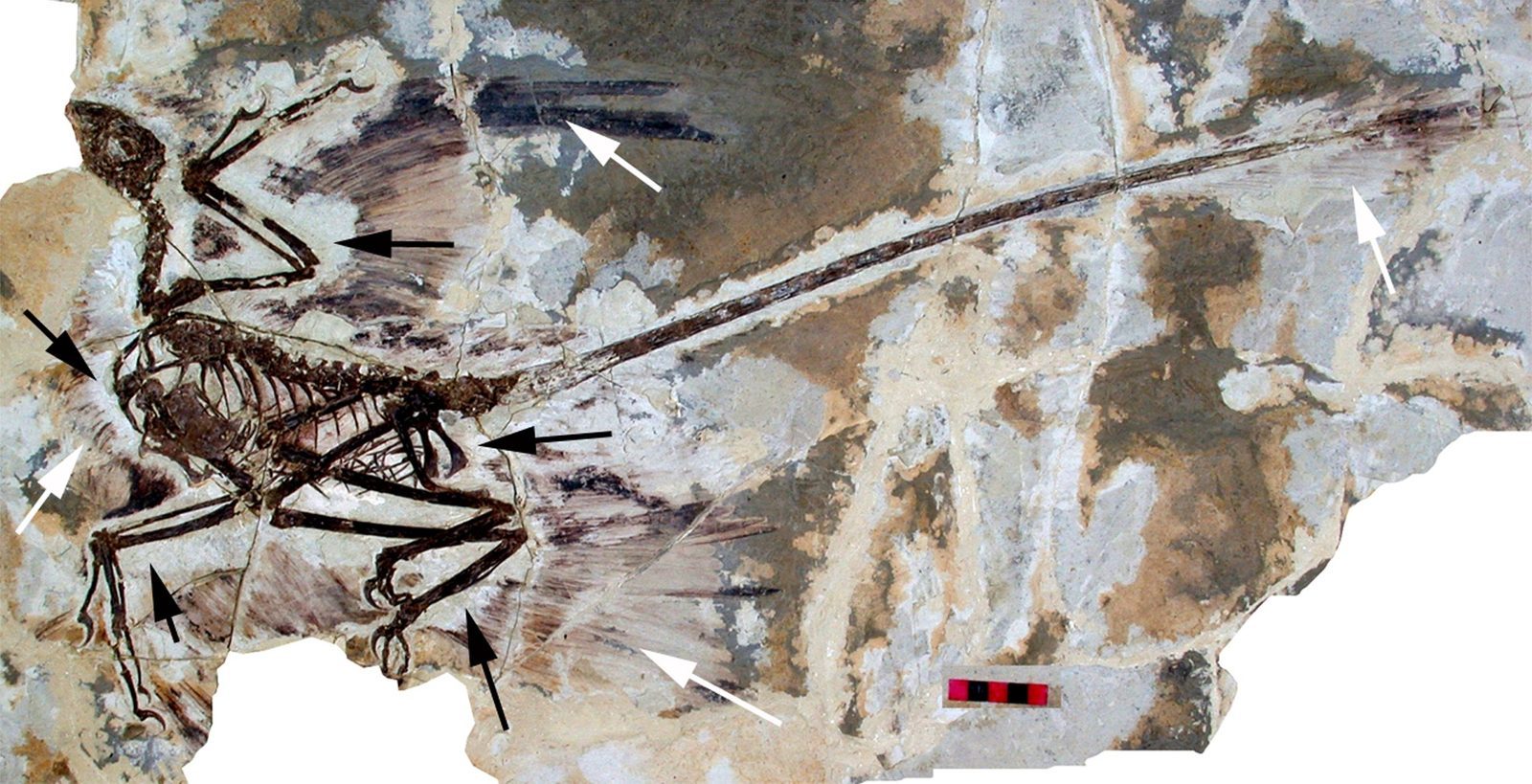
Feathers originally functioned as thermal insulation long before supporting flight, and dozens of non-avian dinosaur genera possessed feather-like structures discovered through direct fossil evidence. Research in China’s Junggar basin revealed that dinosaurs weren’t originally adapted for warm tropical environments as previously thought, but were primarily cold-adapted with feather-like ‘protofeathers’.
These structures evolved from simple hollow filaments through several stages of increasing complexity, eventually developing into the large, deeply rooted feathers with strong barbs and barbules that birds display today. Discoveries revealed incredible diversity: simple fur-like filaments, downy baby bird feathers, hollow quills similar to porcupine spikes, and massive tail fans resembling pheasant plumage.
What’s truly mind-boggling is that these varied feather types appeared across dinosaur groups that weren’t even in the lineage leading to birds. Evolution wasn’t just experimenting with flight preparation; it was crafting the perfect multi-tool for temperature regulation, display, and protection.
Pneumatic Vertebrae: Engineering Marvels in Bone
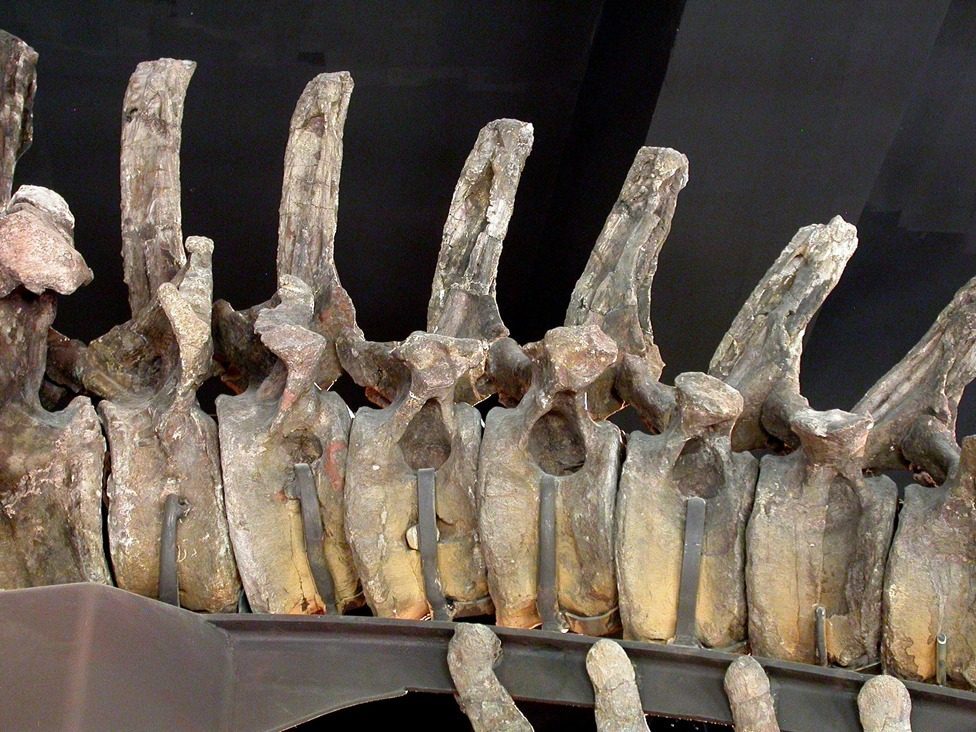
The vertebrae of massive dinosaurs like Deinocheirus were as pneumatized as those of sauropod dinosaurs, featuring extensive systems of air-filled depressions that reduced weight while maintaining structural strength. This adaptation correlates directly with gigantism, allowing creatures weighing several tons to move efficiently.
No common ancestor possessed this trait, meaning all three major dinosaur groups developed air sacs independently, each in slightly different ways. This represents convergent evolution at its finest, where different lineages repeatedly discovered the same brilliant solution to the physics problem of supporting massive bodies.
Think about the engineering complexity required. These weren’t just empty spaces randomly carved into bones. The distribution of hollow spaces in dinosaur bones followed specific patterns that might relate to blood vessel pathways, creating a sophisticated internal architecture that modern CT scans are only beginning to reveal.
Armor Plating That Served Multiple Functions
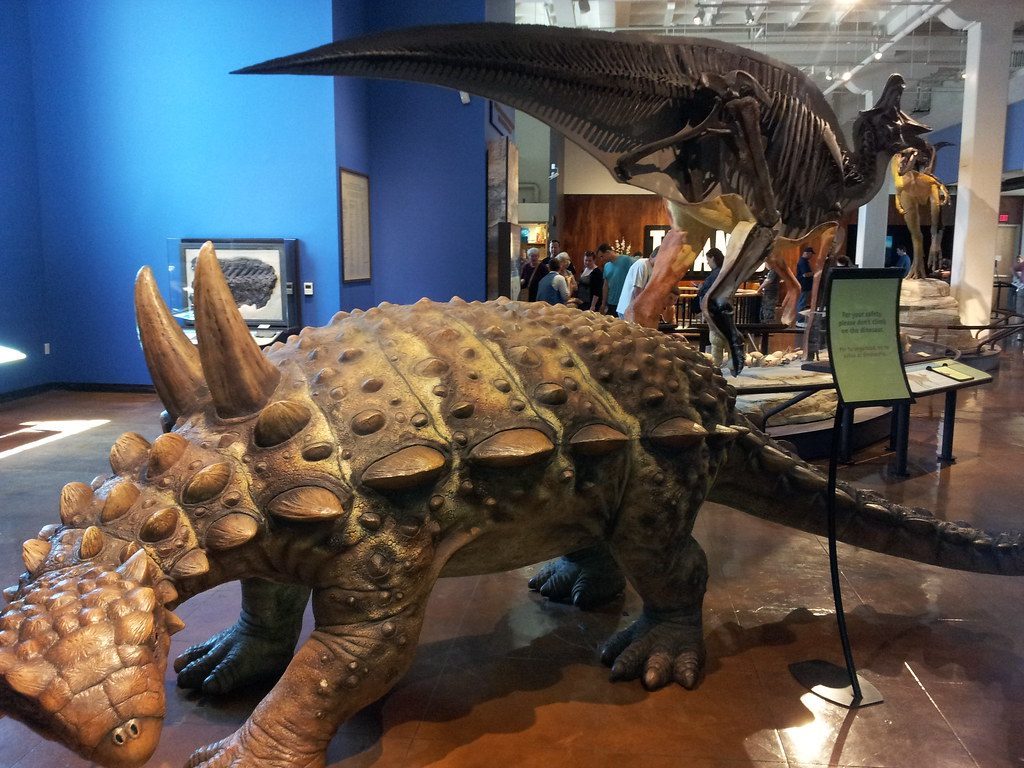
Some heavily armored dinosaurs possessed extensive defensive features including spiked ribs, hip spikes, tail weapons, and blade-like projections, with some spikes reaching considerable lengths. These structures were often fused directly to bones rather than just embedded in skin.
But armor wasn’t always about defense. CT-scanning of Rapetosaurus osteoderms revealed mostly hollow interiors with varying bone thickness, showing microscopic signs that bone was actually being resorbed by the body. These structures likely served as mineral reservoirs, providing calcium and phosphorus during tough times or egg-laying periods.
The sophistication is staggering. Some armor was probably energetically expensive to produce and carry, limiting movement, suggesting it evolved first for defense then was co-opted for display purposes, attracting mates and intimidating rivals.
Cranial Crests With Built-In Sound Systems
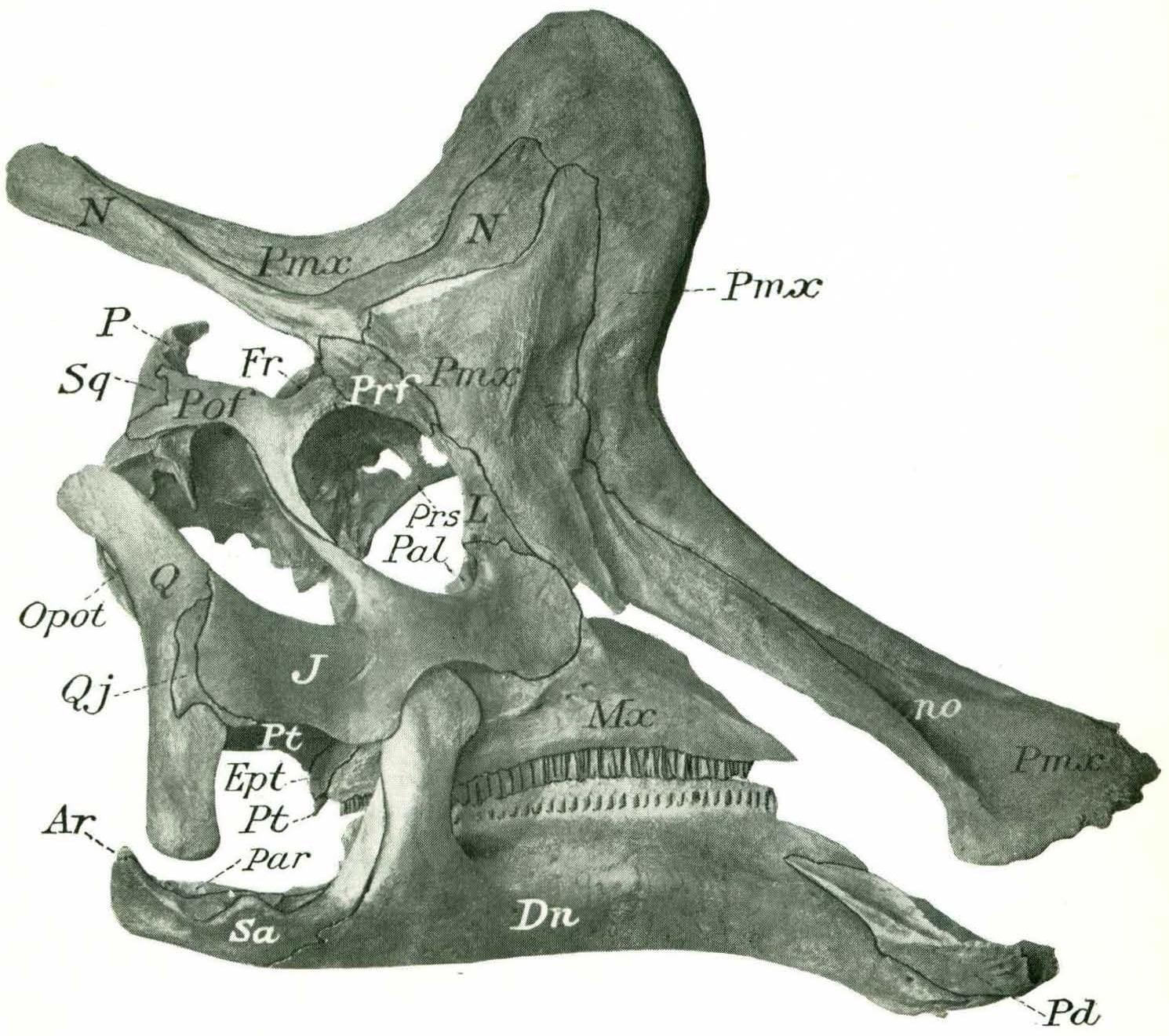
Lambeosaurus possessed a forward-leaning, hollow, bony crest larger than the rest of its skull, with nostrils that ran up through the crest structure. These hollow crests likely functioned as resonating chambers, amplifying air blown through from the throat to create loud sounds for communication.
The crests allowed individuals to recognize others of their own species while revealing individual vitality through coloration. Scientists theorize they may have flushed with blood when dinosaurs were confronted or scared. Males probably possessed larger crests than females, with shapes differing between species like biological identification badges.
Imagine the prehistoric soundscape. Olorotitan’s distinctive hatchet-shaped crest rose from the skull’s top and back, pointing backward in a configuration that would have created unique acoustic properties for long-distance communication. These weren’t just decorative features; they were sophisticated biological instruments.
Specialized Tail Weapons and Defense Systems
Several ankylosaurs, including the massive Ankylosaurus, wielded bony tail clubs as defensive weapons against predators. Even more surprisingly, Shunosaurus, a relatively small sauropod, was unusual among its group for possessing a defensive club at its long tail’s end.
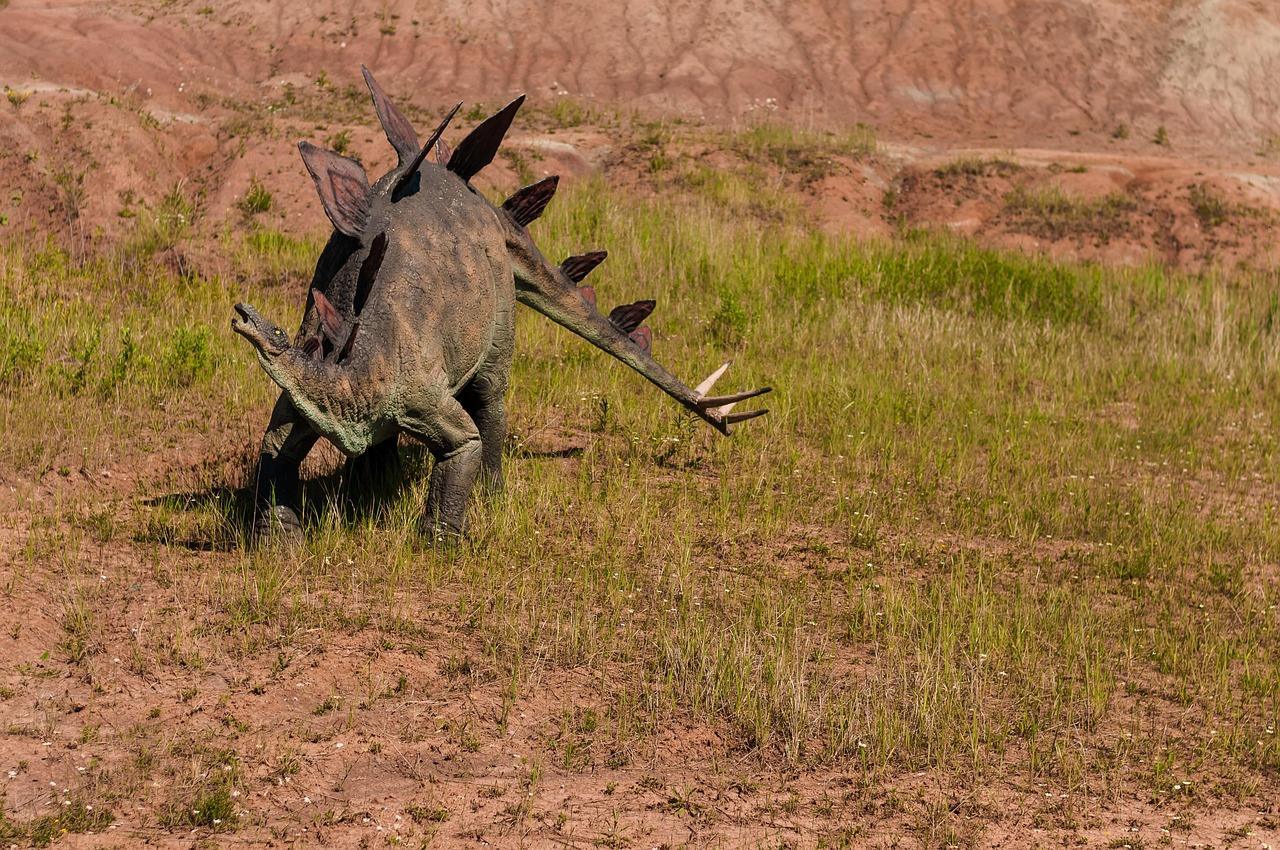
Many Stegosaurs evolved spikes on their tails, likely functioning as defensive weapons against predators. Some dinosaurs like Deinocheirus ended their tails in pygostyle-like vertebrae similar to bird tailbones, suggesting they might have supported fans of feathers.
The biomechanics are fascinating. These weren’t crude clubs but precisely engineered weapons. Utahraptor would use its retractable toe claw to stab prey, possibly targeting jugular veins or spines, while its tail provided crucial balance during attacks and high-speed pursuits. Evolution crafted specialized killing tools with surgical precision.
Massive Claws Designed for Multiple Purposes
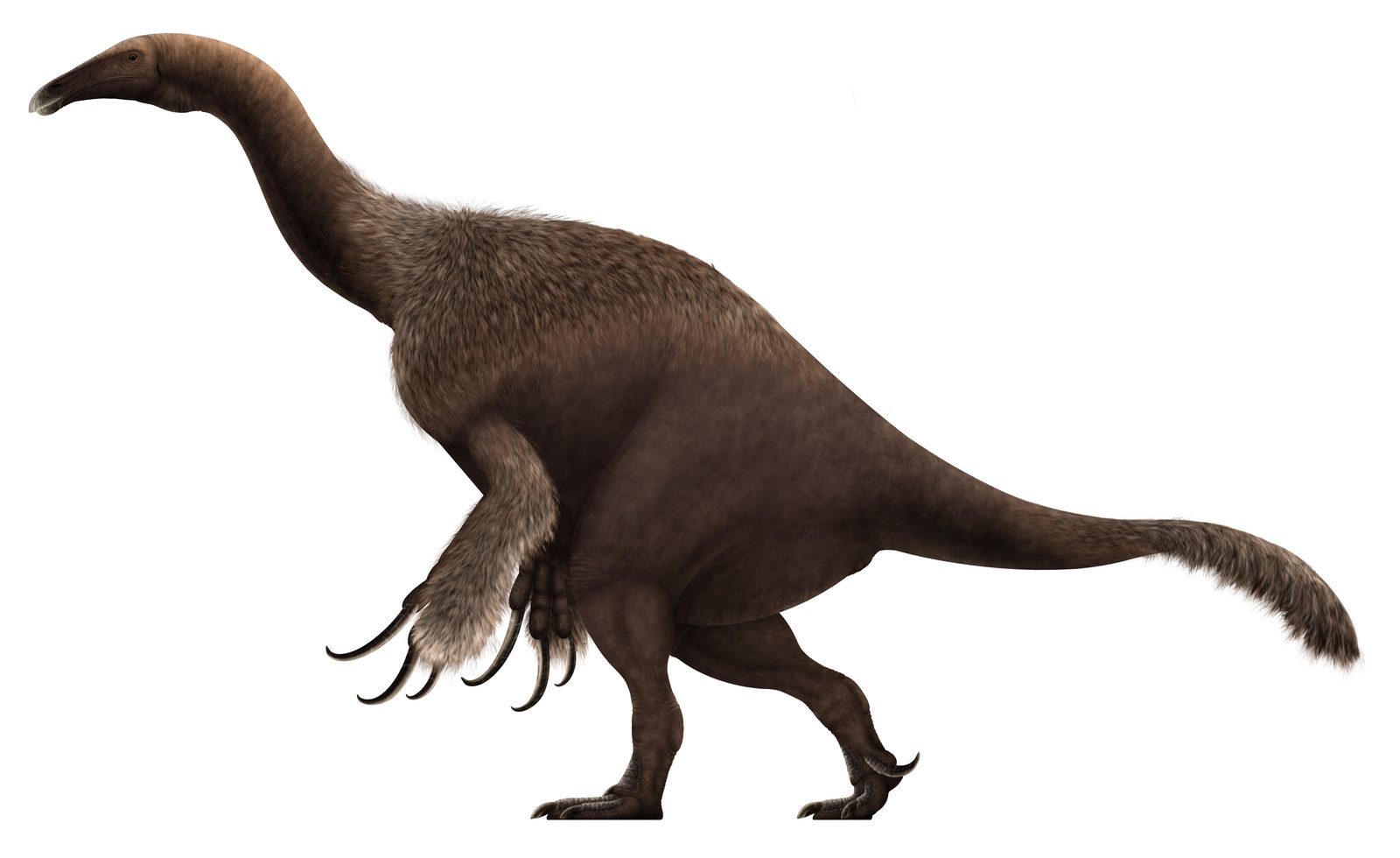
Several dinosaur groups independently developed long arms with enormous claws, exemplified by Therizinosaurus, a large herbivorous theropod reaching approximately 16-20 feet in length. Deinocheirus possessed arms among the largest of any bipedal dinosaur at nearly eight feet long, with blunt claws similar to plant-gathering theropod Alxasaurus.
Utahraptor’s retractable toe claws could grow up to 24 inches long, covered with protective keratin layers. The blunt foot claws of some species helped prevent sinking into substrate when wading through wetland environments.
These weren’t just weapons. The specialized feeding adaptations allowed dinosaurs to dig and gather plants efficiently. Evolution created multi-purpose tools that served as weapons, digging implements, and environmental adaptations simultaneously. The engineering elegance rivals modern Swiss Army knives.
Extraordinary Visual Display Systems
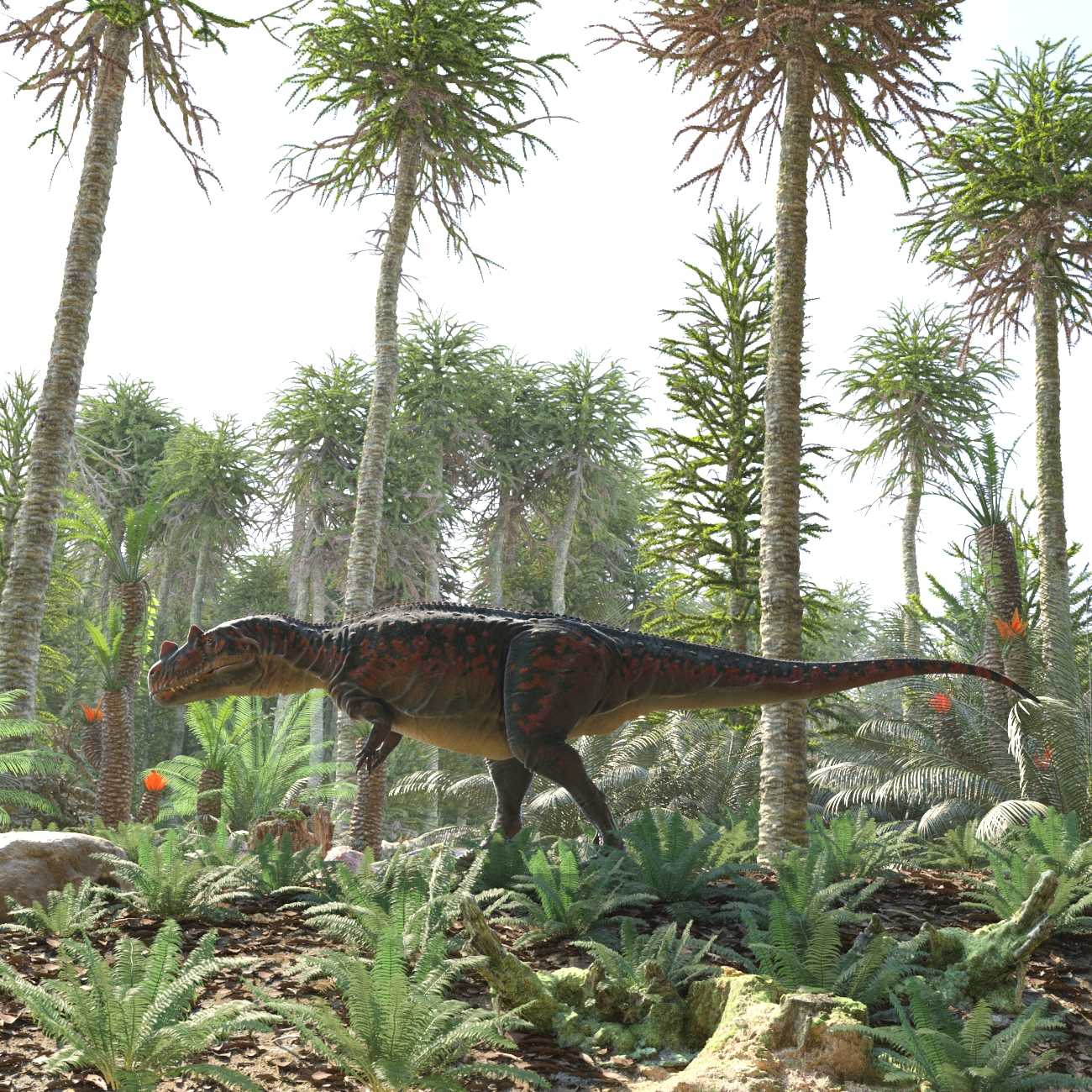
Early predators possessed remarkable visual displays: Dilophosaurus had paired crests, Cryolophosaurus sported a pompadour, and Ceratosaurus combined three horns with a row of osteoderms running down its back. These structures might have been covered with keratin and brightly colored.
Recent studies found that theropod dinosaurs with bony head ornaments evolved to giant body sizes faster than those without ornamentation, suggesting these structures played crucial roles in sexual selection, with elaborately ornamented individuals being more successful at attracting mates.
Sexual selection can produce extraordinary characteristics like peacock tail feathers. In crested auklets, both sexes possess wonderful feather plumes for signaling health, showing how sexually selected traits don’t always create dimorphism. Dinosaur ornamentation represented sophisticated biological advertising systems.
Specialized Respiratory and Circulatory Adaptations
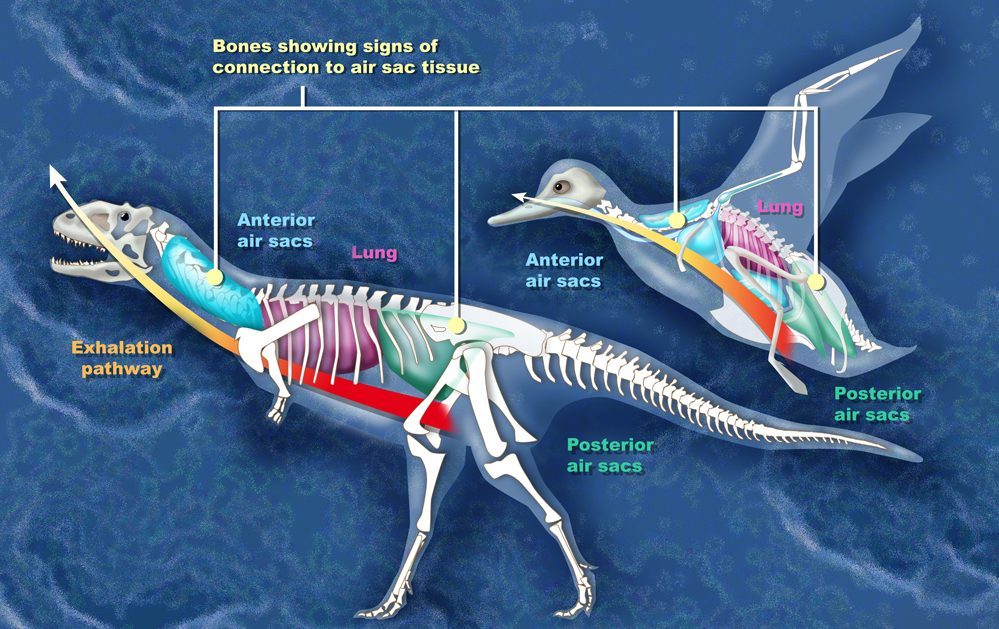
Air sacs enhanced oxygen levels in dinosaur blood, and during the scorching Triassic period, increased oxygen circulation would have cooled their bodies more efficiently than traditional cooling methods. Bird-like air sacs extending into bones helped manage body temperature, improve respiratory functions, and reduce overall mass.
Scientists remain cautious about comparing ancient air sacs to modern birds, as different theropod families likely followed various evolutionary paths to lighten bones and enhance respiratory function. This adaptation might have appeared in different dinosaur families at various points rather than following steady evolutionary progression.
The sophistication extends beyond simple air circulation. Hollow bones and skull shapes likely enhanced hearing capabilities extraordinarily. Scientists discovered that raptors could hear low-frequency sounds exceptionally well and smell prey from at least a mile away.
Temperature Regulation Through Structural Innovation
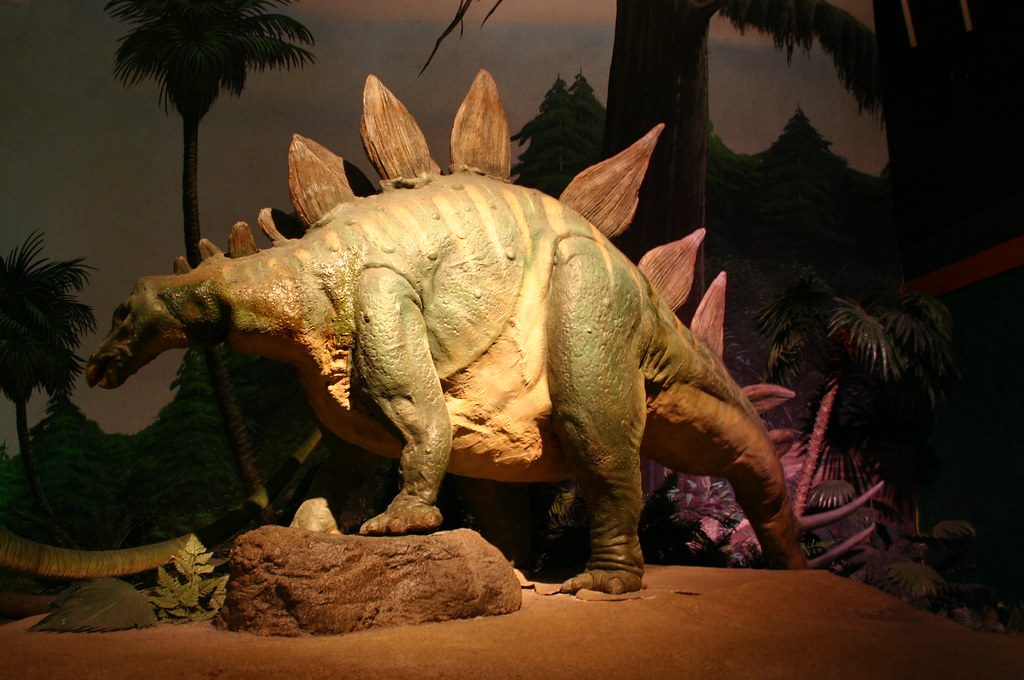
Stegosaurus’s dorsal plates may have regulated body temperature by acting as heat dissipation devices, allowing animals to cool or warm depending on environmental conditions. Recent three-dimensional modeling and biomechanical analysis suggest these plates were connected by soft tissue, potentially moving and changing position for temperature regulation or display.
Sauropods showed no evidence of protofeathers, indicating adaptation to warmer climates, while their long necks provided greater surface area for body temperature regulation beyond just reaching high foliage. Ceratopsian frills bore numerous vascular grooves that could modify body core temperatures, though these blood vessels might have simply nourished rapid frill growth.
Evolution crafted biological air conditioning systems millions of years before humans invented similar technology. These weren’t crude heat exchangers but sophisticated thermal management systems integrated into structural support and display functions.
Medullary Bone: The Calcium Storage Revolution
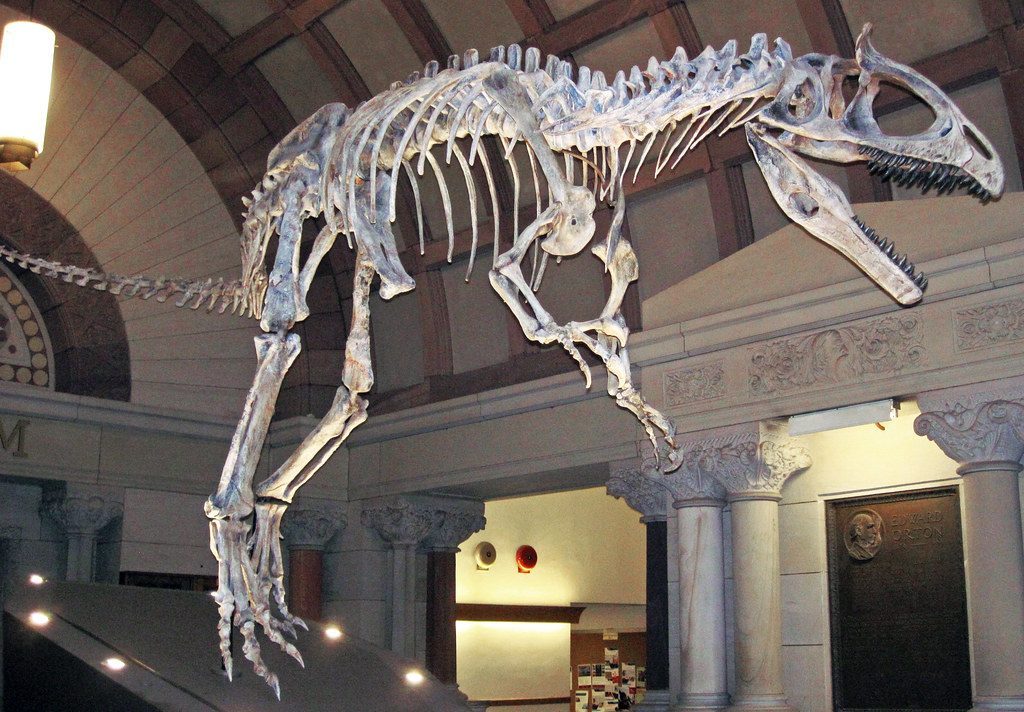
Female dinosaurs grew special medullary bone between hard outer bone and marrow when laying eggs. This calcium-rich tissue was used to manufacture eggshells. Evidence exists in carnosaur Allosaurus and ornithopod Tenontosaurus, suggesting medullary tissue production was a general characteristic of all dinosaurs since these lineages diverged very early.
This represents biological resource management at its finest. Dinosaurs evolved internal calcium banks, storing minerals in their bones then withdrawing them when needed for reproduction. Some osteoderms likely served similar functions, providing calcium and phosphorus during tough environmental periods or egg-laying seasons.
The biochemical complexity rivals modern pharmaceutical engineering. Evolution created self-regulating mineral storage and distribution systems that automatically activated during reproductive cycles, ensuring successful egg development regardless of environmental calcium availability.
Convergent Evolution Across Multiple Lineages
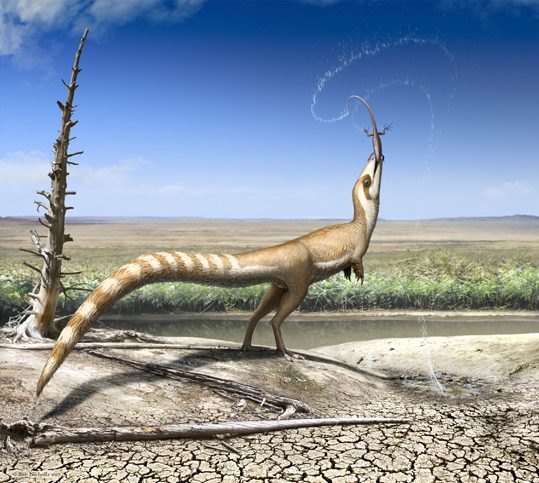
Feather-like integument appeared in at least three ornithischian species, suggesting feathers might have been present in the last common ancestor of Ornithoscelida, including both theropods and ornithischians, possibly even earlier archosaurs. The same adaptations emerged spontaneously time and again, like getting identical card hands repeatedly, indicating evolution discovered important and effective solutions.
Periodic fossil sampling over millions of years provides documentation of sequential specialized feature acquisition in all major dinosaur lineages. Each dinosaur possessed unique adaptations and behaviors, living in diverse environments throughout the Mesozoic Era while their evolutionary story continues revealing new complexity.
This isn’t random mutation and selection. Multiple animal lineages faced identical problems and evolved similar solutions repeatedly, following the same evolutionary playbook that operates in modern animals. The precision suggests underlying biological principles we’re only beginning to understand.
The more scientists study dinosaur adaptations, the more they realize these creatures pushed biological engineering to extremes that seem almost impossible. From air-filled bones to mineral-storing armor, from sound-producing crests to multi-purpose weapons, dinosaurs achieved levels of specialization that make you wonder if evolution had access to some cosmic blueprint.
Perhaps most remarkable is how these adaptations appeared across different lineages independently, as if natural selection kept rediscovering the same perfect solutions. It makes you question whether evolution is truly random or if there are deeper patterns guiding biological innovation.
What do you think drove such extraordinary biological creativity? Was it environmental pressure, genetic potential, or something more mysterious at work during those remarkable 160 million years of dinosaur dominance?