

We live in a world that’s constantly pulling at our attention, making us feel scattered, stressed, and somehow perpetually behind. You’ve probably scrolled through your phone thinking that everyone else has figured out the secret to happiness while you’re still struggling with Monday mornings.
Here’s the thing though: joy isn’t some magical state reserved for Instagram influencers or lottery winners. It’s not about having the perfect life or avoiding all problems. Real happiness comes from developing simple, daily habits that slowly but surely transform how you experience everything around you.
What’s fascinating is that happiness researchers have discovered something almost counterintuitive. Most people think happiness is a feeling. But it’s really a habit. The more you practice certain behaviors, the more they become second nature, rewiring your brain for joy. So let’s dive into these ten transformative habits that can help you build a more , one small choice at a time.
Practice Daily Gratitude

Let’s start with what might be the most powerful happiness habit of all: gratitude. In positive psychology research, gratitude is strongly and consistently associated with greater happiness. Gratitude helps people feel more positive emotions, relish good experiences, improve their health, deal with adversity, and build strong relationships. This isn’t just feel-good fluff; researchers have documented remarkable results from simple gratitude practices.
One study that really caught my attention involved people writing and delivering gratitude letters. When their week’s assignment was to write and personally deliver a letter of gratitude to someone who had never been properly thanked for his or her kindness, participants immediately exhibited a huge increase in happiness scores. This impact was greater than that from any other intervention, with benefits lasting for a month. The beauty of gratitude is its simplicity and accessibility.
There are simple, easy things you can do to start a daily gratitude practice: Self-appreciation: Daily, practice saying five good things about yourself. It may be awkward or difficult at first, but over time it will become easier. You can also keep a gratitude journal, writing down three things you appreciate each evening. The key is consistency rather than perfection.
It helps train your brain to notice and appreciate the little things in life and, in doing so, shifts your life experience tremendously. Gratitude can increase your happiness and wellbeing, life satisfaction, even overall health while decreasing the stuff we all want less of like anxiety, depression, and anger.
Move Your Body Regularly

I know what you’re thinking: “Here comes another lecture about hitting the gym five times a week.” But honestly, that’s not what this is about at all. Make a pact with yourself that you’ll commit to certain hours of exercise every week. This doesn’t have to be very intense; it can be a small walk in the park. Physical activity triggers endorphins which are your body’s natural mood boosters.
Exercise isn’t just for your body. Regular exercise can help balance brain chemicals involved in stress, anxiety, and depression while boosting happiness and life satisfaction. The research on this is absolutely compelling. Movement doesn’t just make you physically stronger; it literally changes your brain chemistry in ways that promote wellbeing.
Think of exercise as medicine for your mood. The fact is that exercise is too good a medicine to ignore. Whether it’s a brisk walk around your neighborhood, dancing in your living room, or playing with your dog at the park, the goal is simply to get your body moving regularly. Start small and find activities you actually enjoy rather than forcing yourself into routines you hate.
Cultivate Meaningful Connections

One of the most important things for feeling happier is our connections with other people. If we can do something that helps us to stay connected, that amplifies the feel-good effect that we get from other people. Feeling connected is so important for our wellbeing. This isn’t just about having lots of friends on social media; it’s about genuine human connection.
Humans are largely considered social beings, and it’s generally thought that having social relationships can make us happy. In adulthood, it can feel next to impossible to make new friends. But it’s not about how many friends you have. It’s about having meaningful relationships – even if it’s just with one or two people.
You can strengthen connections through simple acts. Believe it or not, short, friendly chats with strangers can make you feel happier. These small interactions can create a ripple effect of positivity, not just for you but for the other person as well. Make an effort to have real conversations, put your phone away during meals with loved ones, and show genuine interest in others’ lives.
Quality trumps quantity every time. Focus on deepening existing relationships rather than collecting acquaintances. Schedule regular coffee dates, send thoughtful messages, or simply be present when someone is talking to you.
Develop a Mindfulness Practice
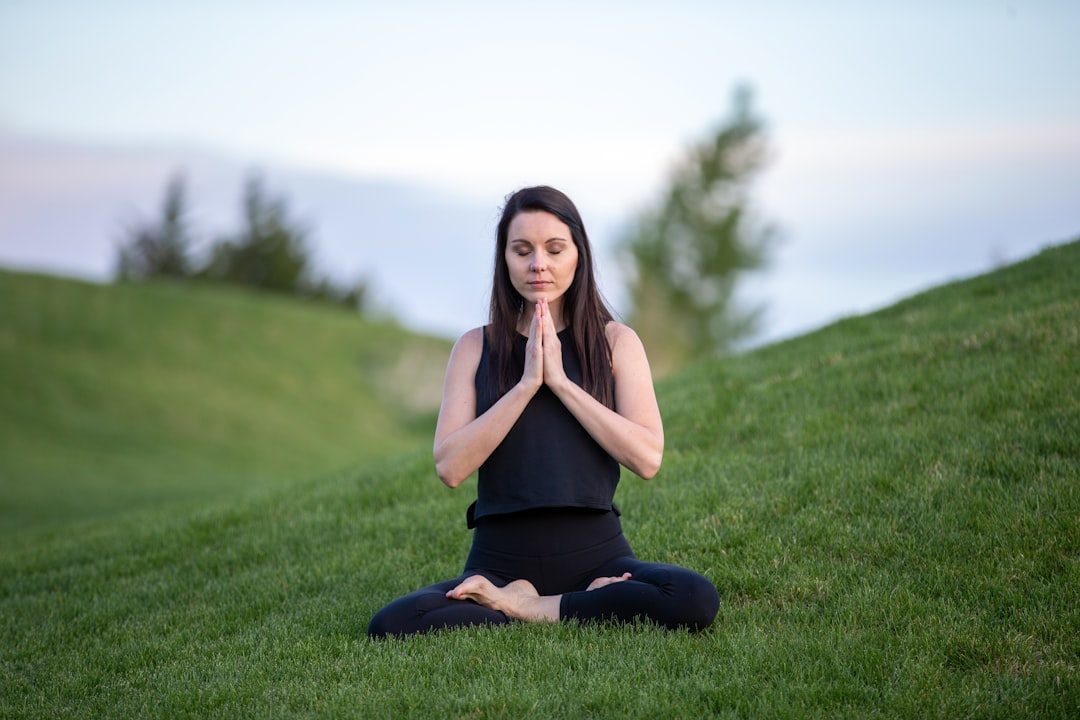
A series of studies conducted at the University of Rochester focused on people ‘high in mindfulness’, that is, those who are prone to be mindfully attentive to the here and now and keenly aware of their surroundings. It turns out that such individuals are models of flourishing mental health. Mindfulness isn’t about emptying your mind; it’s about paying attention to what’s happening right now.
Starting to meditate is probably one of the best habits you can develop in life. Among dozens of proven benefits, it gives you increased focus, better memory, and emotional resilience. The great news is that you don’t need to sit in lotus position for hours. Micro-meditation is an easy, short-breathing exercise to give yourself a quick mental refresh. Just take 1-2 minutes between tasks to sit quietly, close your eyes, and breathe deeply.
Even simple activities can become mindfulness practices. When you’re washing dishes, really feel the warm water and soap bubbles. When you’re walking, notice your feet hitting the ground and the sounds around you. Adding mindfulness to your daily routine can be as simple as taking a few deep breaths, paying attention to the sensations in your body, or mindfully listening to someone without judgment. The key is to practice regularly and with intention, allowing yourself to be fully immersed in the current moment. Doing so opens the door to a more peaceful, content, and joyous life.
Practice Acts of Kindness

Here’s the final, and perhaps most unexpected, daily happiness habit: give happiness to others before you need it yourself. But studies show that one of the fastest ways to boost happiness is to give it away. This might seem backwards when you’re struggling with your own joy, but kindness creates a beautiful ripple effect that comes back to you.
Try this: every day, do one small thing for someone else, with zero expectation of return. Compliment a stranger, send an encouraging text, buy someone a coffee, or simply smile at people more often. Some people find that giving back to the community can help boost their mood. People often feel benefits from small acts of kindness.
Giving compliments is a powerful tool for increasing happiness and fostering a positive mindset. When you take the time to notice and appreciate the qualities, actions, or efforts of others, it not only uplifts their spirits but also brings joy and fulfillment to yourself. Compliments serve as a reminder of the goodness in the world, helping to counteract the negativity that can often pervade our thoughts and experiences.
The beauty of kindness is that it costs nothing but creates immense value. Whether you’re helping an elderly person with groceries, writing a thank-you note, or simply listening to a friend who’s having a tough day, these acts multiply happiness exponentially.
Set Healthy Boundaries

We often say yes to things out of guilt, obligation, or habit. But every unnecessary yes steals time from the things that do bring joy. Learning to say no isn’t selfish; it’s essential for protecting your mental energy and creating space for what truly matters to you.
A “No” list is the counterbalance to your “Yes” list. Identify the things you’ll intentionally avoid this month. Maybe say no to unnecessary spending, gossip, or late nights during the workweek. These boundaries will help you protect your time, help you avoid distractions, and focus on what truly matters. By committing to say “no” to these things, you clear space for what brings happiness and peace.
Be straightforward and direct when communicating with anyone. Many people struggle to say ugly, necessary things to their loved ones. This becomes a classic habit as you grow, and you’ll not be able to set proper boundaries to protect your mental health. Clear communication about your limits actually strengthens relationships rather than damaging them.
Start small by declining one commitment this week that doesn’t align with your values or goals. Practice saying “I need to think about it” instead of automatically agreeing to requests. Healthy boundaries aren’t walls; they’re gates that let in what serves you and keep out what doesn’t.
Create Small Daily Joys

Even if you’ve had a hard day, you can create something that sparks joy. Maybe it’s running yourself a nice hot bath or ringing a friend that makes me laugh. You can create something to look forward to – it doesn’t have to be a big thing. It trains your brain to notice things in the present. This habit is about intentionally sprinkling moments of delight throughout your day.
From trying out a new cuisine to accepting a social invitation you’d usually decline, a “Yes” list nudges you to embrace novelty. These little additions will shake things up, bring you fresh energy, and create small moments of joy you wouldn’t otherwise have. Joy isn’t always spontaneous; sometimes you have to manufacture it deliberately.
In our busy lives, it’s easy to bypass these small joys, chasing after larger goals or getting caught up in the complexities of life. However, taking the time to notice and appreciate these simple pleasures can elevate your mood and enhance your overall sense of wellbeing. These small joys contribute to a greater sense of happiness by grounding us in the present and reminding us of the beauty and richness of life that exists beyond our daily worries and routines. By acknowledging and celebrating these small joys, we adopt a habit of appreciating life and finding happiness in the here and now.
Maybe it’s savoring your morning coffee instead of rushing through it, taking a different route to work, listening to a favorite song, or spending five minutes watching clouds. These micro-moments of pleasure accumulate into a richer, more textured experience of life.
Declutter Your Physical and Digital Space

Decluttering sounds like a big project, but setting aside just 20 minutes a week can have a big impact. Set a timer on your phone and tidy up a specific area of one room – say, your closet or that out-of-control junk drawer. Put everything in its place and toss or give away any extra clutter that’s not serving you anymore. There’s something almost magical about the relationship between our external environment and internal state.
This extends to your digital life too. Scrolling Instagram like it’s a sport? Stop. Your life isn’t a highlight reel – it’s a unique masterpiece. Focus on your journey, not someone else’s filtered photos. Consider doing a social media detox or at least limiting your consumption of content that makes you feel inadequate or anxious.
A tidy space equals a tidy mind. Declutter your desk, car, or whatever “chaos zone” you’ve ignored. Start with one drawer, one corner, or even just your phone’s photo gallery. The goal isn’t perfection but creating breathing room in your environment and digital life.
Clean spaces promote clearer thinking and reduced stress. When your environment supports you, it’s easier to maintain other positive habits and feel more in control of your life.
Develop Self-Compassion

Happy people, on the other hand, tend to be self-compassionate – they comfort themselves, utilize self-care, reaffirm their values, and do their best to get back on track. Self-compassion isn’t about lowering standards or making excuses; it’s about treating yourself with the same kindness you’d show a good friend going through difficulties.
It shouldn’t come as a surprise that self-criticism has been shown to be strongly related to anxiety, depression, dissatisfaction in life, low self-esteem, and increased risk for suicide. Self-compassion, on the contrary, comes with many health benefits such as more optimism, more positive emotions such as joy, enthusiasm, excitement, and interest, better relationships, more productivity, less anxiety, less depression, and generally higher emotional well-being.
Positive self-talk, which involves consciously using affirmative and encouraging words towards yourself, can greatly boost your self-esteem and mood. When you mess up or face setbacks, instead of beating yourself up, try asking: “What would I say to a friend in this situation?”
Practice self-forgiveness regularly. Self-Forgiveness: Letting go also means forgiving yourself for past mistakes and failures. Remember that everyone struggles, everyone makes mistakes, and everyone deserves compassion, including you.
Prioritize Quality Sleep and Self-Care

You’ve likely heard this before, but your physical and mental health are closely intertwined. As you build habits to improve your happiness, it’s important to follow up with routine appointments to help take care of your body. Sleep isn’t a luxury; it’s a foundation for emotional regulation, decision-making, and overall wellbeing.
Recent research has pointed to gratitude’s myriad positive health effects, including greater emotional and social well-being, better sleep quality, lower depression risks, and favorable markers of cardiovascular health. Good sleep hygiene supports all your other happiness habits by giving your brain the rest it needs to process emotions and consolidate positive experiences.
Create a bedtime routine that signals to your body it’s time to wind down. This might include reading, gentle stretching, or reflecting on the day’s positive moments. Limit screen time before bed and keep your bedroom cool, dark, and comfortable.
Self-care extends beyond sleep to include nourishing your body with good food, staying hydrated, and taking breaks when you need them. Most important, let yourself be happy. Be proud of any small achievement or success, acknowledge your happiness, and be thankful for the moment. Accepting happiness makes us grateful for all that we have and, over time, makes us stronger. These aren’t selfish indulgences; they’re necessary maintenance .
Conclusion

For the typical person, there is no single greater source of influence on their quality of life than their habits. The beautiful truth about building a joyful life is that it doesn’t require dramatic life changes or perfect circumstances. The more you practice these small daily happiness habits, the more they become second nature. And remember, the best habits are the ones that work for you. Try one or two of these today, tweak them to fit your personality, and watch how small shifts create big joy.
Your mental and emotional well-being can significantly improve if you incorporate these easy activities into your daily routine. Every habit – no matter how small – contributes to a higher level of happiness and fulfillment. Happiness doesn’t need a grand entrance – it sneaks in through the little things we do every day. Make sure you start with one or two habits, keep it light, and let the rest unfold naturally.
What’s remarkable about these habits is their accessibility. You don’t need special equipment, expensive programs, or perfect timing. You just need to start where you are, with what you have. Which of these habits resonates most with you? What small step could you take today to begin building more joy into your life?