
Have you ever wondered what it would feel like to finally live up to your capabilities? That nagging sense that there’s more inside you waiting to emerge is actually rooted in science. Psychologists have studied for decades what separates those who thrive from those who merely survive, and it turns out the answers aren’t locked in genetics or privilege alone. They’re found in specific psychological principles that anyone can apply.
Your continued personal growth is essential for wellbeing, supporting you as you encounter challenges and changes while helping you choose flourishing over languishing. The truth is, you’re capable of far more than you realize. Let’s explore how psychological insights can guide you toward unlocking what’s already within you.
Cultivate Deep Self-Awareness Through Regular Reflection

Here’s the thing: you can’t change what you don’t understand about yourself. Self-awareness is the capacity to consciously observe your own thoughts, emotions, and actions, which plays a crucial role in personal growth by enabling reflection on your actions and identifying patterns. Think of it as becoming a detective in your own life.
When you begin paying attention to why you react certain ways or what triggers specific emotions, you gain the power to shift those patterns. Engaging in journaling or mindfulness meditation enhances self-awareness by helping you reflect on your experiences and gain insights into your emotions. This isn’t just navel-gazing. It’s about building a clear picture of who you are so you can intentionally become who you want to be.
Adopt a Growth Mindset Over Fixed Beliefs
Embracing a growth mindset is critical for personal growth as it replaces limitations with learning potential, transforming failure into opportunity through curiosity and resilience. Let’s be real, most of us were raised believing talent is something you’re born with. Research shows that’s simply not true.
The power of yet empowers you with a growth mindset that helps you overcome barriers, carrying the belief that you can get better at things through your efforts. When you catch yourself thinking “I can’t do this,” add one word: yet. That tiny shift opens up possibilities you’d otherwise miss. The brain is like a muscle that grows stronger with practice, and viewing challenges as opportunities rather than threats changes everything about how you approach life.
Set Meaningful Goals Aligned With Your Core Values

Not all goals are created equal. You’ve probably set dozens of goals that fizzled out within weeks. Why? Because they weren’t truly yours. Building your empowerment and wellbeing by establishing clear, realistic, meaningful goals and working to achieve them makes a positive difference in life and work.
The secret is connecting your goals to what genuinely matters to you, not what society expects or what looks impressive on paper. Identifying your why and aligning your goals with your core values instills a deeper sense of motivation that sustains change over time. When your ambitions reflect your authentic values, motivation becomes effortless because you’re pursuing something that resonates with your true self.
Develop Emotional Intelligence and Regulation Skills

Emotional intelligence, particularly the ability to manage your emotions, plays a crucial role in self-actualization by allowing you to navigate emotional storms without being overwhelmed. Honestly, you can have all the knowledge in the world, yet if you can’t handle your emotions, you’re stuck.
Learning to identify feelings as they arise creates that precious space between stimulus and response. Techniques like deep breathing, counting to ten before responding, or temporarily removing yourself from triggering situations can prevent impulsive behaviors that might undermine your growth. This isn’t about suppressing emotions. It’s about understanding them well enough that they inform rather than control your decisions.
Build Resilience by Reframing Challenges as Growth Opportunities

Life will knock you down. That’s guaranteed. What separates those who unlock their potential from those who don’t is how they interpret setbacks. What we label as failures or mistakes are actually lessons learned depending on the perspective from which we view these experiences, and responding assertively next time promotes growth.
Growth initiative has been associated with higher levels of psychological wellbeing and lower levels of distress such as depression and anxiety. When you consciously choose to extract lessons from difficulties rather than dwelling on blame or self-criticism, you transform pain into power. This reframing isn’t positive thinking nonsense. It’s a strategic psychological tool that keeps you moving forward when everything in you wants to quit.
Practice Self-Compassion Instead of Self-Criticism

Treating yourself and others with care and kindness helps you experience greater acceptance, and self-compassion empowers you by combining strength with love. I know it sounds counterintuitive, especially if you’ve been taught that harsh self-criticism drives improvement.
The research tells a different story. That relentless inner critic doesn’t make you better. It makes you afraid to try. Practicing self-compassion means treating yourself with kindness and understanding, responding with empathy towards yourself as you would towards a friend when facing difficulties. When you stumble, speak to yourself the way you’d speak to someone you care about. This shift alone can break through years of stagnation.
Surround Yourself With Growth-Oriented Relationships
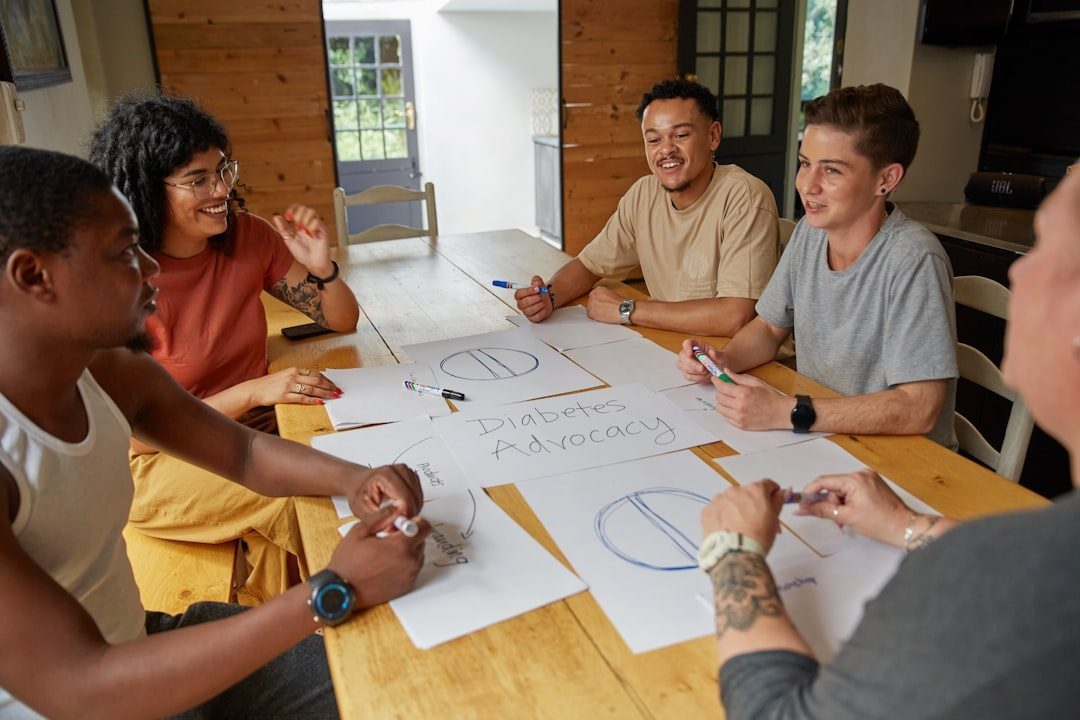
Building supportive relationships by surrounding yourself with people who encourage and inspire you, engaging in meaningful conversations, and seeking mentorship accelerates personal growth. You become the average of the people you spend the most time with. That’s not a cliché. It’s observable reality.
Seeking guidance from someone further along the growth path can accelerate your progress and enrich your journey with new perspectives and strategies, and mentorship can be the key to unlocking your potential. Choose relationships that challenge you to grow rather than ones that keep you comfortable. This might mean difficult conversations or creating distance from people who drain your energy. It’s hard, yet essential.
Establish Daily Habits That Compound Over Time

Habits are established patterns that define our everyday experiences and can either support our goals or hinder our progress, and understanding the psychology behind habit formation helps us build positive habits. Small actions repeated consistently create remarkable transformations. You won’t see dramatic changes tomorrow, though.
Starting small with manageable changes and gradually increasing complexity as the habit becomes ingrained fosters consistency and reduces burnout. Think about reading just ten pages daily, meditating for five minutes, or writing three sentences in a journal. These seem insignificant until you realize that ten pages a day adds up to roughly 120 books in ten years (at 300 pages each). The compound effect is where true potential gets unlocked, one boring day at a time.
Seek Continuous Learning and New Experiences

Openness to new experiences is one of the most important principles of personal development, and research shows that being open to new experiences combined with commitment to continuous development is essential for personal growth. Staying in your comfort zone feels safe. It’s also where potential goes to die.
Seeking out challenges that stretch your abilities, whether intellectual, emotional, physical, or interpersonal, accelerates growth and prevents stagnation. Your brain thrives on novelty and challenge. When you deliberately expose yourself to unfamiliar situations, learn new skills, or explore different perspectives, you’re literally rewiring your neural pathways. This doesn’t mean reckless risk-taking. It means thoughtful expansion beyond what’s familiar and comfortable.
Practice Regular Reflection and Course Correction

Taking time to reflect is vital for personal growth as reflection allows you to pause, acknowledge your progress, assess what is working or what may need refining, and provides opportunity to course-correct. You can’t drive forward while only looking in the rearview mirror, yet you also can’t navigate effectively without occasionally checking where you’ve been.
Practicing gratitude is an often-overlooked but important aspect of this process that enhances wellbeing by shifting your focus from what you lack to what you have, fostering a more positive mindset. Set aside time weekly to honestly assess your progress, celebrate small wins, and adjust your approach based on what you’re learning. This metacognitive practice ensures your efforts align with your long-term vision rather than drifting aimlessly through life.
Conclusion

isn’t about becoming someone else. It’s about peeling away the layers of limitation, fear, and conditioning that have kept the real you hidden. This paradigm shift recognizes the unique strengths and capabilities within each individual, promoting the idea that we all possess the inherent ability to shape our own lives and empowering us to embark on a transformative journey of self-discovery.
These ten psychological principles offer you a roadmap, though remember that your journey will be uniquely yours. Progress won’t be linear. There will be setbacks, doubts, and moments when you question whether any of this matters. Those moments are precisely when these principles prove most valuable. The person you’re capable of becoming is already inside you, waiting for you to show up consistently and do the work.
What would change in your life if you started applying just one of these principles today? The answer might surprise you.