

Have you ever walked into a room and completely forgotten why you went there? Or maybe you’ve met someone at a networking event only to blank on their name seconds later. You’re not alone. Memory lapses happen to all of us, more often than we’d like to admit.
The good news? Your memory isn’t some fixed trait you’re stuck with forever. Think of it more like a muscle that you can train and strengthen with the right techniques. Scientists and cognitive psychologists have uncovered some fascinating ways to supercharge your recall abilities, many of which don’t involve hours of study or expensive brain training apps. These are practical, research-backed strategies that tap into how your brain naturally processes and stores information.
So what if you could remember names effortlessly, ace that exam, or never lose your keys again? Let’s dive in and discover the psychological tricks that could transform your memory.
Say It Out Loud to Lock It In

Research shows that saying a word out loud improves your memory for the word because it increases the word’s distinctiveness. This simple technique makes information stand out from the mental clutter swirling around in your head. When you vocalize something, you’re engaging multiple senses at once, which creates stronger neural pathways.
The beauty of this method lies in its simplicity. You don’t even need to speak loudly if you’re in public. This technique works equally well if you just mouth the words. Whether it’s your grocery list, a phone number, or key points from a meeting, giving voice to information transforms it from passive knowledge into active memory. Using these techniques increased participants’ memory for the words by more than 10%.
Build Your Own Memory Palace

The memory palace, also known as the method of loci, is an ancient mnemonic technique that studies show can improve retention and recall. This isn’t some newfangled internet trend. Memory athletes use this method to remember tens of thousands of digits, and you can harness the same power for everyday tasks.
Here’s how it works: you mentally walk through a familiar place, like your childhood home, and place items you need to remember in specific locations. Want to remember your grocery list? Picture eggs sitting on your couch, milk on the kitchen counter, and bread hanging from the ceiling fan. Sounds ridiculous, right? That’s exactly why it works. This technique allows you to pair a place you know well with new information. The more vivid and bizarre your mental images, the more memorable they become.
Break Information into Digestible Chunks
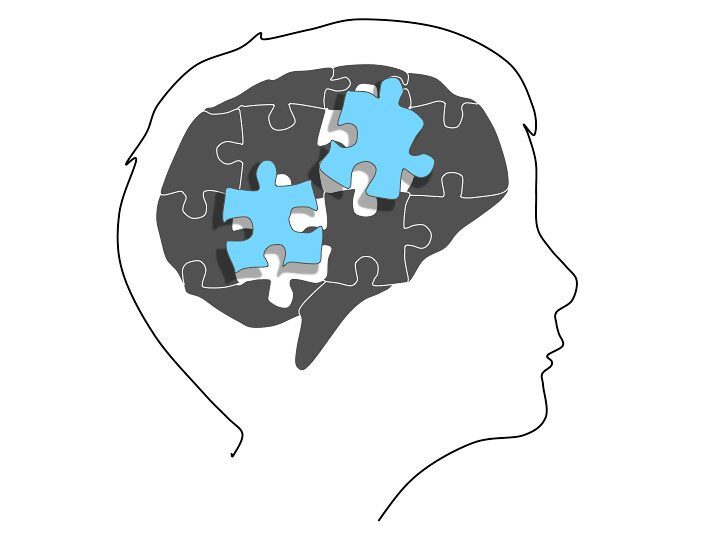
Chunking is the strategy of breaking down the information into smaller or more manageable units to store it in a better way. Your brain has a limited capacity for holding information in working memory at any given moment. Instead of trying to memorize a long string of numbers or facts, group them into meaningful clusters.
Think about how phone numbers are formatted. Nobody writes them as a single ten-digit string. We naturally break them into chunks like 555-123-4567. The concept aligns with Miller’s law, which suggests that the average person can retain about seven chunks of information in their working memory. You can apply this principle to virtually anything, from learning vocabulary in functional groups to organizing study notes by theme rather than chronological order.
Embrace the Power of Spaced Repetition

Cramming the night before an exam might get you through in the short term, but it’s terrible for long-term retention. The spacing effect, also known as distributed practice, shows that information is retained better when learning is spread over time rather than condensed into one session. Your brain needs time to consolidate memories, and spacing out your learning sessions gives it that opportunity.
Cognitive psychologists recommend revisiting after 30 per cent of the time you wish your memory to peak, so if you have a test in 30 days, aim to restudy and re-test yourself in about 10 days’ time. This isn’t about working harder. It’s about working smarter by aligning your study habits with how your brain naturally processes information over time.
Test Yourself Before You Even Study

This one might sound counterintuitive, but hear me out. Pre-testing, quizzing yourself on the material before you’ve actually studied it, has been shown in many studies to boost your later memory of the material. You won’t know the answers yet, obviously. That’s not the point.
The initial questions spike your curiosity and guide your attention when you later memorize the information. Think of it as priming your brain to notice what’s important. When you finally do encounter the material, your mind is already primed to grab onto those specific details. Combined with active recall later on, this creates a powerful one-two punch for memory retention.
Link New Information to What You Already Know

When you’re learning something new, the brain links those details to information it has already stored away, so the easiest way to remember anything is to make it meaningful. Your brain is essentially a massive web of interconnected knowledge. The more connections you can create, the easier it becomes to retrieve information later.
Let’s say you need to remember someone named Neil with a prominent nose. You might think “Nosy Neil” to create that association. Decades of cognitive science research show that meaningful information is easier to remember than random, unconnected facts. This technique transforms abstract information into something personal and relatable, giving your memory multiple pathways to access it later.
Engage Your Senses for Stronger Memories

When your brain creates a memory, it naturally weaves together all the sights, sounds, tastes and smells associated with that memory. You can deliberately harness this multisensory approach to strengthen what you’re trying to remember. Creating rich sensory experiences around information dramatically improves retention.
Genova suggests enhancing your study space with smells, music or certain tastes, like chewing a piece of cinnamon gum while you’re preparing for a big exam and then again while you’re taking it. These sensory cues act as triggers that help the rest of your memory fall into place. Your senses become anchors that pull up associated information when you need it most.
Write It Down by Hand, Not on a Keyboard

Researchers have found that writing down information by hand is more effective than typing for learning concepts, as it takes longer to write by hand, you are naturally forced to be more selective with what you write and focus only on the key information. There’s something almost magical about the connection between hand, pen, and paper that typing just can’t replicate.
When you type, your fingers fly across the keyboard almost automatically, transcribing without much thought. Writing by hand forces you to slow down and engage more deeply with the material. You can’t capture everything word for word, so your brain has to process and summarize on the fly. This deeper level of processing creates stronger memory traces that last much longer than passively typed notes.
Take Mental Breaks for Better Consolidation

Your brain doesn’t stop working just because you’ve stopped studying. In fact, some of the most important memory work happens when you’re doing absolutely nothing. Without those intermittent periods of lack of focus, memory consolidation doesn’t occur nearly as efficiently. Those moments of rest give your brain time to replay and strengthen what you’ve just learned.
One way to increase the odds is to rehearse whatever you want to remember for 40 seconds. Then step away. Go for a walk, stare out the window, or just zone out for a few minutes. Your mind needs this downtime to sort through information, decide what’s important, and file it away properly. Working nonstop might feel productive, but it’s actually counterproductive for memory formation.
Prioritize Quality Sleep for Memory Formation

During deep sleep, the brain actively consolidates memories, transferring information from short-term storage in the hippocampus to long-term storage in the cortex. Sleep isn’t just rest for your body. It’s when your brain does critical maintenance work, sorting and storing the day’s experiences into lasting memories.
During sleep, particularly during slow-wave sleep, neural patterns associated with recent learning are reactivated, which strengthens or consolidates the memory. Pulling an all-nighter before an exam might seem necessary, but you’re actually sabotaging your ability to retain what you studied. Your brain needs those sleep cycles to cement information into long-term memory where you can actually access it when test time arrives.
Get Moving to Grow Your Hippocampus

Regular aerobic exercise appears to boost the size of the hippocampus, the area of the brain involved in verbal memory and learning. Physical activity isn’t just good for your body. It literally changes the structure of your brain in ways that enhance memory. Even moderate exercise makes a difference.
You don’t need to become a marathon runner to see benefits. Even a 15-minute walk can boost your brain power, as walking increases blood flow to your brain, which delivers more oxygen and nutrients to your neurons. Think of exercise as fertilizer for your brain. It promotes the growth of new brain cells and strengthens the connections between existing ones, creating a more robust memory system overall.
Turn Oddball Events into Memory Anchors

Episodic memory benefits from associating objects with unusual cues, and reactivating those cues strengthen the entire multisensory representation, resulting in enhanced memory for unisensory attributes. Your brain is wired to notice and remember things that stand out from the ordinary. Novelty captures attention, and attention is the gateway to memory formation.
When something unusual or unexpected happens, your brain essentially flags it as important. You can deliberately create these oddball moments to make information more memorable. Make your mental images weird, exaggerated, or even ridiculous. The stranger the association, the better it sticks. This is why memory champions create bizarre stories and images rather than trying to remember things as they actually are.
Conclusion: Your Memory Is More Flexible Than You Think
Memory isn’t some mysterious gift that only certain people possess. It’s a skill that you can develop and refine with the right strategies. These twelve psychological tricks aren’t complicated secrets locked away in academic journals. They’re practical tools based on how your brain naturally works, and anyone can learn to use them effectively.
The key is consistency. You won’t transform your memory overnight by trying one technique once. Pick a few strategies that resonate with you and make them habits. Whether it’s saying things out loud, building mental palaces, or simply getting better sleep, each small change compounds over time. Start with just one trick today and notice the difference it makes.
Which technique are you going to try first? Your sharper memory is waiting.