
The noise of modern life rarely stops. Notifications, obligations, endless to-do lists, and the mental chatter that won’t let up. You’ve felt it, that exhausting sensation of being pulled in a hundred directions at once. Here’s the thing, though: there’s a way to cut through all that chaos. It might sound simple, almost too simple. Mindfulness isn’t some mystical secret available only to monks sitting cross-legged on mountaintops. It’s a practice you can weave into your everyday routine, transforming how you experience everything from morning coffee to difficult conversations at work.
Think of mindfulness as an anchor in a stormy sea. It grounds you, brings you back to the present moment, and helps you see what’s actually happening rather than what your anxious mind tells you is happening. Let’s dive into how this ancient practice can genuinely change your daily life in ways that are both profound and surprisingly practical.
Understanding What Mindfulness Really Means

You’ve probably heard the term mindfulness tossed around in wellness circles, but what does it actually mean? Mindfulness is the practice of intentionally paying attention to the present moment with curiosity, openness, and without judgment. It’s about observing your thoughts and feelings as they are, not as you wish them to be. This isn’t about forcing yourself to think positive thoughts or suppressing uncomfortable emotions.
Here’s what makes it interesting: you don’t need to spend hours meditating to be mindful. Everyday activities, such as eating, walking, or even washing dishes, can become mindfulness practices when done with awareness and intention. The beauty lies in its accessibility. You’re essentially training your brain to stay present rather than constantly replaying yesterday’s mistakes or rehearsing tomorrow’s worries.
The Science Behind Mindfulness and Your Brain

Let’s be real, you might wonder if mindfulness is just another wellness trend with no substance. The research tells a different story. It has been shown to induce neuroplasticity, increase cortical thickness, reduce amygdala reactivity, and improve brain connectivity and neurotransmitter levels, leading to improved emotional regulation, cognitive function, and stress resilience. Your brain literally changes structure when you practice mindfulness regularly.
Mindfulness meditation alters regions of the brain associated with memory, awareness of self, and compassion, according to a brain imaging study by researchers at Massachusetts General Hospital in Boston and the University of Massachusetts Medical School in Worcester. The changes aren’t just temporary mood shifts. Scans still detected changes in the subjects’ brain activation patterns from the beginning to the end of the study, the first time such a change – in a part of the brain called the amygdala – had been detected. Your amygdala, that almond-shaped cluster responsible for processing fear and stress, becomes less reactive over time.
What really caught researchers by surprise was discovering structural changes after just eight weeks of practice. The MRI images showed that the meditators (but not the controls) had increased concentrations of gray matter (the “computing” or processing neurons) in several brain areas, including the hippocampus (a deep brain structure important for learning, memory, and the regulation of emotions).
How Mindfulness Reduces Stress and Anxiety
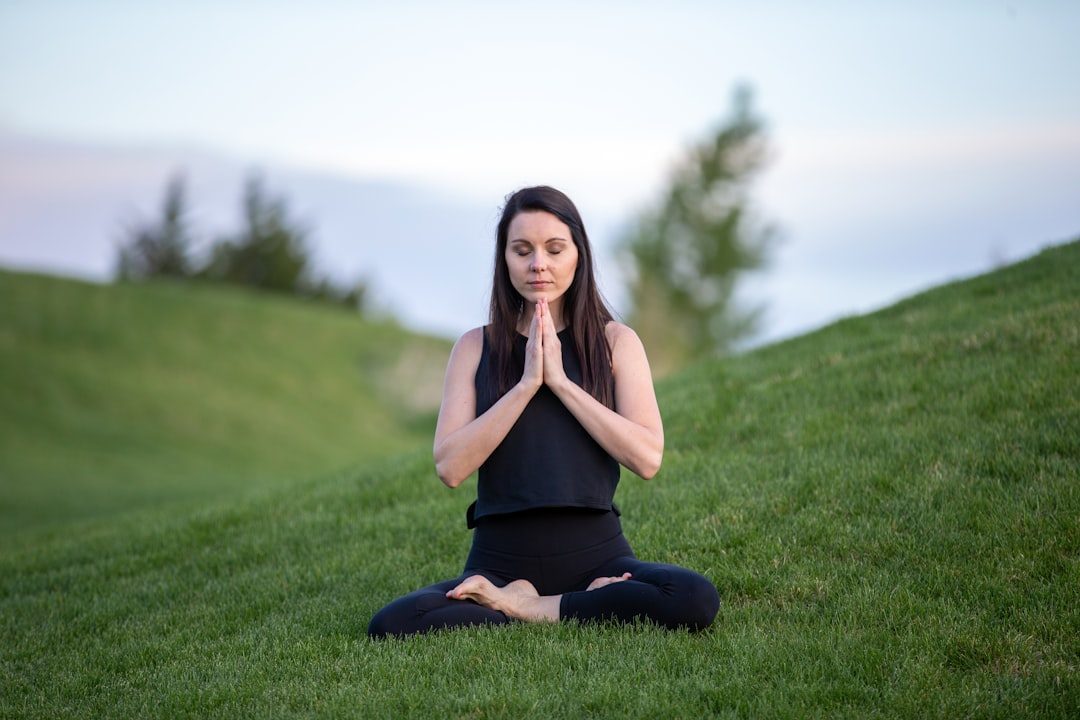
Your stress response evolved to help you run from predators, not to handle constant email notifications and traffic jams. Mindfulness helps calm the mind by encouraging you to focus on the present rather than worrying about the past or future. By grounding yourself in the here and now, you can reduce the intensity of stress and anxious thoughts. It’s like giving your nervous system permission to take a breath.
In a new study published in the British Journal of Health Psychology, researchers from the Universities of Bath and Southampton have unveiled how just 10 minutes of daily mindfulness practice can improve wellbeing, ease depression and anxiety. The research, which enrolled 1247 adults from 91 countries, demonstrates that brief daily mindfulness sessions, delivered through a free mobile app Medito, can have profound benefits. Ten minutes. That’s less time than you probably spend scrolling through social media in the morning.
The way mindfulness works on stress is fascinating. Mindfulness helps regulate the body’s stress response by calming the nervous system. It reduces the production of cortisol (the stress hormone) and promotes relaxation, enabling you to respond to challenges with clarity rather than reacting impulsively. You’re essentially reprogramming your automatic stress reactions into more thoughtful responses.
Sharpening Your Focus and Concentration

Ever notice how your mind wanders during conversations or when you’re trying to complete a task? You’re not alone. Integrating mindfulness into your daily routine can boost your focus and cognitive abilities. Mindfulness trains the brain to stay centered on the present moment, reducing mental chatter and distractions. This increased concentration helps you handle daily tasks with greater ease and efficiency.
Recent research revealed something remarkable about how mindfulness affects your attention at a neurological level. Mindfulness training increased the efficiency of brain pathways that process information coming in from the senses. In other words, the boost in attention helped the participants to literally see information more accurately. You’re not just feeling more focused; your brain is actually processing information better. The improvements aren’t fleeting either, with studies showing sustained benefits even six months after training.
Improving Emotional Regulation and Resilience

You know those moments when you snap at someone and immediately regret it? Or when anxiety spirals out of control over something relatively minor? Practicing mindfulness enhances your ability to observe emotions without being consumed by them. This can lead to healthier responses to challenges, improved relationships, and greater emotional resilience. It’s about creating space between feeling an emotion and acting on it.
With regular mindfulness practice, you can expect to develop better emotion regulation skills. This means you will be able to respond to life situations, even stressful or upsetting ones, with greater thoughtfulness and control. Think of it as gaining a superpower where you can pause before reacting. That pause might only last a few seconds, but it can be the difference between saying something you regret and responding with wisdom.
Strengthening Relationships and Communication

Your relationships thrive or wither based on the quality of your attention. When talking to someone, give them your full attention. Listen without planning your response or getting distracted by your own thoughts. This can improve your relationships and communication skills. Honestly, how often do you really listen versus just waiting for your turn to speak?
Among the other benefits of mindfulness training is that it may improve your relationships. Communication research indicates that mindfulness contributes to empathy and active listening skills. This can make it easier for you to consider others’ perspectives, and more able to offer social support. When you’re truly present with someone, they feel it. That quality of presence becomes one of the greatest gifts you can offer another person.
Enhancing Physical Health and Sleep Quality

The mind-body connection isn’t just a catchy phrase. Mindfulness has been linked to various physical health benefits, including: Lower blood pressure. Improved immune function. Reduced symptoms of chronic pain. Your mental state directly influences your physical wellbeing in ways scientists are only beginning to fully understand.
Mindfulness has a positive impact on sleep, helping individuals who struggle with insomnia or poor sleep quality. By calming the mind and reducing stress, mindfulness can make it easier to fall asleep and enjoy deeper, more restorative rest. Instead of lying awake with racing thoughts about everything you need to do tomorrow, you can practice bringing your attention back to your breath, your body, the present moment. Sleep becomes easier when you’re not dragging yesterday’s stress and tomorrow’s worries into bed with you.
Practical Ways to Integrate Mindfulness Into Your Routine

You don’t need special equipment, expensive apps, or hours of free time to start practicing mindfulness. Mindfulness meditation can be integrated into even the busiest lives, including those of parents and children facing nonstop stress. Just 10 minutes of quiet, focused breathing or sensory awareness – such as listening to ambient sounds or feeling the warmth of water – can help anchor the mind and build resilience against stress.
Start small. As you open your eyes in the morning, instead of jumping out of bed, take a few moments to do a mindful check-in. By starting the day with greater present moment awareness, you’ll set the stage for a greater sense of calm and equanimity during challenging moments throughout your day. Even mundane activities become opportunities for practice. As you bathe, notice if your mind is already thinking, planning, and rehearsing for the day ahead. When you become aware of this, gently bring your mind back to the moment: being in the shower, smelling the soap, feeling the sensation of the water on your body, listening to the sound of it in the shower.
Any activity can become a mindfulness exercise if you take the time to experience it. Take some time to experience the preparation of the tea, the way it smells, the way your arms lift to bring it to your lips and the way the warmth feels in your body. Slowing down the process of drinking a cup of tea or another warm beverage not only can invite you to become more present but also quiets the mental conversation. The point isn’t perfection; it’s practice.
Building a Sustainable Mindfulness Practice

Mindfulness is a practice, not a destination. It’s okay to have days when it feels challenging or imperfect – that’s part of the process. You’ll have sessions where your mind wanders constantly, and that’s completely normal. The practice is in noticing when your attention has drifted and gently bringing it back, again and again, without judgment.
Excitingly, this trial was one of the first to show that the wellbeing and mental health benefits of mindfulness could arise from the changes to lifestyle behaviours it encourages. This highlights the potential of mindfulness practice for promoting healthier living, such as exercising regularly, which is what the team are eager to research next. Mindfulness becomes a foundation that supports other positive changes in your life. It’s not just about sitting still and breathing; it’s about building psychological skills that ripple out into every area of your existence.
Consistency matters more than duration. Start with just a few minutes each day and gradually increase the time as you become more comfortable with the practice. Five minutes of genuine practice beats an hour of distracted sitting. Find what works for your schedule, your personality, your life. Some people love morning meditation; others prefer mindful walking during lunch breaks. There’s no single right way to do this.
Conclusion: Your Invitation to Transform

Mindfulness isn’t going to solve all your problems or make stress disappear from your life. Let’s be honest about that. What it does offer is a fundamentally different relationship with your experiences. Over time, mindfulness can help you cultivate a deeper sense of peace, purpose, and joy in your life. The transformation happens gradually, almost imperceptibly at first, until one day you notice you’re responding differently to situations that would have previously derailed you.
The practice is both simpler and more challenging than you might expect. Simple because it requires nothing more than your attention. Challenging because our minds resist being present, constantly pulling us toward past regrets or future anxieties. Mindfulness is a powerful tool that can enhance the benefits of both therapy and functional medicine. In therapy, mindfulness can help individuals become more aware of their thoughts and feelings, allowing them to break free from negative patterns and respond more effectively to stress.
You have everything you need to begin right now. This very moment is an opportunity to practice presence. Notice your breath, feel your body in contact with whatever surface supports you, observe the sounds around you without labeling them as good or bad. That’s mindfulness. No special cushion required, no perfect conditions necessary. Just you, choosing to be here, now. What might your life look like six months from now if you committed to this practice? There’s only one way to find out.