

You know that feeling when everything seems to be falling apart. Maybe you lost your job, or someone you cared about walked away. Perhaps you’re just stuck in a rut where nothing feels right. Here’s the thing, though: happiness isn’t always about the circumstances you’re living in right now. It’s deeply connected to how you’ve lived before and what you’re building toward next.
Your past holds clues to your future joy. Think about it. The struggles you’ve survived, the moments you thought would break you but didn’t – they all shaped something inside you. Let’s explore how you can find happiness even when it feels impossible, by understanding the powerful link between where you’ve been and where you’re going.
Your Past Shapes Your Present More Than You Realize

Your past experiences shape you in profound ways, influencing your thoughts, behaviors, and emotional responses, and by understanding these influences, you can begin to unravel the patterns that hold you back, fostering personal growth and paving the way for a more empowered and fulfilling present and future. The weight of yesterday doesn’t have to crush your today.
Many people find that past experiences, especially unresolved ones, can linger and impact current well-being, even if you’re not consciously aware of them. You might not even notice how an old wound still influences your reactions.
Those moments when you freeze up or overreact? They’re often echoes from earlier chapters of your life. I think we underestimate how much our mental filing system keeps replaying old scenarios. Past relationships and experiences with family, friends and loved ones have a huge bearing on who you are today, and routine behaviours and experiences become like a program you follow day in, day out, where people stop using their mind and become trapped in continual cycles of process and emotion.
Hardship Teaches You to Savor the Simple Joys

People currently experiencing serious difficulties in the present were not able to enjoy simple pleasures of the moment very well, but people who had experienced serious difficulties in the past showed stronger capacities for savoring in the present. That’s fascinating when you think about it.
Once you’ve been through the fire, everything looks different on the other side. A warm cup of coffee tastes better. A text from a friend means more. Experiencing a serious loss can help people appreciate what they have now. It’s like your senses wake up after being dulled for so long.
Honestly, sometimes the worst days teach us the most about what really matters. You start noticing the small victories – the mornings when you wake up without dread, the conversations that make you laugh, the quiet evenings that feel peaceful instead of empty. These aren’t just distractions from pain. They’re the building blocks of a different kind of happiness, one that’s earned through survival.
Reframe Your Painful Memories to Build Future Joy

Let’s be real: you can’t change what happened to you. You can’t change the past, but you can heal from it, and healing doesn’t mean forgetting about the past but integrating it into a healthier narrative of the self, and when you understand your past, it helps you to make conscious choices and create a happier future.
Savoring happy memories or reframing painful past experiences in a positive light could be effective ways for individuals to increase their life satisfaction. This isn’t about toxic positivity or pretending everything was fine. It’s about looking at what you survived and recognizing your own strength in it.
Think of it like this: every scar tells a story of healing, not just injury. When you start seeing your past difficulties as proof that you’re capable of enduring, something shifts. You’re not a victim of your history anymore. You’re a graduate of it. People who look at the past through rose-tinted glasses are happier, and persons with certain personality traits are happier than others because of the way they think about their past, present and future.
Build Resilience Through What You’ve Already Overcome

The experience of hardship and difficulty can lead to building resilience, which contributes to positive emotions and coping mechanisms in the long run. You’ve already started this process whether you realize it or not.
Each time you faced something terrible and woke up the next morning anyway, you were building resilience. Resilience is your ability to cope with and bounce back from stress and adversity, and hopefully even grow through the experience, and most importantly, resilience can be learned, practiced, developed, and strengthened. It’s not some magical trait you’re born with.
While resiliency refers to the ability to endure hard times, post-traumatic growth refers to the ability to actually change and improve as a result of those difficult experiences, and people who experience post-traumatic growth acknowledge their fear and anger and despair, but they also seek out momentary, fleeting sparks of joy wherever they can find it. You don’t have to pretend you’re okay to actually become okay.
The cool part? The number-one condition that can be put in place to increase the likelihood of anti-fragility, of growing through hardship, is the quality of relationships, and having supportive relationships in your lives matters a great deal for happiness, for health, for overall success at home and in organizations. You don’t do this alone.
Accept What You Cannot Control, Focus on What You Can
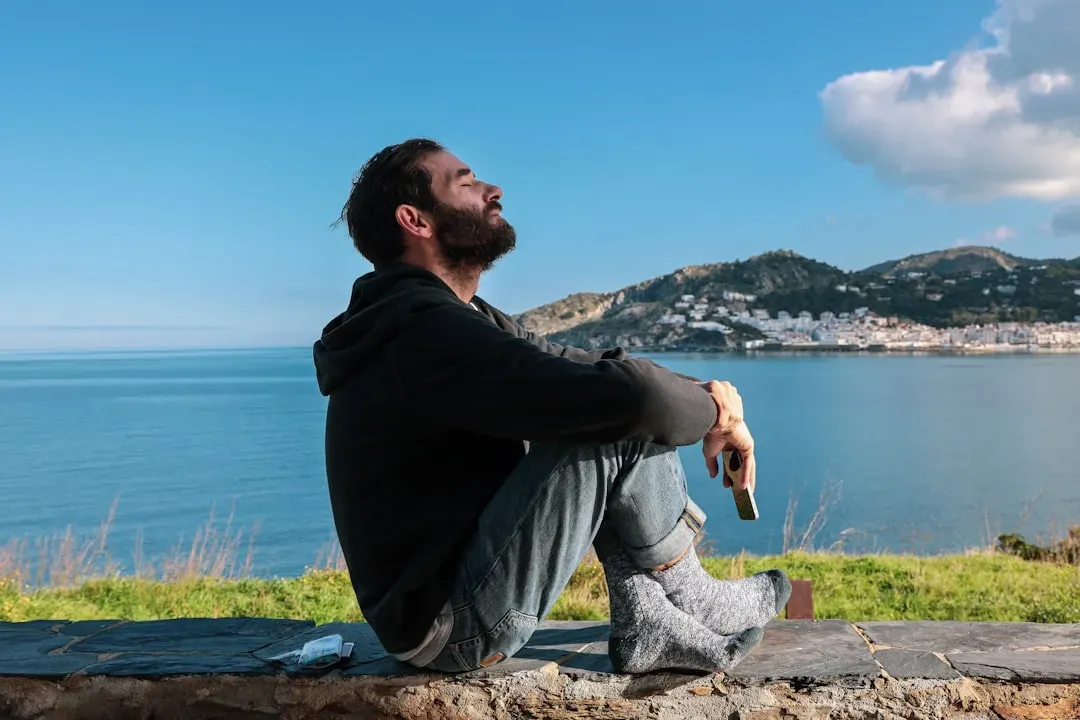
Here’s what nobody tells you about happiness: sometimes the path to it is through acceptance, not action. If you learn to face and accept the situation and your unhappiness, you will realize that you are strong enough to withstand hardships, allowing yourself to start recovering and healing, and rather than swimming against the tide, you learn to go with the flow and emerge a stronger and wiser person, and when you embrace your unhappiness and disappointment, you rob the situation of some of its effect and start to see that you can and will overcome it.
If you expect events to unfold a certain way, you’re setting yourself up for disappointment, but if you lower your expectations, you also lower your attachment to a particular outcome, and as a result, you suffer less. I know it sounds counterintuitive. We’re taught to dream big, aim high.
Yet there’s freedom in letting go of how you think things “should” be. When you stop demanding that life follow your script, you create space for unexpected sources of joy. You notice opportunities you would have missed while stubbornly pursuing the “right” outcome. This doesn’t mean giving up on goals. It means holding them lightly enough that disappointment doesn’t destroy you.
Find Meaning in Your Struggles to Shape Your Future

Updated research reaffirms that emotional capabilities not only support mental health and resilience but shape the very purpose of our lives, and emotional intelligence is the bridge between hardship and meaning, between stress and connection, and it’s not just how we cope that matters, but how we grow through the experience and use it to deepen our purpose and relationships.
Your pain isn’t pointless. It’s hard to believe that when you’re in the middle of it, I get that. Still, looking back, you’ll often see how certain experiences, terrible as they were, redirected you toward something important. Maybe you discovered compassion you didn’t know you had. Perhaps you learned boundaries you desperately needed.
Past experiences can be put to good use in helping others, and you should see past experiences as learning experiences that allow you to better yourself and live fuller lives in the future. When your suffering gives you wisdom to help someone else, it transforms from pure loss into something with value. That’s not justifying what happened. It’s just refusing to let it be entirely wasted.
Practice Gratitude for What Remains and What’s Coming
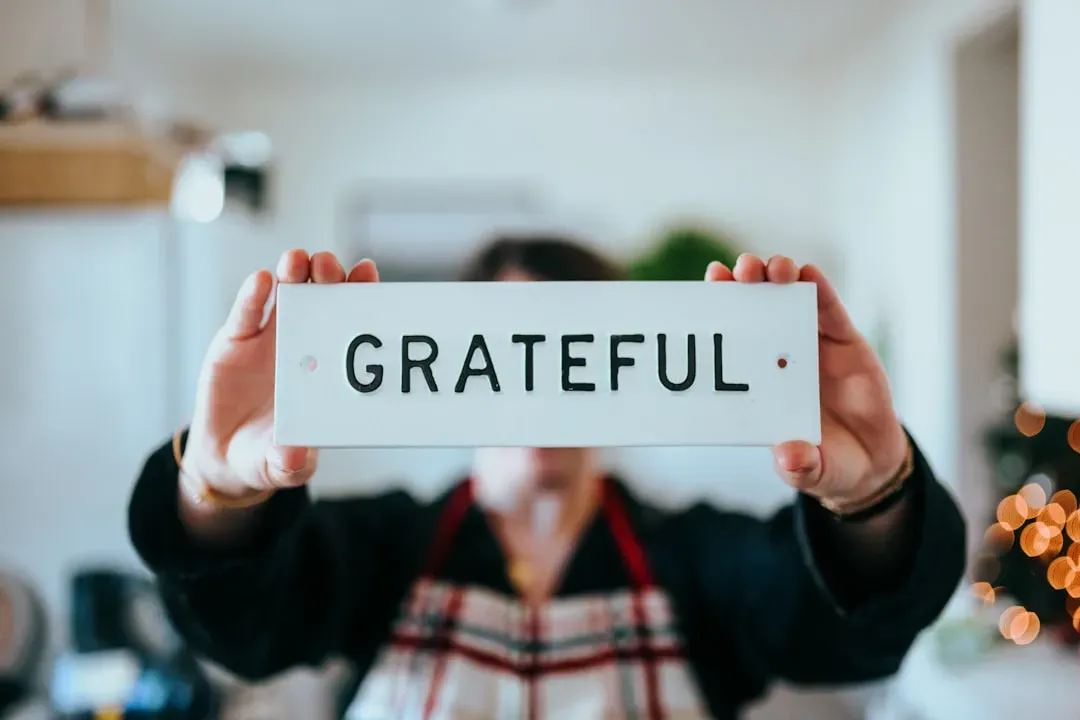
You can find things to be grateful for in almost any situation, no matter how bad it is, and this is why it is important to practice gratitude regularly and especially when upset. This one’s tricky because it can feel dismissive of real problems.
Listen, gratitude isn’t about pretending your struggles don’t matter. It’s about training your brain to notice what’s still working when everything feels broken. In positive psychological research, there’s a strong link between gratitude and greater happiness, and gratitude focuses attention on what you have rather than what you don’t, and it squeezes out the negative feelings that can be more present.
Your future happiness depends partly on what you choose to focus on today. If you can find even three small things daily to appreciate – a decent meal, a safe place to sleep, one person who cares – you’re building neural pathways toward contentment. Training yourself to recognize good, enjoyable, beautiful things that surround you helps cultivate a sense of gratitude and contentment, which are the building blocks of happiness. It compounds over time.
Connect With Others Who Understand the Journey

Good relationships keep people happier and healthier throughout life, and close relationships, not wealth, fame, social class, or even IQ, are what keep people happier and healthier throughout life. You’ve probably heard this before. There’s a reason it keeps coming up.
Having strong social connections is the most consistent predictor of who has a happy life. When you’re struggling, isolation feels safe. It’s not. When feeling down, some people tend to want to curl up on their couch, shut off their phones and lock the door behind them, yet this is just the opposite of what they should do to truly feel better, because negative events induce a form of negative thinking that is less likely to get interrupted when you’re all alone and in your head.
Reaching out feels impossible sometimes. Do it anyway. Find one person who gets it, who won’t offer empty platitudes but will just sit with you in the mess. Humans are social creatures, and you crave connection, and being with people you love and care about can increase self-esteem, enhance mental health, promote healthy behavior, and help you handle stress better. These connections become the bridge between your painful past and your hopeful future.
Conclusion: Your Future Holds More Than Your Past Dictates

Your past does not define your future, and by understanding how past experiences influence your present life, you can take proactive steps to create positive change. That’s the bottom line. You’re not stuck in the story that’s already been written.
Happiness see how to be happy isn’t about forcing positivity or ignoring real pain. It’s about recognizing that your difficult past has equipped you with tools for a different future. The resilience you built, the compassion you learned, the ability to savor small joys – these are gifts born from struggle. Happiness resides on a continuum, and happiness is a lifelong journey, and knowing that, you can have realistic rather than unrealistic expectations about what is possible.
You’ve survived everything life has thrown at you so far. That’s not nothing. In fact, it’s everything. Each day you get through builds the foundation for days when getting through won’t feel like such hard work. Keep going. Your past has taught you how. Your future is waiting to show you why. What possibilities might open up when you start seeing your struggles not as endings but as beginnings?