
Have you ever walked away from a conversation feeling oddly uncomfortable, even though nothing particularly bad happened? Maybe a friend seemed less enthusiastic about your good news than you expected. Or perhaps a colleague’s compliment felt more like a critique wrapped in a smile. These subtle moments can leave you confused, questioning whether you’re reading too much into things or if something deeper is actually going on beneath the surface.
Self-awareness allows you to manage your emotions and recognize what you’re feeling and why. When you develop this skill, you become better equipped to navigate complex social dynamics, including recognizing when someone harbors hidden jealousy toward you. Understanding these patterns isn’t about being paranoid or judgmental. It’s about protecting your peace and building genuine connections with people who truly support your growth. Ultimately, this awareness connects directly to your happiness because surrounding yourself with authentic relationships is one of the fundamental pillars of a fulfilling life.
They Give You Backhanded Compliments

One of the most common signs someone secretly envies you is when they give you compliments that don’t really feel like compliments. You know the type. Someone says something nice on the surface, yet there’s a sting hidden underneath. Someone might say, “Wow, you’re doing so well for someone with your background!” It sounds supportive at first, yet the underlying message suggests you don’t truly deserve your success.
Backhanded compliments are a classic form of covert or passive-aggressive hostility: rather than expressing envy directly, the person cloaks it in a sugar-coated jab. These comments are designed to diminish your accomplishments while maintaining plausible deniability. If you call them out, they can easily backtrack and claim they were just being nice. The truth is, someone genuinely happy for you wouldn’t need to qualify their praise with subtle criticism.
They Constantly Try to One-Up You

Jealous types can take the whole “life is a game” to toxic levels, turning every little thing into a world championship event. You share something positive that happened to you, and immediately they jump in with something bigger or better about themselves. Got a promotion? They got two. Took a nice vacation? Theirs was more exotic and cost twice as much.
While there is nothing wrong with a bit of friendly competition, turning your friendship into a neverending Olympics is a sign of toxicity and jealousy. This behavior reveals their deep insecurity. Instead of celebrating your wins, they feel threatened by them. Every achievement you have becomes a challenge they must top, transforming what should be a supportive relationship into an exhausting rivalry where only one person can ever be winning.
They Downplay Your Achievements

Jealous people often downplay or ignore other people’s successes, saying things like, ‘It’s not even that big of a deal.’ When you share exciting news, they immediately minimize it. If someone is , they attribute your success to luck or external factors, aiming to reduce the acknowledgment you receive and make others question the credibility or significance of your accomplishments.
This dismissive attitude protects their fragile ego. Instead of celebrating your success, a jealous person might try to minimize it or make it seem less significant than it really is to make themselves feel better about their own situation. They simply cannot acknowledge the hard work, dedication, and talent you invested because doing so would force them to confront their own choices and perceived shortcomings.
They Suddenly Become Distant After Your Success

One of the most painful signs of hidden jealousy is distance – someone who used to be close suddenly starts pulling away right after you experience a big win. The texts become less frequent. The invitations stop coming. They’re suddenly too busy to meet up, yet you see them actively engaging with others on social media.
It’s not that they dislike you – it’s that being around you reminds them of what they don’t have, a dynamic psychologists call upward social comparison: when people compare themselves to someone doing better, it often triggers feelings of inadequacy. Rather than dealing with these uncomfortable feelings, they choose avoidance. Your success becomes a mirror reflecting what they believe they lack, and staying away feels easier than facing that reflection.
Their Body Language Tells a Different Story

Words can lie, yet bodies rarely do. Experienced experts can tell a lot about a person based on their body language, and if their smiles don’t look sincere, if they say words of encouragement but their eyes don’t express anything, they are r success. Watch for forced smiles that don’t reach their eyes, crossed arms during your conversations, or a notable lack of eye contact when you discuss your accomplishments.
Psychologists point out that humans are wired to detect micro-expressions – tiny facial cues that reveal genuine emotion, and even if someone says the “right” thing, your intuition often picks up on whether their reaction is authentic. That uncomfortable feeling you get when they congratulate you isn’t imaginary. Your subconscious mind is processing dozens of nonverbal signals that contradict their spoken words, creating that sense of disconnect you can’t quite explain.
They Criticize Almost Everything You Do

Rather than offering constructive feedback or genuine concern, the jealous individual will nitpick and find fault in almost everything you do or say, focusing on trivial details or exaggerating any mistakes you make, aiming to make you feel incompetent or inadequate. Nothing you do seems right in their eyes. Your choices are questioned, your decisions are second-guessed, and your mistakes are magnified beyond proportion.
This relentless criticism serves a purpose for them. Psychologists say that this move is directed at diminishing your self-esteem and belief in yourself. When they can shake your confidence, they feel momentarily superior. It’s not about helping you improve or offering genuine advice. It’s about keeping you small enough that they don’t feel overshadowed by your light.
They Copy Your Style or Ideas

When someone starts imitating you, it may look harmless – maybe even flattering – but when a person copies your style, your words, or your ideas again and again, without ever acknowledging you, it’s not admiration, it’s jealousy. They suddenly dress like you, adopt your mannerisms, or pursue similar goals.
This behavior is one of the classic signs someone secretly envies you because jealous people often feel insecure about their own originality. Rather than developing their authentic self, they attempt to become you or at least a version of what they perceive as your successful persona. While imitation can sometimes be sincere flattery, obsessive copying reveals their belief that what makes you special is something they desperately want to possess for themselves.
They Spread Rumors or Talk Behind Your Back
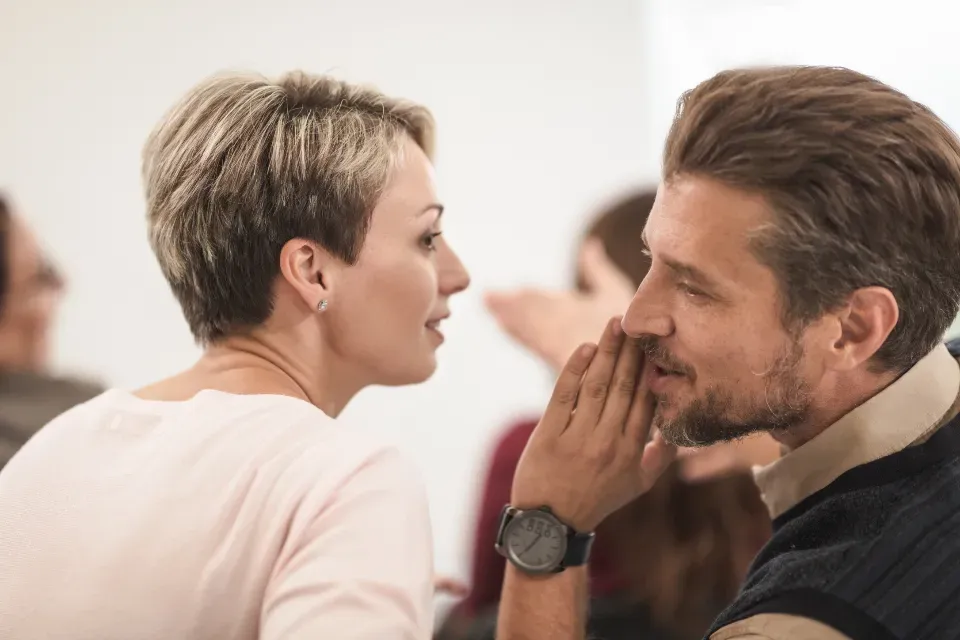
A jealous individual might fabricate stories, twist facts, or exaggerate incidents to portray you in a negative light, and this is one of the clear signs that someone is envious of you, as a person who is r achievements holds a strong desire to undermine your credibility or social standing. You hear through the grapevine that they’ve been saying things about you that aren’t true or are heavily distorted versions of reality.
This cruel behavior stems from their desire to see you fail or at least to tarnish your reputation enough that others view you less favorably. They cannot elevate themselves through their own achievements, so they attempt to bring you down through gossip and misinformation. It’s a cowardly approach that reveals the depths of their insecurity and their inability to handle your success with maturity.
They Offer Advice Designed to Hold You Back

There is genuine advice that helps you grow, and then there is the kind that gently plants doubt in your mind, sounding like concern but actually being an attempt to keep you small and make sure you don’t climb higher than they can tolerate. They discourage you from pursuing opportunities, point out all the potential problems, and focus exclusively on why something won’t work rather than how it might succeed.
A good friend will support your decisions and come up with words of encouragement when you doubt yourself, but a jealous friend will always try to prevent you from starting in the first place. Their unsolicited caution isn’t about protecting you from failure. It’s about protecting themselves from watching you succeed beyond where they’ve managed to go. They prefer you stay at their level rather than risk watching you soar.
They Act Differently in Private Versus Public

One-on-one, they acknowledge your talent and achievements, but in a group setting, they suddenly minimize your success, act as though it’s no big deal, or redirect the conversation elsewhere. This Jekyll and Hyde behavior can be particularly confusing because you know they’re capable of being supportive, yet they only show that side when no one else is watching.
This pattern reveals their fear of others perceiving you as more successful than them. In private, they can acknowledge reality without social consequences. In public, however, admitting your achievements feels like diminishing their own status in the eyes of the group. They’re more concerned with managing their image and maintaining their position in the social hierarchy than with being a genuine friend to you.
They Show Excessive Interest in Your Failures

Rather than offering genuine empathy or support during challenging times, toxic people may derive satisfaction from your failures. Notice how they perk up when you mention a setback. Suddenly they’re asking questions, leaning in, wanting all the details. Their concern seems performative rather than authentic, and there’s almost a gleam of satisfaction in their eyes.
For them, seeing you fail fuels their ego. Your struggles temporarily alleviate their own feelings of inadequacy. When you stumble, it confirms their internal narrative that perhaps you’re not as special as others think, which makes them feel better about their own position. A true friend feels your pain and wants to help you back up. A jealous person secretly enjoys watching you fall because it levels the playing field in their mind.
Their Energy Shifts When Good Things Happen to You

At first, they’re enthusiastic about your success – they cheer, they congratulate – but the longer you keep winning, the more their energy changes, and jealousy doesn’t always start as jealousy – it often begins as admiration, but when admiration is mixed with insecurity, it turns into resentment. You can literally feel the temperature drop in the room when you share positive news.
The most profound indication of hidden jealousy is a noticeable shift in energy, as when someone is secretly envious, they might exude a negative aura – you might feel a sense of unease, discomfort, or negativity around them, especially when discussing your achievements or happiness, and this change in vibe isn’t just in your head. Your subconscious picks up on countless subtle signals that something feels off, even when you can’t articulate exactly what changed. Trust that instinct. It’s often more accurate than their carefully chosen words.
Conclusion: Protecting Your Peace While Moving Forward

Recognizing these signs isn’t about becoming paranoid or cutting everyone out of your life who shows even one of these behaviors. It’s about developing the self-awareness to understand what’s happening in your relationships so you can respond wisely. Often, jealousy is more about the other person’s insecurities than it is about you, so try not to take it personally.
Envy reflects their inner struggle, not your success, and when you notice someone secretly envies you, remember – it’s proof that your light is shining bright enough to be noticed. You don’t need to dim your brightness to make others comfortable. Continue pursuing your goals, celebrating your victories, and surrounding yourself with people who genuinely want to see you thrive.
Being self-aware and working on your emotional intelligence is crucial for leading a happy and fulfilled life, as it allows you to understand yourself better, recognise your strengths and weaknesses, and navigate the world around you more easily. When you understand these dynamics and choose your inner circle wisely, you create space for authentic happiness to flourish. Have you noticed any of these signs in your own relationships? What did you discover about the people around you?